





Vitamin C Powders For Supplement Stacks
(0 Results)
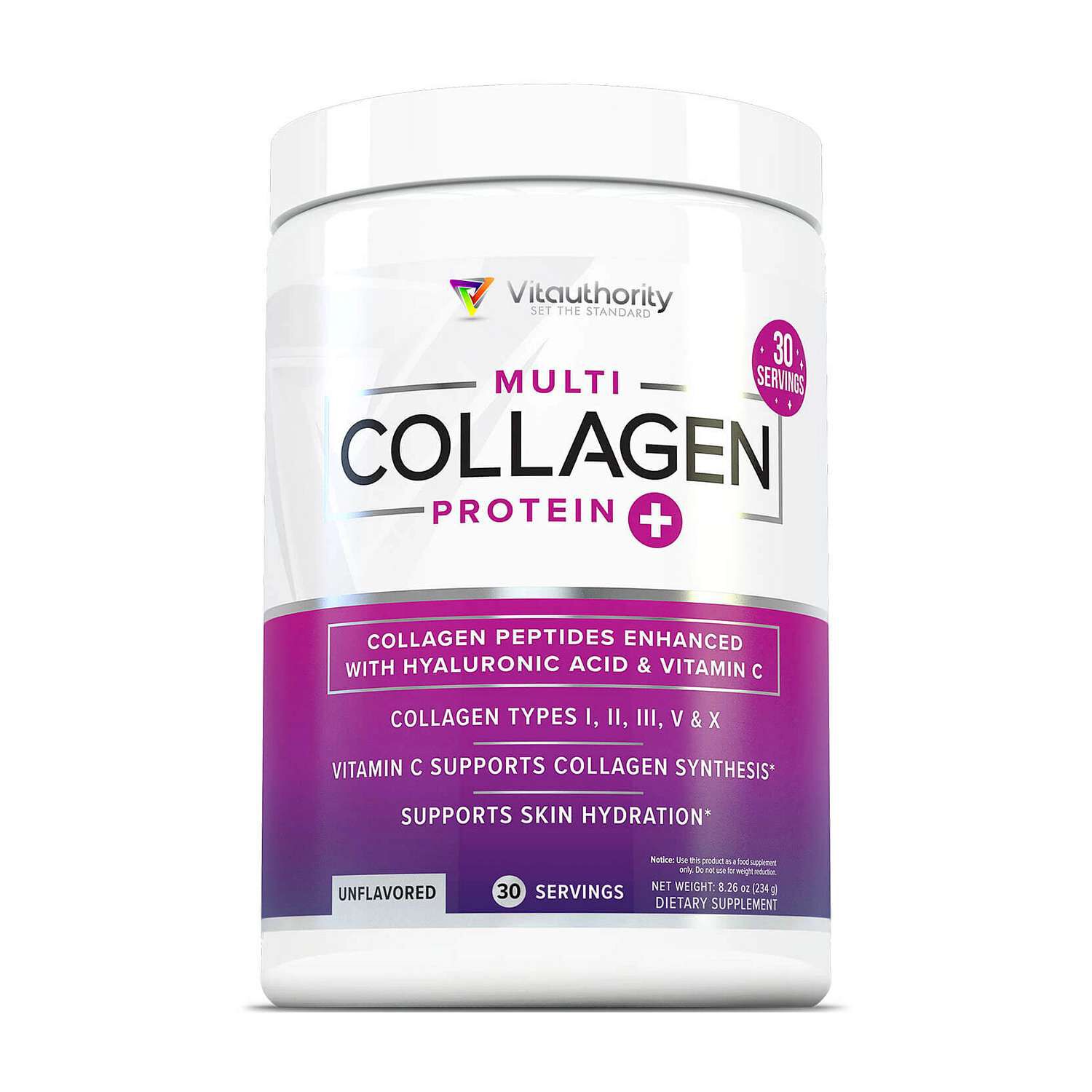
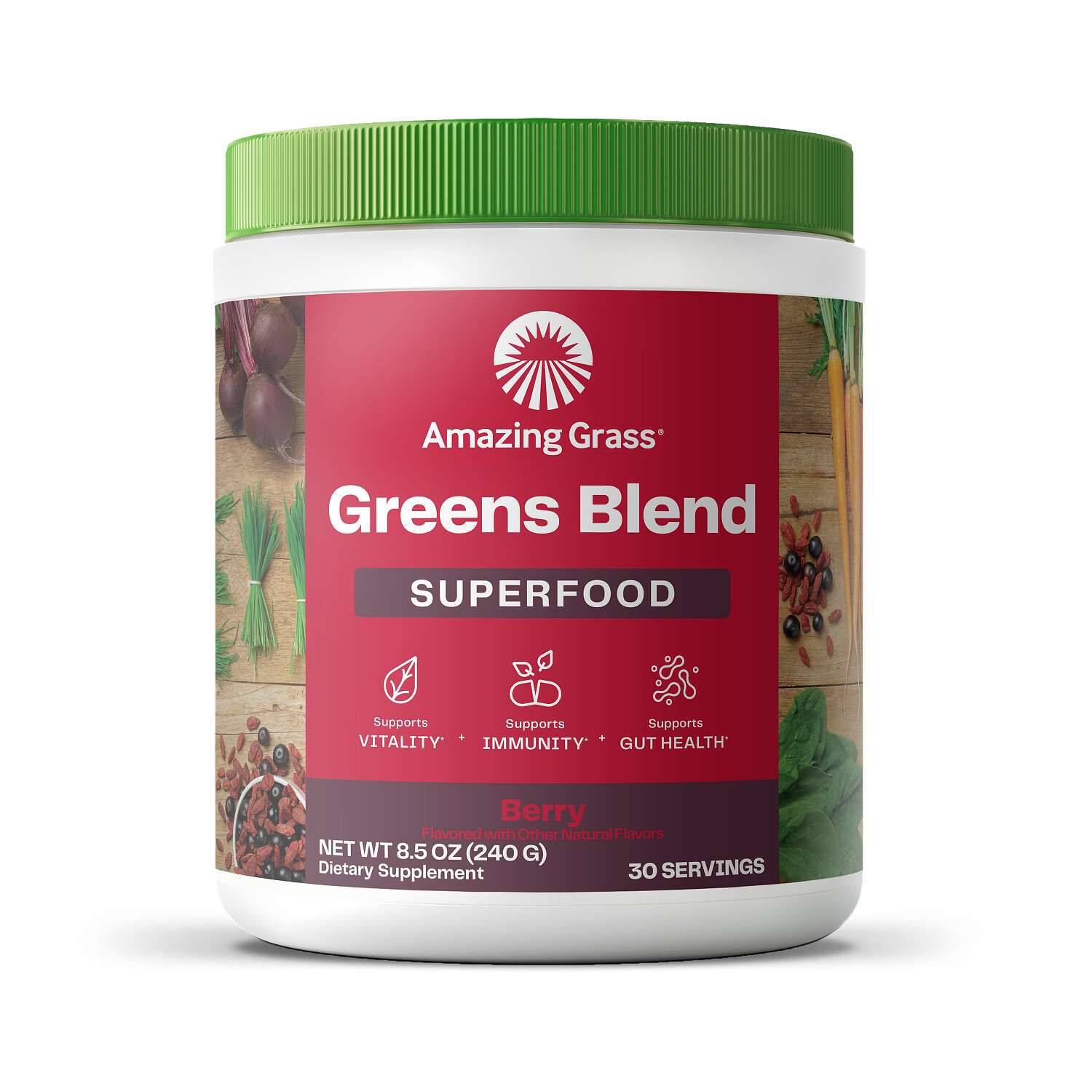
Vitamin C powders for supplement stacks offer a convenient way to customize your daily routine and support your wellness goals. Easily mixed into your favorite beverages or shakes, these versatile powders may fit seamlessly into any supplement stack. Whether you’re looking to enhance your active lifestyle or simply add variety to your nutrition plan, vitamin C powders for supplement stacks could be a smart addition to your regimen. Explore options that might help you personalize your approach to daily wellness.
-
-
-

-
 $34.99

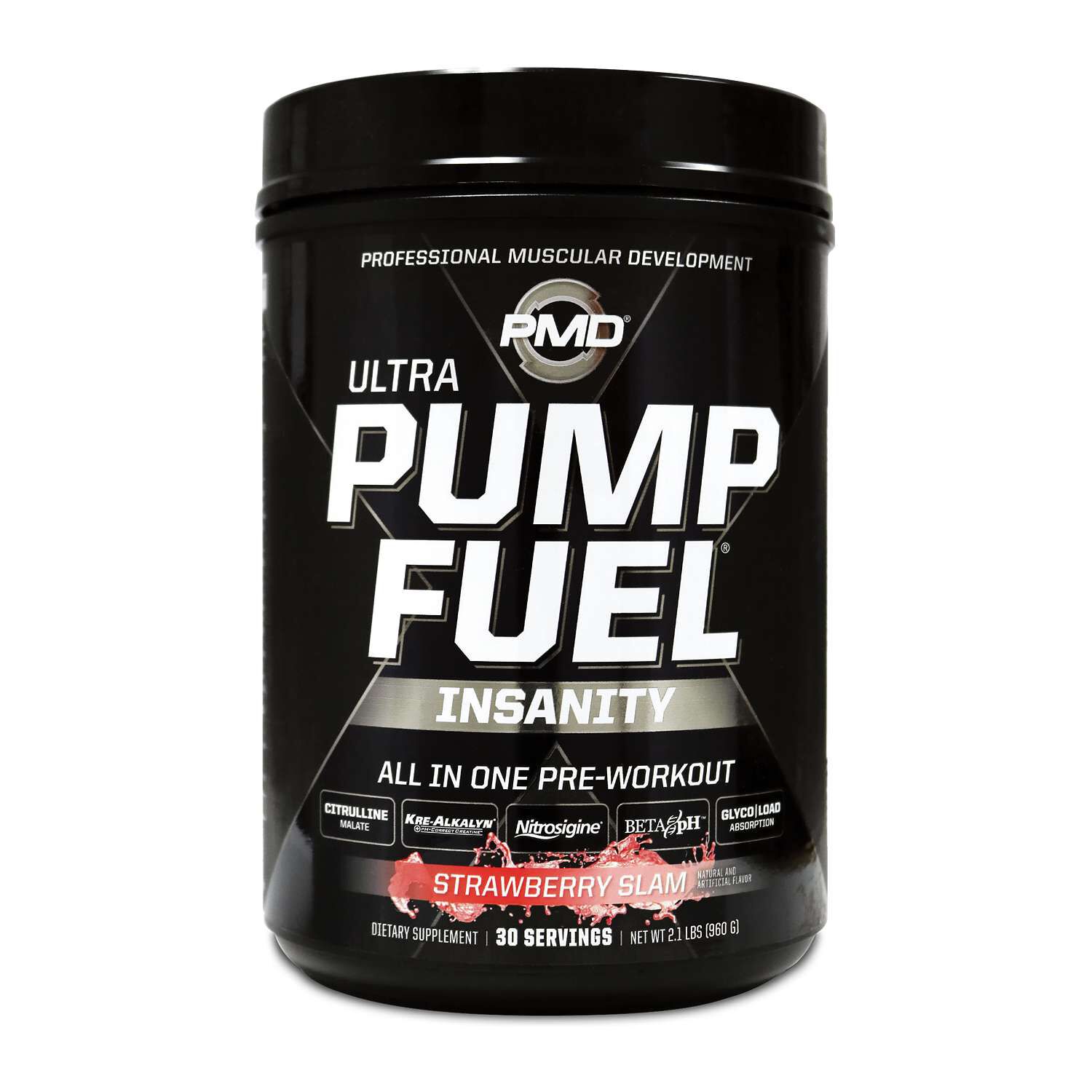
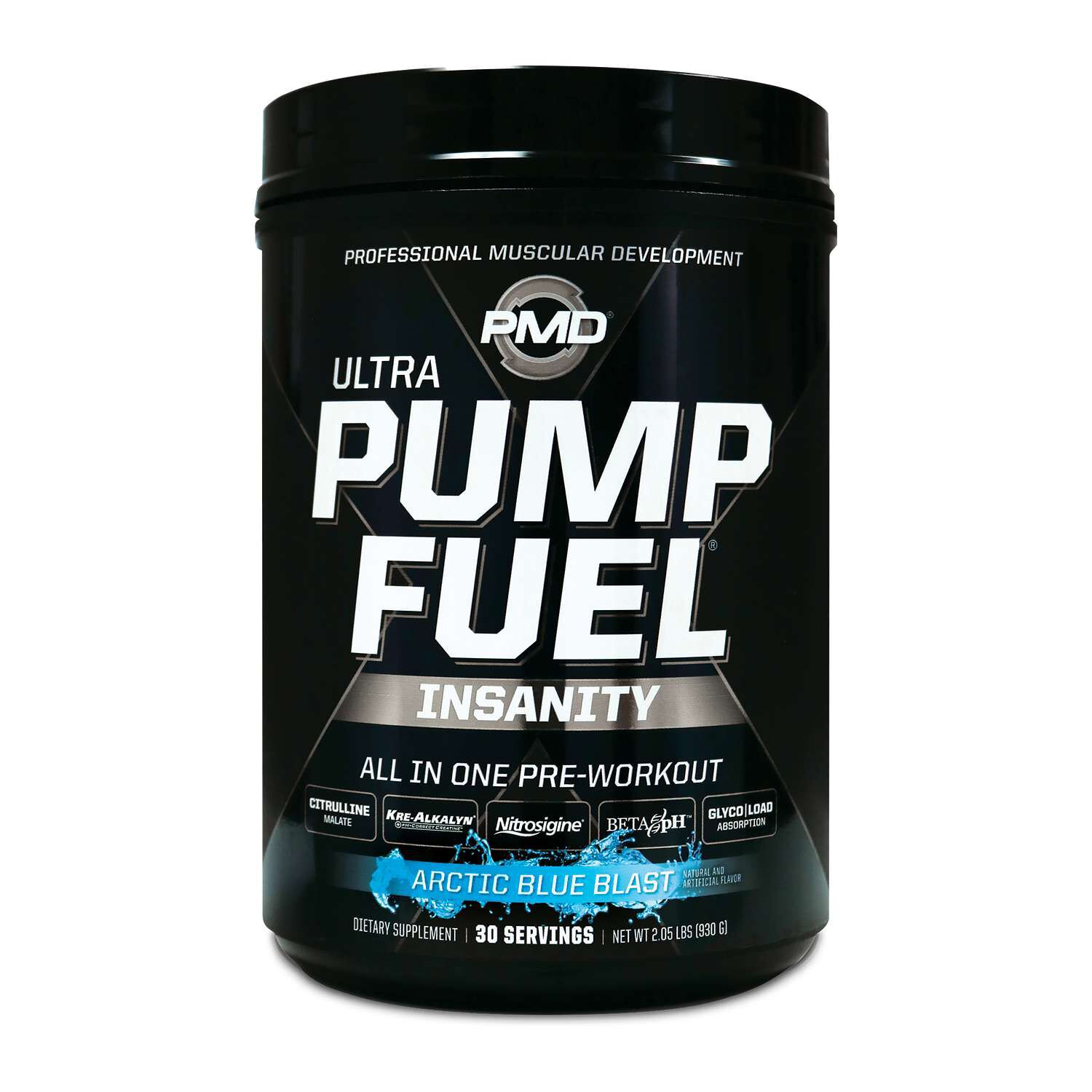
Vitamin C powders for supplement stacks are powdered dietary supplements used alongside other products in a personal nutrition routine. A supplement stack is a group of supplements used within the same routine, not necessarily a mixture of ingredients in one drink. Vitamin C is a water-soluble nutrient found in foods such as oranges, strawberries, and bell peppers; powder supplements contain a labeled amount in each measured serving. Common ingredient forms include L-ascorbic acid, sodium ascorbate, and calcium ascorbate. Ascorbic acid has a naturally tart taste, while sodium and calcium ascorbates combine vitamin C with a mineral component. Buffered formulas typically use mineral ascorbates, though the ingredient list is the place to confirm the composition. The word buffered describes the formulation rather than establishing that one option is the best fit for everyone. For shoppers comparing vitamin C powders, useful distinctions include the vitamin C form, amount per serving, serving size, flavor, and additional ingredients. A single-nutrient formula has a different role in a stack from a blend that also contains minerals, other vitamins, or botanical ingredients. Likewise, an unflavored powder is not necessarily tasteless: the underlying ingredient still has its own character. Flavored formulas may suit someone who prefers a drink with a defined fruit profile, while a simpler formula may appeal to someone who wants fewer added ingredients. Sweeteners, colors, and flavoring ingredients also vary, so the front label tells only part of the story. The Supplement Facts panel and ingredient list provide a more detailed picture of what is in the container. Adults who already use a multivitamin or another nutritional supplement may find that comparing labels makes overlapping ingredients easier to recognize. The distinction between the weight of the powder and the amount of vitamin C is particularly relevant when comparing formulas containing several ingredients. Two servings with similar scoop sizes do not necessarily contain the same amount of the nutrient, and a larger container does not necessarily hold more servings.
The practical appeal of vitamin C powder is often tied to format and routine rather than a long list of ingredients. Someone who prefers a drink format over another capsule may find powder a suitable option, while someone with an established morning routine may prefer a formula with straightforward measuring directions. That choice still depends on the individual label: serving sizes, preparation instructions, and intended users vary. A scoop from one container is not interchangeable with a scoop from another, even when both products contain vitamin C. Some packages describe the serving in teaspoons, some include a scoop, and others specify an amount by weight. The measuring method printed on the package is the relevant reference. Taste and mixing characteristics deserve attention, too. A tart, unflavored powder may be more noticeable in plain water than in a flavored beverage, but the finished taste depends on the formula and preparation. Flavored vitamin C powders bring their own sweetness and acidity to a drink, which may not suit every existing powder in a routine. A citrus flavor paired with another citrus drink is a different sensory choice from the same powder paired with a creamy shake. Package directions should determine the preparation method rather than an assumption that all supplements belong in the same bottle. Keeping products in separate preparations may also make it easier to distinguish their individual serving directions and flavors. For someone who uses protein powder, a multivitamin, or other supplements, the shopping comparison extends beyond vitamin C alone: the ingredient lists across that routine matter. A stack is not a standardized recipe, and the term does not establish which combinations or quantities are appropriate for an individual. From a day-to-day standpoint, the most relevant details are often modest ones: whether the container fits beside the usual drinkware, whether the measuring tool is easy to access, and whether the flavor is something the shopper actually enjoys. Those details may help distinguish between otherwise similar powder formats without relying on broad claims about results.
Packaging and storage are also part of comparing vitamin C powders for supplement stacks. Common formats include tubs, resealable pouches, and individually portioned packets, each with different handling considerations. A pouch occupies space differently in a cabinet or travel bag, and packets divide the powder into portions defined by the manufacturer. None of those formats changes the need to check the serving directions. For powders kept near a kitchen counter, the printed storage instructions deserve as much attention as the flavor name. Steam from a kettle, splashes near a sink, and a damp measuring spoon are practical considerations when choosing a storage spot. A clean, dry utensil and a securely closed package are sensible parts of handling powdered supplements. Keeping the original packaging also preserves access to the ingredient list, directions, expiration date, and lot information. When comparing container sizes, consider the labeled serving count alongside the amount per serving instead of judging by package dimensions alone. A larger pouch may be less convenient for someone who carries supplements between home and work, while individual packets create a different amount of packaging to manage. Shoppers exploring a broader daily format may also browse Vitamin C Powders For Wellness Routines to compare options organized around that use. Across these formats, the most useful distinctions remain concrete: ingredient form, added ingredients, taste, measurement, preparation, and storage. A clearly labeled powder with a format that suits the intended setting may be a more practical choice than a complicated blend selected only because its ingredient list is longer. Whether the routine involves a kitchen cupboard or a dedicated supplement organizer, vitamin C powder belongs in the comparison as an individual product with its own composition and directions—not as an automatic addition to every drink or every stack.
Best Sellers
-
 Create Wellness

Related Pages

Top Collections
- Chronic Fatigue Supplements
- Vitamins For Hair Loss
- Capsule Supplements For Energy And Stamina
- Supplements For Yoga Joint Flexibility
- Zinc Supplements For Men
- Best Brand of Magnesium Glycinate
- Cortisol Supplements
- Supplements For Energy And Wellness
- Joint Mobility Supplement Packs
- Peptide Supplements