





Vitamin C Supplements For Antioxidant Protection
(0 Results)
Vitamin C supplements for antioxidant protection are a popular choice for those looking to support their overall wellness. With a variety of convenient forms and strengths available, these supplements may help you meet your daily vitamin C needs. Whether you’re looking to add more nutrients to your routine or seeking options that fit your lifestyle, vitamin C supplements for antioxidant protection could be a valuable addition to your wellness journey.







_Front.jpg?sw=305&sh=305&sm=fit "Pure Way-C Vitamin C and Bioflavonoids 1000+ mg - 90 Tablets (90 Servings) | GNC")




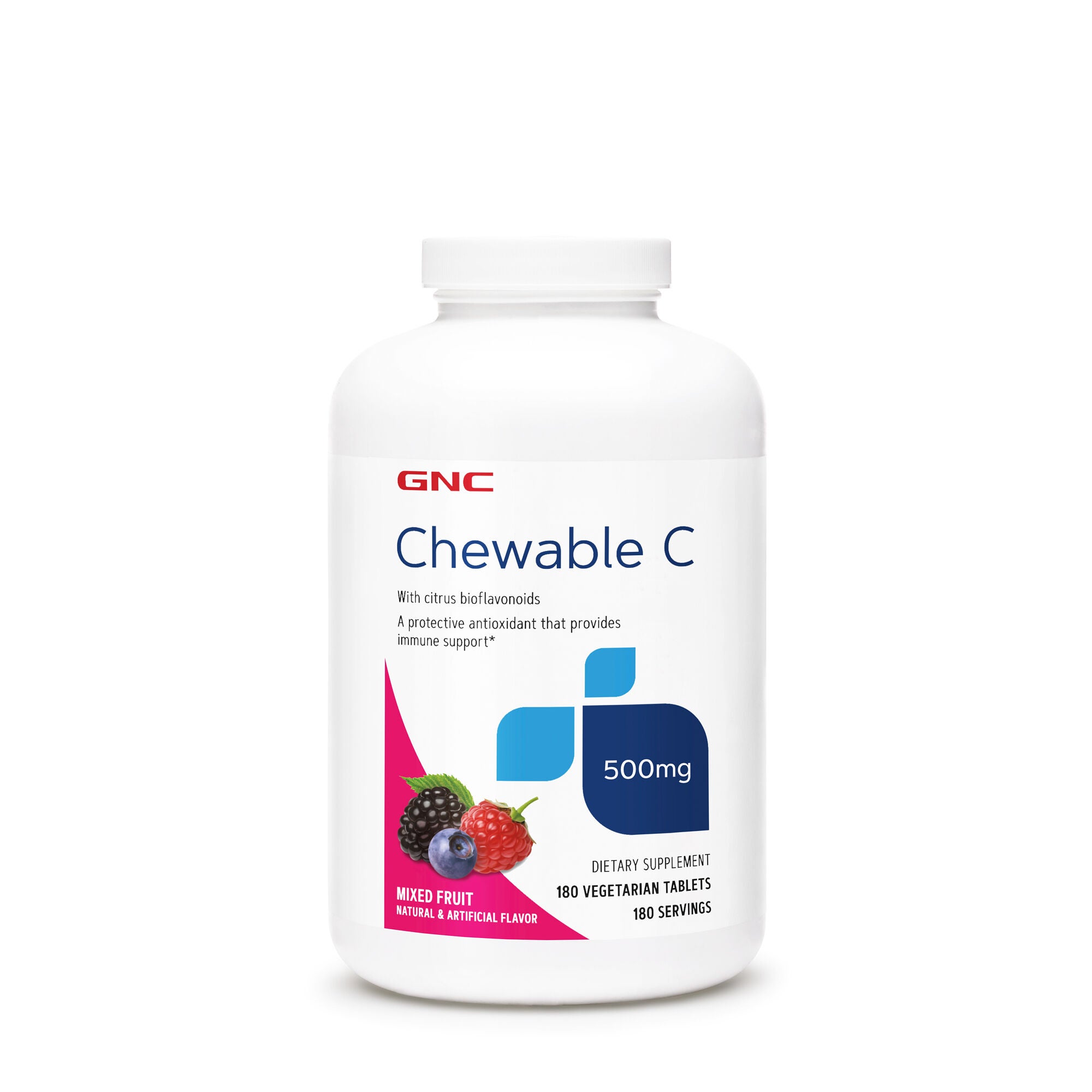
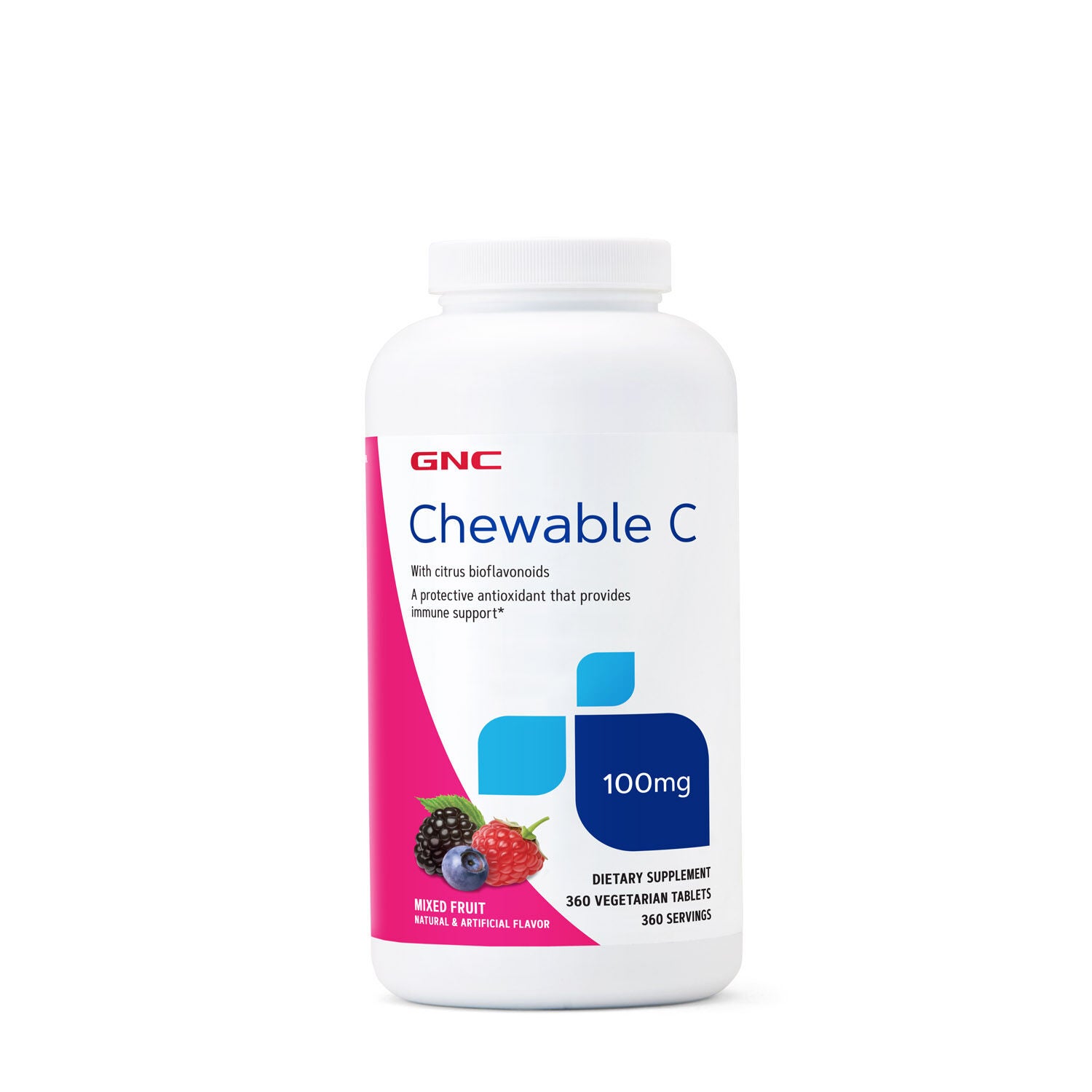
Vitamin C supplements can be a convenient addition to a nutrition routine for people who want to pay closer attention to antioxidant nutrients. Vitamin C is a water-soluble nutrient found in foods such as oranges, grapefruit, strawberries, kiwi, bell peppers, broccoli and tomatoes. In the body, it functions as an antioxidant, which means it may help neutralize free radicals created through normal metabolism and everyday environmental exposure. It also participates in normal collagen formation and may help the body absorb iron from plant-based foods. These roles make vitamin C a familiar choice for wellness-minded shoppers, especially during busy stretches when meals become less predictable. A supplement may fit neatly beside a morning glass of water, a packed lunch or an evening wellness routine, although it works best as one part of a varied diet rather than as a substitute for colorful produce. As the weather warms, some people prefer chewables, drink mixes or small tablets that are easy to keep in a gym bag, desk drawer or travel pouch. During the cooler months, capsules and once-daily tablets may feel more natural alongside other household routines. Vitamin C products can also make thoughtful gifts for a friend who enjoys practical wellness items, a student setting up a new routine or a family member who appreciates simple additions to a pantry or supplement cabinet. When browsing vitamin C supplements for antioxidant protection, start by considering the format that fits the recipient’s habits. Tablets and capsules are familiar and easy to store, while gummies may appeal to shoppers who prefer a softer texture. Powdered forms can be stirred into water or a smoothie, and single-serve packets may suit commuting, travel or outdoor activities. Flavor, serving size, dietary preferences and storage instructions all deserve a place on the shopping checklist. Some formulas contain vitamin C on its own, while others combine it with nutrients such as zinc or vitamin D. A focused formula may be preferable for someone who already uses a carefully organized routine, whereas a combination product may suit a shopper who prefers fewer bottles. Checking the Supplement Facts panel can help clarify the amount per serving, the number of servings and any added sweeteners, colors or flavoring agents.
Vitamin C appears in several forms, and the differences may matter to individual preferences. Ascorbic acid is the traditional form and is widely used in tablets, capsules, powders and drink mixes. Mineral ascorbates, such as calcium ascorbate or sodium ascorbate, pair vitamin C with a mineral and may be a preferred option for shoppers who find standard ascorbic acid less comfortable. Products may also vary by dose, so reading the label matters more than judging a bottle by its size or by phrases such as “high potency.” For general nutrition planning, commonly referenced dietary intake values for adults are 75 milligrams per day for women and 90 milligrams per day for men, while the established upper limit for adults is 2,000 milligrams per day from food and supplements combined. Individual circumstances can differ, and more is not automatically better. Anyone considering a higher-dose product, managing a health condition, preparing for a procedure or using prescription treatments may wish to speak with a qualified healthcare professional before adding a supplement. A pharmacist or clinician can also help review overlapping formulas, since vitamin C may appear in multivitamins, immune-focused blends, beauty formulas and drink powders at the same time. For shoppers comparing products online, useful details include the form of vitamin C, the amount per serving, the suggested use, count per container and whether the product matches dietary preferences such as vegetarian, vegan or gluten-free. Packaging can matter as well: an airtight container may be useful for powders, while individually wrapped packets can help maintain a tidy routine away from home. To explore another selection organized around everyday wellness goals, visit Vitamin C Supplements For Wellness Seekers. The best choice is often the one that feels simple enough to use consistently, fits naturally with meals and beverages, and complements the foods already on the table. A bright bowl of berries at breakfast, sliced peppers with lunch or citrus added to water can provide food-based vitamin C, while a supplement may offer a measured option when schedules, travel or seasonal routines make meal planning less dependable. Reviewing the label, choosing a comfortable format and keeping the serving instructions in view can make the experience straightforward from the first purchase through the cooler months.
