Vitamin C D3 Zinc For Antioxidant Support
(0 Results)
Vitamin C D3 Zinc for antioxidant support brings together a powerful trio of essential nutrients that may help you maintain your overall wellness routine. These supplements are popular choices for those looking to support their body's natural defenses and promote daily vitality. Explore a variety of options designed to fit your lifestyle and nutritional goals, as you discover how vitamin C D3 zinc for antioxidant support could become a valuable addition to your supplement regimen.

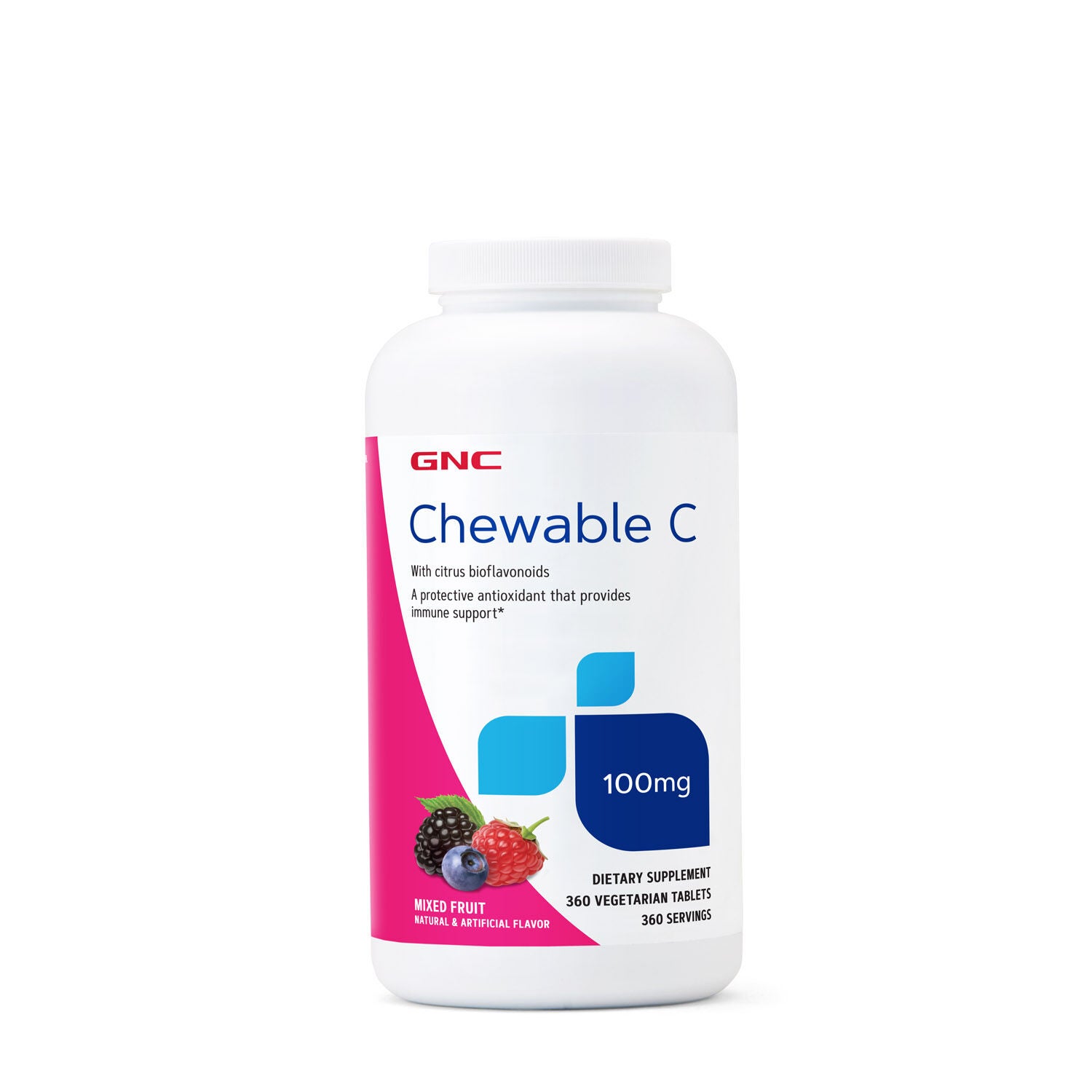


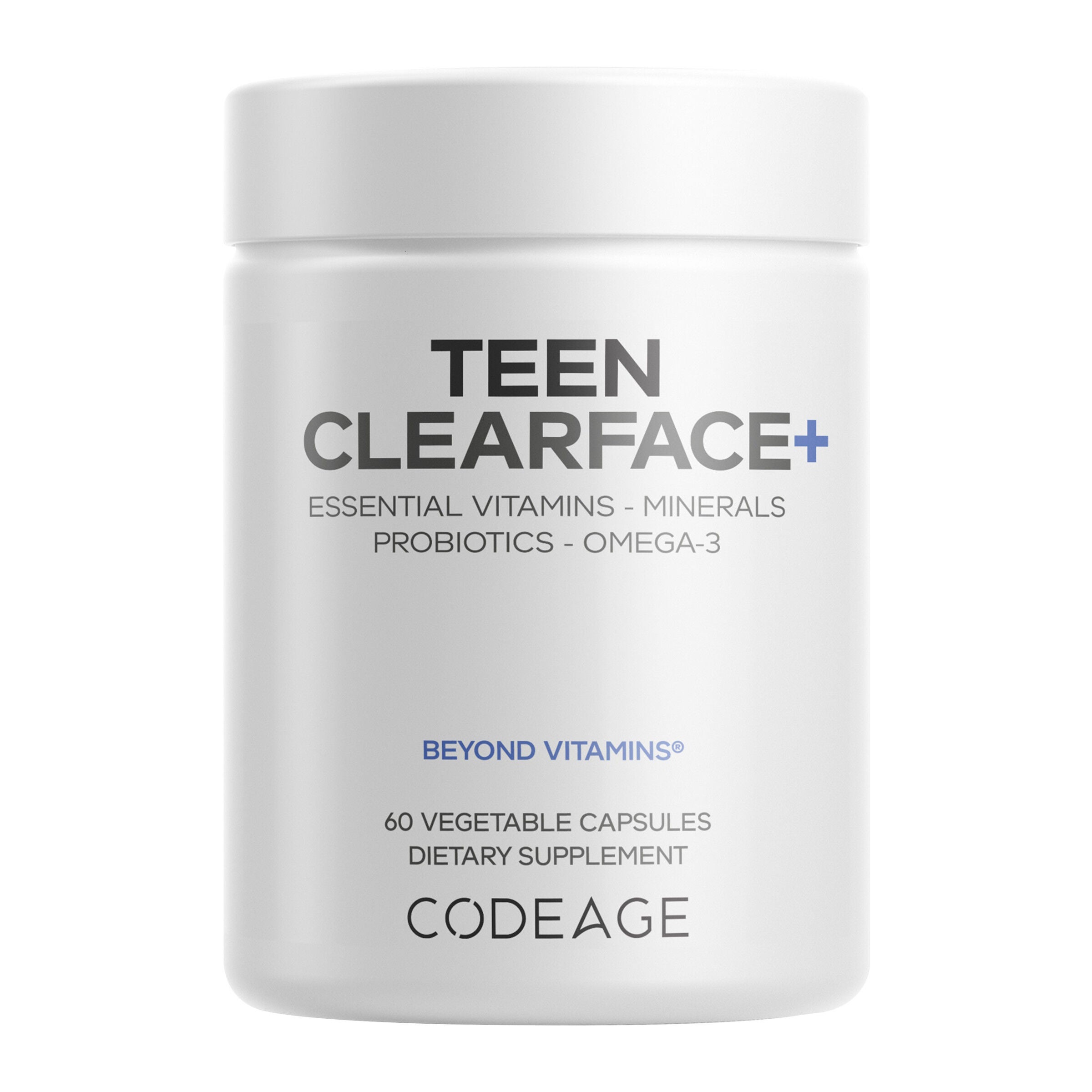


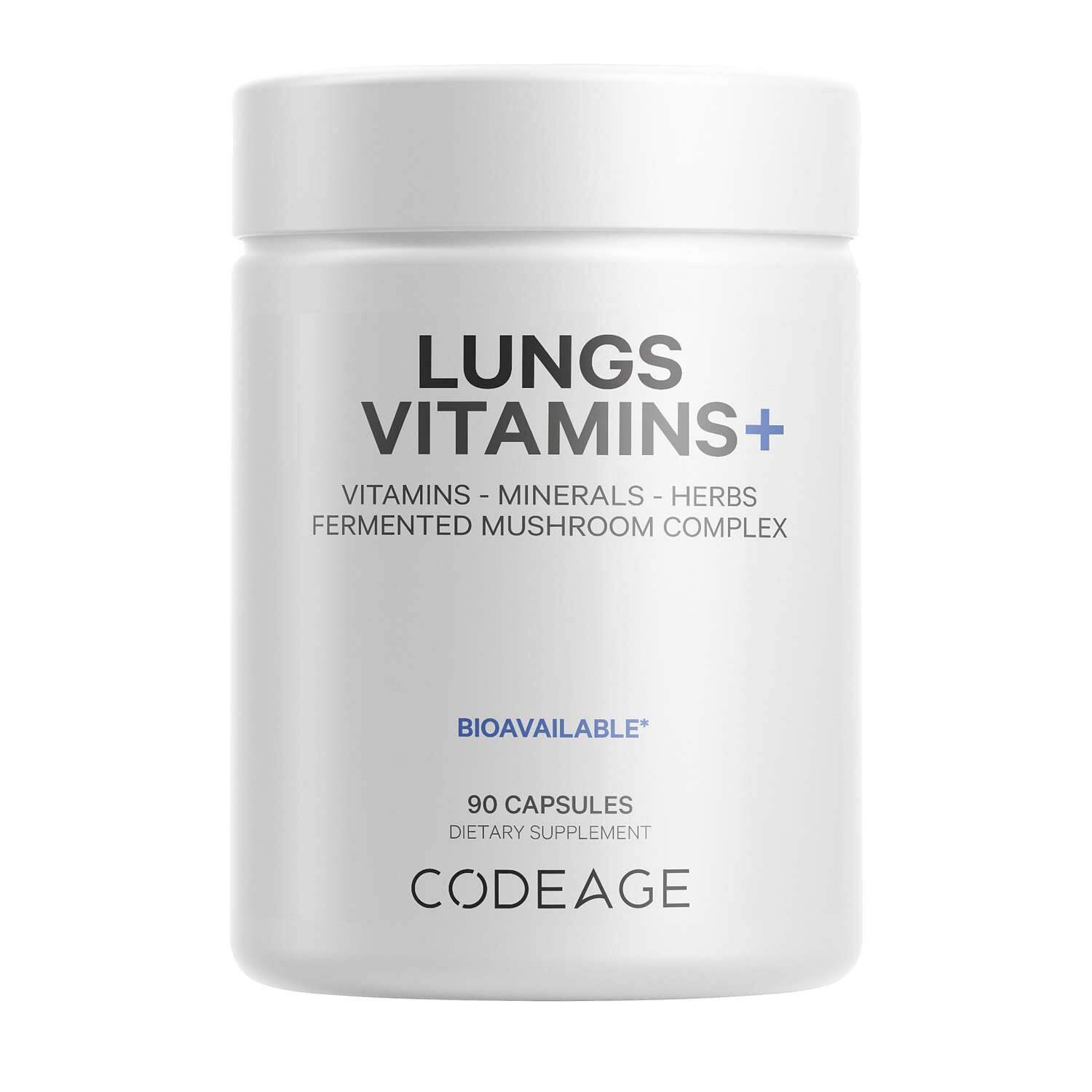
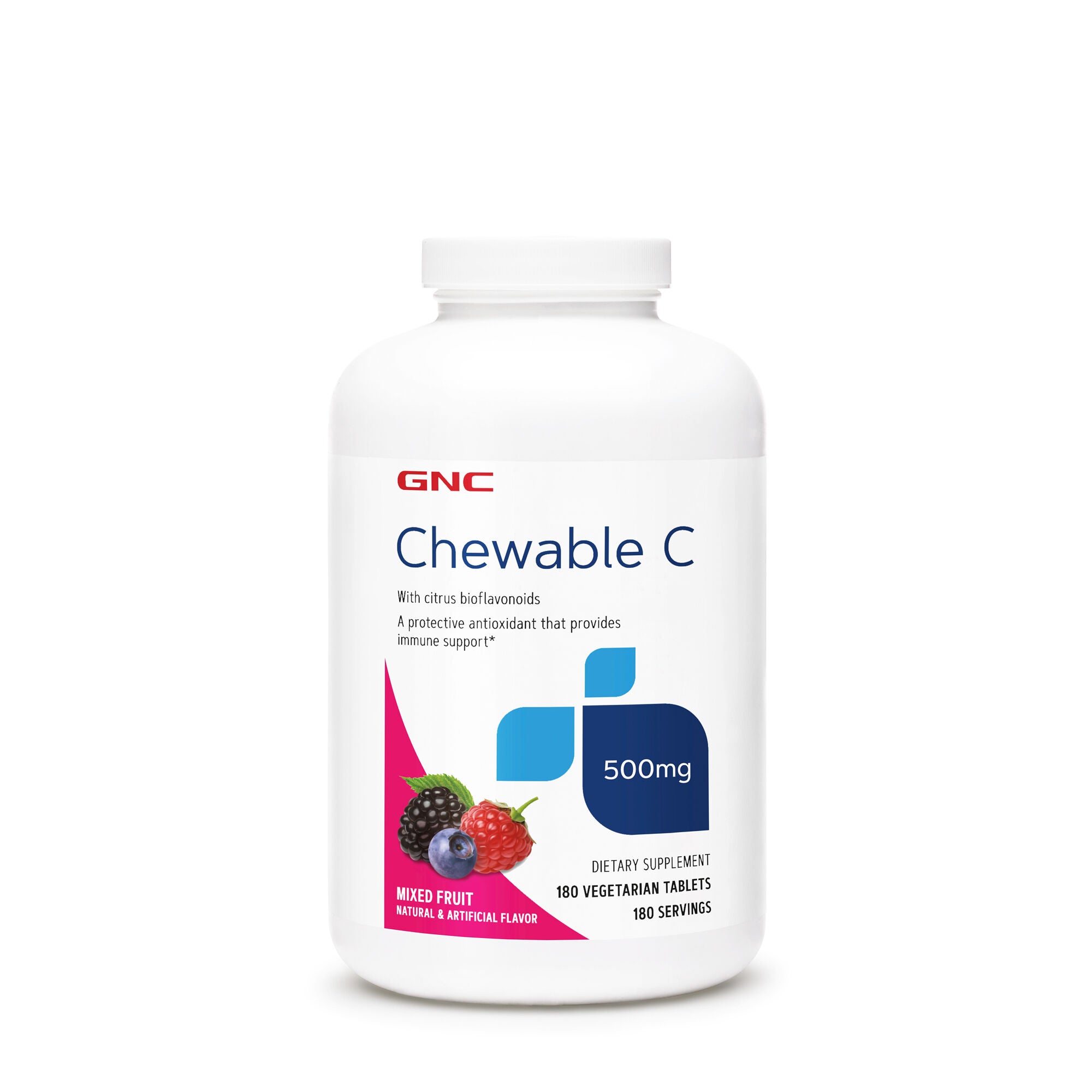
_Front.jpg?sw=305&sh=305&sm=fit "Pure Way-C Vitamin C and Bioflavonoids 1000+ mg - 90 Tablets (90 Servings) | GNC")



 Orange_Front.jpg?sw=305&sh=305&sm=fit "Junior C - 180 Tablets (180 Servings) | GNC")
 Orange_Front.jpg?sw=305&sh=305&sm=fit "Junior C - 90 Tablets (90 Servings) | GNC")


Vitamin C, D3, and zinc supplements may complement everyday nutrition, with antioxidant support as one reason shoppers consider these nutrients together. Vitamin C is a water-soluble vitamin, vitamin D3 is a fat-soluble form of vitamin D, and zinc is a mineral. They belong to different nutrient categories, so a formula containing all three should not be understood as three interchangeable ingredients. Vitamin C may contribute to normal antioxidant activity, while vitamin D3 and zinc may complement broader nutritional support. Their appearance in the same supplement does not mean that each ingredient has the same role or that every combination has the same composition. On ingredient labels, vitamin C may appear as ascorbic acid or a mineral ascorbate, vitamin D3 as cholecalciferol, and zinc as zinc citrate, zinc gluconate, or another identified form. These names describe ingredient forms; the Supplement Facts panel provides the amount of each nutrient per serving. That distinction matters when comparing two bottles that look similar from the front. One may emphasize vitamin C, while another may contain different proportions of all three nutrients or include additional vitamins and minerals. A combination format may offer a convenient alternative to keeping several separate containers, but the serving size and ingredient list still deserve attention. The phrase “antioxidant support” describes a nutritional focus, not a standardized recipe, capsule size, or serving amount. Food remains part of that context: citrus fruit, strawberries, and bell peppers contain vitamin C, while beans, pumpkin seeds, and other foods contain zinc. Vitamin D can appear in fortified foods, with the particular form identified on the label. Supplements are intended to add to food-based nutrition rather than replace a varied eating pattern. For shoppers comparing vitamin C, D3, and zinc for antioxidant support, the most useful starting point is the actual formulation: which nutrients it contains, their listed amounts, the number of pieces in a serving, and the intended user described on the package.
The physical format can make a meaningful difference to how a supplement fits into an ordinary day. Tablets, capsules, softgels, chewables, and gummies have different textures, sizes, and supporting ingredients, even when their featured nutrients sound alike. A tablet may have a coating and a firm texture; a capsule has a shell surrounding its contents; a softgel typically holds a liquid or oil-based preparation. Chewables and gummies bring flavor and texture into the comparison, along with sweeteners, colors, and ingredients used to create their consistency. For someone who prefers a supplement without a sweet taste, a tablet or capsule may be a suitable format to consider. Someone who prefers a chewable format may place more importance on flavor, texture, and the number of pieces listed per serving. Neither format alone establishes the nutrient amounts or the antioxidant characteristics of a formula. Capsule shells may contain gelatin or plant-derived materials, and gummies may use gelatin or pectin. Vitamin D3 can also come from different sources, including lanolin or lichen, so dietary preferences call for attention to the source rather than assumptions based on the nutrient name. A plant-derived capsule shell does not, by itself, describe every ingredient inside it. The same careful reading applies to allergen statements and ingredients such as wheat, milk, or soy. Packaging is another practical consideration. A tightly closing bottle, an individually sealed format, or a container with a clearly printed expiration date each presents different handling details. Storage directions belong in the comparison because tablets, capsules, and gummies have different formulations and packaging needs. A dry cabinet away from the steam of a bathroom is a different setting from an open shelf beside a sink; the package instructions specify the appropriate conditions. Keeping the original label with the supplement also preserves the ingredient list, serving information, and storage details for later reference. Those everyday details matter just as much as whether the package is easy to open, close, and read.
A clear comparison also looks beyond the large nutrient names on the front of the bottle. Supplement Facts amounts generally refer to the stated serving, which may consist of one tablet, two capsules, or several gummies. A serving of two pieces is not the same comparison unit as a single piece. Vitamin C and zinc amounts are commonly listed in milligrams, while vitamin D may be listed in micrograms and international units, abbreviated IU. The percentage Daily Value provides another label reference, but it is not a personalized recommendation. Larger numbers alone do not establish which formula suits an individual’s preferences or intended use. A focused three-nutrient combination also differs from a multivitamin or a broader blend containing additional ingredients. For someone who already keeps a multivitamin beside a breakfast bowl, ingredient overlap may be an important part of the comparison. For an adult organizing a simple household routine, clear serving directions and an easy-to-read label may matter more than an elaborate ingredient list. For someone who travels regularly, package dimensions and the ability to retain the original instructions may be useful details. These are practical considerations rather than reasons to assume that one format produces different results from another. Intended users also vary: an adult formula should not be treated as interchangeable with one labeled for children, and age information belongs alongside flavor and format in the decision. Even within a shared household, nutrition preferences and label requirements can differ, making supplements a personal choice rather than a universal addition to everyone’s routine. Shoppers interested in the broader everyday-nutrition theme can also explore Vitamin C D3 Zinc For Healthy Living. Whether the preference is for a straightforward tablet, a capsule with clearly identified ingredient sources, or a flavored chewable, a useful comparison connects the nutrient information with the experience of using the product. Serving size, ingredient form, dietary compatibility, packaging, and labeled directions together provide a more informative picture than antioxidant wording alone.