Vitamin D3 Zinc
(0 Results)
Vitamin D3 and Zinc might be the dynamic duo your wellness routine needs. These essential nutrients could support immune function, promote healthy bones, and enhance overall vitality. Vitamin D3 may aid in calcium absorption, contributing to stronger bones and teeth, while Zinc might play a crucial role in maintaining a robust immune system and supporting metabolic functions. Explore the potential benefits of incorporating Vitamin D3 and Zinc into your daily regimen for a healthier, more vibrant you.

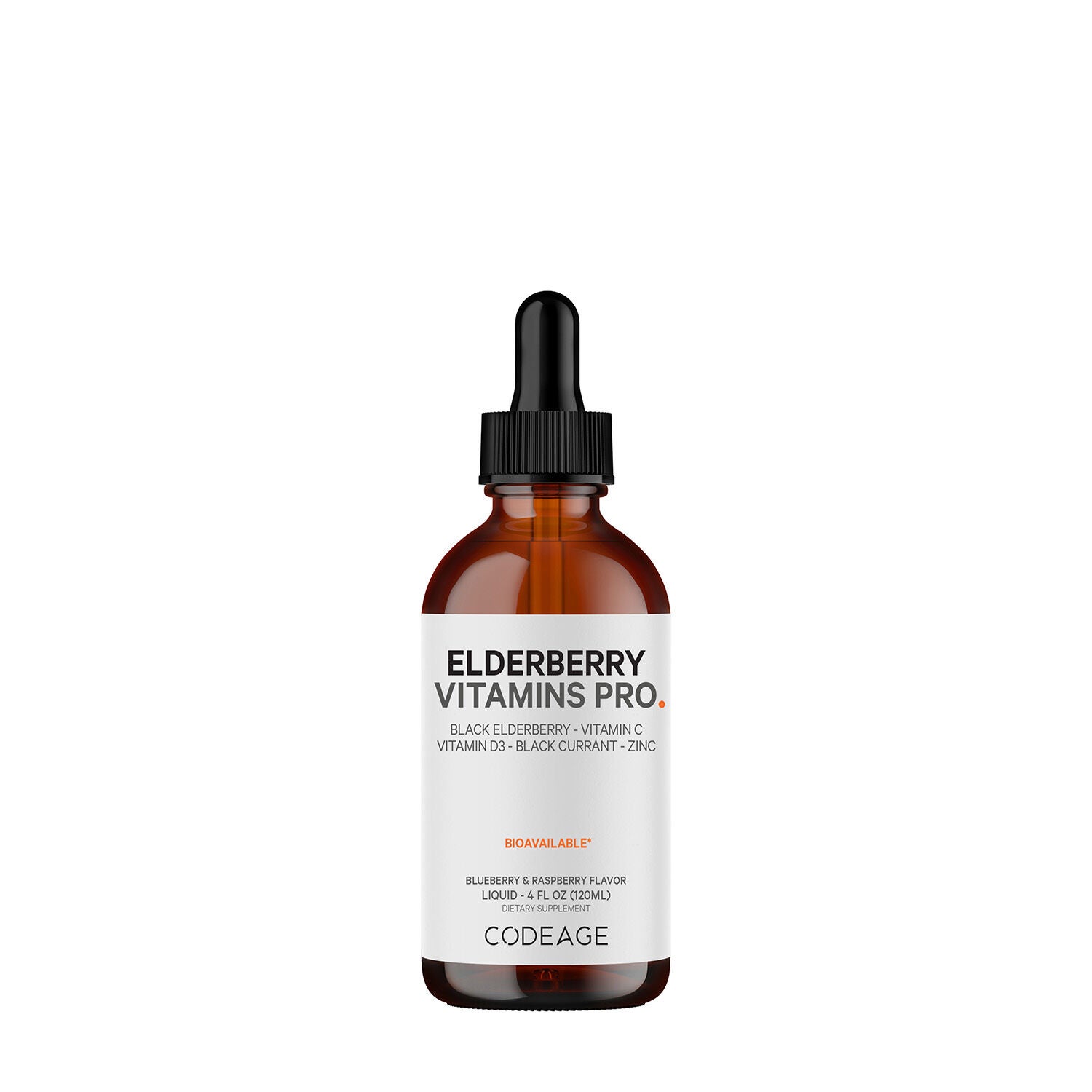


Vitamin D3 and zinc supplements bring together a vitamin and a mineral in formats designed for everyday nutritional routines. Vitamin D3, also called cholecalciferol, is one form of vitamin D used in supplements, while zinc appears in several mineral compounds. They are different nutrients rather than interchangeable ingredients, and a combination formula places both within the same labeled serving. These supplements may complement food-based nutrition, with the format, ingredient sources, and serving details helping distinguish one formula from another. Food sources of vitamin D include certain fish, egg yolks, and fortified foods; zinc occurs in foods such as meat, seafood, beans, nuts, and dairy products. A varied diet can include both nutrients, while supplements offer another way to incorporate measured amounts into a routine. On a supplement label, vitamin D quantities are expressed in micrograms, abbreviated mcg, and may also appear in International Units, abbreviated IU. One microgram of vitamin D equals 40 IU, so the two measurements describe the same quantity in different units. Zinc is generally listed in milligrams, abbreviated mg. The zinc amount shown in the Supplement Facts panel refers to elemental zinc, not the weight of the entire compound that supplies it. This distinction matters when comparing zinc citrate, zinc gluconate, zinc picolinate, or zinc oxide, since the compound name alone does not tell the amount of zinc in a serving. Likewise, a prominent number on the front of a bottle needs the context of the serving size. A serving might consist of one tablet, two capsules, or several gummies, depending on the formula. The percent Daily Value provides a shared labeling reference, but it is not a personalized recommendation. For shoppers comparing vitamin D3 zinc supplements, the most useful starting details are the nutrients included, their amounts per serving, the number of pieces in that serving, and the ingredient list. Those details make it easier to distinguish a straightforward two-nutrient formula from a broader blend containing additional vitamins or minerals.
Format gives vitamin D3 and zinc supplements much of their everyday character. Tablets have a firm, compressed structure, capsules have a shell containing the formula, and softgels generally hold a liquid or oil-based filling. Gummies offer a chewable option with a distinctive flavor and texture, while liquid formulas use a measured portion described on the package. Each format has practical differences beyond appearance. A bottle containing many small capsules may represent fewer servings than its piece count suggests, while a gummy serving may include more than one piece. Capsule and tablet dimensions can also matter to shoppers who have a strong preference for smaller formats. For gummies, the ingredient list supplies details about sweeteners, sugar content, colors, flavorings, and whether the texture comes from gelatin or pectin. For capsules and softgels, the shell material and any carrier oils are useful comparison points. Ingredient sources deserve similar attention when a shopper follows a particular eating pattern. Vitamin D3 can come from lanolin or from certain nonanimal sources, including lichen, so the nutrient name by itself does not establish whether a formula fits a vegan preference. Gelatin capsules and pectin gummies also differ in their source materials. Dietary suitability depends on the whole formula, not just the featured nutrients. Packaging statements and ingredient disclosures provide more useful detail than assumptions based on the words vitamin D3 and zinc alone. A shopper who prefers a simple formula may focus on products featuring those two nutrients, while someone organizing a broader supplement routine may compare blends that also include vitamin C, vitamin K2, calcium, or magnesium. Additional ingredients change the composition of the serving; they do not automatically make a formula a better match. A preference for an unflavored capsule, a fruit-flavored chewable, or a measured liquid can be just as relevant to a purchase as the nutrient amounts. The practical fit comes from the combination of format, serving size, dietary preferences, and how the package will be used from day to day.
Vitamin D3 zinc supplements are often considered by adults who want a clearly labeled addition to an established nutrition routine. Intended age group remains an important distinction, since an adult formula and a children’s formula are not interchangeable simply because they feature the same nutrients. Package directions describe the intended use, serving size, and handling information for the individual formula. For someone keeping a bottle beside other daily supplements, the serving details can reveal overlapping ingredients across several containers. A multivitamin, a mineral blend, and a vitamin D3 zinc combination may contain some of the same nutrients, making the Supplement Facts panels more informative than front-label names alone. Shoppers comparing related combinations can also explore Vitamin C D3 Zinc For Immune Defense for formulas featuring vitamin C alongside vitamin D3 and zinc. Across these combinations, the meaningful differences remain the listed ingredients, nutrient amounts, serving format, and intended audience. Packaging matters for everyday use as well. A bottle closure, readable label, and clearly marked expiration date are practical details when a supplement will be opened repeatedly. Storage requirements vary by formula, and the package directions identify appropriate conditions. Keeping the original container also preserves access to the ingredient list, lot information, and directions throughout use. Moisture and direct sunlight are common storage concerns, particularly for containers opened in a bathroom or left on a windowsill. Portable packaging may suit someone who carries supplements in a work bag, while a larger bottle may fit a designated shelf at home; neither arrangement changes the labeled serving. Supplements are also a personal purchase, so gifting is most appropriate when the recipient’s preferences and existing routine are already known. For an everyday purchase, a thoughtful comparison centers on what is actually in the container and how it fits the intended routine. Clear ingredient information, understandable measurements, and a suitable format give vitamin D3 and zinc supplements their most useful points of comparison.
Best Sellers
-
 GNC Herbal Plus