





Vitamin C Varieties
(0 Results)
Explore the diverse world of vitamin C varieties, where you can find an array of options to support your wellness journey. From chewable tablets to effervescent powders, these vitamin C supplements might cater to different preferences and lifestyles. Whether you're looking for a convenient on-the-go solution or a daily supplement to incorporate into your routine, the wide selection available could help you find the perfect fit. Discover how these vitamin C varieties may contribute to your overall health and well-being.
-
-
-
 $34.99
 -

-
-
-

-
-
 $15.99
 -

-

-
 $29.99
 -
-
-
 Purity Products$19.99
 -
 $18.99
 -
 Nature's Lab$16.99

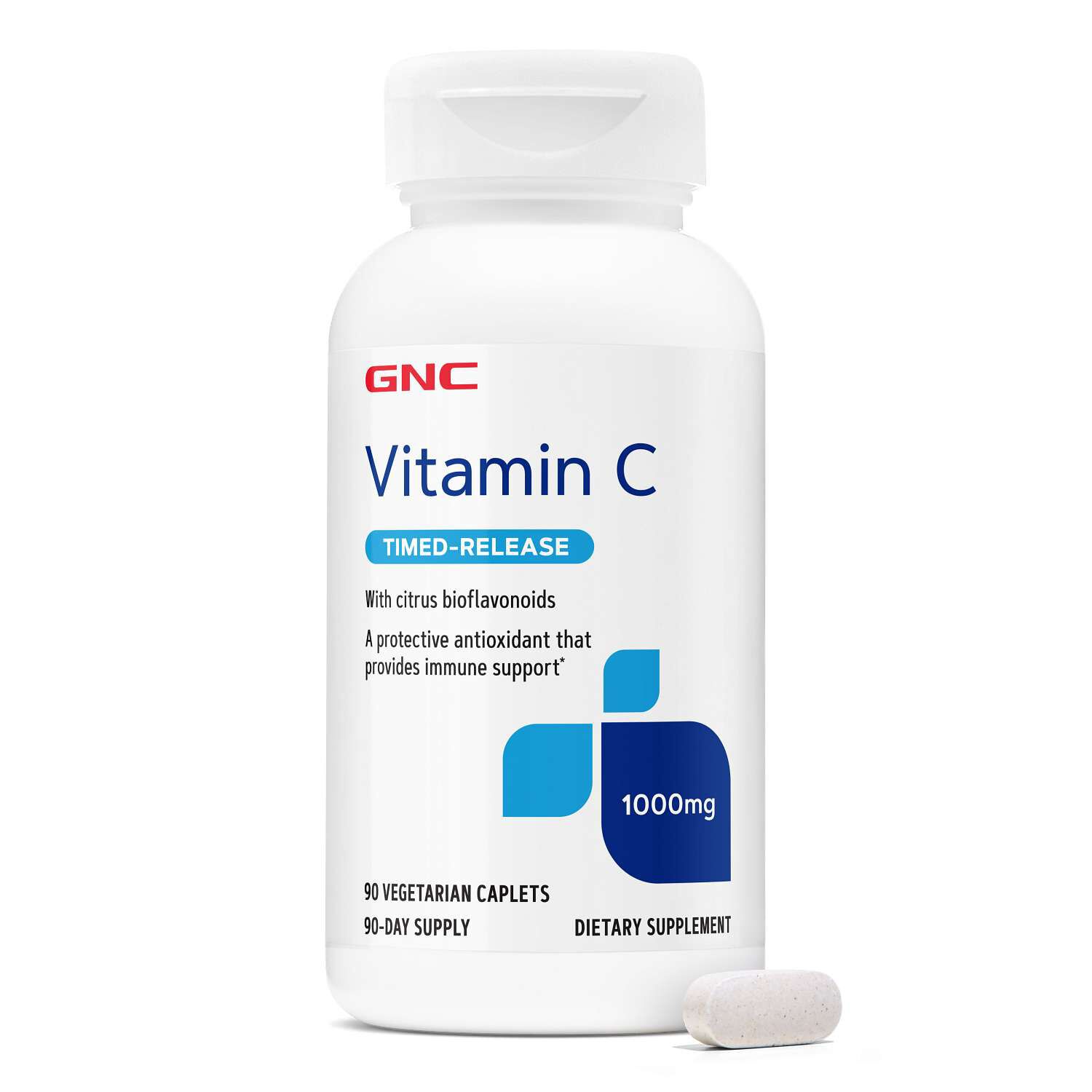
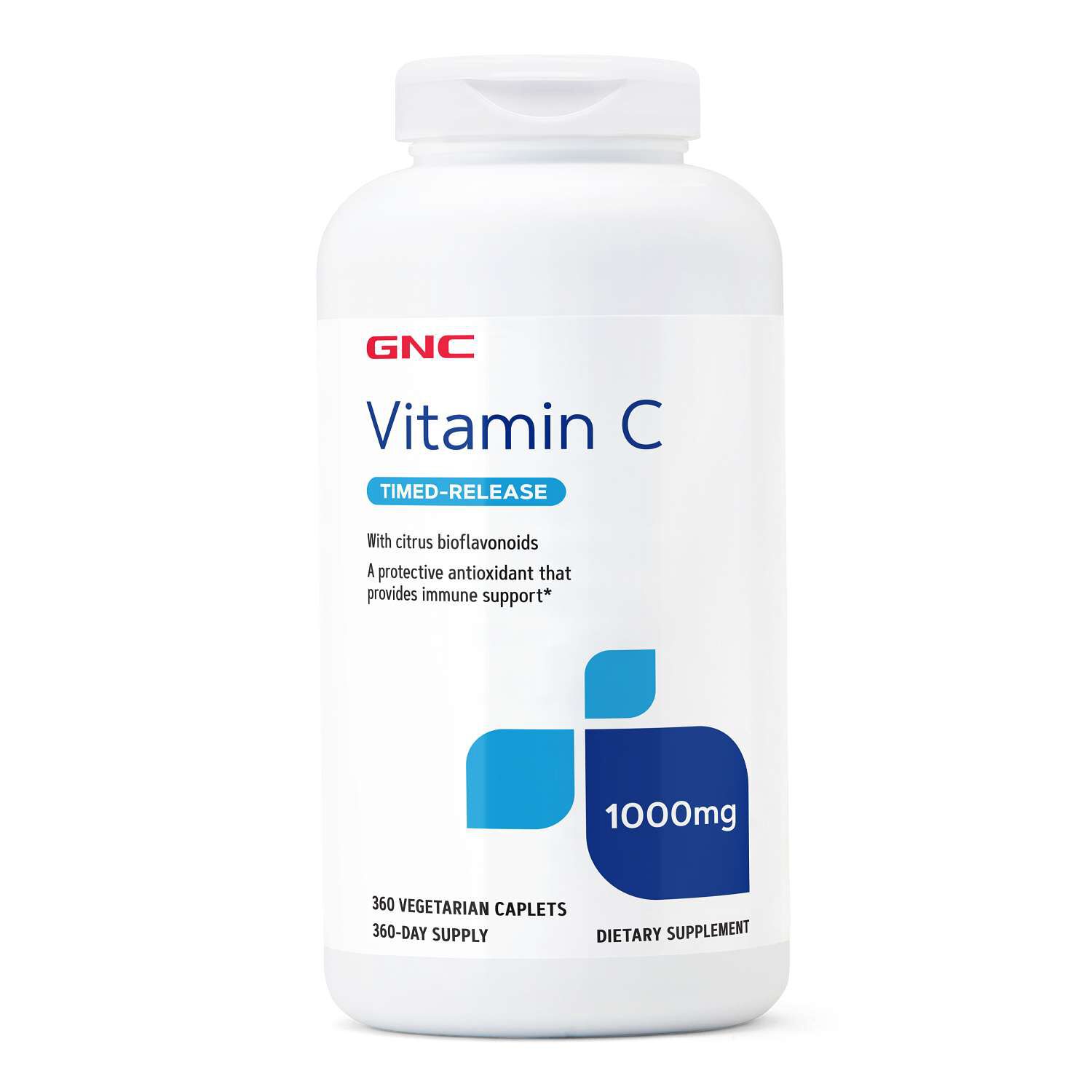

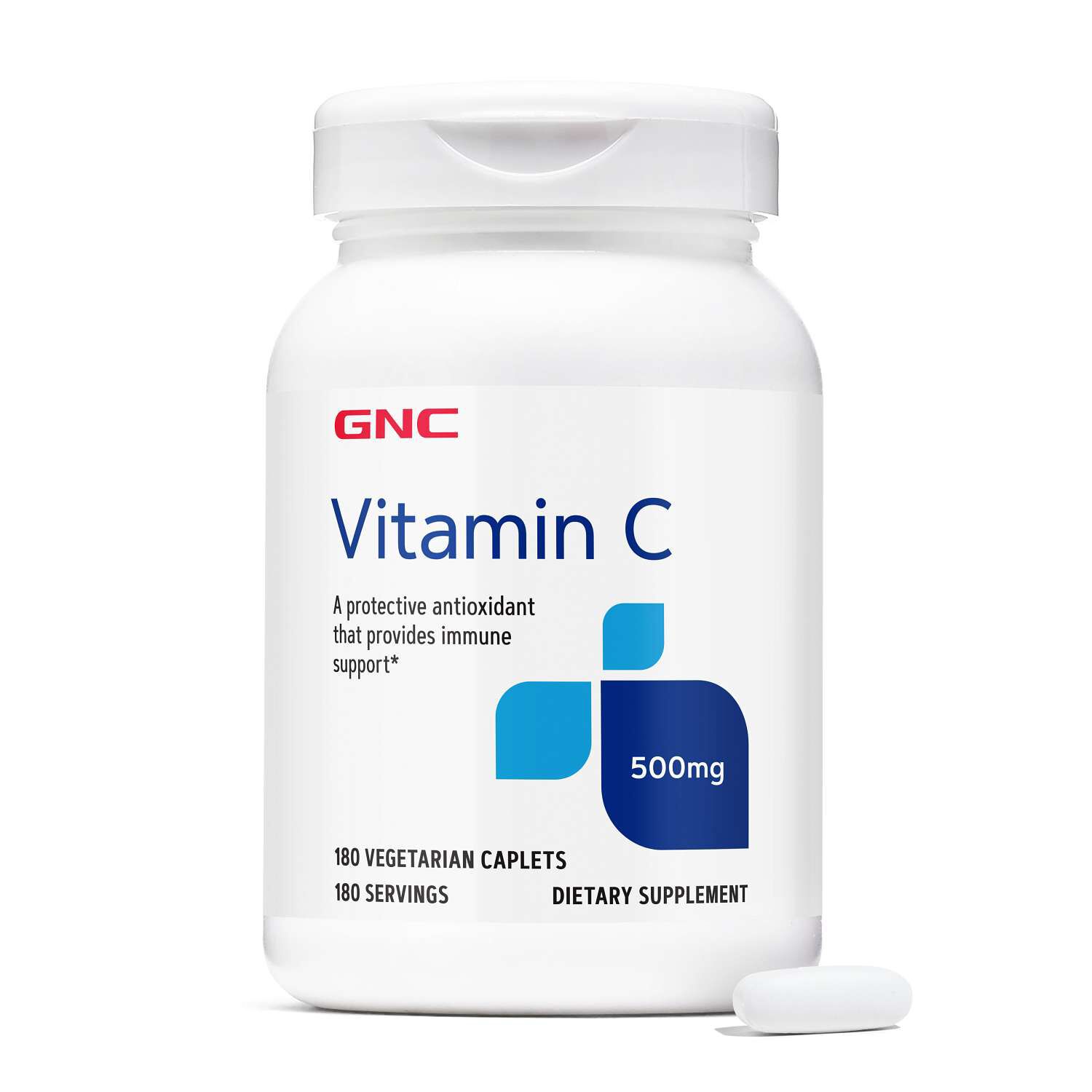
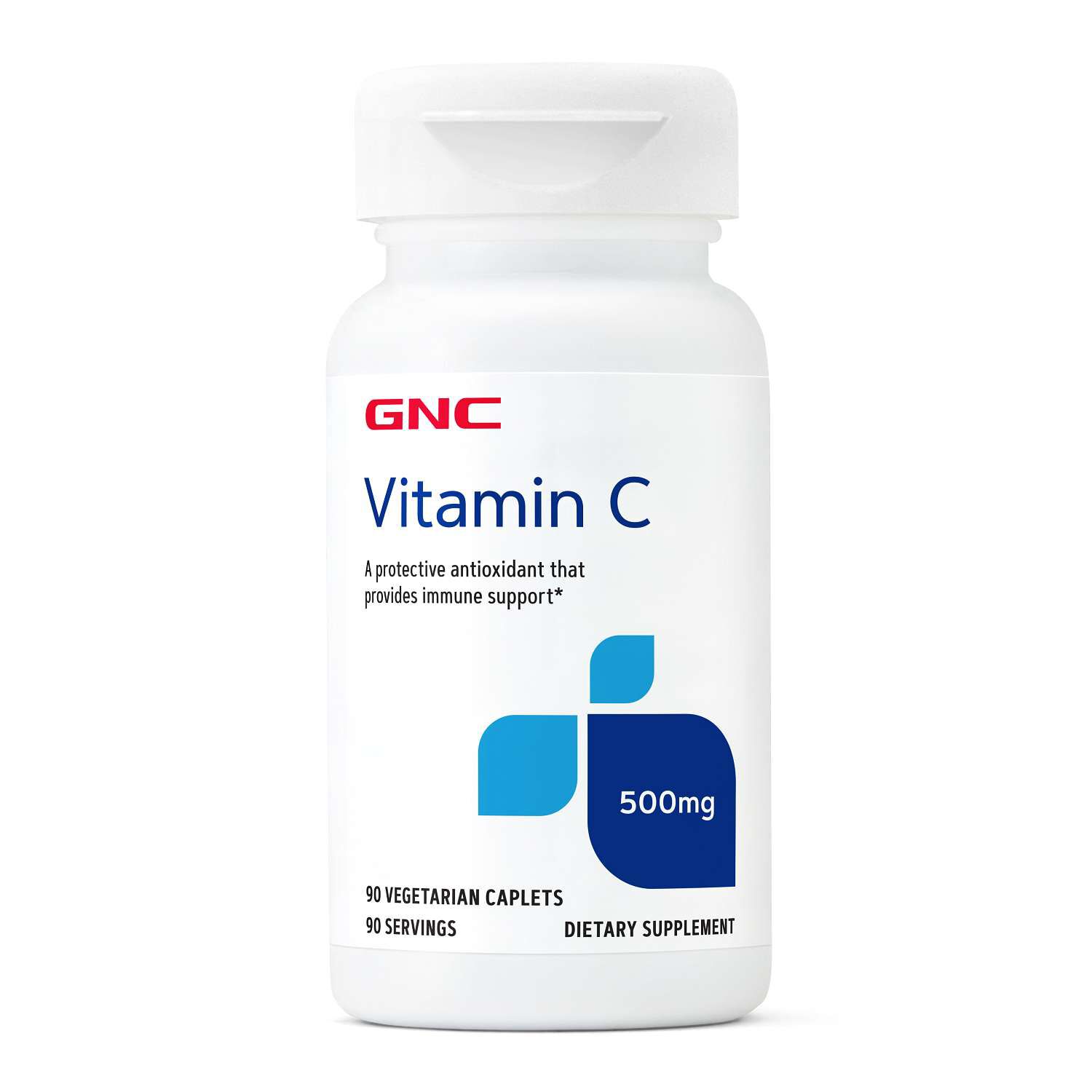
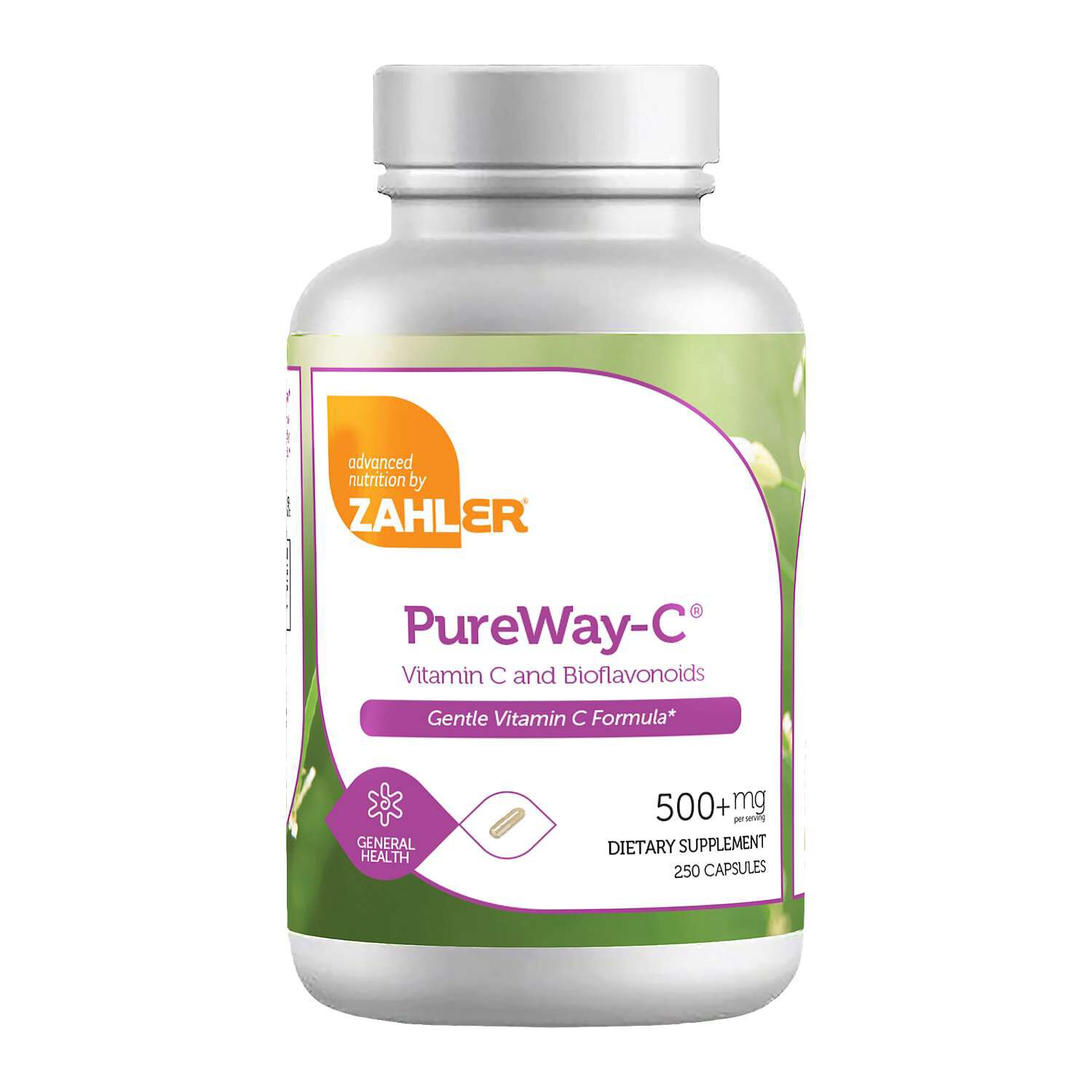
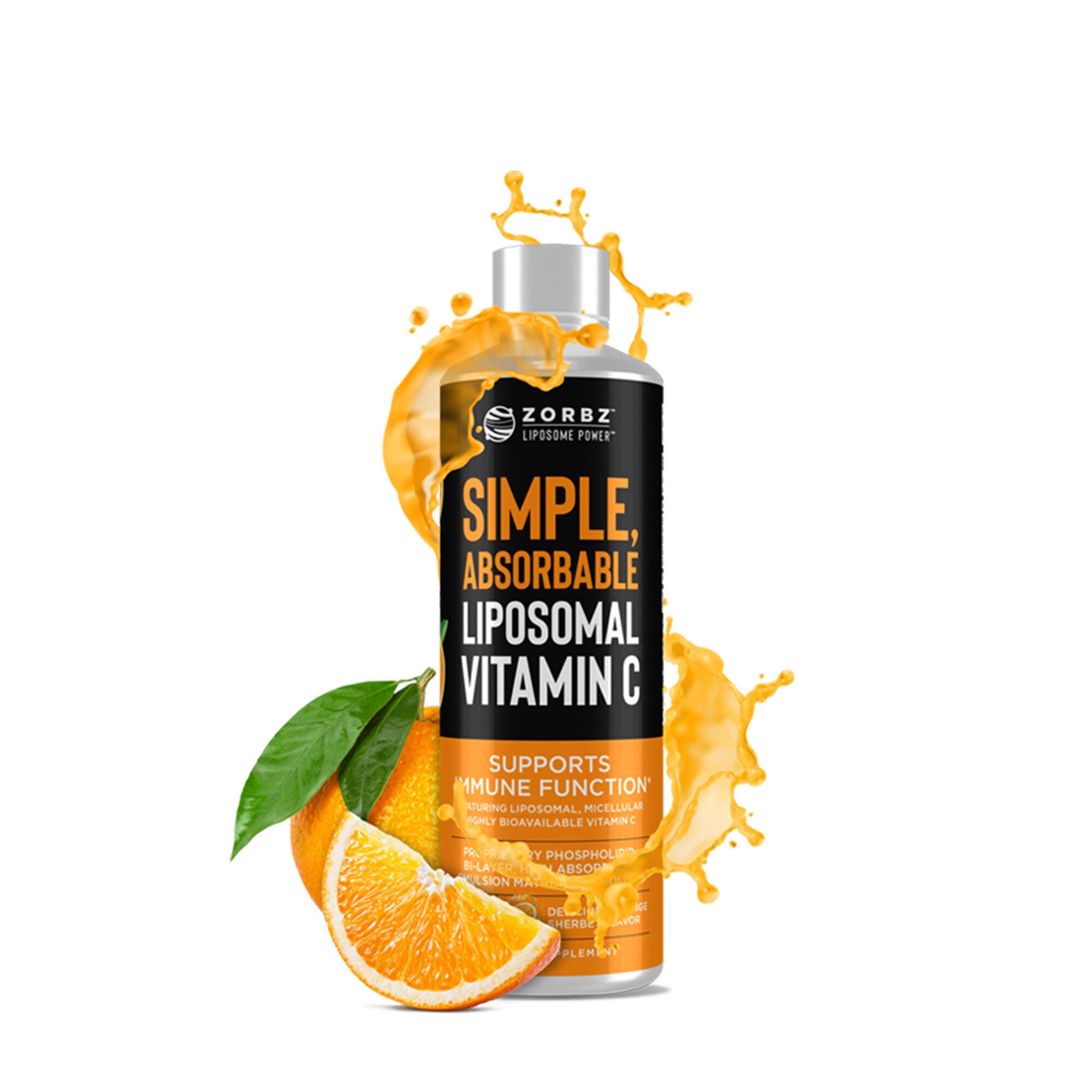
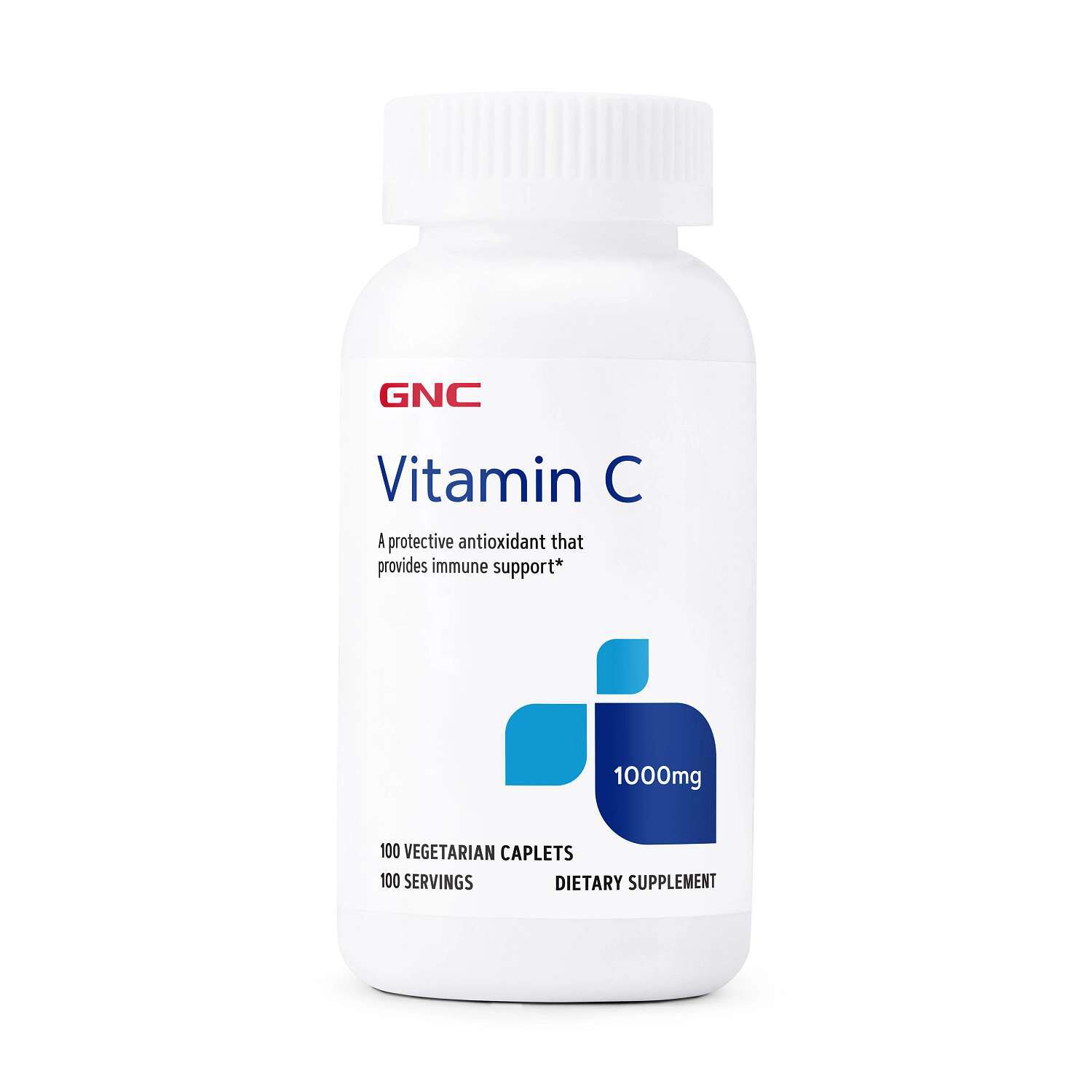
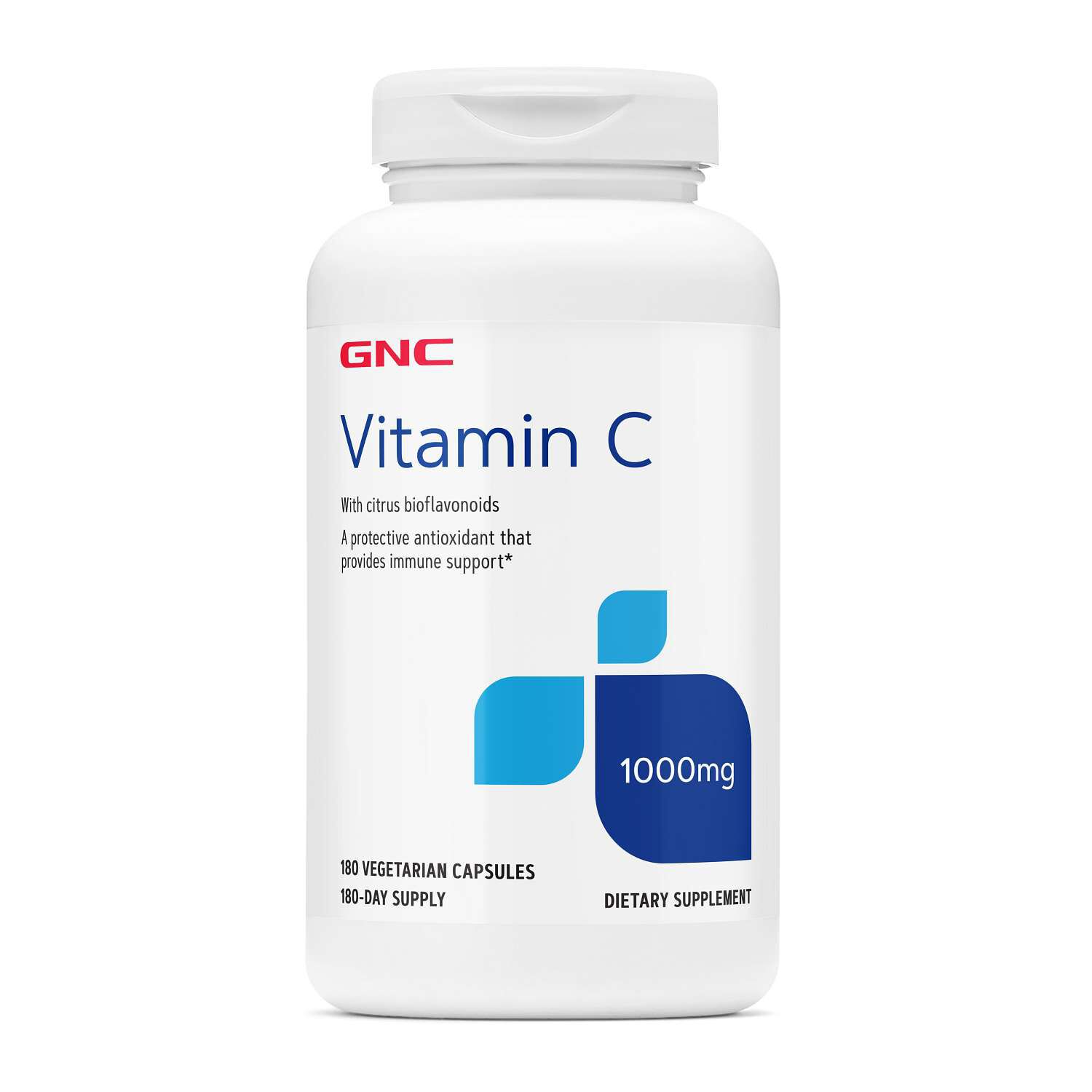
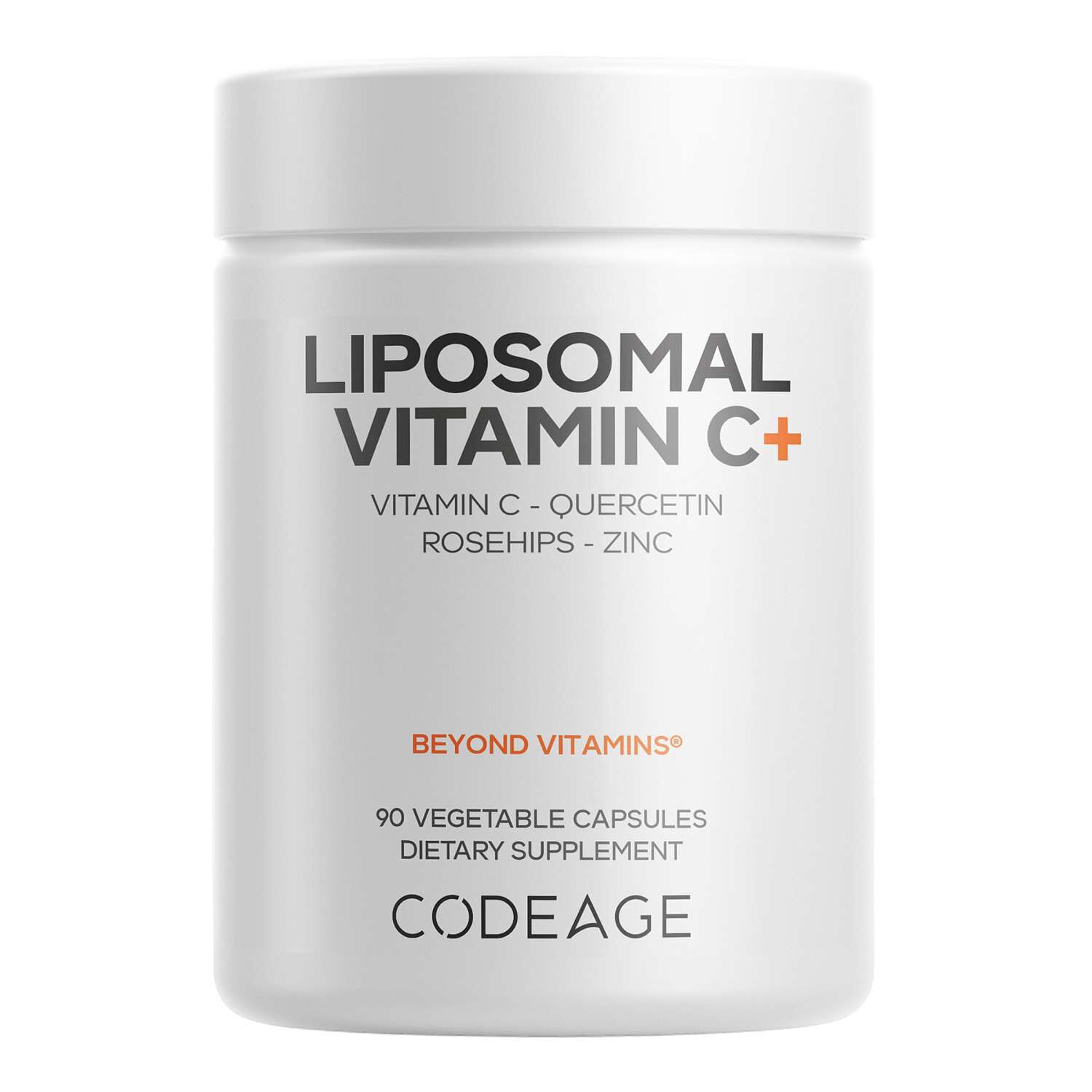
Vitamin C varieties differ in chemical form, serving format, and the ingredients included alongside the vitamin. Those distinctions give tablets, capsules, chewables, gummies, powders, and liquids their own place in a supplement routine, even when their labels list the same amount of vitamin C. Ascorbic acid, also called L-ascorbic acid, is a common form used in dietary supplements and is the same vitamin C molecule found naturally in foods such as oranges, strawberries, and bell peppers. Its name describes the ingredient rather than its source, so a citrus illustration on a package does not necessarily mean the vitamin was extracted from citrus fruit. Mineral ascorbates are another group of vitamin C forms. Sodium ascorbate, calcium ascorbate, and magnesium ascorbate are mineral salts of ascorbic acid, with each name identifying the accompanying mineral. Often described as buffered vitamin C, these forms are less acidic than ascorbic acid. That chemical difference does not establish how an individual will experience a particular formula, and the accompanying mineral is another detail worth noting on the label. Some formulas pair ascorbic acid with a mineral ascorbate, while others use a single vitamin C source. Liposomal vitamin C takes a different approach to formulation, using phospholipids to form small structures that carry the vitamin. The term describes a delivery format rather than a separate vitamin, and it does not by itself establish that one formula will perform better than another. Across these varieties, the amount of vitamin C per serving and the number of tablets, capsules, or measured portions in that serving are separate details. A bottle with a prominent milligram amount on the front may define a serving as more than one piece. The Supplement Facts panel provides a more useful basis for comparison than package size alone, while the ingredient list identifies the vitamin C source and other components. Together, these details distinguish formulas that might otherwise look nearly identical on a shelf.
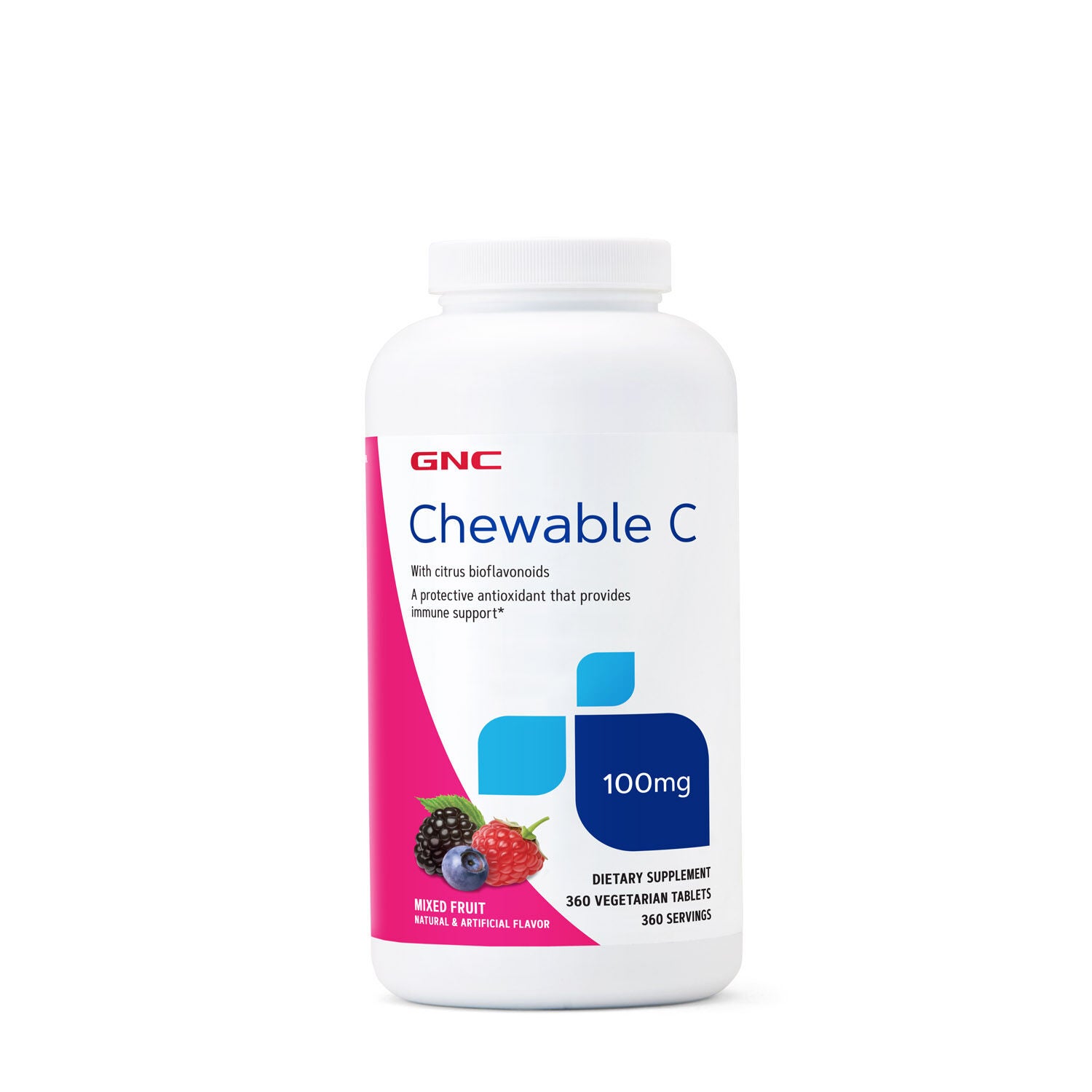
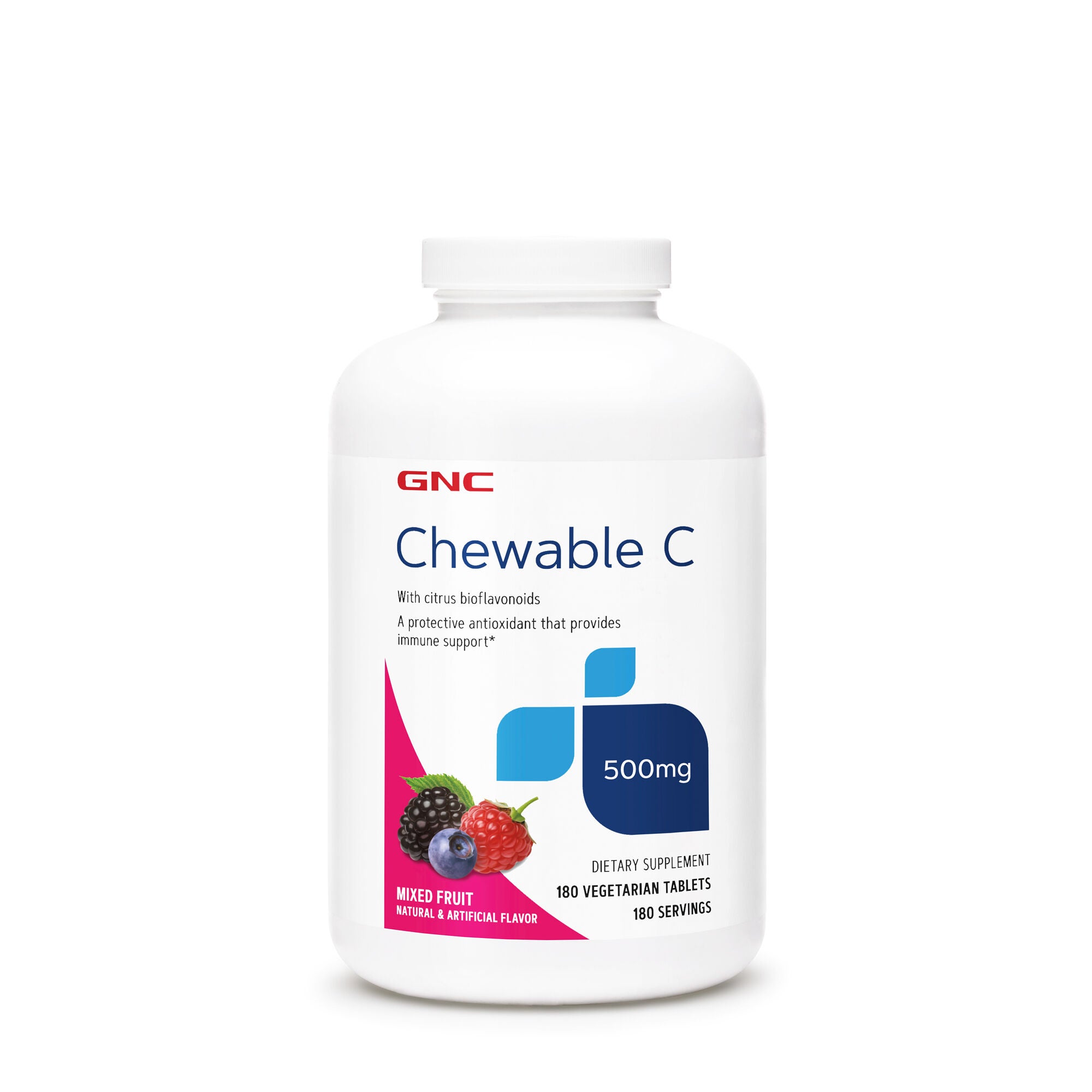
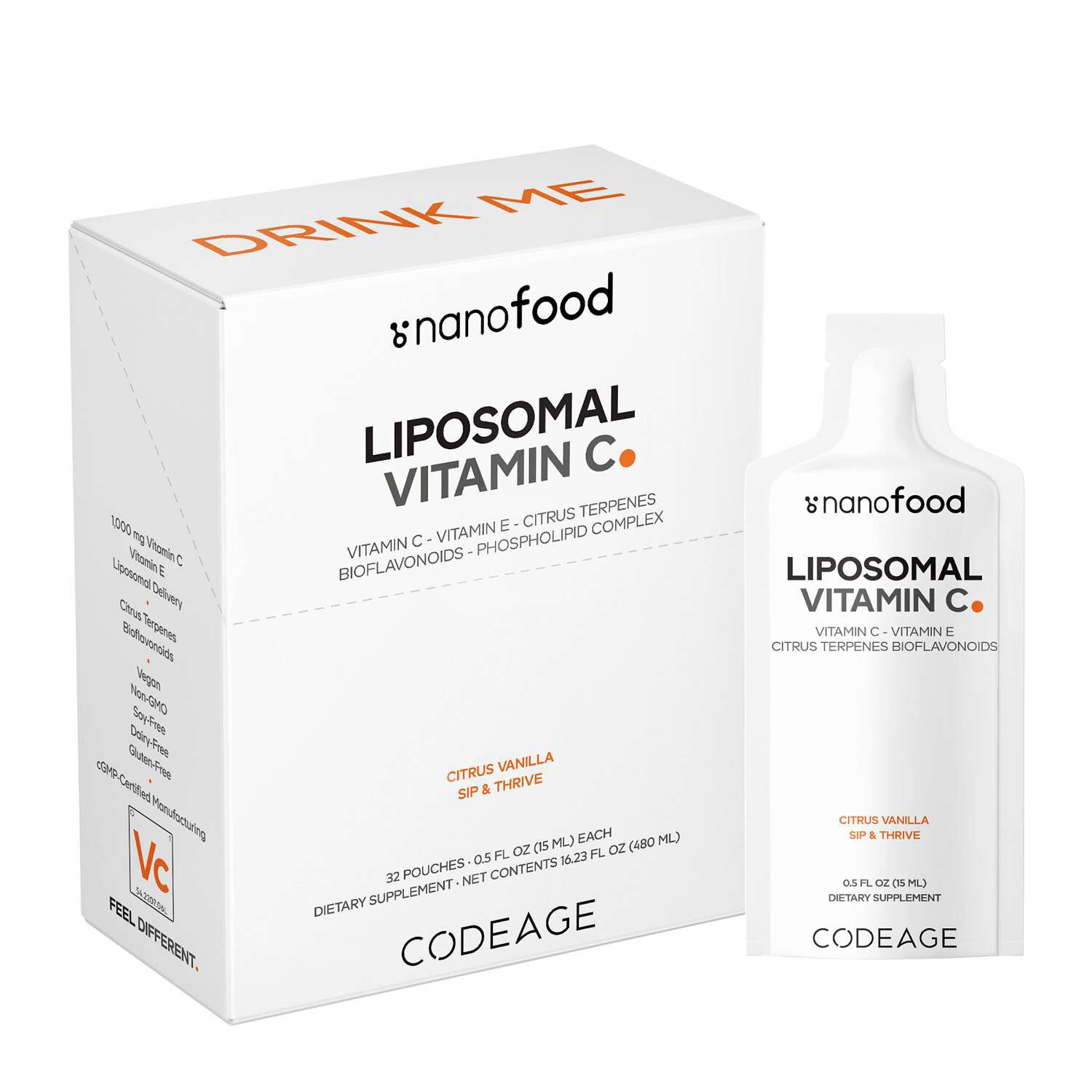
The physical format matters just as much as the ingredient name when vitamin C supplements become part of an everyday routine. Tablets are compressed solid portions, while capsules hold ingredients inside a shell that may be made with gelatin or plant-derived materials. Tablet dimensions, capsule shell ingredients, and the number of pieces per serving can make one format a better match for personal preferences than another. Chewable vitamin C offers a format intended for chewing rather than swallowing whole, with flavors and textures that range from tart and firm to softer and sweeter. Gummies have their own texture and ingredient considerations, including pectin or gelatin, added sugars, flavorings, and color ingredients. Their candy-like appearance does not change their intended use as supplements, and labeled age ranges and serving directions remain important distinctions. Powders and liquids offer alternatives to solid formats, but their use is still tied to the measuring and preparation directions on the package. A powder designed for mixing into water may have a citrus flavor, a noticeable tartness, or additional ingredients that affect how it dissolves and tastes. Scoops and individual packets also create different experiences: a scoop requires measurement, while a packet provides a packaged portion that should still be checked against the labeled serving. For shoppers who prefer a beverage format, Vitamin C Drinks brings the focus to drink-oriented options rather than tablets or capsules. Liquid concentrates, drink mixes, and prepared beverages are not automatically interchangeable, since preparation requirements and serving sizes can differ. A packet tucked beside a reusable water bottle suits a different setting than a bottle kept with breakfast supplies at home. Someone who dislikes tart flavors may place more importance on taste, while someone choosing a capsule may care more about shell materials and dimensions. These practical differences help explain why vitamin C appears in so many formats without making any one variety the best choice for everyone.
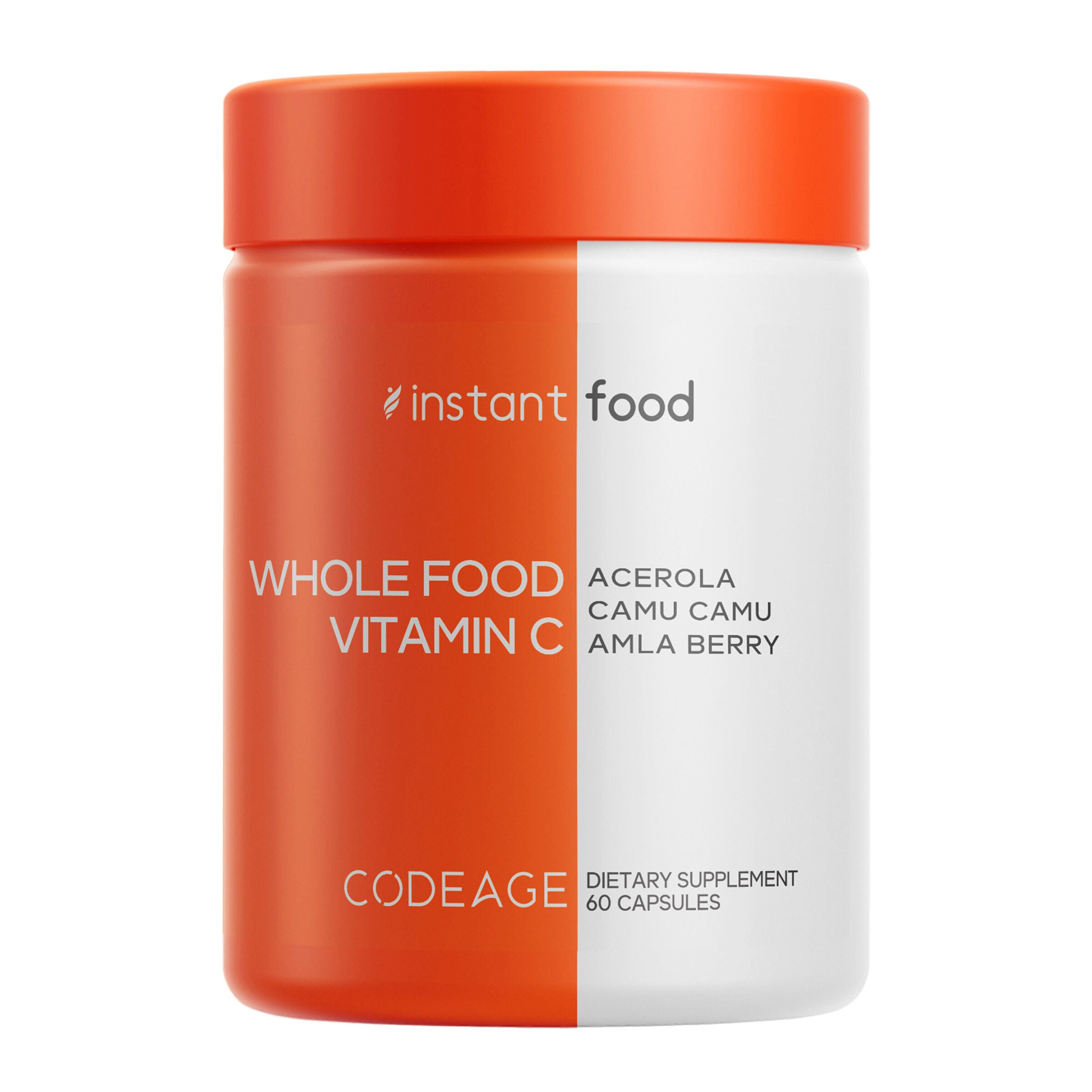
Ingredients beyond vitamin C add another layer of distinction. Some dietary supplements contain vitamin C alone as the featured nutrient, while combination formulas include other vitamins, minerals, citrus bioflavonoids, rose hips, or fruit powders. Bioflavonoids are plant compounds, and rose hips are the fruit of the rose plant; their presence does not replace the need to check the stated vitamin C amount. A formula described with fruit imagery or botanical ingredients can still use ascorbic acid as its vitamin C source. Dietary preferences also bring the less prominent ingredients into focus, from capsule materials to sweeteners and ingredients used to hold a tablet together. Allergen statements and ingredient lists offer more specific information than broad descriptions on the front of a package. Vitamin C names also appear on skincare labels, where the intended use is different from that of an oral supplement. Ascorbic acid can be used in topical formulas, along with derivatives such as sodium ascorbyl phosphate, magnesium ascorbyl phosphate, ascorbyl glucoside, and tetrahexyldecyl ascorbate. These names describe distinct compounds: the phosphate forms and ascorbyl glucoside are water-soluble derivatives, while tetrahexyldecyl ascorbate is oil-soluble. A skincare percentage is not equivalent to a supplement serving expressed in milligrams, and topical products are not intended for consumption. For oral vitamin C varieties, packaging and storage deserve attention alongside formulation. Moisture, heat, air, and light can affect vitamin C stability, making the container and its closure practical parts of the purchase. Storage directions vary, especially for liquids after opening, so a bathroom shelf, a sunny windowsill, and a kitchen cabinet are not interchangeable storage settings. Keeping the original label with the product preserves access to serving information, ingredients, and the expiration date. Whether the preference is for a straightforward capsule, a flavored chewable, or a powder prepared according to its directions, the most meaningful distinctions remain concrete: the vitamin C form, the labeled amount, the accompanying ingredients, and the format that fits the intended use.
Best Sellers

Related Pages

Top Collections
- Daily Collagen Supplements | Top Brands & Deals | GNC
- Cortisol Supplements
- Top Rated Collagen | Shop Customer Favorites | GNC
- Vitamins For Hair Loss
- NAD+ Supplement Tablets
- Peptide Supplements
- Best Brand of Magnesium Glycinate
- Protein Powders For Muscle Growth Support
- Vitamins That Help Support Weight Gain
- Peptide Supplements for Muscle Growth