Vitamin C With Propolis
(0 Results)
Discover the potential benefits of Vitamin C with Propolis, a dynamic duo that could support your wellness journey. Vitamin C, renowned for its antioxidant properties, may help bolster the immune system and promote overall health. Paired with propolis, a natural substance collected by bees, this combination might offer additional support for maintaining vitality and resilience. Whether you're looking to fortify your daily routine or explore new avenues for health support, Vitamin C with Propolis could be an excellent addition to your supplement regimen. Dive into the possibilities and see how this powerful blend might enhance your lifestyle.
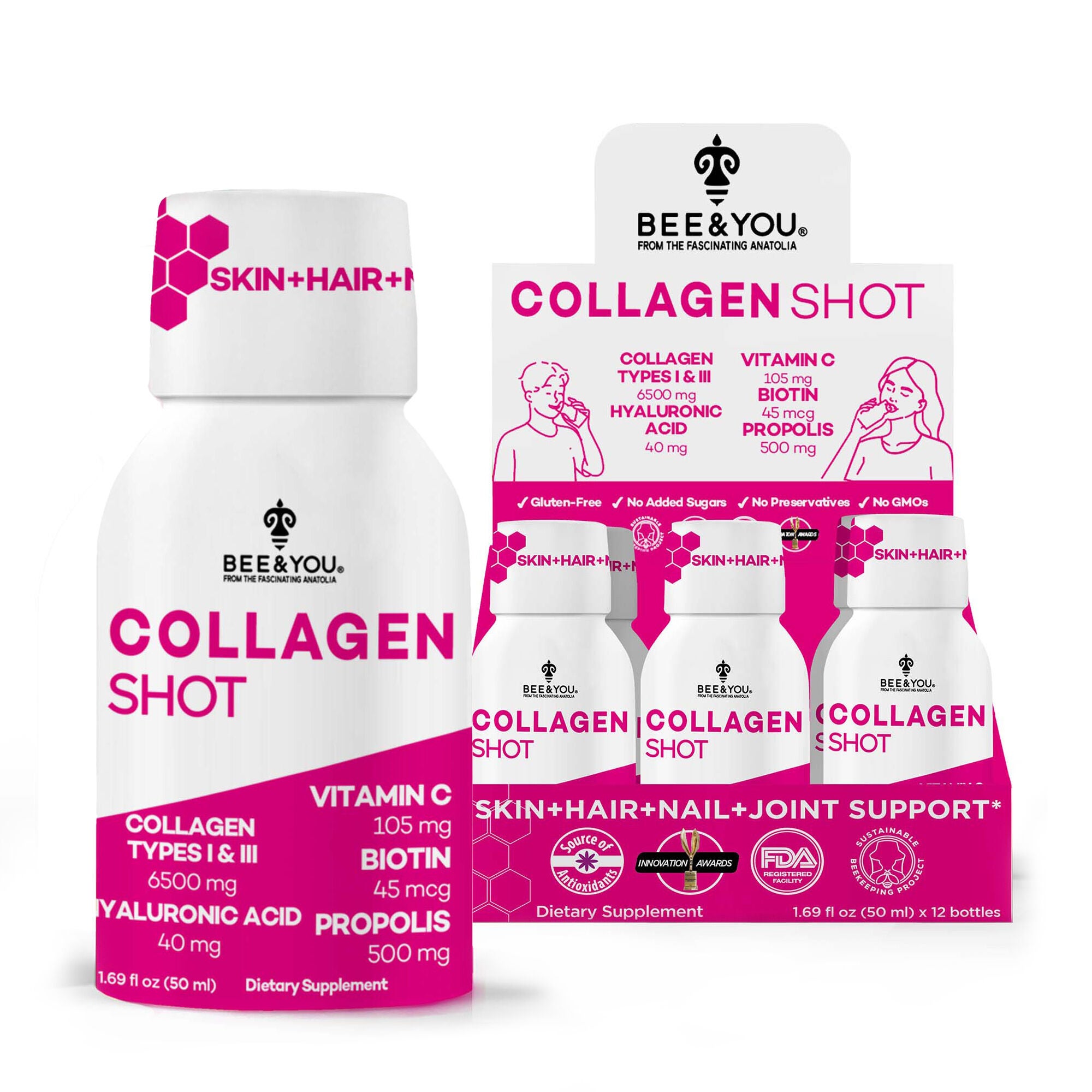


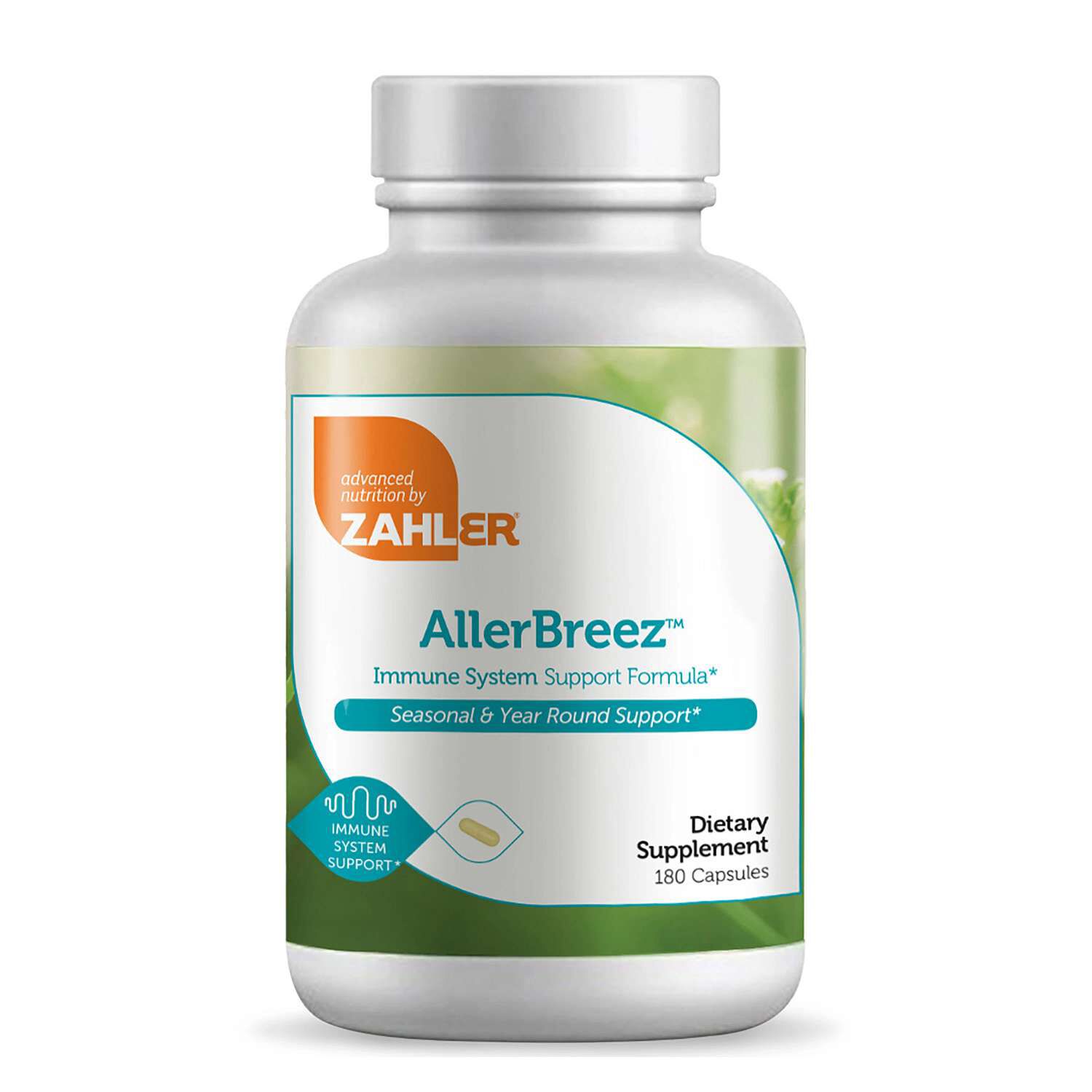
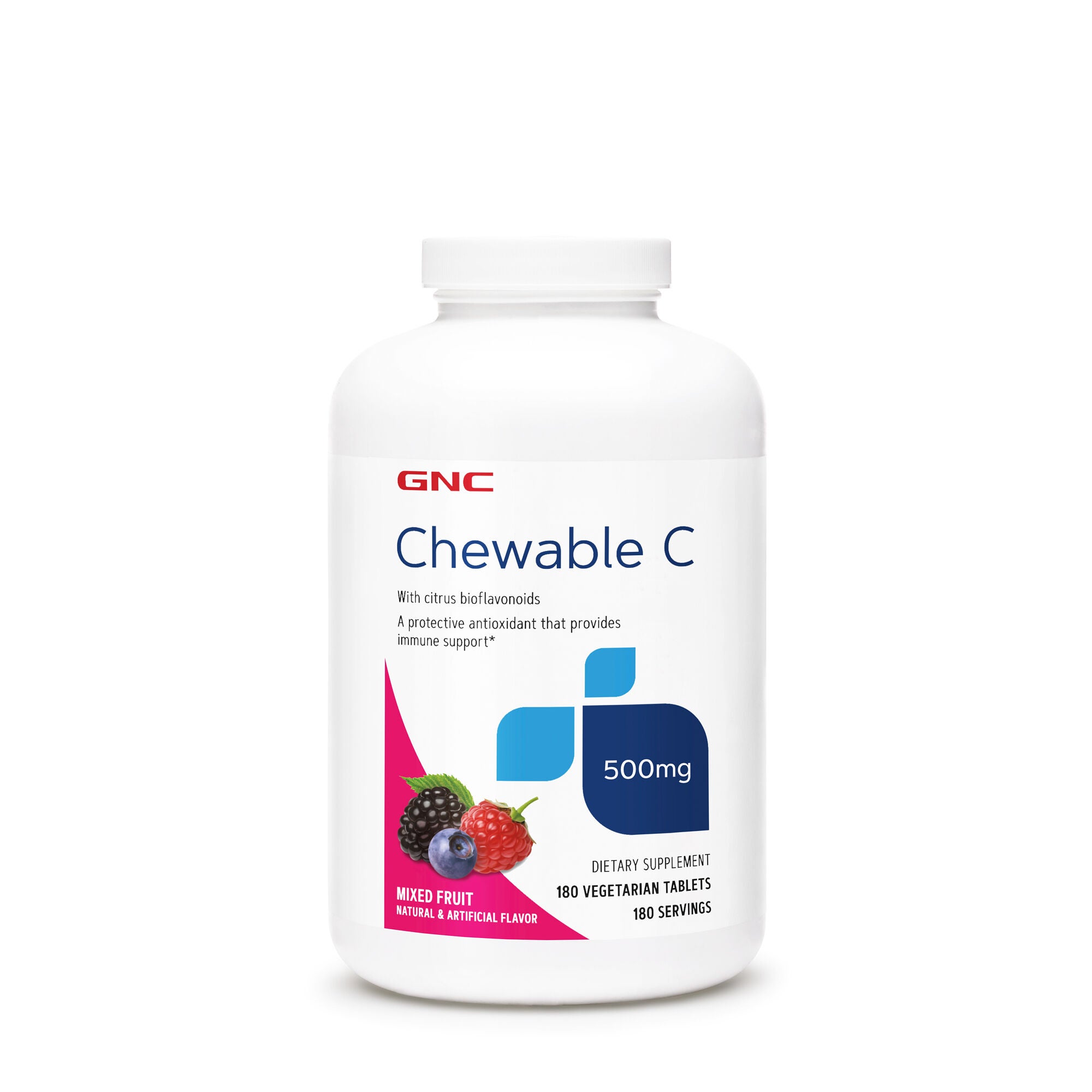
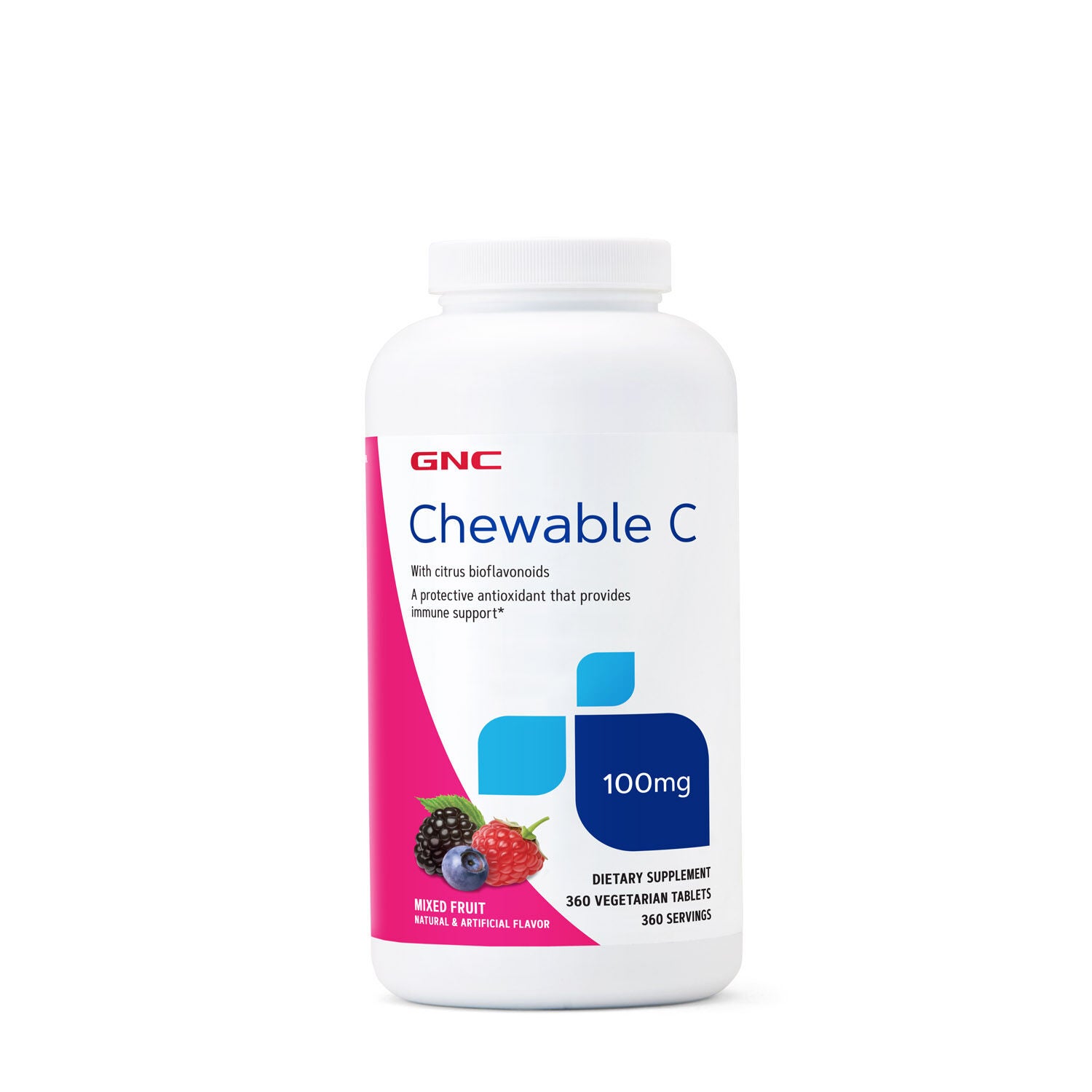
Vitamin C with propolis combines a familiar vitamin with a bee-derived ingredient in supplements designed for an everyday routine. Vitamin C is a water-soluble nutrient found in foods such as citrus fruit, strawberries, bell peppers, and broccoli. Propolis is a resinous material that bees make from plant resins, wax, and other substances and use within the hive. Although it comes from bees, propolis is not the same as honey, pollen, or royal jelly; each has a different composition and purpose. Propolis contains naturally occurring plant compounds, including polyphenols, but its composition varies with the plants visited by bees, the collection location, and processing methods. These distinctions give vitamin C and propolis combinations their own place among nutritional supplements. Rather than assuming every blend follows the same recipe, look at the amount of vitamin C and propolis listed separately on the Supplement Facts panel. A prominent number on the front of a package does not necessarily describe both ingredients, and the amount per serving is not always the amount in a single capsule or packet. Some formulas pair vitamin C and propolis without many additional ingredients, while others include flavorings, sweeteners, or other nutrients. The ingredient list offers a clearer picture than the name alone. Vitamin C can appear as ascorbic acid or in forms such as sodium ascorbate and calcium ascorbate, so the source named on the label is another useful point of comparison. Propolis may be listed as an extract, sometimes with further information about its concentration or preparation. Extract amounts and concentration ratios describe different aspects of an ingredient and are not interchangeable measurements. For shoppers interested in the bee-derived ingredient across a broader range of formulas, Propolis Supplements provides a related category to explore. Within vitamin C and propolis combinations, the most meaningful distinctions are the actual ingredients, serving format, intended user, and directions attached to each formula.
The format of a vitamin C with propolis supplement shapes how it fits into the day, from a capsule stored beside breakfast dishes to a measured liquid serving prepared at home. Capsules and tablets have a different experience from liquids or gels: they generally involve less contact with the flavor of the ingredients, while a liquid or gel brings taste and texture into the decision. Propolis can have a distinctive resinous character, so a citrus flavor on the package does not necessarily tell the whole story about the finished blend. Sweeteners, fruit concentrates, and other flavor ingredients deserve attention when taste is an important part of the routine. A single-serving packet is portioned in advance, whereas a bottle may require a measuring device and additional handling after opening. Neither presentation is automatically a better match for every shopper. Someone packing a small bag for a long commute may prefer an individually packaged serving; someone who keeps supplements in one place at home may prefer a bottle with clearly marked serving instructions. The number of packets, capsules, or measured portions that make up a serving matters as much as the package size. Liposomal vitamin C with propolis adds another formulation detail to consider. The term liposomal refers to a preparation involving phospholipids, a type of fat used to form small structures that carry ingredients. It describes the delivery system, not a standardized vitamin C amount or a fixed propolis concentration. A liquid format alone does not establish that a formula is liposomal, and the term does not mean that every preparation has the same characteristics. Look for the named phospholipid source and other supporting ingredients in the label information. Soy- or sunflower-derived ingredients, for example, can matter to personal ingredient preferences. Preparation also differs by formula: directions may specify direct consumption, mixing with a beverage, shaking before use, or particular storage conditions. Those details determine whether a supplement suits a quick breakfast, a packed lunch, or a more settled evening routine.
A thoughtful comparison also accounts for ingredient preferences, packaging, and the person who will use the supplement. Because propolis is bee-derived, vitamin C with propolis does not align with a vegan preference, even when the capsule shell or other ingredients are plant-based. Capsule materials, declared allergens, added sugars, and ingredients used for texture or preservation provide further distinctions between formulas. An adult supplement should not be assumed to have the same intended use as one labeled for children, and a compact packet or sweet flavor does not establish age suitability. The labeled audience and directions provide the relevant context. For a shared household, keeping the original container and its ingredient information together makes it easier to distinguish one person's supplement from another's. Packaging matters over time as well. A bottle that closes securely, legible storage instructions, and intact individual packets are practical features for everyday handling. Liquid preparations may have different storage requirements before and after opening, so a formula that belongs in a refrigerator after opening will fit a different routine from one stored in a cupboard. A car console, a windowsill, or a shelf beside a steamy shower can expose a supplement to conditions unlike those described on its label. During the cooler months, a crowded kitchen counter or a bag packed for a weekend visit can make compact packaging appealing, but protecting the container and retaining its directions still matter. When considering supplements as a gift, familiarity with the recipient's stated preferences is more useful than choosing by flavor or package appearance alone; bee-derived ingredients and personal supplement routines make this a particularly individual choice. The strongest match is a formula whose ingredient amounts, serving size, taste, preparation, and storage requirements are clear and compatible with the intended routine. Comparing those concrete details keeps the focus on what a vitamin C and propolis supplement actually contains and how it is meant to be used, rather than on broad language printed across the package.