





Vitamin D 5000 Mg
(0 Results)
Vitamin D 5000 mg supplements may offer a convenient way to support your daily wellness routine. With a variety of options available, you can find formulas that may fit your lifestyle and preferences. Explore different delivery methods and strengths to discover what could work best for your needs. Adding vitamin D 5000 mg to your supplement regimen might help you stay on track with your health goals.
-

-

-

-
-

-

-
-

-

-
 $13.99

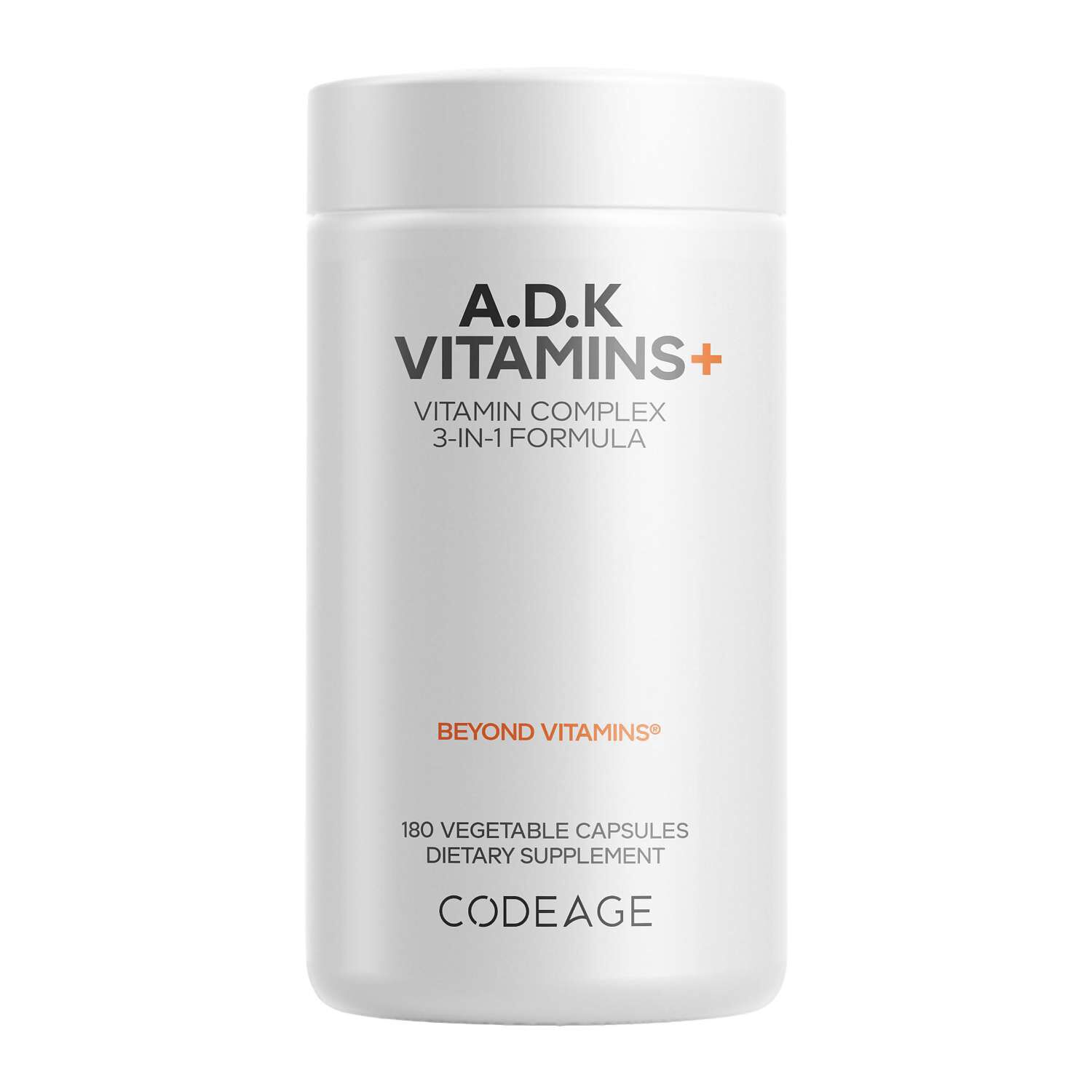
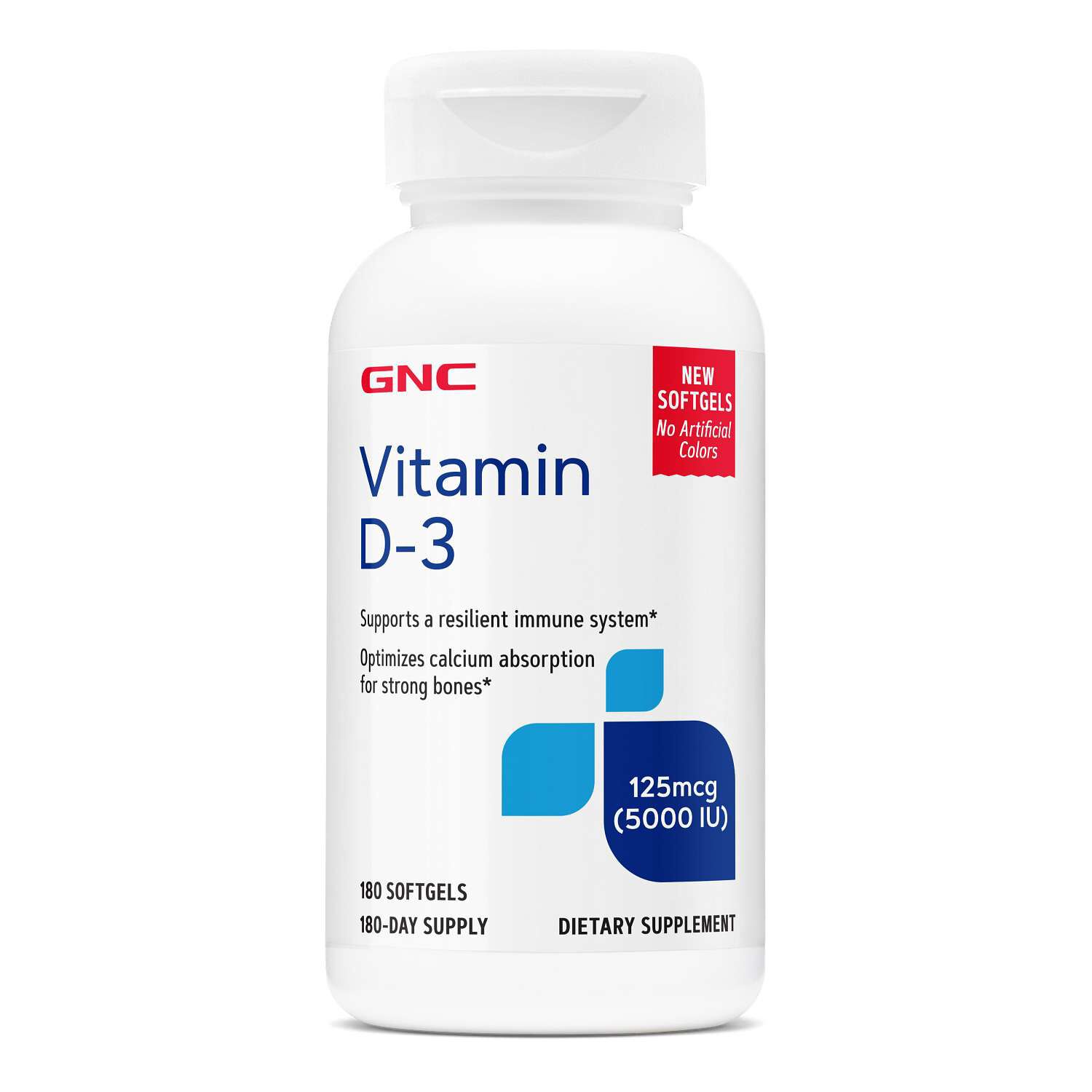
Vitamin D 5000 mg is a search phrase that often refers to vitamin D supplements labeled 5,000 IU, not 5,000 milligrams. For vitamin D, 5,000 international units (IU) equals 125 micrograms (mcg), or 0.125 milligrams (mg). A literal 5,000 mg quantity would be 40,000 times that amount, so these expressions do not describe the same strength. IU expresses biological activity, while micrograms and milligrams express mass. A vitamin D label can therefore list 125 mcg alongside 5,000 IU without describing two separate amounts. That distinction provides useful context when moving from a search result to the Supplement Facts panel on a bottle. The panel identifies the amount per serving, and the serving size indicates whether that amount corresponds to one softgel, multiple capsules, or a measured portion of another format. The number printed prominently on the front does not, by itself, describe every detail of the formula. Vitamin D supplements also differ in the form of the vitamin they contain. Vitamin D3 is called cholecalciferol, while vitamin D2 is called ergocalciferol; those names may appear in parentheses beside vitamin D on the label. Both forms can be expressed in IU and mcg, so the unit conversion is separate from the distinction between D2 and D3. Some formulas contain vitamin D as the only listed vitamin, while others combine it with nutrients such as calcium or vitamin K. Those combinations have different ingredient profiles, even when the vitamin D amount matches. For straightforward comparisons, the most useful details are the vitamin form, the declared amount per serving, the serving size, and any accompanying nutrients. Two bottles with similar wording on the front can differ considerably once those details are read together.
Format is another practical distinction within vitamin D supplements. Softgels typically have a smooth outer shell surrounding a liquid or oil-based filling, while capsules enclose ingredients in a separate shell and tablets use a compressed form. Liquid formulas list a measured serving, and chewable formats introduce additional considerations such as flavor, texture, and sweetening ingredients. A small bottle of liquid and a bottle of softgels may display the same vitamin D strength, but their serving descriptions will look different. With liquids, the label identifies the volume associated with the declared amount; a drop, a dropper, and a milliliter are not interchangeable descriptions. With chewables or capsules, the stated serving may include more than one piece. These packaging details matter more than the apparent size of the container or the size of an individual tablet. The ingredient list adds another layer of comparison. Vitamin D is fat-soluble, and some formulas include carrier oils such as olive oil, sunflower oil, or medium-chain triglycerides. Shell materials, colors, flavors, and other ingredients vary by format. Someone who prefers a short ingredient list may approach the category differently from someone who prefers a flavored chewable or a liquid presentation. Dietary preferences also involve more than the format alone. Vitamin D3 can be sourced from lanolin or lichen, and capsule or softgel shells can have their own animal-derived or plant-derived ingredients. The source of the vitamin and the material used for its shell are separate details, so one does not establish the other. Vegetarian or vegan labeling, ingredient disclosures, and allergen statements provide more specific information than the appearance of a capsule. For an adult comparing supplements around an established routine, these distinctions offer concrete ways to sort through similar-looking options without treating every vitamin D formula as identical.
Audience-focused categories offer another way to organize a search. A page such as Vitamin D3 5000 IU For Women narrows the browsing context, while the same measurement principles still apply: 5,000 IU of vitamin D equals 125 mcg, regardless of the audience named in the category. Audience wording does not replace the serving information or ingredient details on an individual label. Beyond those comparisons, packaging and storage are useful considerations for everyday ownership. A screw-top bottle, a container with a measured liquid dispenser, and individually sealed packaging each involve different handling details. Clear serving information, a readable ingredient panel, and an accessible expiration date make the package easier to reference over time. Storage instructions vary, so the container’s stated conditions are more useful than assumptions based on another supplement. A securely closed bottle in its original packaging keeps the contents together with their identity, serving information, and handling directions. A location away from direct sunlight, excess moisture, and children’s reach also addresses common household storage concerns. A bathroom shelf beside a shower or a bag left in direct sunlight presents different conditions from a dry interior cabinet. For people who carry supplements between home and another location, the closure, container dimensions, and clarity of the label are practical details to compare. A liquid bottle also has different spill considerations than a sealed bottle of capsules. Package quantity deserves a separate look: the number of pieces and the number of labeled servings are not always the same, particularly when a serving includes multiple pieces. Comparing servings rather than bottle size gives a clearer picture of what the package contains. Across these formats, a useful comparison starts with accurate units and continues through vitamin form, ingredients, serving description, and packaging. The phrase vitamin D 5000 mg may begin the search, but 5,000 IU and 125 mcg are the equivalent measurements relevant to this supplement strength.
Best Sellers



Related Pages
Top Collections
- Zinc Supplements For Men
- Chronic Fatigue Supplements
- Metabolism Boost For Weight Loss
- Daily Collagen Supplements | Top Brands & Deals | GNC
- Supplements For Yoga Joint Flexibility
- Capsule Supplements For Energy And Stamina
- Adult Vitamins
- Vitamins For Hair Loss
- Burnout Support Supplements
- Best Brand of Magnesium Glycinate