





Vitamin D3 5000 Iu For Healthy Aging
(0 Results)
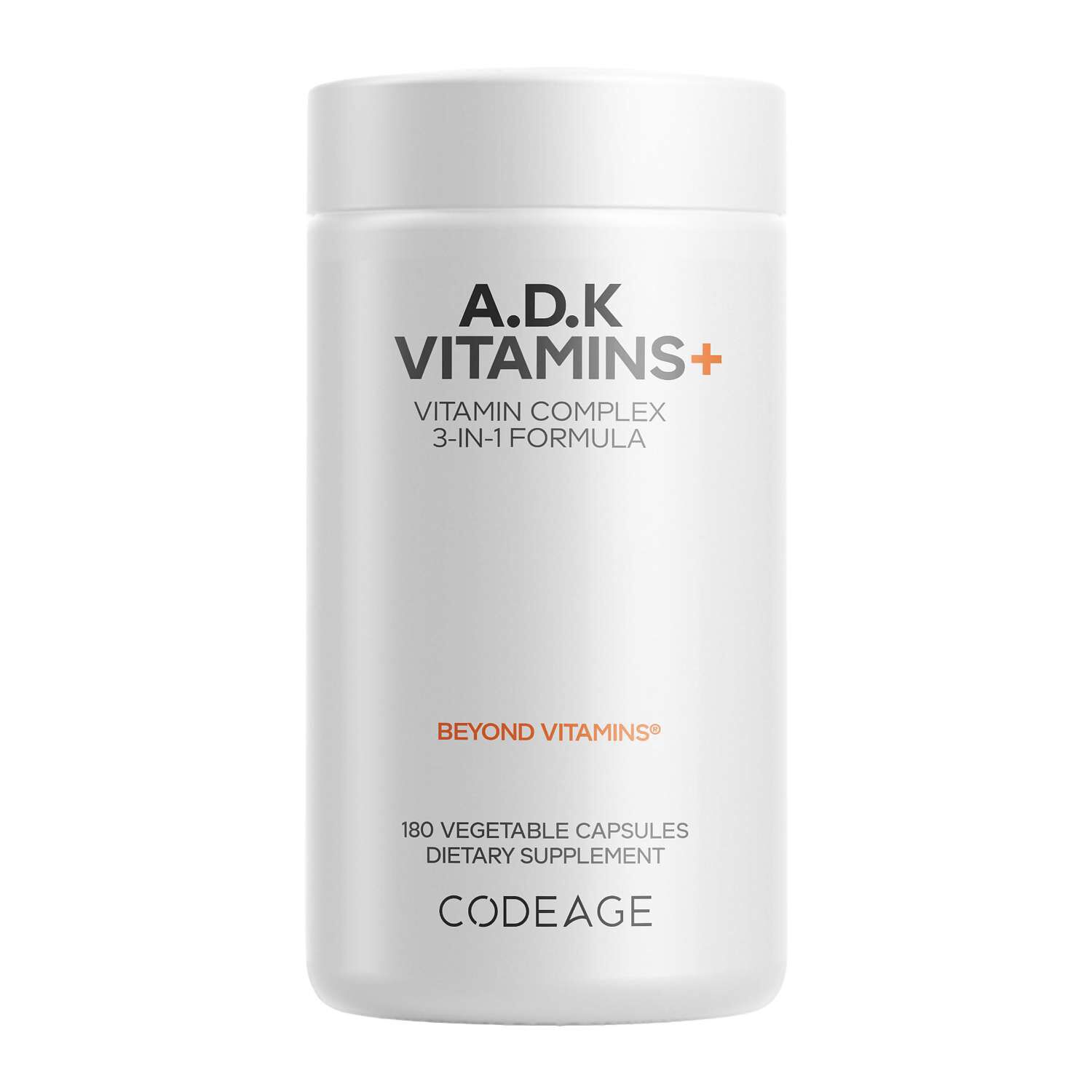
Vitamin D3 5000 IU for healthy aging may offer support as part of a balanced wellness routine. As you explore options to help maintain your vitality, vitamin D3 supplements could be a convenient way to fill potential gaps in your daily intake. Whether you’re looking to stay active or simply want to support your overall well-being, vitamin D3 5000 IU for healthy aging might be a helpful addition to your lifestyle. Discover a variety of options designed to fit your unique needs and preferences.
-

-

-

-
-
 $13.99
-

-

-

-


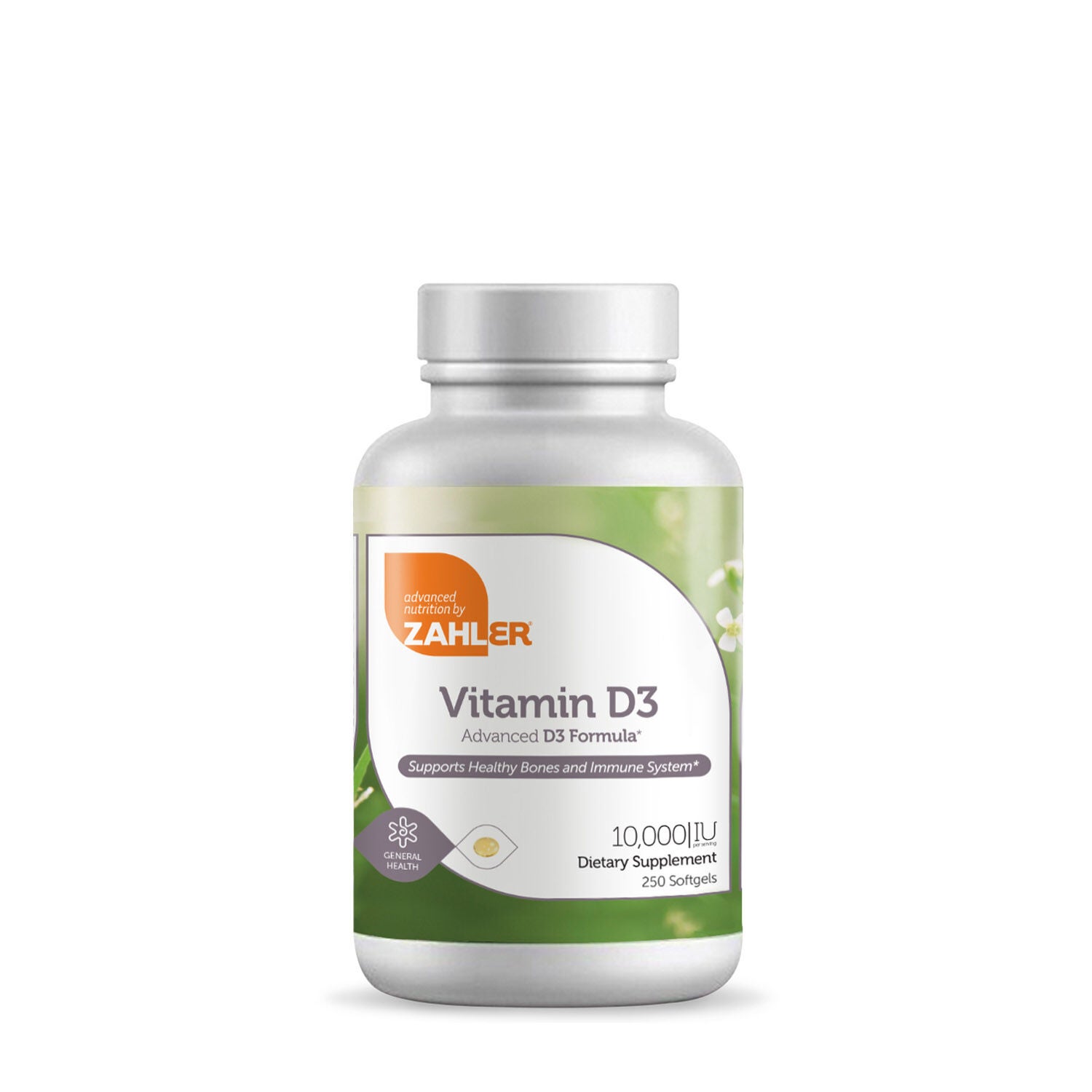
Vitamin D3 5000 IU for healthy aging describes a category of higher-potency vitamin D supplements, not a daily requirement for every older adult. A 5,000 IU amount of vitamin D3 equals 125 micrograms, often written as 125 mcg on a Supplement Facts panel. For context, that amount is above the general adult daily upper intake limit of 4,000 IU, or 100 mcg. Higher-potency vitamin D belongs in the context of an individualized plan with healthcare professional oversight rather than an assumption that age alone calls for a larger serving. The healthy aging theme does not establish that this amount is appropriate for everyone or that a larger number represents a better choice. Within this category, vitamin D3 may also appear under the ingredient name cholecalciferol. The number on the front of the bottle is only one part of the label: serving size, ingredient source, dosage form, and servings per container all describe what is inside. A bottle labeled 5,000 IU may express that amount per serving rather than per individual softgel, capsule, or drop, so those measurements are not interchangeable. A 125 mcg listing and a 5,000 IU listing describe the same vitamin D amount, not two separate strengths. This distinction matters when comparing labels that use different units or place one unit more prominently than the other. For adults exploring vitamin D3 as part of an established nutrition routine, a clear description of the serving is more meaningful than a large numeral on the package. Healthy aging can encompass food preferences, familiar daily habits, and thoughtful product selection without making a supplement the centerpiece of the day. These supplements are most relevant to shoppers who have an established reason for considering a higher-potency format and want to understand how its label and presentation compare with other options.
Format is one of the most noticeable differences among vitamin D3 supplements. Softgels typically enclose the ingredients in a smooth shell, while tablets have a firmer, dry construction and capsules use a shell around their contents. Liquid presentations have their own serving measurements and dispensing methods. For someone who prefers fewer individual pieces in a routine, the distinction between one softgel and a serving made up of several pieces may matter more than bottle dimensions. A smaller container does not necessarily contain fewer servings, and a larger container does not necessarily represent a higher amount per serving. Shape and dimensions are separate considerations, too: the word “softgel” describes a format, not a standardized size. Ingredient sourcing adds another layer to the comparison. Vitamin D3 can come from sources such as lanolin derived from sheep’s wool or from lichen, depending on the formulation. The source of the vitamin and the composition of its shell are separate details. A plant-derived vitamin ingredient does not, by itself, describe every other ingredient in the finished supplement. Gelatin, glycerin, cellulose, carrier oils, and other ingredients may appear in different formulations, with their presence identified on the label. For shoppers with vegetarian preferences or particular ingredient requirements, those details are more informative than assumptions based on the front label. Allergen statements and dietary certifications provide additional context when present, while the Supplement Facts panel identifies the nutrients and their amounts. Single-nutrient and combination formulas also call for different comparisons: a product featuring vitamin D3 alone is not the same formulation as one that includes other vitamins or minerals. The 5,000 IU designation describes the vitamin D amount, not the quantities of accompanying ingredients. Two bottles with the same vitamin D3 amount can therefore differ in serving size, ingredient sources, format, and other nutrients. Those distinctions give shoppers a more useful basis for comparison than package color or the prominence of the healthy aging wording.
Everyday handling and storage are practical considerations for these products, particularly when a bottle will sit in a kitchen cabinet, travel bag, or shared household storage area. The package directions describe the storage conditions for that formulation; a bathroom shelf with frequent moisture exposure is a different environment from a dry interior cabinet. Container design matters in ordinary use as well. A clearly printed label, readable serving information, and an easy-to-identify expiration date may make a bottle simpler to distinguish from other supplements nearby. The original container carries details that a separate organizer does not necessarily retain, including the ingredient list, lot information, and storage directions. For travel, those details remain relevant even when the container takes up more room than a small pouch. Liquid formats bring additional handling considerations because the serving measurement depends on the dispensing instructions rather than a count of tablets or softgels. Bottle count also deserves attention: thirty pieces and thirty servings are equivalent only when the labeled serving consists of one piece. Someone comparing a compact bottle with a larger household container may find that servings per container is the more meaningful measure. Another consideration is how vitamin D appears elsewhere in an existing routine. A multivitamin, a combination supplement, and a standalone D3 formula can each list vitamin D, so the front label of one bottle does not describe the combined amount represented by several products. That distinction is particularly relevant in a higher-potency category, where an additional ingredient listing is not simply a packaging detail. For a related collection, vitamin D3 5000 IU for bone strength offers another way to browse this nutrient category. Across either theme, the most useful distinctions remain concrete: the labeled amount, the number of pieces or measured quantity per serving, the ingredient sources, and the formulation’s fit within an established plan. A healthy aging collection provides a shopping context, while the label provides the specifics needed to understand what each formulation contains.
Best Sellers


Related Pages

Top Collections
- Joint Mobility Supplement Packs
- Daily Collagen Supplements | Top Brands & Deals | GNC
- Supplements For Yoga Joint Flexibility
- Zinc Supplements | Top Brands at Great Prices | GNC
- Supplements For Balance
- Capsule Supplements For Energy And Stamina
- Chronic Fatigue Supplements
- Adult Mobility Supplements
- Vitamins For Hair Loss
- Blood Pressure Support Supplements