

Vitamin D3 Gummies For Supplement Lovers
(0 Results)
Vitamin D3 gummies for supplement lovers offer a convenient and enjoyable way to support your daily wellness routine. These tasty gummies may fit seamlessly into your lifestyle, making it easy to prioritize your supplement needs. With a variety of flavors and options available, vitamin D3 gummies for supplement lovers could be a great choice for those who prefer a delicious alternative to traditional pills or capsules. Explore the possibilities and find the right addition to your regimen.
-
-
-
-

-
-
 $20.99
 -
 $21.99
 -
 $13.99
 -
 $15.99


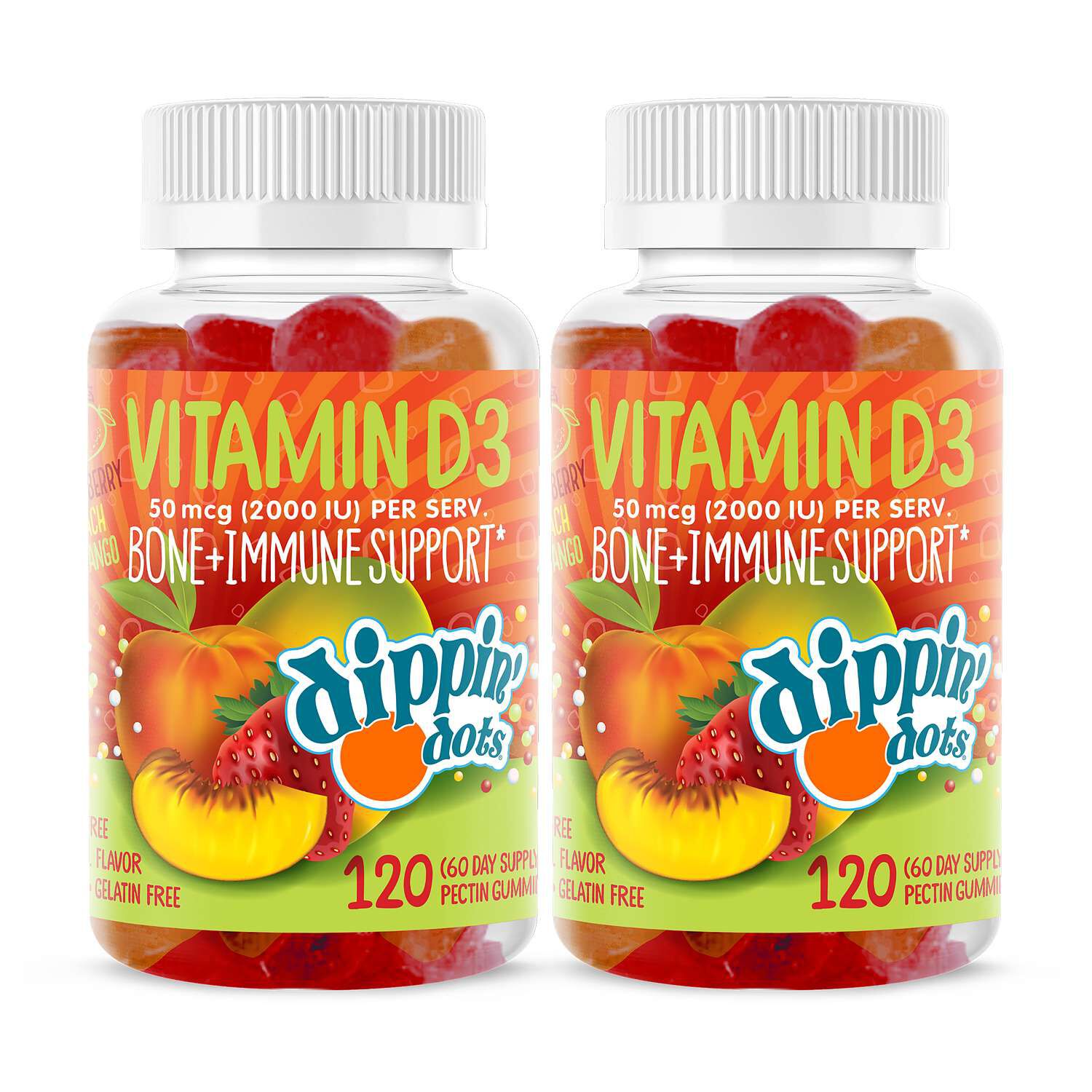
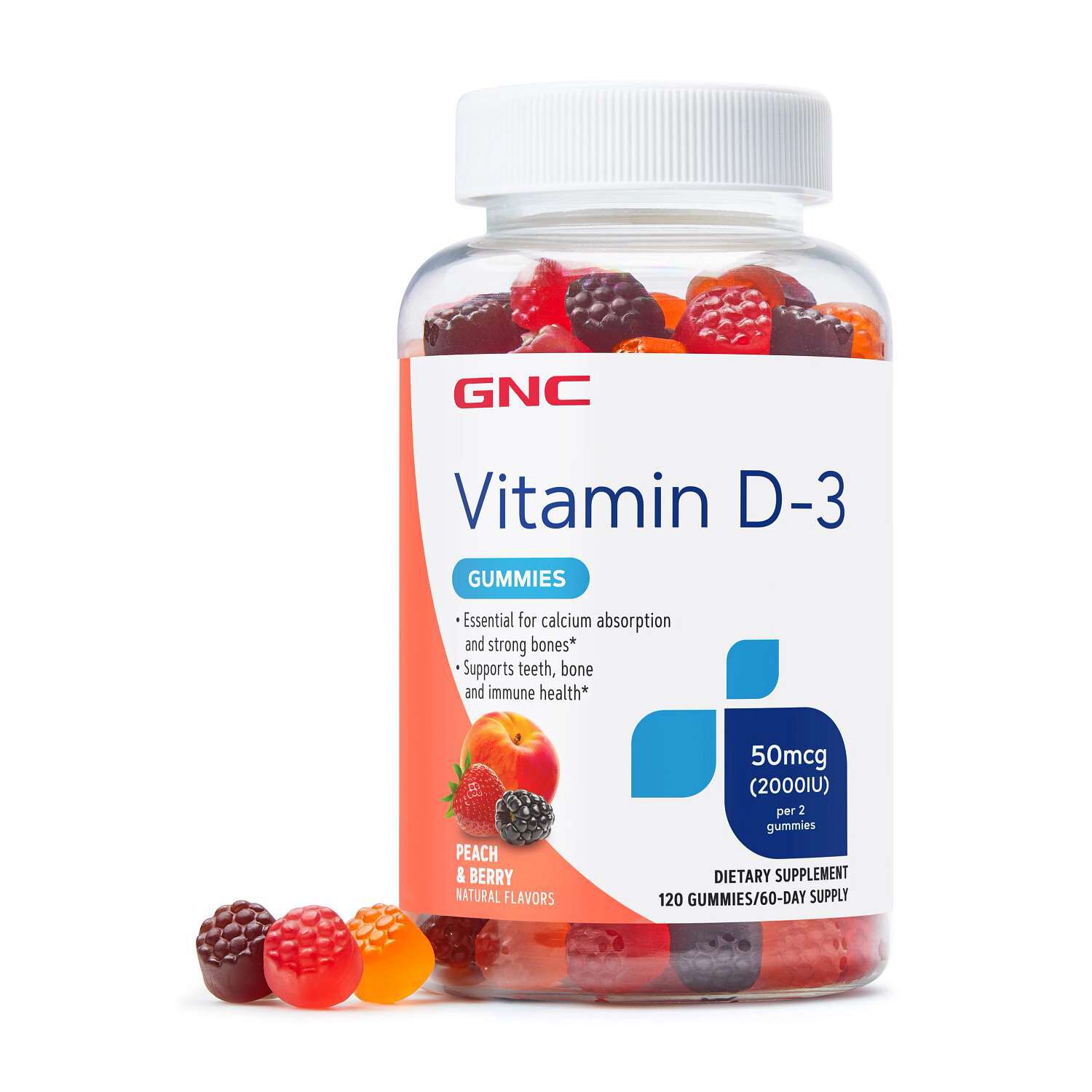
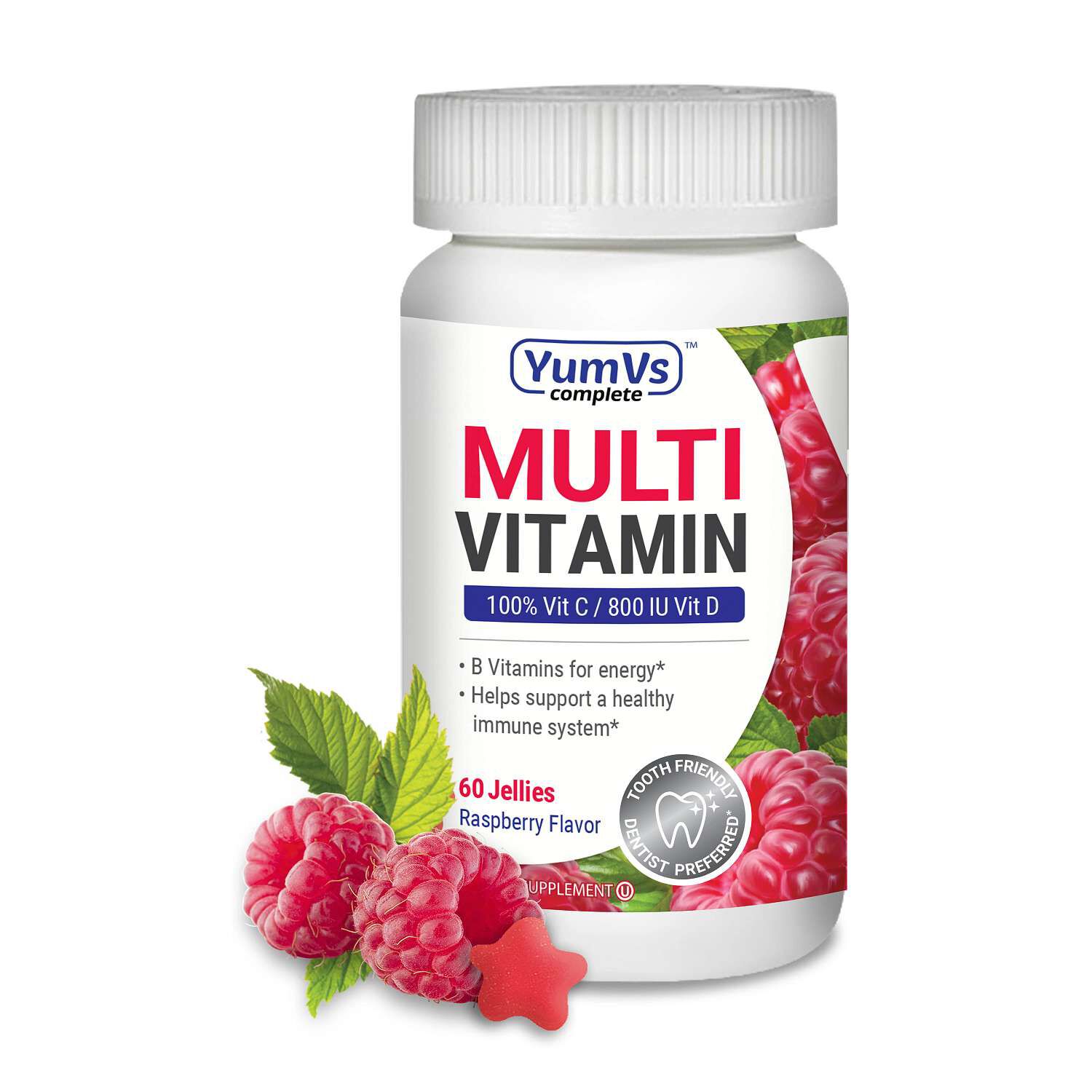
Vitamin D3 gummies offer a chewable format for supplement lovers who prefer fruit flavors and a soft texture to tablets or capsules. Their appeal starts with the everyday details: a citrus note, a berry flavor, a smooth or lightly coated surface, and a serving size that fits the way someone organizes a supplement routine. Vitamin D3, also called cholecalciferol, is one form of vitamin D used in dietary supplements. The gummy format pairs that ingredient with a base that gives each piece its shape, texture, and sweetness. Although gummies can resemble fruit snacks, they are supplements with labeled serving directions, not candy. For shoppers comparing vitamin D3 gummies, the most useful distinctions include the amount of D3 per serving, the number of gummies in that serving, the ingredient source, and the ingredients used to create the chew. A bottle’s front label tells only part of the story; the Supplement Facts panel and ingredient list provide the details that distinguish one formula from another. A serving can consist of one gummy or several, so the amount shown per serving should not automatically be read as the amount in each piece. Vitamin D quantities may appear in micrograms, abbreviated mcg, alongside International Units, abbreviated IU. For reference, 25 mcg of vitamin D equals 1,000 IU; those are two ways of expressing the same quantity, not two separate ingredients. A larger number is a concentration detail rather than a measure of how well a formula fits an individual shopper. Someone who already keeps a multivitamin beside breakfast may want to compare its ingredient panel with the D3 gummy label, while a shopper replacing a capsule format may focus first on serving count and texture. These practical comparisons keep the category grounded in intended use: a measured dietary supplement presented in a flavored, chewable form. They also give supplement enthusiasts a clearer way to compare formulas beyond the flavor pictured on the bottle.
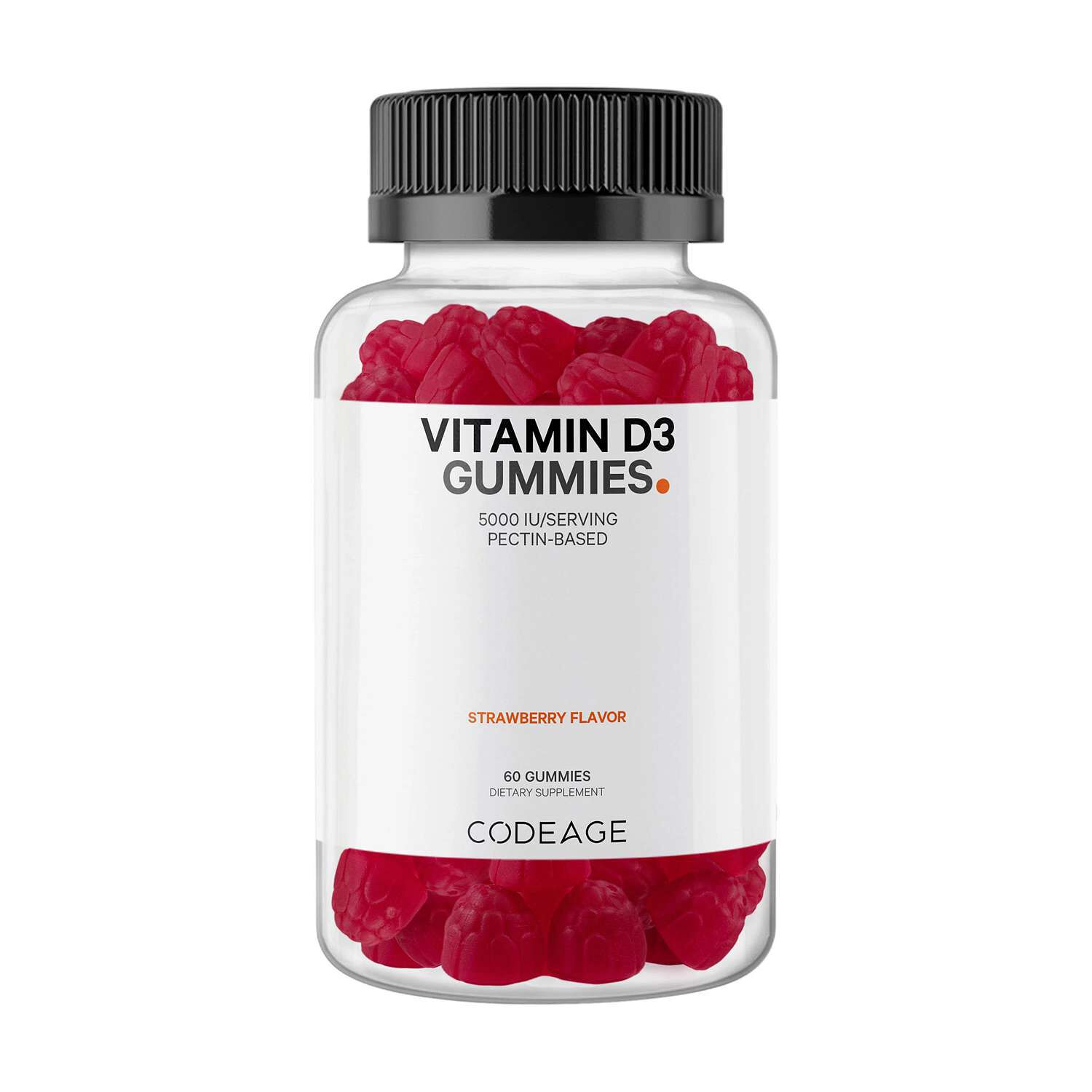
Texture and ingredient preferences often make the biggest difference between otherwise similar vitamin D3 gummies. Some formulas use gelatin to create an elastic chew, while others use pectin, a gelling ingredient commonly derived from fruit, for a different bite. Neither ingredient alone tells the whole dietary story. A pectin-based gummy is not automatically vegan, because the source of the vitamin D3 and the remaining ingredients also matter. D3 used in supplements can come from lanolin, which is derived from sheep’s wool, or from lichen. Shoppers seeking a vegan formula can look for explicit vegan labeling and a stated D3 source rather than relying on a leaf illustration or fruit imagery. Sweeteners deserve the same attention. Cane sugar, glucose syrup, tapioca syrup, and other sweetening ingredients can contribute to flavor and texture, while some formulations use alternative sweeteners. The Nutrition or Supplement Facts information, as applicable, and the ingredient list provide a more useful comparison than a general impression of sweetness. A tart citrus gummy and a mellow peach-style gummy can have quite different flavor profiles without that difference revealing their sugar content. Added colors, flavor ingredients, surface coatings, and allergen statements are additional details worth comparing when personal preferences shape the purchase. For someone who enjoys a softer fruit chew, texture may be as important as flavor; another shopper may prefer an uncoated surface or a single flavor throughout the bottle rather than an assortment. Ingredient lists can narrow the choices, although the exact bite is not always obvious from packaging. Those browsing the wider category can also explore Vitamin D Gummies to compare the forms of vitamin D identified on individual labels. Across these comparisons, the clearest product descriptions separate the vitamin source from the gummy base, specify the amount per serving, and explain dietary attributes in straightforward language. That detail is especially useful for experienced supplement shoppers who know which ingredients and textures they prefer and want those preferences reflected in a chewable format.
The fit of vitamin D3 gummies within an everyday routine also depends on packaging, storage, and how the supplement will be used. An adult shopping for a chewable option may value a clearly printed serving size and an easy-to-read ingredient panel more than an elaborate bottle design. Someone who travels often may pay closer attention to container size, a secure closure, and whether the original packaging fits neatly into a toiletry bag. Keeping gummies in their labeled container preserves access to directions, ingredient information, the lot number, and the expiration date. Care for this format is mostly about following the package’s storage instructions, closing the lid after use, and keeping the contents protected from moisture and direct sunlight. A gummy’s soft structure differs from that of a dry tablet, making the storage guidance particularly relevant to its texture and condition. The container should also remain out of reach of children, regardless of how closely the contents resemble familiar sweets. Adult and children’s formulas are distinct categories; fruit flavor or a small gummy shape does not establish the intended age group. The age designation and directions on the label provide that context. Bottle count is another practical consideration, but it is most meaningful alongside serving size. A bottle containing 60 gummies represents 60 servings when the serving size is one gummy and 30 servings when it is two. That distinction matters to anyone coordinating several supplement containers or deciding which bottle size suits a regular routine. Vitamin D3 gummies may also suit a thoughtful care package for an adult who has specifically requested them, provided the flavor, ingredient preferences, and intended formula are already known. They are a more personal selection than an ordinary sweet, so guessing based only on taste or packaging leaves important details unresolved. For supplement lovers, a well-matched choice brings together clear labeling, an appropriate intended audience, a preferred chew, and transparent ingredient sourcing. Those are concrete qualities to compare whether the priority is a familiar fruit flavor, a vegan formulation, or a different format from a usual capsule.