Vitamin D3 Gummies
(0 Results)
Discover a delicious way to support your overall wellness with Vitamin D3 Gummies. These chewy and convenient supplements are a tasty alternative to traditional pills, making it easier than ever to incorporate this essential nutrient into your daily routine. Packed with all-natural flavors and a potent dose of Vitamin D3, these gummies are perfect for anyone looking to boost their immune system, promote bone health, and enhance their mood. Say goodbye to hard-to-swallow pills and hello to a fun and flavorful way to get your daily dose of Vitamin D3.
-
 $13.99
-
 $15.99
-
-
-
 $21.99
-
-
 $14.99
-
 $20.99
-
 $20.99
-

-

-
-
 $17.99

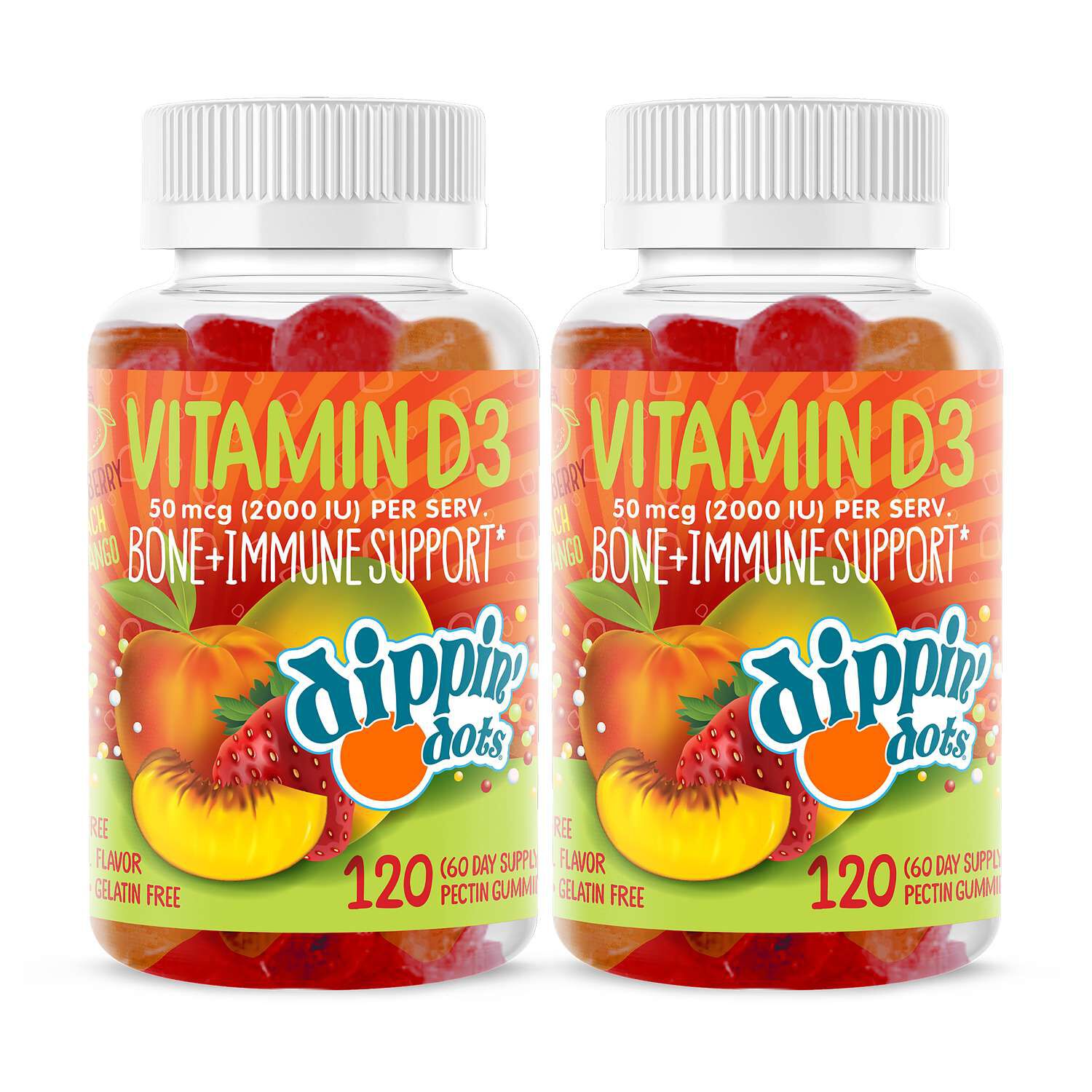
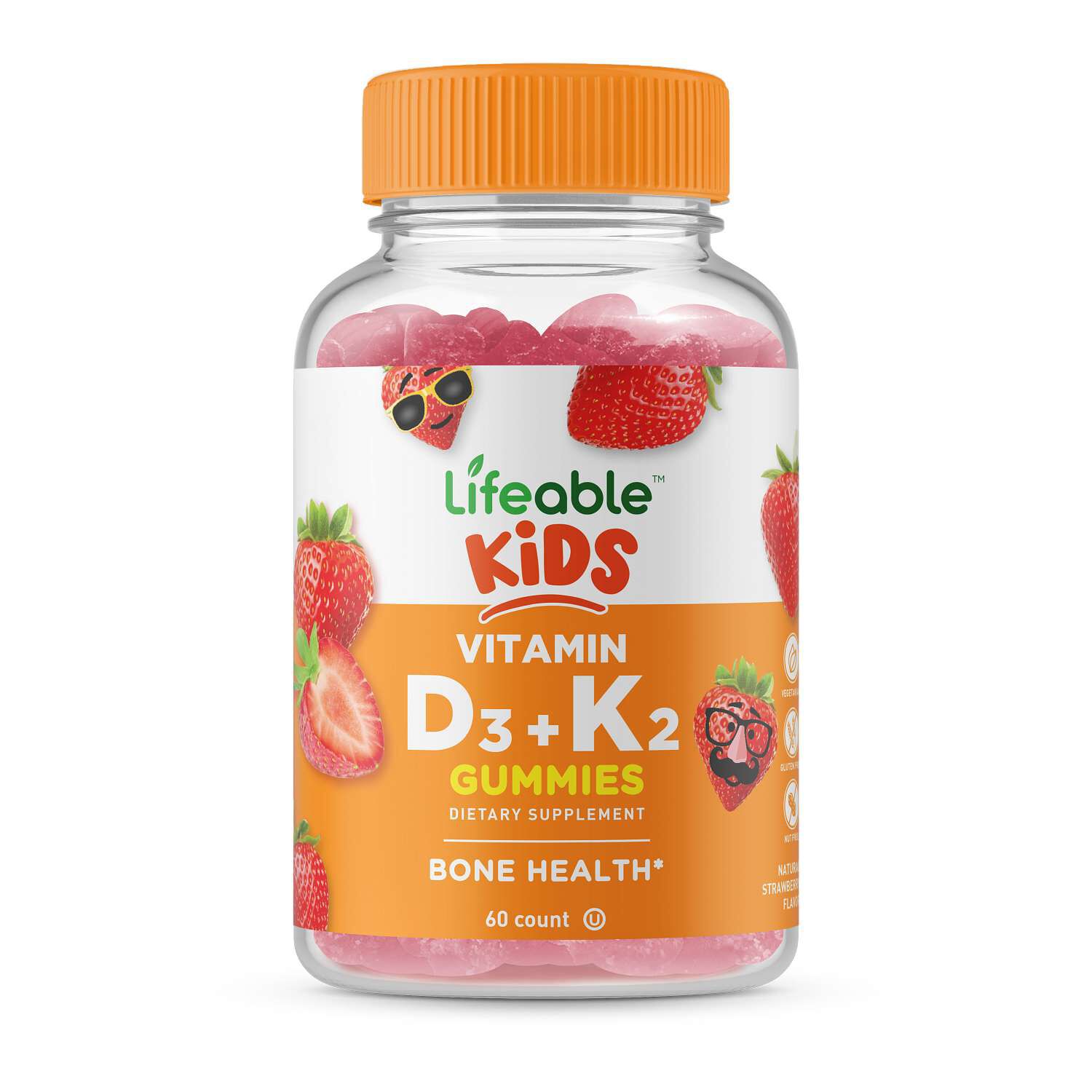


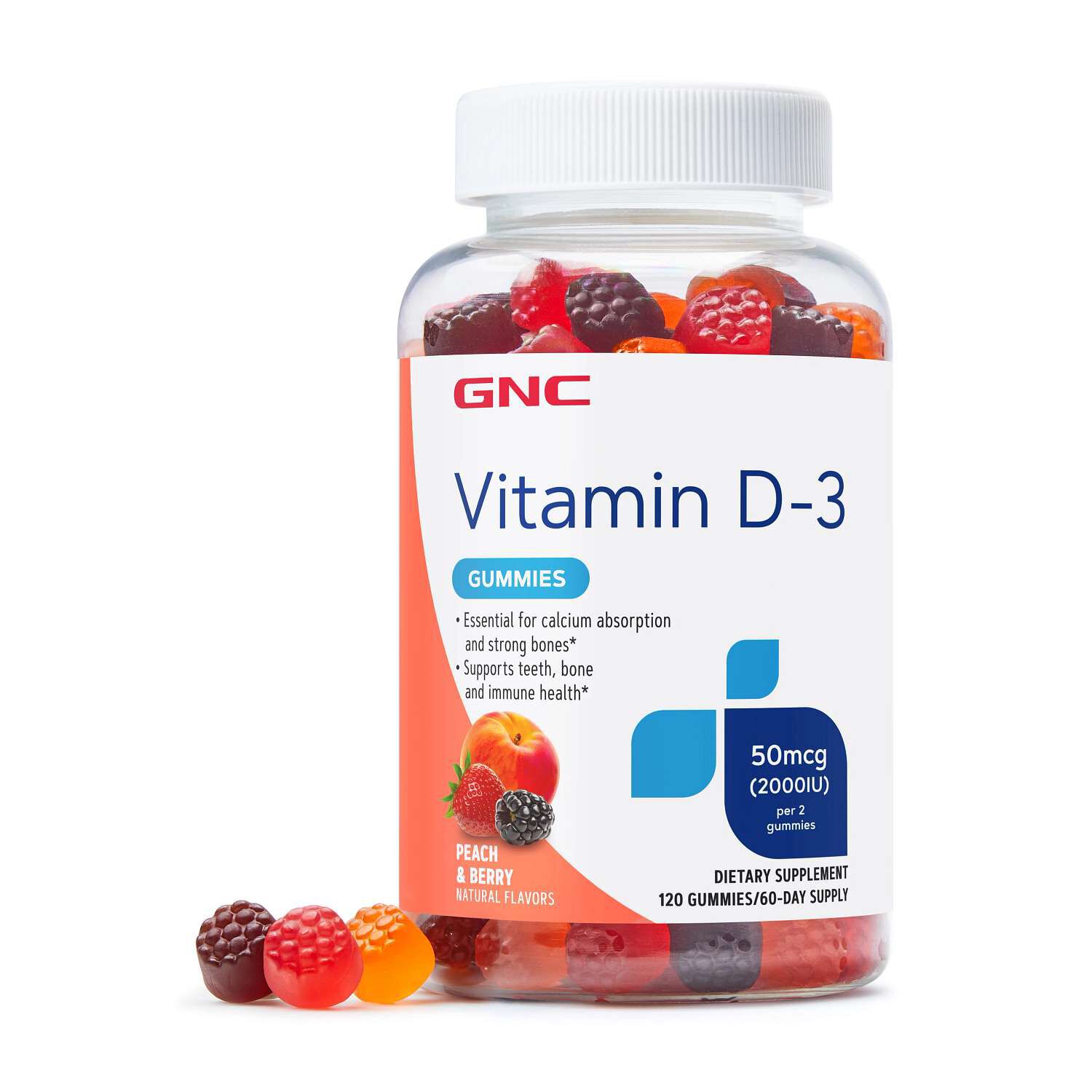
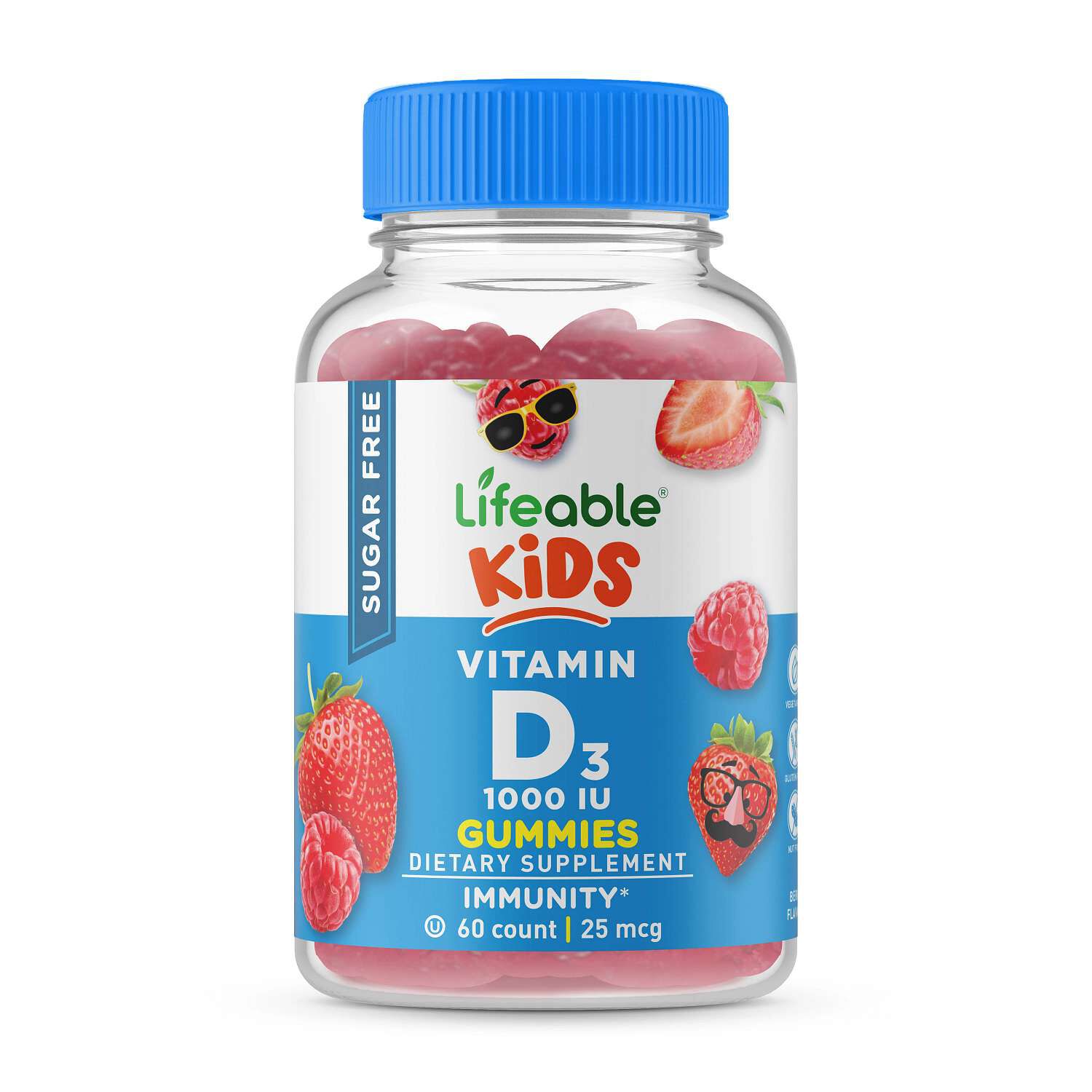
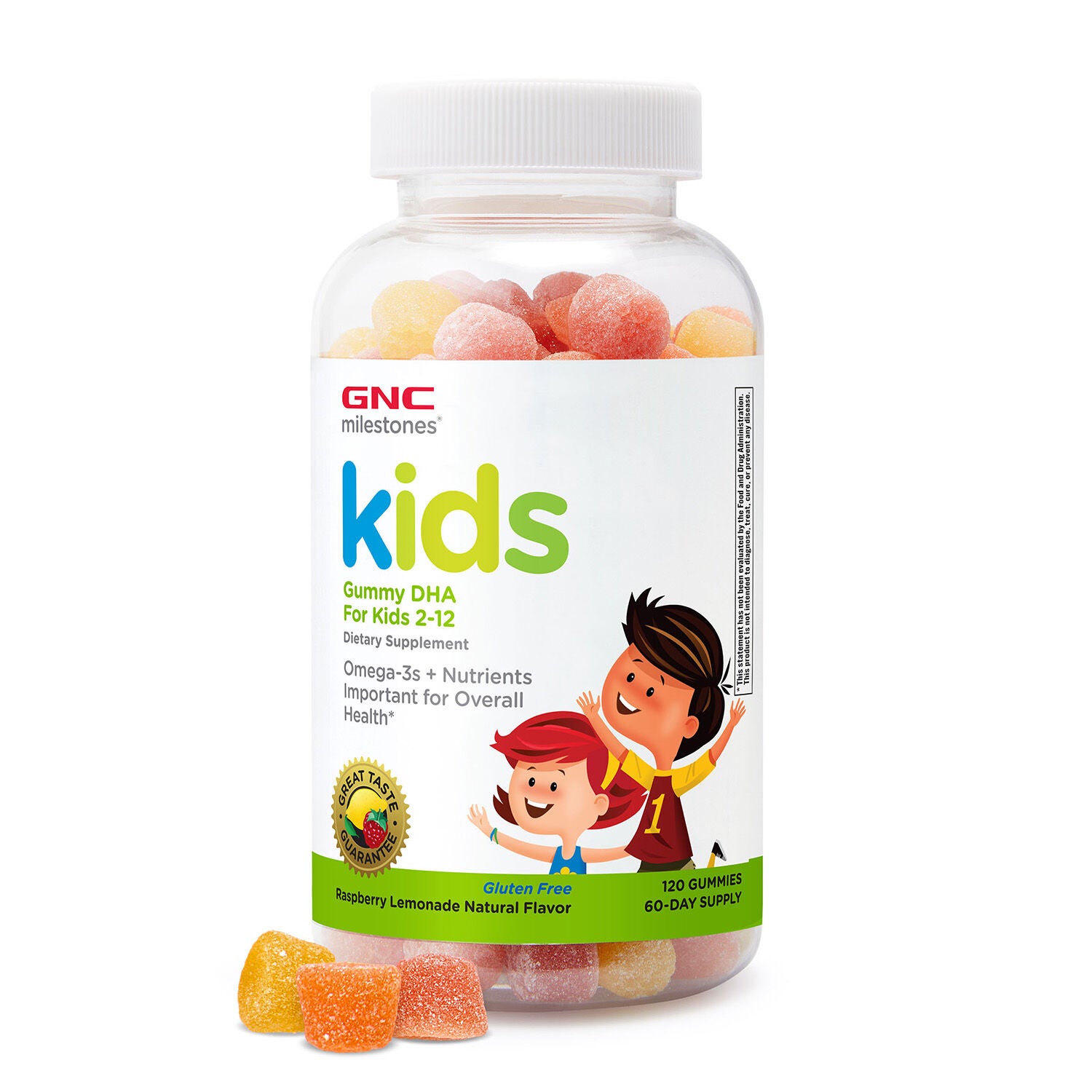
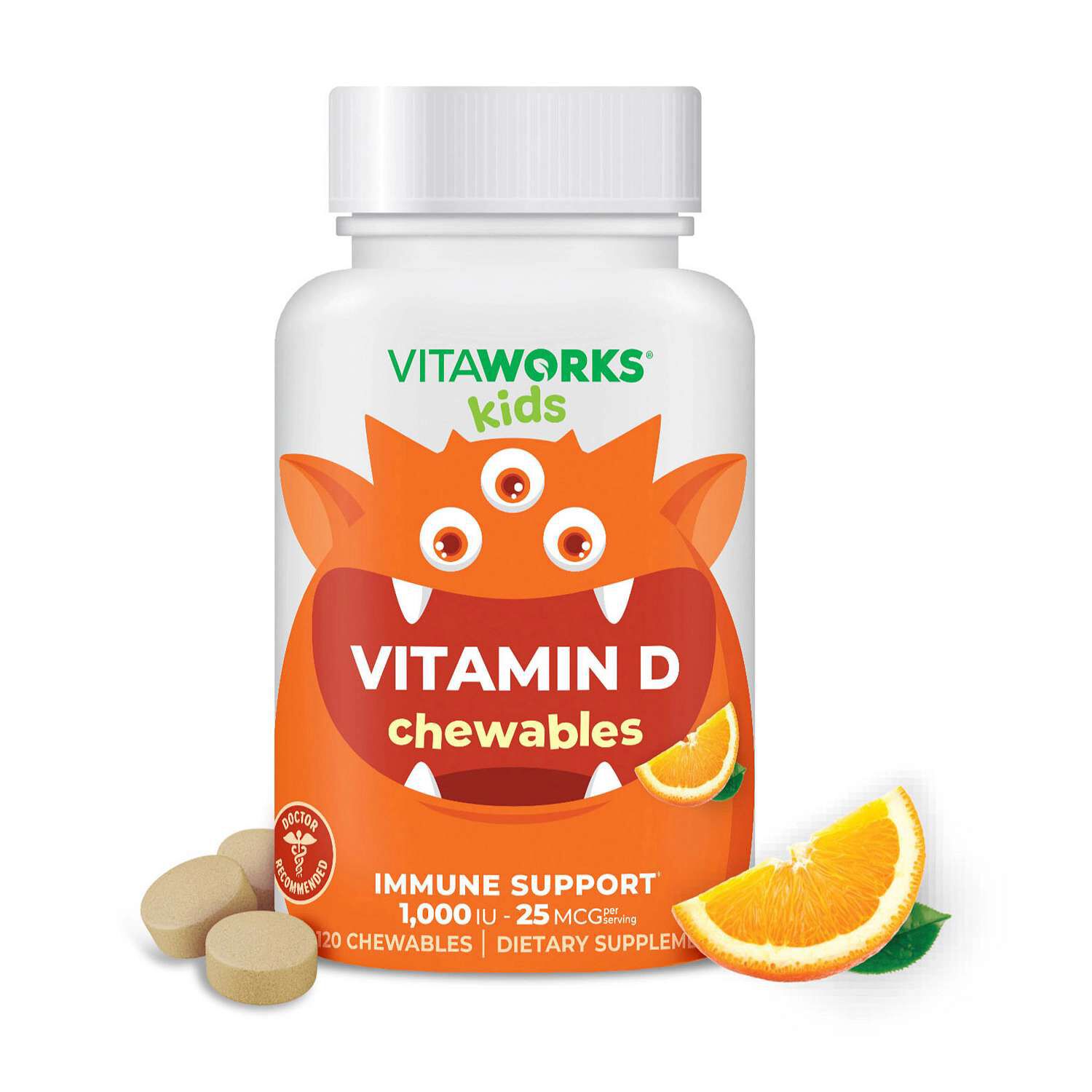
Vitamin D3 gummies are chewable dietary supplements made with vitamin D3, also called cholecalciferol, in a flavored gummy base. They offer a different format from tablets, capsules, liquids, and powders, with texture and taste playing a larger part in the experience. For someone who prefers a chewable supplement, that format may fit more comfortably into an established daily routine. Vitamin D is a fat-soluble nutrient found in certain foods, and D3 is one of the forms used in dietary supplements. Although gummies can resemble fruit snacks, they are supplements with defined serving directions, not candy. Comparing them starts with the Supplement Facts panel, where the amount of vitamin D is listed alongside the serving size. Vitamin D quantities can appear in micrograms, abbreviated mcg, and international units, abbreviated IU; 25 mcg equals 1,000 IU, while 50 mcg equals 2,000 IU. These figures describe an amount of the nutrient, not a recommendation for every shopper. The distinction between one gummy and one serving also matters. A serving might consist of one gummy or several, so two bottles with the same vitamin D amount on the front can have different serving sizes. A hypothetical bottle containing 60 gummies would represent 30 servings if its labeled serving size were two gummies. Reading those details together gives a clearer picture than comparing bottle counts alone. Formulas intended for adults and those labeled for children can differ in nutrient amounts and directions, even when the flavors or shapes look similar. Intended age group, serving size, and the amount supplied per serving are separate details worth checking. Some formulas contain vitamin D3 alone, while others combine it with additional nutrients. A single-nutrient formula and a combination formula are different purchasing choices, making the full panel more informative than the front label by itself. The most useful comparison keeps the format, intended user, and labeled nutrient amounts in view at the same time.
The ingredients that create a gummy’s texture deserve as much attention as its flavor description. Gelatin and pectin are two common gelling ingredients, but they come from different sources. Gelatin is animal-derived, while pectin comes from plants, often fruit. That distinction can matter to shoppers with vegetarian or vegan preferences, although a pectin base alone does not establish the source of the vitamin D3. D3 can be derived from lanolin, a material obtained from sheep’s wool, or from sources such as lichen. Anyone comparing formulas around those preferences can look for a stated D3 source and relevant labeling rather than relying on the gummy base alone. Sweeteners are another point of difference. Ingredient lists may include sugar, glucose syrup, tapioca syrup, sugar alcohols, or other sweetening ingredients, and the Nutrition Facts or Supplement Facts information can clarify the amount of added sugar per serving. Sweetness, a tart finish, and a sugar-coated exterior are distinct characteristics; a gummy does not need to have all three. Fruit flavors such as strawberry, peach, mango, and mixed berry describe the intended taste, but a fruit name does not necessarily mean that the gummy contains a meaningful amount of that fruit. Flavor ingredients, fruit juice concentrates, and coloring ingredients each serve different purposes in a formula. A smooth, springy gummy and a softer, fruit-chew-style gummy can also feel quite different, even when their nutrient amounts match. For shoppers interested in ingredient sourcing, Vitamin D Gummies With Natural Ingredients provides a related category to explore alongside these label details. The word “natural” does not, by itself, describe every ingredient, identify the D3 source, or explain the sweetener blend. Specific ingredient names and clearly stated sourcing information provide more useful context. Allergen statements and dietary certifications can add another layer to the comparison when those details are relevant to the household. A short ingredient list may appeal to one shopper, while another may prioritize a particular texture or a clearly identified plant-derived D3 source. Those preferences are easier to compare when the ingredient list, dietary labeling, and serving information are considered together.
Day-to-day use brings another set of practical details into focus, from the bottle closure to where the container will sit between servings. A gummy format may suit an adult who already keeps supplements beside a breakfast place setting, or someone who prefers not to mix a powder into a drink. The labeled directions remain the reference for how a formula is intended to be used, including any instructions about food or chewing. A pleasant flavor does not change those directions, and a larger gummy does not necessarily contain more vitamin D than a smaller one. Container design matters, too: a securely closing lid and a legible label are useful features for a product handled regularly. Keeping gummies in their original packaging preserves access to serving directions, ingredient information, and the expiration date. Storage instructions are especially relevant to texture because gummy ingredients can soften, stick together, or dry out when stored outside the stated conditions. A shelf away from a stove, sink, or direct sunlight is a different setting from a bag left inside a vehicle, where conditions can vary considerably. Follow the storage conditions printed on the container, and close the lid as directed after use. When packing for an overnight stay or a longer trip, consider how the labeled container will fit into a toiletry bag without losing access to its information. In households with children, the candy-like appearance makes careful storage and clear identification particularly important; keep supplements out of children’s reach. For shared households, distinguishing each person’s labeled formula can also prevent confusion between similar-looking containers. Beyond flavor alone, vitamin D3 gummies invite a comparison of nutrient amount, serving size, D3 source, sweeteners, texture, and intended age group. Those concrete details describe what is in the bottle and how it fits into an existing routine, giving shoppers a grounded way to compare chewable vitamin D supplements without relying on packaging appearance alone.