





Vitamin D Gummies With Natural Ingredients
(0 Results)
Vitamin D gummies with natural ingredients offer a convenient and enjoyable way to support your daily wellness routine. With a focus on quality, these gummies are crafted to deliver vitamin D in a tasty format that fits seamlessly into your lifestyle. Whether you’re looking to add a burst of sunshine-inspired nutrition to your day or seeking an option made with thoughtfully selected ingredients, vitamin D gummies with natural ingredients could be a satisfying choice for those who value both flavor and simplicity. Explore options that may align with your preferences and wellness goals.
-
-
-
-
-
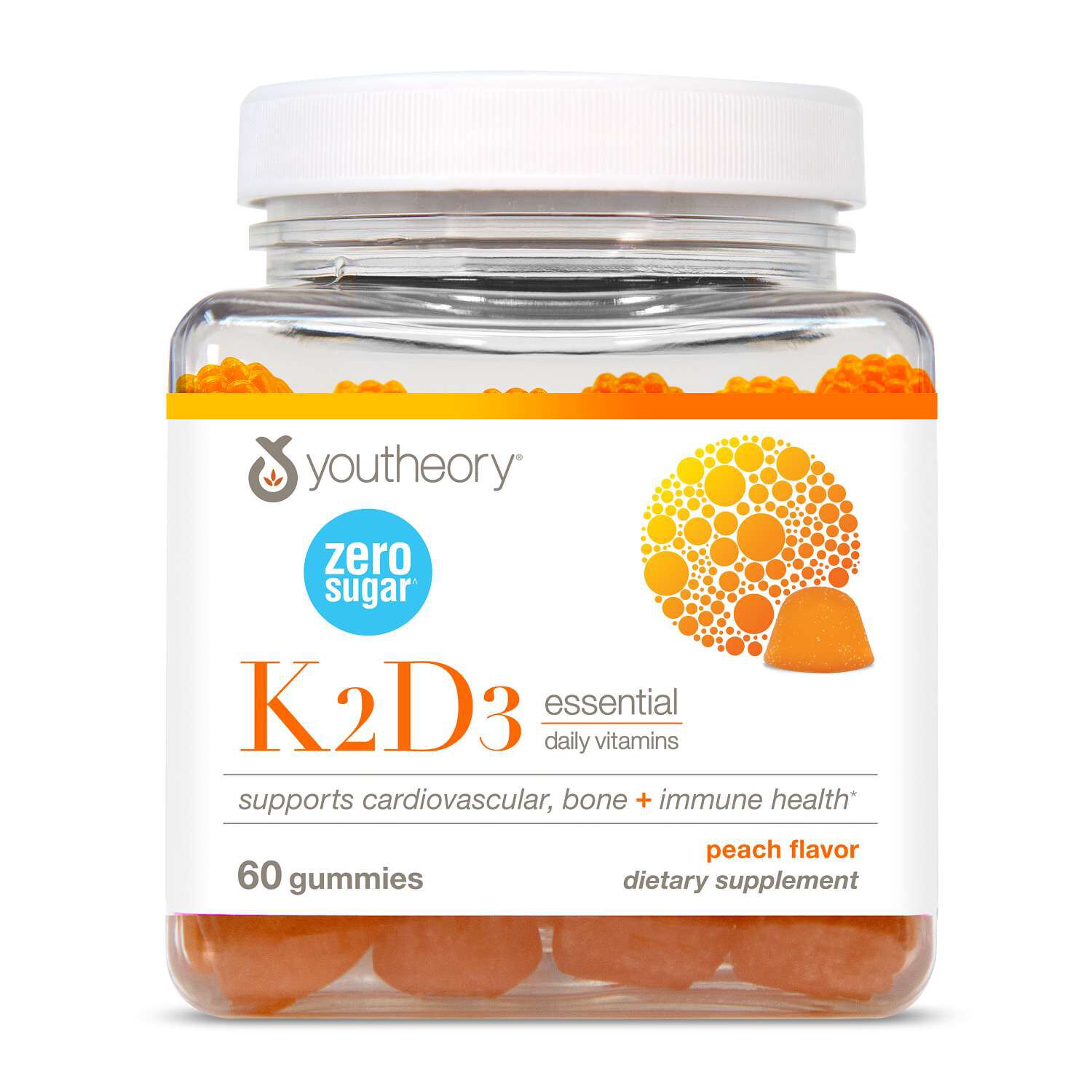 $17.99
-
 $21.99
-
 $15.99
-
 $13.99
-
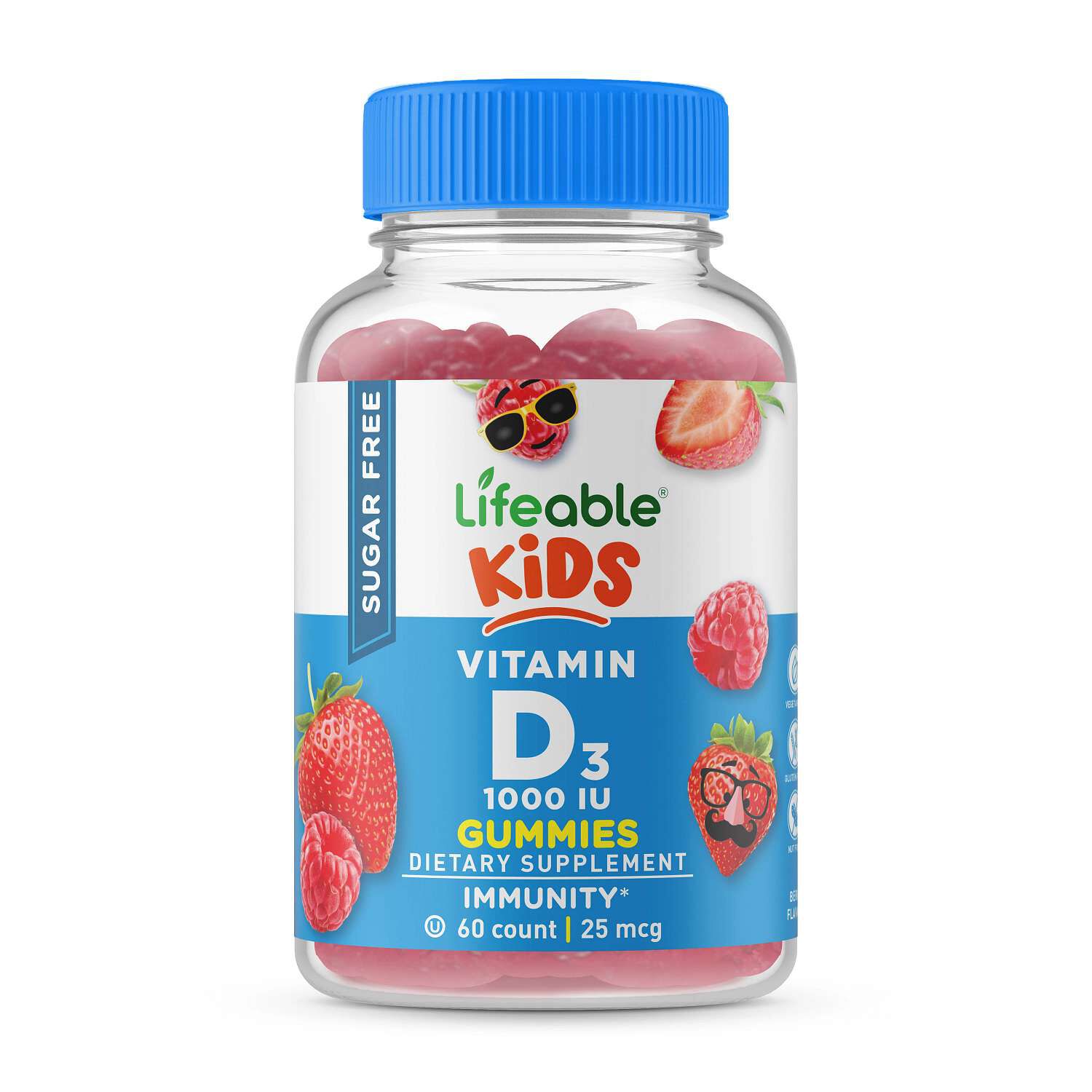 $14.99
-

-
-
-
-
-
 $20.99
-
 $20.99


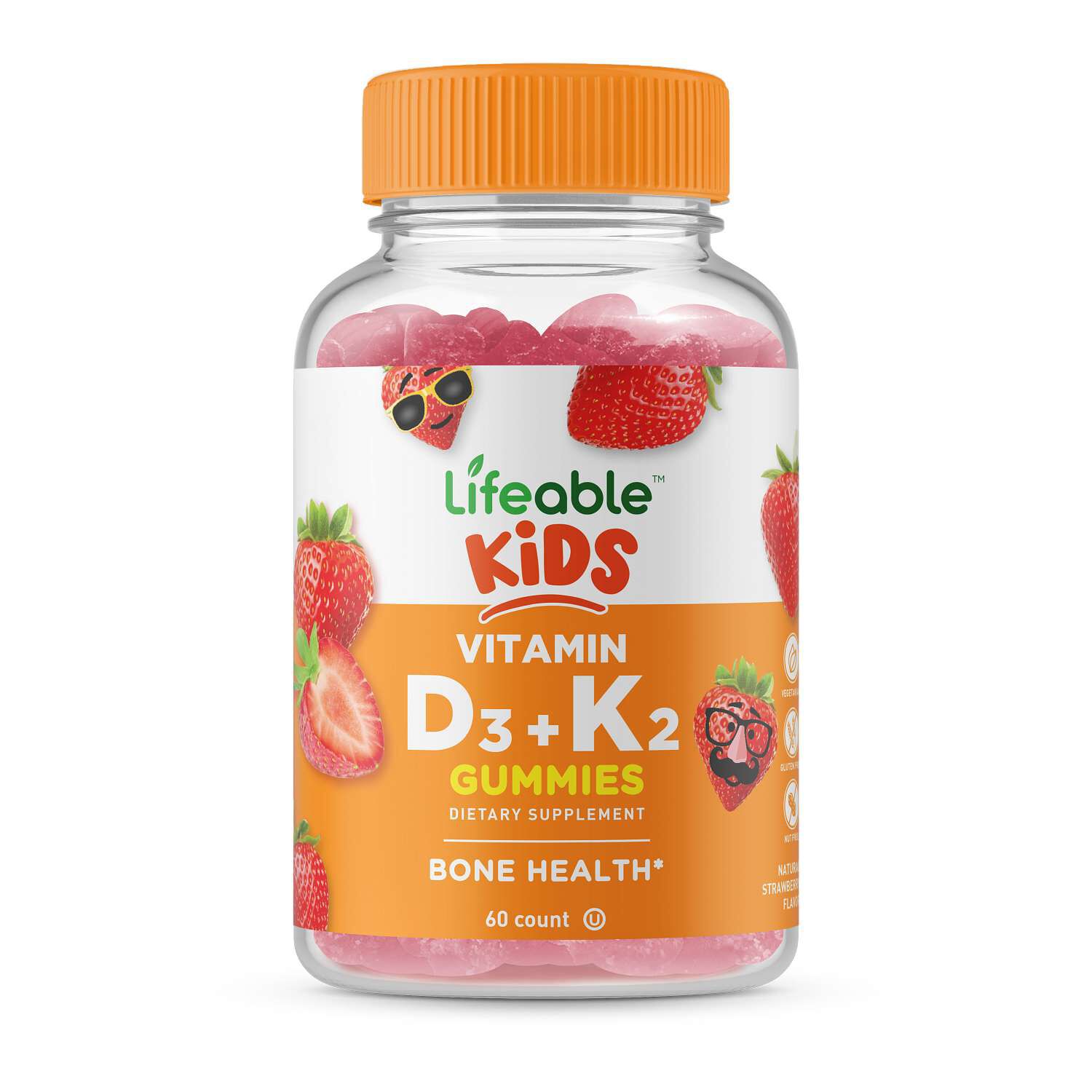


Vitamin D gummies with natural ingredients combine vitamin D with a chewable base that may include fruit pectin, fruit-derived flavors, and fruit or vegetable juice concentrates. The exact recipe varies, so the ingredient list matters more than a broad description on the front of the bottle. “Natural” does not, by itself, establish that a gummy is organic, vegan, or made without artificial colors or sweeteners. Those are separate characteristics, each worth confirming on the label. Vitamin D itself also comes from different sources. Vitamin D3, listed as cholecalciferol, can come from lanolin or lichen, while vitamin D2, listed as ergocalciferol, generally comes from fungal sources. For someone choosing a plant-based formula, a clearly identified lichen source offers more useful information than fruit imagery or green packaging. The broader category of Vitamin D3 Gummies includes different ingredient combinations, making the vitamin source, gummy base, and flavoring ingredients useful points of comparison. A berry-flavored gummy, for example, might contain natural flavor, a juice concentrate for color, and a separate sweetener rather than whole berries. Another formula might include fruit puree as part of its base. Neither description should be assumed from the flavor name alone. Likewise, an organic fruit ingredient does not necessarily mean the entire formula carries organic certification. These distinctions are particularly relevant to adults who already read food labels closely and want the same transparency from their supplements. The intended use remains vitamin D supplementation in a chewable format, not a substitute for food or an everyday sweet. A well-described formula makes it easier to understand what is in each serving without relying on vague ingredient language or decorative packaging. That clarity is especially useful when a household has established preferences around animal-derived ingredients, sweeteners, or the number of ingredients in a daily routine.
The gummy base accounts for much of the difference in texture and ingredient preferences across this category. Pectin is a plant-derived gelling ingredient commonly associated with fruit-based recipes, while gelatin comes from animal sources. A pectin-based gummy is not automatically vegan, because the vitamin source and other ingredients still matter. Conversely, a formula with vitamin D3 from lichen still needs an animal-ingredient review before it fits a vegan preference. Texture can range from a soft, fruit-chew consistency to a firmer, springier bite, with smooth finishes or visible sugar coatings adding another distinction. Flavor descriptions also deserve a closer look: strawberry, orange, and mixed berry describe the intended taste, but they do not establish how much fruit is present. Fruit and vegetable juice concentrates may appear as coloring ingredients, while natural flavors may supply a separate part of the flavor profile. Cane sugar, tapioca syrup, and other sweeteners can also appear in recipes described as natural. The Nutrition Facts or Supplement Facts panel, as applicable, provides a clearer picture of sugars per serving than fruit illustrations do. For someone who dislikes a sugary coating, an uncoated gummy may be a more appealing format, though its appearance alone does not establish its sugar content. For someone drawn to a shorter ingredient list, the useful distinction is whether the listed ingredients match personal preferences, rather than whether every name sounds familiar. Citric acid, for instance, may be part of the tart flavor profile, while an oil or wax may appear among finishing ingredients. Statements about the absence of artificial flavors or colors are separate from claims about organic ingredients. Allergen information is another separate consideration, especially in a shared household where ingredient requirements differ. A bottle intended for one adult’s routine may not suit another person’s dietary preferences, even when both shoppers favor fruit flavors and plant-derived ingredients. The strongest comparison comes from the actual formula rather than a single front-label phrase.
Serving information adds another practical distinction among vitamin D gummies with natural ingredients. The amount of vitamin D listed per serving is not always the amount in one gummy, and a bottle’s gummy count is not necessarily its serving count. One formula may specify a single gummy per serving, while another specifies two or more. Vitamin D amounts may be expressed in micrograms, abbreviated mcg, alongside international units, abbreviated IU; reading the serving information together avoids confusing the unit, serving size, and bottle count. The intended age group also belongs in that comparison. Adult formulas and formulas labeled for children should not be treated as interchangeable simply because their shapes or flavors look similar. Package directions establish the intended use for that formula, and a higher listed amount is not, by itself, a reason to choose it. For an adult who prefers a chewable supplement with breakfast, serving size, texture, and flavor may matter as much as the ingredient source. Someone following a vegan eating pattern may place greater emphasis on lichen-derived D3 and a pectin base. Someone who prefers organic ingredients may focus on certification language and the specific ingredients covered by it. Once a bottle is part of a household routine, packaging and storage deserve the same attention as flavor. A securely closed original container preserves access to the ingredient list, serving directions, lot information, and date marking. Following the package’s storage directions is more reliable than assuming every gummy formula has the same storage needs. Gummies should remain out of children’s reach, and their familiar fruit shapes should not obscure that they are supplements. A bedside dish or an unlabeled jar may look tidy, but it separates the gummies from information needed for appropriate use. For shoppers comparing this category, the most meaningful details are concrete: the source and form of vitamin D, the base ingredients, the sweeteners and flavorings, any relevant certifications, and the labeled serving. Together, those details offer a grounded picture of how a formula fits an established routine and a particular set of ingredient preferences.


