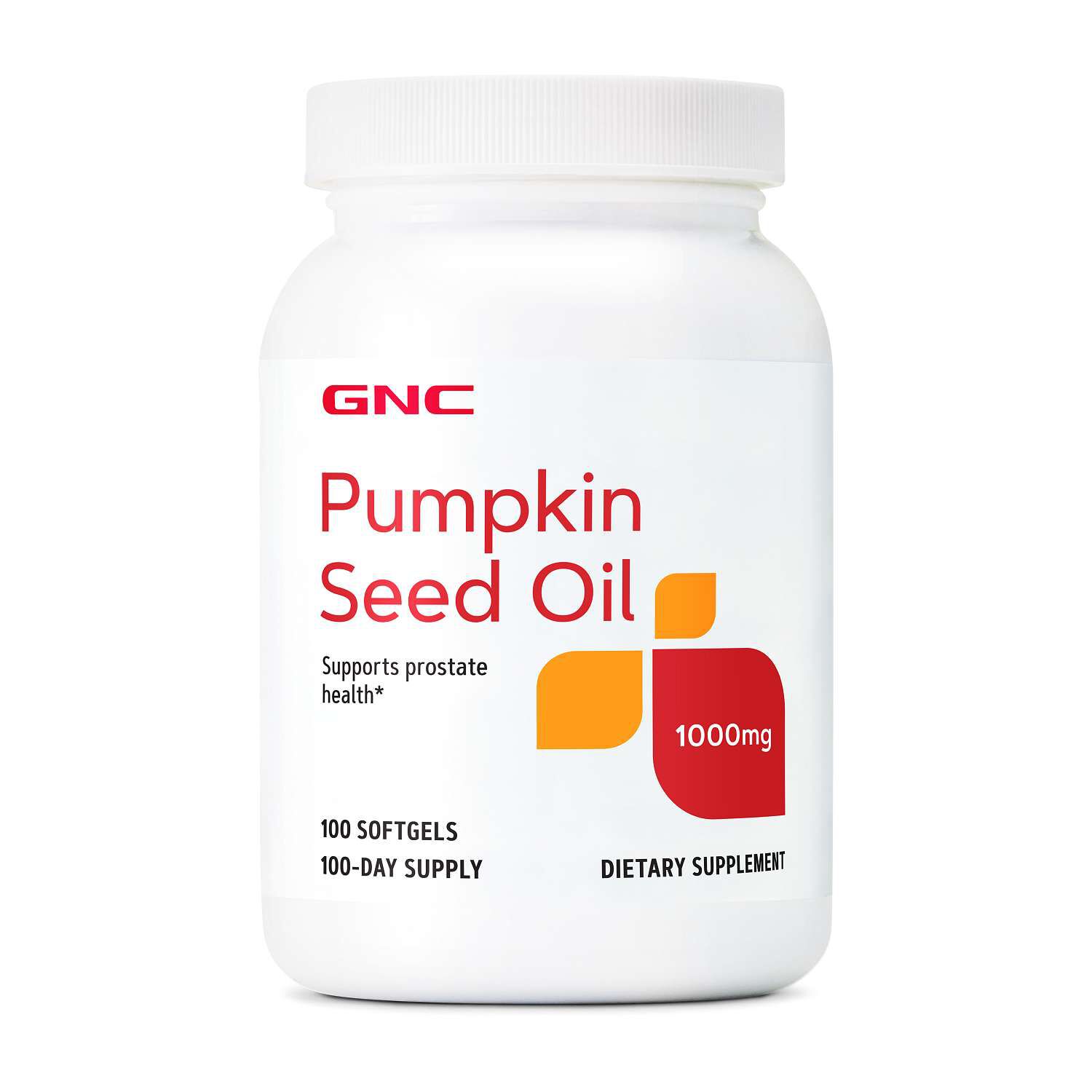


Vitamin E Softgels
(0 Results)
Discover a powerful antioxidant for overall well-being with Vitamin E Softgels. Packed with essential nutrients, these softgels are formulated to support your body's natural defense system and promote healthy skin, hair, and nails. Whether you're looking to boost your immune health or enhance your beauty routine, Vitamin E Softgels are a convenient way to incorporate this vital nutrient into your daily regimen. Unlock a world of benefits with these easy-to-swallow softgels and take a proactive step towards a healthier you.
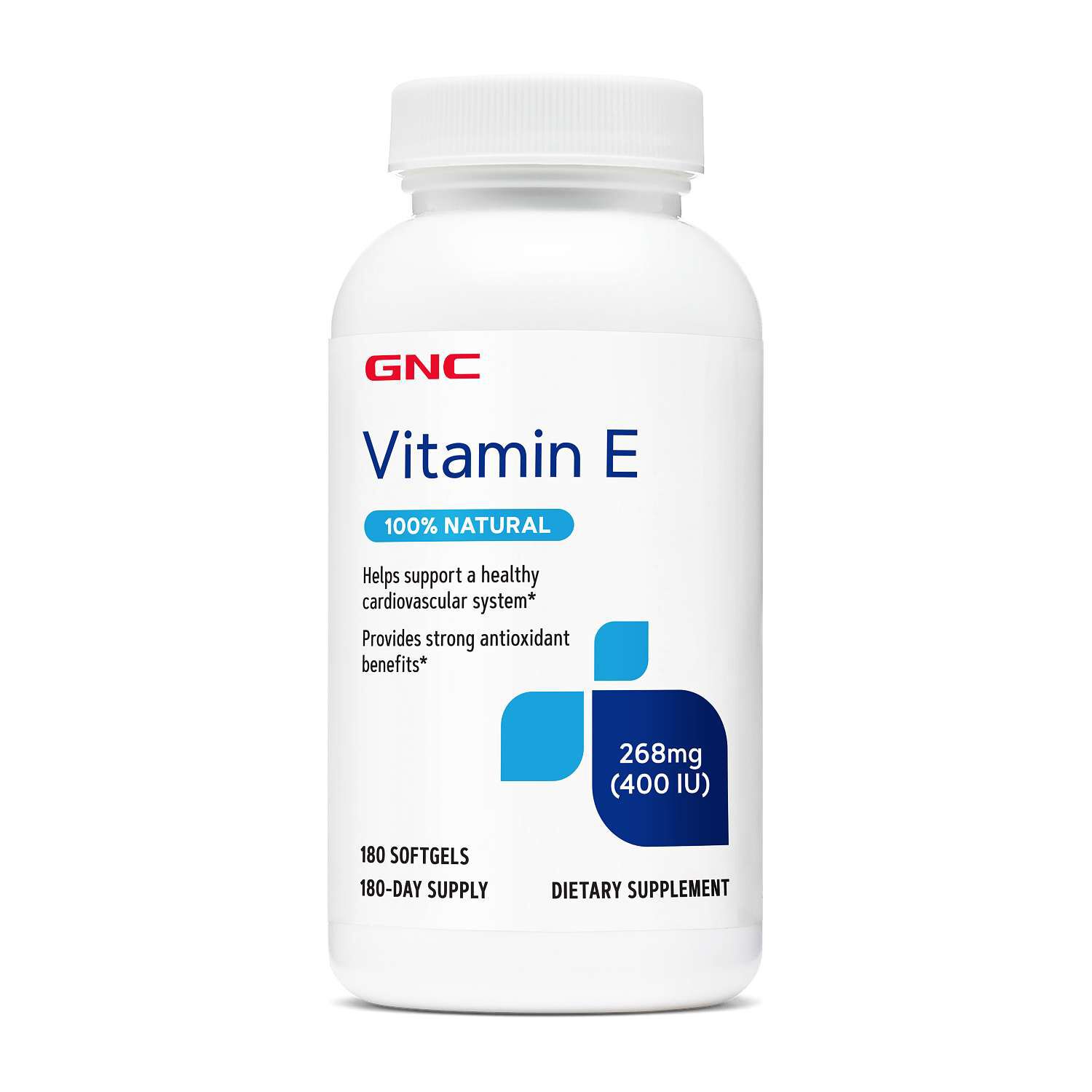
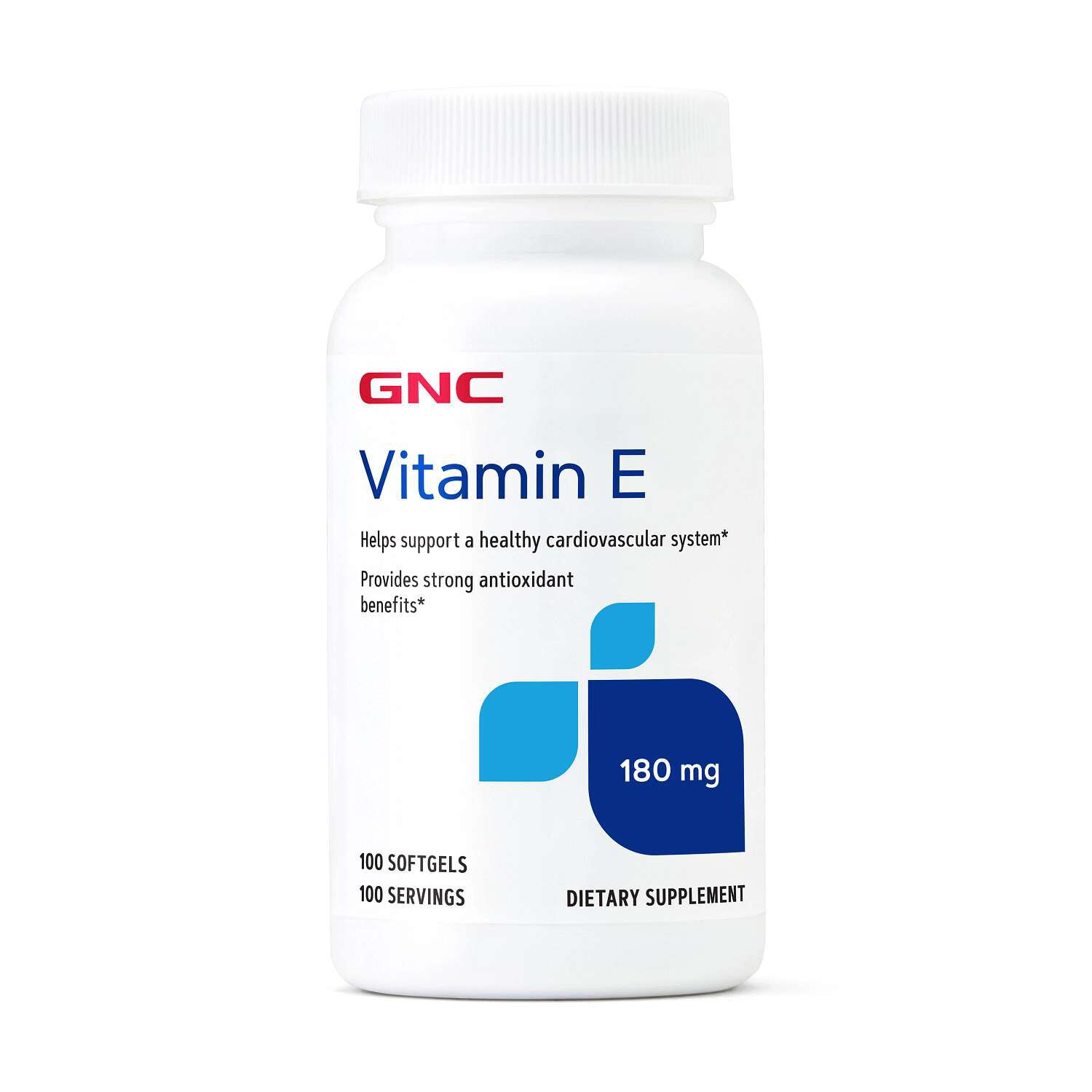


Vitamin E softgels are dietary supplements that package vitamin E in a smooth outer shell, usually surrounding an oil-based filling. Vitamin E is a fat-soluble nutrient found in foods such as nuts, seeds, and vegetable oils, and it belongs to a group of compounds called tocopherols and tocotrienols. In supplements, alpha-tocopherol is a familiar form, although ingredient lists can include other members of that group. Softgels offer a different format from pressed tablets, powders, or liquids measured separately, making the physical design an important part of the selection process. Their shape, dimensions, outer coating, and serving size all deserve attention alongside the vitamin itself. Someone who already prefers softgels for a personal supplement routine may appreciate a familiar format, while someone comparing formats for the first time may focus more closely on capsule size and shell ingredients. The smooth appearance alone does not tell the whole story: two bottles described as vitamin E softgels can differ in nutrient source, the amount per serving, the number of softgels in a serving, and the oils used in the filling. Vitamin E labels often distinguish between naturally sourced d-alpha-tocopherol and synthetic dl-alpha-tocopherol. Some labels use the longer names RRR-alpha-tocopherol and all-rac-alpha-tocopherol, respectively. These names describe the form of the ingredient rather than the shape or size of the finished softgel. Amounts may appear in milligrams, abbreviated as mg, and some packaging also includes international units, abbreviated as IU. Because the relationship between those measurements depends on the form of vitamin E, comparing matching units and checking the ingredient name offers a clearer picture than looking at a large number on the front panel. A larger printed amount is not, by itself, a measure of how well a supplement matches an individual’s preferences. For this category, useful distinctions begin with the label, not with the color of the softgel or the style of the bottle.
The materials used to make vitamin E softgels matter just as much as the nutrient description. A conventional softgel shell commonly contains gelatin, glycerin, and water, while other formulations use different shell materials. Gelatin can come from different animal sources, so dietary preferences may call for a closer look at the ingredient statement or a clearly identified certification. A plant-derived vitamin E ingredient does not necessarily mean the entire softgel uses plant-derived materials; the shell and filling need to be considered separately. Carrier oils also vary, and the other ingredients panel identifies what accompanies the vitamin inside the capsule. For shoppers who pay close attention to ingredient sources, allergen statements, or a particular eating pattern, that panel provides details that front-label language may not cover. A short ingredient list can be easy to review, but length alone does not establish suitability or quality. Clear ingredient names and specific sourcing information are more useful than broad descriptions. Softgel appearance can range from pale yellow to deeper amber, with oval or elongated shapes depending on the formulation. Color should not be treated as a ranking of nutrient content, and photographs may not show actual dimensions. Where measurements are provided, they offer a more concrete reference than an enlarged image. Serving information is another practical detail: bottle count describes the number of softgels in the container, while servings per container reflects the labeled serving size. Those figures are not always interchangeable. A shopper organizing a small apartment cabinet may prioritize a compact bottle, while someone keeping a written supplement record may place greater value on a clearly readable panel. Packaging with legible text, an identifiable date, and straightforward storage directions can make those everyday tasks less cumbersome. Comparisons also benefit from separating single-nutrient vitamin E formulas from blends containing additional vitamins or other ingredients. A blend has a different composition, even when vitamin E receives prominent attention on the label. For a broader look at neighboring formats and ingredient combinations, Antioxidant Softgels provides a related category to explore while keeping each formula’s own ingredient and serving information in view.
Vitamin E softgels are intended for supplemental use, rather than as replacements for meals or as topical cosmetics. Their place in a personal routine is different from that of vitamin E creams, lotions, or bottled cosmetic oils, even when the ingredient name looks similar. The labeled route of use distinguishes these categories, and an oral softgel should not be treated as interchangeable with a skin-care formula. Practical fit also extends beyond ingredients to the way the bottle will be stored and handled. Softgel shells can be sensitive to heat and moisture, so the package’s storage directions deserve attention when choosing a place for the container. A dry interior cabinet away from a sunny window is a different environment from a steamy bathroom shelf or a car parked outdoors. The original bottle keeps the ingredient list, serving directions, lot information, and date together, which is useful when checking details later. A tightly closed cap and protection from unnecessary exposure to humidity are ordinary packaging considerations, not signs that every formula has the same storage requirements. In a shared household, a designated storage space away from children also keeps supplements separate from snacks and other everyday items. For travel, the same attention to labeling and temperature matters: a weekend bag may spend hours near a heater or inside a warm vehicle, even during cooler months. Durability in this category is less about a hard outer surface and more about maintaining the condition described on the package. Changes in the shell’s appearance, leaking contents, or an unreadable label make a container harder to assess, so manufacturer handling information remains important. Supplement preferences are personal, which also makes vitamin E softgels a more considered purchase than a casual surprise gift. When buying for another adult, knowing the requested nutrient form, shell preference, and labeled amount avoids relying on assumptions about their routine. Across these everyday situations, the most meaningful comparisons remain concrete: what form of vitamin E the formula contains, how much is listed per serving, what materials surround it, and how clearly the packaging explains its intended use and care.