Antioxidant Softgels
(0 Results)
Antioxidant softgels offer a convenient and effective way to incorporate powerful antioxidants into your daily routine. These easy-to-swallow supplements may help support overall wellness by neutralizing harmful oxidative stress in the body. Formulated with a blend of potent ingredients, antioxidant softgels could be an excellent addition to your health regimen. Explore the potential benefits and find the right antioxidant softgels to complement your lifestyle.
-

-
 $19.99
-
-

-
-

-

-
-

-

-
-
-
-
-

-

-
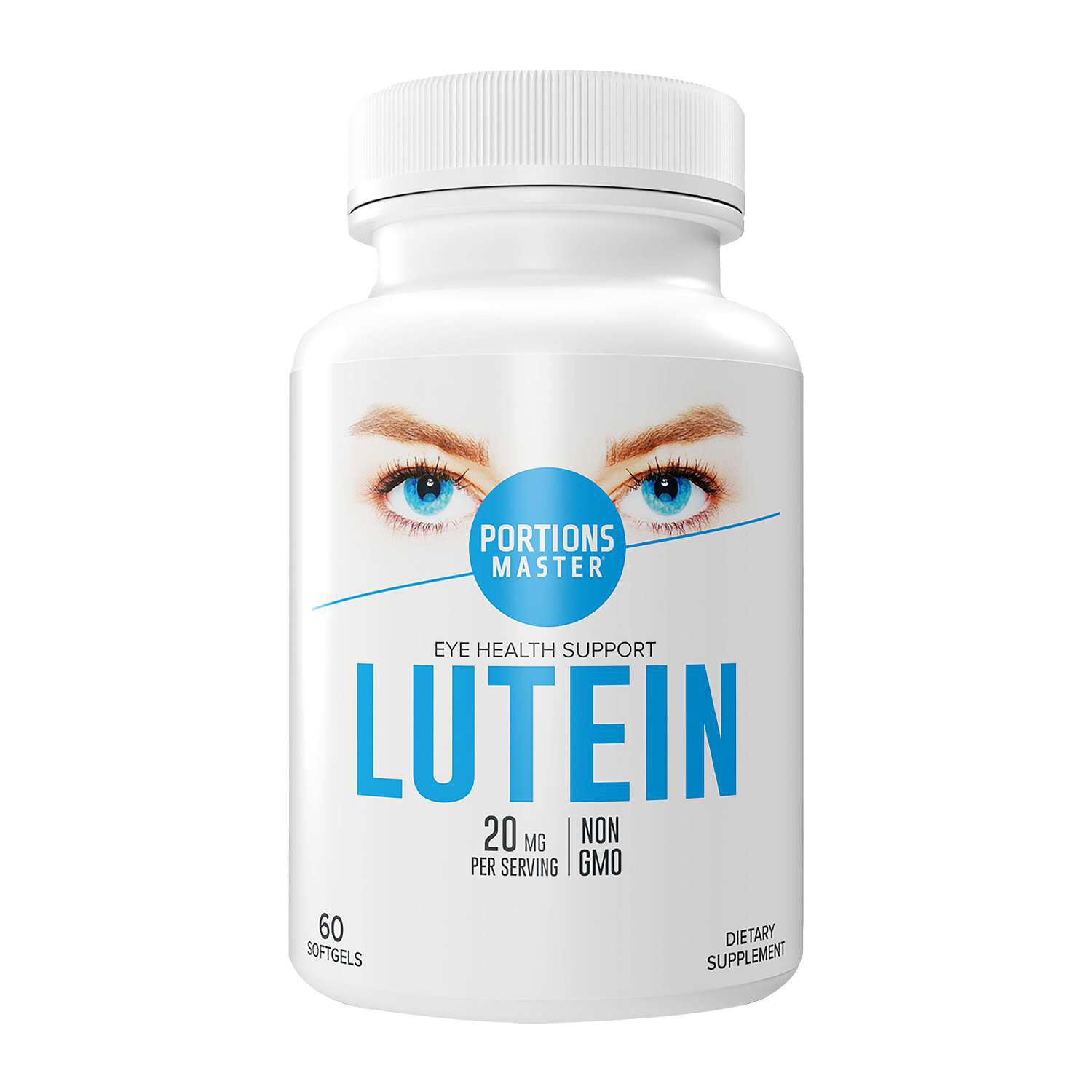 Portions Master$24.99
-
-

-

-
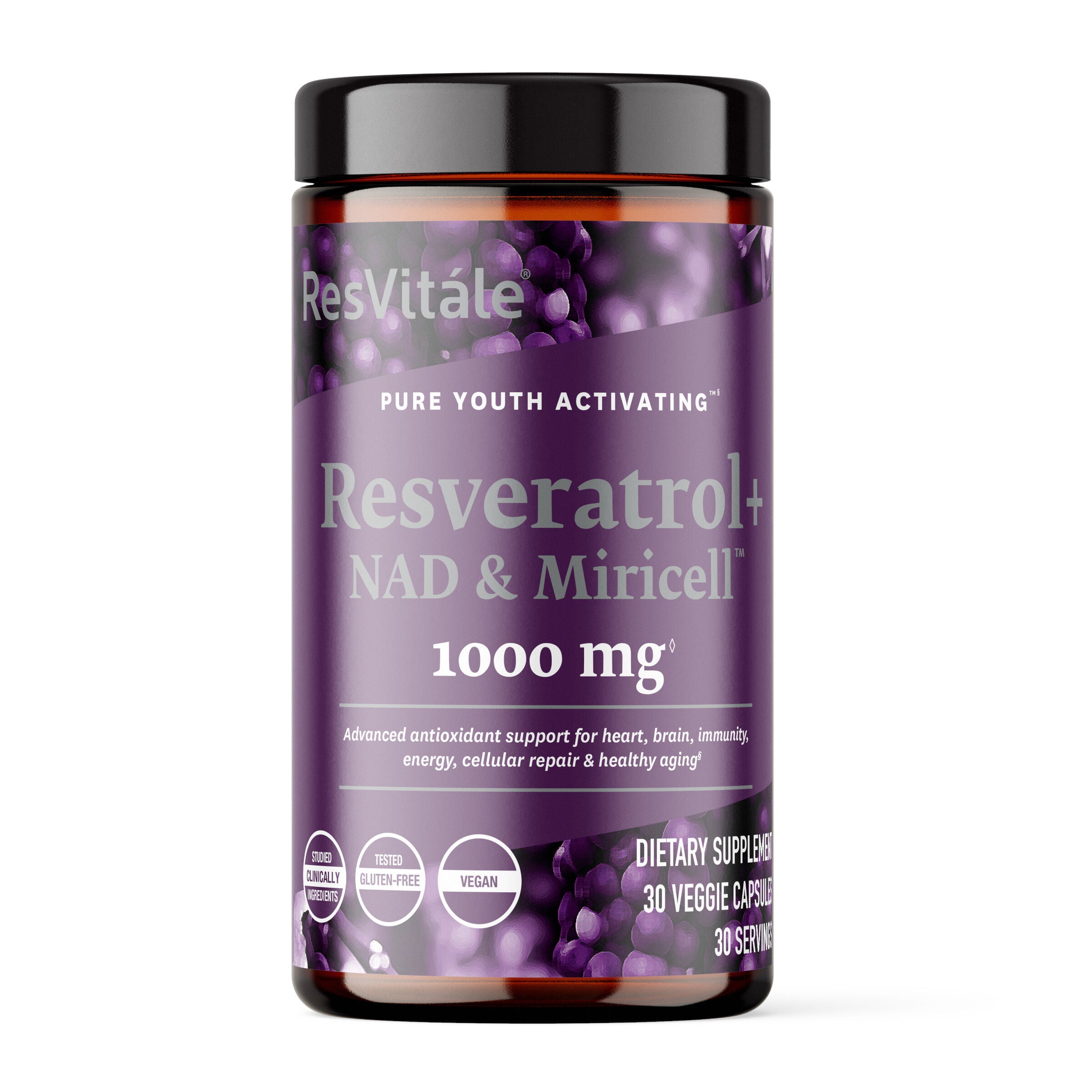
 Purity Products$39.99
-


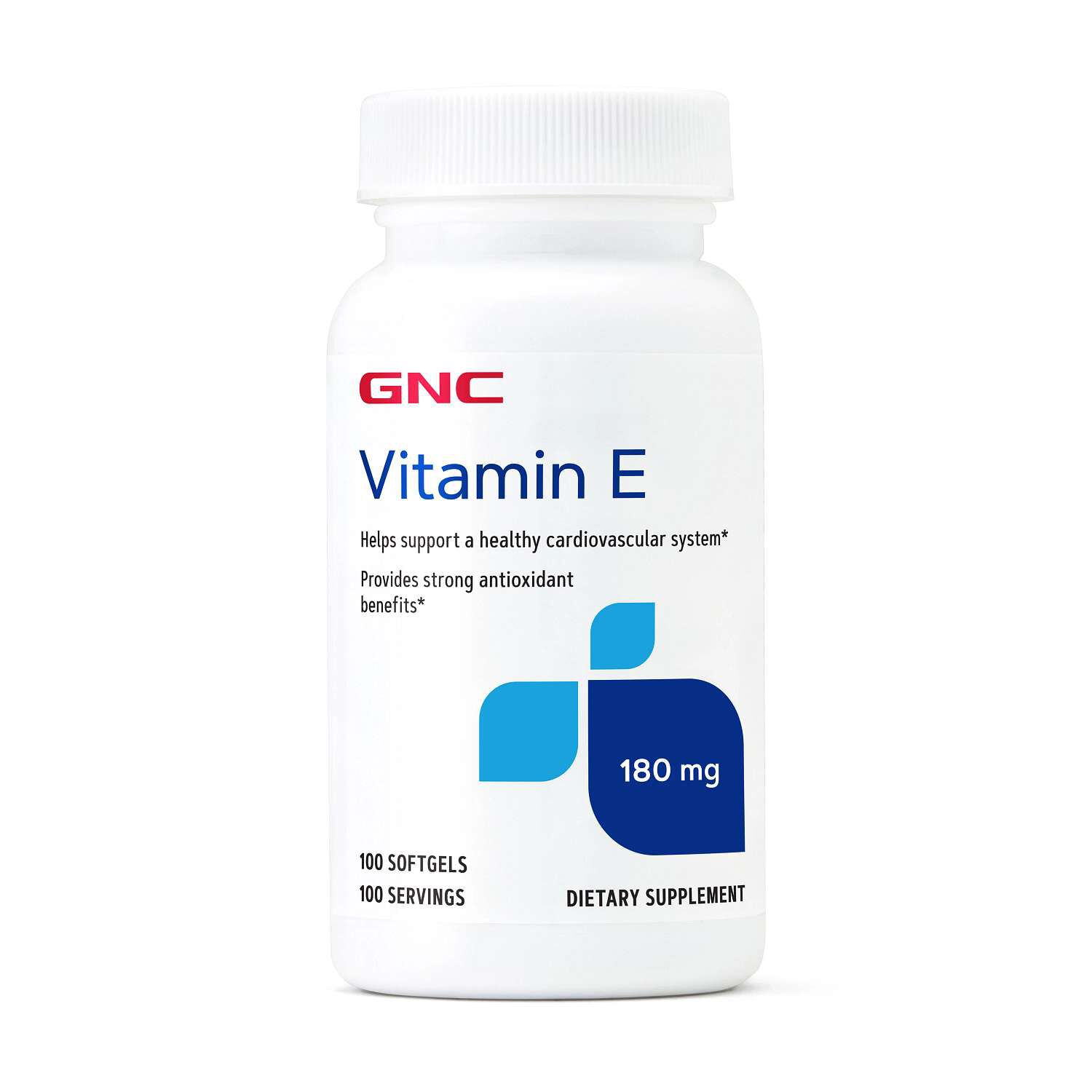
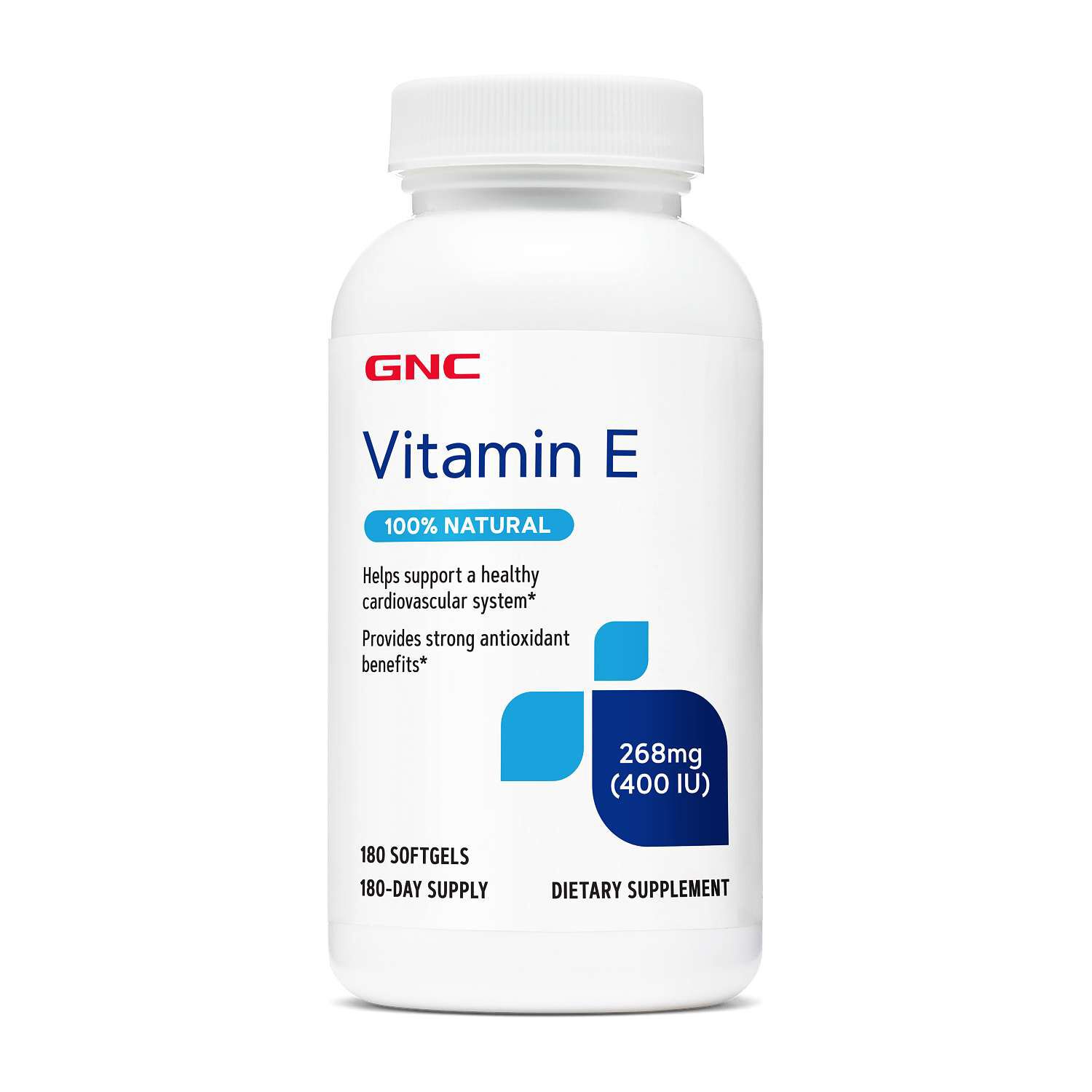
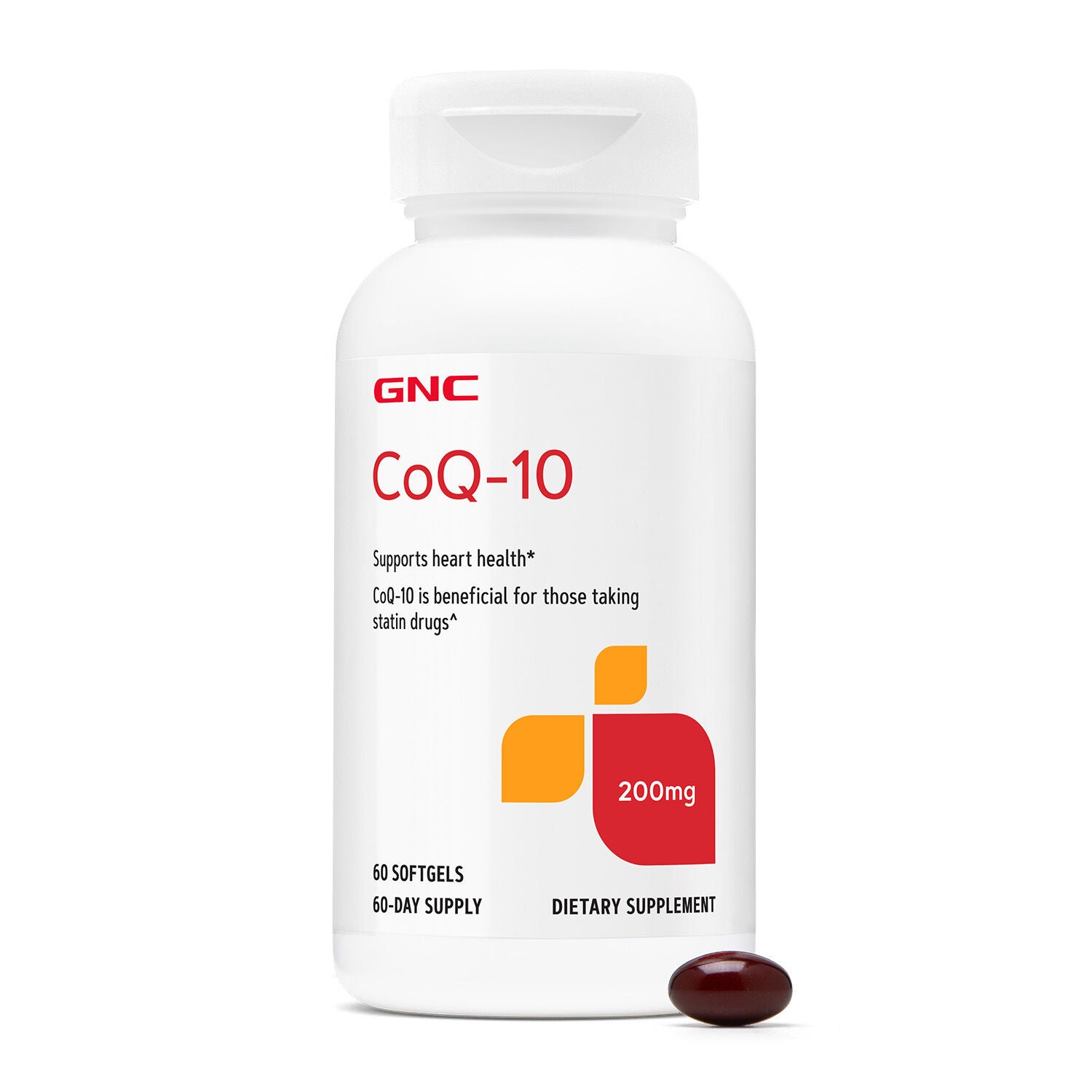
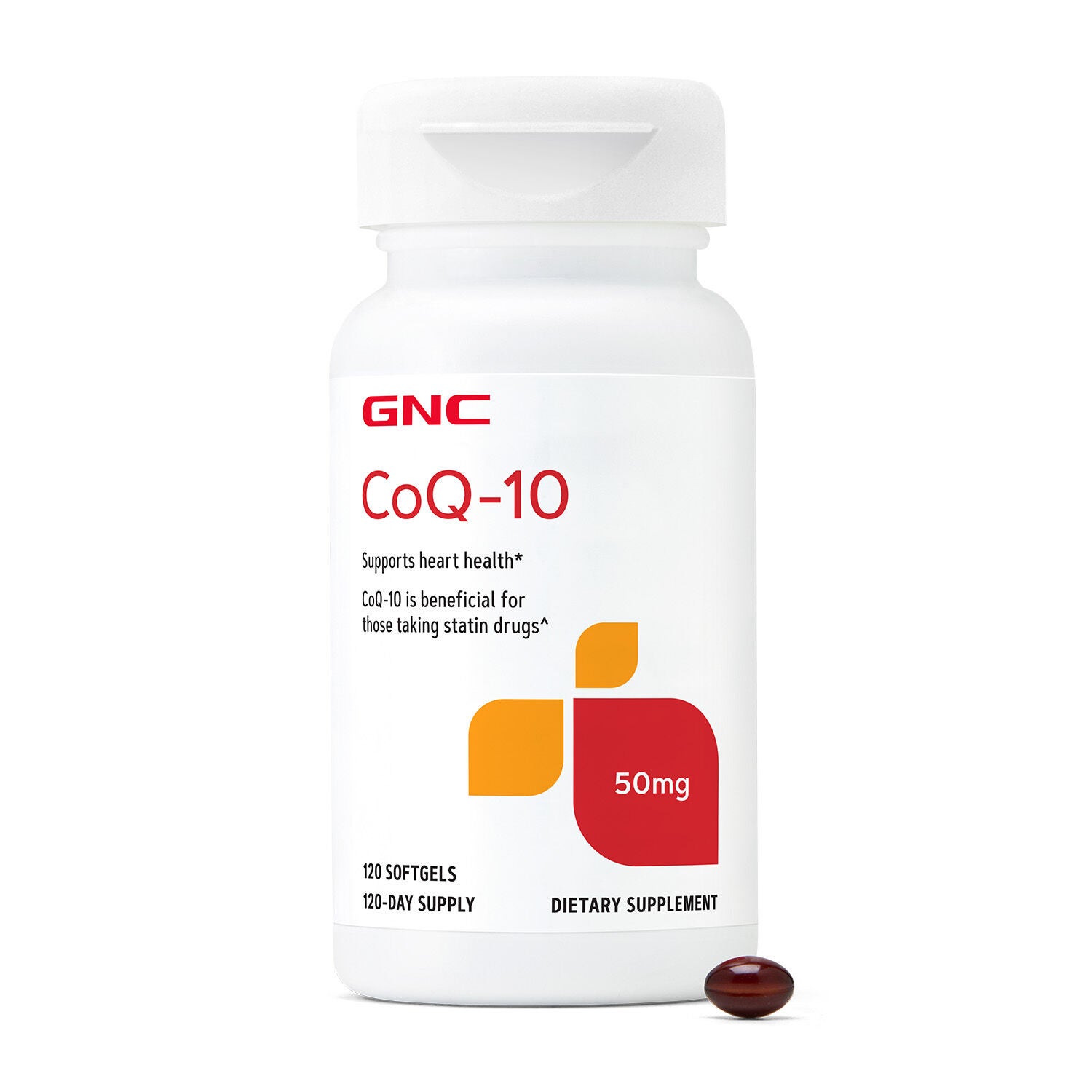
Antioxidant softgels bring a range of nutrients and other compounds into a liquid-filled supplement format. Antioxidants are associated with oxidation, a chemical process involving the transfer of electrons between molecules. In the supplement aisle, the category commonly includes vitamin E, carotenoids such as astaxanthin, and coenzyme Q10, often shortened to CoQ10. These ingredients have different origins and characteristics, so the word antioxidant does not mean that every formula contains the same nutrients or serves the same purpose. A softgel consists of a sealed outer shell surrounding a liquid or oil-based filling, rather than the compressed ingredients found in a tablet. That construction is particularly relevant to fat-soluble ingredients, which dissolve in fats rather than water. Vitamin E is one familiar example; carotenoids are another group often presented in an oil-based format. The filling can include a carrier oil along with the featured ingredient, while the shell commonly contains gelatin, glycerin, and water. Some formulations use other shell materials to accommodate different dietary preferences. For shoppers who prefer a contained serving without measuring a powder or mixing a drink, this format may fit an established supplement routine. Softgels also have a smooth exterior, although their dimensions vary and an oval shape alone does not establish whether a particular capsule will suit someone’s preferences. A photo of the bottle rarely conveys capsule size, making written size descriptions useful when provided. Someone accustomed to smaller capsules may place more importance on dimensions and serving count than on the prominence of an ingredient name on the front label. Antioxidant softgels are dietary supplements intended to complement everyday food choices, not stand in for a varied diet. Understanding the ingredient, shell, filling, and serving format creates a more useful picture of the category than treating all antioxidant supplements as interchangeable. It also keeps the focus on the characteristics that distinguish one formulation from another.
Ingredient identity and label details offer the clearest basis for comparing antioxidant softgels. Vitamin E, for example, can appear in different forms, with the specific name listed in the Supplement Facts panel. Some formulas feature a single named ingredient, while others combine several nutrients or botanical ingredients in one serving. CoQ10 labels may identify ubiquinone or ubiquinol, two forms of the compound; astaxanthin labels may describe a microalgae source. These distinctions describe what is inside the softgel rather than establishing that one formulation is the appropriate choice for everyone. The amount listed per serving also deserves attention because a serving can consist of more than one softgel. A bottle containing sixty softgels does not necessarily represent sixty servings. Reading the serving size alongside the amount of each ingredient makes comparisons more straightforward, especially when package fronts use different units or emphasize different features. Milligrams and micrograms are not interchangeable, and some vitamins may also carry additional measurement information. The Supplement Facts panel describes the listed dietary ingredients, while the other ingredients section provides information about carrier oils, shell components, colors, and other formulation materials. For someone who avoids animal-derived ingredients, the origin of the shell matters as much as the source of the featured nutrient. A plant-derived filling can still be enclosed in a gelatin shell. Likewise, an ingredient sourced from algae does not, by itself, establish the dietary suitability of the finished softgel. Clearly stated dietary attributes and allergen disclosures provide more useful information than assumptions based on an ingredient’s name. Shoppers who already have several supplements in a cabinet may also want a clear view of ingredient overlap before choosing another formula. A blend can repeat nutrients found elsewhere in a routine, whereas a single-ingredient format makes its primary focus easier to identify. Neither approach is inherently more suitable; the meaningful distinction is how transparently the label describes the formula, its serving format, and its intended audience. Straightforward labeling helps keep similar-looking bottles from becoming indistinguishable.
Practical fit extends beyond the ingredient panel to the way antioxidant softgels are packaged, stored, and incorporated into daily life. A person who prefers a brief morning routine may value a serving format with fewer capsules, while someone who dislikes mixing supplements into food may appreciate a separate, sealed format. Package directions vary, so a comparison should account for the labeled serving instructions rather than assuming every antioxidant softgel is used the same way. Bottle opening, closure design, and label readability can matter just as much as capsule shape when a container is handled regularly. Softgels are flexible capsules, not hard tablets, and their shells can become sticky, misshapen, or leaky under unsuitable storage conditions. The package’s storage directions provide the relevant details for that formulation. Keeping the container securely closed and retaining its original labeling preserves access to ingredient information, the lot number, and the expiration date. A kitchen counter beside a steaming kettle or a bathroom shelf exposed to shower moisture presents a different storage environment from a dry cabinet. For travel, original packaging also keeps the softgels identifiable instead of leaving several similar-looking capsules loose in an unmarked pouch. These practical details are part of choosing a supplement format that suits ordinary habits, not just comparing the largest number on a label. Shoppers exploring other oil-filled supplement categories may also encounter Omega Softgels, which share the capsule format but are generally organized around fatty acid ingredients rather than the antioxidant ingredients emphasized here. The shared appearance does not make the categories substitutes for one another. Within antioxidant softgels, a useful comparison brings together the named ingredient, its source and form, the amount per serving, the shell composition, and the storage requirements. Personal dietary preferences and comfort with capsule size add another layer of distinction. Taken together, these details give the category a clear, practical context: antioxidant ingredients presented in a sealed liquid-filled format, with meaningful differences in formulation, labeling, and everyday handling.
Best Sellers
-
 Rho Nutrition
-
 Rho Nutrition
-
 Doctors' Preferred