





Vitamin K2 Supplements For Women
(0 Results)
Vitamin K2 supplements for women are designed to support your wellness journey with targeted nutrition. Whether you’re looking to complement your daily routine or explore new ways to prioritize your health, these supplements could be a convenient addition to your regimen. Discover a variety of options that may align with your lifestyle and personal goals, all crafted with quality in mind. Explore vitamin K2 supplements for women and find the right fit for your unique needs.
-
-
-

-
-

-
-
 $39.99
 -
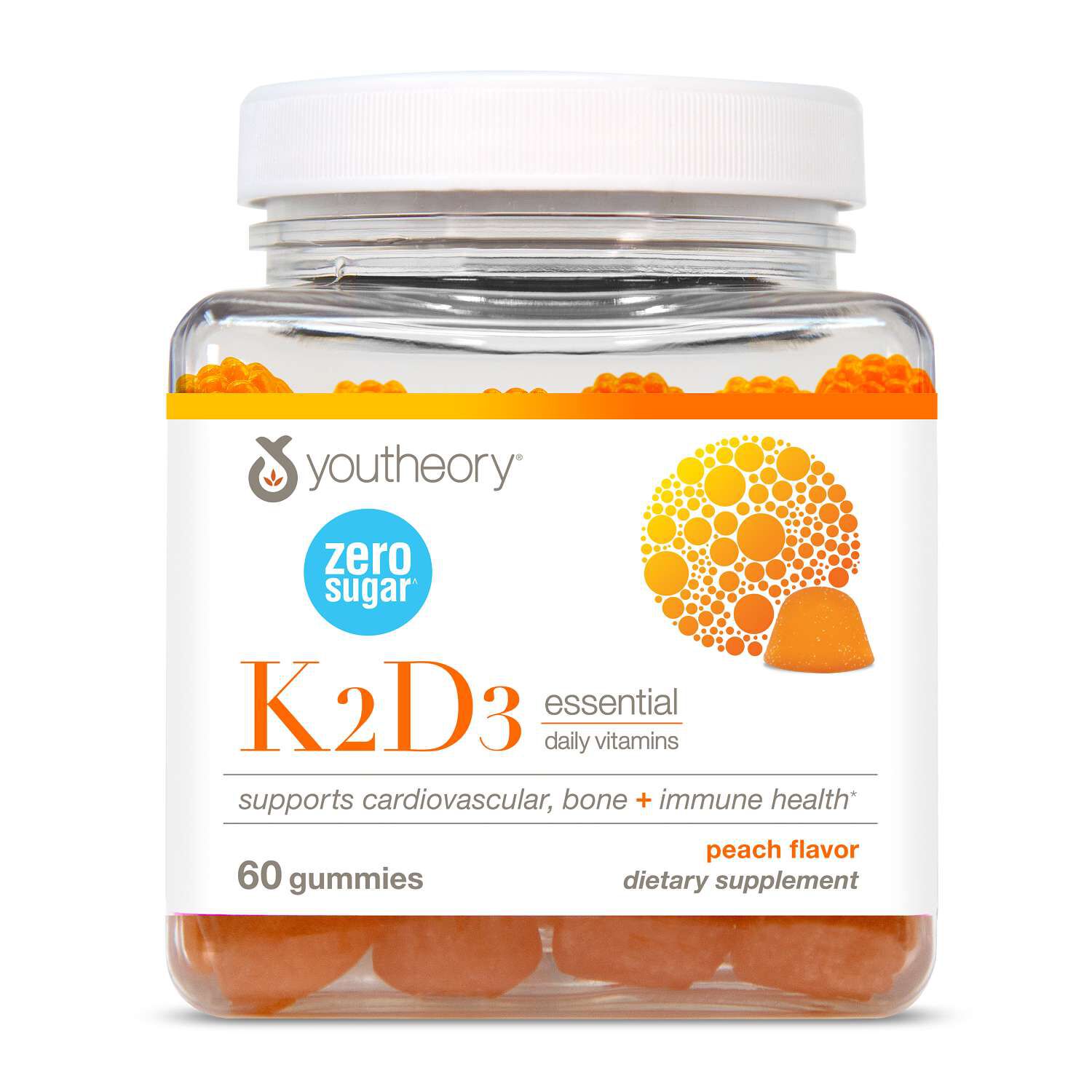 $17.99
 -
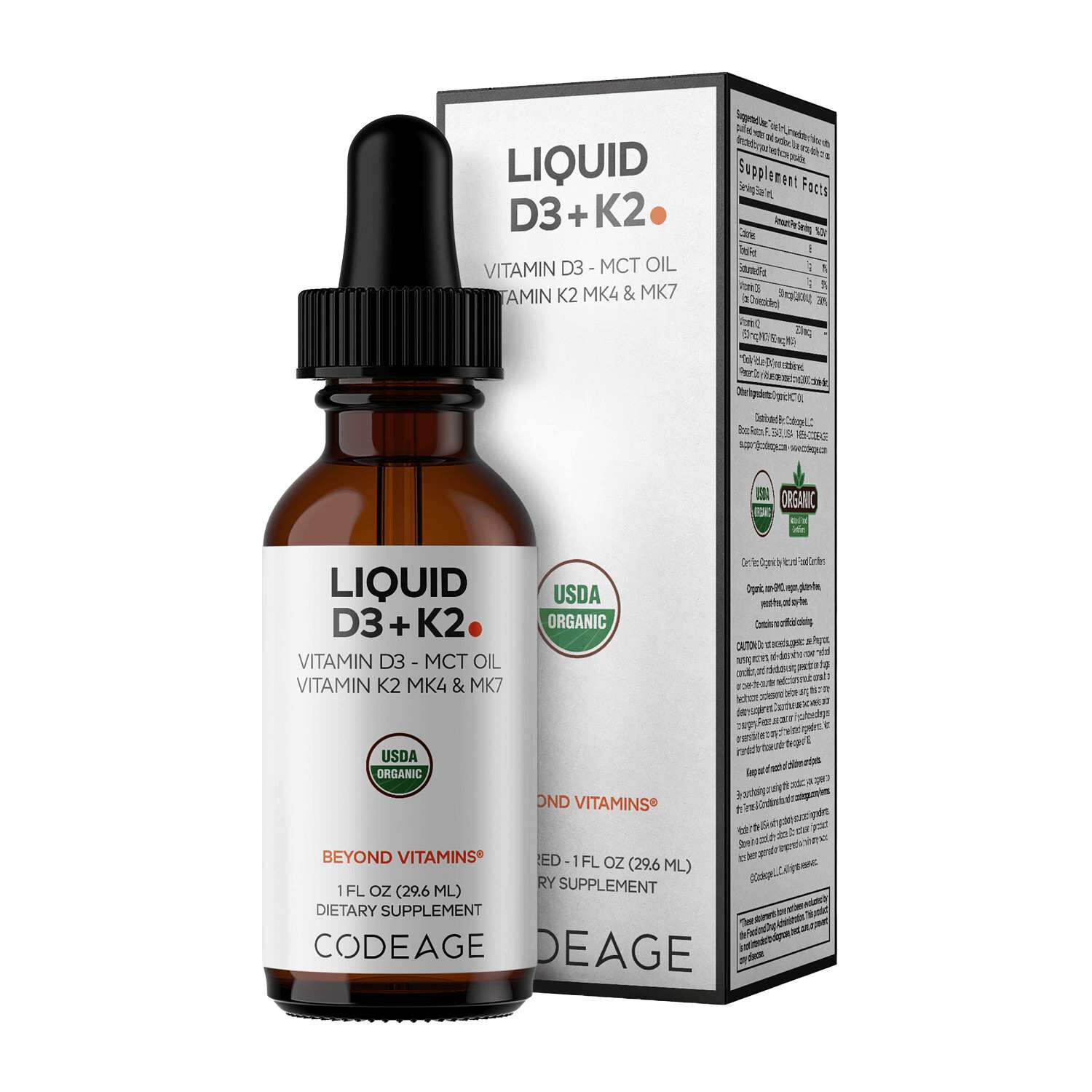 $24.99
 -

-

-

-

-
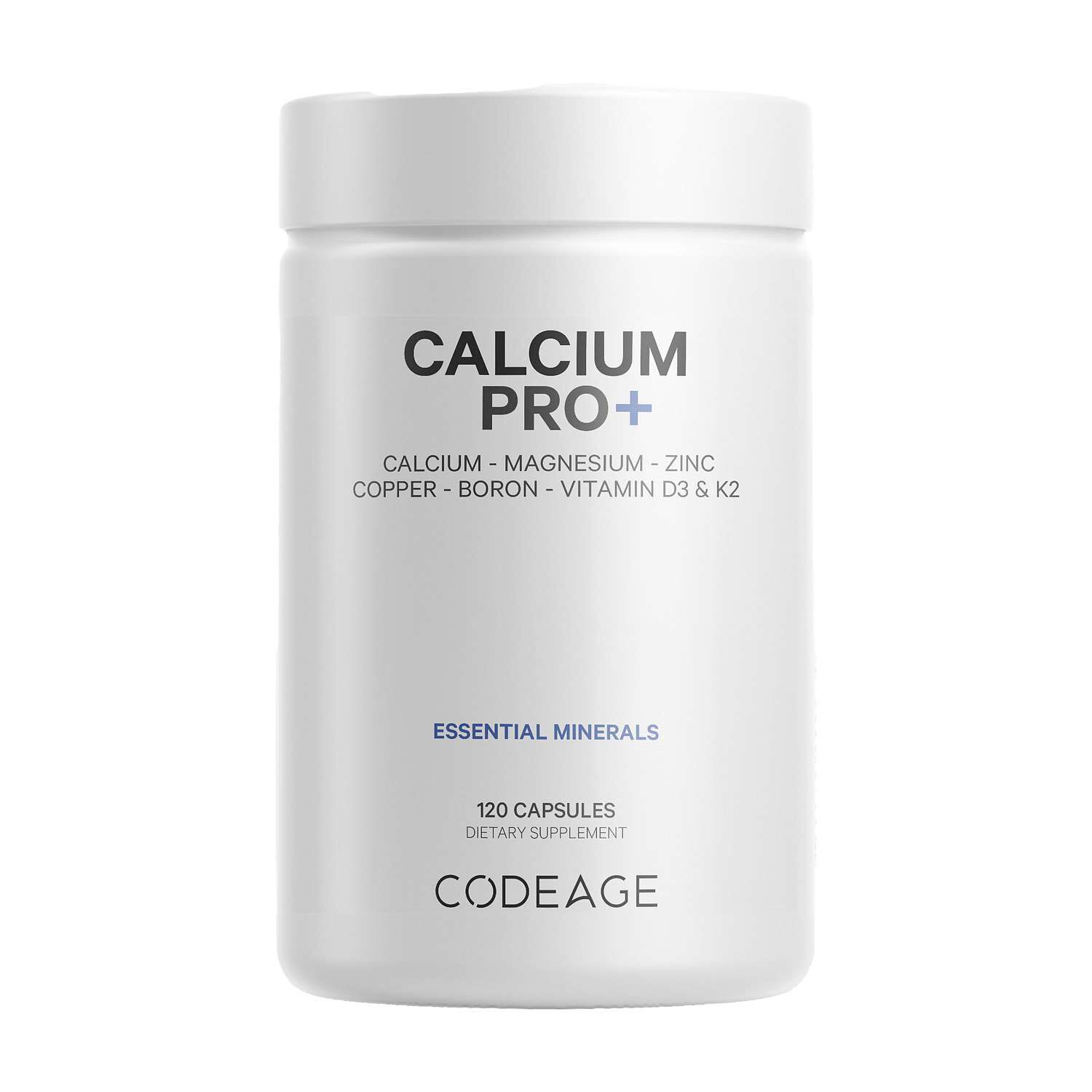
-

-
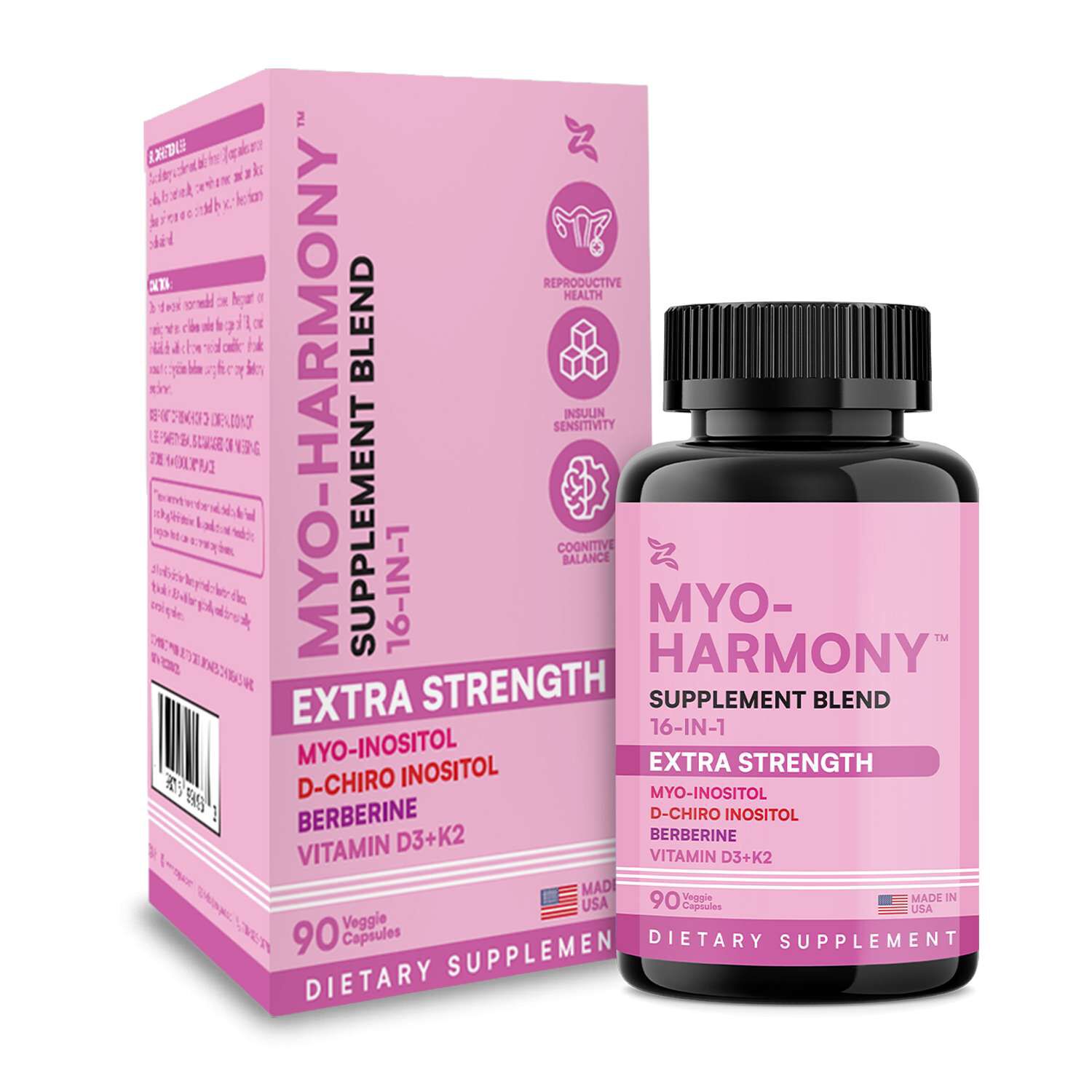
-
 $21.99
 -
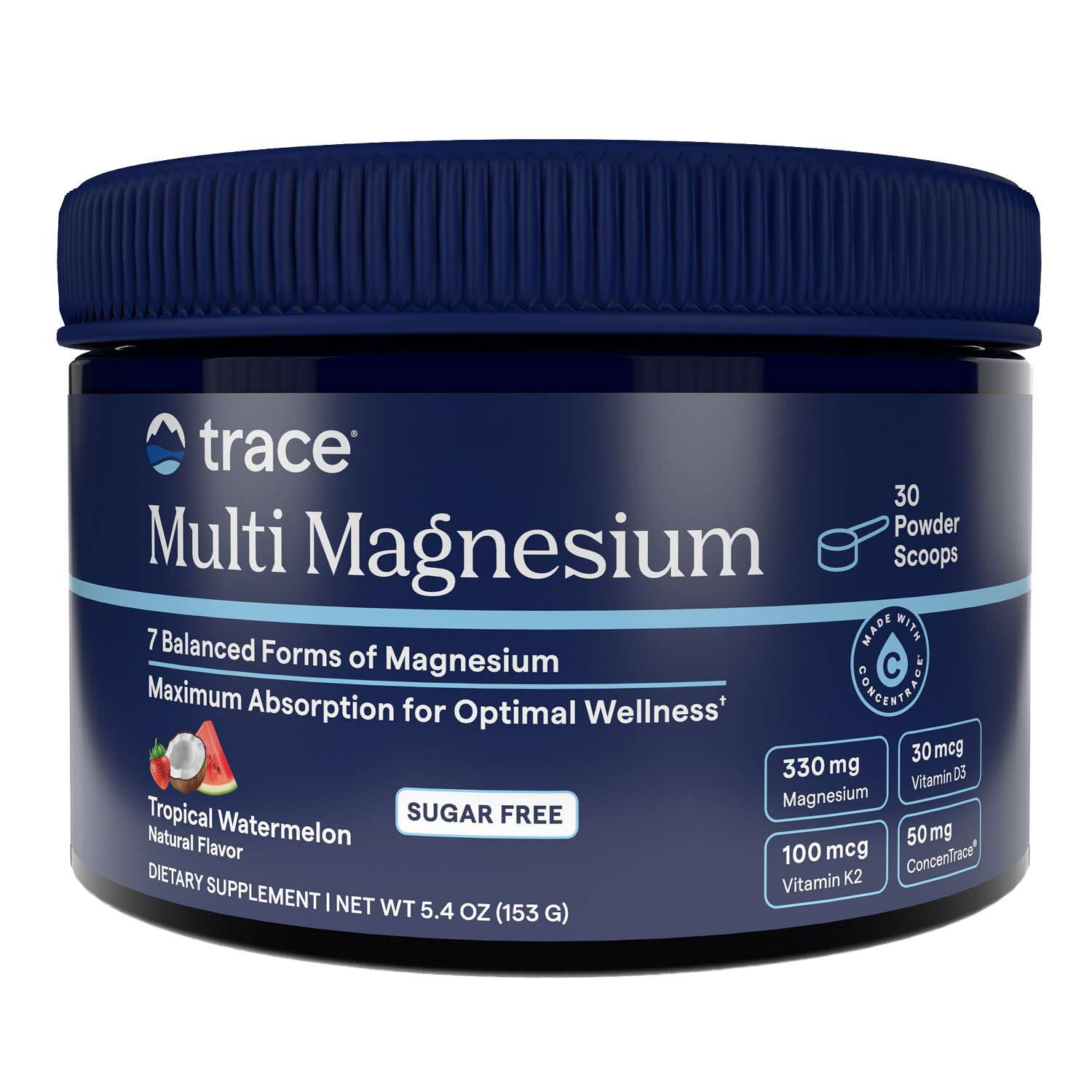 Trace Minerals$29.99
 -
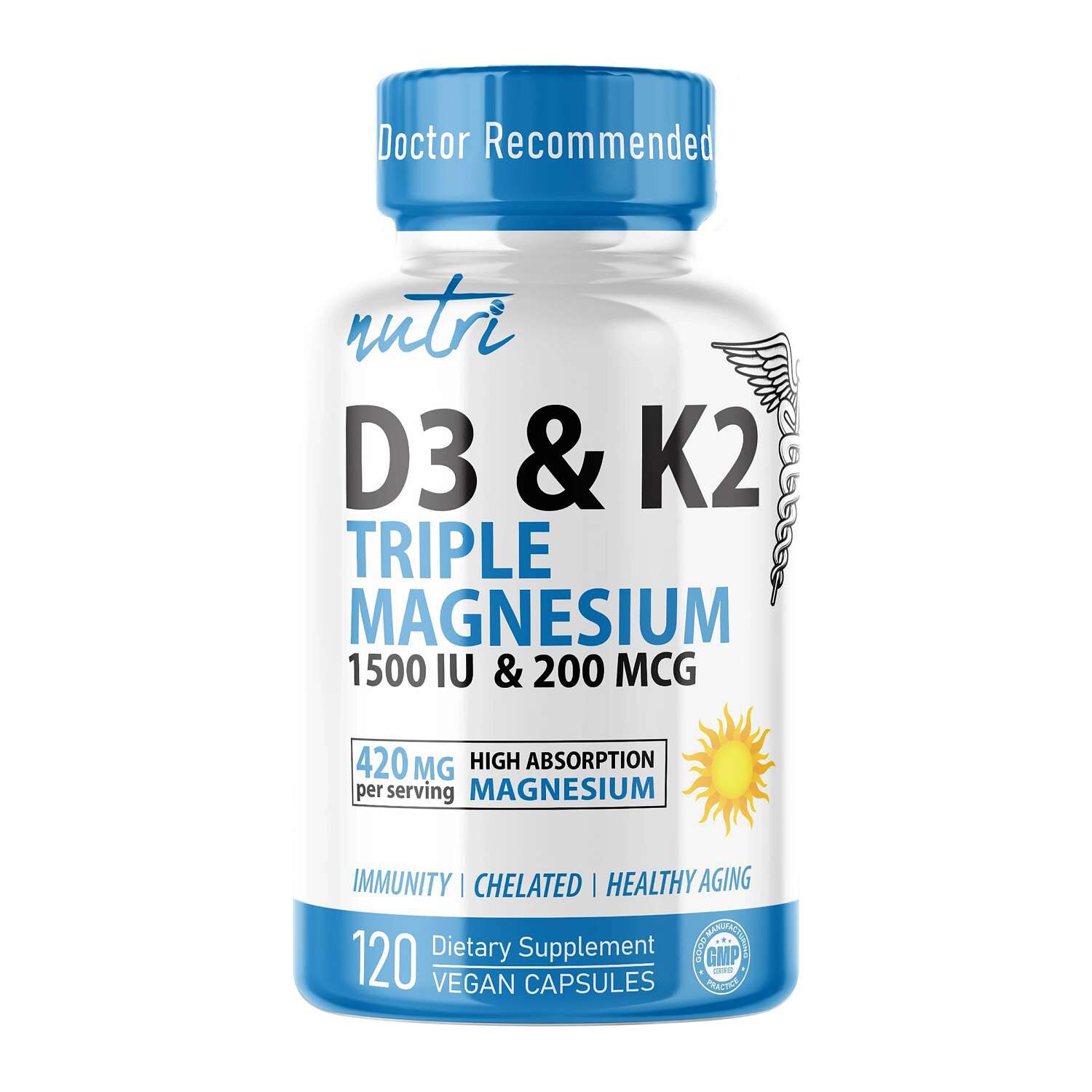 Nature's Fusions$29.99
 -
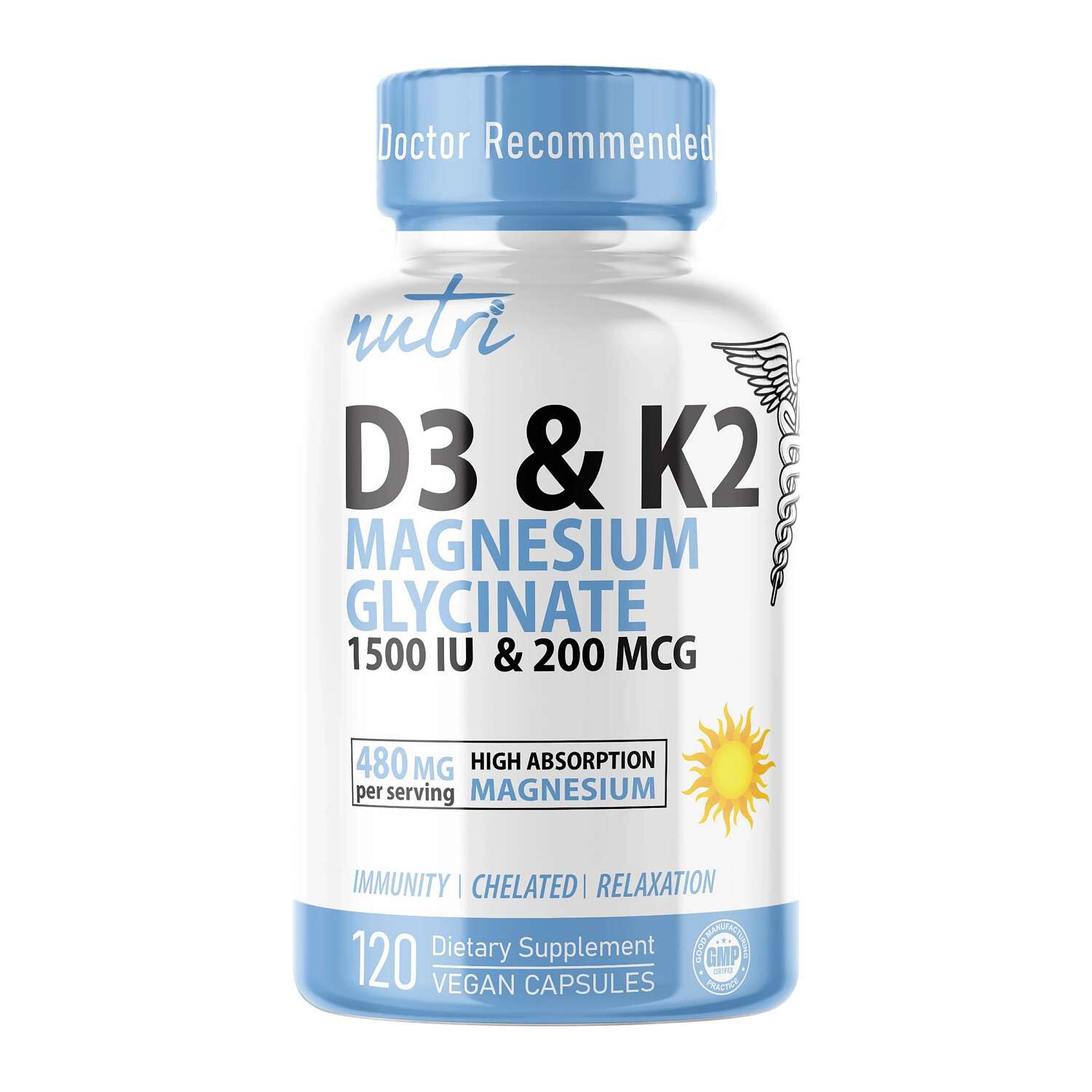 Nature's Fusions$29.99

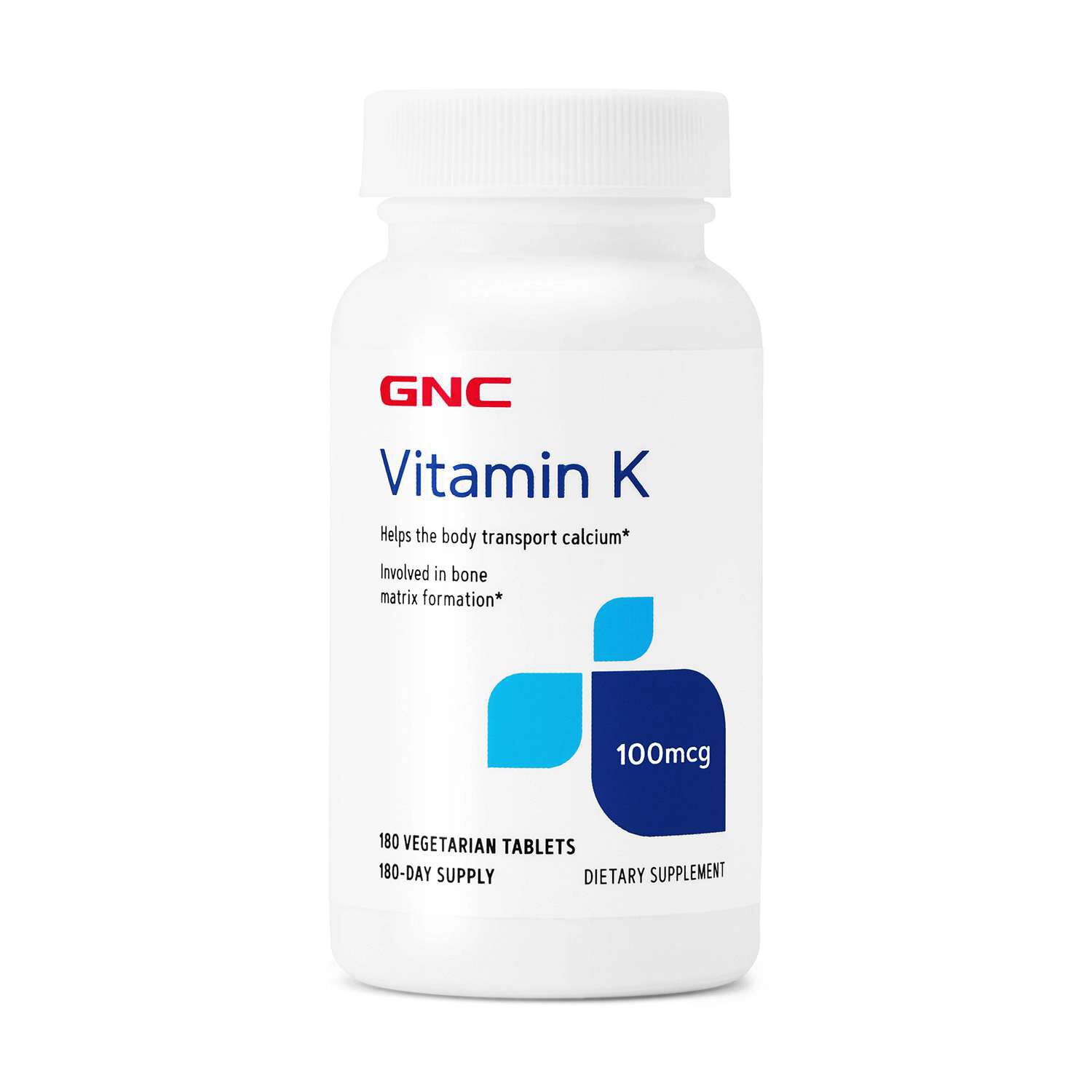
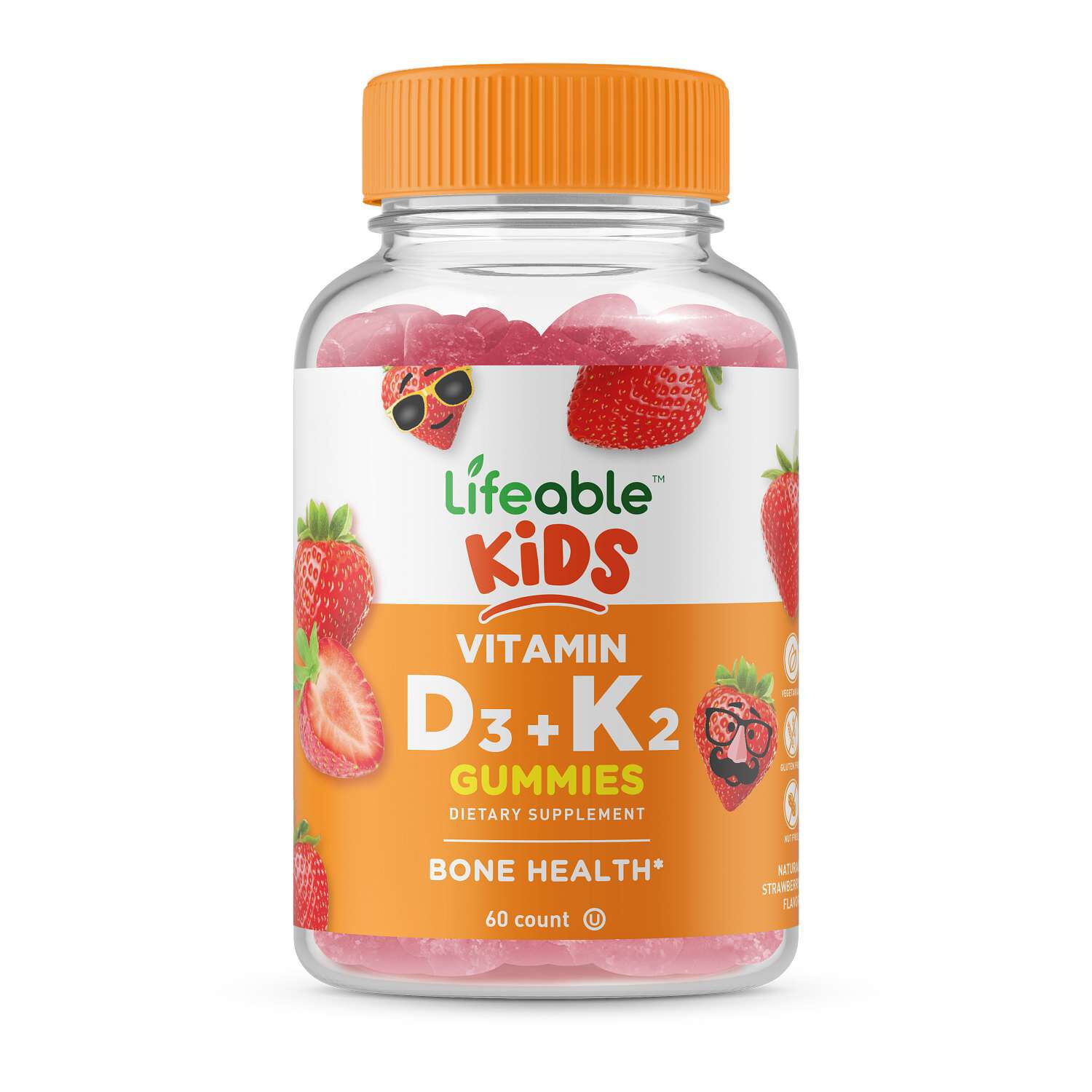
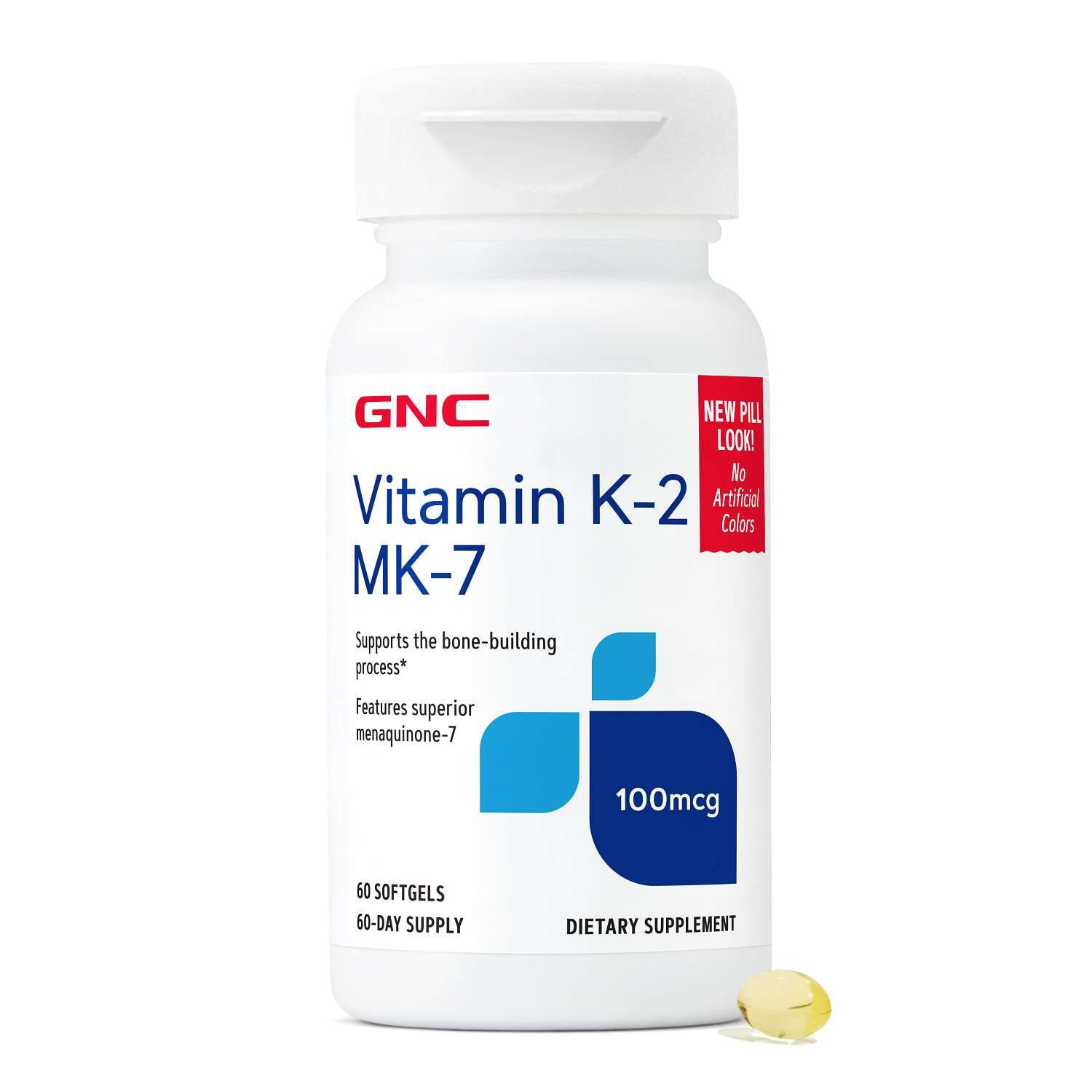
Vitamin K2 supplements for women bring a specific form of vitamin K into focus, with choices that range from single-nutrient capsules to blends containing vitamin D3 or calcium. Vitamin K is a family of fat-soluble vitamins, and the distinction between its forms matters when comparing labels. Vitamin K1 is also called phylloquinone, while vitamin K2 includes compounds known as menaquinones. Two forms commonly named on supplement labels are menaquinone-4, or MK-4, and menaquinone-7, or MK-7. Those names identify the form of K2 in the formula; they do not, by themselves, establish which option suits an individual woman. Food sources provide another useful point of context: leafy green vegetables are associated with K1, while K2 occurs in certain fermented foods and animal-derived foods, with amounts varying by food and preparation. Supplements offer a labeled amount in a defined serving rather than the variable amounts found in foods. A commonly cited nutritional reference for adult women age 19 and older is 90 micrograms of vitamin K per day. That figure refers to vitamin K overall, not a separate established daily target for K2, and it is not a recommendation to take that amount as a supplement. This distinction is particularly helpful when a bottle prominently displays a microgram amount on its front panel. The Supplement Facts panel gives the more detailed picture, including the serving size, declared amount, and form when specified. A women-focused category can include formulas labeled for adults generally as well as formulas marketed specifically to women; the category name alone does not describe every ingredient inside. For a broader look at the vitamin family beyond K2, Vitamin K Supplements For Women provides a related category to explore. Comparing these details keeps the shopping experience centered on what a formula contains rather than assumptions based on its name or packaging.
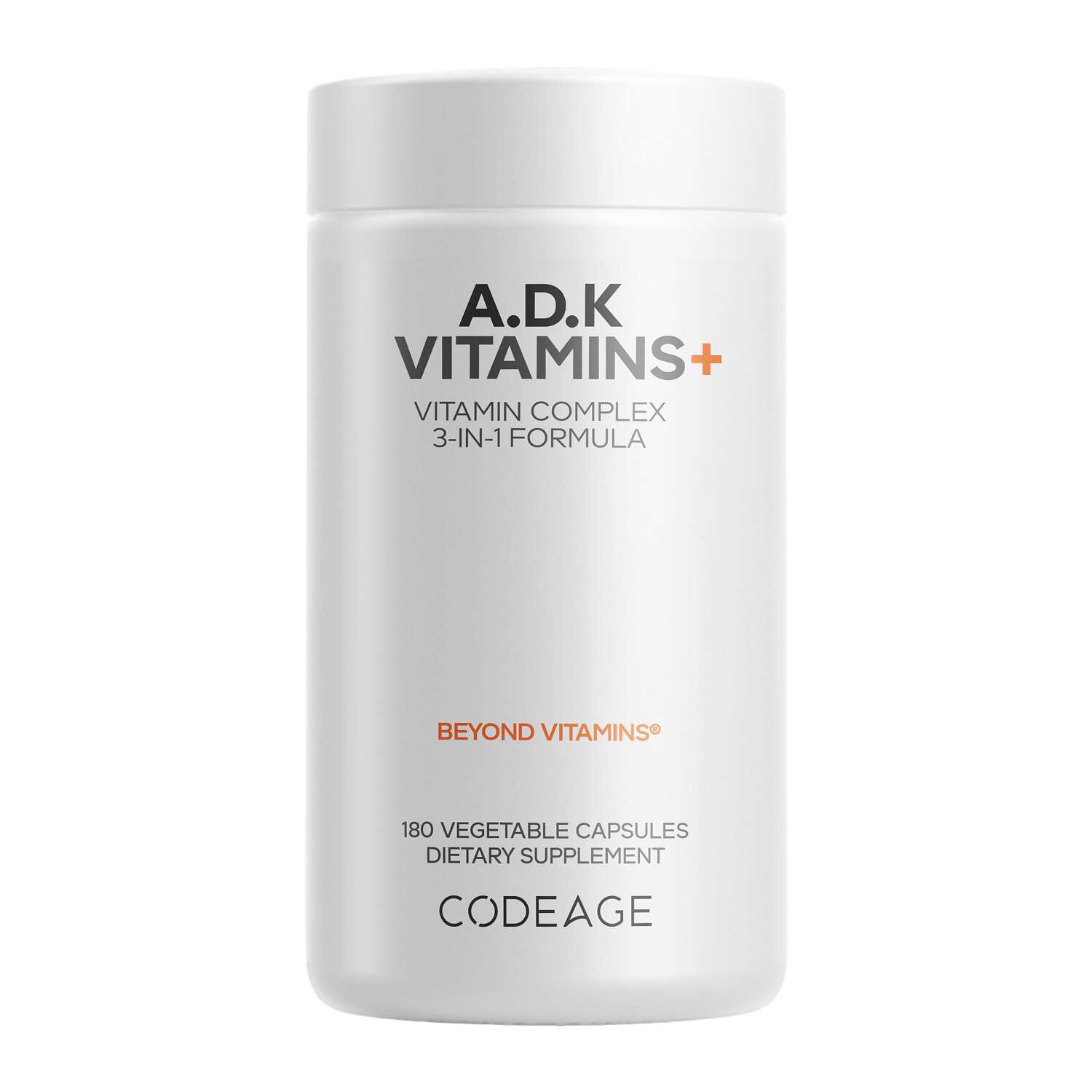
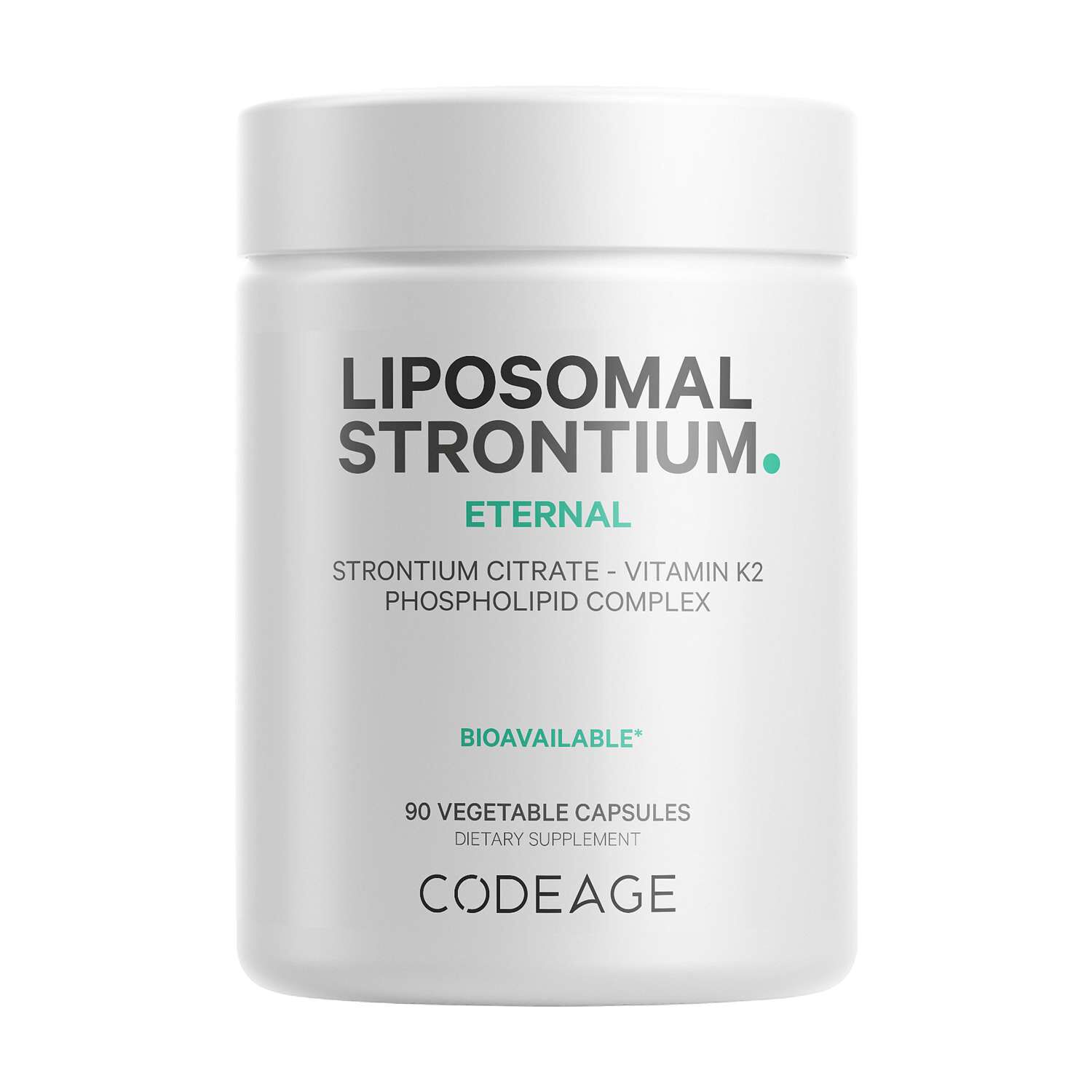
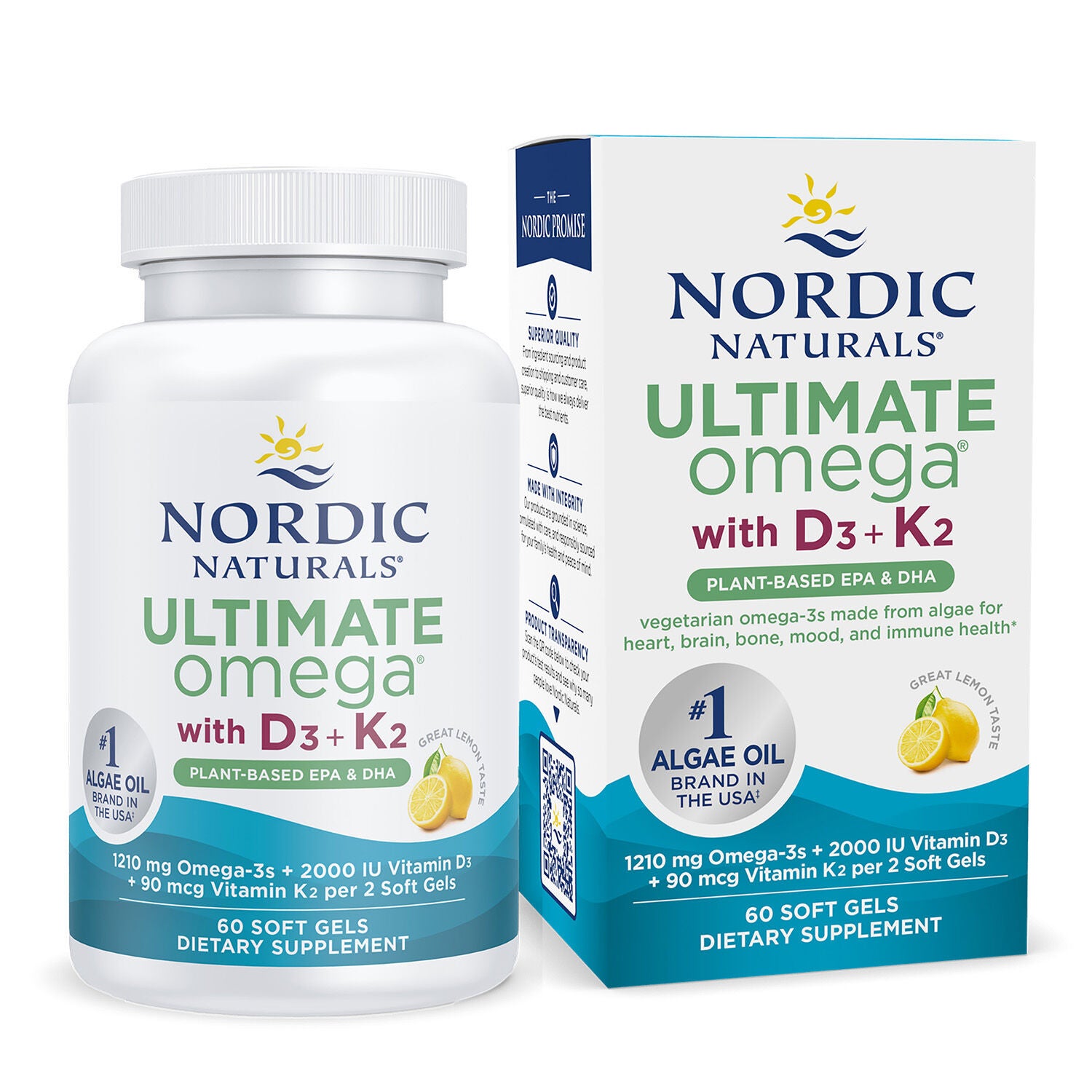
The first meaningful difference among vitamin K2 supplements is often whether K2 appears on its own or alongside other nutrients. A stand-alone formula keeps the ingredient comparison relatively narrow, which may appeal to shoppers who already have a familiar supplement routine and want to see K2 listed separately. A D3 and K2 combination places both vitamins in one formula, while other blends also include calcium or additional nutrients. The presence of several nutrients does not automatically make a formula a better fit; it changes what needs to be compared. For someone whose breakfast counter already holds a multivitamin and a separate vitamin D bottle, the amounts listed across those labels are relevant details, not just the bold lettering on the newest package. Serving size deserves the same attention. One capsule, two softgels, and a measured liquid serving are different ways of presenting a labeled amount, so a front-panel number is only part of the comparison. Amounts may appear in micrograms, abbreviated mcg, or milligrams, abbreviated mg; matching the units makes a side-by-side label review more useful. Format also shapes the everyday experience. Capsules and tablets have a defined unit size, softgels have a smooth outer shell, and liquids use a stated measure such as drops or milliliters. Chewable formats bring flavor, texture, and sweetener ingredients into the decision. A small bottle with a dropper involves different handling from a bottle of capsules, especially for someone who packs an overnight bag often or prefers a simple setup at home. Capsule shells, softgel materials, carrier oils, colors, and flavorings are part of the formula too. Gelatin and plant-derived shell materials are not interchangeable for shoppers with vegetarian preferences, and a plant-derived capsule shell alone does not establish that every ingredient meets those preferences. Ingredient lists and explicit dietary statements provide more useful detail than the format name by itself.
A good shopping comparison also accounts for the less prominent details that shape how a supplement fits into daily life. Someone who enjoys a leisurely breakfast at home may have different packaging preferences from someone who leaves early with a packed lunch and a commuter bag. Bottle dimensions, closure style, serving count, and the readability of the label can all matter without saying anything about a product’s effects. For liquids, the measuring device and directions deserve particular attention because a drop and a full dropper are not interchangeable descriptions. For capsules or softgels, the number of units per serving determines how the bottle count relates to the labeled servings. Storage is another practical consideration, particularly during the cooler months when indoor heating, travel, and changing household schedules can alter where bottles are kept. The storage directions on the package are the relevant reference for temperature, moisture, light, and any instructions that apply after opening. A bathroom shelf with frequent steam, a sunny windowsill, or a bag left in a car can present conditions different from those described on a label. Original packaging keeps the ingredient list, serving directions, date information, and lot identifier together, making it easier to refer back to the same details later. Outer packaging condition and the labeled date are also worth considering when organizing a supplement shelf. Women shopping for themselves may prioritize a familiar format, a particular K2 form, or clear ingredient sourcing information, while someone buying for another adult has personal preferences to consider as well. Supplements are a personal purchase, so an explicitly requested formula is a more thoughtful gift choice than an unfamiliar blend chosen solely for its packaging. Across vitamin K2 options, the most useful distinctions remain concrete: the named form, amount per serving, accompanying nutrients, capsule or liquid ingredients, and handling requirements. Those details make it easier to compare formulas on their actual characteristics and find an option that aligns with established preferences.


