





Vitamin D3 K2 Supplements For Women
(0 Results)
Vitamin D3 K2 supplements for women are designed to support a well-rounded approach to daily wellness. These convenient formulas combine two essential nutrients that may play a role in overall health and vitality. Whether you’re looking to complement your routine or seeking additional nutritional support, vitamin D3 K2 supplements for women could be a beneficial addition to your daily regimen. Explore options that fit your lifestyle and wellness goals.
-

-

-
-

-
 $21.99
 -

-

-

-
-
-

-
-

-

-
 $44.99
 -
 $39.99
 -
 $13.99
 -
 $15.99




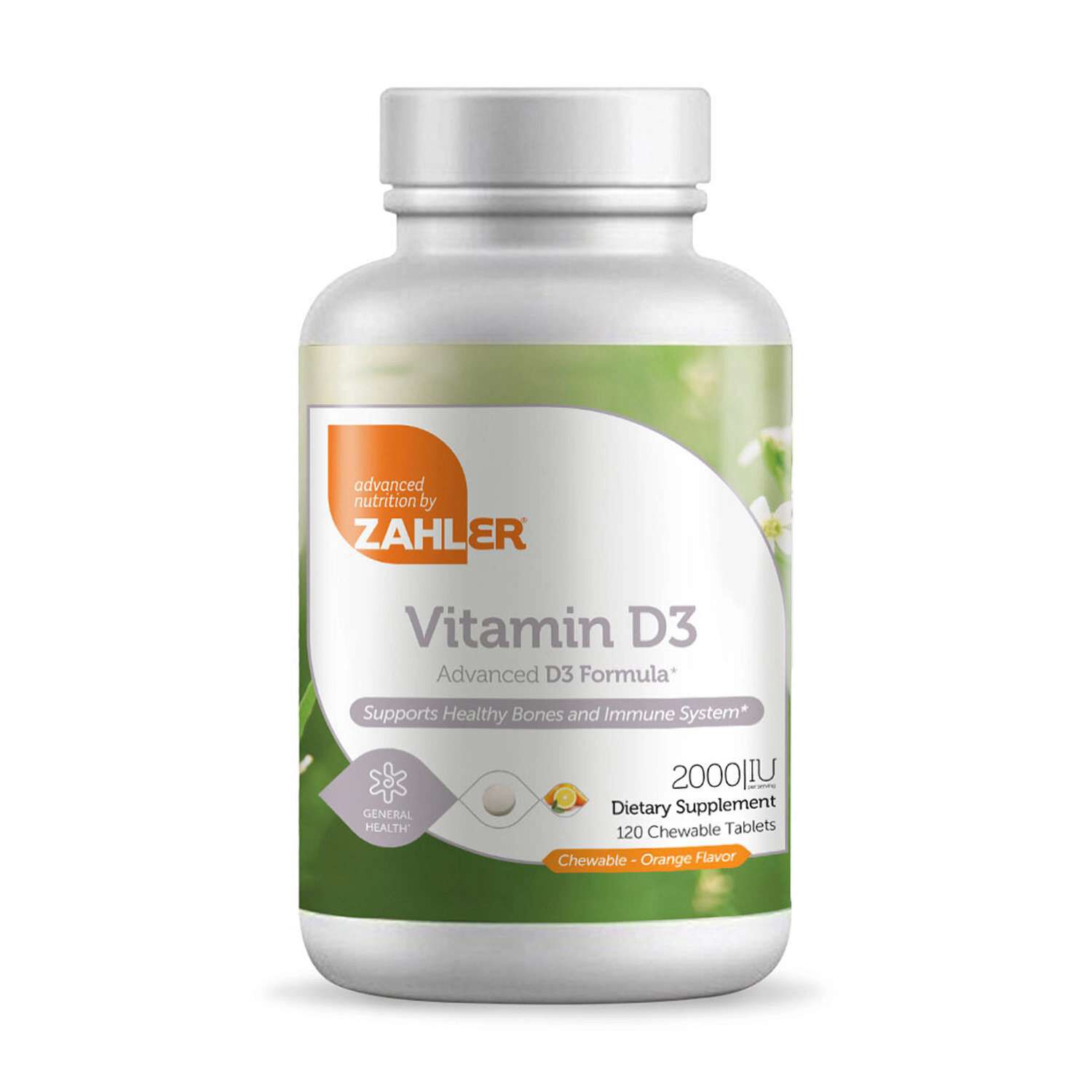
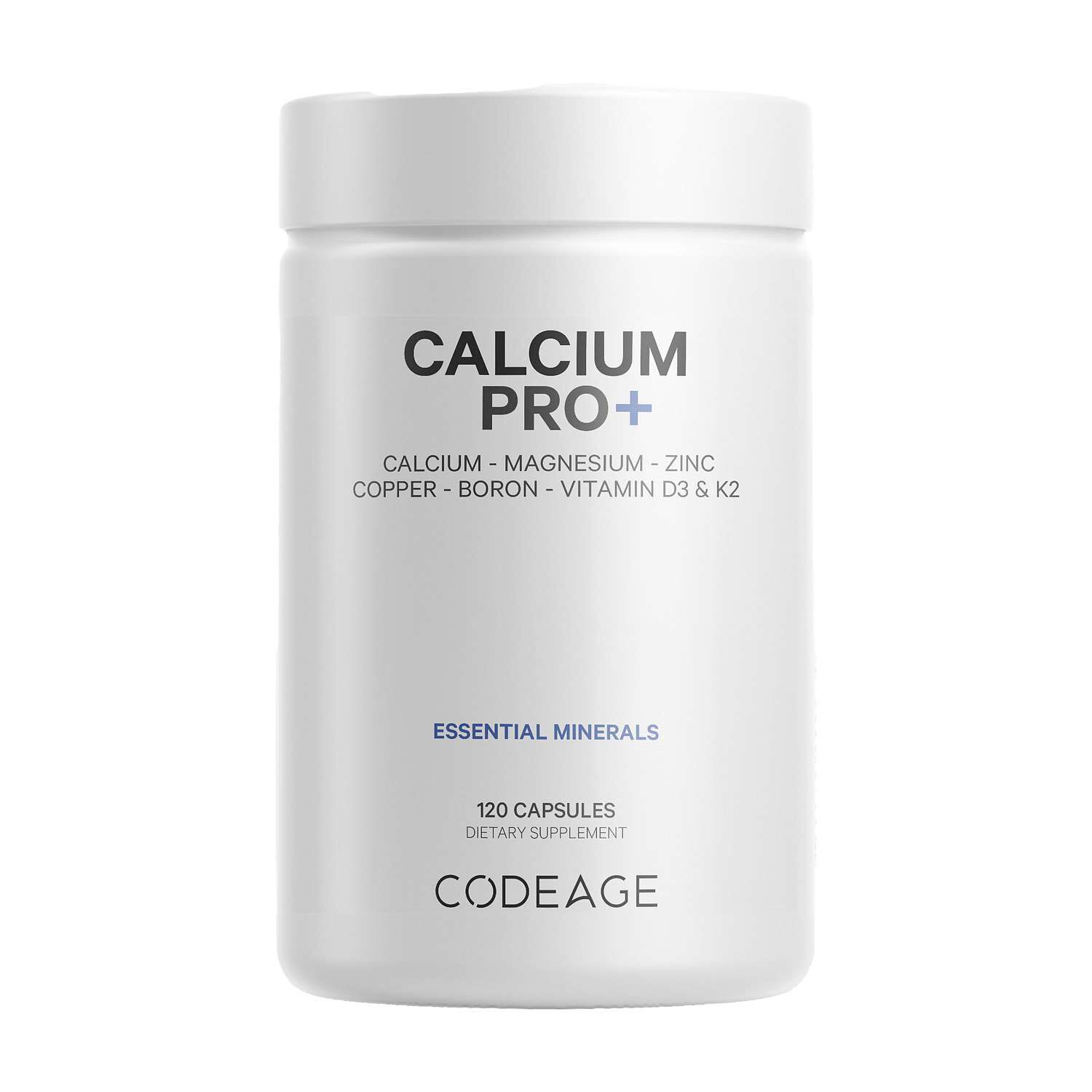
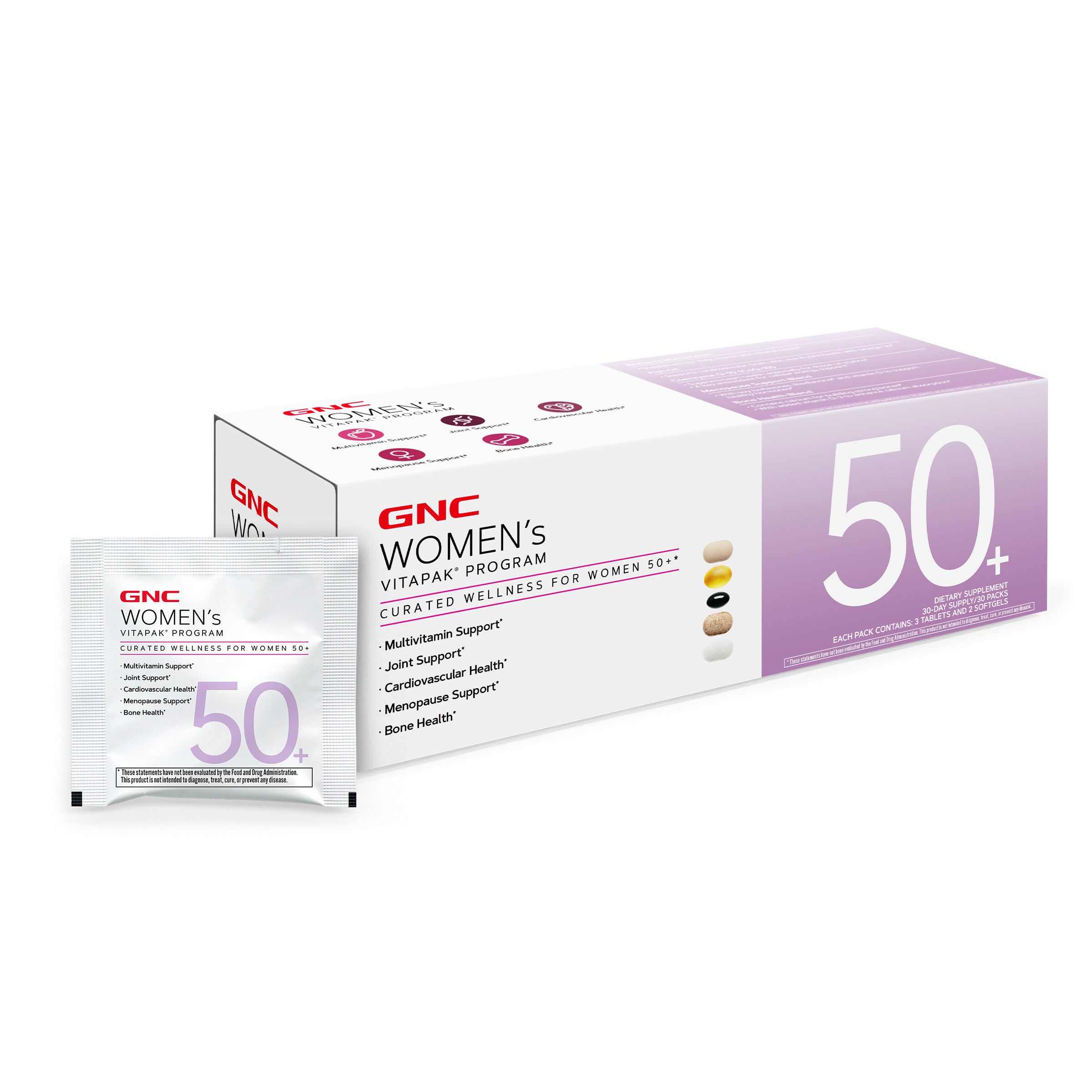
Vitamin D3 K2 supplements for women bring two fat-soluble vitamins together in a format designed for an everyday nutrition routine. Vitamin D3 is also called cholecalciferol, while vitamin K2 belongs to a family of compounds known as menaquinones. Those names often appear in the Supplement Facts panel, even when the front of the package uses the shorter D3 and K2 descriptions. The distinction matters when comparing formulas: vitamin D comes in more than one form, and vitamin K2 is not the same ingredient as vitamin K1. K2 labels may identify a particular form, such as menaquinone-7, commonly written as MK-7, or menaquinone-4, written as MK-4. A combination formula places D3 and K2 in the same serving, but the amount of each vitamin and the number of capsules, softgels, or gummies in that serving can vary. The category includes a range of formats and ingredient sources, so the words “for women” are a starting point rather than a detailed description of what is inside. Women shopping around dietary preferences, a familiar supplement format, or a carefully organized morning routine may approach the same category with different priorities. Someone who prefers a short ingredient list may focus on capsules, while someone who dislikes swallowing capsules may be more interested in chewable or liquid formats. Neither preference tells the whole story of a formula. The serving size, vitamin forms, ingredient sources, and package directions provide a more useful picture than the name alone. These supplements belong alongside the broader considerations of everyday nutrition, not in place of varied meals. For women whose schedules move between office days, home responsibilities, and travel, the practical details deserve attention: how the serving is measured, whether the container fits its intended storage space, and how much preparation the format requires. A clear label and a manageable format make the comparison more concrete than broad wellness language.
Comparing vitamin D3 and K2 supplements begins with reading the two vitamin amounts separately. Vitamin D may be expressed in micrograms, abbreviated mcg, and international units, abbreviated IU; vitamin K is generally expressed in micrograms. Keeping the units consistent makes side-by-side comparisons easier. The amount printed prominently on a package may refer to an entire serving rather than a single capsule or gummy, so serving size belongs in the same comparison. A larger number is not, by itself, a reason to favor one formula, and a women-focused description does not establish that a particular amount suits every adult woman. The rest of the label adds useful context. Some combinations contain just D3 and K2 as their featured vitamins, while others include additional nutrients. For someone who already keeps a multivitamin beside the breakfast dishes, noting repeated ingredients is an important part of understanding what each container contains. Ingredient sourcing is another meaningful distinction. Vitamin D3 can come from lanolin or from lichen, and the source is especially relevant to shoppers following a vegan eating pattern. Capsule shells and softgel shells also differ: some contain gelatin, while others use plant-derived materials. A plant-sourced vitamin does not necessarily mean every ingredient in the finished formula is plant-derived, so the full ingredient statement matters. Oils, sweeteners, flavors, colors, and other ingredients can vary considerably between formats. An oil-based softgel has a different composition from a dry capsule, and a gummy typically needs ingredients that create its texture and taste. Both D3 and K2 are fat-soluble, a characteristic that helps explain why oils appear in some formulations; it does not make every oil-containing option interchangeable. Dietary statements and allergen information offer additional details for shoppers with specific preferences. When comparing a broader range of adult formulas, Vitamin D3 K2 Supplements For Adults provides a related category to explore using the same criteria: vitamin form, serving size, ingredient source, and supplement format.
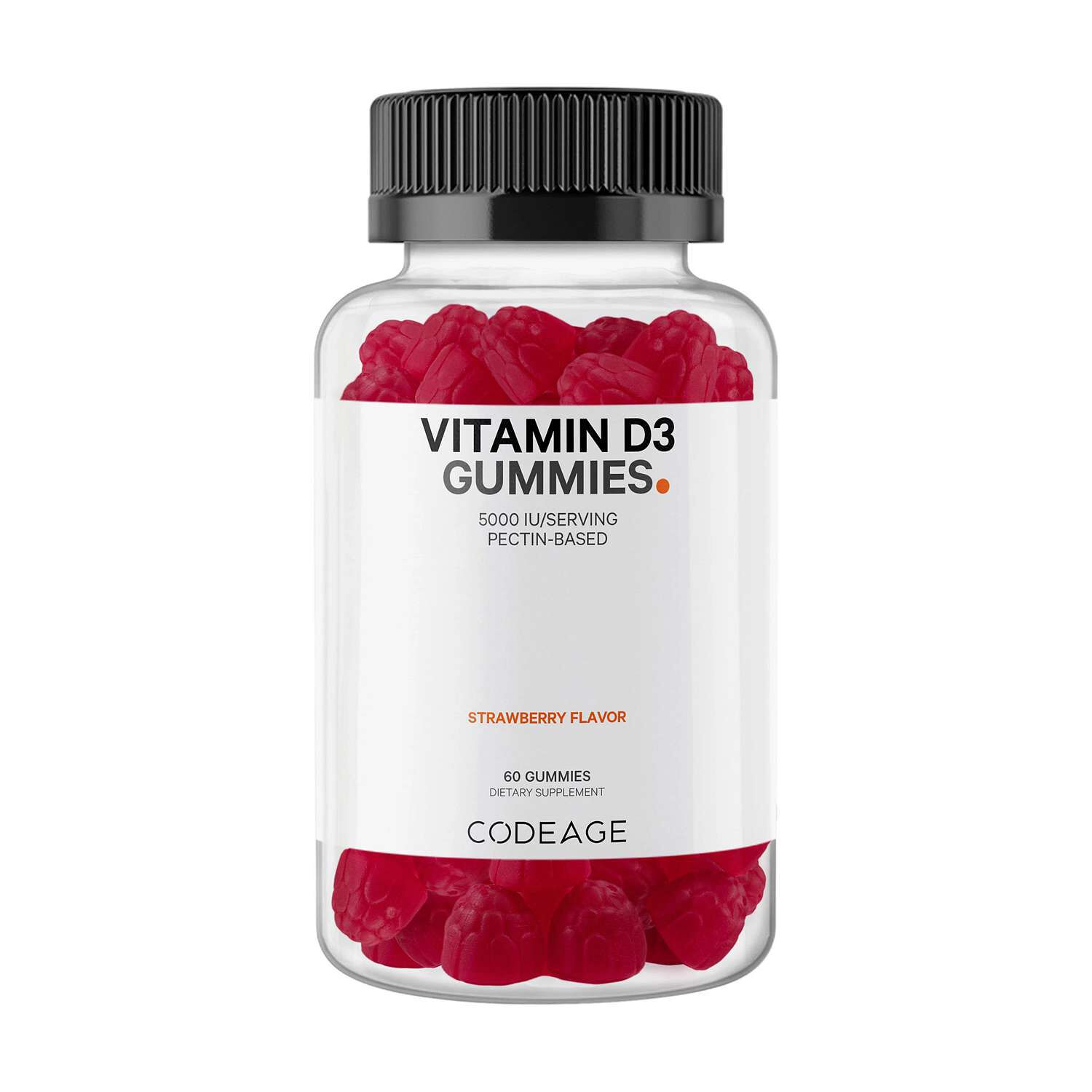
The physical format of a D3 K2 supplement often shapes the day-to-day experience as much as the label design. Capsules offer a measured amount in a familiar form, though capsule dimensions and the number per serving differ. Softgels have a smooth outer shell and often contain an oil-based filling, with shell ingredients that warrant a closer look for shoppers avoiding animal-derived materials. Gummies offer a chewable format, but flavor, texture, sugar content, and the number needed for a labeled serving are all part of the choice. Liquid formulas involve a different kind of handling: the package may specify drops or a measured volume, and those measurements are not interchangeable across containers. Someone packing for an overnight trip may value a compact, securely closed bottle, while someone organizing a kitchen cabinet may care more about readable print and a container that is easy to handle. Those details are worth considering without treating convenience as evidence of nutritional suitability. Packaging and storage instructions matter as well. Supplements are not designed to tolerate every environment, and the label identifies the conditions intended for that particular formulation. A bottle left in a steamy bathroom or a vehicle exposed to changing temperatures faces different conditions from one stored according to its directions. The original container keeps the ingredient information, serving directions, and date markings together, which is useful when several similar bottles share a shelf. Closure design, measuring accessories, and readable markings deserve attention, especially for liquid formats that require more handling than a capsule. During the cooler months, when routines may shift between busy mornings at home and travel, these practical considerations remain relevant without changing the importance of the product directions. Choosing among vitamin D3 K2 supplements for women ultimately involves more than finding a familiar phrase on the front label. A thoughtful comparison accounts for the ingredients inside, the way each serving is presented, dietary preferences, and the handling the format requires. Those concrete details help distinguish otherwise similar combinations and keep the focus on what the package actually describes.


