





Vitamin D3 K2 A Supplements For Vitamin Deficiency
(0 Results)
Vitamin D3 K2 A supplements for vitamin deficiency offer a convenient way to support your daily wellness routine. These supplements combine essential vitamins that play important roles in overall health and well-being. Whether you’re looking to fill nutritional gaps or simply want to maintain a balanced lifestyle, exploring vitamin D3 K2 A supplements for vitamin deficiency could be a beneficial addition to your supplement regimen. Discover options designed to fit your unique needs and help you stay on track with your wellness goals.
-

-

-
 $24.99
-

-
-
 $39.99
-
 $21.99
-
 Nature's Fusions$29.99
-

-
-
-
 Trace Minerals$29.99
-
 Nature's Fusions$29.99
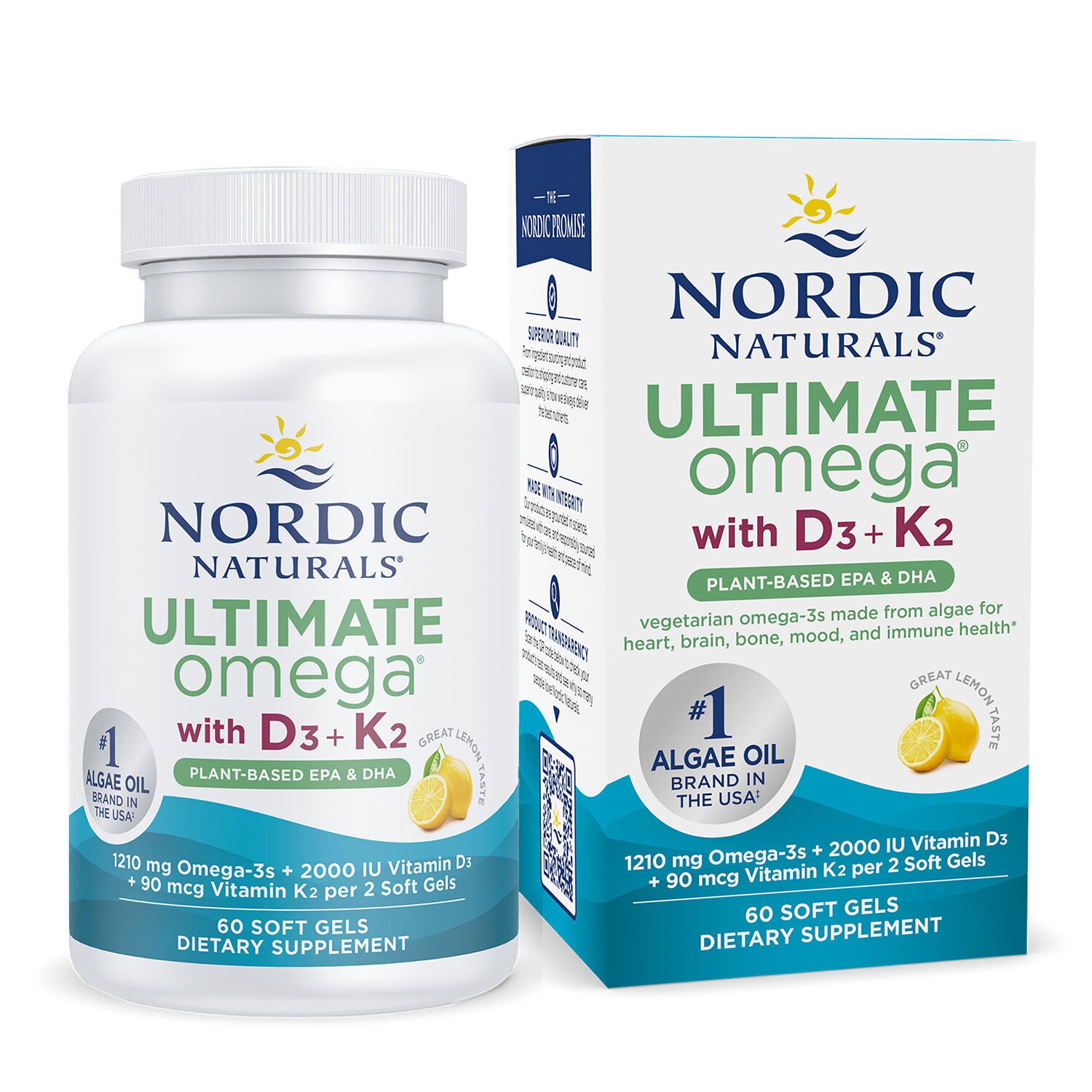
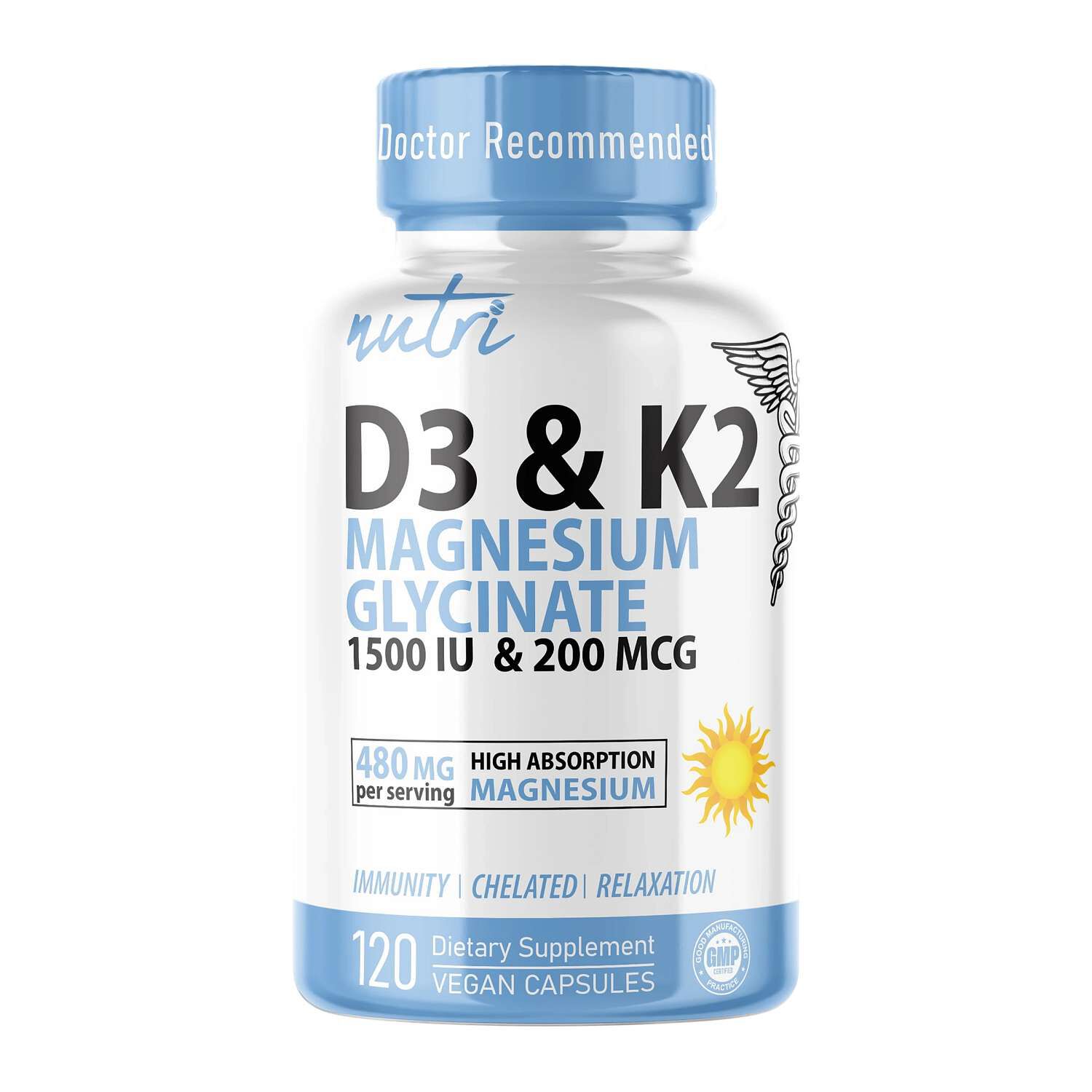
Vitamin D3, K2, and A supplements bring together three fat-soluble vitamins in formulas that vary by ingredient form, serving size, and delivery format. Some formulas combine all three nutrients, while others pair D3 with K2 or offer each vitamin separately. These distinctions matter when browsing a collection focused on vitamin deficiency: a product name identifies the nutrients in a formula, but it does not establish whether a person has a deficiency or which formulation is appropriate for that person. Those questions belong to individualized professional evaluation rather than a product listing. For shopping purposes, the most useful starting point is the Supplement Facts panel, where the vitamin names, amounts per serving, and ingredient forms are listed. Vitamin D3 is also called cholecalciferol. Vitamin K2 belongs to the menaquinone family, and labels may identify forms such as MK-4 or MK-7. Vitamin A may be listed as a preformed source, such as retinyl palmitate or retinyl acetate, or supplied through a precursor such as beta-carotene. The front label may use a short name, while the ingredient panel provides a more specific description. A formula containing D3 and K2 does not necessarily contain vitamin A, and a multivitamin containing vitamins A and D does not necessarily include K2. Looking at the named forms rather than relying on an abbreviation makes those differences easier to recognize. Ingredient sourcing adds another layer of context: D3 may come from animal-derived or lichen-derived sources, and capsule shells may contain gelatin or cellulose. These details are relevant to adults with particular dietary preferences, including those comparing vegetarian formulations with other options. A combined formula may fit an established supplement routine, while separate formulas may suit shoppers comparing individual nutrients. Neither arrangement, by itself, determines suitability. The distinguishing details remain the actual ingredients, the labeled amounts, the intended audience, and the directions attached to the formula.
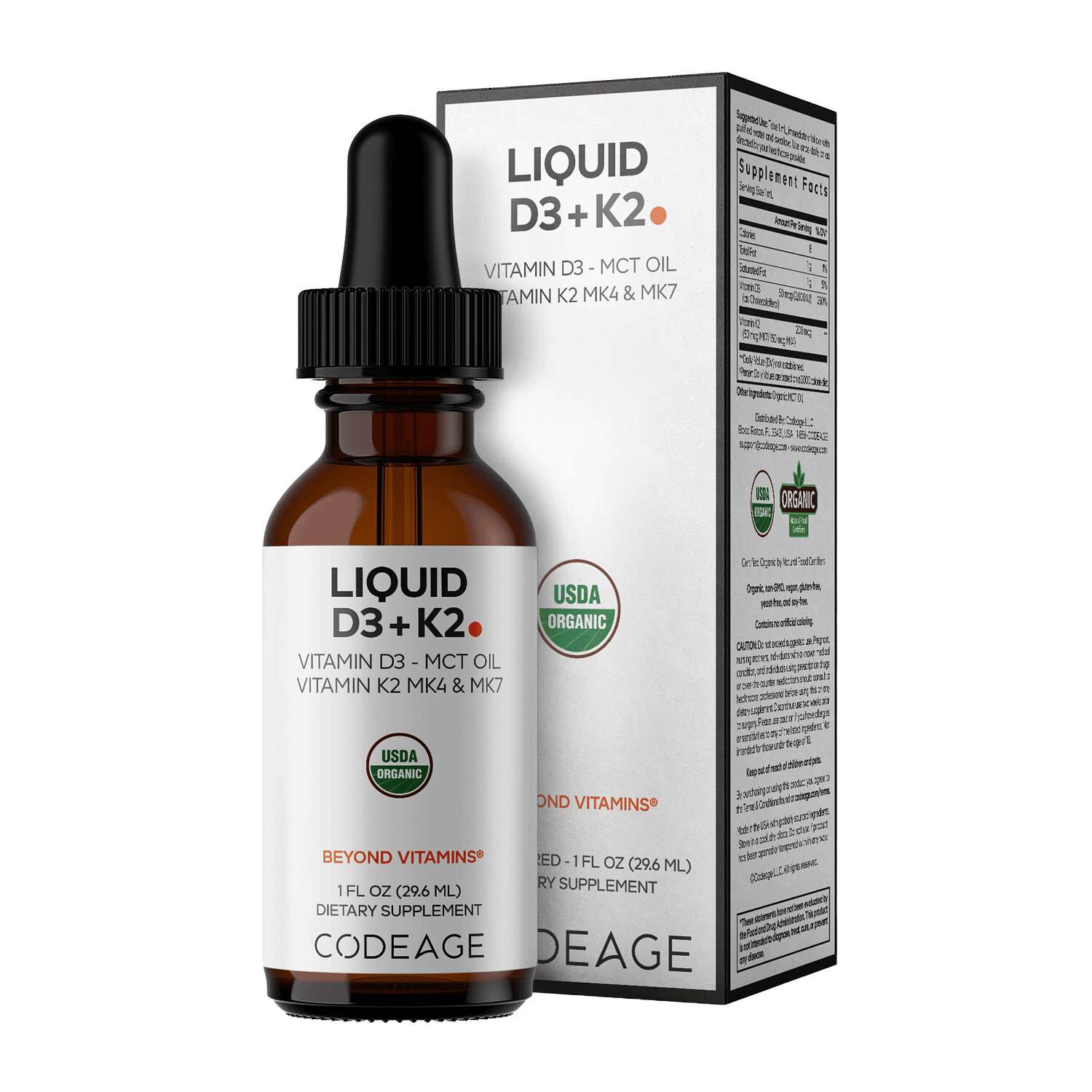
The physical format of vitamin D3, K2, and A supplements is another meaningful part of the comparison. Softgels, capsules, tablets, gummies, and liquids offer different textures, serving quantities, and handling requirements. Softgels commonly contain an oil-based interior, while capsules may contain powdered ingredients or other preparations. Tablets have their own dimensions and coatings, so two formulas with similar nutrient amounts may still look and feel quite different. Gummies introduce considerations such as flavor, sweeteners, texture, and the number of pieces in a labeled serving. Liquids may use a dropper or another measuring device; the serving description identifies whether the stated nutrient amounts correspond to a drop, a measured volume, or another quantity. A small bottle is not necessarily a small serving, just as a single capsule is not necessarily the serving used on every label. For someone browsing between breakfast and the start of a workday, an easily readable serving statement may matter as much as the shape of the container. For another shopper, capsule materials or a liquid format may be the more relevant distinction. The Other Ingredients section helps explain the finished formulation, including carrier oils, capsule materials, flavors, colors, and sweeteners when present. An ingredient named in this section serves a different labeling purpose from a vitamin amount listed in Supplement Facts. Dietary statements and allergen information provide additional context, but a front-label description does not replace the full ingredient list. The units also deserve attention: vitamin amounts may appear in micrograms, milligrams, or international units, depending on the nutrient and labeling convention. Percent Daily Value is another reference point, not a personalized assessment. Comparing the same nutrient, the same unit, and the same serving basis helps keep the comparison consistent. A bottle with more capsules may contain fewer labeled servings if each serving uses several capsules, and a larger nutrient amount does not, on its own, establish a better match.
Intended use and everyday handling round out the differences among these supplements. Adult formulas are labeled for their stated audience, and packaging may include age-related information, directions, and caution statements that are separate from the nutrient panel. A supplement selected for one adult’s established routine is not automatically a suitable choice for another person, even when their shopping preferences look similar. These are personal-use products rather than interchangeable gifts, particularly when the reason for shopping involves a suspected or identified vitamin deficiency. For shoppers comparing a two-vitamin pairing with formulas that also contain vitamin A, Vitamin D3 K2 Supplements For Adults provides a related category centered on D3 and K2. The same label distinctions apply across both categories: ingredient identity, serving quantity, delivery format, and dietary compatibility are more informative than the abbreviated formula name alone. Storage and packaging details also deserve a place in the comparison. The container’s directions describe the conditions intended for that formulation, and an expiration date gives a specific reference for its labeled shelf life. Closures, seals, and measuring accessories are practical parts of the package, not just presentation details. A liquid bottle with a dropper has different handling requirements from a jar of gummies or a bottle of tablets. Moisture, direct sunlight, and storage conditions may affect the condition of a supplement, making the original packaging and its care instructions relevant to everyday use. A bathroom shelf, kitchen cabinet, or travel bag presents a different storage setting; the label, rather than convenience alone, provides the reference for handling. Keeping the ingredient panel accessible also preserves the serving information and cautions for later reference. Vitamin D3, K2, and A supplements may complement dietary intake, but shopping comparisons remain distinct from assessing or addressing a deficiency. Clear labeling, recognizable ingredient forms, suitable packaging, and a format that fits an existing routine provide concrete ways to distinguish formulas without relying on broad claims about what any supplement will do.
Best Sellers


Related Pages

Top Collections
- Daily Collagen Supplements | Top Brands & Deals | GNC
- Joint Mobility Supplement Packs
- Zinc Supplements | Top Brands at Great Prices | GNC
- Supplements For Yoga Joint Flexibility
- Supplements For Balance
- Chronic Fatigue Supplements
- Capsule Supplements For Energy And Stamina
- Cortisol Supplements
- NAD+ Supplement Tablets
- Iron Supplements