Vitamin D3 K2 Supplements For Adults
(0 Results)
Vitamin D3 K2 supplements for adults are a popular choice for those looking to support their overall wellness routine. These supplements combine two essential nutrients that may play a role in various bodily functions. Whether you’re seeking to complement your daily nutrition or exploring new ways to help maintain your health, vitamin D3 K2 supplements for adults offer a convenient option to fit into your lifestyle. Explore the available options and find the right fit for your needs.
-

-

-
-

-

-

-

-
-

-
-

-
-

-

-

-
 $44.99
-
 $39.99
-
 $21.99


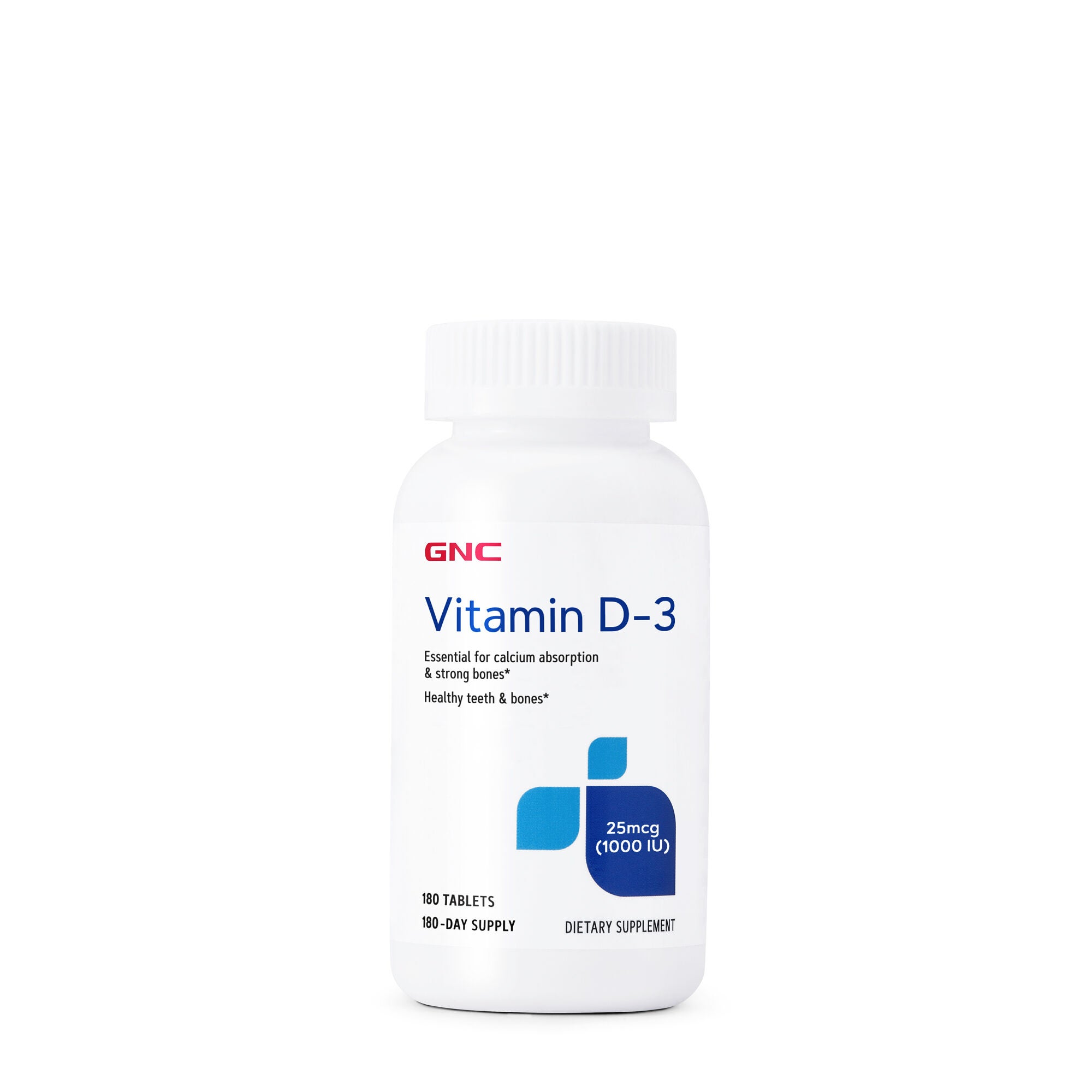


Vitamin D3 K2 supplements for adults pair two vitamins in a single formula, with options distinguished by their nutrient amounts, ingredient sources, serving sizes, and delivery formats. Vitamin D3 is also called cholecalciferol, while vitamin K2 belongs to a group of compounds known as menaquinones. Those names often appear on the Supplement Facts panel, so recognizing them makes comparing labels more straightforward. Both vitamins are fat-soluble, a term describing how they dissolve in fat rather than water. Although D3 and K2 are paired in this category, their proportions are not identical across formulas. One bottle may contain a different amount of each vitamin per serving than another, even when the front labels look similar. Vitamin D amounts are commonly expressed in micrograms, abbreviated as mcg, and may also appear in international units, abbreviated as IU; one microgram of vitamin D equals 40 IU. Vitamin K2 amounts are generally expressed in micrograms. These units describe ingredient quantities, not a ranking of product quality or personal suitability. Serving size provides equally important context: the amounts listed on a panel may refer to one softgel, two capsules, or a measured portion of liquid. A bottle’s unit count and its number of servings therefore are not necessarily the same. For adults browsing this category, the most useful distinctions are often practical ones, such as a preference for capsules over gummies, a plant-based ingredient source, or fewer additional ingredients. These supplements are intended to complement an adult eating routine rather than stand in for a varied diet. A familiar breakfast setup, a neatly arranged supplement cabinet, or a preference for measured liquid servings can all shape which format feels most manageable. Comparing those details creates a clearer picture of what a formula contains and how its packaging and serving instructions fit everyday habits, without treating a larger nutrient amount or a longer ingredient list as inherently better.
The differences between vitamin D3 and K2 formulas extend beyond the numbers on the label. Vitamin D3 may come from lanolin, a substance obtained from sheep’s wool, or from lichen in formulas made with a plant-based source. The source of D3 is only one part of assessing dietary fit, because the capsule shell, carrier ingredients, and other components also matter. A formula containing lichen-derived D3, for example, does not by that detail alone establish that every ingredient meets a vegan preference. Softgel shells often contain gelatin, while some capsules use cellulose-based materials. Liquid and softgel formulas may contain carrier oils such as olive oil or medium-chain triglyceride oil, with the source identified in the ingredient information. Gummies bring a different set of considerations, including flavor, texture, sweeteners, and whether the gelling ingredient is gelatin or pectin. A fruit-flavored chew and an unflavored capsule offer noticeably different daily experiences, even when their nutrient amounts are similar. Vitamin K2 also appears in different forms, commonly menaquinone-4, labeled MK-4, and menaquinone-7, labeled MK-7. Those designations identify the form of K2; they should not be mistaken for serving instructions or interpreted as a simple quality hierarchy. Ingredient panels may name the source or production method, while packaging may provide additional dietary statements. For someone comparing adult D3 K2 supplements with particular food preferences in mind, reading those details is more informative than relying on a front-label phrase alone. Added colors, flavoring ingredients, sweeteners, and declared allergens can distinguish otherwise similar formulas. Some shoppers prefer a short ingredient list, while others value a chewable texture or a flavored liquid. Neither preference makes one format universally appropriate. The meaningful comparison is between the full formula, the labeled serving, and the characteristics that matter to the person using it. Packaging statements about independent testing, when present, offer another point of comparison, particularly when they explain what was evaluated rather than relying on a broad quality description.
Everyday handling deserves attention alongside ingredient selection. Capsules and softgels vary in dimensions and shell texture, details that can be difficult to judge from a bottle photograph alone. Gummies require chewing and may have a sugar coating or a softer, pectin-based texture. Liquids involve measuring rather than counting, so the markings on a dropper or the directions for a dispensing cap are part of the product’s usability. A labeled serving might be expressed in drops or milliliters, and those measurements are not interchangeable without the bottle’s own directions. For an adult who prefers a quick, countable serving, a capsule format may be more appealing; someone who dislikes that format might prefer to compare measured liquids or chewable options. This is a matter of routine and preference, not evidence that one delivery style produces better results for everyone. Bottle closures, readable labels, and clear serving information also contribute to a practical choice. Storage instructions and the printed expiration date matter for ongoing care, while the original container keeps the Supplement Facts panel, ingredient details, and directions together. A damp bathroom shelf is a different storage setting from a dry cabinet, making the package’s moisture-related instructions worth noting. Products in this category are labeled for adult use, and the intended audience should remain clear when supplements share a household storage space. Adults comparing several nutrition products may also notice that D3 or vitamin K appears elsewhere in their existing assortment; an individual product page describes that formula, not a personalized combination of supplements. Shoppers interested in a related selection can also browse Vitamin D3 K2 Supplements For Women, while continuing to compare actual ingredients and serving information rather than assuming the audience named on a page determines suitability. Across adult vitamin D3 K2 supplements, the clearest distinctions remain concrete: vitamin forms, amounts per serving, ingredient origins, delivery format, and labeled use. Together, those details help turn a broad category into a more focused comparison grounded in what each formula actually contains.