





Vitamin Packs For Women With Bone Loss
(0 Results)
Vitamin packs for women with bone loss are designed to offer a convenient way to support your daily wellness routine. These curated packs may include a variety of vitamins and minerals that could help address unique nutritional needs. Whether you’re looking to fill potential gaps in your diet or simply want an easy solution for your supplement regimen, vitamin packs for women with bone loss might be a helpful addition to your lifestyle. Explore options that fit your preferences and support your overall well-being.
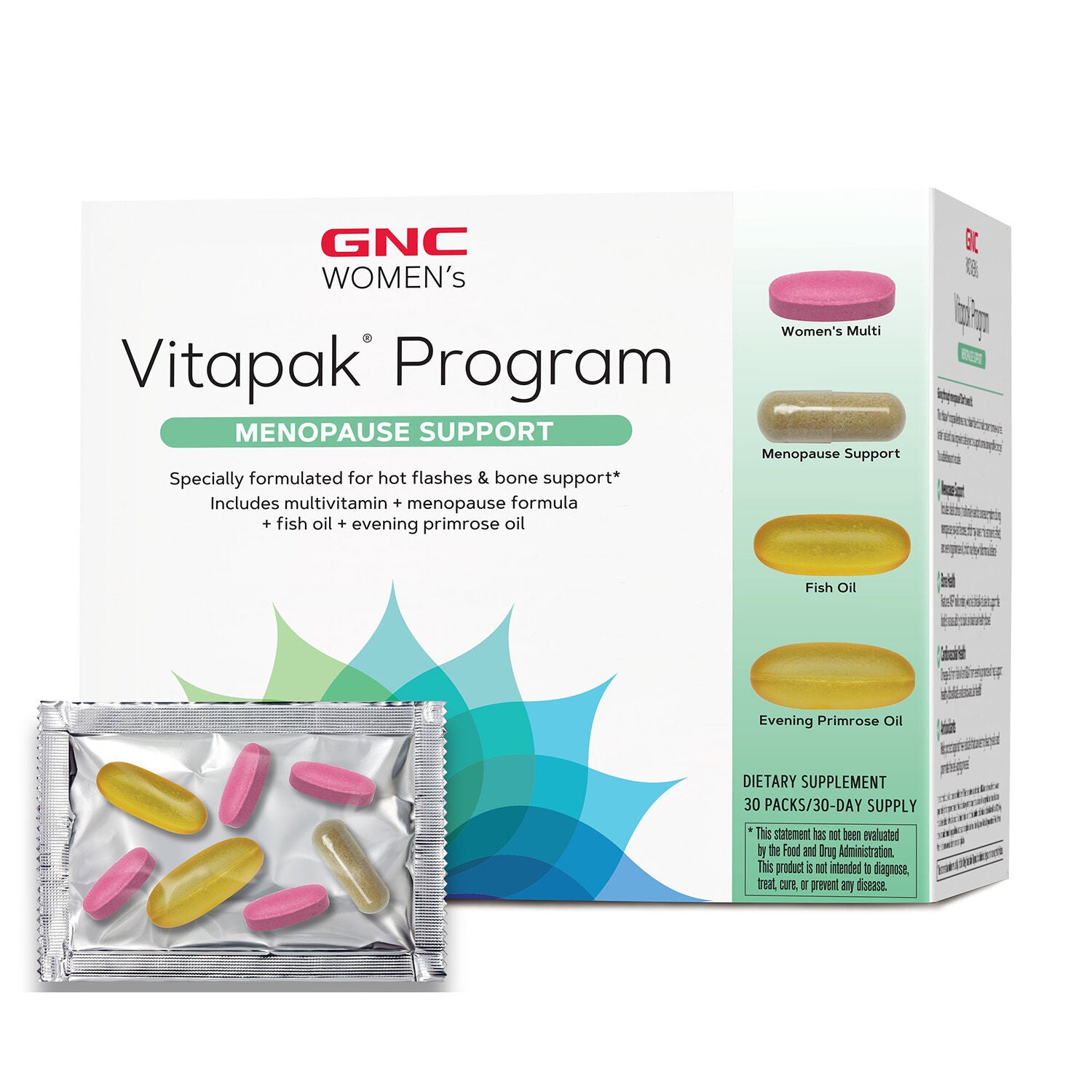
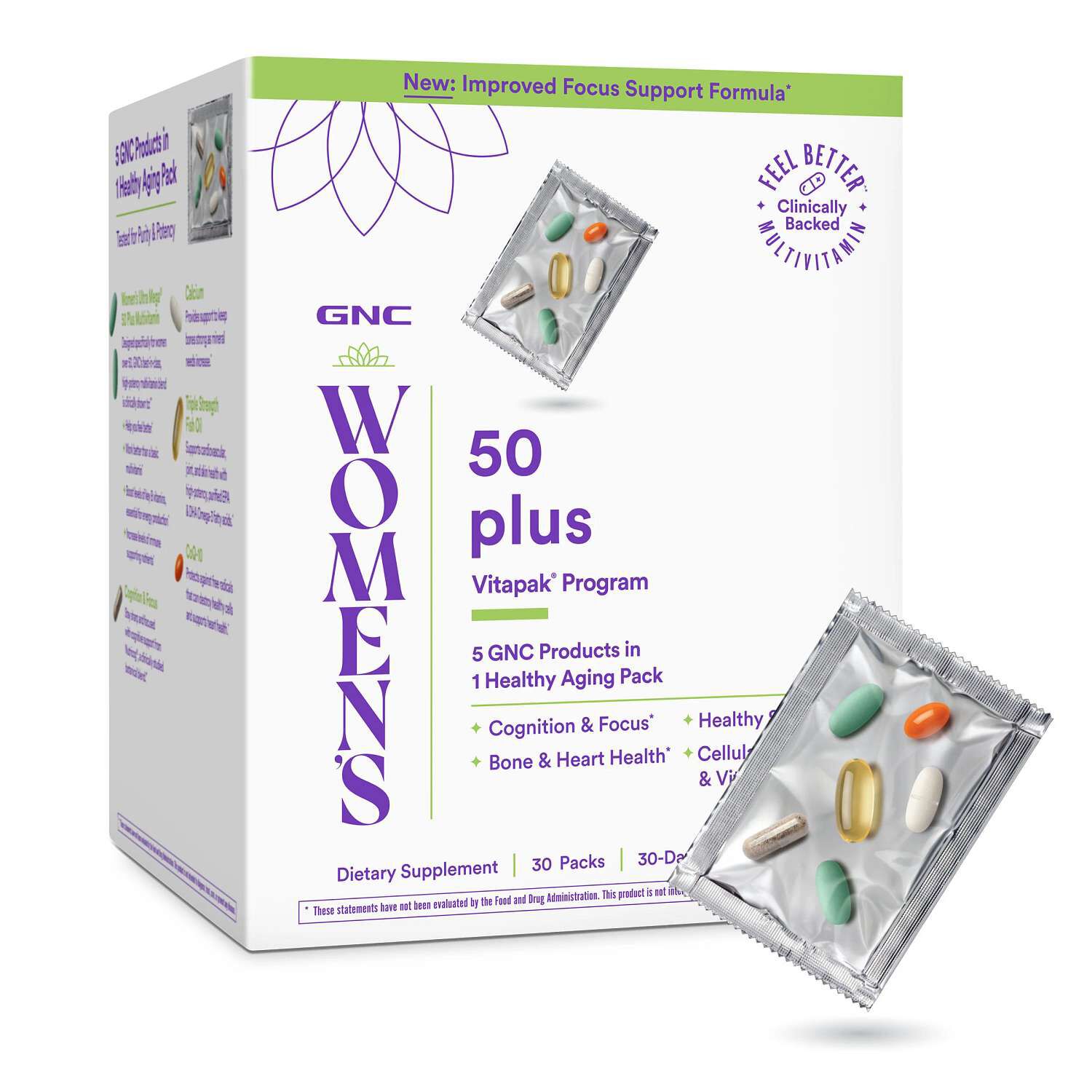

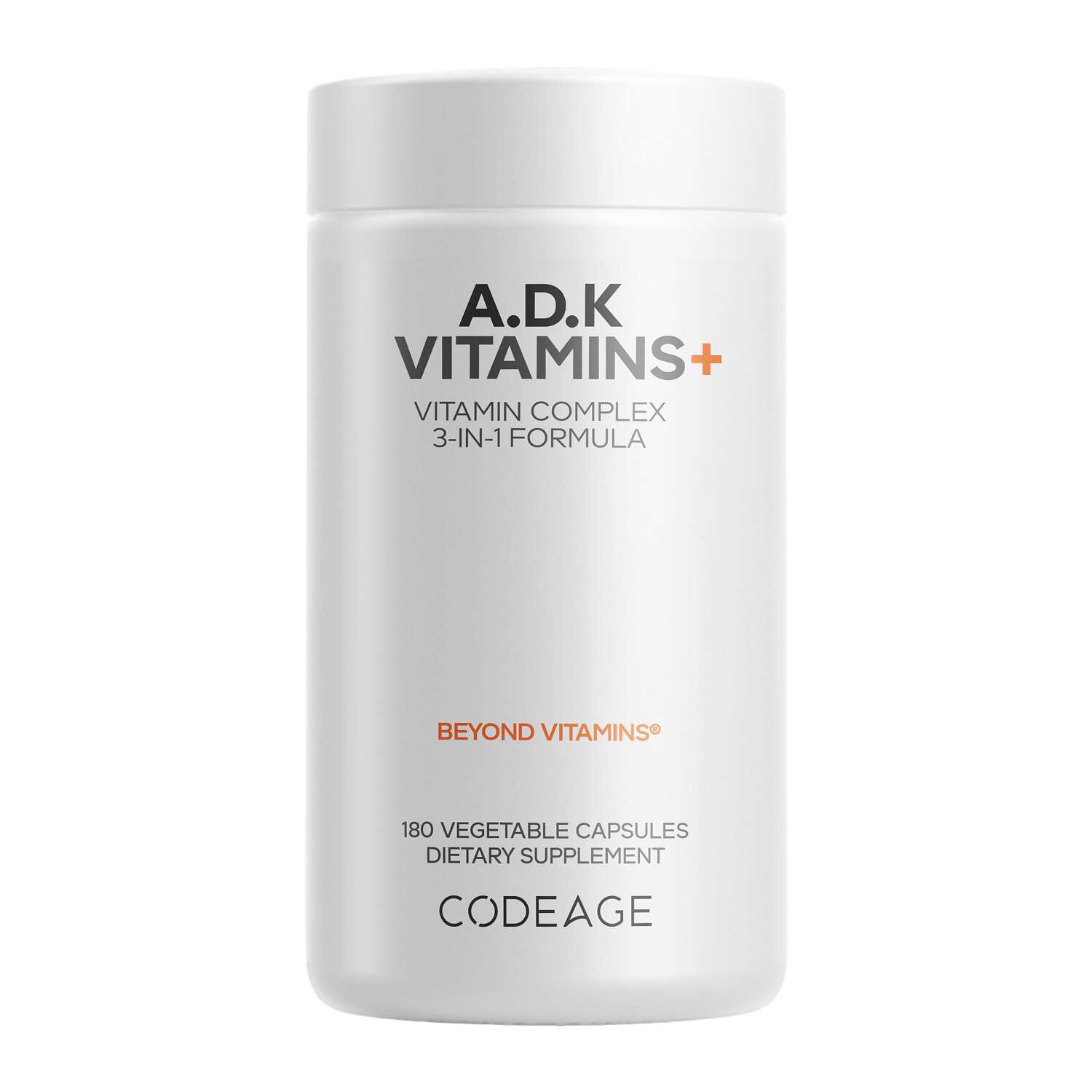


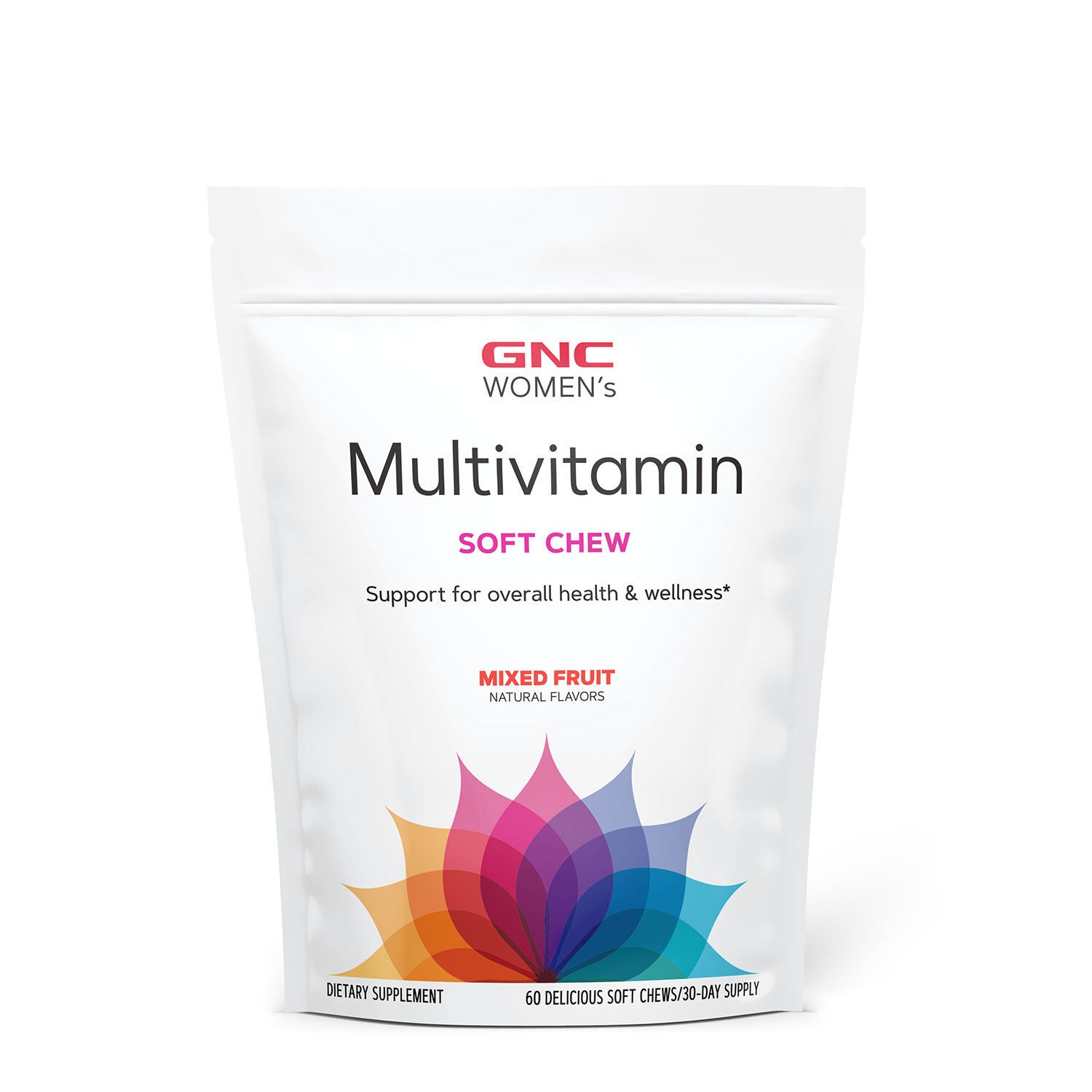


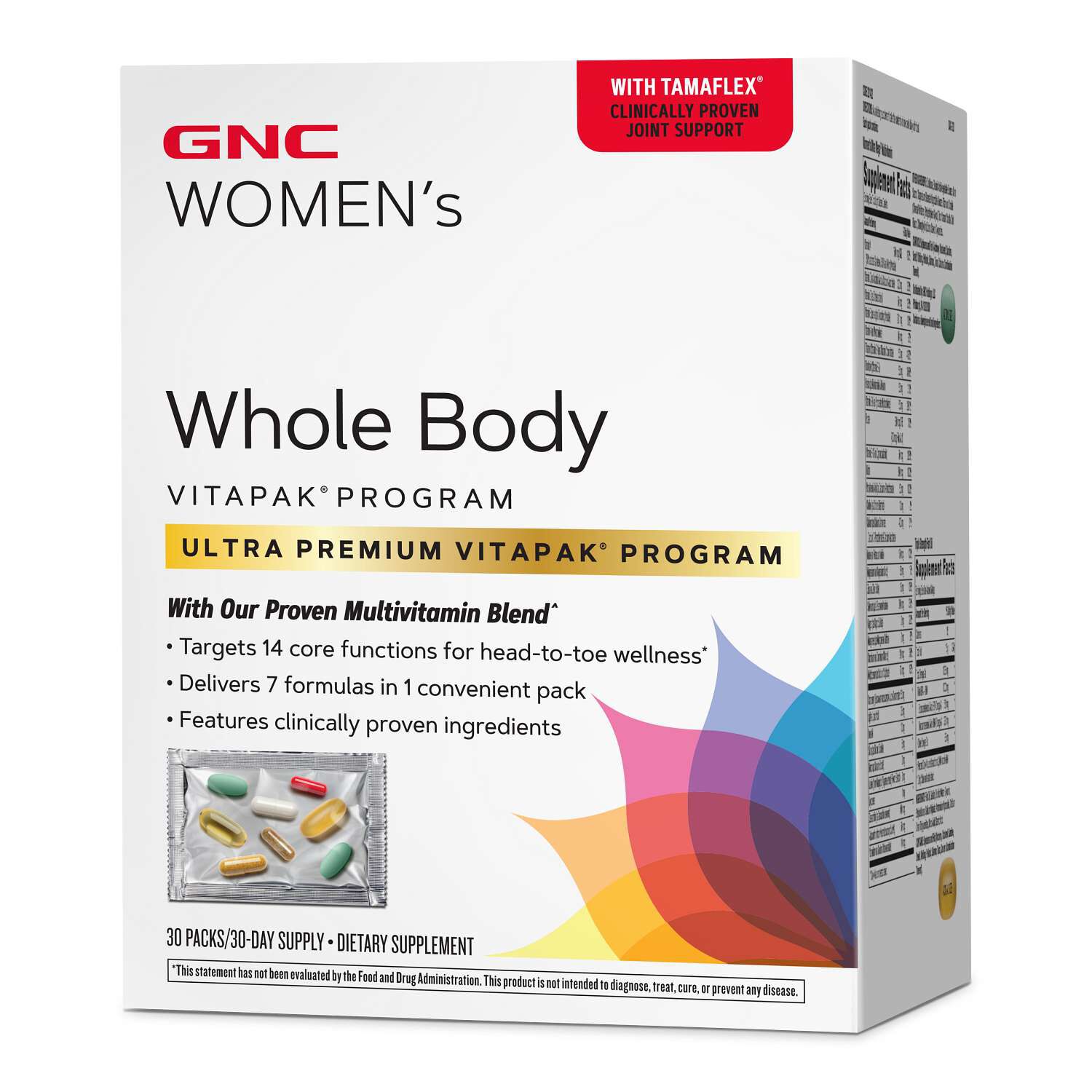
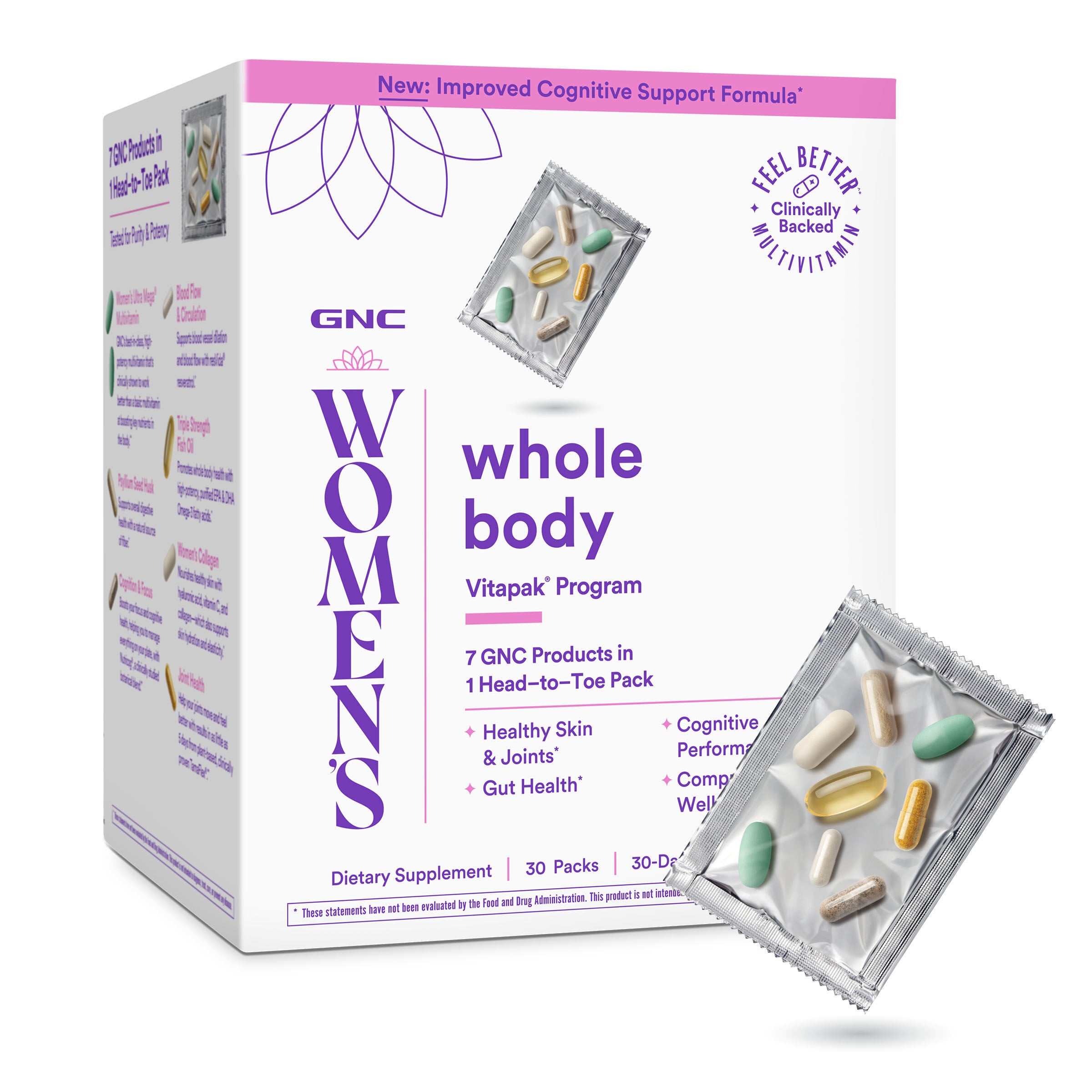
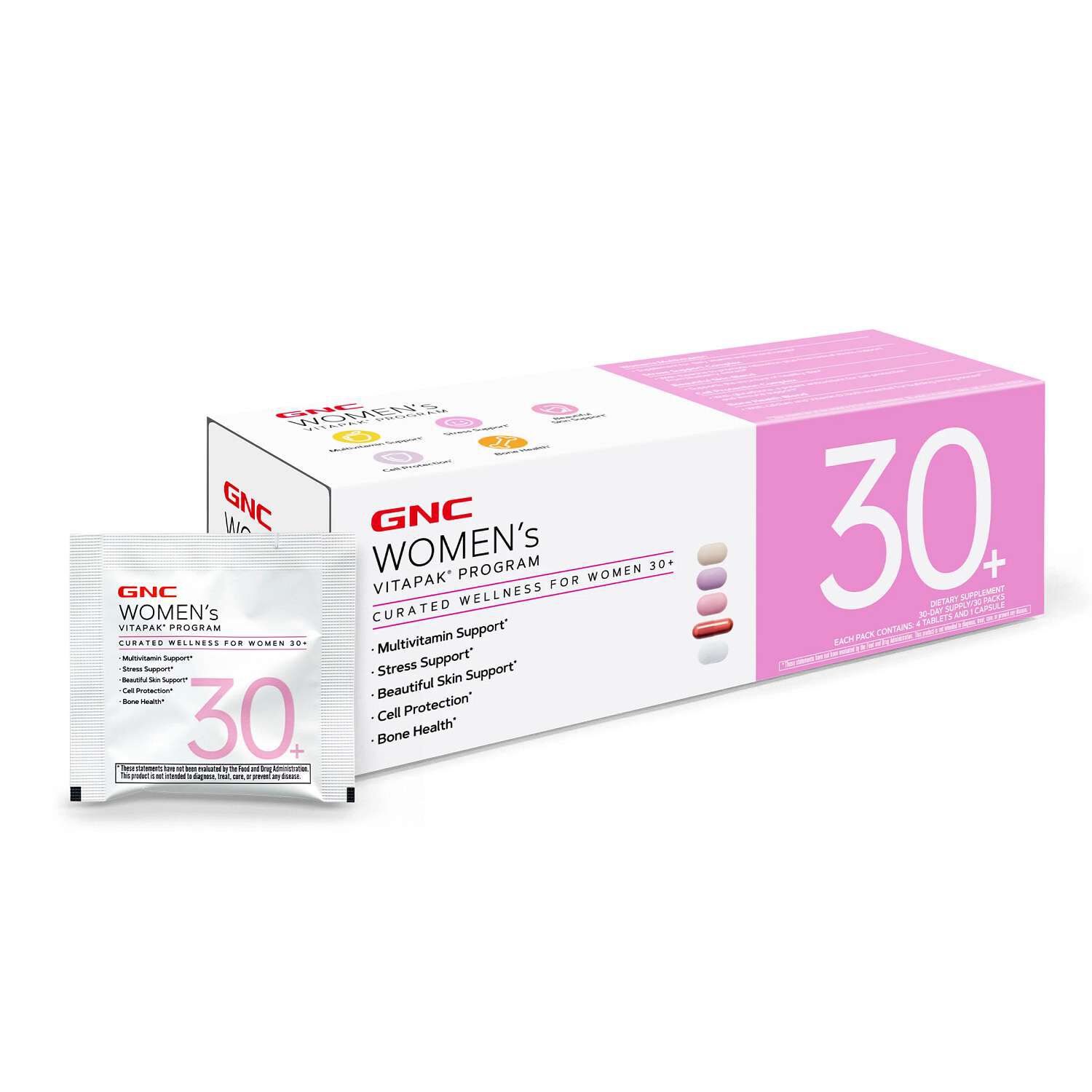

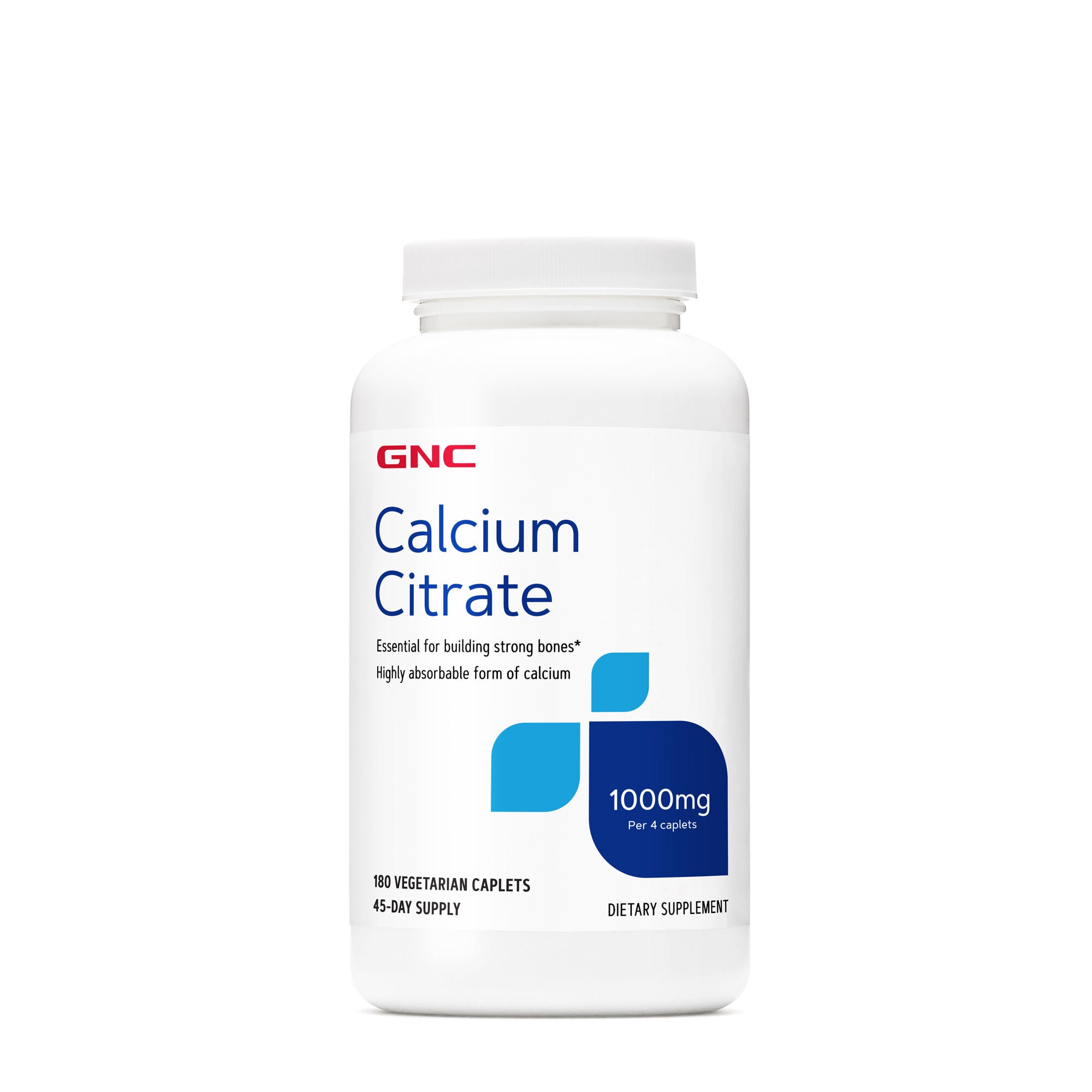


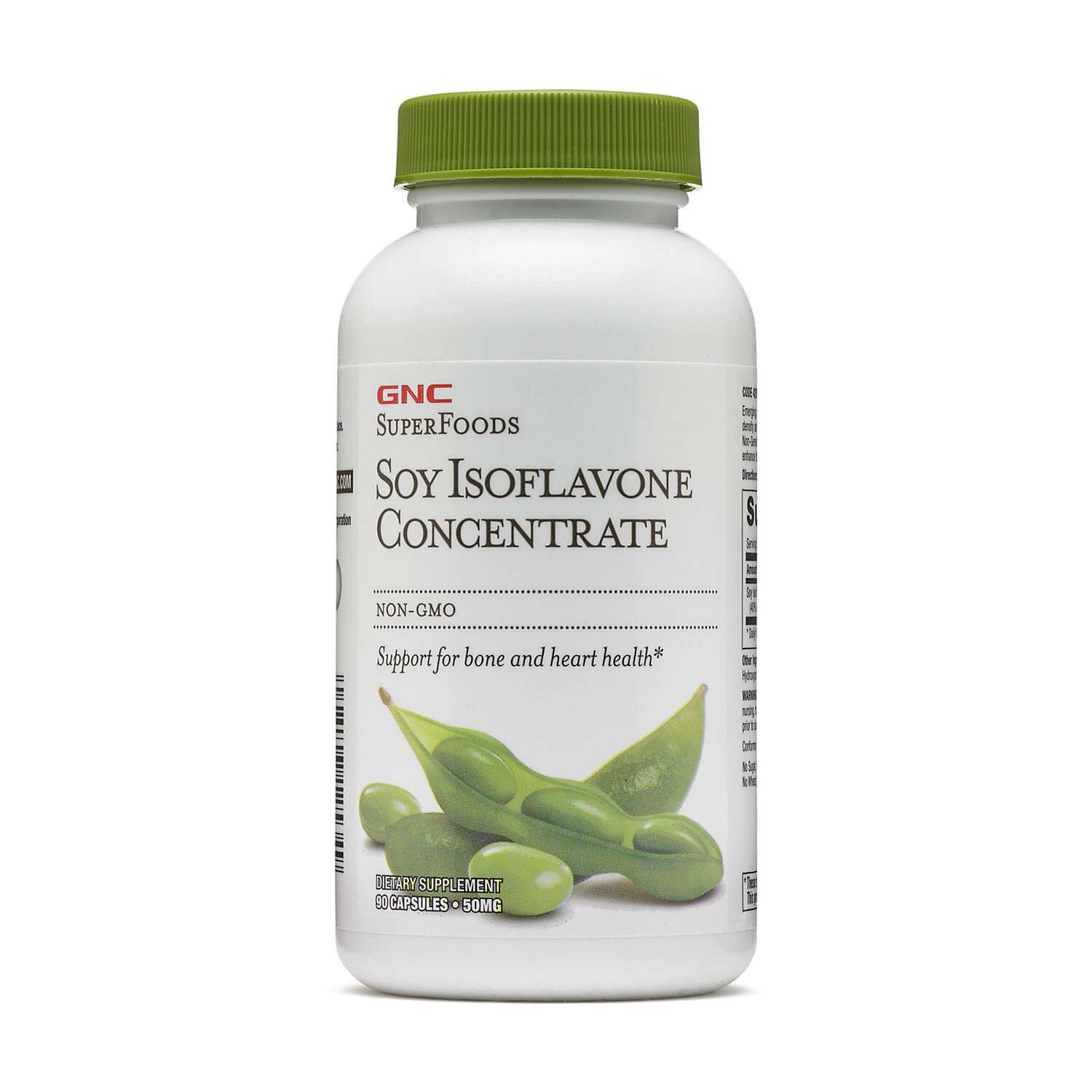

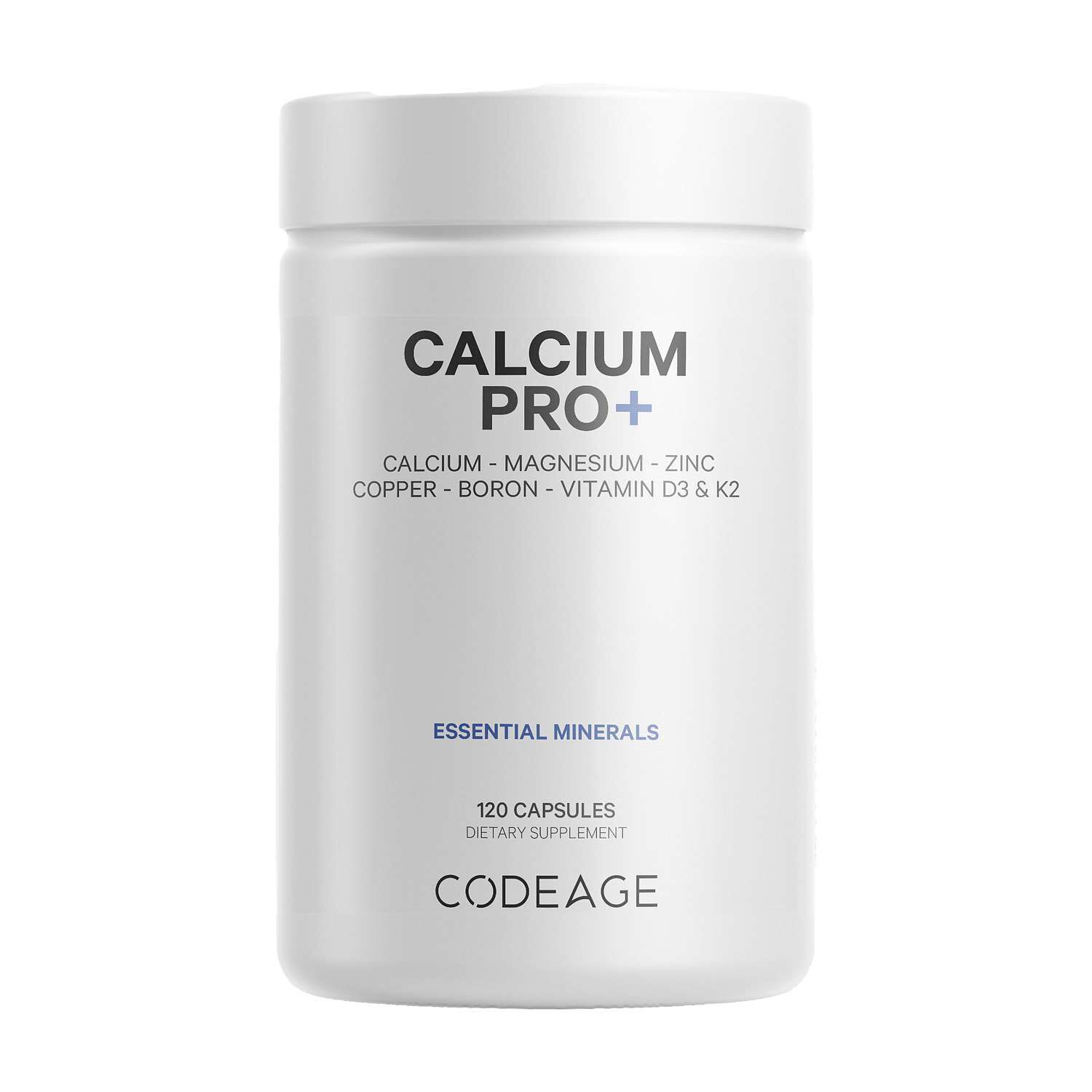

Vitamin packs for women with bone loss may offer a convenient way to organize a daily nutrition routine around nutrients often considered in bone-support formulas. Many packs include calcium, vitamin D3, vitamin K2, and magnesium, while some also contain a broader selection of vitamins and minerals. Calcium is commonly selected because it forms part of the body’s natural bone structure, while vitamin D3 may help the body absorb calcium. Vitamin K2 may help direct calcium toward bones, and magnesium may contribute to normal calcium balance and vitamin D activity. Because formulas vary, reading the Supplement Facts panel can help you compare the amount of each nutrient, the serving size, and whether a packet fits comfortably alongside the rest of your routine. Some women prefer pre-measured daily packets because they can be tucked into a desk drawer, travel bag, or kitchen cabinet, making it easier to keep supplements together during busy mornings. Others may prefer a smaller number of capsules in one bottle. Neither format suits every routine, so consider how often you travel, whether you already take a multivitamin, and how comfortable you are managing several individual bottles. A broader selection of Vitamins For Women may also be useful when comparing formulas designed for different life stages and dietary preferences.
Choosing a vitamin pack for women with bone loss may call for a closer look at personal nutrition habits and guidance from a qualified healthcare professional. Women who have been told they have osteopenia or osteoporosis, women going through or past menopause, and women with diets that provide limited calcium or vitamin D may wish to discuss suitable supplement options with a physician or registered dietitian. The same consideration applies to anyone taking prescription bone-related medication or managing a health condition that affects nutrient use. A healthcare professional may help determine whether a calcium-containing formula fits your needs, whether vitamin D intake should be considered separately, and how a supplement may fit with other products in your routine. It can also be helpful to review the label for serving size, allergen information, dietary preferences, capsule count, and the form of calcium used. Some people appreciate a once-daily packet, while others may prefer divided servings if a larger serving is difficult to include at one time. Check whether the formula contains nutrients you already receive from a multivitamin, fortified foods, or other supplements, since combining several products may raise the amount you consume. Packaging that displays a recognized quality mark, such as a USP seal when available, may offer an additional point of comparison for manufacturing and ingredient standards, although a seal does not determine whether a formula is right for every person.
These products may fit naturally into routines built around consistency rather than complicated schedules. A woman who starts the morning with breakfast might keep a packet beside her coffee maker, while someone who spends much of the day away from home may prefer a slim carton that travels in a tote or work bag. Taking a supplement with food may be more comfortable for some people, but label directions should guide use, and certain nutrients may be better separated from other products depending on an individual’s routine. During the cooler months, when indoor schedules become more common, a simple reminder near a breakfast bowl or evening glass of water may help keep the habit visible. Vitamin packs may also make a thoughtful gift for a mother, sister, partner, or friend who has recently started paying closer attention to bone-focused nutrition, especially when paired with a practical note encouraging her to review the formula with her healthcare professional. A gift should support her choices rather than assume what she needs, so checking dietary preferences and asking whether she already uses a supplement can be considerate. Whether shopping for yourself or someone close to you, compare nutrient amounts, serving instructions, packet format, and ingredient lists before choosing. The most suitable option may be the one that aligns with personal guidance, fits comfortably into everyday life, and makes it easier to follow a steady nutrition routine.
