Women's Multivitamin Capsules For Bone Health
(0 Results)
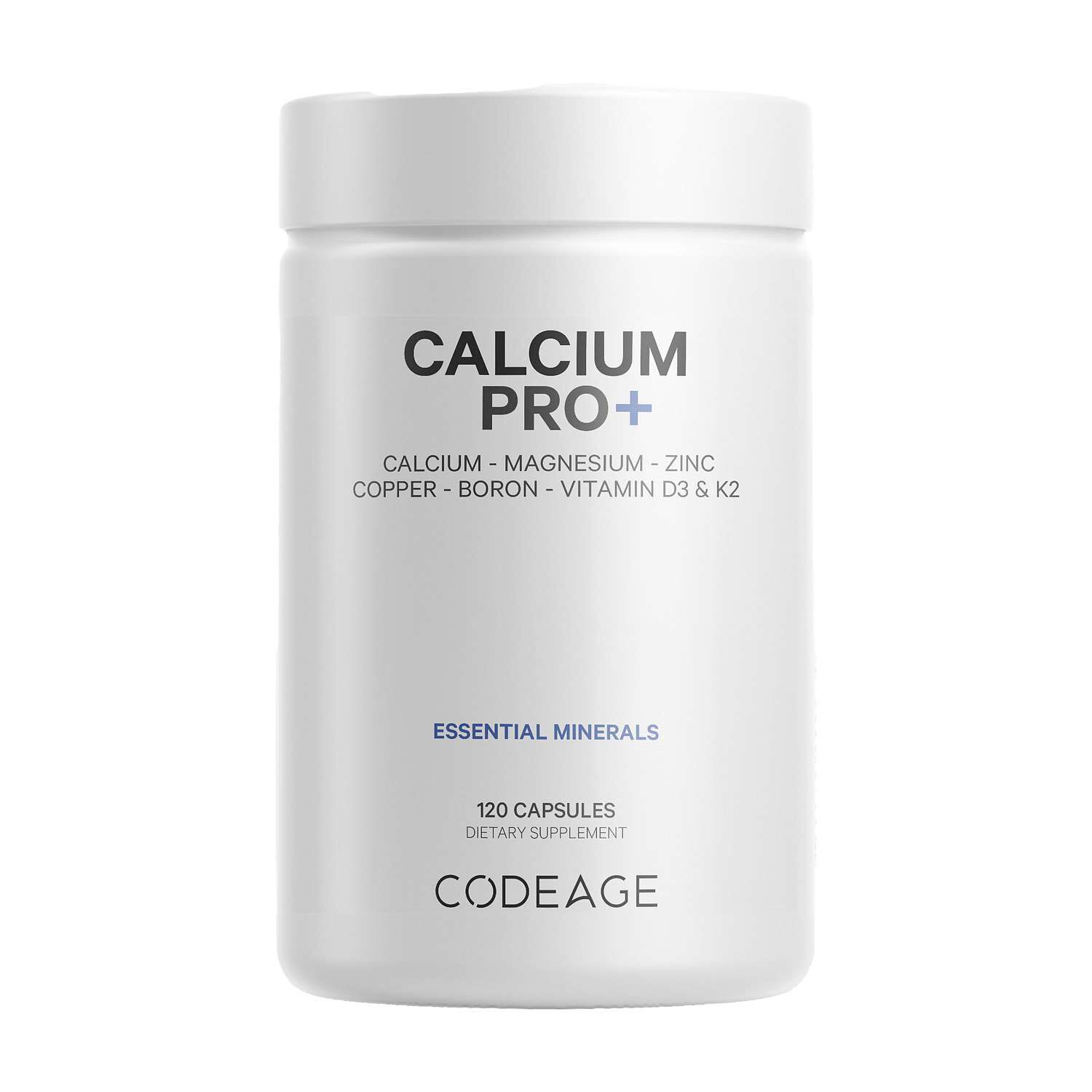
Women’s multivitamin capsules for bone health offer a convenient way to support overall wellness and help maintain healthy bones as part of a balanced lifestyle. With carefully selected blends of vitamins and minerals, these capsules are designed to fit seamlessly into daily routines. Explore options that may complement your nutritional needs and discover how women’s multivitamin capsules for bone health could be a valuable addition to your wellness journey.
-
-
 $39.99
 -
-

-

-
-

-
-

-

-

Women’s multivitamin capsules for bone health bring together vitamins and minerals in a capsule format intended for an adult daily nutrition routine. Formulas in this category may support general wellness while offering nutrients commonly associated with bone-focused nutrition, such as calcium, vitamin D, magnesium, and vitamin K. The ingredient combination varies, so two bottles with similar descriptions can have different nutrient amounts, serving sizes, and capsule materials. A women’s multivitamin is also different from a supplement devoted exclusively to bone-focused nutrition: it typically includes a broader assortment of nutrients, which may include B vitamins, vitamin C, zinc, and other minerals alongside ingredients associated with bones. That distinction matters when comparing a broad daily formula with a more narrowly focused option. A capsule containing many nutrients does not necessarily contain a substantial amount of each one, and calcium content deserves particular attention because it can vary considerably across multivitamin formulas. The Supplement Facts panel provides the clearest picture of what a serving contains, rather than the wording on the front of the bottle. Vitamin D may appear as D2 or D3, while vitamin K may appear in different forms, including K1 or K2; those names describe ingredient forms, not interchangeable product features. Magnesium and calcium can also appear in different compounds, which are identified within the ingredient listing. For shoppers comparing women’s bone health multivitamin capsules, those details offer a more useful starting point than a long list of ingredients alone. The intended audience matters as well. Some formulas are labeled for adult women broadly, while others are designed for a particular age range, such as women 50 and older. Age-specific labeling helps explain the formulation’s intended use, but it does not mean that every woman in that age group has the same nutritional preferences or requirements. The category is best understood as a range of daily supplement formats and ingredient combinations rather than a single standard formula.
Capsule construction is another meaningful part of the comparison. A capsule has an outer shell that holds the ingredients inside, often as a powder, while a caplet is a solid tablet shaped with rounded edges. Neither format, by itself, establishes the quality of the nutrients or how well a formula matches a shopper’s preferences. Capsule shells may be made from gelatin or plant-derived materials such as cellulose, and the shell composition appears in the other ingredients section. A plant-derived shell does not necessarily describe every ingredient inside it, so vegetarian or vegan preferences call for a look at the full label and any corresponding dietary designation. Vitamin sources, added colors, and ingredients used during manufacturing can also differ. Shoppers with particular ingredient preferences can compare those details alongside the nutrient panel rather than treating the capsule shell as the only consideration. Size and serving count are equally practical. A serving may consist of one capsule or several, and the number printed on the front of a bottle is not always the number of daily servings inside. For example, a bottle containing 60 capsules with a two-capsule serving provides 30 servings. That simple distinction makes it easier to picture how the package fits into a familiar routine. Someone who keeps supplements beside a breakfast place setting may prioritize a straightforward serving format, while someone with a carefully organized kitchen cabinet may pay closer attention to bottle dimensions and closure style. Label directions clarify whether the formula is intended to be taken with food and how the serving is defined. The percentage Daily Value offers another point of comparison, but a larger percentage does not automatically make one formula a better match. Amounts should be read per serving, with attention to units such as milligrams and micrograms. Taken together, ingredient forms, capsule materials, serving count, and labeled directions provide a grounded way to compare women’s multivitamin capsules without relying on the name of the category to explain everything about the contents.
Bone-focused nutrition is only one consideration within the broader women’s multivitamin category, and everyday preferences often shape which capsule format feels practical. Some shoppers want a broad nutrient assortment with selected minerals, while others are especially interested in how much calcium, magnesium, or vitamin D appears in each serving. Iron content is another formulation difference: some women’s multivitamins include it, and others omit it. The presence or absence of iron is a label detail to compare rather than a universal marker of suitability. A multivitamin may complement a varied eating pattern, but its nutrient panel does not describe everything supplied by meals and snacks. Foods have their own combinations of nutrients, and a supplement’s purpose remains distinct from the experience and variety of eating. For someone already using other nutritional supplements, placing the labels side by side makes repeated ingredients easier to recognize; similar packaging language can otherwise obscure how much the formulas overlap. Product care also deserves attention once a bottle becomes part of a household routine. Storage conditions and the expiration date belong in the comparison, particularly when choosing a container that will be opened regularly. Capsules are not designed for exposure to moisture, and the package’s storage directions provide the relevant handling details. A tightly closed original bottle keeps the ingredient panel, directions, lot information, and date together, making those details easier to find later. A dry cabinet away from a steamy shower or a kitchen sink is a practical location when it matches the labeled storage instructions, with supplements kept out of children’s reach. For shoppers comparing other women’s supplement formats and areas of focus, Multivitamin Caplets for Women's Reproductive Health offers a related category with a different stated purpose and a caplet format. Across these categories, the most informative distinctions remain the actual nutrient assortment, amounts per serving, intended audience, and physical format. Women’s multivitamin capsules for bone health can therefore be compared through concrete label details, with attention to both the formulation inside and the everyday handling of the bottle.