





Vitamin Tablets For Bone Health
(0 Results)
Vitamin tablets for bone health are designed to support your wellness routine and help you maintain an active lifestyle. Whether you’re looking to complement your daily nutrition or seeking additional support as part of your fitness goals, these tablets may offer a convenient way to get key nutrients. Explore a variety of options that could fit seamlessly into your day and discover how vitamin tablets for bone health may help you feel your best every step of the way.
-

-

-
-

-

-

-
-
 10$17.99
-

-

-
-
-
_Front.jpg?sw=305&sh=305&sm=fit "Junior Multi - 90 Tablets - 90 Tablets (90 Servings) | GNC")
-

-
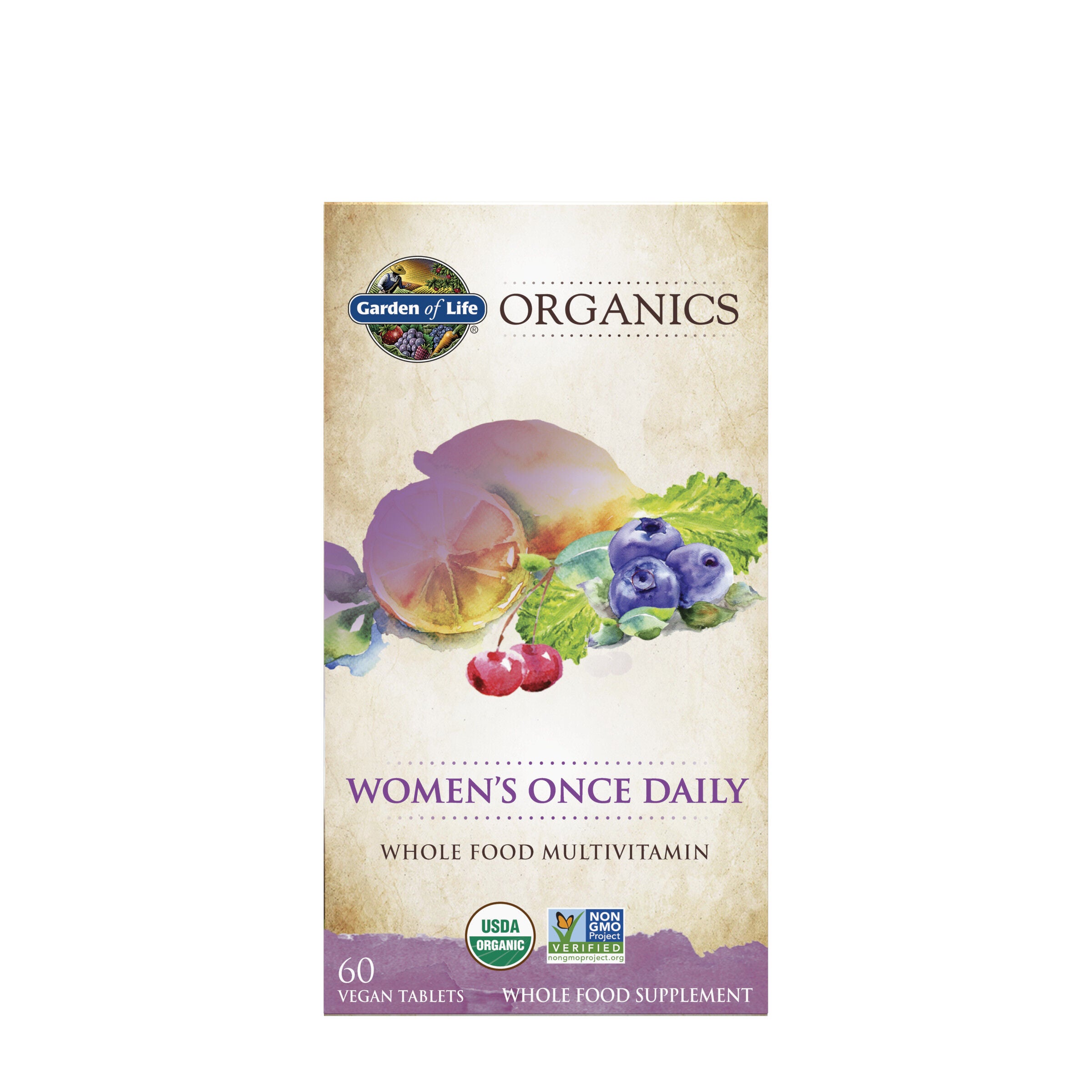


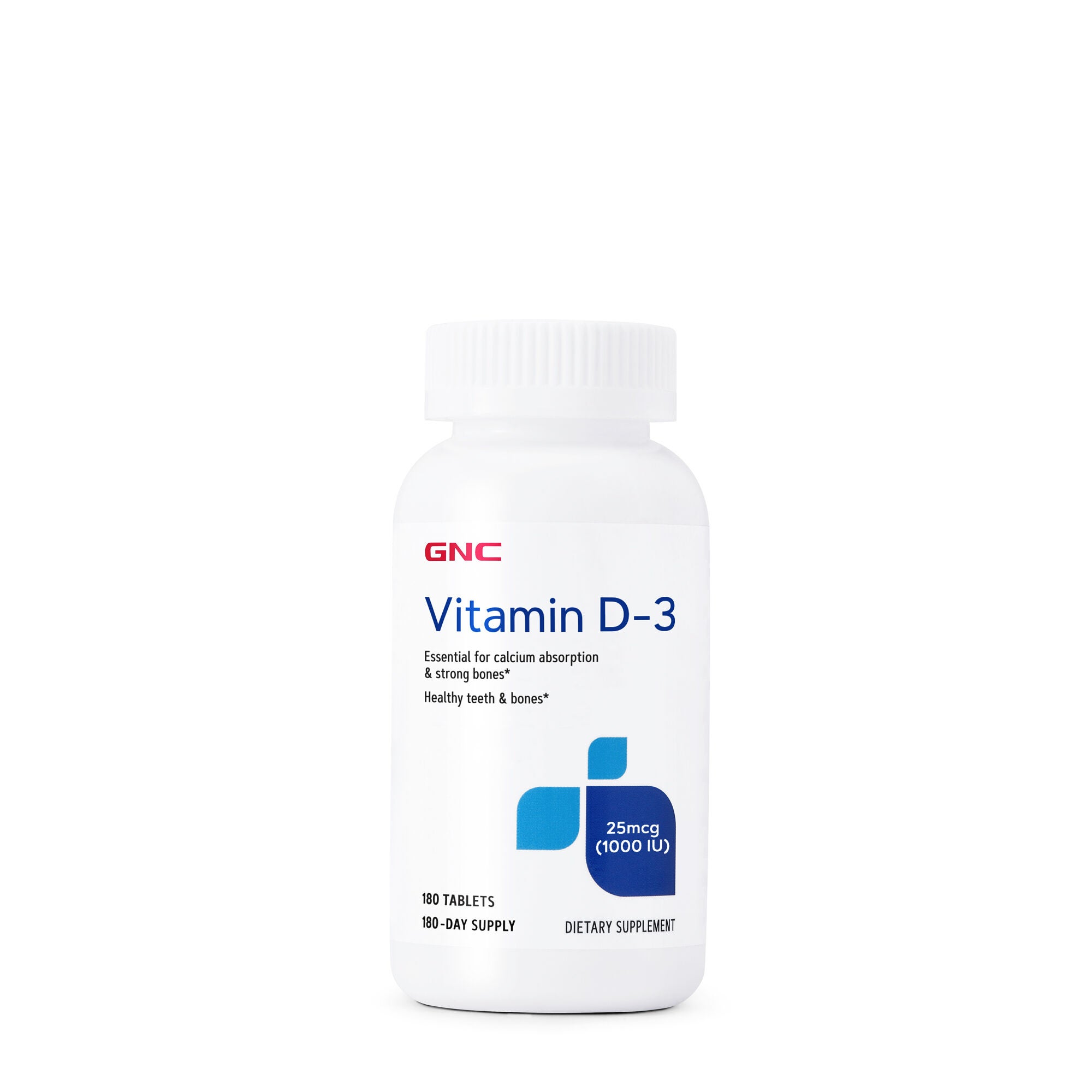
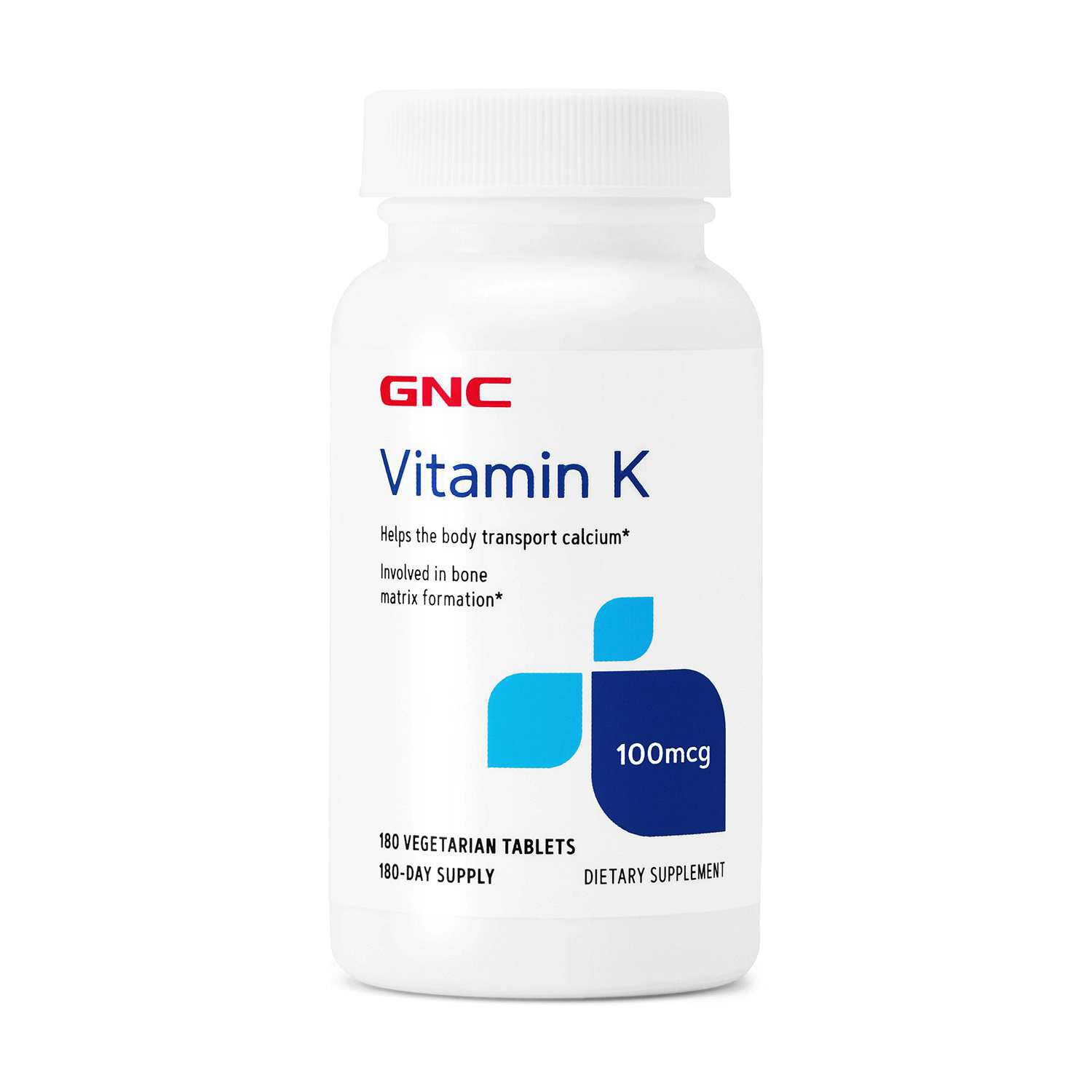


_Front.jpg?sw=305&sh=305&sm=fit "Pure Way-C Vitamin C and Bioflavonoids 1000+ mg - 90 Tablets (90 Servings) | GNC")
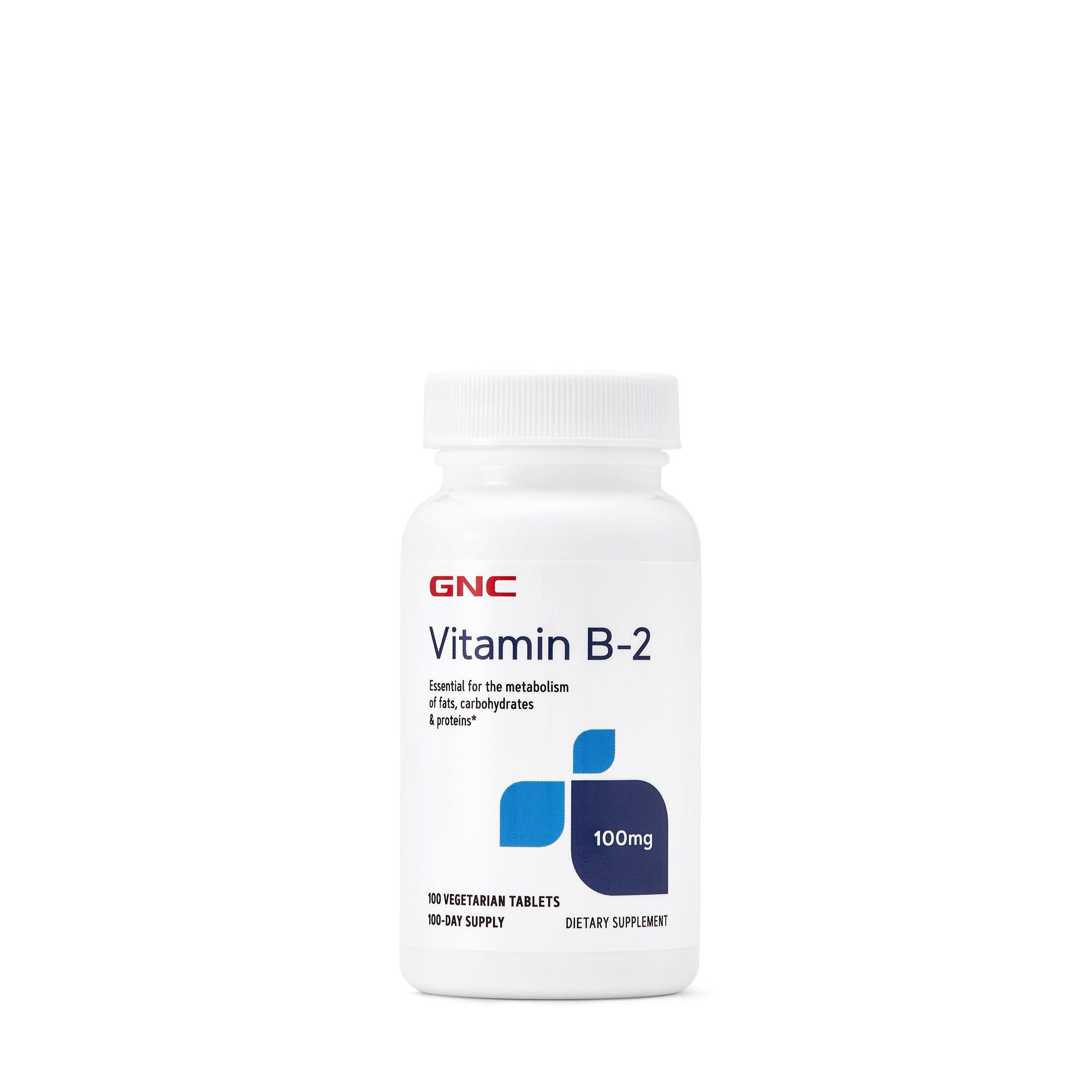

Vitamin tablets for bone health commonly feature calcium and vitamin D, sometimes alongside magnesium or vitamin K. These nutrients may support normal bone maintenance as part of a varied diet, but formulas differ in their ingredients, serving sizes, and intended use. Calcium and magnesium are minerals rather than vitamins, so a product described as a bone health vitamin may contain both types of nutrients. Vitamin D may help the body absorb calcium, while vitamin K may support proteins involved in normal bone maintenance. A formula does not need the longest ingredient list to be a thoughtful match for a particular routine. The meaningful distinctions are often on the Supplement Facts panel: which nutrients are included, how much each serving provides, and how many tablets make up that serving. Food provides important context, too. Dairy foods, fortified beverages, leafy vegetables, beans, and other foods contribute different nutrients, making a supplement only one part of the bigger picture. Someone who regularly eats yogurt and drinks fortified milk may approach the category differently from someone whose meals contain few calcium-rich foods. Neither situation points to a single tablet that suits everyone. Within this category, labels may identify calcium carbonate or calcium citrate, vitamin D2 or D3, and vitamin K1 or K2. These names distinguish ingredient forms; they are not interchangeable descriptions of an identical formula. Vitamin D3 is also called cholecalciferol, while vitamin D2 is called ergocalciferol, so those longer names may appear in ingredient information. Calcium citrate and calcium carbonate likewise identify different calcium compounds. Comparing these details keeps the focus on what a tablet actually contains rather than broad language on the front of a bottle. Bone health tablets are best understood as a format for supplemental nutrients, not as a replacement for meals or a shortcut to a particular result. Their suitability depends on the individual, the rest of the diet, and the product’s labeled purpose.
The tablet itself deserves attention alongside its nutrient profile. A bottle with a serving size of several tablets represents a different daily routine from one labeled for a single tablet, even when the front labels feature similar nutrient names. The amount listed on the Supplement Facts panel generally corresponds to the stated serving, so the serving-size line provides context for every number beneath it. Tablet dimensions, shape, coating, and texture also matter to the experience of using the product. A dense mineral tablet may be larger than a vitamin-only tablet, and an elongated shape may feel different from a round one. A smooth coating may make a tablet more comfortable to swallow, although preferences vary. Chewable tablets are a distinct option with their own directions, flavors, and ingredient considerations; a conventional tablet should not be assumed to be chewable simply because it looks small. For someone who dislikes sweet flavors, a swallowable tablet may be appealing, while someone who prefers a chewable format may pay closer attention to sweeteners and texture. These are practical differences rather than measures of nutritional quality. The other-ingredients list adds another layer of detail, identifying components used to bind the tablet, create its coating, or maintain its shape. Dietary preferences may also influence the comparison. Vegetarian labeling, ingredient sources, and statements about milk, soy, wheat, or other allergens deserve their own review rather than assumptions based on the nutrient name. For example, vitamin D3 may come from different sources, and a formula’s suitability for a plant-based routine depends on more than its calcium content. Packaging details can be useful as well: a clearly printed serving size, readable directions, and an easy-to-identify date make repeat use less cumbersome. If a label displays an independent testing certification, the named organization and the scope of that certification provide more useful context than a general impression of quality. None of these details establishes that one formula is the right choice for every shopper, but together they make differences between tablets easier to understand.
Intended use gives those comparisons a practical setting. An adult looking for a straightforward calcium-and-vitamin-D tablet may have different preferences from someone comparing a combination formula that also includes magnesium and vitamin K. A person who already uses a multivitamin has another label to consider, since some nutrients may appear in both products. Looking at the ingredient lists and serving information together gives a clearer picture than judging either bottle in isolation. Age designations matter as well: an adult formula and a tablet labeled for another age group are not interchangeable simply because they share familiar ingredients. For a wider view of nutrient combinations and formats, Supplements For Bone Health offers a related category to explore alongside vitamin tablets. Day-to-day fit extends beyond the ingredient panel. Someone packing breakfast before an early commute may value simple, readable directions, while someone maintaining a shared household shelf may care about containers that are easy to distinguish. The manufacturer’s directions establish whether a tablet is intended to accompany food and how it should be used; a similar-looking bottle may have different instructions. Storage deserves the same attention. A steamy bathroom, a sunny windowsill, or a container left open beside the kitchen sink may not match the labeled storage conditions. Original packaging keeps the product name, directions, ingredient information, and date together, while a securely closed container may help limit exposure to moisture. Any travel container involves a trade-off in label access, particularly when tablets look alike. Following the package’s storage directions and keeping supplements out of children’s reach are practical parts of caring for the product. The most useful comparison ultimately brings several details together: the nutrients and their forms, the amount per labeled serving, the physical tablet, dietary preferences, and the intended user. That approach keeps vitamin tablets for bone health grounded in everyday use, with attention to what is inside the bottle and how the format may fit an established routine.
Best Sellers



Related Pages


Top Collections
- Daily Collagen Supplements | Top Brands & Deals | GNC
- Joint Mobility Supplement Packs
- Zinc Supplements | Top Brands at Great Prices | GNC
- GLP 1 Support For Adults
- Supplements For Yoga Joint Flexibility
- Supplements For Balance
- Capsule Supplements For Energy And Stamina
- Adult Mobility Supplements
- Chronic Fatigue Supplements
- Vitamins For Hair Loss