





Multivitamin Caplets For Women's Reproductive Health
(0 Results)
Multivitamin caplets for women's reproductive health are designed to support the unique nutritional needs of women at every stage of life. With a thoughtful blend of vitamins and minerals, these supplements may help fill potential nutrient gaps in your daily routine. Whether you’re looking to maintain overall wellness or support your body’s natural processes, explore a range of multivitamin caplets for women's reproductive health that fit seamlessly into your lifestyle.

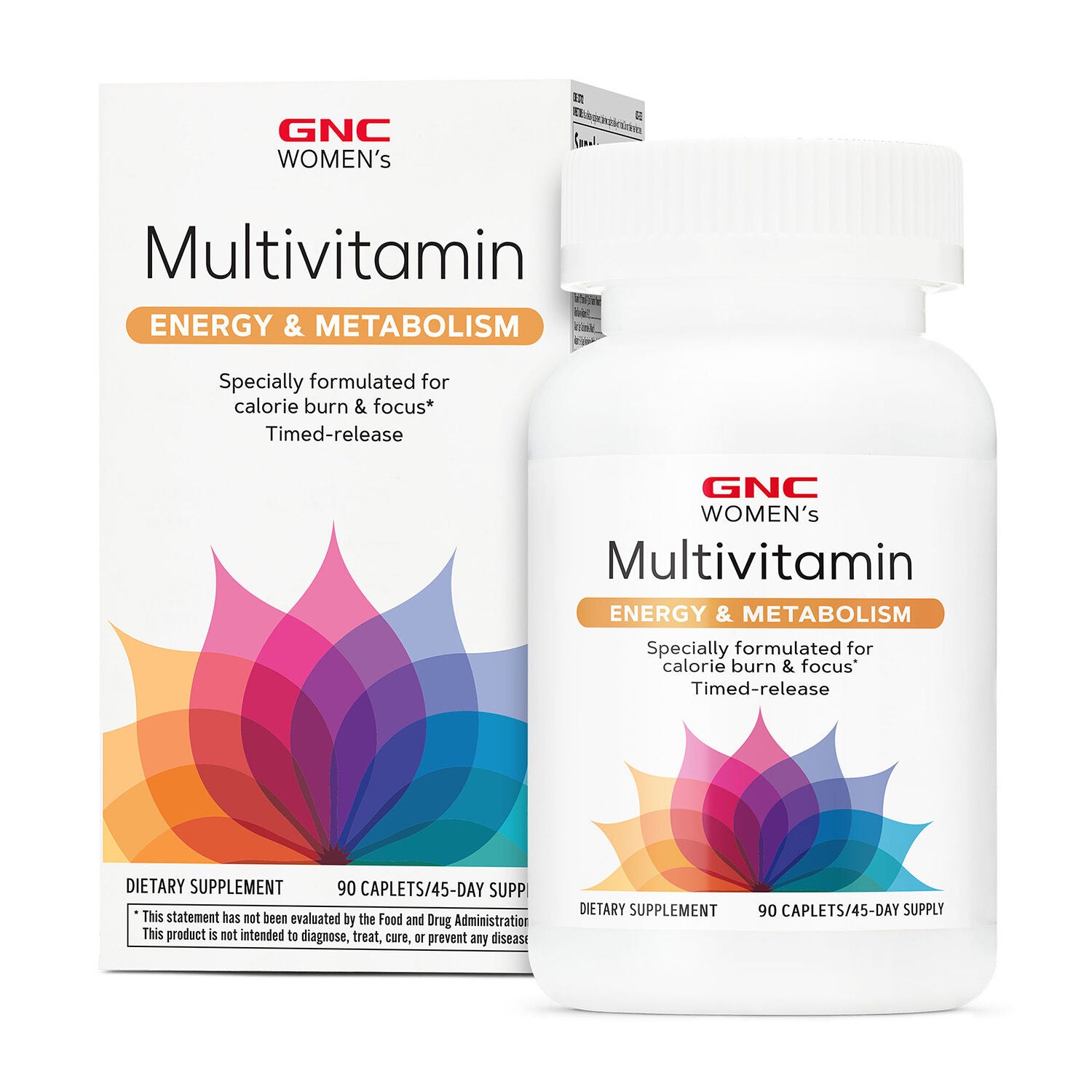

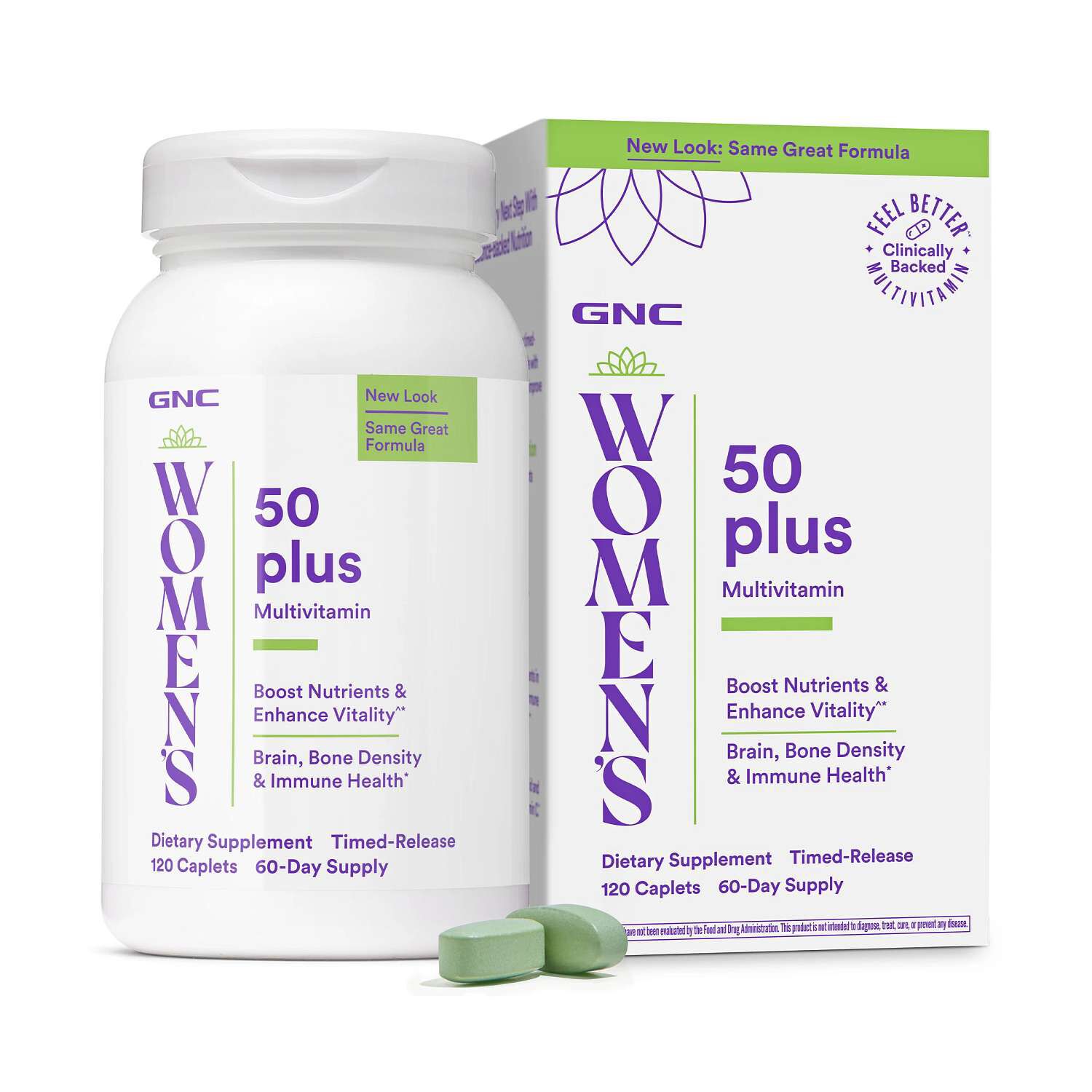
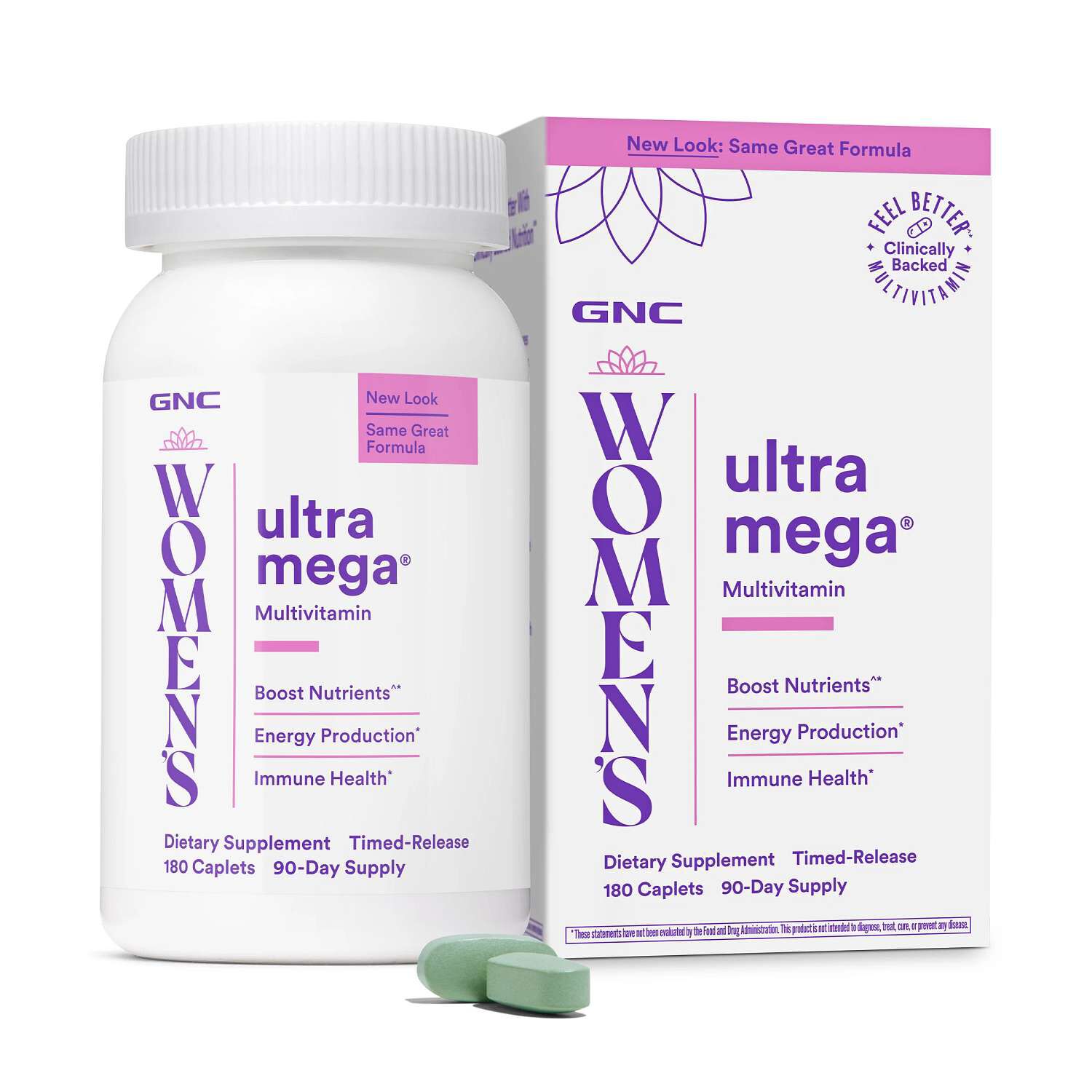
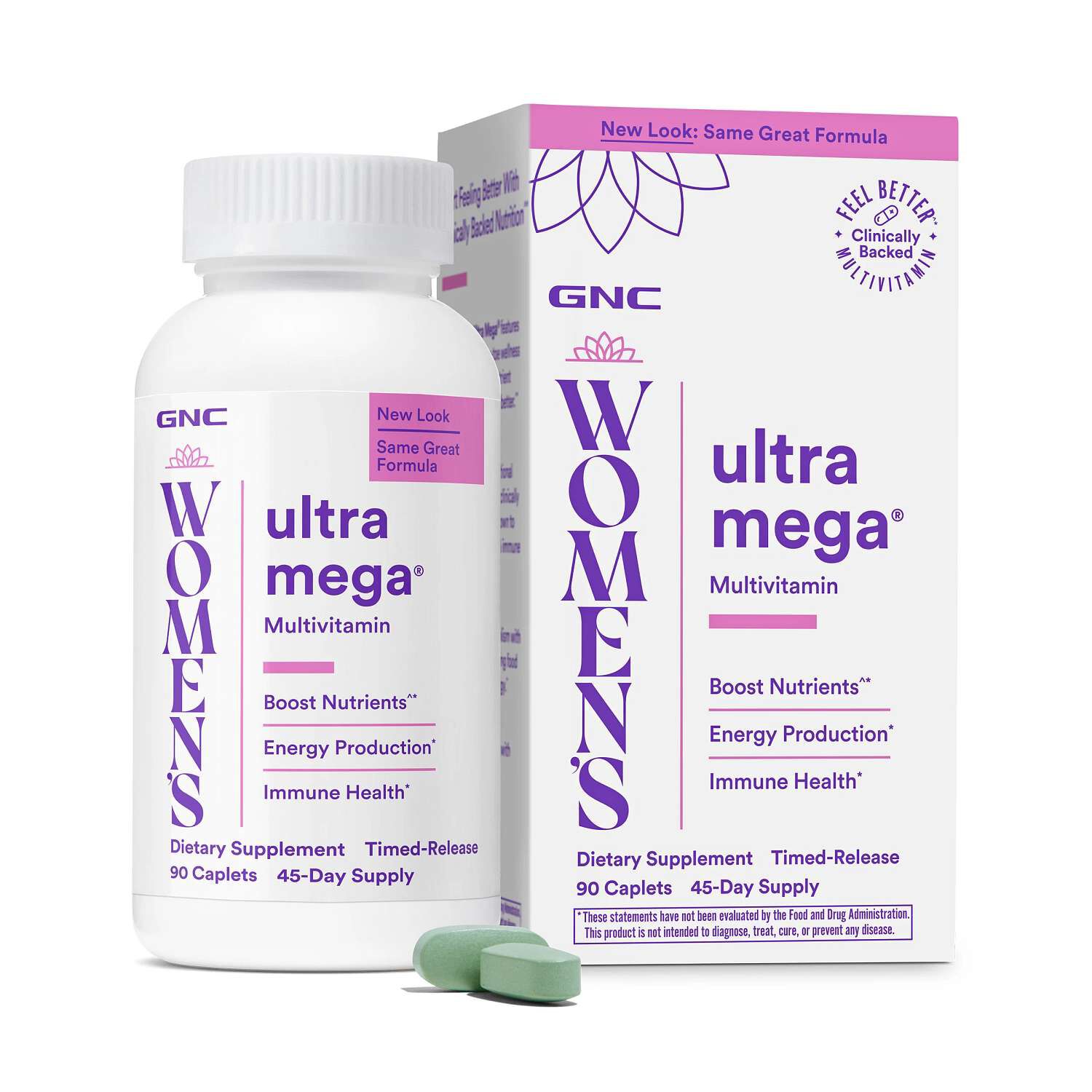
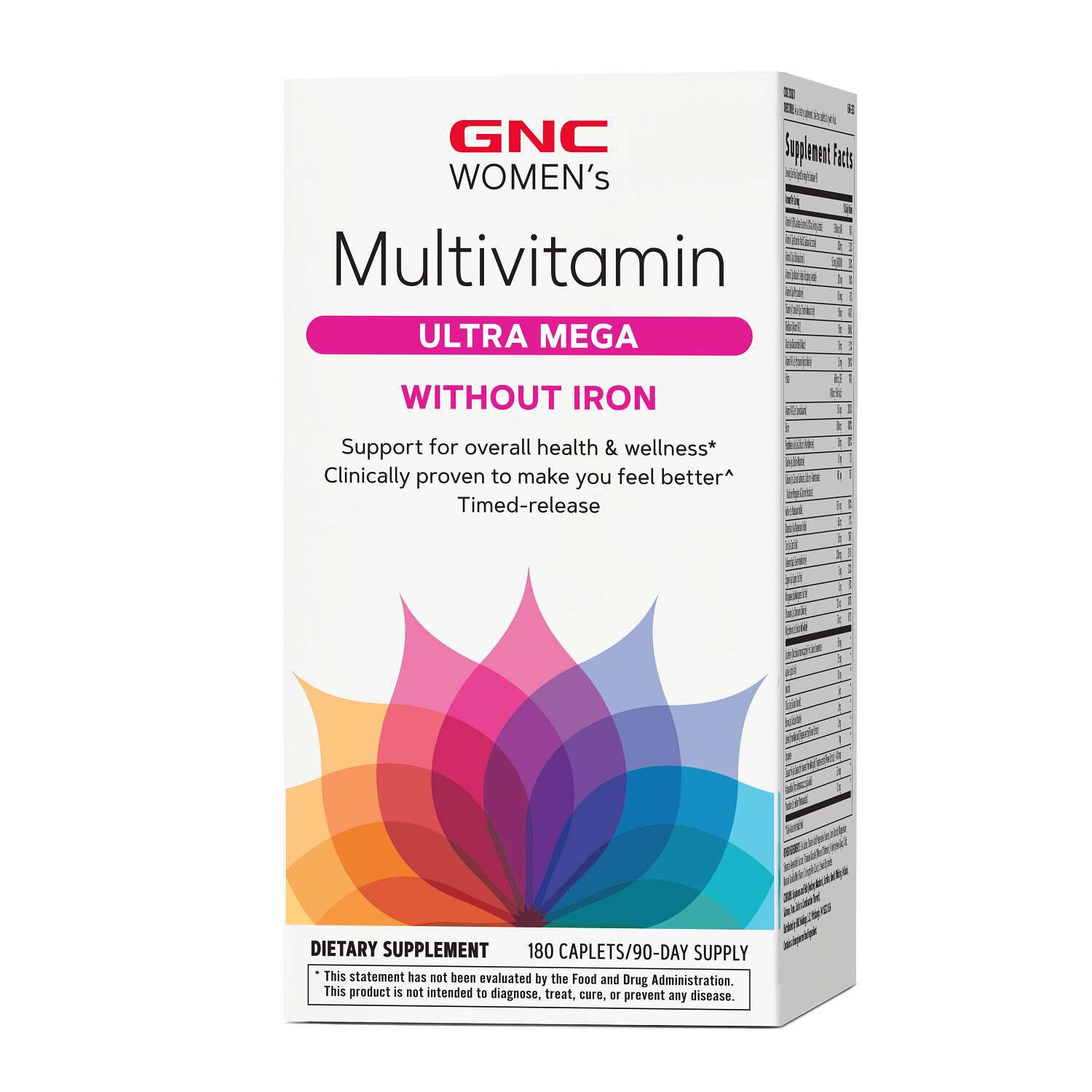

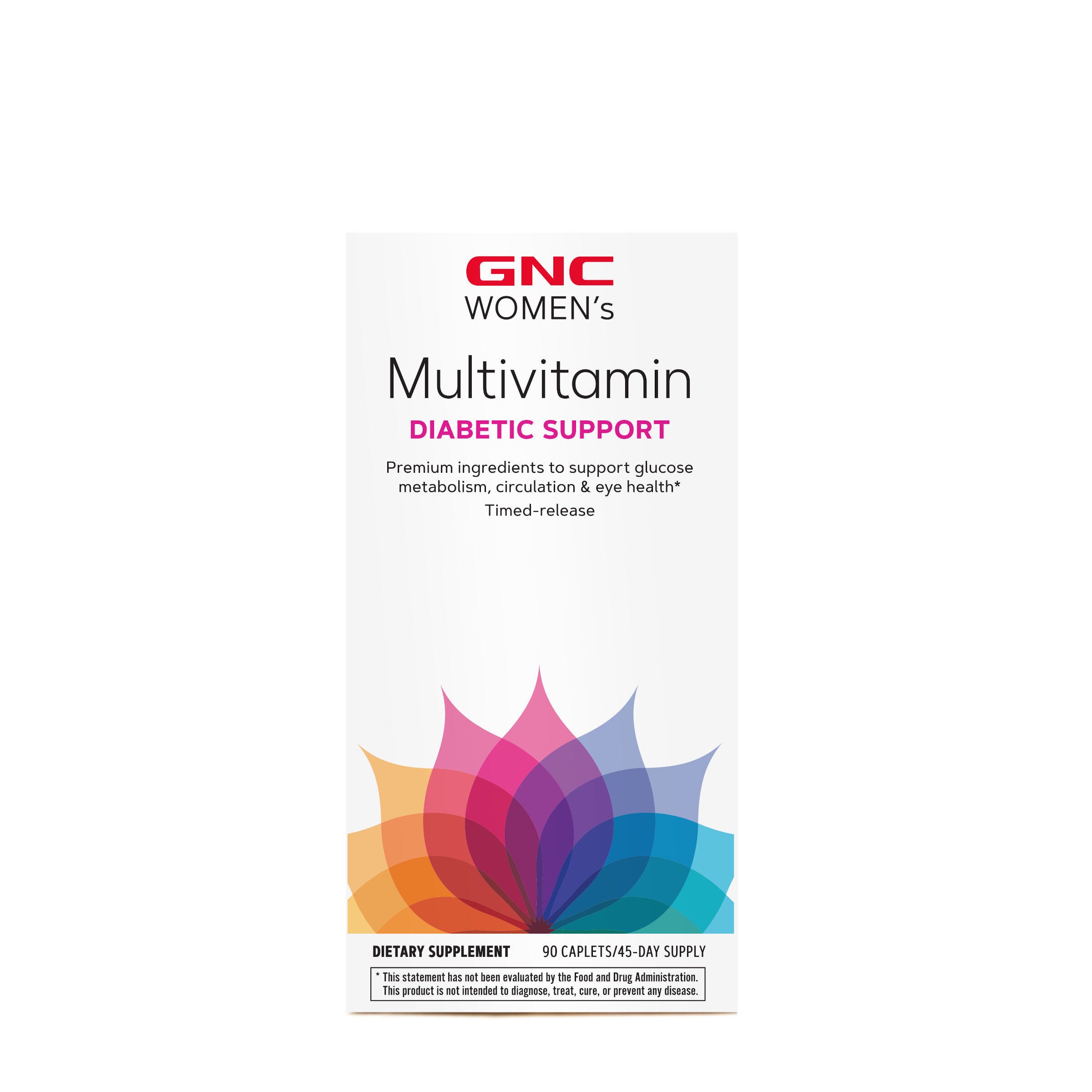

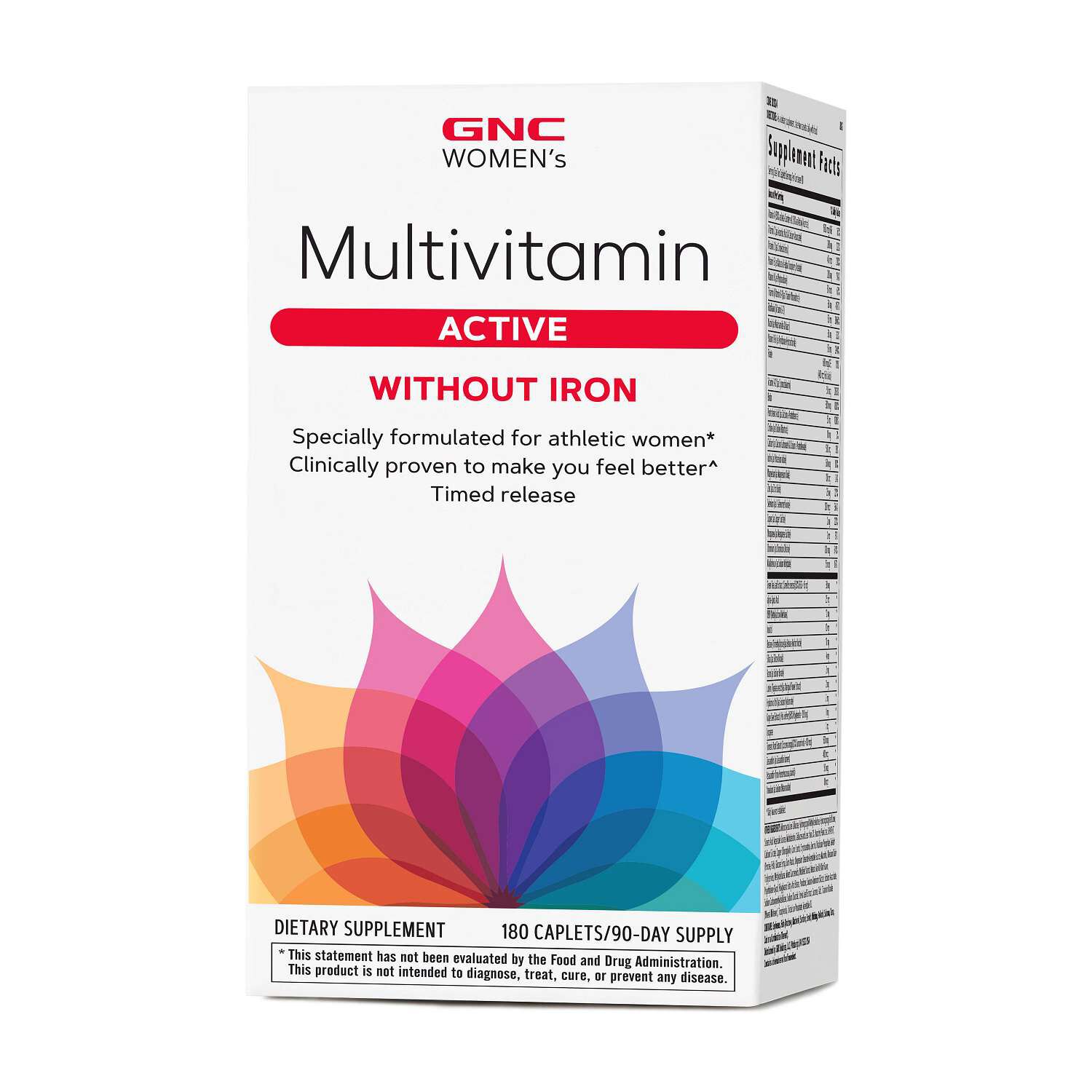
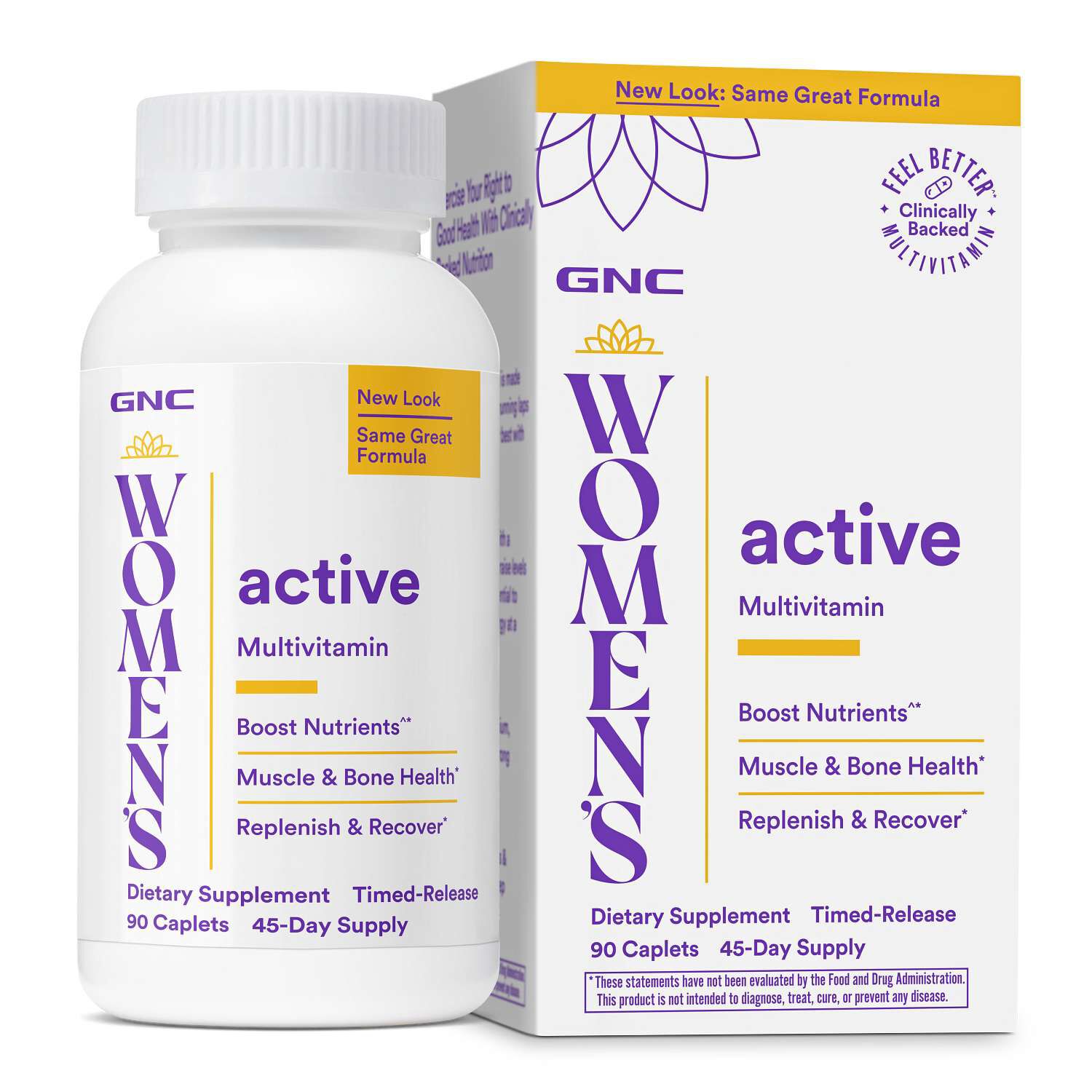
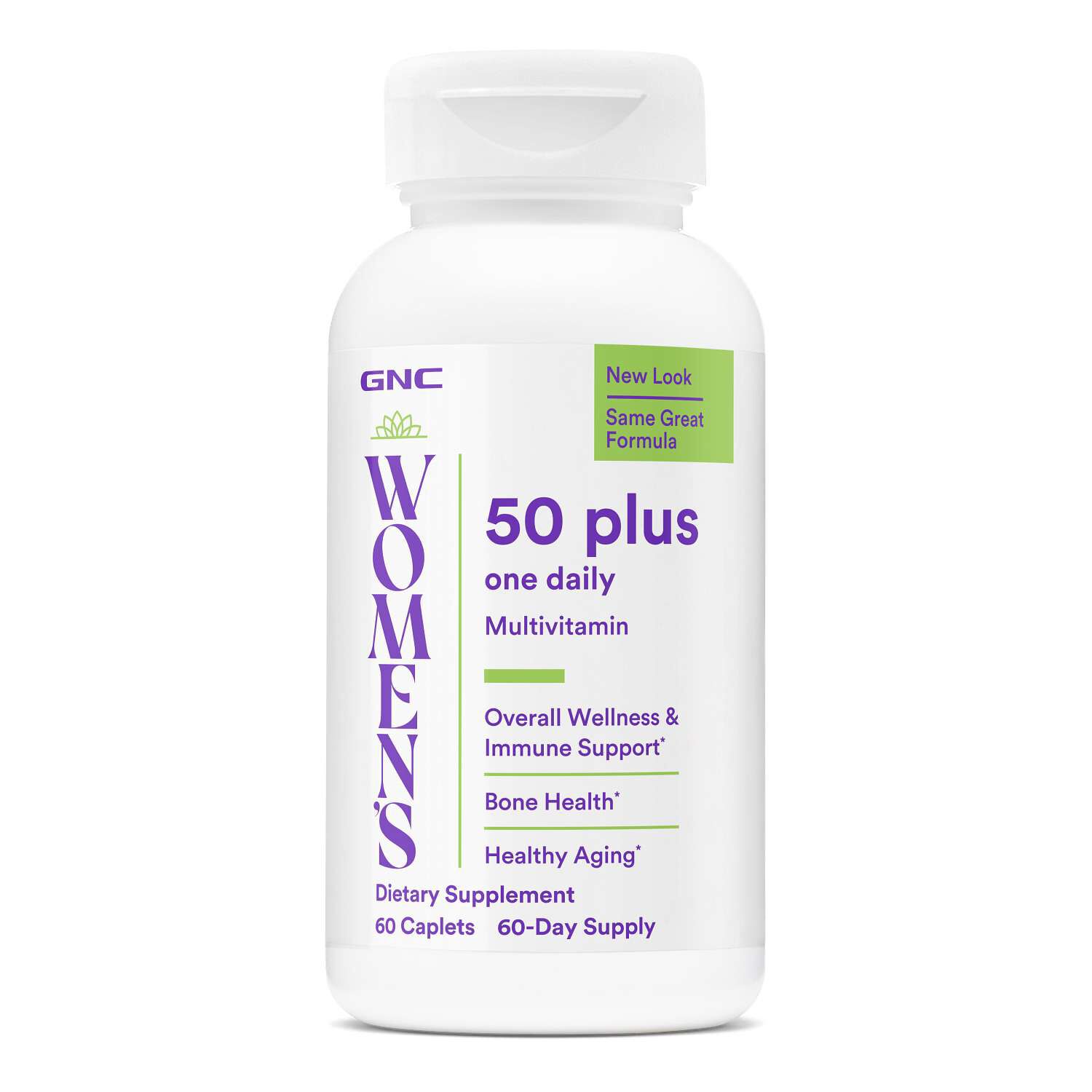
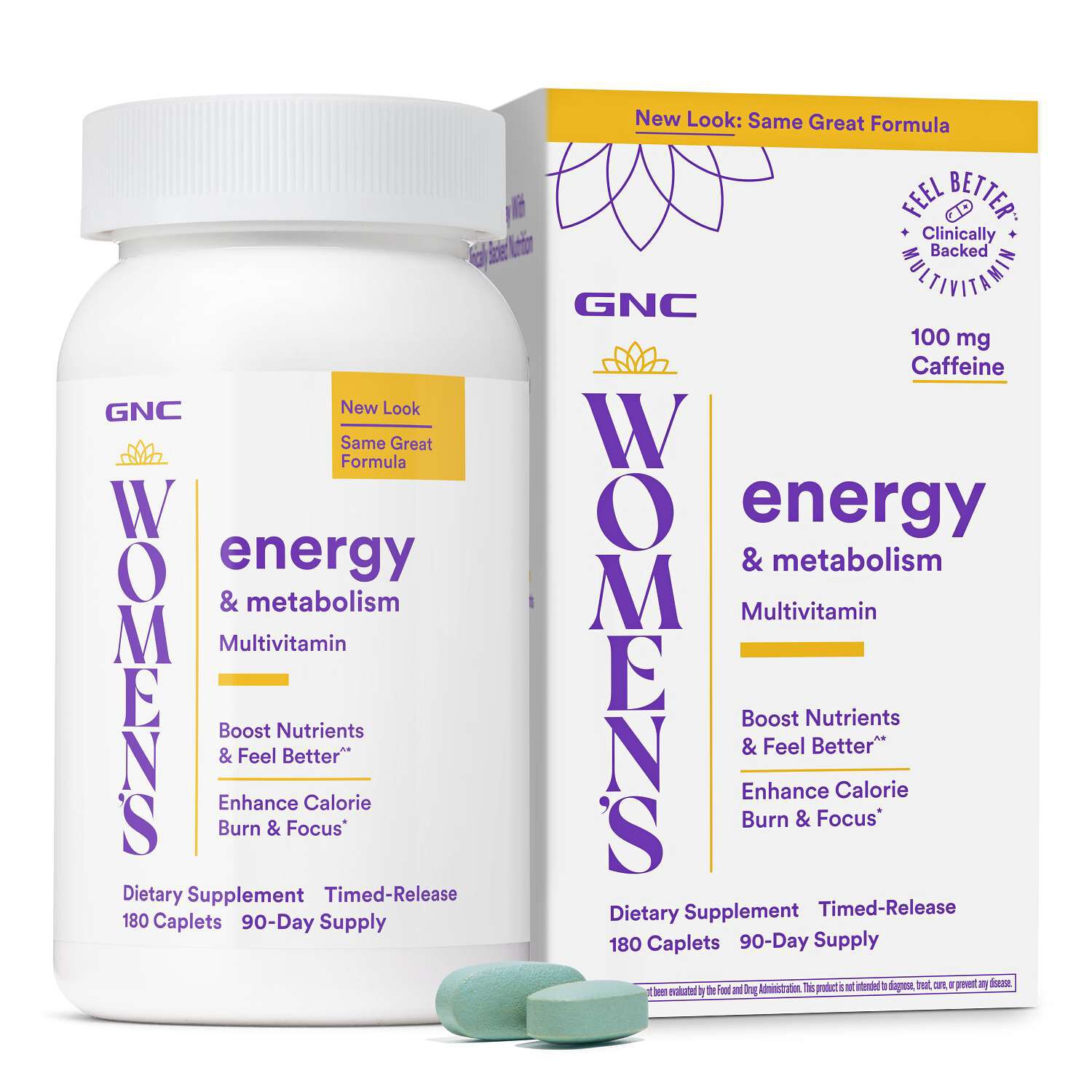
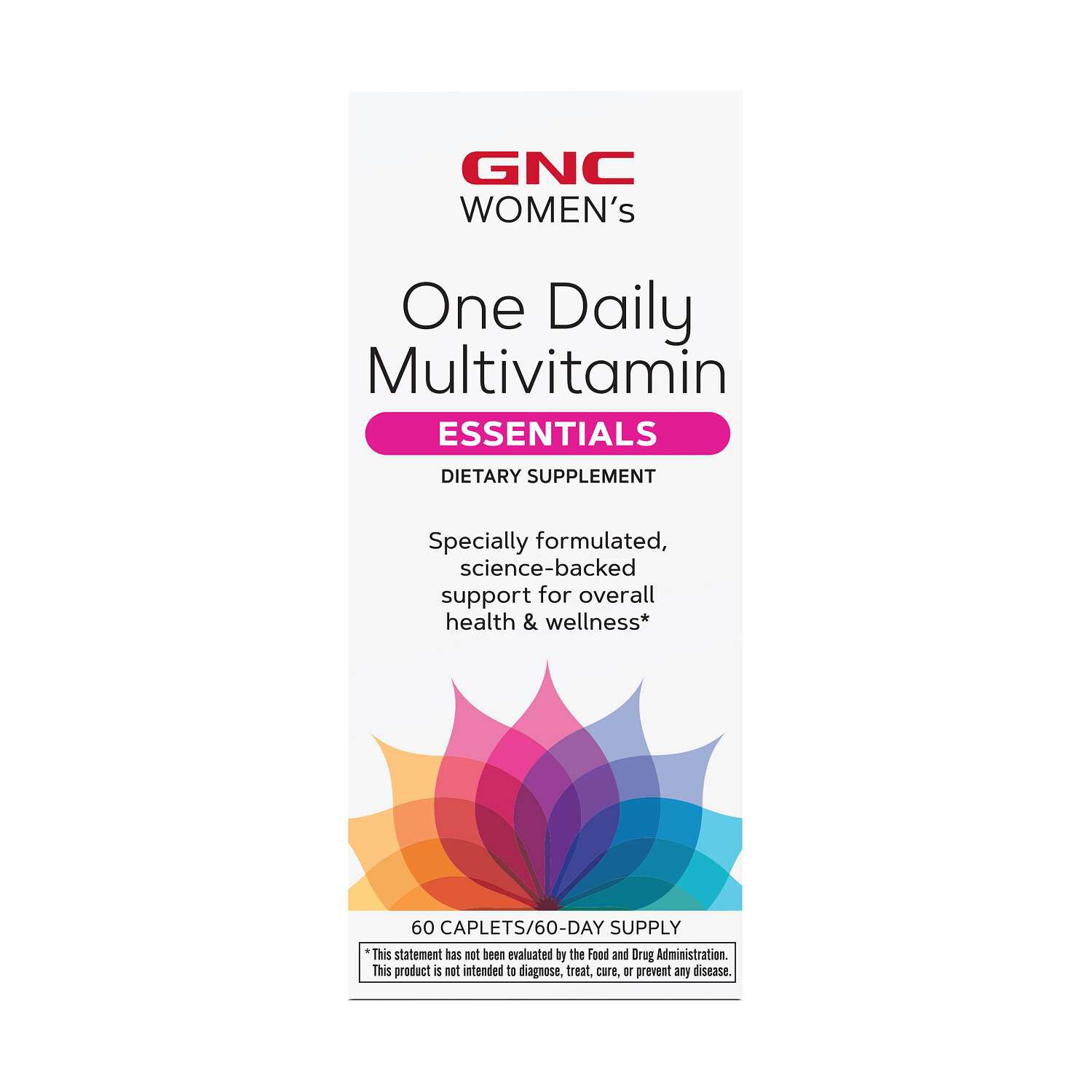
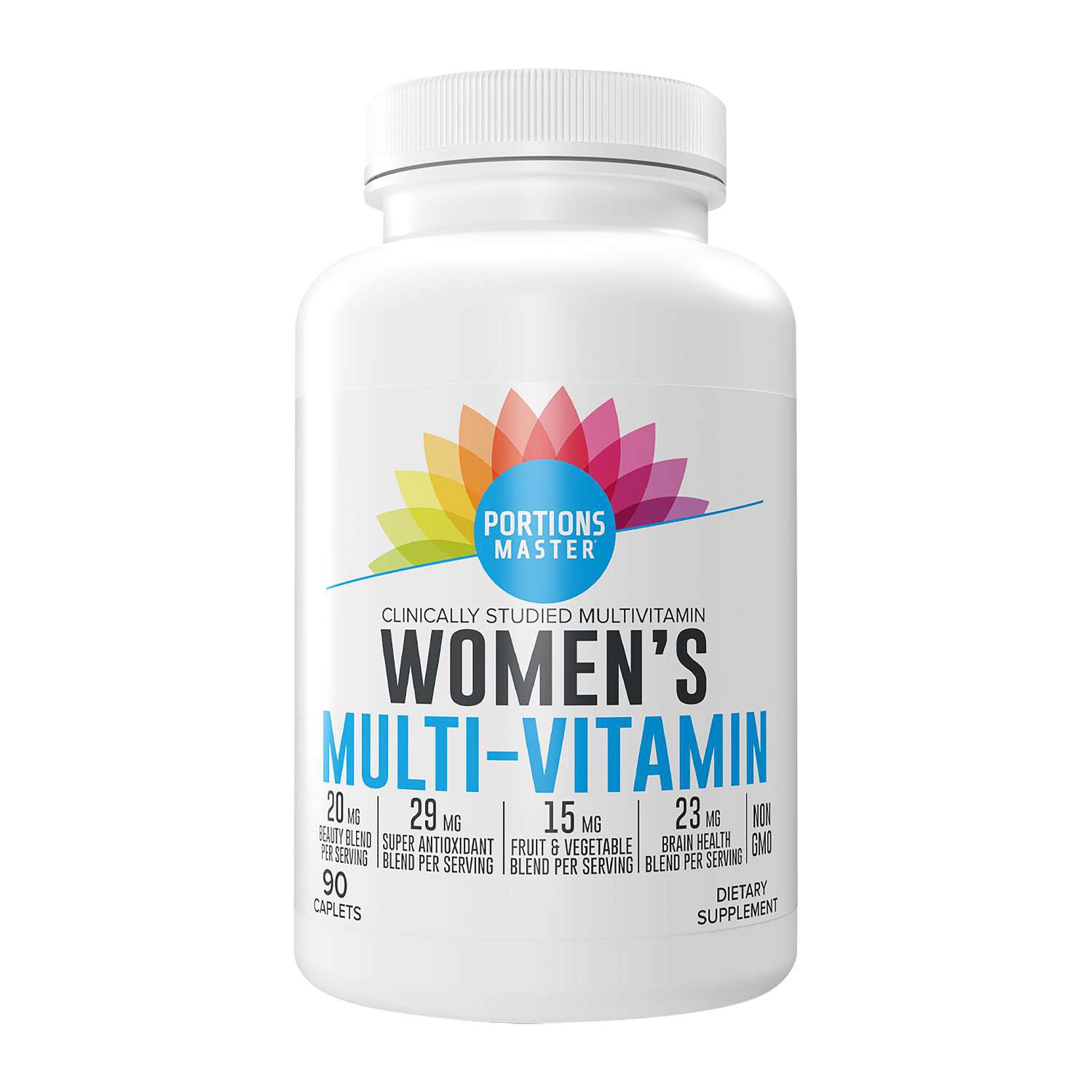
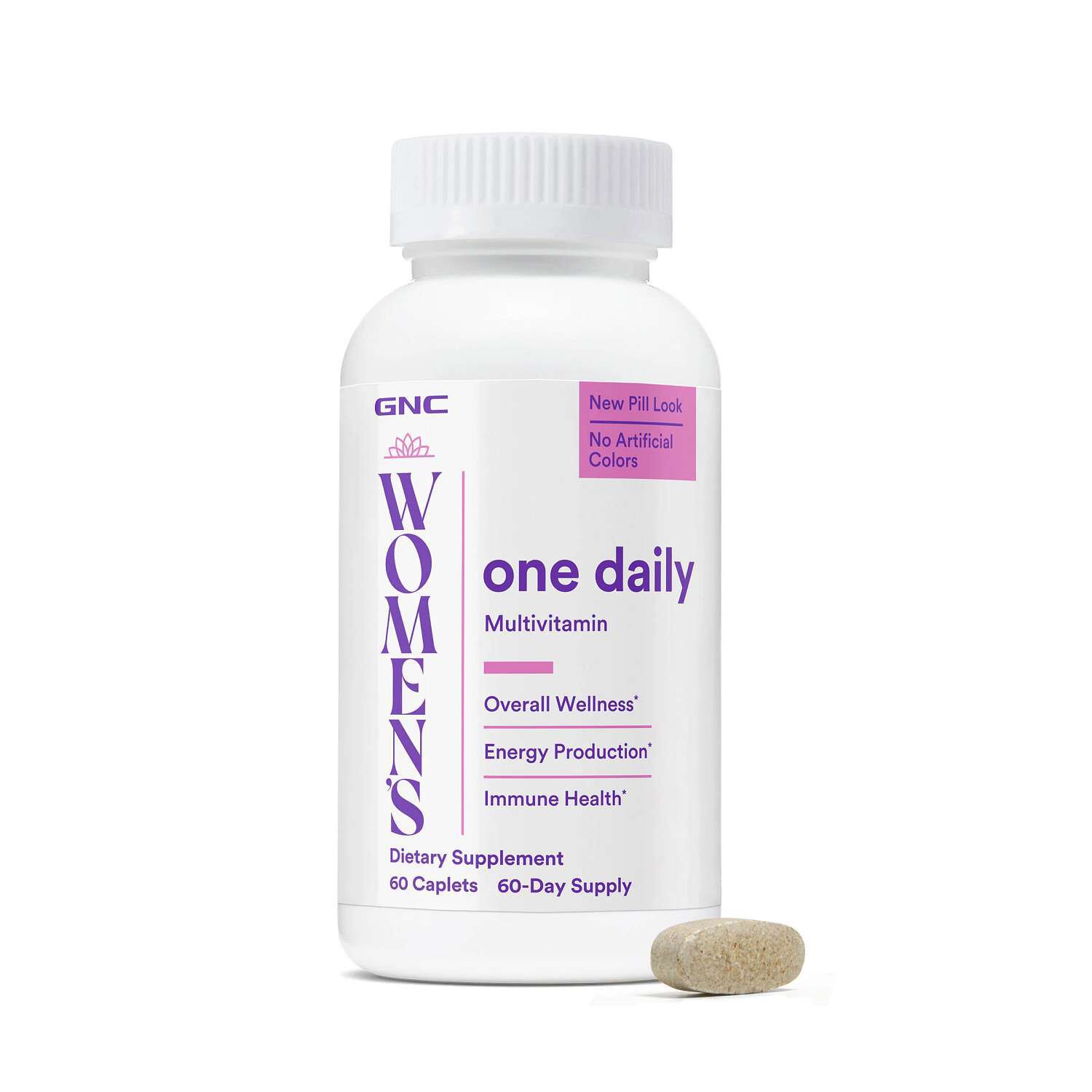
Multivitamin caplets for women's reproductive health are a category of adult supplements organized around women's nutrition and reproductive life stages. These formulas may help complement everyday dietary intake, but the category name alone does not describe the ingredients, serving size, or intended audience of a particular formula. A caplet is a compressed tablet, usually shaped with rounded ends, rather than a capsule with a separate outer shell. Within this format, formulas can contain combinations of vitamins and minerals such as folate, iron, iodine, zinc, and vitamins B6, B12, C, D, and E. The selection and amounts vary, so two bottles with similar wording on the front can have different Supplement Facts panels. Folate may appear on a label as folic acid or another named form, while mineral ingredients can be listed with the compounds that supply them. Those details identify what is in the formula; they do not establish how an individual will respond. General women's multivitamins, prenatal multivitamins, and other formulas with reproductive-health positioning are distinct categories, even when their ingredient lists overlap. Their stated uses and intended life stages can differ, and a reproductive-health description does not by itself mean a formula is intended for pregnancy. For an adult browsing with everyday nutrition in mind, clear labeling may be more useful than broad language about balance or vitality. A bottle that spells out its intended audience, serving information, and ingredient forms may offer a more concrete picture of its contents. Product descriptions in this category describe formulation and intended use, not predictions about conception, menstrual patterns, or pregnancy outcomes. The role of a multivitamin is nutritional supplementation, rather than a replacement for varied meals or a measure of reproductive well-being. Whether the surrounding routine includes breakfast at home, lunch packed for work, or meals shared with family, the relevant comparison remains grounded in what the formula contains and which adult audience it was designed for.
Serving information is an important distinction among women's multivitamin caplets because one caplet is not always one labeled serving. A serving may consist of more than one caplet, and the nutrient amounts on the Supplement Facts panel correspond to that stated serving. Bottle count and serving count therefore describe different things. Directions also vary by formula, so a once-daily description cannot be assumed from the caplet format alone. The percentage of Daily Value is a standardized labeling reference rather than a personalized nutrition target, and a longer nutrient list does not establish that one formula is more suitable for a particular person. Beyond the vitamin and mineral panel, the other-ingredients list describes materials used to form, bind, coat, or color the caplet. Depending on the formulation, these can include cellulose, starches, and other processing ingredients. Some caplets have a film coating that may make their surface feel smoother, although shape and coating do not establish how comfortable the format will be for everyone. Dimensions matter, too: two oblong caplets can differ noticeably in length and thickness. Someone accustomed to a small tablet may notice that distinction more than someone already familiar with larger solid supplements. A caplet also has a different texture and use experience from a flavored gummy, chewable tablet, powder, or liquid. It does not have the two-piece construction associated with many capsules, but its compressed form alone says little about the source of every ingredient. Vegetarian or vegan preferences, food-allergen considerations, and preferences about added colors depend on the finished formula and its labeling. Ingredient-source information may help distinguish otherwise similar options without relying on packaging color or broad front-label descriptions. For shoppers comparing reproductive-health multivitamins, these physical and formulation details may be as relevant to everyday fit as the number of nutrients listed on the bottle.
The practical side of a multivitamin caplet continues beyond its ingredient list. A bottle intended to sit in a home cabinet presents different handling considerations from one carried regularly in a work bag, and the container's closure, label readability, and storage directions are meaningful parts of that experience. Repeated exposure to moisture can affect the condition of compressed tablets, while friction during transport can leave powder or worn edges inside a container. The original packaging carries the formula name, ingredient information, directions, printed date, and manufacturing details; an unlabeled travel compartment does not preserve that same context. These details are particularly relevant when several supplements share a similar size or appearance. Storage information belongs to the individual formula, just as serving directions do, and packaging instructions describe the conditions intended for that product. Clear separation between nutritional categories also matters when browsing related options. Women's Multivitamin Capsules for Bone Health offers a related category with a different format and nutritional focus. That distinction illustrates why the words caplet, capsule, women's, prenatal, and reproductive health each convey only part of a formula's identity. A format name describes the physical presentation, while the Supplement Facts panel and stated use provide more specific information about its contents and audience. For someone comparing a familiar multivitamin format with a different formulation, those details may make differences easier to understand without treating all women's supplements as equivalent. Personal preferences can be concrete: a clearly printed label, a container that closes securely, an ingredient list aligned with dietary preferences, or a serving format that fits an established routine. Women's reproductive-health multivitamin caplets may have a place within that broader approach to everyday nutrition, with their relevance resting on the individual formula rather than assumptions attached to the category name. The most informative descriptions keep ingredients, format, intended use, and practical handling visible, allowing the category to be understood through specific product characteristics rather than sweeping statements about reproductive health.
Best Sellers
Related Pages

Top Collections
- Zinc Supplements For Men
- Daily Collagen Supplements | Top Brands & Deals | GNC
- Supplements For Yoga Joint Flexibility
- Chronic Fatigue Supplements
- Capsule Supplements For Energy And Stamina
- Adult Vitamins
- Metabolism Boost For Weight Loss
- Burnout Support Supplements
- Vitamins For Hair Loss
- Supplements For Balance