Women's Multivitamin With Calcium
(0 Results)
Women’s multivitamin with calcium options are designed to help support overall wellness as part of a balanced lifestyle. These supplements may offer a convenient way to fill potential nutritional gaps and complement your daily routine. Whether you’re looking for a multivitamin that may provide key vitamins and minerals or seeking an option that includes calcium, explore a variety of choices that could fit your individual needs and preferences.


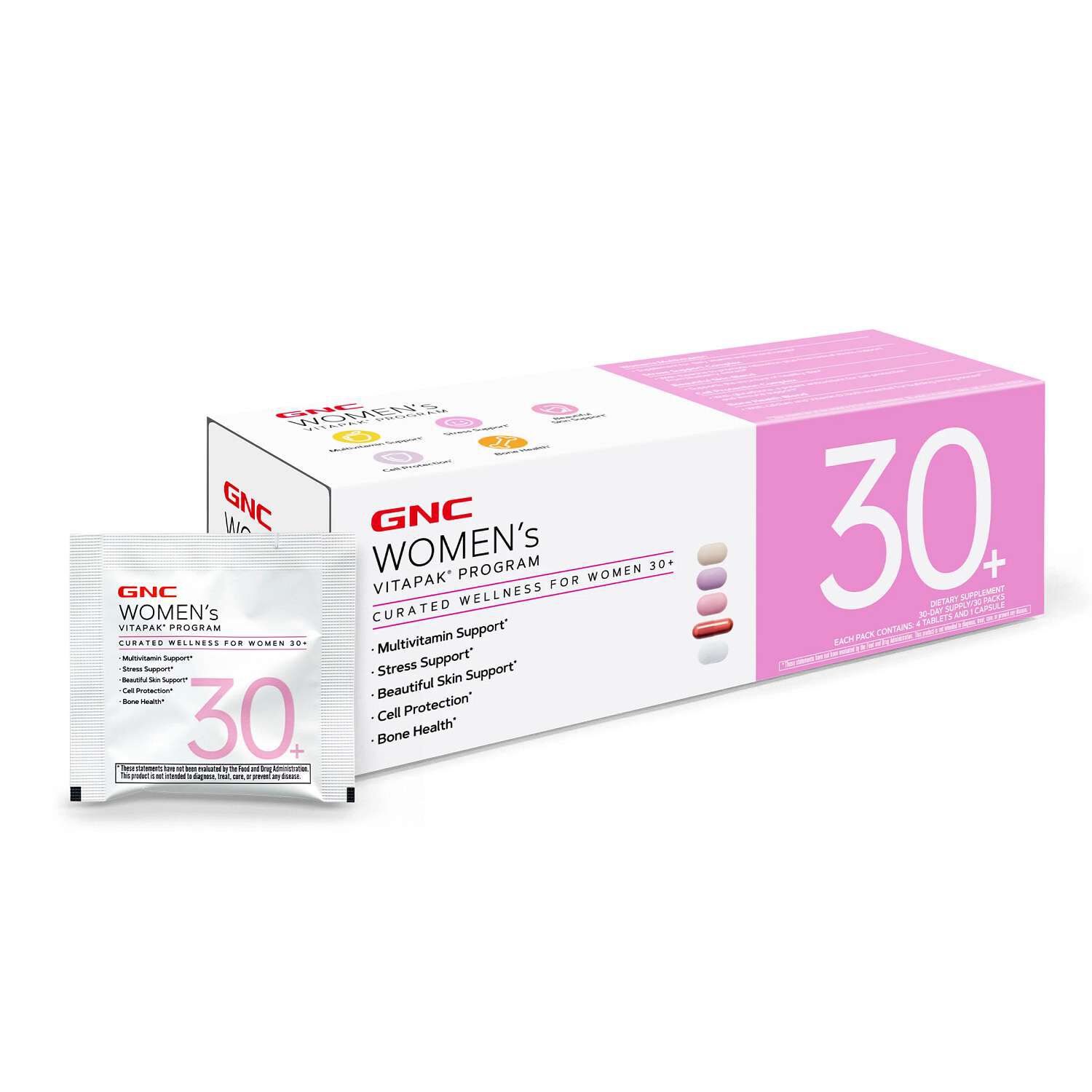


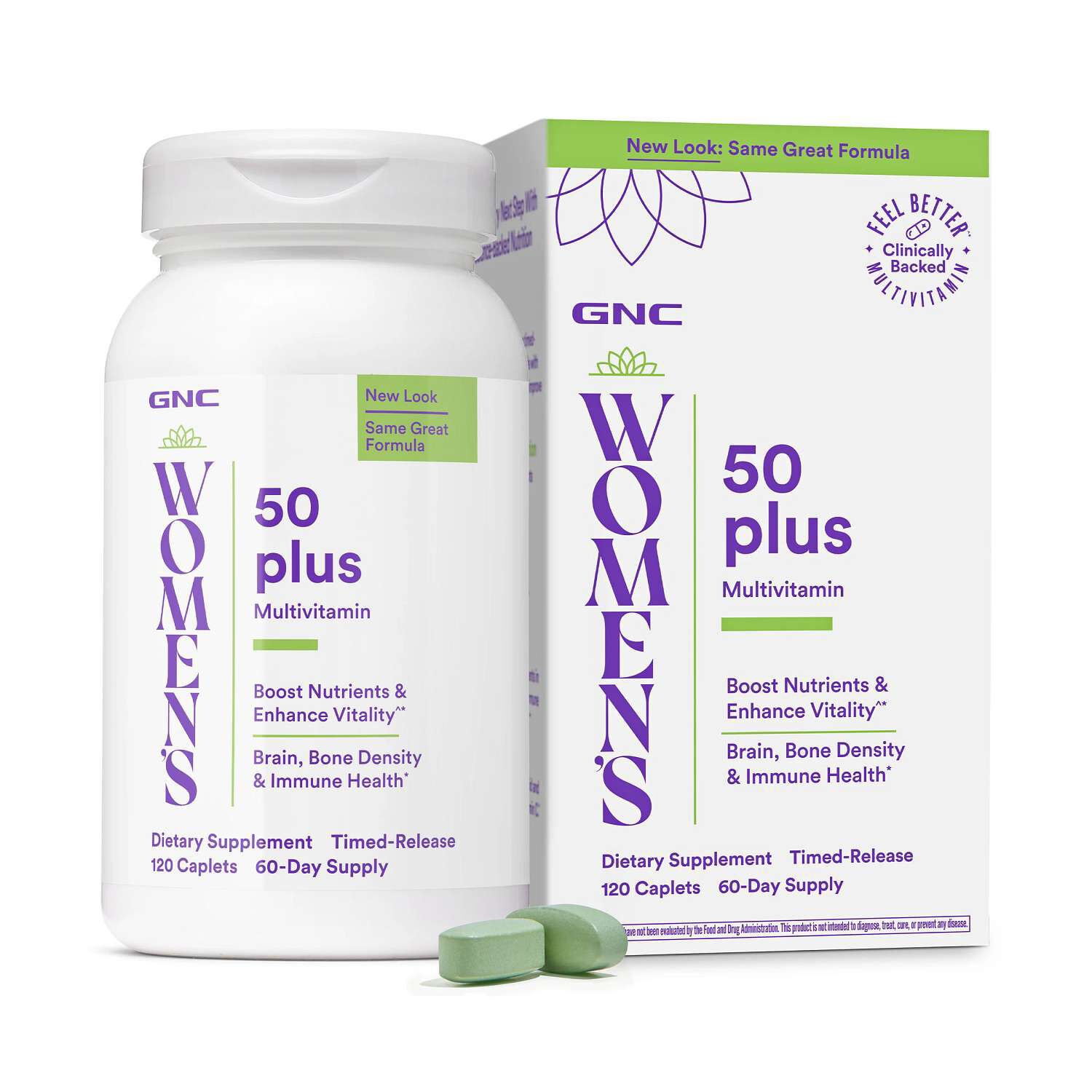
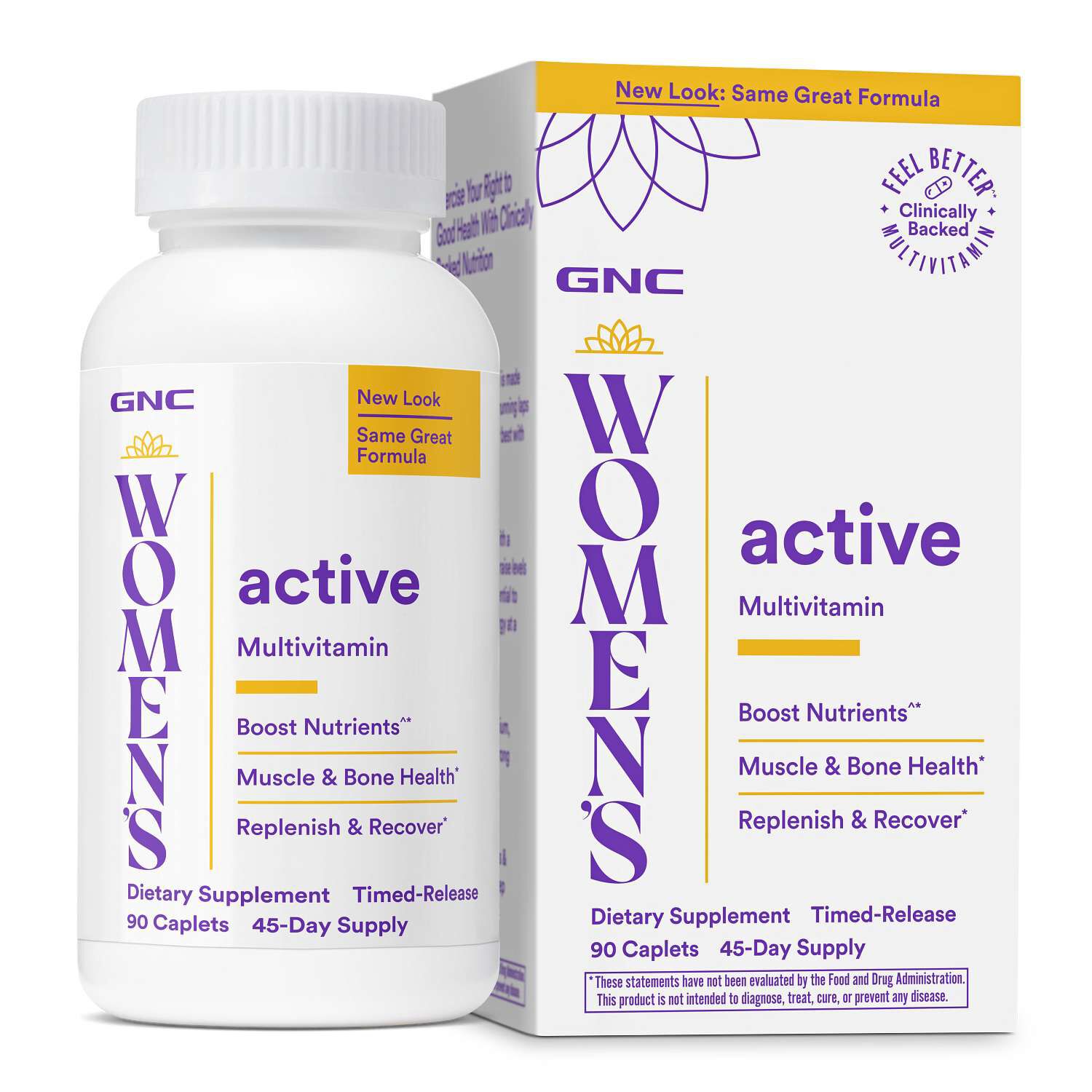

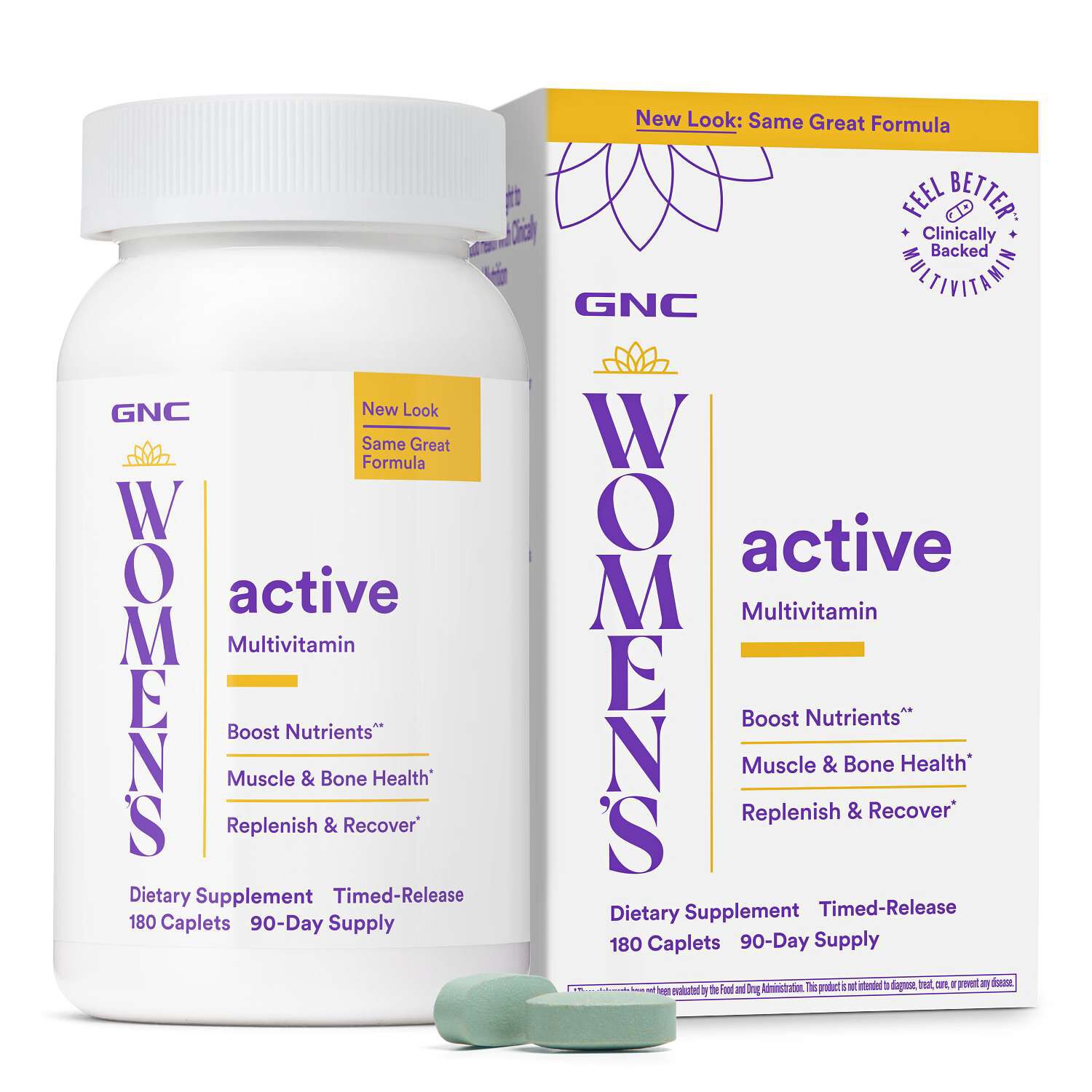
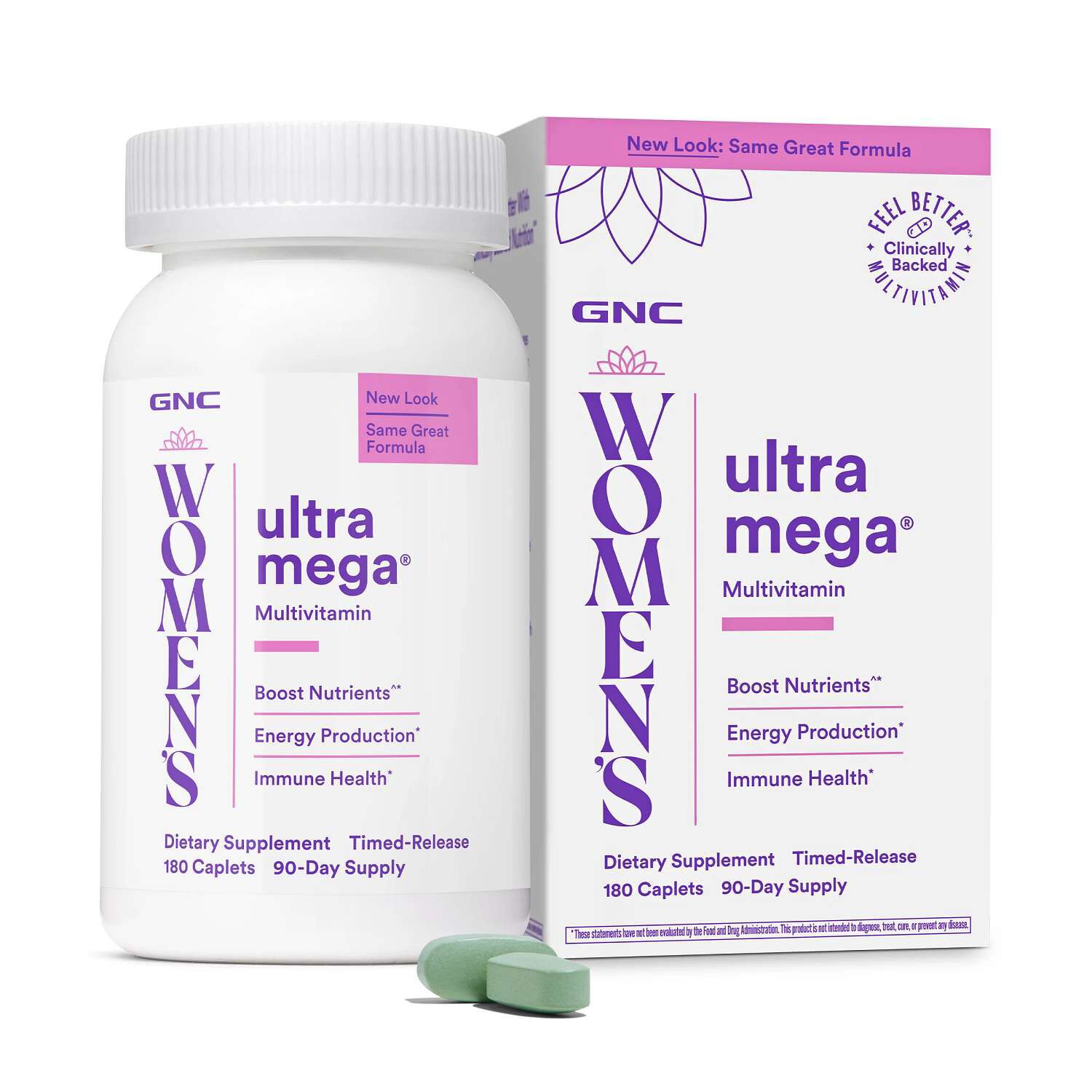
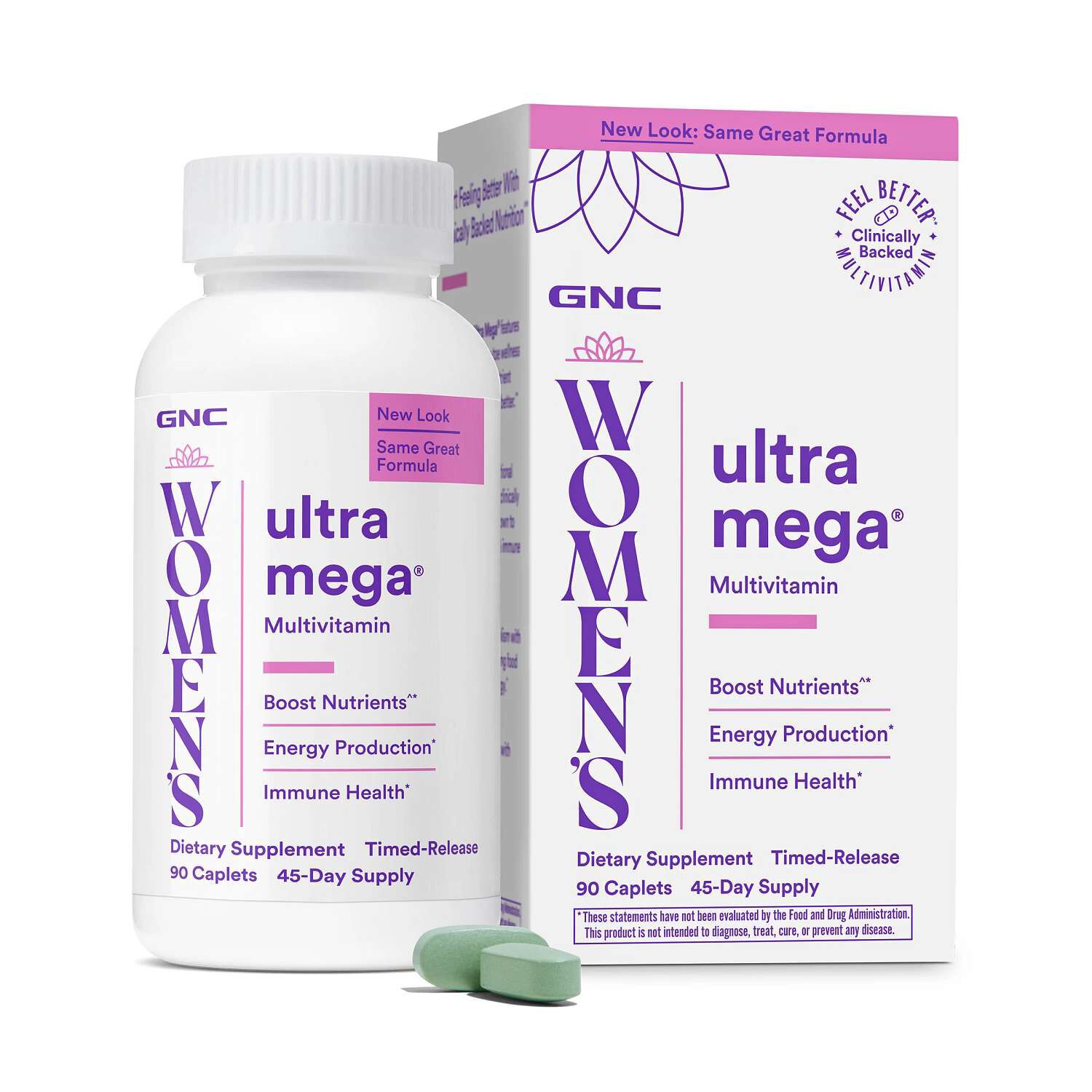
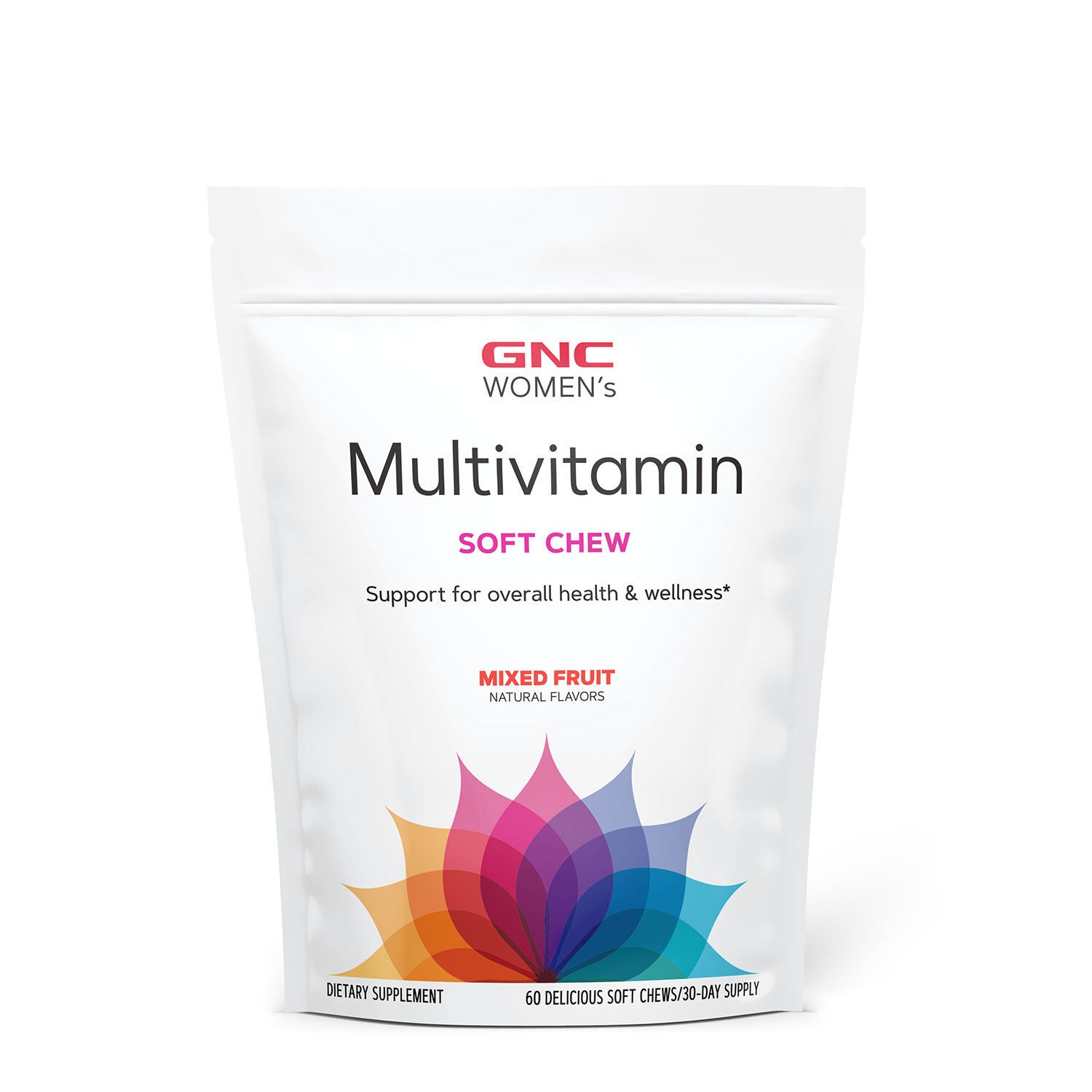

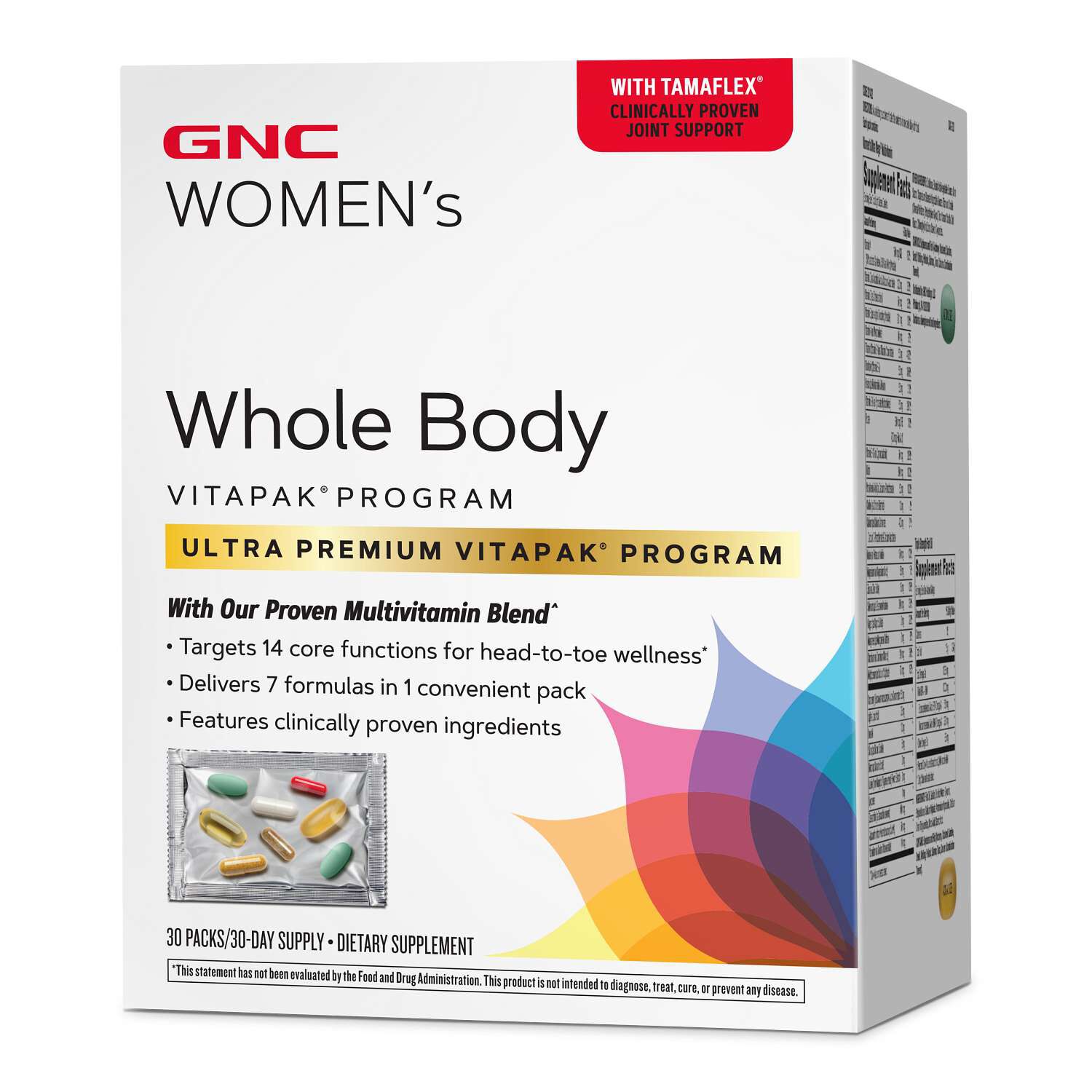

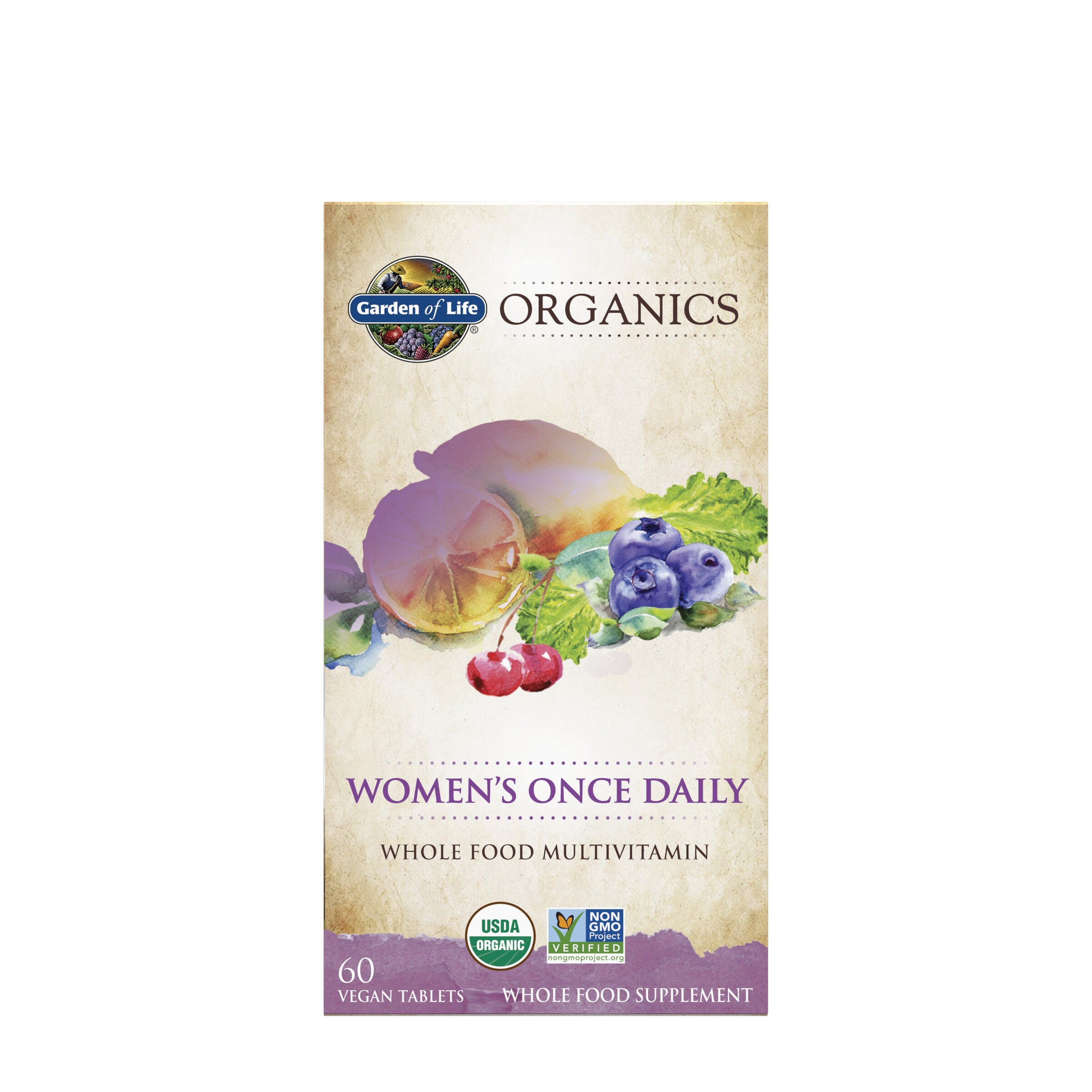
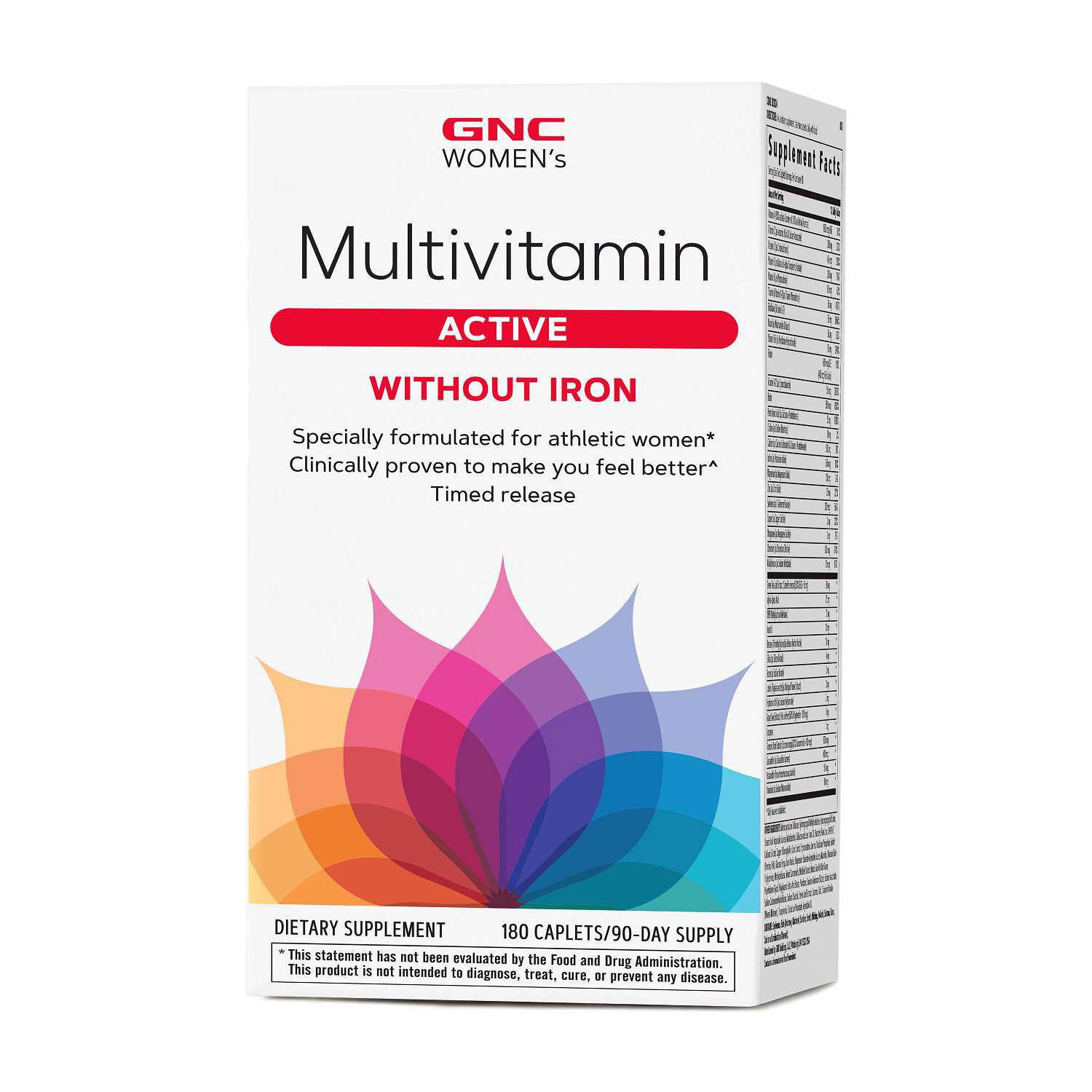

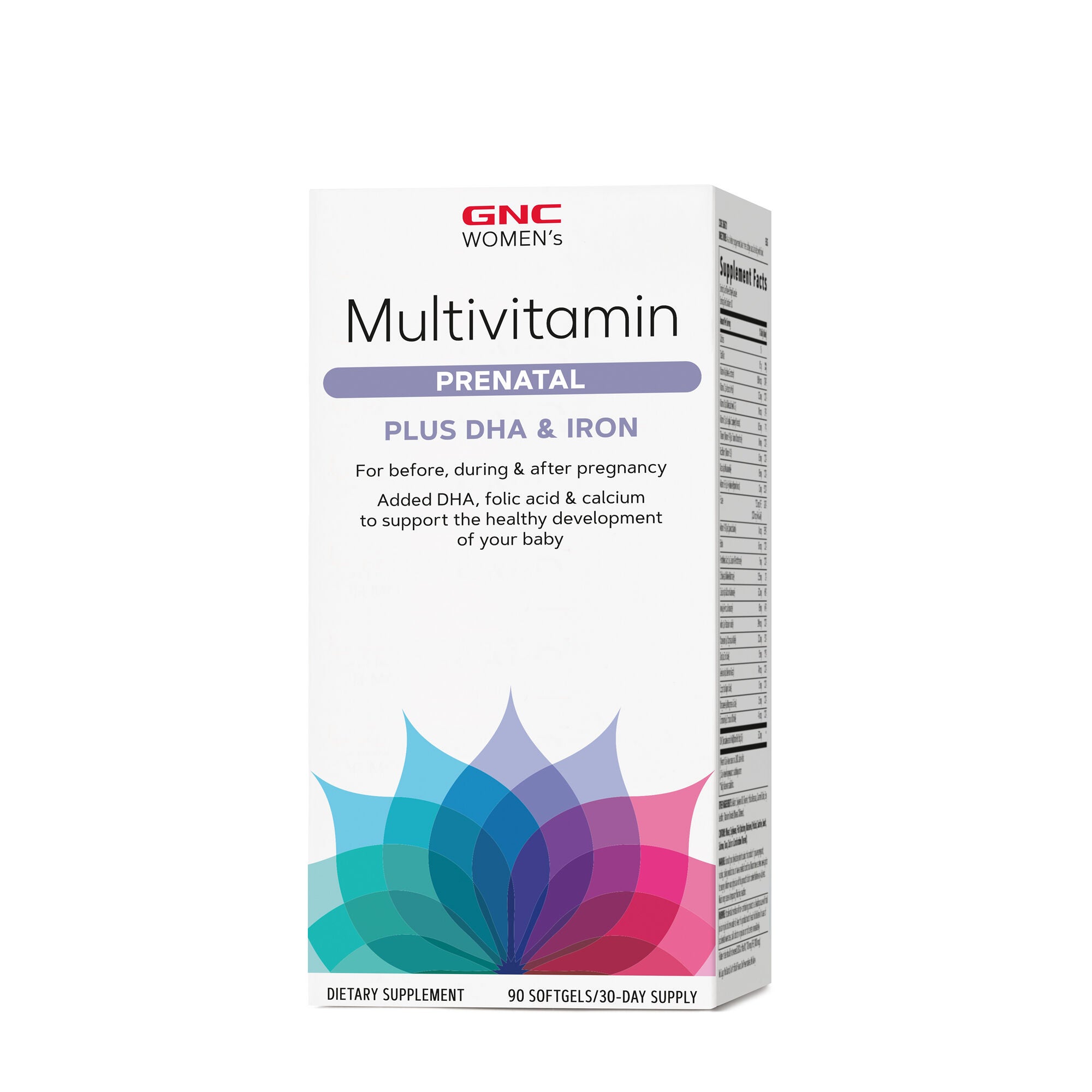

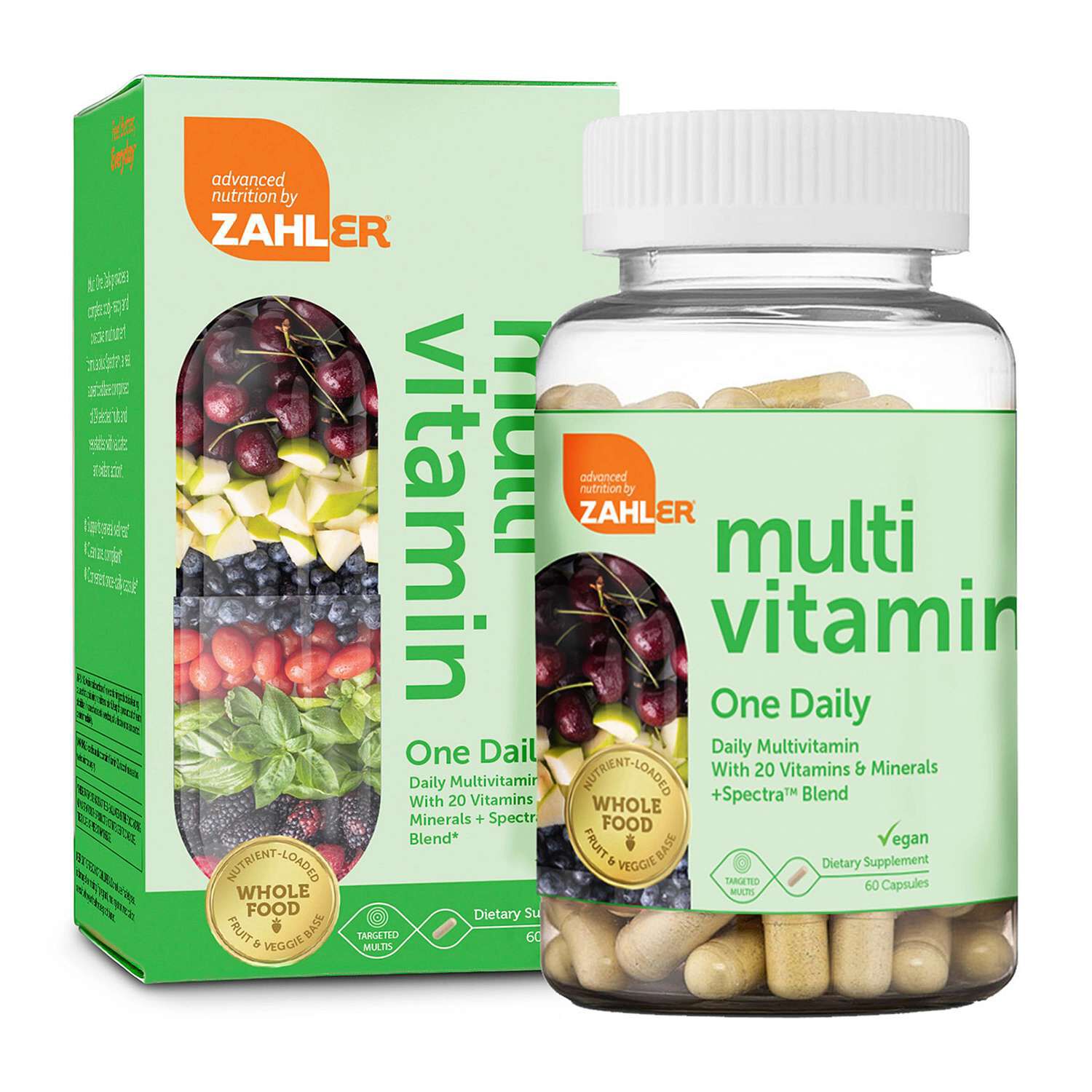

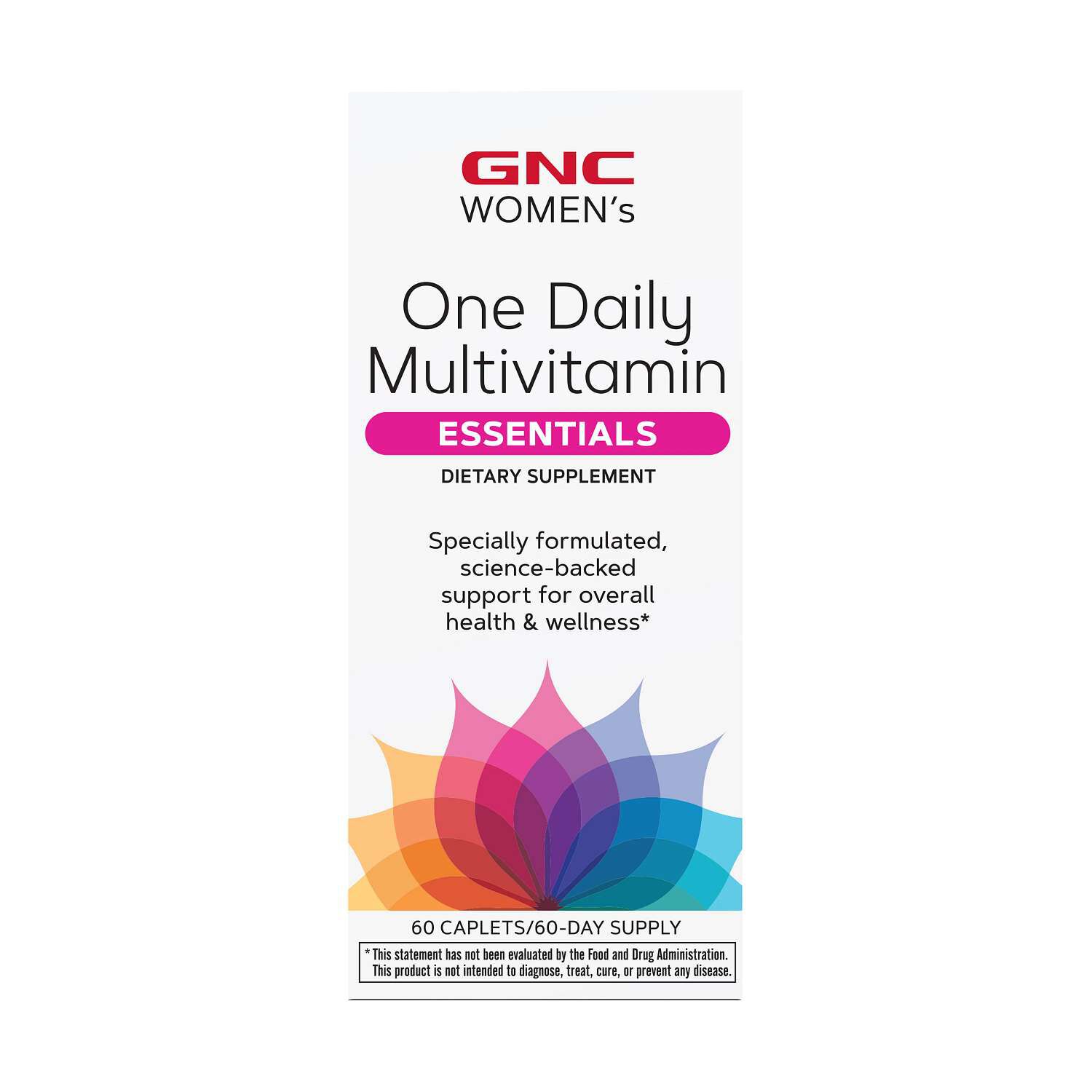
A women’s multivitamin with calcium brings a selection of vitamins and minerals together in a formula designed for women, with calcium included among the listed nutrients. The category spans different serving sizes, ingredient combinations, and formats, so two bottles with similar descriptions can offer quite different contents. Calcium is worth a closer look: its presence on the front label does not tell you how much is in a serving. The Supplement Facts panel lists that amount in milligrams, alongside a percent Daily Value, making it a useful starting point for comparing options. There is no single calcium amount shared by all women’s multivitamins, and a multivitamin containing calcium is not the same as a dedicated calcium supplement. Calcium-containing ingredients take up space in a formula, which is one reason the amount can vary with the product’s format and serving size. A compact tablet, a serving of several capsules, and a pair of gummies may have different nutrient profiles even when they sit in the same category. Beyond calcium, formulas may include vitamin D, magnesium, iron, folate, and various B vitamins, but the exact combination belongs to the individual label rather than the category as a whole. Women shopping for an everyday multivitamin often have a practical starting point: a preferred format, a familiar ingredient list, or a bottle that fits neatly into an established routine. For one shopper, that might mean tablets stored beside the breakfast dishes; for another, it might mean a clearly labeled bottle tucked into a kitchen cabinet away from the bustle of meal preparation. During the cooler months, when calendars often fill with indoor gatherings and travel, those ordinary details can matter more than elaborate packaging. The most meaningful distinctions are usually straightforward: what the formula contains, how much each serving provides, and what taking it according to its label involves.
Comparing women’s multivitamins with calcium is easier when the serving information stays in view. A bottle containing 60 tablets does not necessarily contain 60 servings; a two-tablet serving would make it a 30-serving bottle. That distinction changes both the purchase price per serving and how often a replacement might be needed. It also matters when comparing calcium amounts, since the amount on the Supplement Facts panel applies to the stated serving, not automatically to a single tablet or capsule. The ingredient list adds another layer of detail, identifying the calcium source, such as calcium carbonate or calcium citrate, as well as other components of the formula. Those names describe different ingredient forms, not a reason to assume that one product is the right choice for every shopper. Vitamin D is another useful point of comparison because some women prefer to shop for these nutrients together. The selection of Multivitamin Supplements With Vitamin D And Calcium offers a related category for browsing formulas that list both. Within either selection, vitamin D amounts, calcium amounts, and the remaining ingredients can differ considerably. Iron is another distinguishing detail: some women’s multivitamins include it, while others omit it. Age-oriented labeling, such as adult or 50+, can help organize the assortment, but it does not make every formula within that grouping identical. Dietary preferences deserve the same attention. Capsule materials, gummy ingredients, sweeteners, flavors, and allergen statements can all influence a purchase, and a format alone does not establish whether a product meets a particular preference. A gummy is not automatically plant-based, just as a capsule’s appearance does not reveal what its shell contains. Specific label statements are more useful than assumptions based on color, shape, or packaging. These details also explain why comparing only the number of nutrients on the front of a bottle can miss the differences that matter most to the person buying it.
Format is often where an appealing product becomes a practical purchase. Tablets and capsules offer different dimensions and serving counts, while gummies introduce considerations such as flavor, texture, and sugar content. Product descriptions sometimes provide size or texture details that are not obvious from a package photograph, making those descriptions valuable for shoppers with strong preferences. A women’s multivitamin with calcium may appeal to someone who already buys multivitamins and wants calcium included in the same formula, or to someone comparing women-focused options for the first time. Others may be replacing a familiar bottle and looking for a similar serving size or ingredient combination. In each case, the label’s directions and storage information are part of the product, not small details separate from it. A bottle intended for a cabinet at home has a different practical role from one packed for an extended visit with family, where package size and a secure closure may carry more weight. Larger bottles can offer a lower cost per serving, while smaller packages involve a smaller initial purchase; the better value depends on the actual serving count, price, and expiration date. Subscription options, when available, are also worth evaluating against the number of servings rather than the bottle’s apparent size. As gifts, supplements are a more personal choice than a mug or a scarf. A requested multivitamin, with the recipient’s preferred format and formula confirmed, is generally a more considerate purchase than guessing from age or lifestyle alone. Packaging should remain intact so the recipient has access to the ingredient list, directions, and other label information. Whether shopping for yourself or fulfilling a specific request, there is no need to choose the formula with the longest ingredient list simply because it looks more substantial. A thoughtful comparison keeps the focus on clearly stated calcium content, the accompanying nutrients, dietary preferences, serving requirements, and price. Those concrete details give this category its variety—and give shoppers a grounded way to distinguish one women’s multivitamin with calcium from another.