





Bone Health Products For Women
(0 Results)
Maintaining strong and healthy bones is crucial for women's overall well-being, especially as they age. Bone health products for women may provide the necessary nutrients to support bone density and strength. Explore a diverse range of supplements that could contribute to maintaining optimal bone health, potentially helping to reduce the risk of bone-related issues. From calcium and vitamin D to other vital minerals, these products offer a variety of options tailored to meet women's unique nutritional needs. Discover how incorporating these supplements into your daily routine might support your journey toward healthier bones.
-
-

-

-
-

-

-
-
-

-
-

-

-
-
 $20.99
-

-

-
-
 Portions Master$29.99
-

-
-
 $17.99


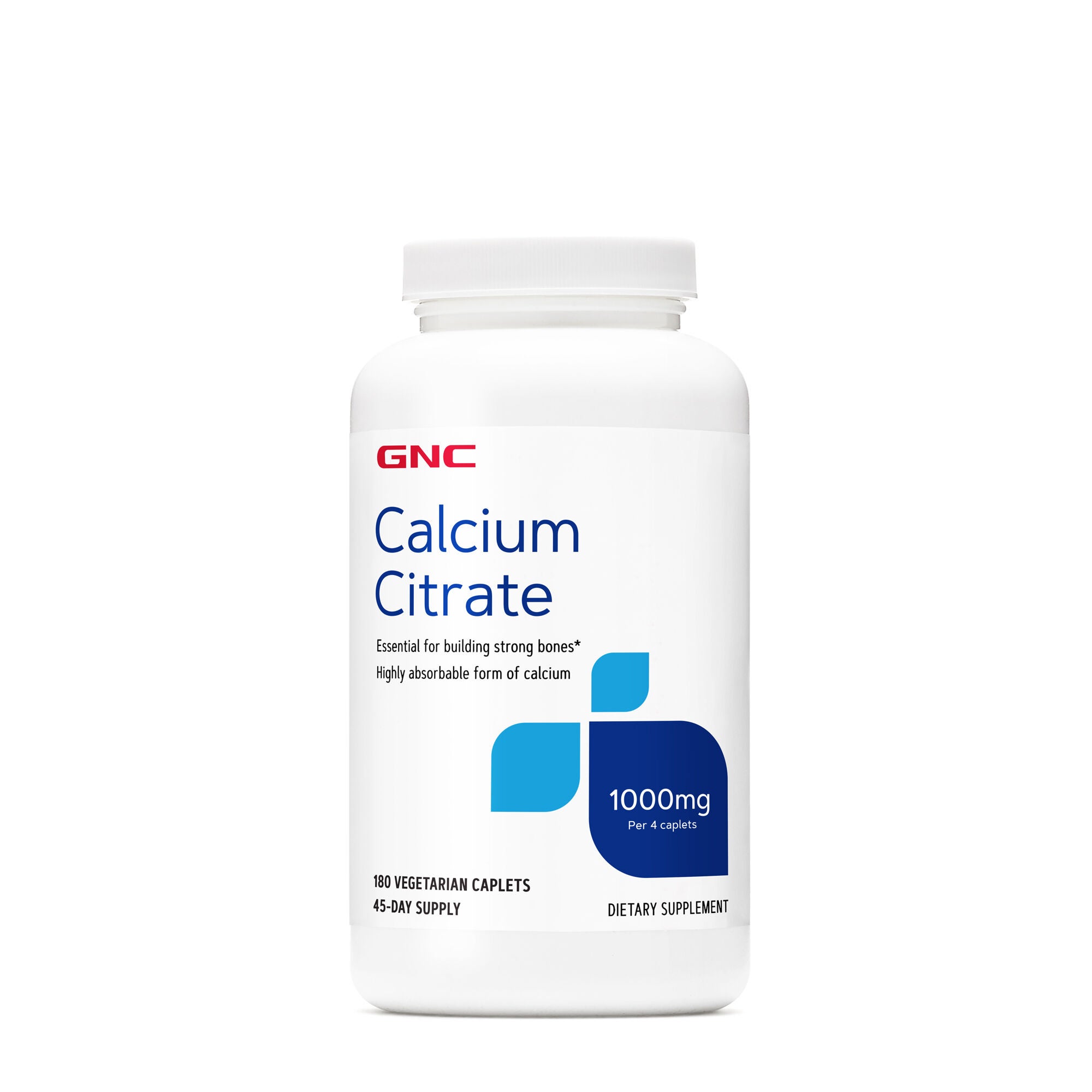
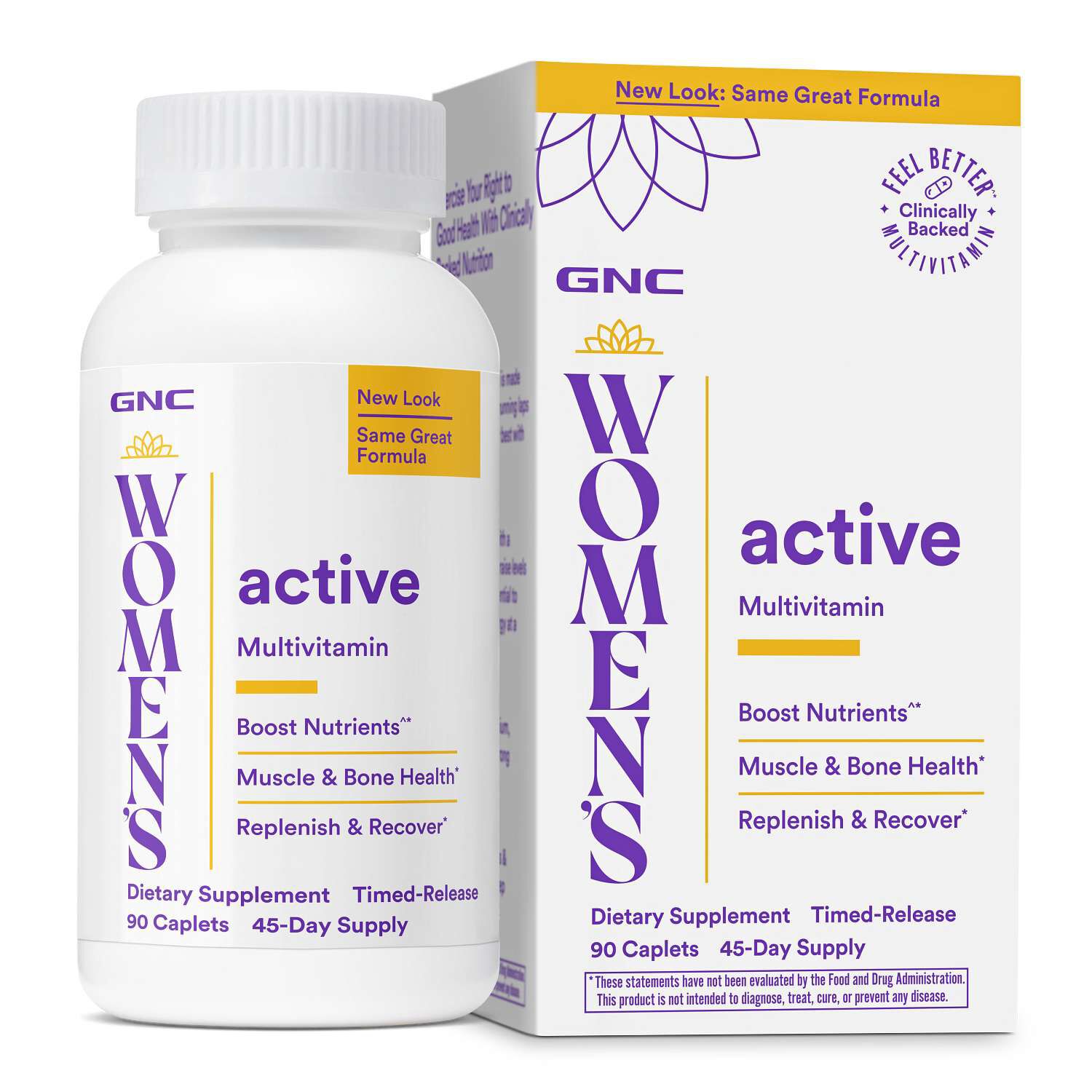
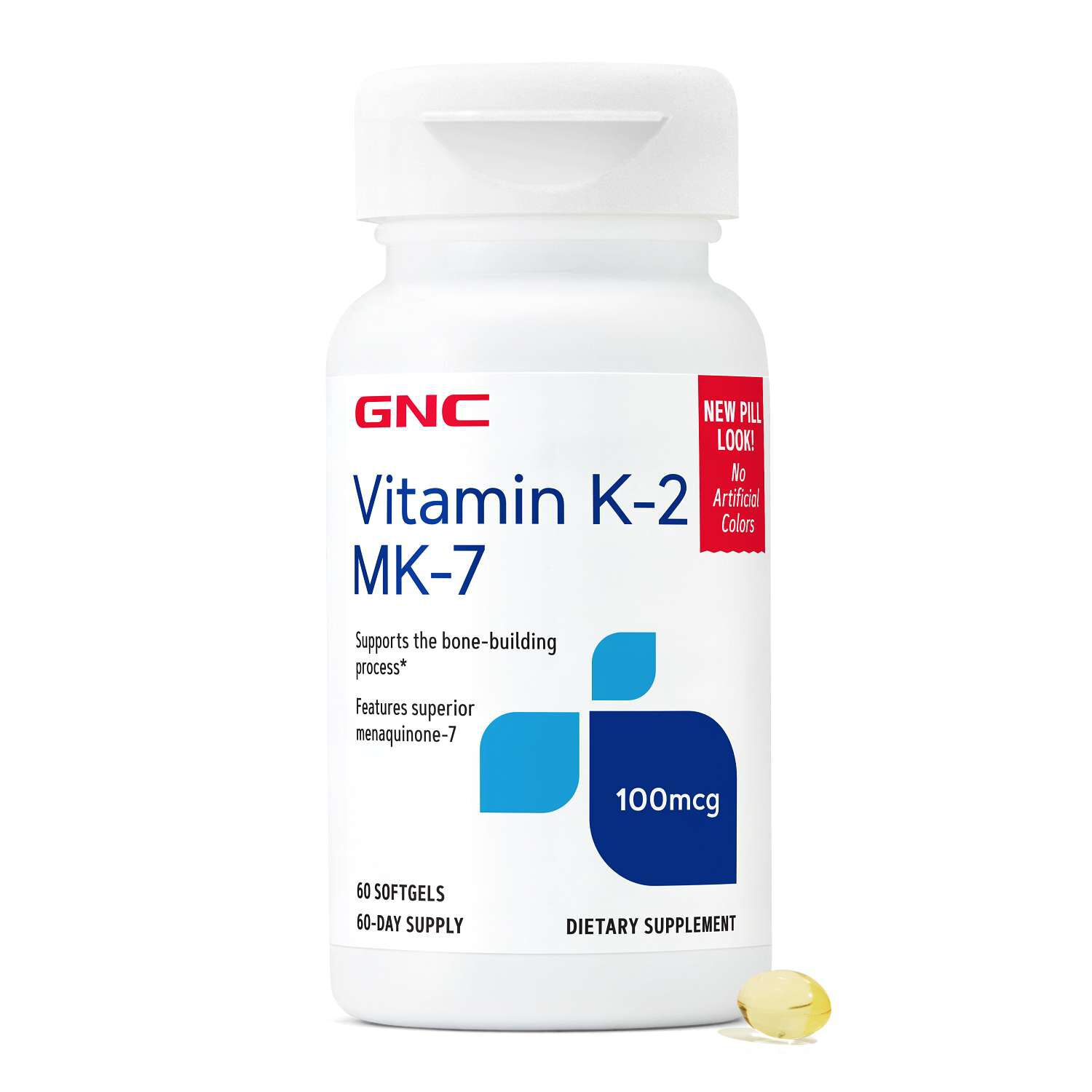
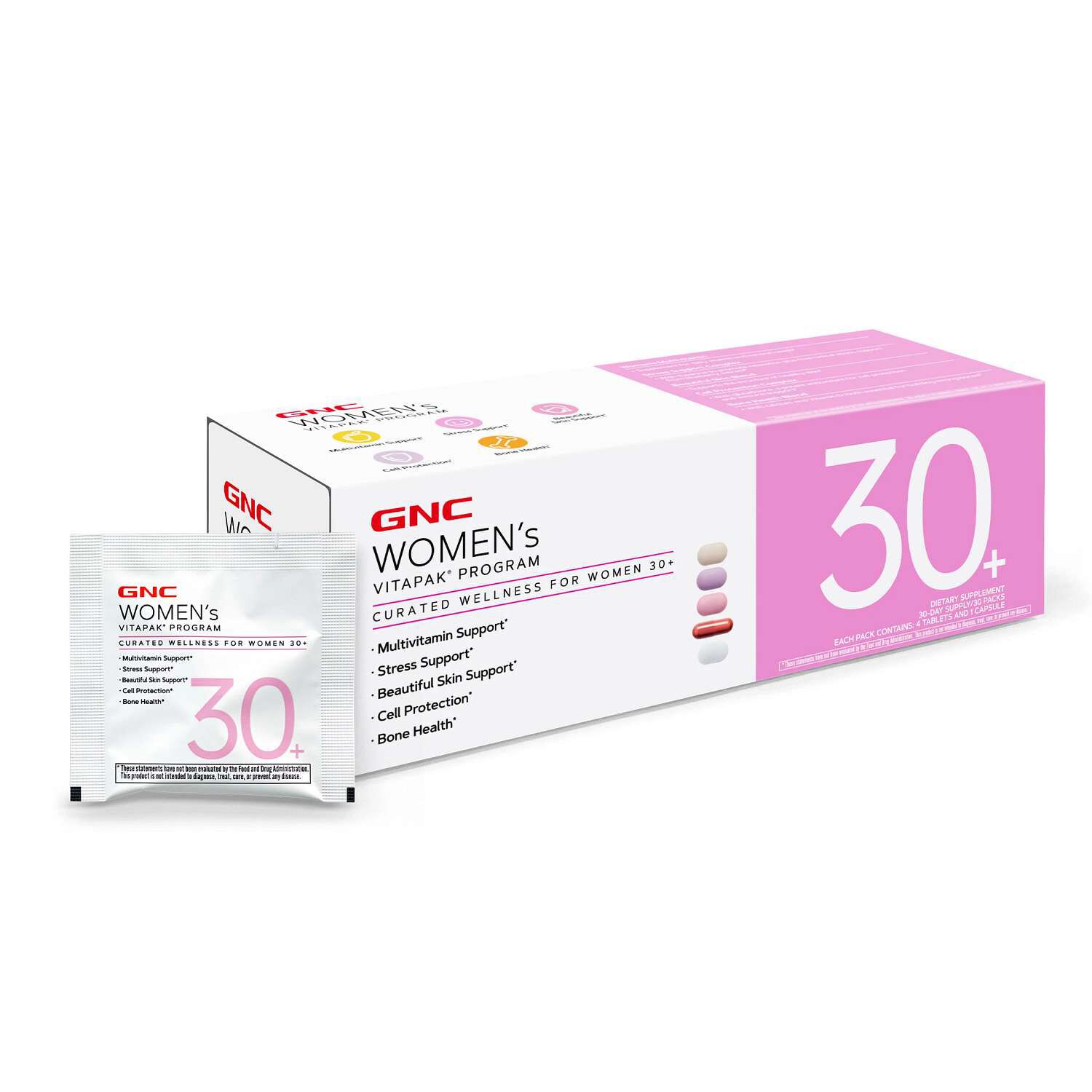
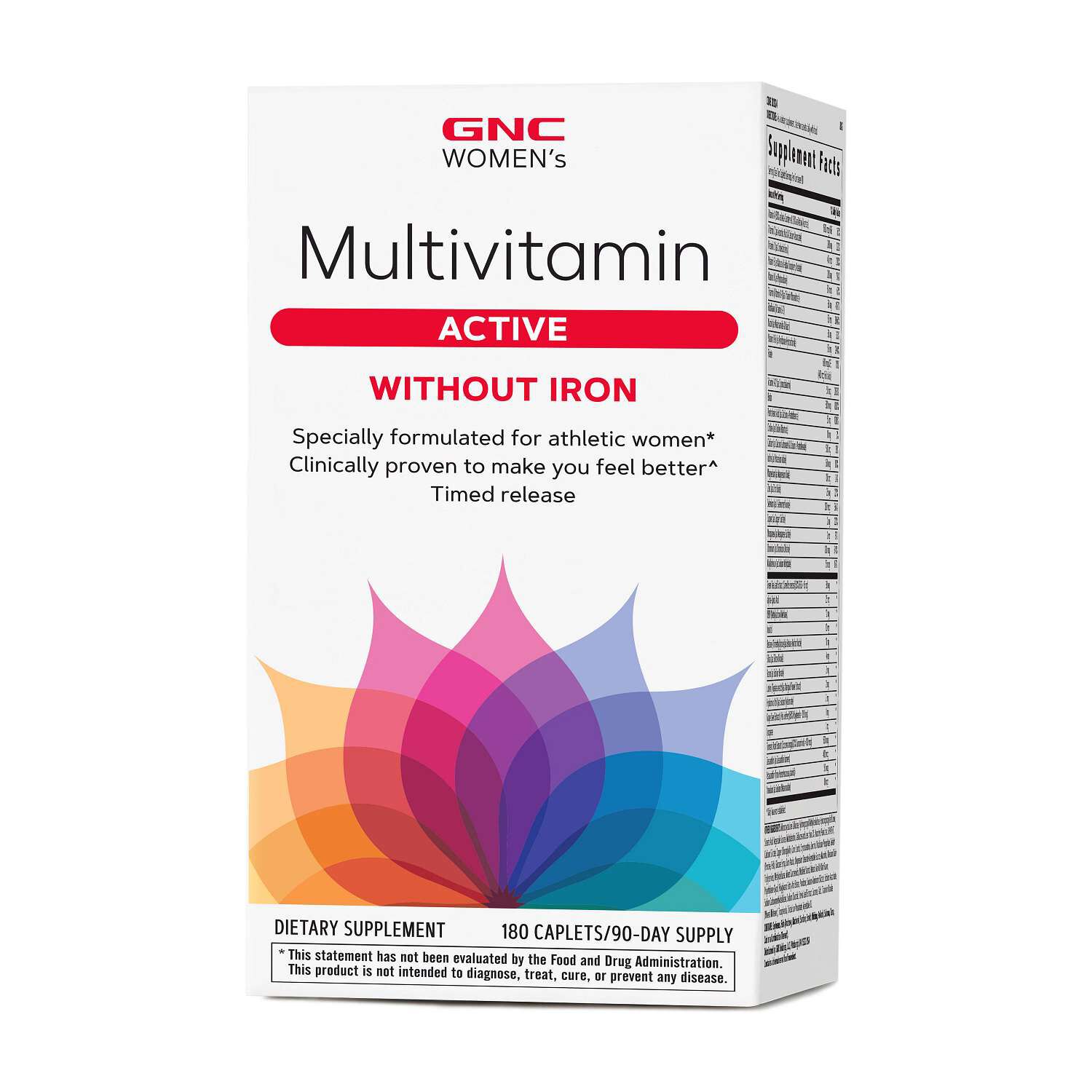
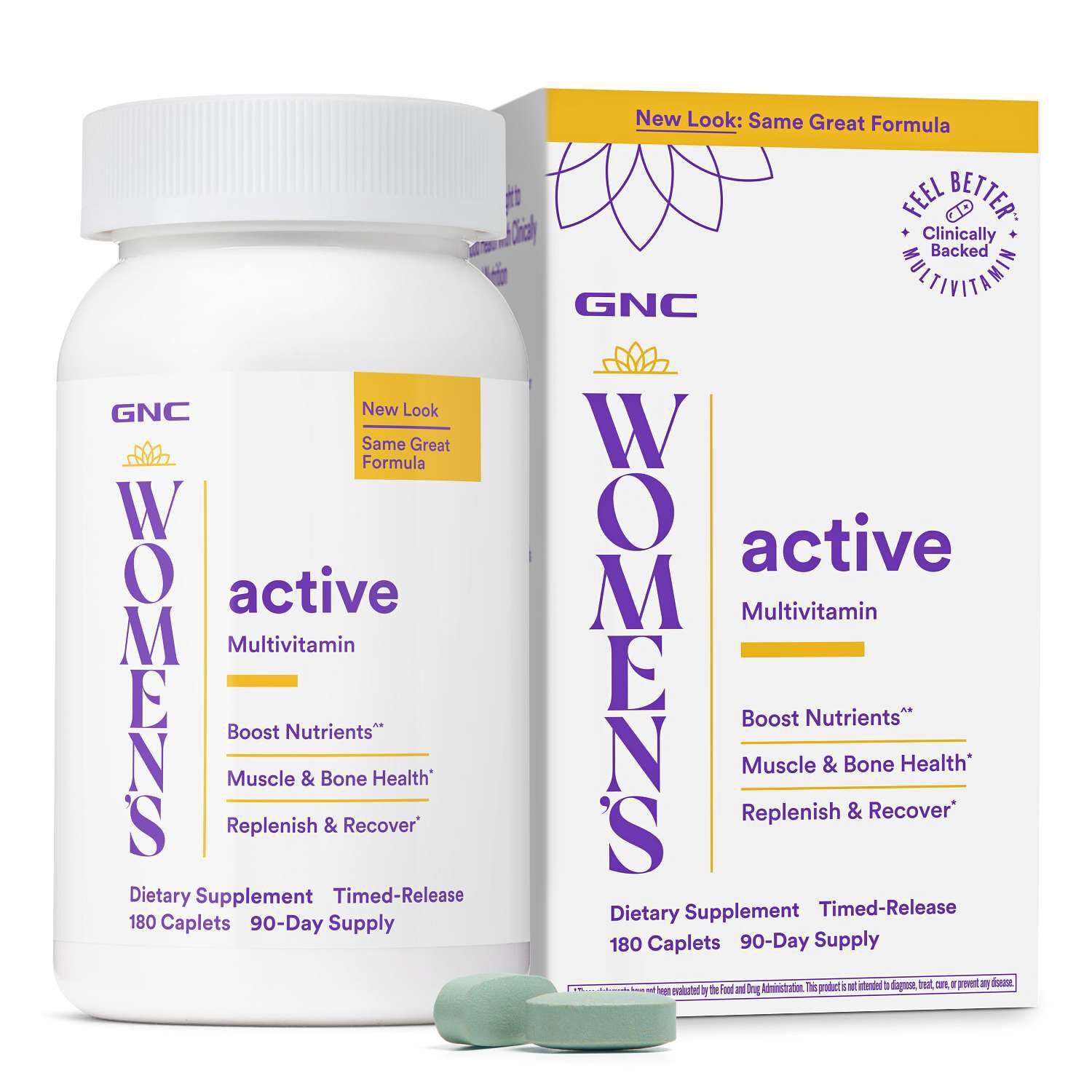
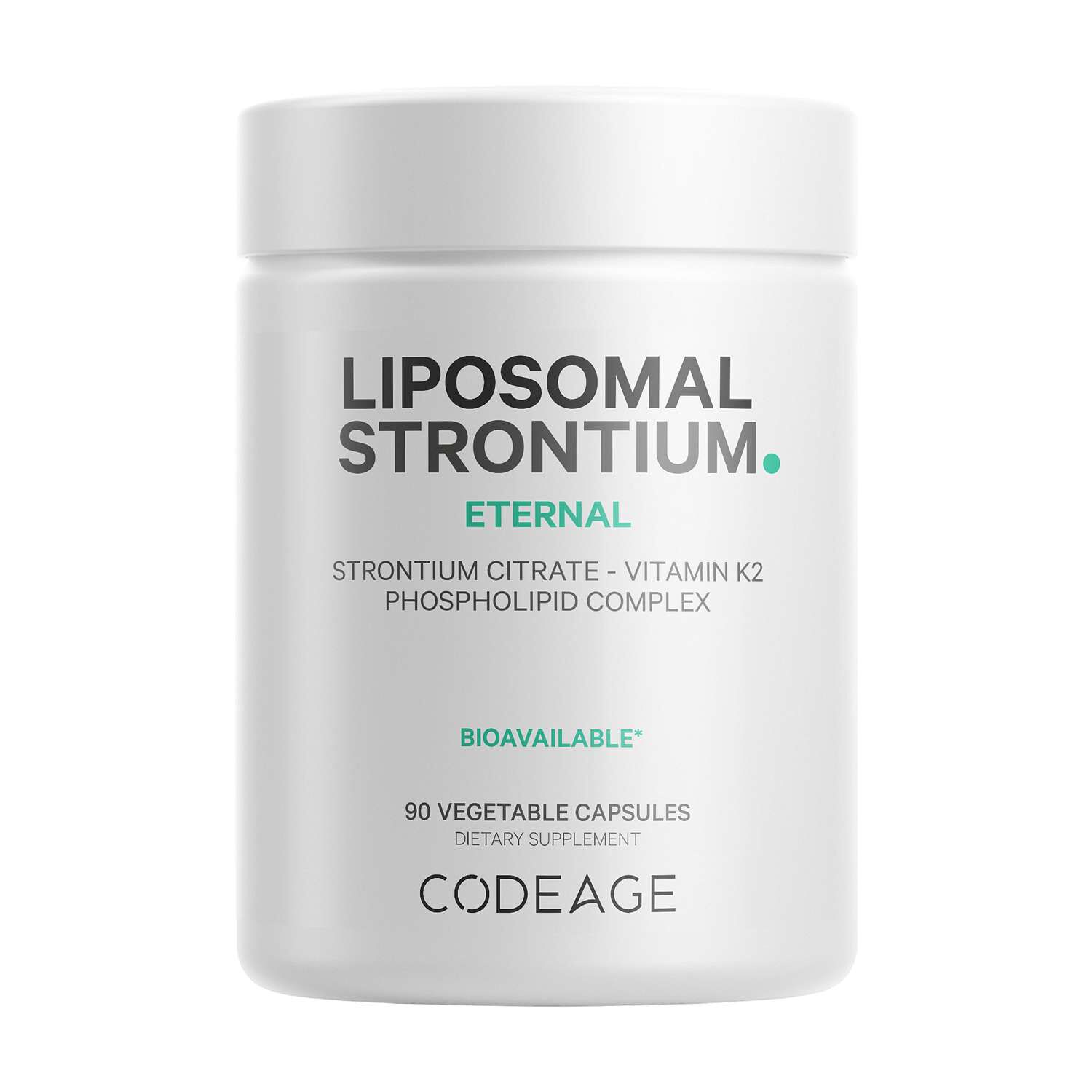
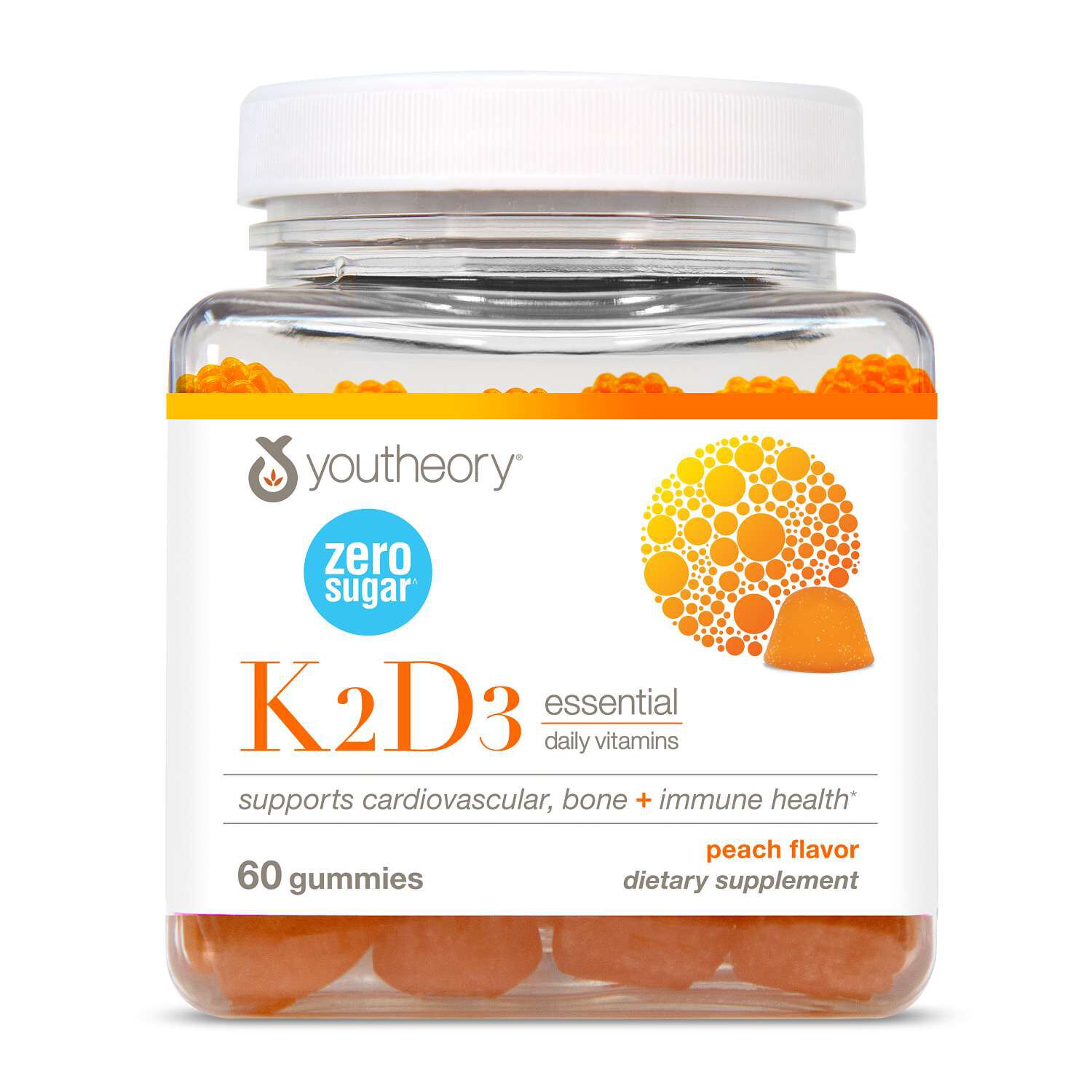
Bone health products for women include calcium supplements, vitamin D formulas, combinations of vitamins and minerals, and women’s multivitamins with nutrients commonly associated with bone-focused nutrition. These products may complement a varied eating pattern, with options that differ in ingredients, serving size, and format. Calcium, vitamin D3, vitamin K2, and magnesium are common ingredients in this category, although not every formula contains all four. Some blends also include zinc or other nutrients, making the Supplement Facts panel more informative than a product’s name alone. A calcium-focused formula has a different composition from a multivitamin that includes calcium alongside a broader selection of vitamins and minerals. Calcium citrate and calcium carbonate are examples of calcium forms shoppers may encounter, while some formulas identify algae as the calcium source. The source of one ingredient does not establish the composition of the entire product: an algae-derived calcium formula, for example, may still contain other ingredients with different origins. For women who prefer plant-based products, details about vitamin sources, capsule materials, and ingredient sourcing are worth reviewing together. Vitamin D formulas may list D2 or D3, and vitamin K formulas may identify a particular form of K2. Those distinctions describe the ingredients rather than establish which option is appropriate for every shopper. Dietary preferences also shape the selection process. Someone who avoids dairy may look closely at allergen statements, while someone following a vegan eating pattern may check both the active ingredients and the capsule shell. Foods such as yogurt, fortified beverages, tofu, and leafy greens provide useful context when considering supplements as part of an everyday eating routine. Comparisons are clearest when based on the labeled serving rather than the number printed prominently on the front of a bottle. One serving might consist of a single tablet, several capsules, or multiple gummies. Nutrient amounts, units of measurement, and servings per container provide a more meaningful picture of how two formulas differ.
Format is another practical distinction among bone health supplements for women. Tablets, caplets, capsules, gummies, soft chews, and powders each have a different place in a daily routine, and personal preferences can matter as much as the ingredient list. A woman who prefers a straightforward bottle beside her breakfast dishes may gravitate toward tablets, while someone who dislikes that format may prefer a chewable option. Tablet dimensions, capsule materials, flavor, and texture are details worth considering rather than assuming that products with similar nutrients will feel alike to use. For shoppers specifically interested in that format, Bone Strength Tablets For Women offers a focused category to explore. Tablets and caplets may contain binders or coatings, and capsules may use gelatin or plant-derived shell materials. Gummies and soft chews can contain sweeteners, added sugars, colors, or flavoring ingredients, so their appeal extends beyond the nutrients listed in the main panel. A fruit-flavored gummy and an unflavored capsule present different experiences even when their nutrient profiles overlap. Powders introduce another set of details, including the measured serving, mixing directions, and whether the label describes a flavored or unflavored preparation. The serving information deserves attention across every format; a gummy serving is not necessarily one piece, and a tablet serving is not necessarily one tablet. Packaging also matters for intended use. A bottle that stays in a kitchen cupboard has different handling considerations from one packed in a work bag or suitcase. A secure closure, readable directions, and clear expiration information are practical features to notice. Storage instructions vary by formula, but keeping the original container preserves access to ingredient details, serving directions, and lot information. Bathroom counters and windowsills can expose supplements to moisture or direct sunlight, making the labeled storage directions particularly relevant. These products are consumable rather than durable household goods, so care centers on preserving their condition and keeping the container securely closed and out of children’s reach. A pleasant texture or convenient package does not change the importance of the labeled serving instructions.
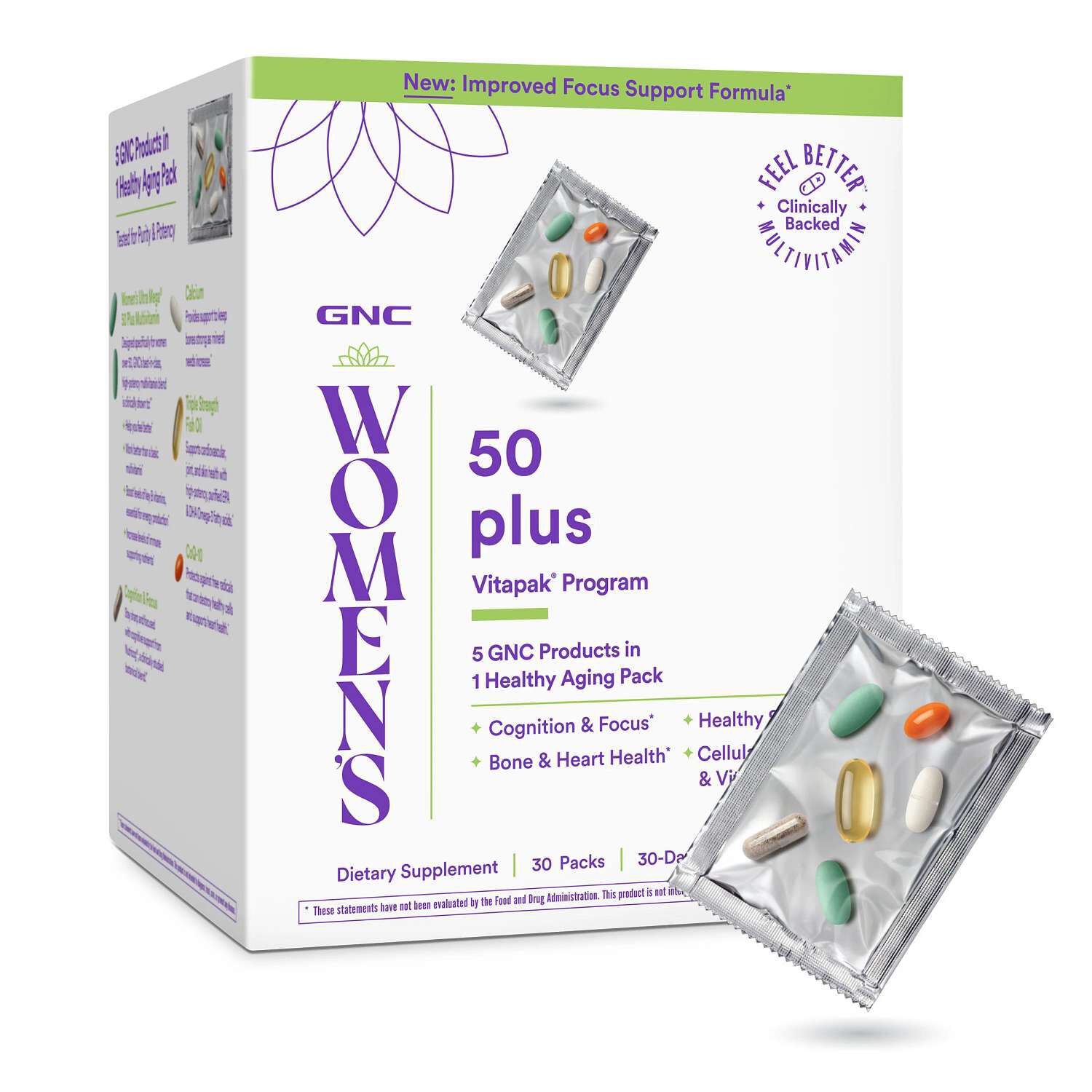
Women may explore bone health products at different ages and for different reasons, from wanting a more organized supplement routine to reviewing the nutrient content of an existing multivitamin. A busy work schedule, a preference for plant-based meals, or a change in eating habits can all influence which product details receive the most attention. Some shoppers want a formula centered on calcium, while others prefer a combination that includes vitamin D, vitamin K, or magnesium. Neither a longer ingredient list nor a higher amount of a nutrient automatically makes a product a better match. Intended use, labeled directions, and the rest of a person’s routine provide important context. For a woman already taking a multivitamin, the overlap between that product and a separate bone-focused formula may be especially relevant. Comparing the panels side by side reveals repeated ingredients and differences in serving amounts without relying on front-label descriptions. Women over 50 may also encounter age-labeled formulas, but an age designation does not explain every ingredient choice or replace the detailed information on the package. Preferences remain individual: one shopper may prioritize a vegan capsule, another may look for a chewable format, and another may favor a shorter ingredient list with clearly identified nutrient forms. For supplements being considered during pregnancy or nursing, or alongside medications, suitability is a matter to discuss with a qualified healthcare professional rather than infer from a category name. Bone health products for women may fit into a broader nutrition-focused routine, but they should not be treated as a substitute for varied meals or individualized guidance. The most useful product comparisons bring together ingredient identity, amount per serving, dietary compatibility, format, and storage requirements. Those details connect the label to everyday life, whether the bottle sits beside a breakfast bowl or stays in a designated cupboard with other supplements. A considered selection starts with what the product contains and how its labeled use fits the person choosing it.
Best Sellers


Related Pages
Top Collections
- Daily Collagen Supplements | Top Brands & Deals | GNC
- Natural Collagen Supplements | Top Brands & Deals | GNC
- Top Rated Collagen | Shop Customer Favorites | GNC
- Cortisol Supplements
- Vitamins For Hair Loss
- Spirulina Tablets
- NAD+ Supplement Tablets
- Peptide Supplements
- Best Brand of Magnesium Glycinate
- Vitamins That Help Support Weight Gain