





Bone Strength Tablets For Women
(0 Results)
Bone strength tablets for women are designed to support daily wellness routines and complement a balanced lifestyle. With a variety of options available, these supplements may offer nutrients that play a role in supporting bone health as women navigate different life stages. Explore bone strength tablets for women that fit into your wellness goals and help maintain your active lifestyle.
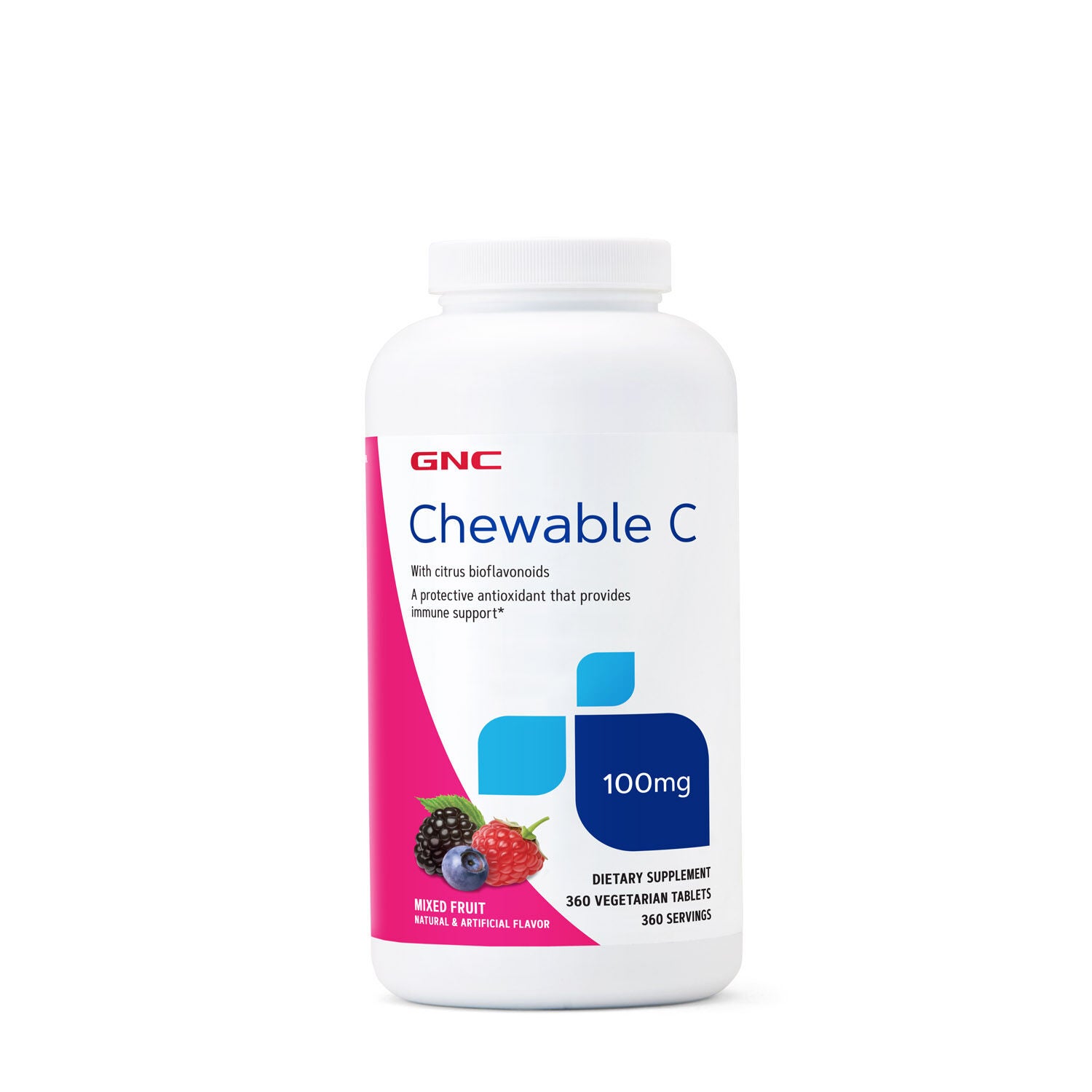


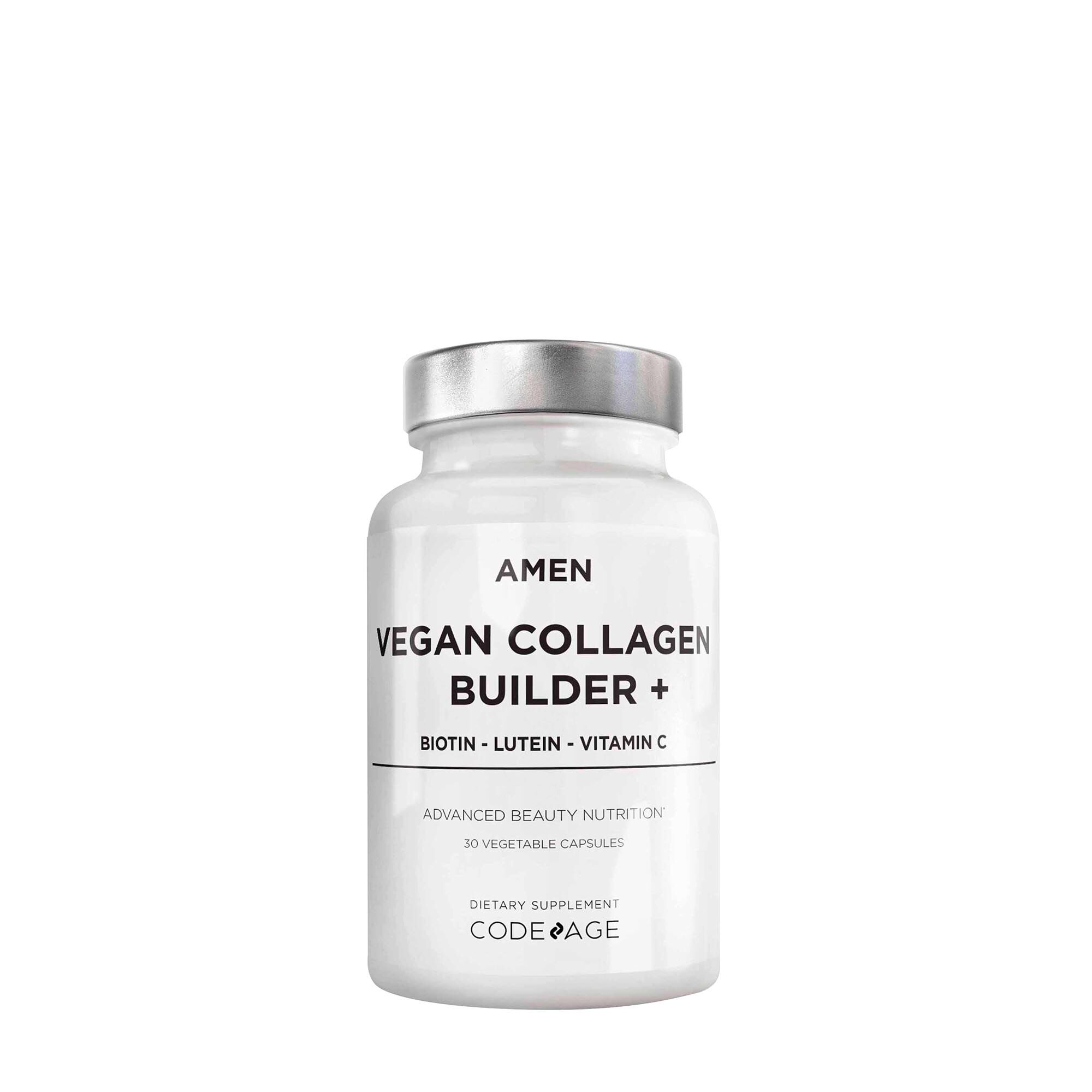


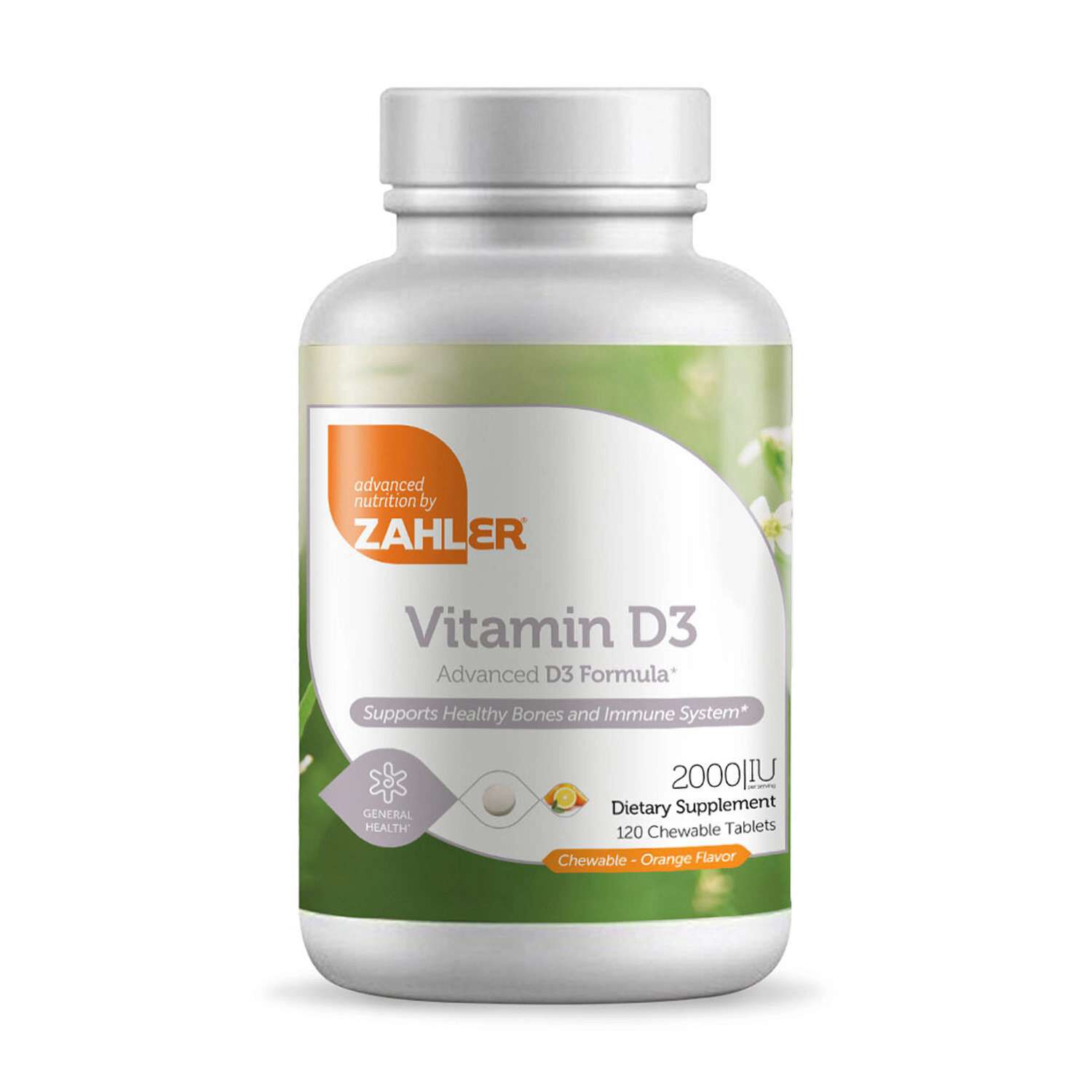

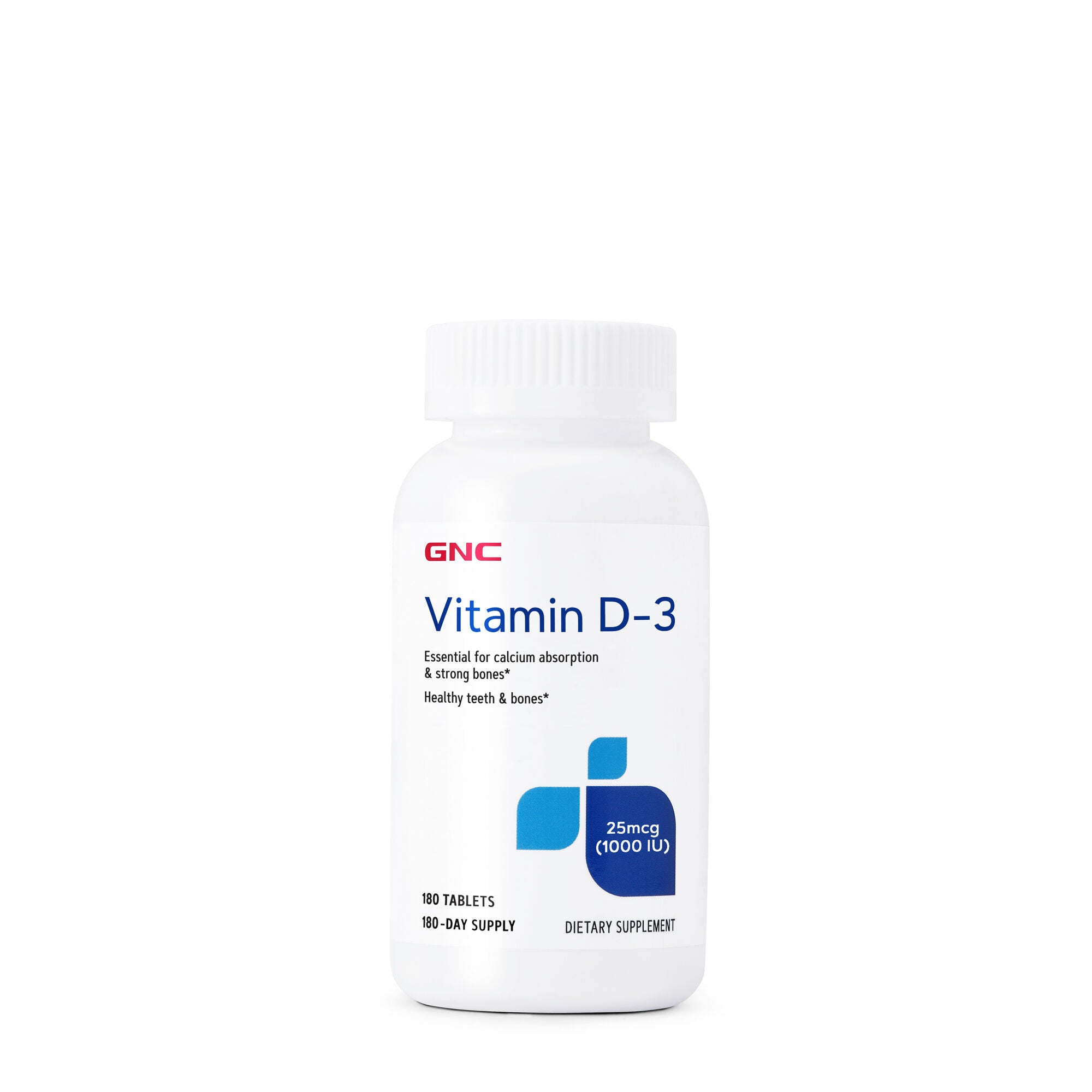


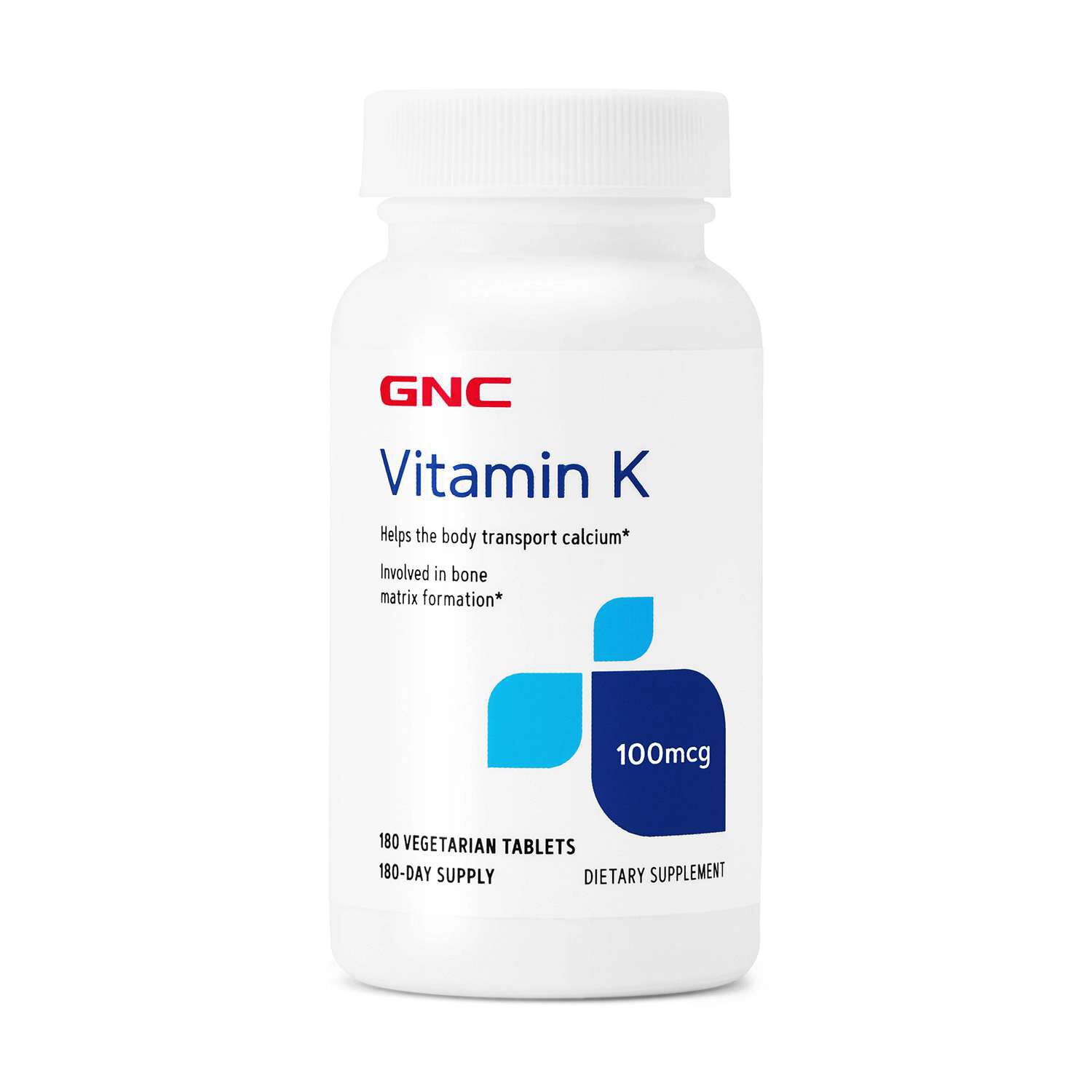


Bone strength tablets for women are dietary supplements centered on calcium, often paired with vitamin D and sometimes vitamin K, magnesium, or other minerals. The category includes straightforward calcium formulas as well as combinations that bring several nutrients into one tablet format. Calcium is a mineral naturally present in bones and teeth, and it appears on supplement labels in several forms, including calcium carbonate and calcium citrate. Some formulas use calcium sourced from algae, giving shoppers another ingredient origin to consider. Vitamin D may appear as D3 or D2, while vitamin K may be listed as K1 or K2. These distinctions describe what a formula contains; they do not make every combination interchangeable or establish one option as the right choice for every woman. A useful comparison begins with the Supplement Facts panel, where the amount of each nutrient is shown per serving. That serving may consist of one tablet or several, so the number on the front of a bottle does not always describe the amount in a single tablet. A bottle with more tablets can also contain fewer servings than another bottle with a smaller tablet count. Reading those details together gives a clearer picture of the format and its intended use. For women comparing a single-nutrient supplement with a combination formula, the difference is as much about ingredient selection as it is about convenience. One keeps the focus on calcium, while another includes several nutrients in a shared serving. A longer ingredient list is not, by itself, a measure of suitability. Women exploring the broader category can also browse Bone Health Products For Women to compare supplement formats and ingredient combinations beyond tablets. Across these choices, the most informative details are specific and visible: nutrient forms, amounts per serving, ingredient sources, tablet count, and the manufacturer’s stated directions.
The physical details of a tablet matter when choosing something intended for regular use. Size, shape, coating, and serving count all influence how a format fits into an established routine. A narrow, oblong tablet has a different feel from a larger round tablet, and a coated surface differs from an uncoated one. Product photographs can show shape, but they may not communicate actual dimensions, so written size information is useful when provided. A chewable tablet is also distinct from a tablet meant to be swallowed, with flavor and texture becoming part of the comparison. Neither format should be assumed to share the same directions simply because the nutrient names match. Some women prefer a straightforward tablet without a flavored component; others prefer a chewable format and pay closer attention to sweeteners and flavor ingredients. The other ingredients section offers context here, identifying materials used to hold a tablet together, create its coating, or contribute to its texture. Dietary preferences add another layer. An algae-derived calcium source, for example, does not necessarily mean every ingredient in the finished formula is plant-based. Vitamin D3 can come from different sources, and coatings or other ingredients may have their own origins. Explicit vegetarian or vegan labeling is more informative than a conclusion drawn from a single ingredient. The same attention applies to ingredient exclusions: a clear manufacturer statement is more useful than an assumption based on the category name. Packaging matters, too. A screw-top bottle and individually packaged servings create different experiences for someone organizing a cabinet or packing an overnight bag. A woman who likes a simple morning setup may value fewer tablets per labeled serving, while someone comparing formats may put tablet dimensions first. These are practical preferences rather than measures of nutritional quality. A compact tablet can still require a multiple-tablet serving, and a larger tablet is not automatically a more suitable formula. Looking at those features together keeps the comparison grounded in what the package actually describes.
Bone strength tablets belong to a broader conversation about everyday nutrition, but their labels are best understood as descriptions of a supplement rather than a substitute for meals or an individualized nutrition plan. Calcium is also found in foods such as yogurt, milk, fortified beverages, and certain leafy greens; the amount varies by food and portion. That context matters because a supplement’s nutrient amount describes only what the supplement contributes, not everything a person eats or drinks. Women may encounter this category while reviewing an existing supplement routine, comparing calcium formats, or looking more closely at nutrition during midlife and beyond. A label marketed to women can offer a starting point for browsing, but the wording alone does not explain whether a formula differs from another calcium supplement. The ingredient panel supplies that detail. Two formulas with similar front labels may use different calcium sources, include different companion nutrients, or specify different serving sizes. Likewise, a multivitamin and a bone-focused tablet may list some of the same nutrients, making side-by-side label reading useful for understanding their contents without assuming the two serve identical purposes. Care and storage are part of the product experience as well. The package’s storage directions, closure, and expiration date provide the relevant reference points for keeping tablets as intended. Original packaging keeps the ingredient list, serving information, and directions together, which is particularly useful when several bottles share similar shapes or colors. For a household with a crowded supplement shelf, a readable label and clearly printed serving information can be more useful than decorative packaging. For travel, securely closed packaging helps keep the contents contained and identifiable. Tablets are personal purchases, so choosing them for someone else calls for familiarity with that person’s stated preferences rather than assumptions about age or lifestyle. Whether the priority is a particular calcium source, a simpler ingredient list, a chewable texture, or a manageable tablet size, careful attention to these concrete details makes the category easier to compare. The distinction lies in the formula, format, and labeled use—not simply the name on the bottle.
Best Sellers


Related Pages

Top Collections
- Daily Collagen Supplements | Top Brands & Deals | GNC
- Natural Collagen Supplements | Top Brands & Deals | GNC
- Top Rated Collagen | Shop Customer Favorites | GNC
- Cortisol Supplements
- Vitamins For Hair Loss
- Spirulina Tablets
- NAD+ Supplement Tablets
- Peptide Supplements
- Best Brand of Magnesium Glycinate
- Vitamins That Help Support Weight Gain