





Bone Strength Tablets
(0 Results)
Looking to support your bone health? Bone strength tablets might be the perfect addition to your daily regimen. These supplements could help maintain strong bones and support overall skeletal health. With a variety of options available, you may find the right fit for your needs. Explore our selection of bone strength tablets and take a step towards better bone health today.
-

-

-

-

-

-
 Portions Master$24.99
-
-

-

-

-

-
-
 Portions Master$29.99
-

-

-
-


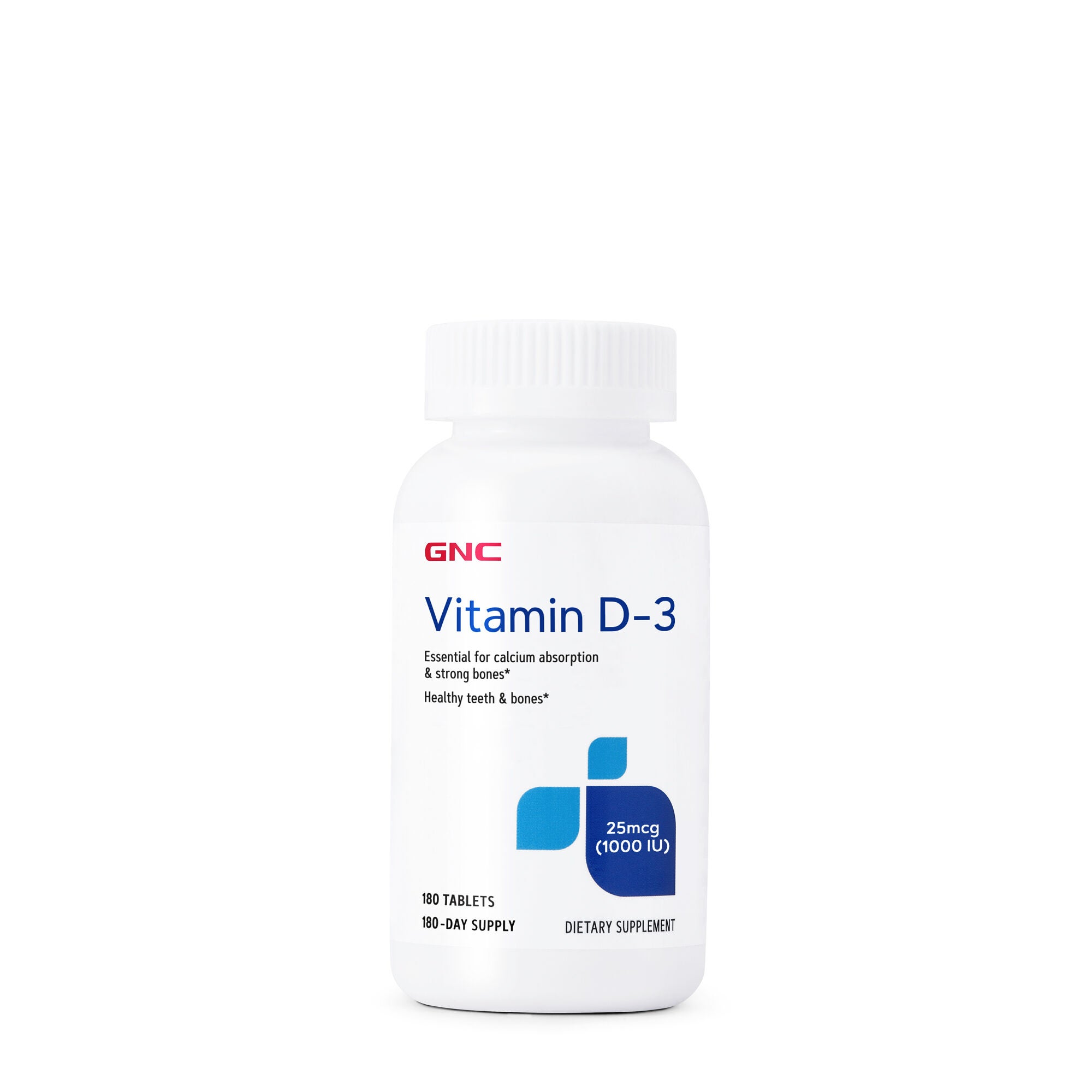


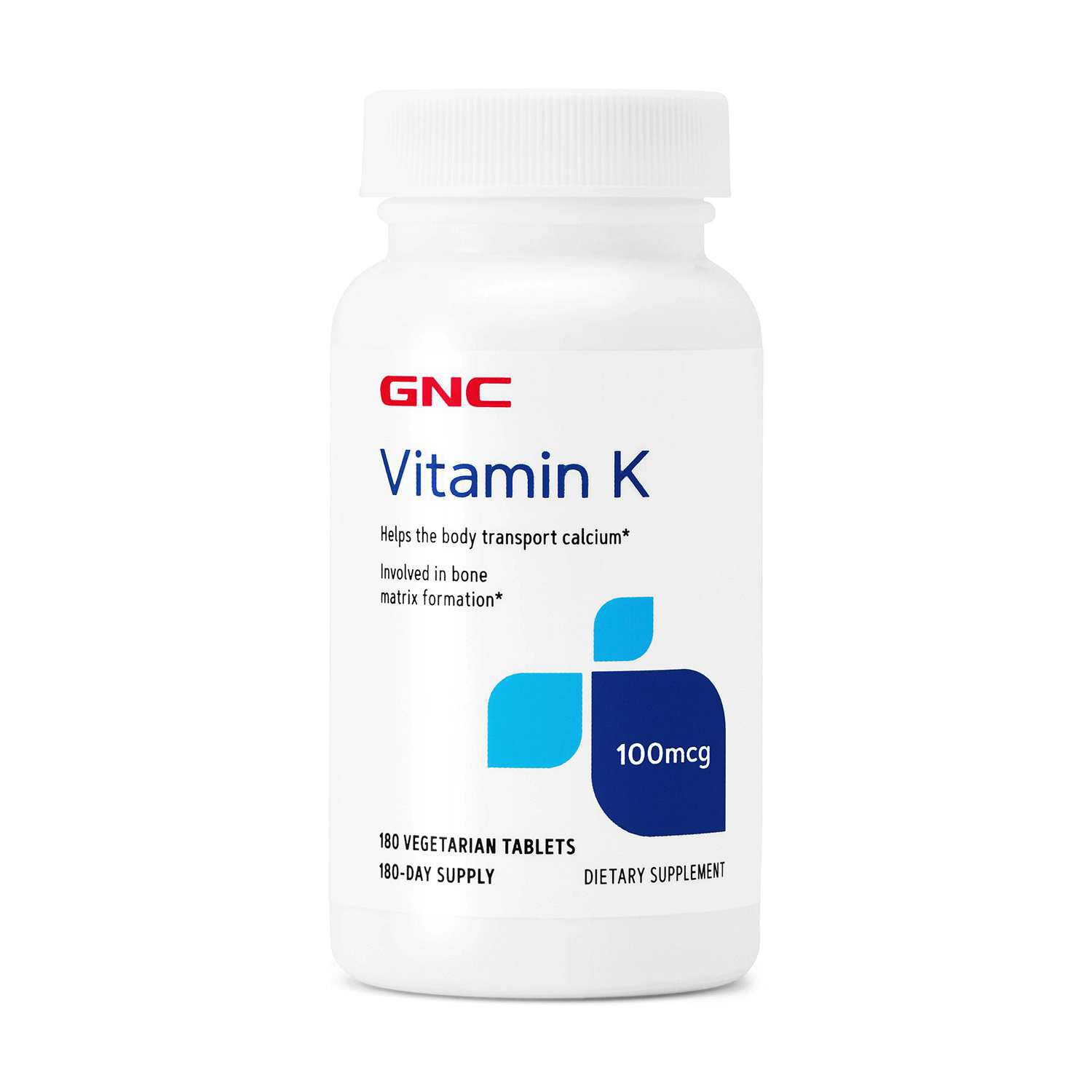

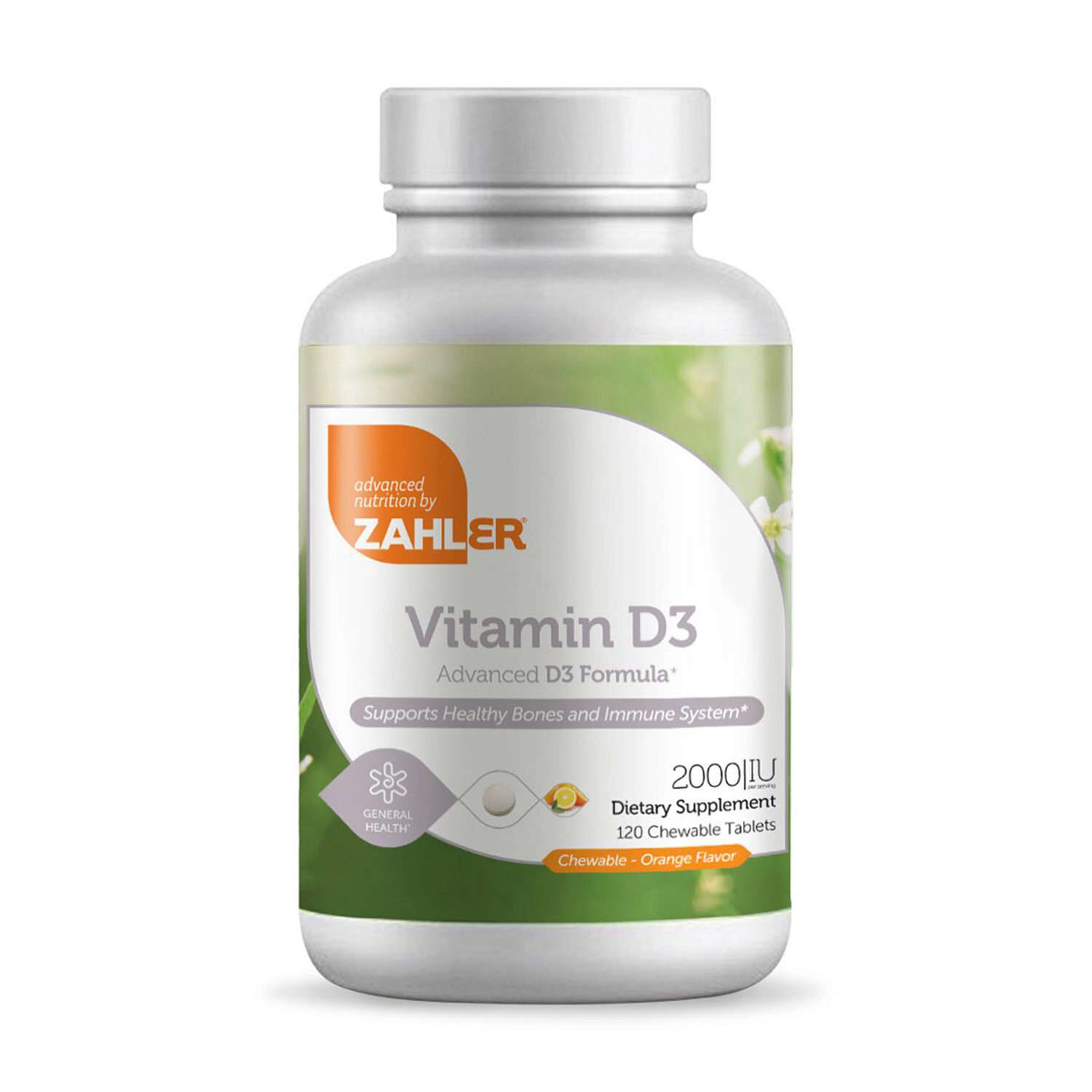
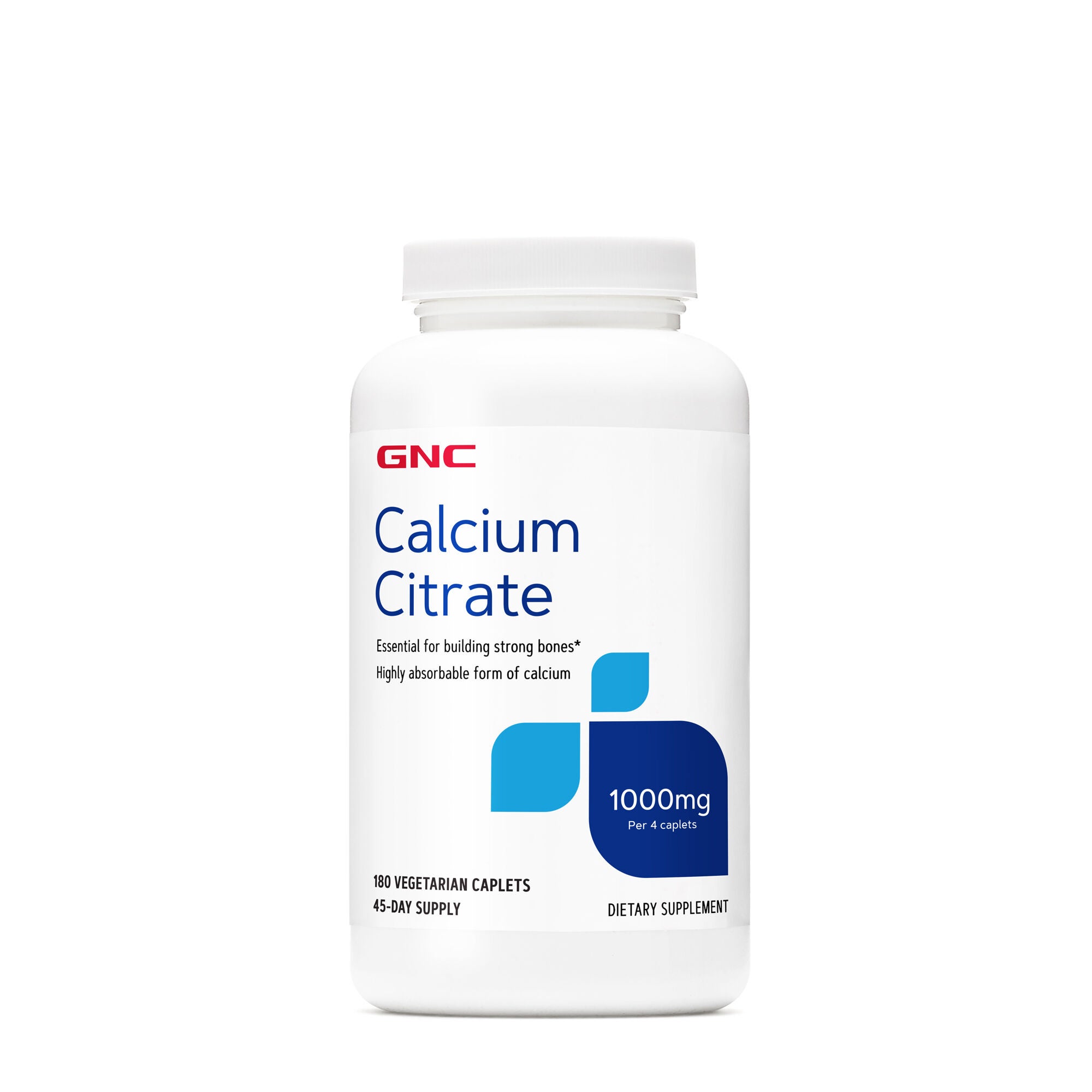
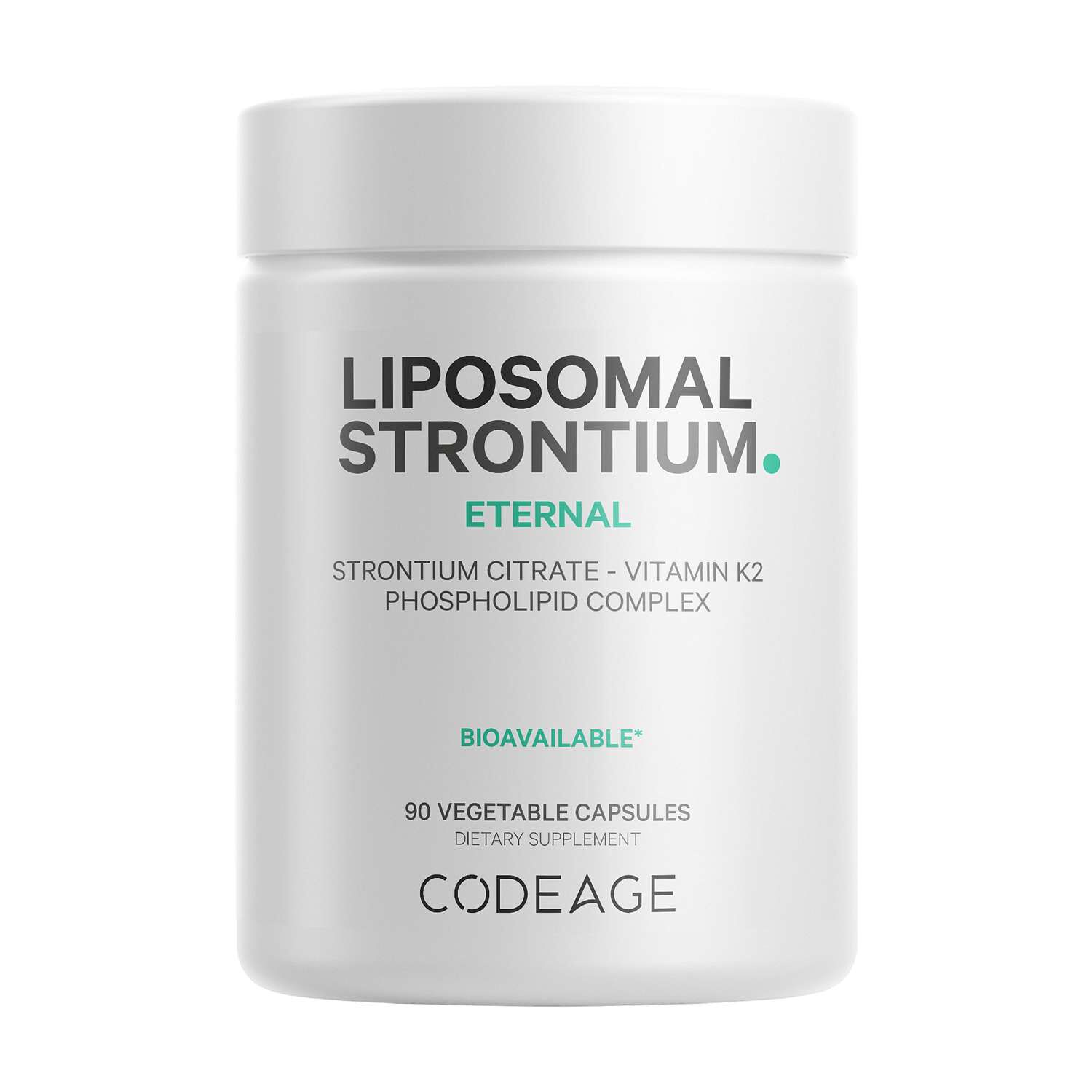
Bone strength tablets are dietary supplements that commonly contain calcium, vitamin D3, vitamin K2, magnesium, or a combination of these nutrients. They are intended for shoppers interested in bone-focused nutrition, and they may complement a varied diet rather than replace everyday foods. The category includes calcium-centered formulas as well as blends that bring several vitamins and minerals into one tablet format. That distinction matters when comparing labels: two bottles with similar names can have different ingredient lists and serving sizes. Calcium carbonate and calcium citrate are familiar forms, while some formulas use calcium sourced from marine algae. The source describes where an ingredient comes from; it does not, by itself, explain everything about the finished formula. Vitamin D3 may appear alongside calcium, and vitamin K2 and magnesium may be included in the same blend. Their presence and amounts vary, so the Supplement Facts panel provides a more useful picture than the category name alone. For an adult who prefers a solid tablet to a powder mixed into a drink, this format presents the ingredients in a measured, packaged serving. Others may simply want a bottle that fits neatly beside their existing nutrition products. A shopper who eats dairy regularly may approach the category differently from someone whose meals center on plant-based foods, but neither eating pattern points to a single formula for everyone. Yogurt, fortified beverages, beans, and leafy greens contribute different nutrients to everyday meals, while tablets have their own labeled nutrient profiles. Dietary preferences also extend to the supplement itself. A marine-algae calcium source does not automatically make every ingredient in a tablet plant-based, and vitamin D3 can come from sources such as lanolin or lichen. Clearly stated vegetarian or vegan labeling, along with the full ingredient list, helps describe the finished product. An informative comparison connects the nutrient selection, ingredient sources, and serving format instead of treating all bone strength tablets as interchangeable.
Reading a bone strength tablet label starts with the serving size. If a panel lists nutrients for a serving of two tablets, the stated calcium amount belongs to that two-tablet serving, not to each individual tablet. This is an important difference when comparing bottles with similar-looking front labels. The amount of calcium listed in Supplement Facts refers to the calcium supplied by the serving, while the ingredient description identifies its form, such as calcium citrate or calcium carbonate. These details serve different purposes and are worth reading together. Vitamin D can be expressed in micrograms and international units, while other nutrients use milligrams or micrograms; matching the units makes side-by-side comparisons clearer. Vitamin K2 may also be identified by a form such as MK-4 or MK-7. Those names describe ingredient differences, not a reason to assume that one tablet is interchangeable with another. A combination formula may bring several nutrients into the same serving, whereas a more narrowly focused formula emphasizes fewer ingredients. Neither description reveals the tablet’s dimensions, so physical format deserves its own consideration. Tablets can differ in length, thickness, shape, and surface finish, even when their nutrient names look similar. Some have a coating, and others have an uncoated surface. The other ingredients section identifies components associated with the tablet’s construction, including binders and coating materials. A shopper comparing a compact rounded tablet with an elongated one is considering a practical preference as well as a nutrient profile. Dietary labeling, allergen statements, and ingredient-source descriptions add further context without replacing the main nutrient panel. When a package includes a third-party testing mark, the wording associated with that mark explains what was reviewed; a symbol alone does not describe every aspect of the formula. Clear labeling makes it easier to distinguish nutrient content from manufacturing details. Together, these package features give shoppers a grounded way to compare bone strength tablets without relying on a large front-label number or a familiar ingredient name.
The intended use and day-to-day handling of bone strength tablets are described on the package, including serving directions and storage information. A tablet format can fit an organized nutrition routine, whether the bottle sits in a designated cabinet or accompanies other labeled products in a travel bag. The package directions establish how a particular formula is intended to be used; a shared category name does not establish identical directions across different formulas. Existing multivitamins and other nutrient blends can contain some of the same ingredients, making their labels relevant context when comparing another bottle. Seeing those ingredient lists together provides a more detailed picture than category names alone. Packaging also matters for keeping the product identifiable. The original container brings together the nutrient panel, ingredient list, serving directions, and date information in one place. For travel, retaining that information keeps a familiar formula from becoming an unlabeled collection of tablets. A tightly closed container and a dry storage location are practical considerations, subject to the specific instructions printed on the package. Tablet coatings and bottle designs vary, so the label remains the reference for handling and storage rather than assumptions based on appearance. Printed date information is another detail worth keeping visible when organizing bottles in a cabinet or packing them for a trip. Shoppers considering adjacent categories can also explore Extra Strength Bone Density Supplements for a related selection of bone-focused formulas. The phrase extra strength is not a universal serving specification, so the individual nutrient panel remains the useful point of comparison. A larger stated amount, a longer ingredient list, or a different tablet size describes a product difference rather than a universal fit. Choosing among bone strength tablets involves understanding the formula on its own terms: which nutrients it contains, how their sources are identified, what constitutes a labeled serving, and whether the format matches personal preferences. Those concrete details keep the focus on informed product selection and everyday nutritional context.
Best Sellers


Related Pages

Top Collections
- Daily Collagen Supplements | Top Brands & Deals | GNC
- Natural Collagen Supplements | Top Brands & Deals | GNC
- Top Rated Collagen | Shop Customer Favorites | GNC
- Cortisol Supplements
- Vitamins For Hair Loss
- Spirulina Tablets
- NAD+ Supplement Tablets
- Peptide Supplements
- Best Brand of Magnesium Glycinate
- Vitamins That Help Support Weight Gain