

120 Capsule Vitamins
(0 Results)
Explore the potential benefits of incorporating vitamins into your daily routine with our selection of high-quality, convenient, and easy-to-use options. The range of products available in the form of "120 capsule vitamins" offers a versatile choice for those looking to support their wellness journey. Whether you're seeking to fill nutritional gaps or complement a balanced diet, these vitamins may provide a simple solution. With a variety of formulations designed to cater to diverse health needs, finding the right fit for your lifestyle could be just a few clicks away.




 _Front.jpg?sw=305&sh=305&sm=fit "Magnesium: Bioactive Magensium Citrate - 120 Capsules (120 Servings) | GNC")


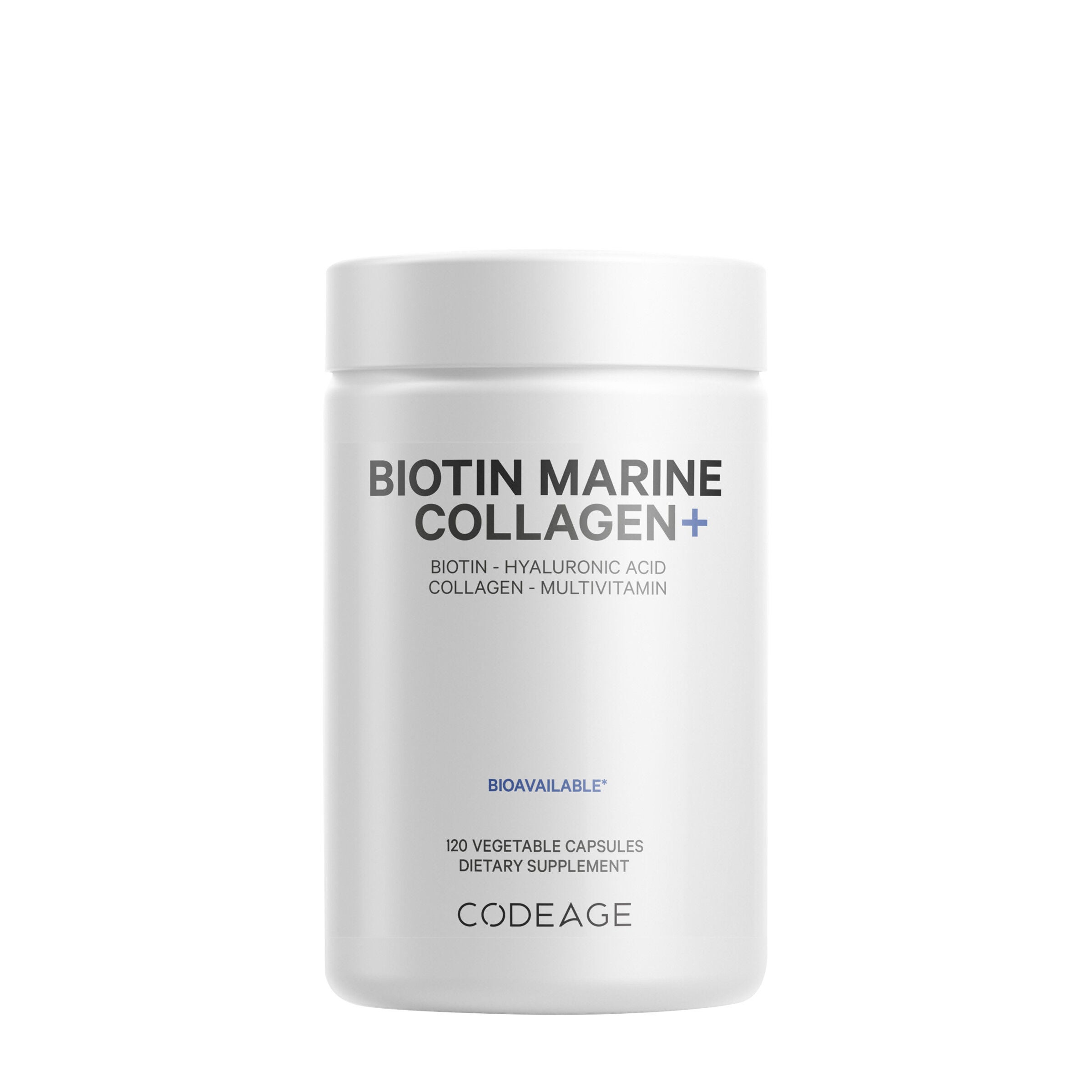
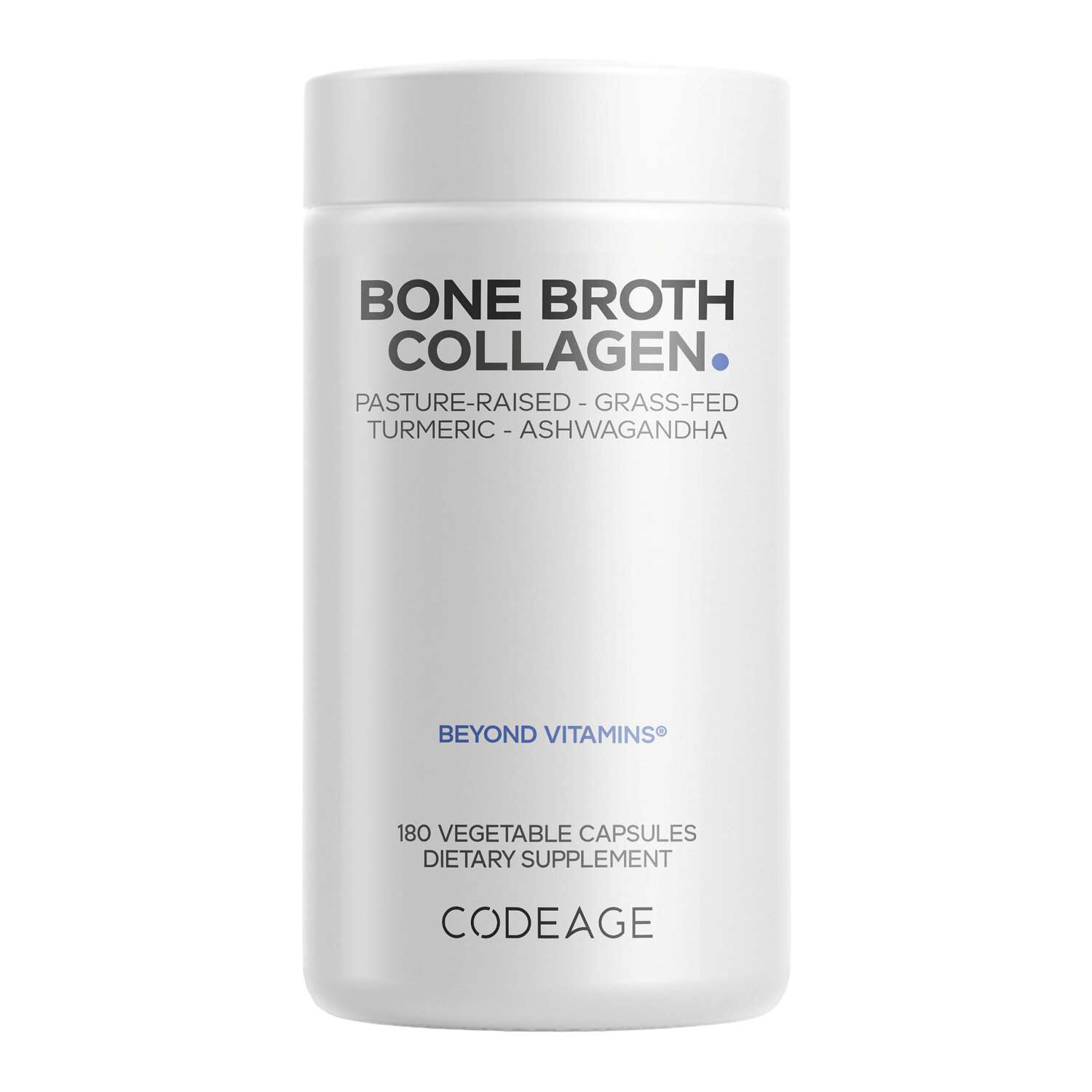


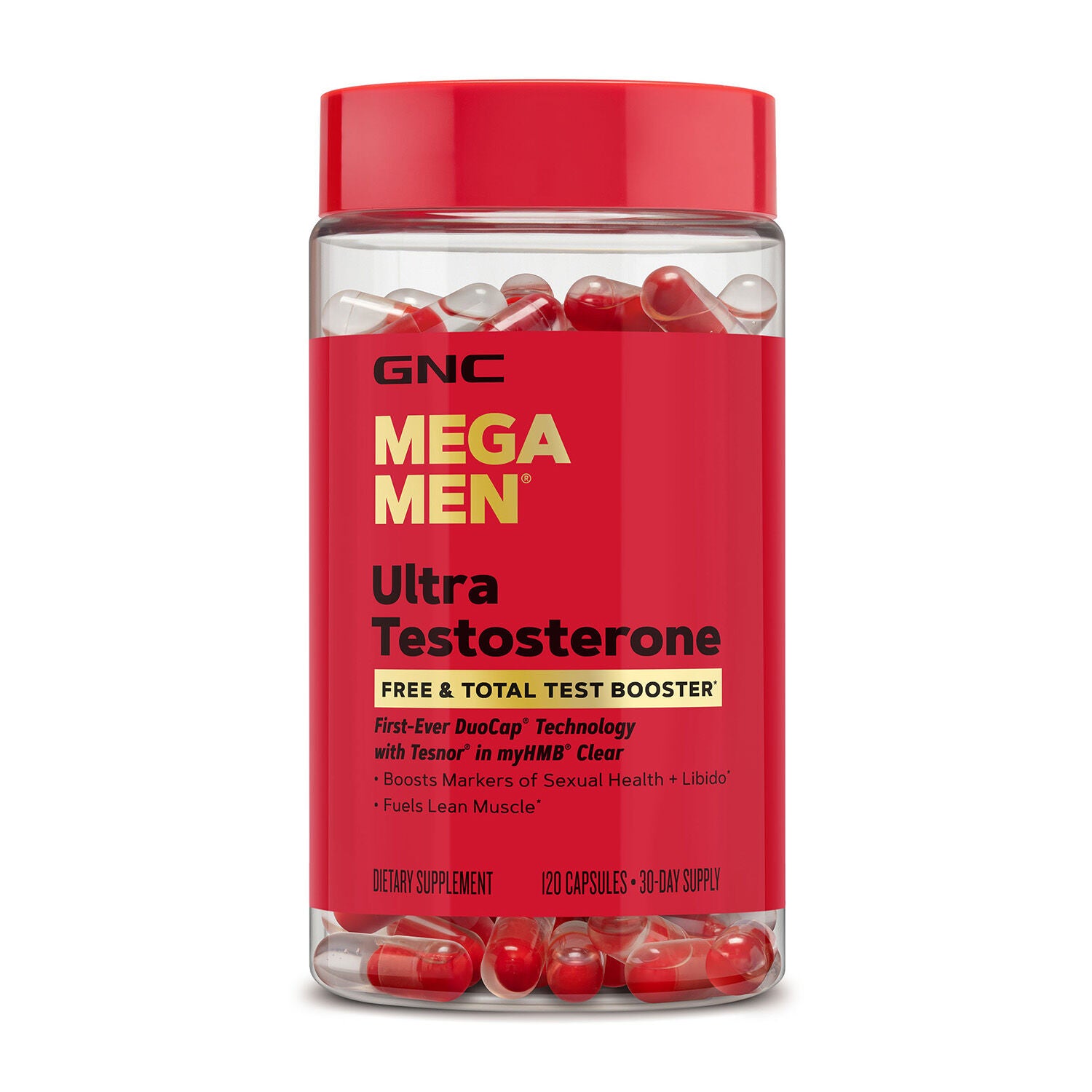
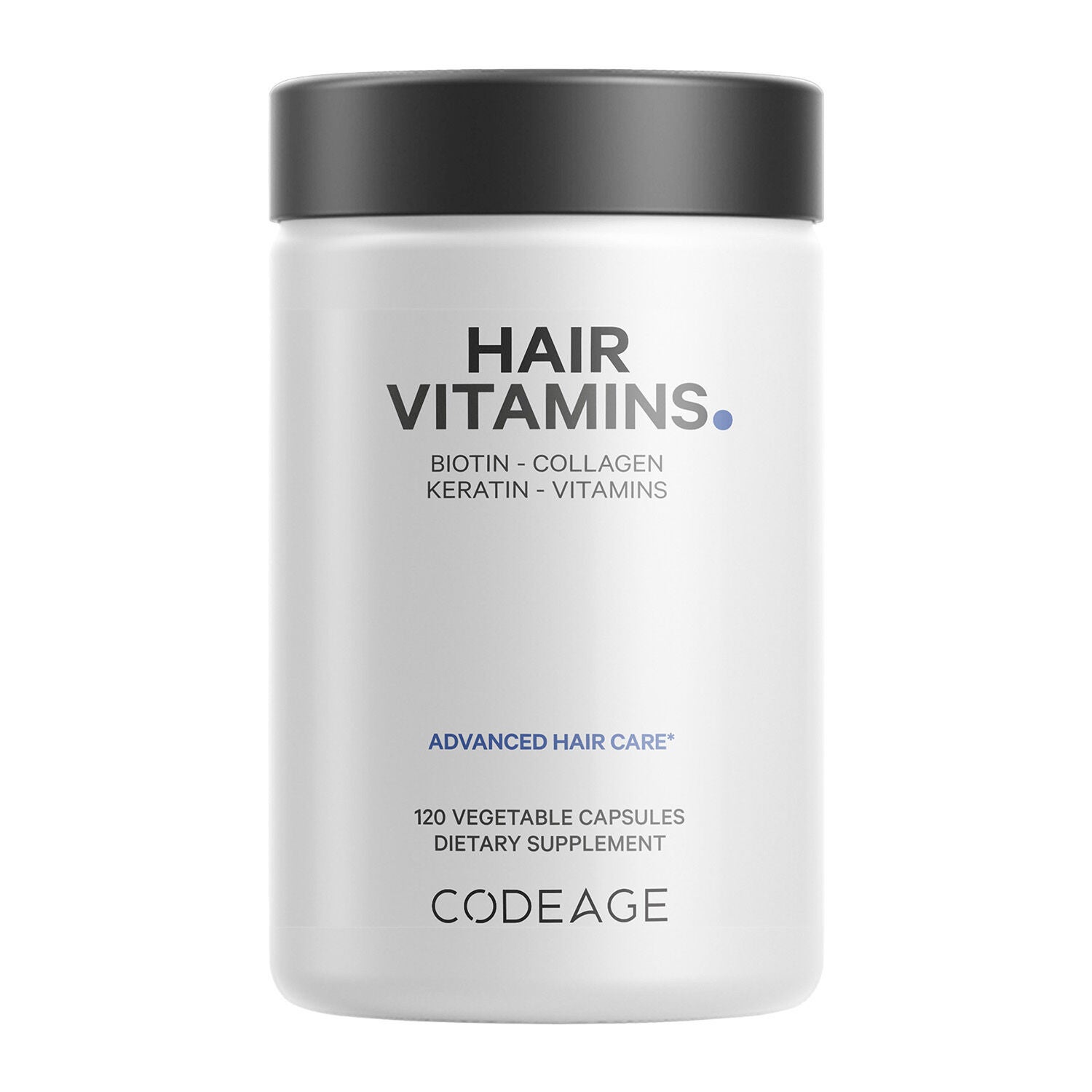
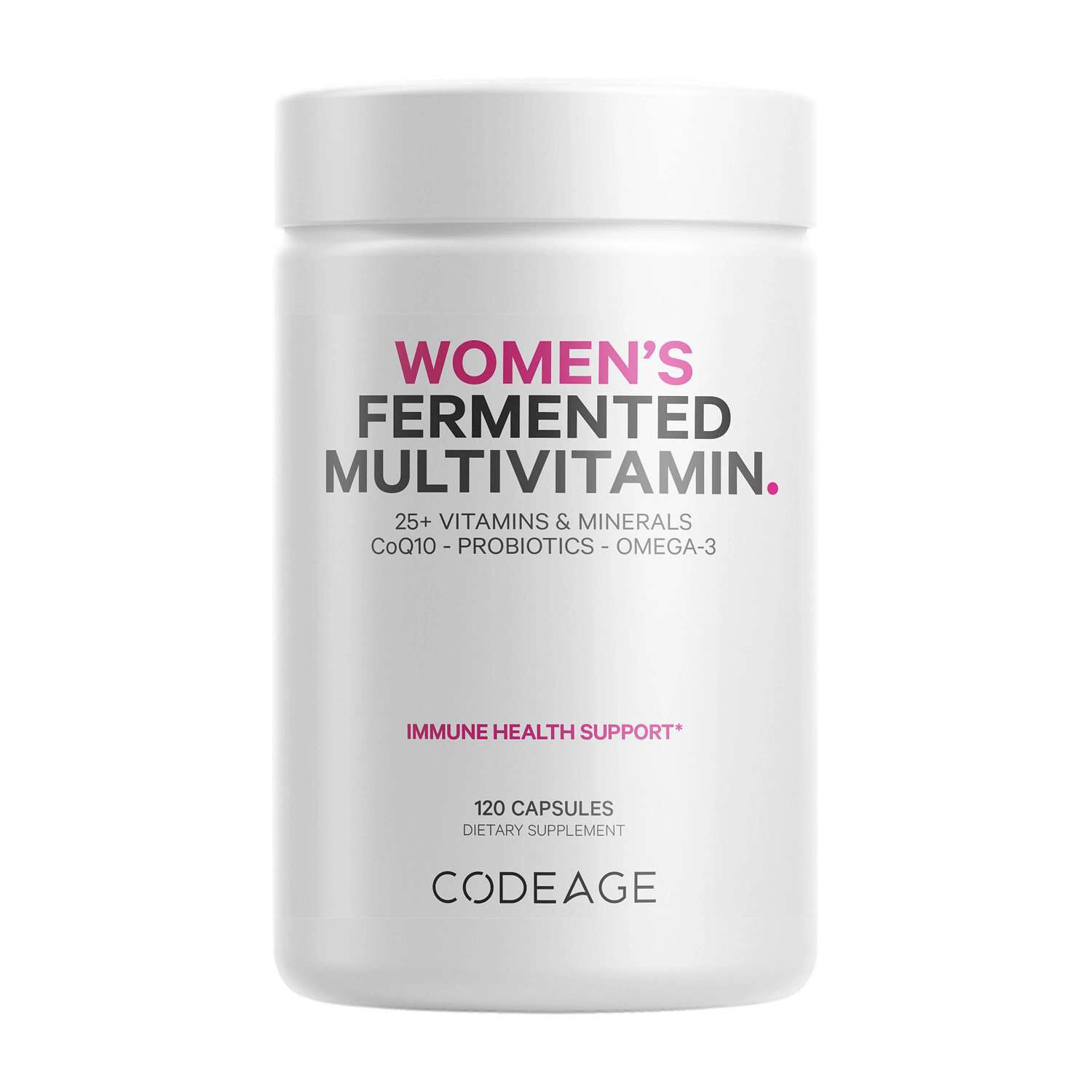
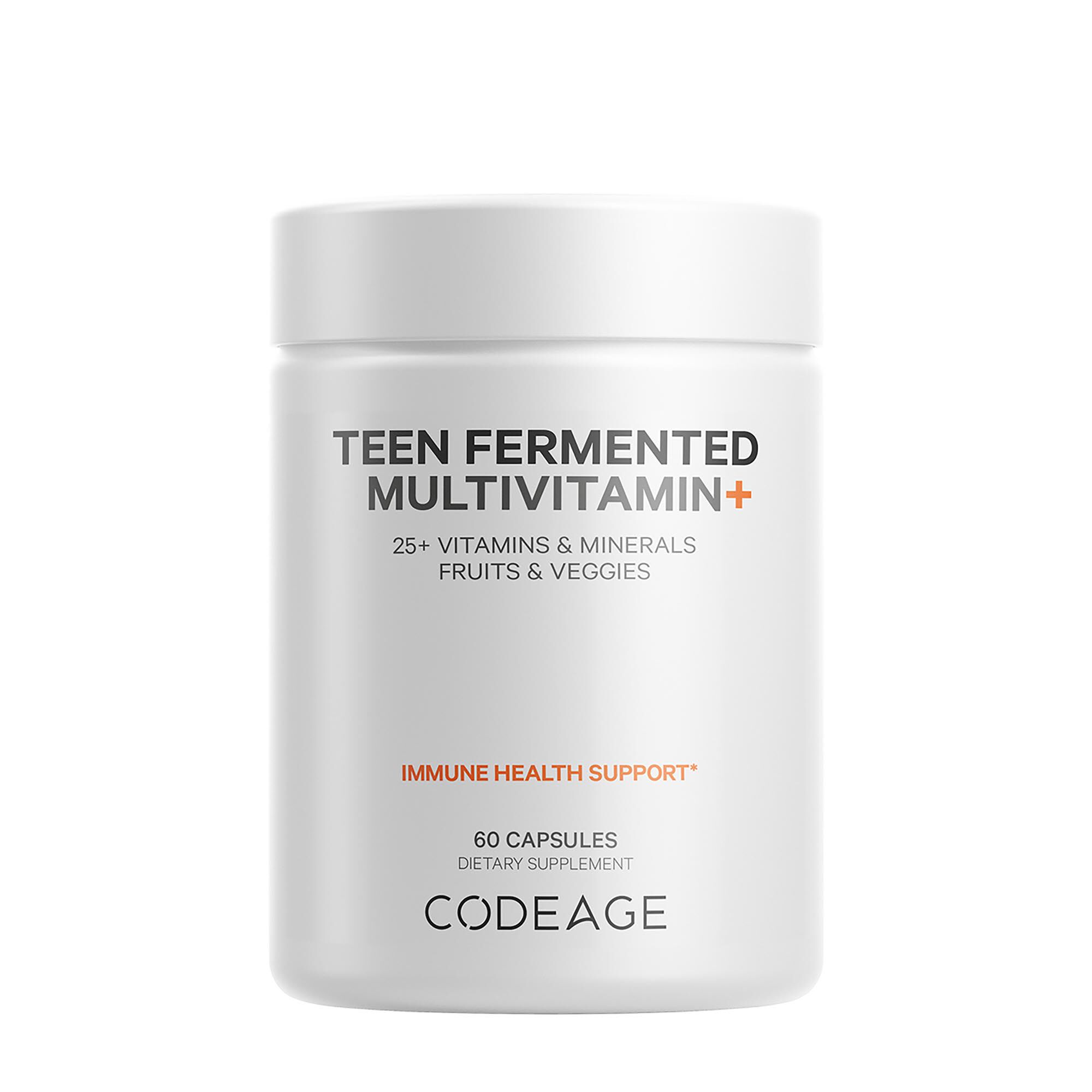
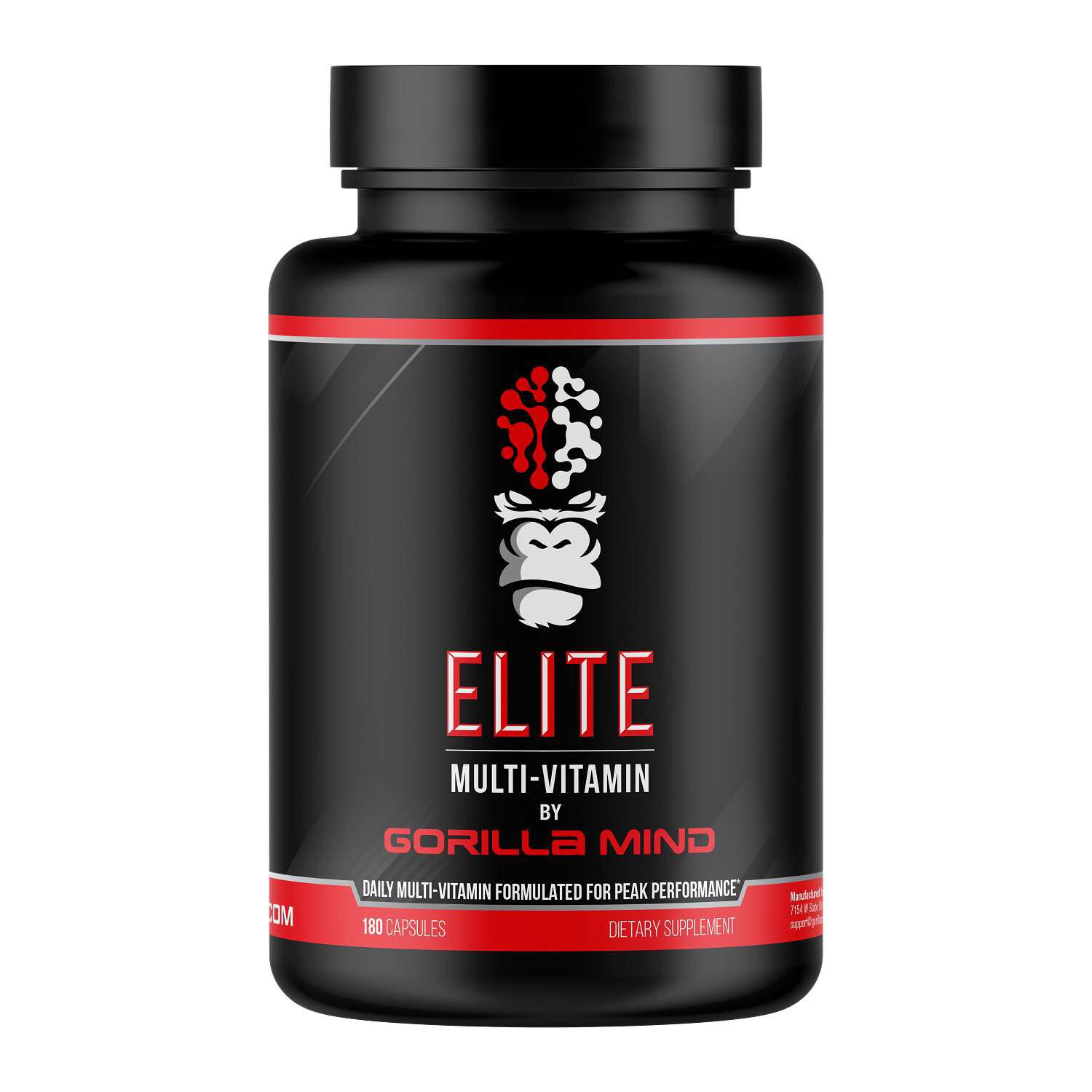
A bottle of 120 capsule vitamins describes the number of capsules in the container, not the number of daily servings or the amount of each nutrient. That distinction makes capsule count a useful starting point when comparing vitamin supplements for an established daily routine. If the label directs one capsule per day, a 120-capsule bottle contains 120 daily servings; at two capsules per day, it contains 60; at four capsules per day, it contains 30. The suggested use and Supplement Facts panel provide the details behind those numbers. Within this format, vitamin supplements range from formulas centered on one vitamin to multivitamins containing a broader assortment of nutrients. Some formulas also include minerals or other ingredients, so two bottles with the same capsule count can have very different contents. A single-vitamin formula has a narrower ingredient focus, while a multivitamin brings several vitamins together in one serving. Neither the number of capsules nor the length of the ingredient list, by itself, establishes how well a formula matches someone's preferences. The amount of each nutrient per serving, the serving size, and the capsule materials all contribute to that comparison. For someone who already has a familiar supplement routine, a 120-capsule format offers a straightforward quantity to consider alongside those details. For someone comparing formats, it helps distinguish the physical contents of a bottle from the way that bottle fits into everyday life. A container used at breakfast may last a different length of time than an equally sized container with a different daily serving. Even bottles that look similar on a shelf can have different dimensions, capsule sizes, and suggested uses. The most informative comparison therefore brings the count, formula, and label directions together rather than treating 120 capsules as a fixed number of months. This keeps the focus on what the bottle actually contains and how its stated serving translates into a daily routine.
Capsule construction is another meaningful part of the 120-capsule vitamin category. Many capsules consist of a two-piece shell surrounding powdered ingredients, although the contents and construction vary by formula. Shell materials can include gelatin or plant-derived materials such as cellulose. Those differences matter to shoppers with dietary preferences, but a plant-derived shell alone does not establish that every ingredient in the formula is suitable for a vegan diet. The vitamin sources and other ingredients remain part of that assessment. The Other Ingredients list identifies components beyond the nutrients shown in the Supplement Facts panel, including capsule materials and ingredients used during manufacturing. Dietary statements and certifications add context when they appear on the label; they should not be assumed from the capsule format or bottle count. Size and shape also vary. A 120-capsule bottle does not indicate whether the capsules are narrow, wide, short, or long, and product images do not always communicate dimensions clearly. Shoppers who prefer a particular capsule size may find stated measurements more informative than the bottle photograph. Serving size matters here as well: one larger capsule and a serving of several smaller capsules represent different daily experiences. Amounts on a Supplement Facts panel are generally presented per serving, so a two-capsule serving should not be read as the amount contained in each individual capsule. Units such as milligrams and micrograms also deserve attention because they describe different quantities. Percent Daily Value supplies another point of reference, while some listed ingredients do not have an established Daily Value. These details offer a more precise picture than a front-label nutrient name alone. For shoppers comparing vitamin formulas, the useful distinctions are concrete: which vitamins are included, how much the stated serving contains, what surrounds the ingredients, and which dietary attributes the label identifies. A clear label brings those details into view without requiring assumptions about what every capsule vitamin contains.
The practical appeal of a 120-capsule vitamin bottle also depends on where and how it will be kept. A larger count often stays in use for an extended period, making storage conditions and the printed expiration date relevant parts of the purchase. Label-specific storage directions take priority, and a cool, dry location away from direct sunlight is a common requirement. A bathroom shelf beside a steamy shower or a kitchen windowsill above a warm sink can expose a container to changing moisture and temperature. A dry cabinet away from the stove offers a different environment, provided it meets the label's directions and remains out of reach of children. Keeping the container tightly closed and retaining its original label preserves access to the ingredient list, suggested use, lot information, and expiration date. Capsule shells and contents are not designed for rough handling or prolonged exposure to unsuitable conditions, so packaging serves a practical purpose beyond keeping the count together. During travel, the original container also keeps the identifying information with the supplement; any organizer needs to suit the label's storage requirements. For adults managing a familiar routine at home, a bottle's footprint, closure, and readable labeling can matter just as much as its capsule count. For households where more than one person uses supplements, clearly separated containers help keep different formulas and directions distinct. Seasonal changes in schedules, from cooler-weather trips to longer stretches indoors, do not change the serving information printed on the bottle. Count remains a planning detail rather than a reason to change the suggested use. Shoppers comparing nearby bottle sizes can also browse 100 Capsule Supplements, with the understanding that a different capsule count does not necessarily mean a different serving size or nutrient amount. Across these formats, the most useful match is grounded in the same details: the intended user described on the label, the formula, dietary preferences, capsule construction, and the number of servings in the container. Together, those features give 120 capsule vitamins a clear place in a thoughtfully organized supplement routine.
Best Sellers
-
 Yemaya Organics
 -
 BetterAlt
 -
 Yemaya Organics