

Water Bottles For Hiking
(0 Results)
Stay refreshed on every trail with water bottles for hiking designed to keep you hydrated during outdoor adventures. Whether you're exploring rugged mountain paths or enjoying a leisurely walk through the woods, having the right water bottle may make all the difference. Discover options that could help support your hydration goals and fit seamlessly into your hiking routine. Find water bottles for hiking that may complement your active lifestyle and help you make the most of every excursion.

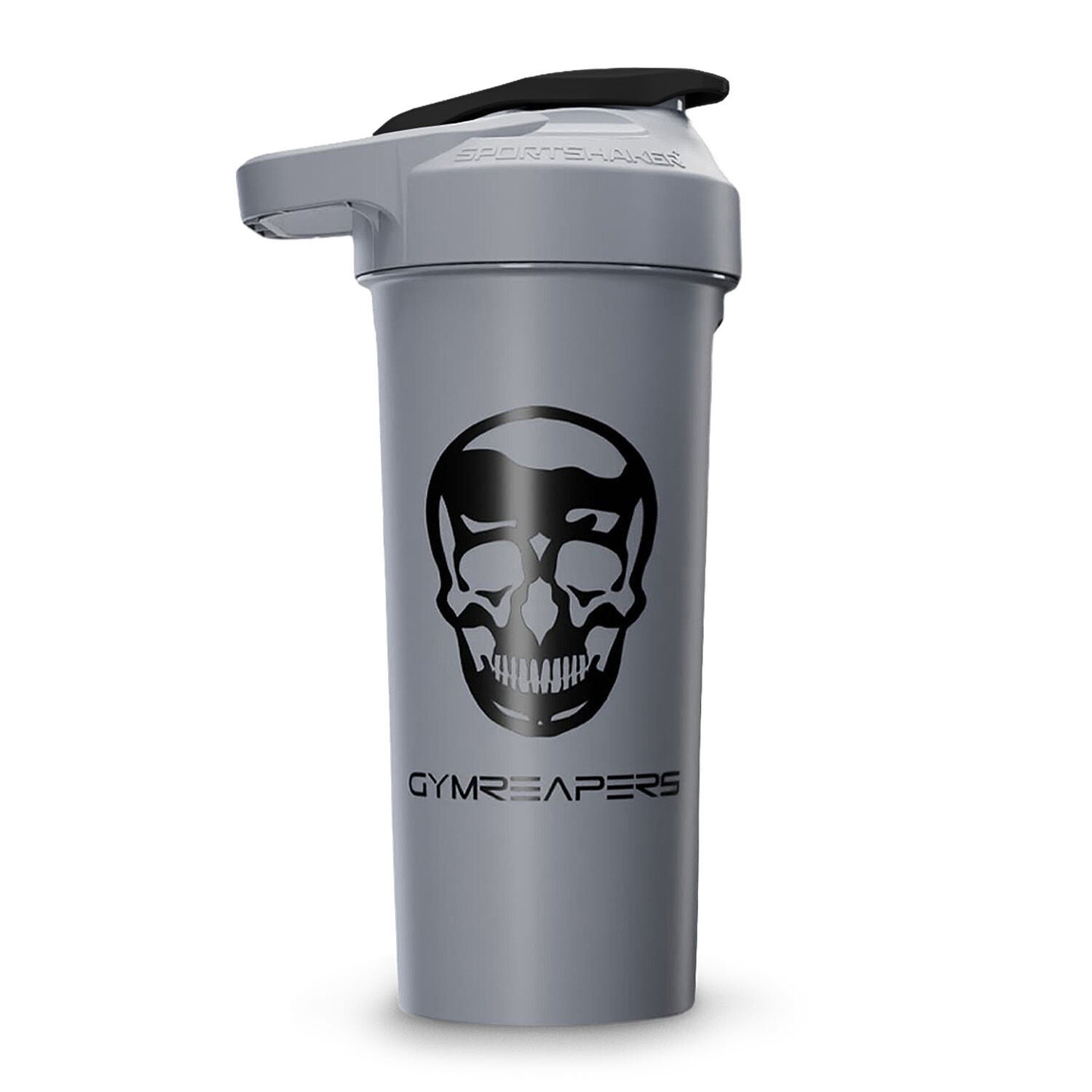
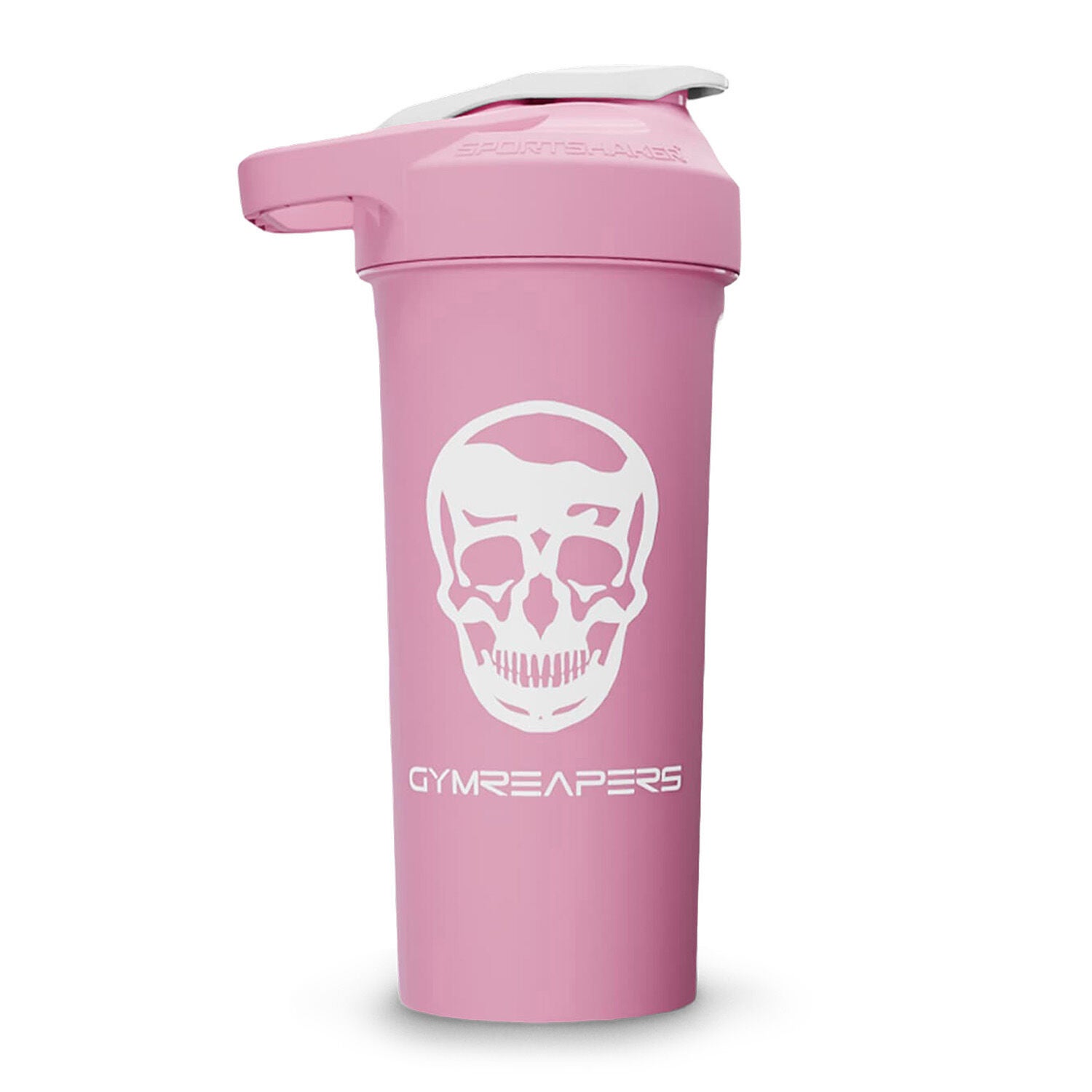
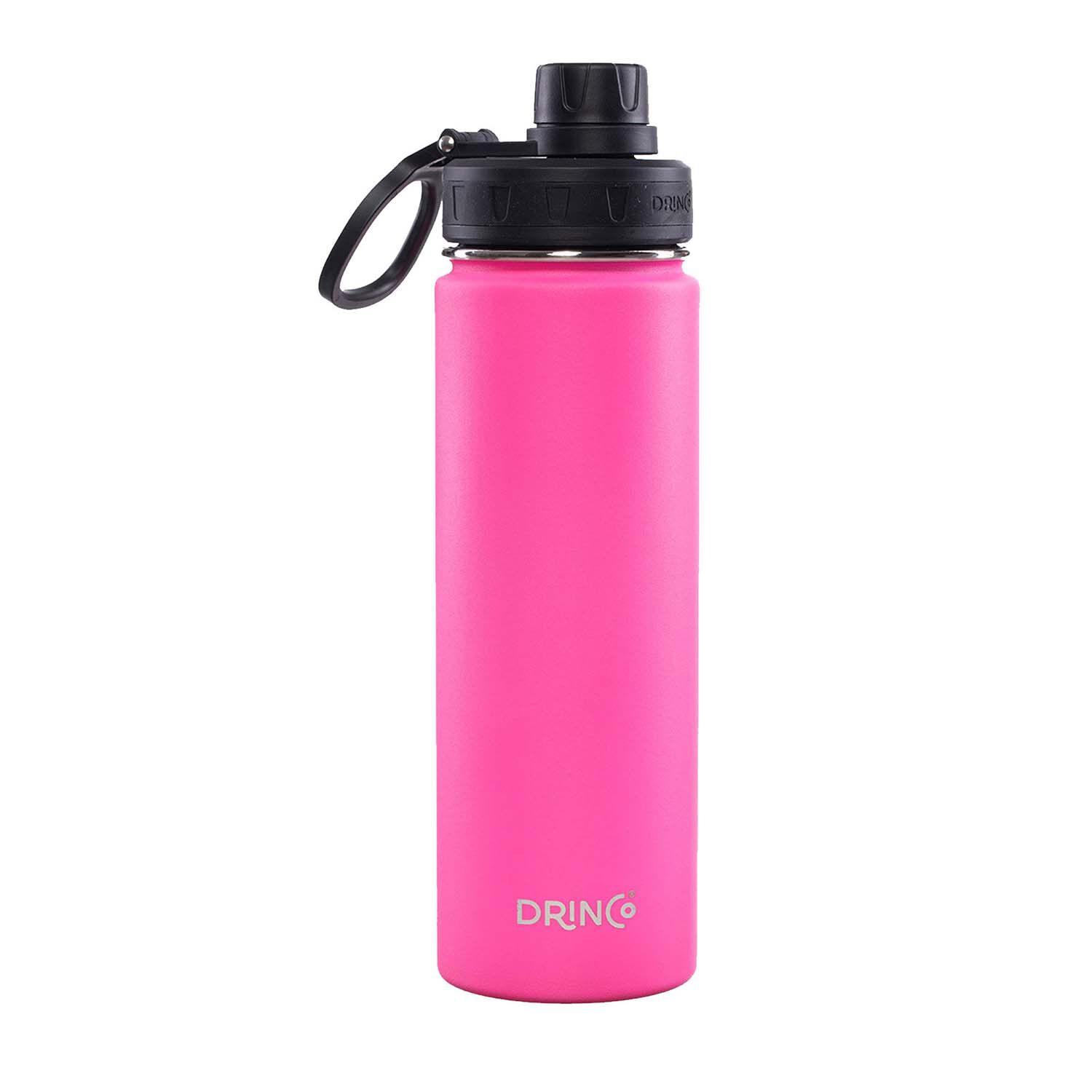


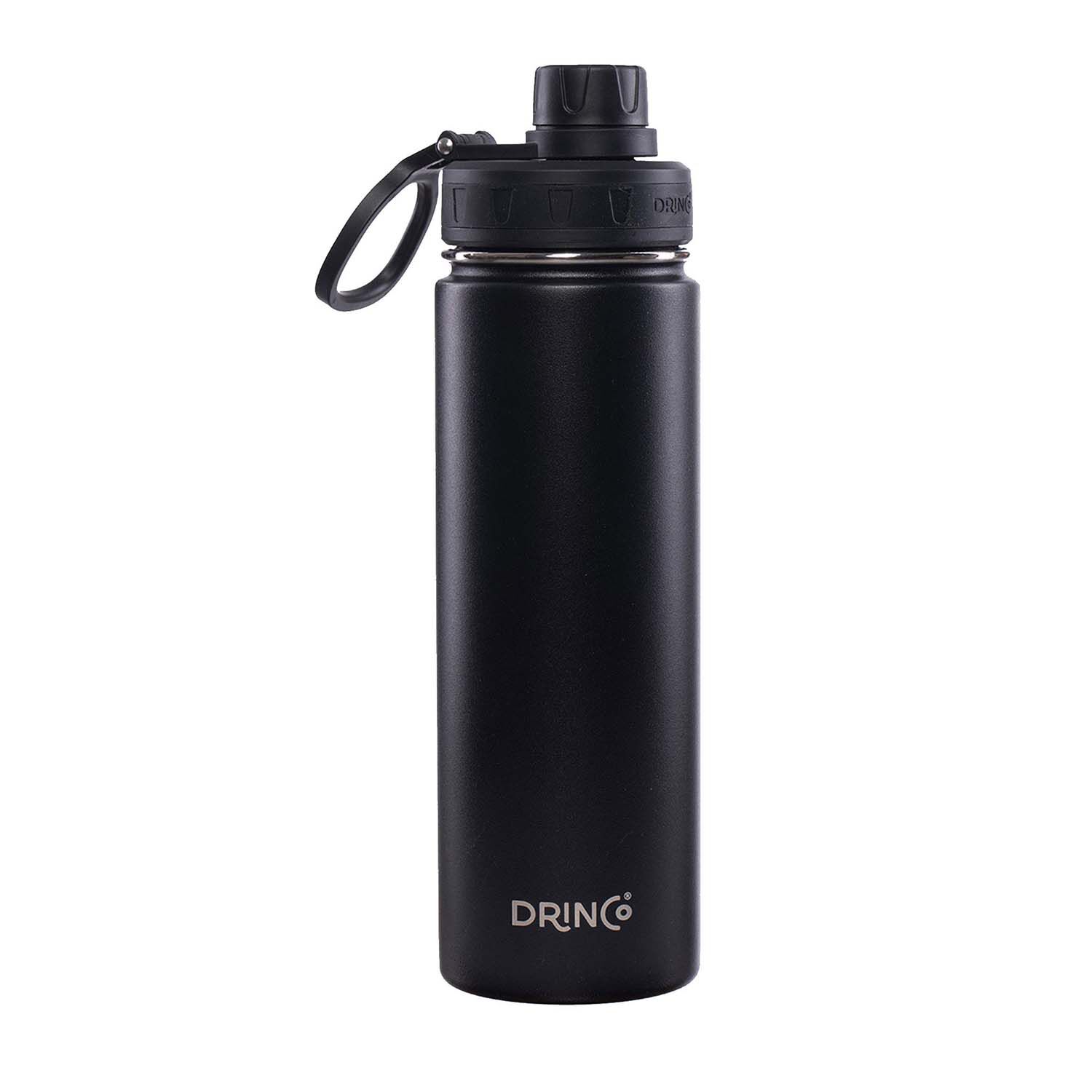


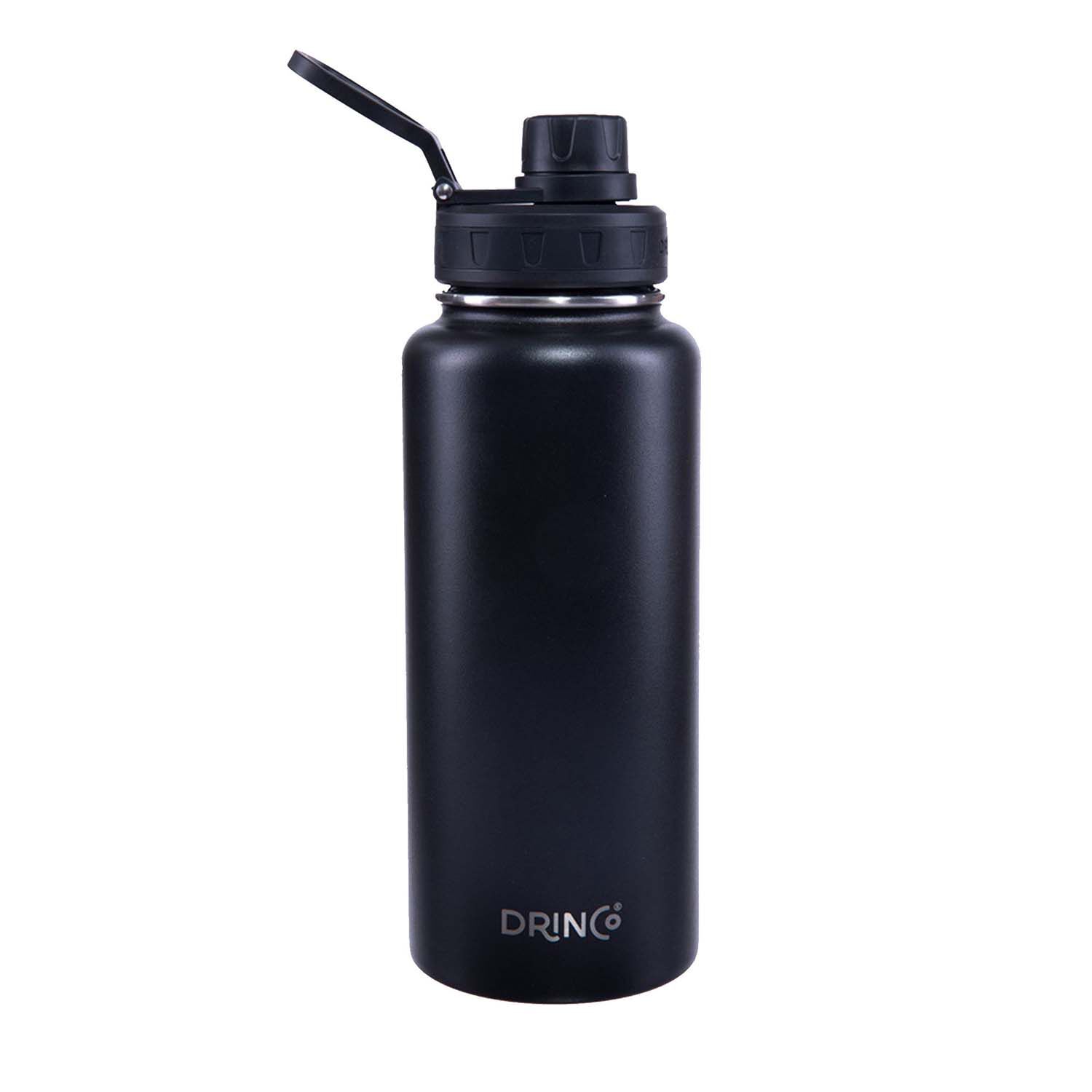

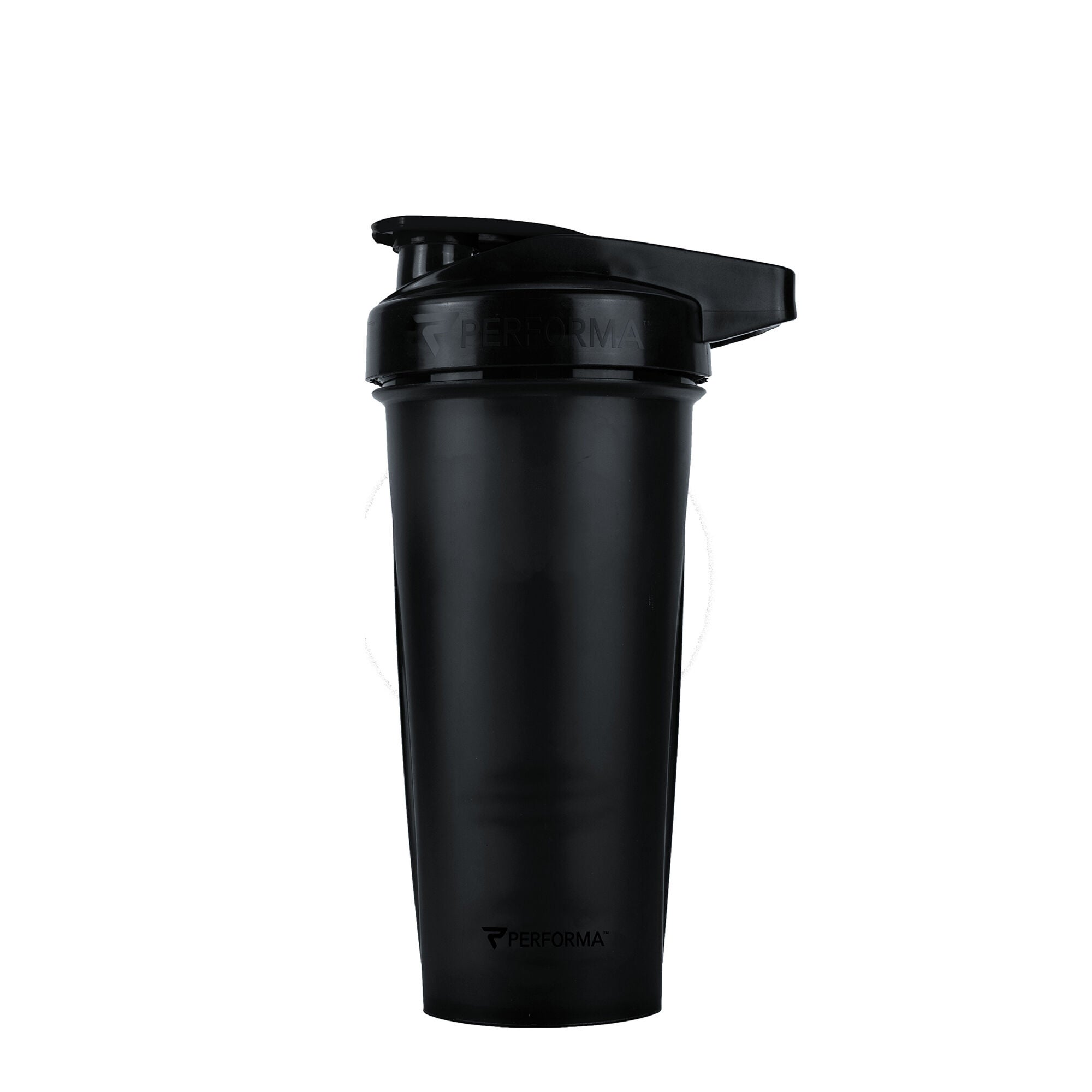
Water bottles for hiking are reusable drinking containers designed for carrying water along trails, from short loops near home to longer outings with a loaded pack. The best hiking water bottle for a particular outing depends on its capacity, empty weight, opening style, closure, and fit within the gear already being carried. A bottle for an easy walk between familiar trailheads has a different role from one packed for a remote route with few refill points. Capacity is commonly listed in fluid ounces or liters, but the dimensions deserve equal attention: two bottles with similar capacities can have very different shapes. A tall, narrow body may fit a pack’s side pocket more easily, while a shorter, wider design may suit an interior compartment. Water itself adds substantial weight, so comparing empty bottle weights is only part of the decision. Route length, terrain, access to suitable drinking water, and personal preferences all belong in the comparison. A 32-ounce bottle is a familiar size for everyday outdoor use, though no single capacity suits every hiker or every trip. Some hikers prefer one larger container, while others divide their water between smaller bottles positioned on opposite sides of a pack. That arrangement may make packing more balanced and provide a separate container for a planned refill. Refill locations also deserve a closer look before departure; a marked stream is not the same as a drinking-water station, and an ordinary water bottle does not treat water. For routes involving a separate water-treatment system, neck dimensions and thread compatibility matter as much as capacity. There is also a practical difference between a bottle used mainly at rest stops and one reached for regularly along the route. Thinking through those ordinary moments—the first drink beside a trail junction, a refill at a visitor center, or a lunch stop on a broad rock—may help narrow the choice to a container that fits the outing rather than simply looking appropriate for it.
Materials and construction give hiking water bottles much of their character. Rigid plastic, stainless steel, and flexible designs each offer a different combination of weight, structure, and packing requirements. Rigid plastic bottles often have a relatively light empty weight, and transparent or translucent walls may make the remaining water easier to see. Stainless steel bottles have a firm body and are often heavier than similarly sized plastic options, although actual weights vary by construction. Flexible bottles change shape as their contents decrease and may occupy less space after use; that flexibility also creates a different feel when holding the container or sliding it into a pocket. Neither a rugged appearance nor a thick wall tells the whole story about durability. The cap, hinge, carry loop, seal, and connection points all deserve attention, particularly for a bottle that will be packed beside other gear or set down on uneven ground. Wide-mouth hiking water bottles have larger openings that may simplify filling and brush access. A narrower opening may suit someone who prefers a more controlled sip, while a separate drinking spout adds another component to clean. Screw caps, flip lids, and straw-style closures offer distinct handling experiences. A tethered cap may be easier to keep track of at a crowded rest stop, while a carry loop may provide a convenient grip when moving between the car and the trailhead. Compatibility with the backpack is just as important as the lid style. Side pockets differ in depth, stretch, and opening width, and an oversized bottle may crowd nearby straps or sit too high for the pocket’s retaining cord. Someone using trekking poles may value a closure that requires less handling during a pause, while a photographer carrying additional equipment may prefer a simple bottle with fewer projecting parts. Exterior texture, body diameter, and the space around a handle can also influence how comfortable a bottle feels in the hand. The most useful comparison considers the whole container, including whether its shape suits both the pack and the person carrying it.
Care and intended use round out the choice of a hiking water bottle, especially when the same container travels from a desk or gym bag to the trail. A straightforward body with accessible surfaces may be easier to wash regularly than a design with several recessed areas. Manufacturer care directions determine whether a bottle and its lid components belong in a dishwasher or require hand washing; different parts of the same container can have different requirements. Removable seals, straws, and mouthpieces deserve particular attention because moisture and residue can collect around their edges. For a bottle used with drink mixes as well as plain water, access to those areas becomes an especially relevant consideration. A bottle brush needs to fit through the opening and reach the bottom, and small lid components need space to dry before reassembly. Checking the closure and seal before packing may help identify a loose part or worn component before the bottle goes beside clothing, electronics, or food. Storage habits matter, too: an open, dry container is a more practical starting point for the next outing than one put away with moisture inside. Beyond upkeep, the bottle’s everyday role can shape the selection. Casual walkers may prefer a familiar shape that also fits a car cup holder, while frequent backpackers may place greater emphasis on empty weight, pack dimensions, and compatibility with other equipment. Families may find distinct colors useful for telling bottles apart, and a hiking bottle may make a thoughtful gift for someone who enjoys local trails, campground walks, or weekend outings. For a gift, the recipient’s existing backpack and preferred drinking style offer more useful clues than appearance alone. Water storage also belongs alongside the rest of a trail-day packing routine, including food carried in a separate, accessible compartment. Pairing a bottle with Protein Snacks For Hiking may suit a planned break without adding unnecessary complexity to the bag. Whether the destination is a nearby overlook or a longer network of paths, a well-considered hiking bottle is about a practical match among carrying space, cleaning habits, preferred handling, and the route ahead.