





Protein Bars For Hiking
(0 Results)
Protein bars for hiking could be a convenient addition to your outdoor adventure routine. Whether you're planning a short trek or an all-day journey, these portable snacks may help keep you fueled while you're on the move. With a variety of flavors and textures to choose from, protein bars for hiking might fit easily into your backpack and could offer a tasty option when you need something quick and satisfying on the trail. Explore options that may suit your preferences and enjoy the journey ahead.
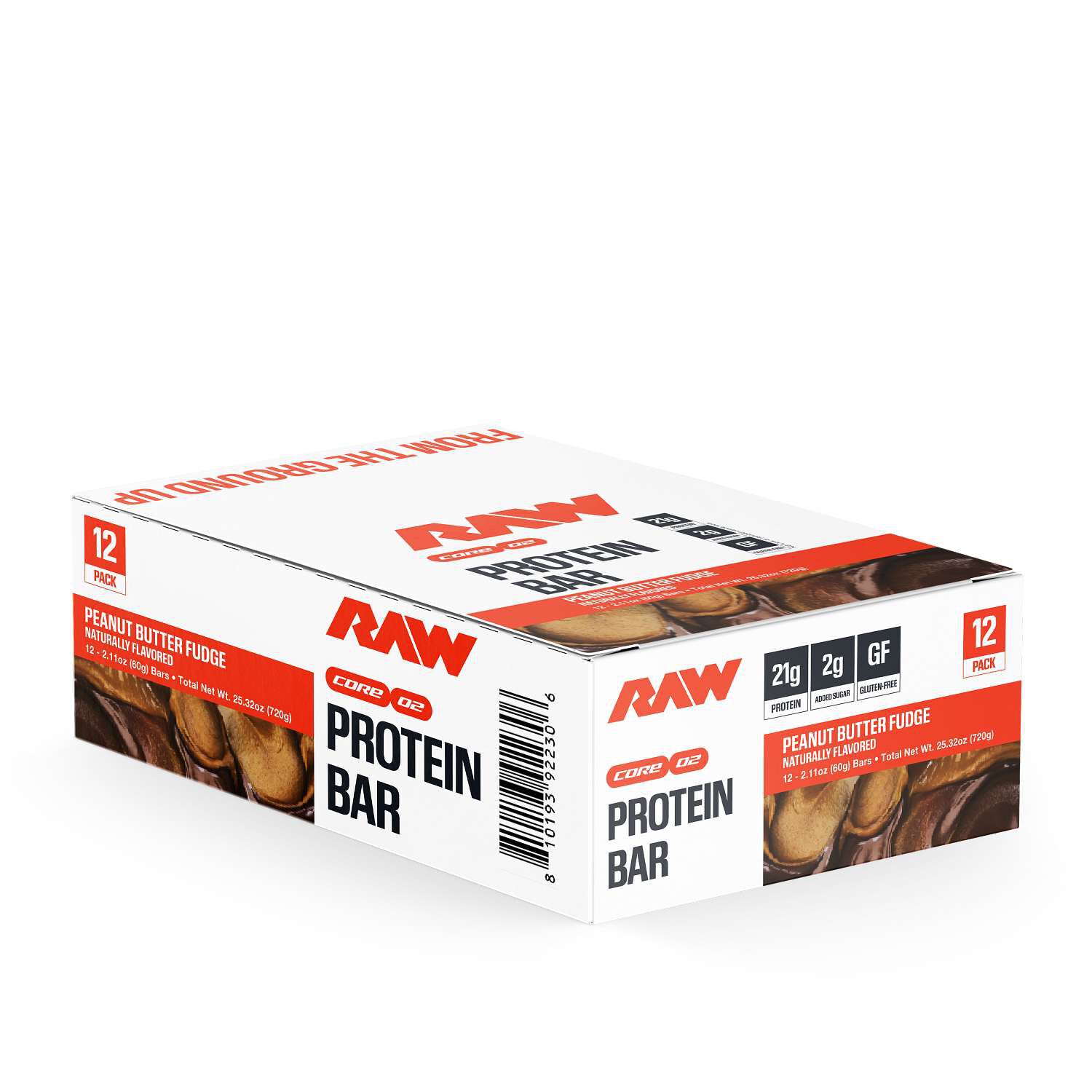

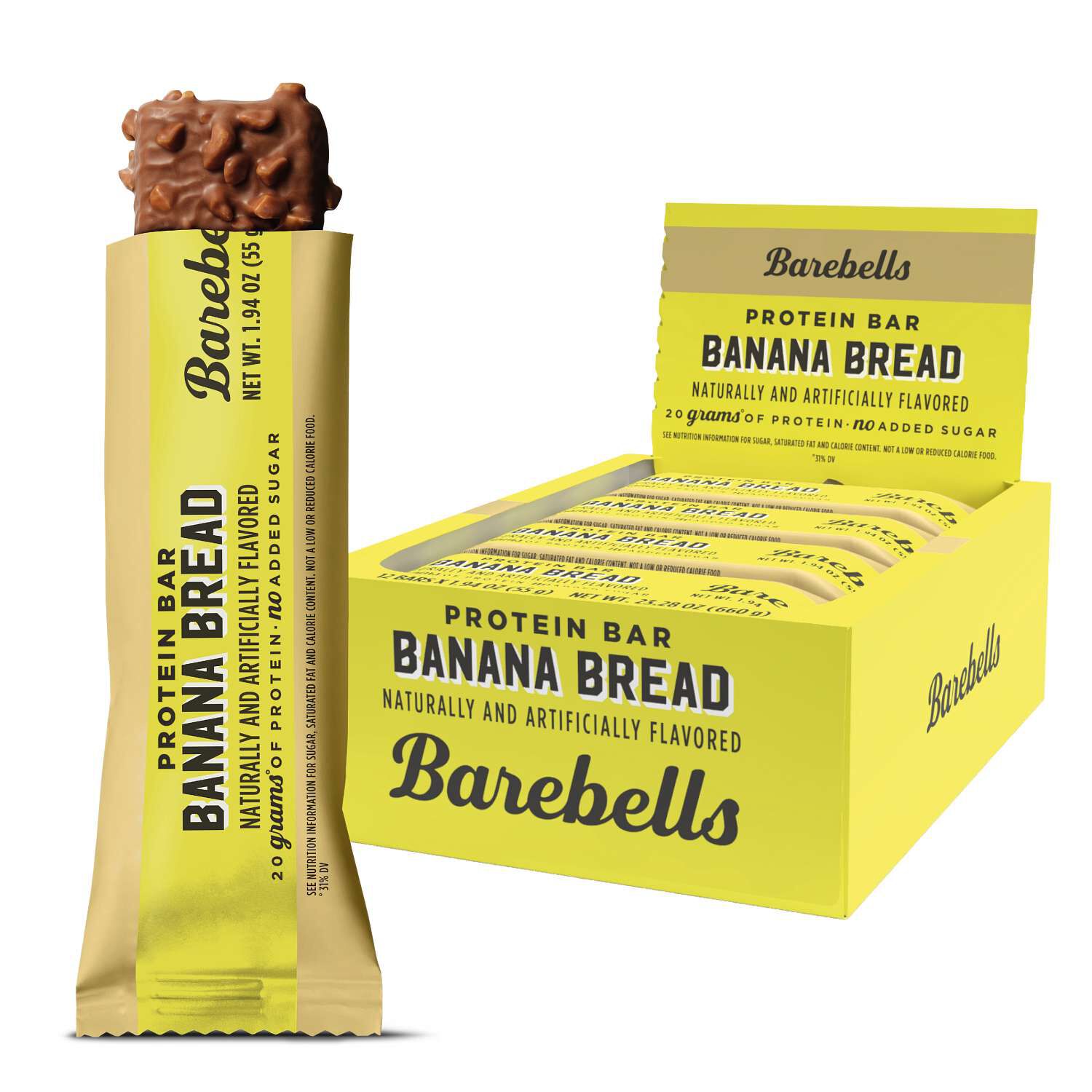
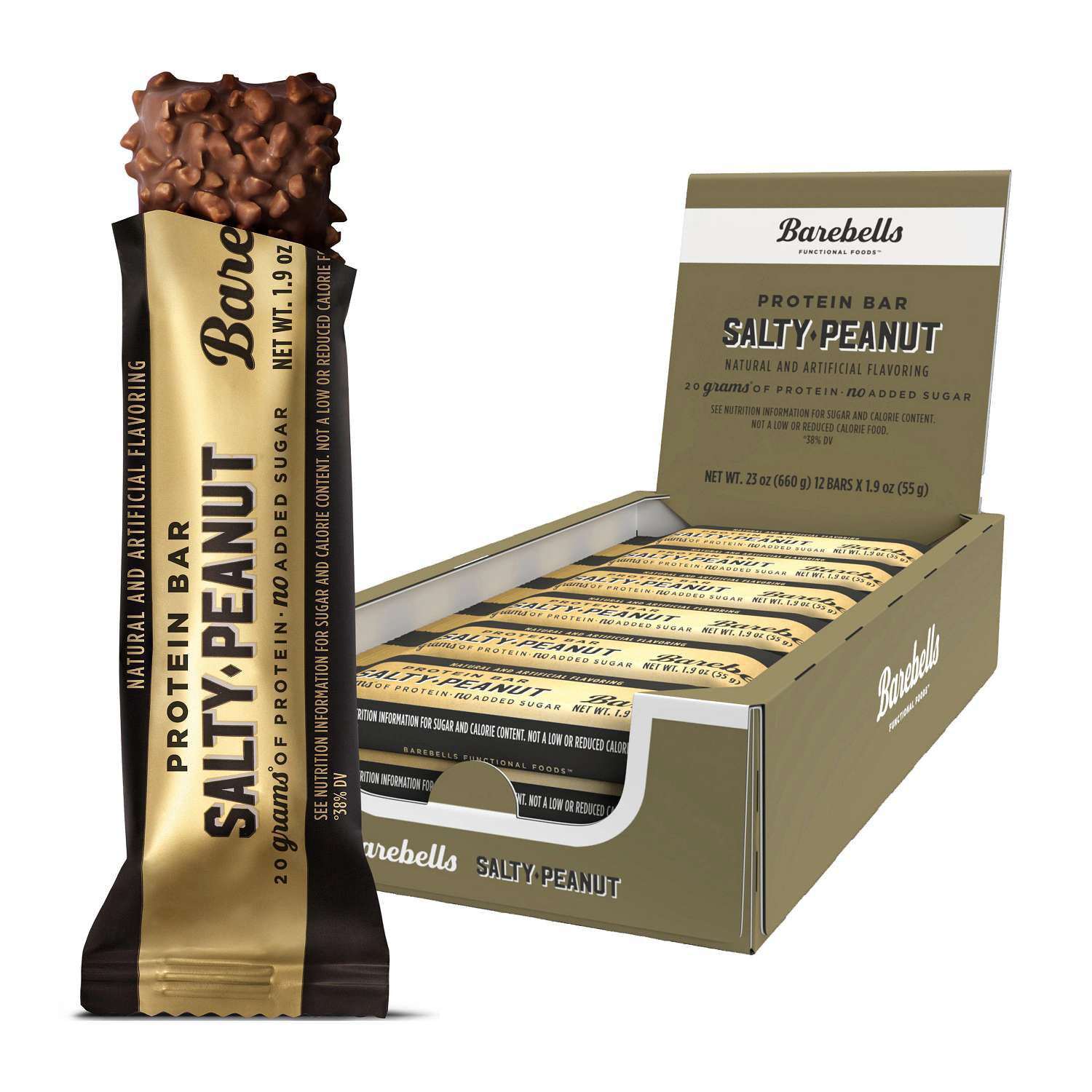


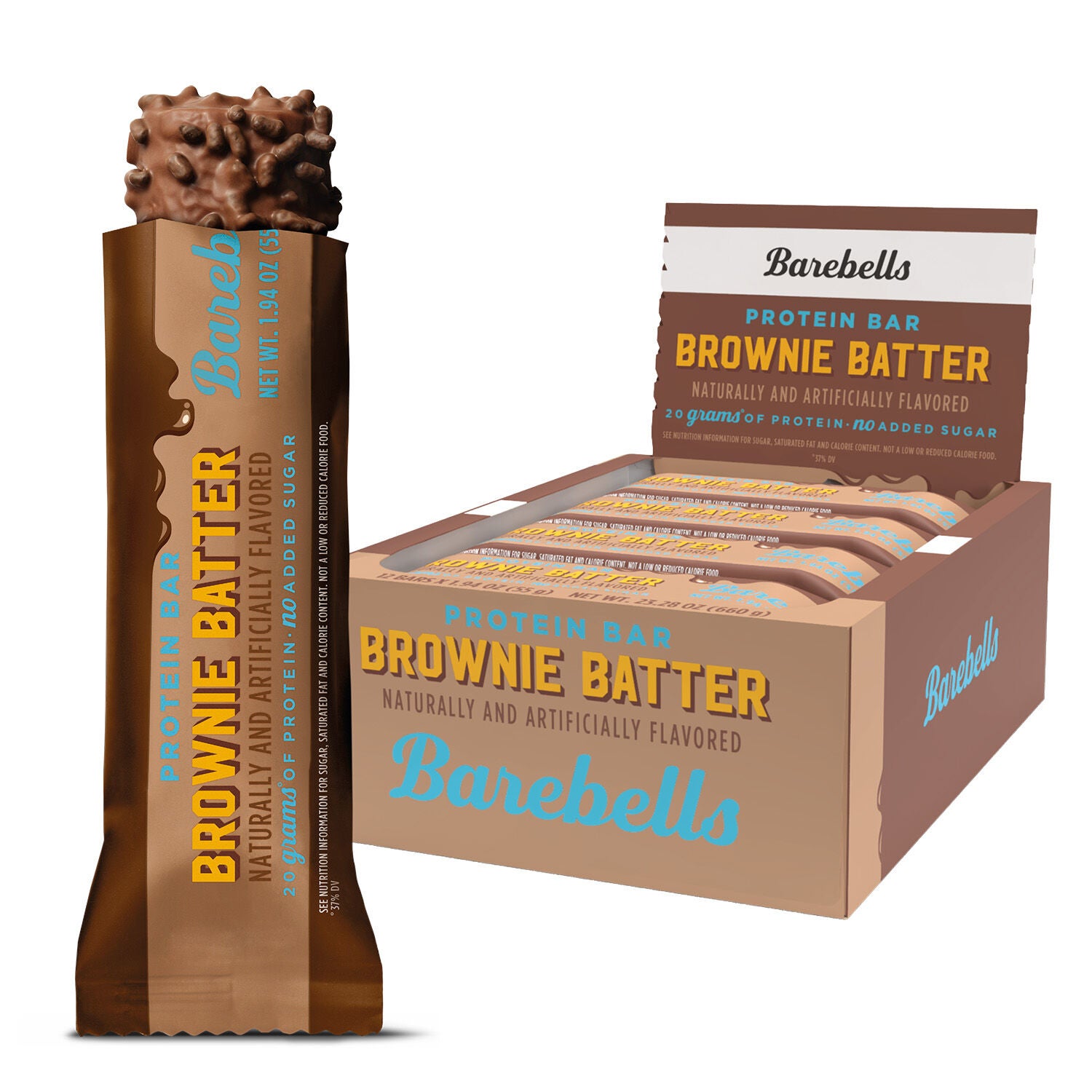

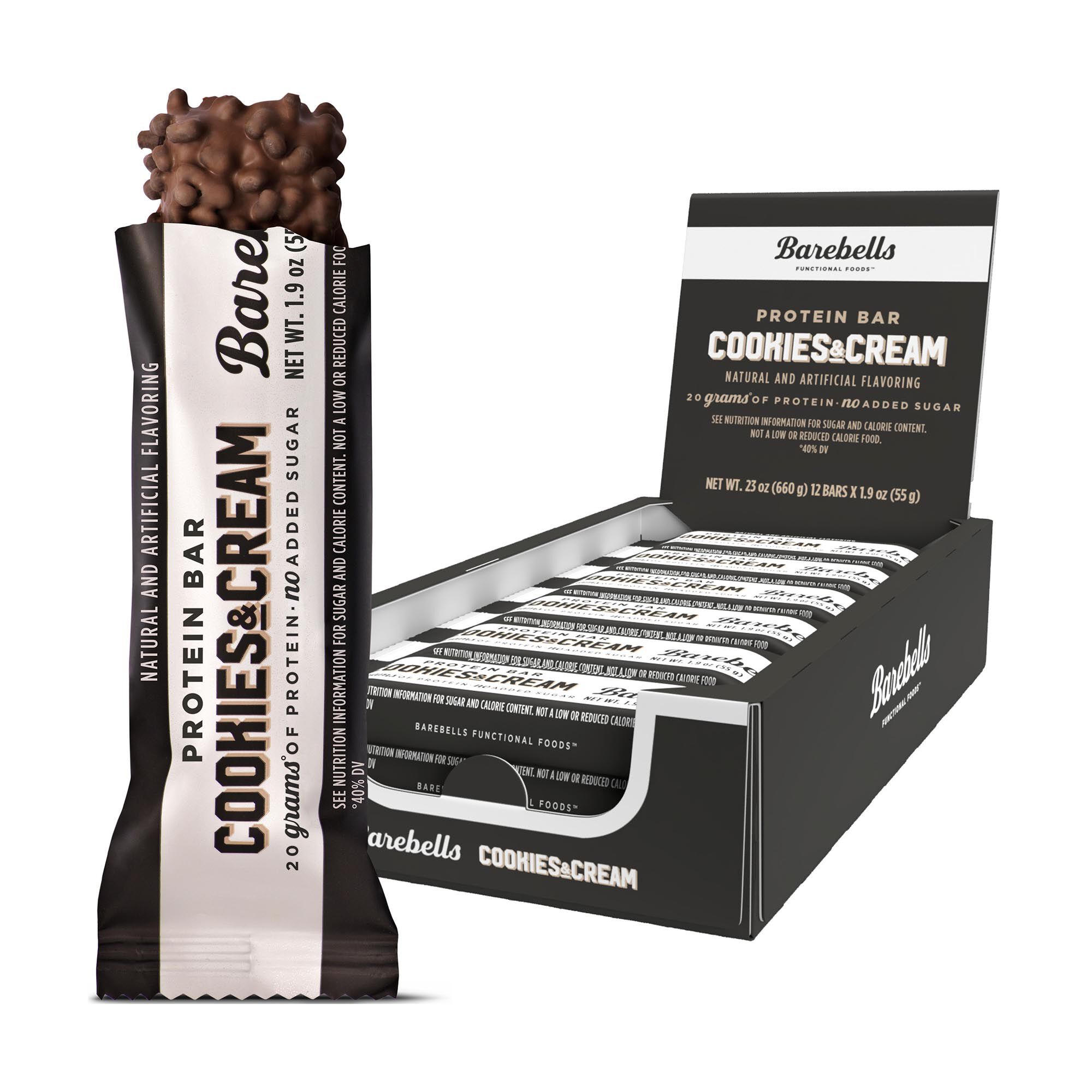
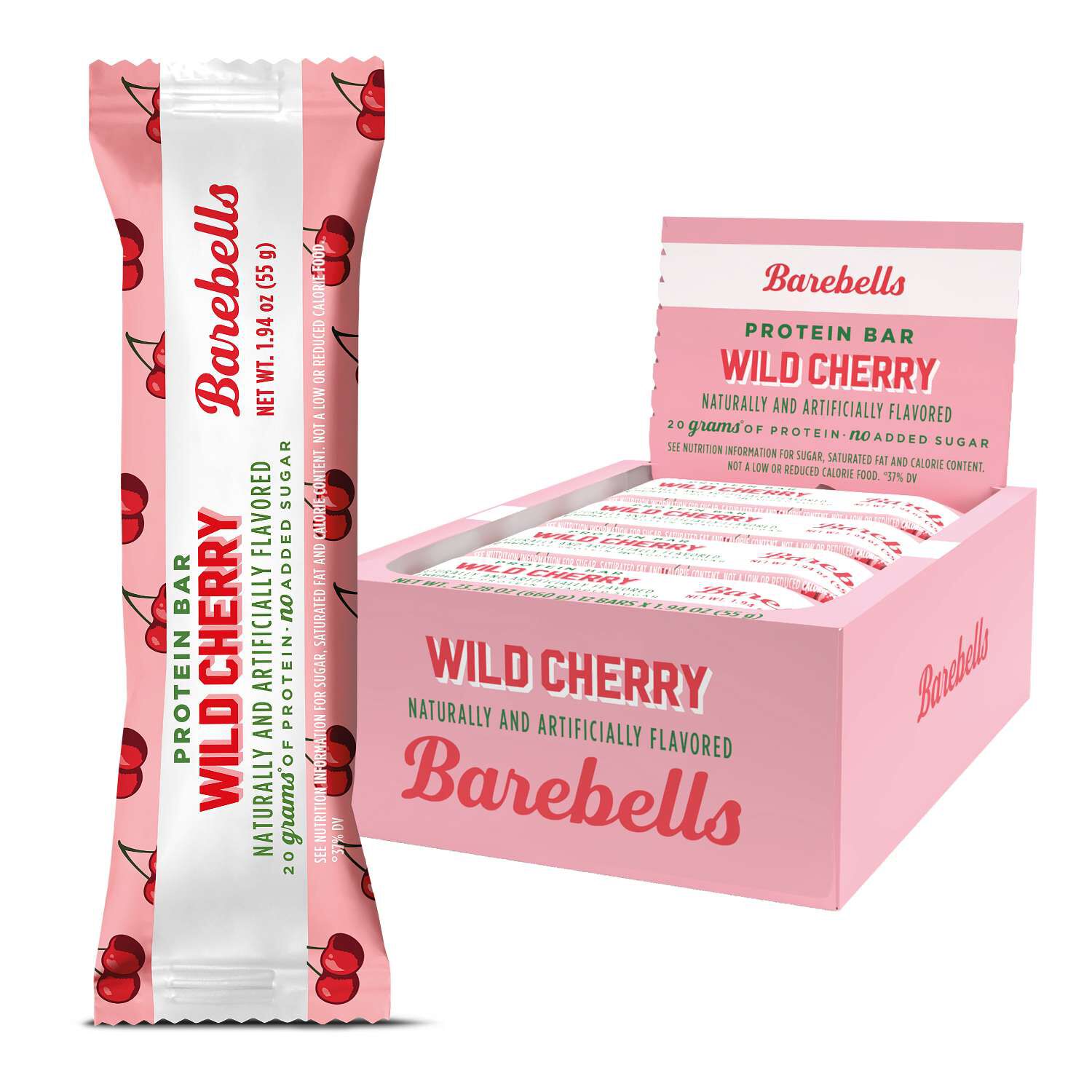
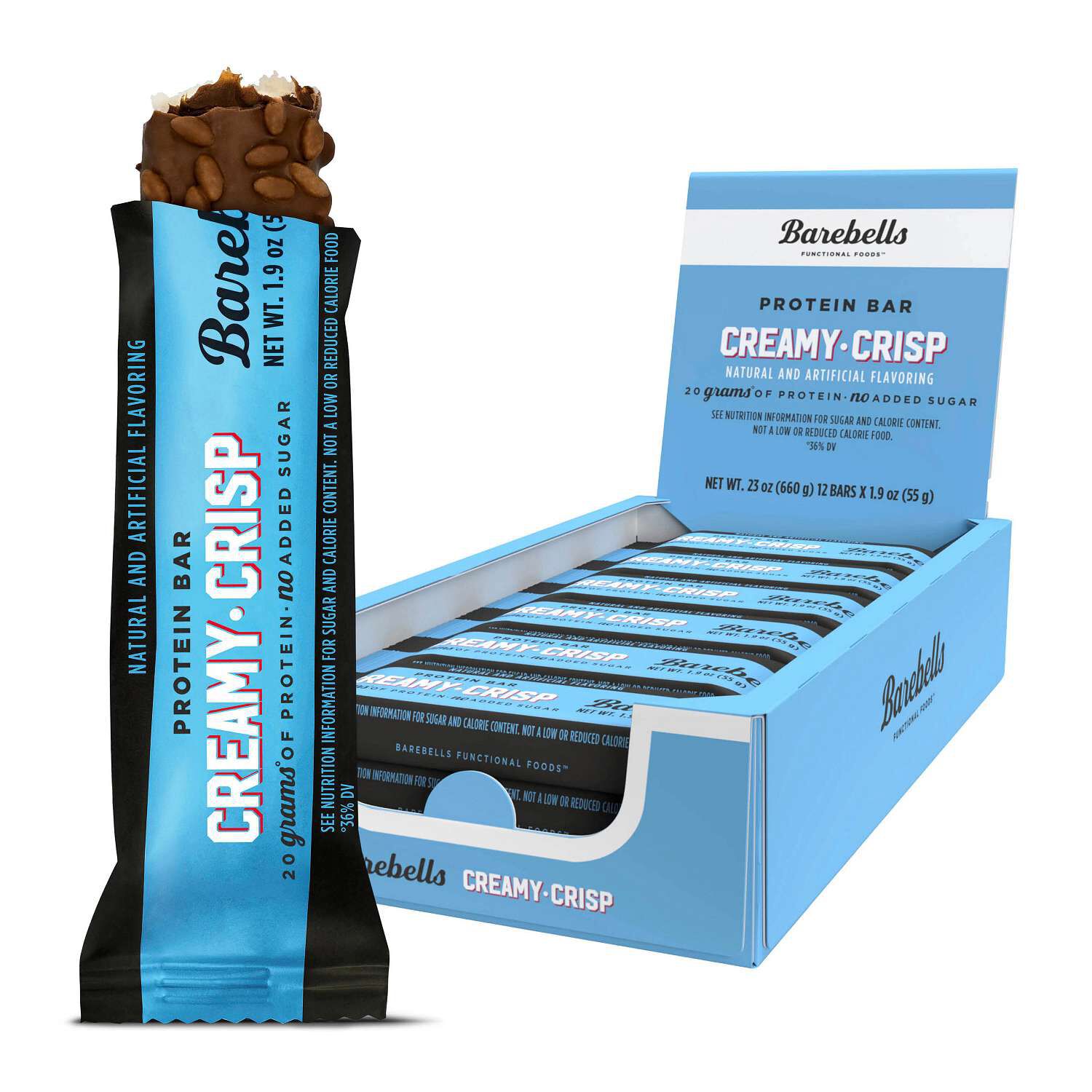
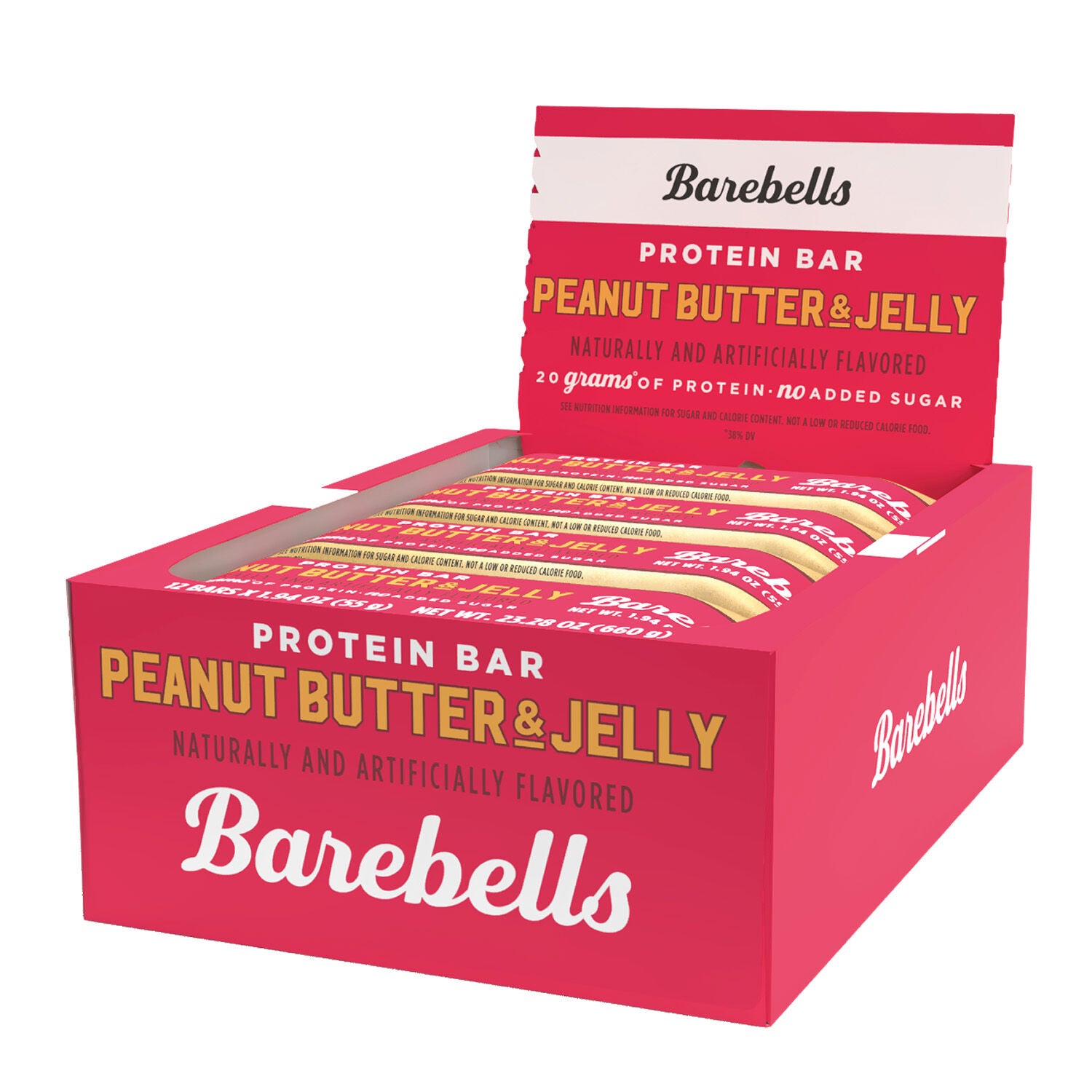
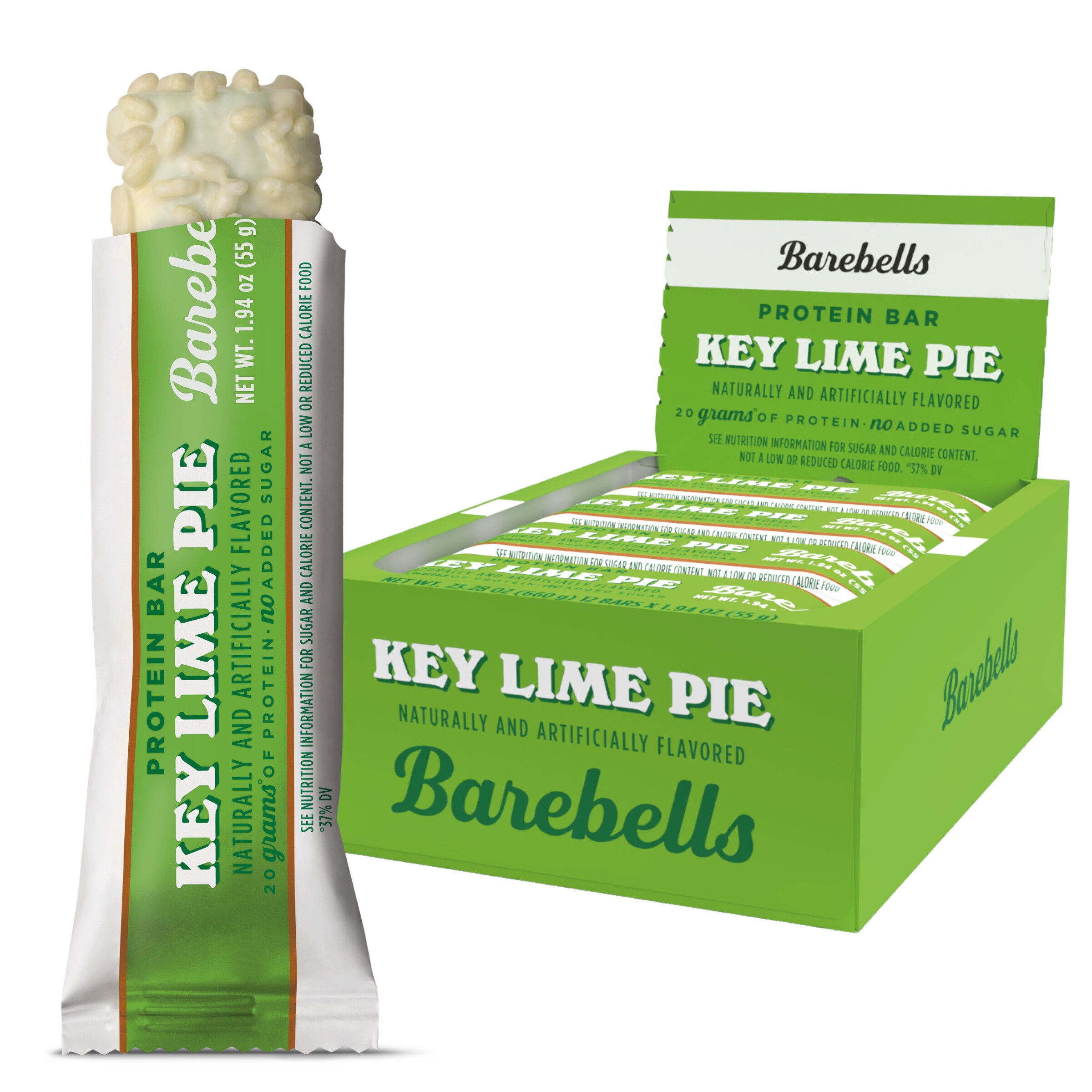
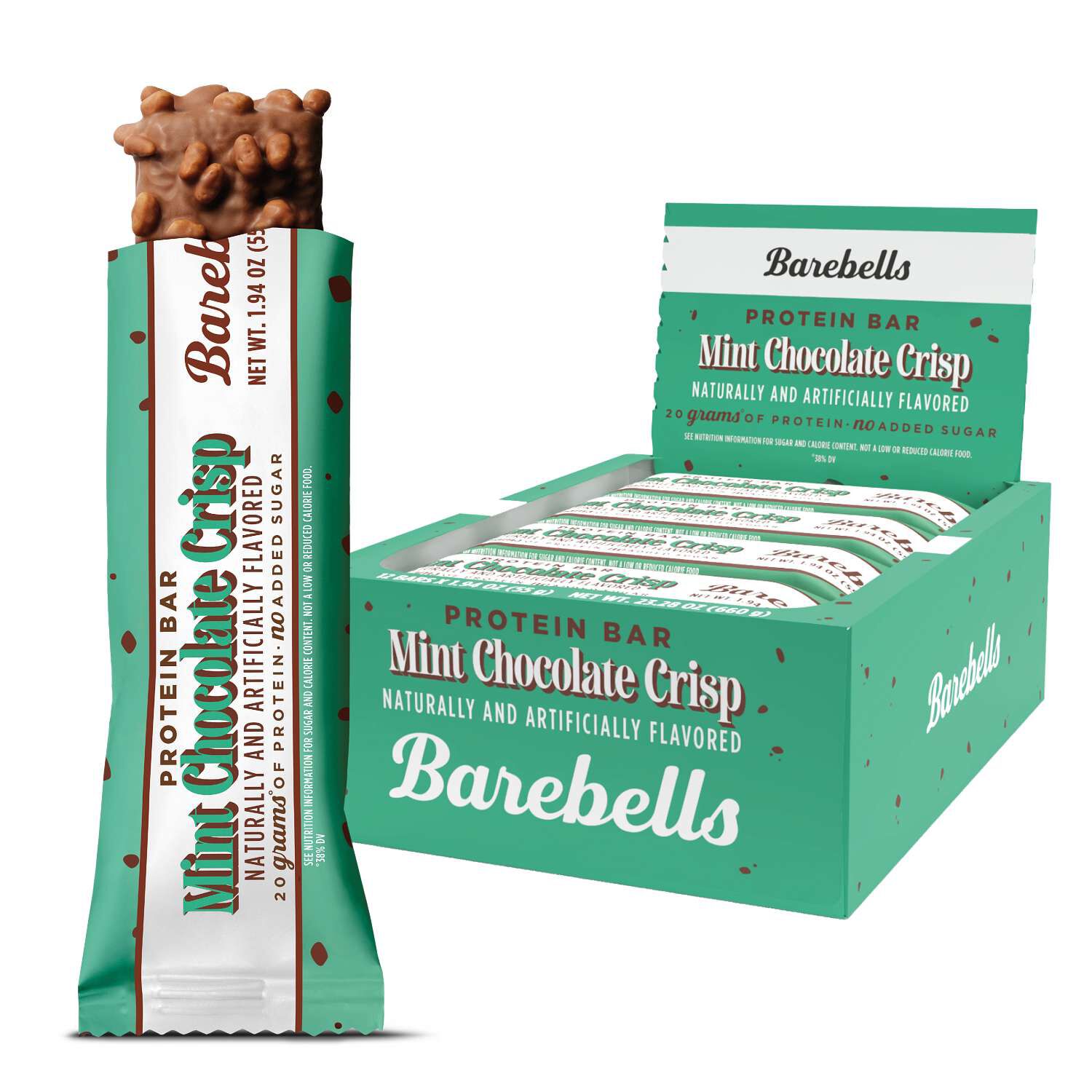
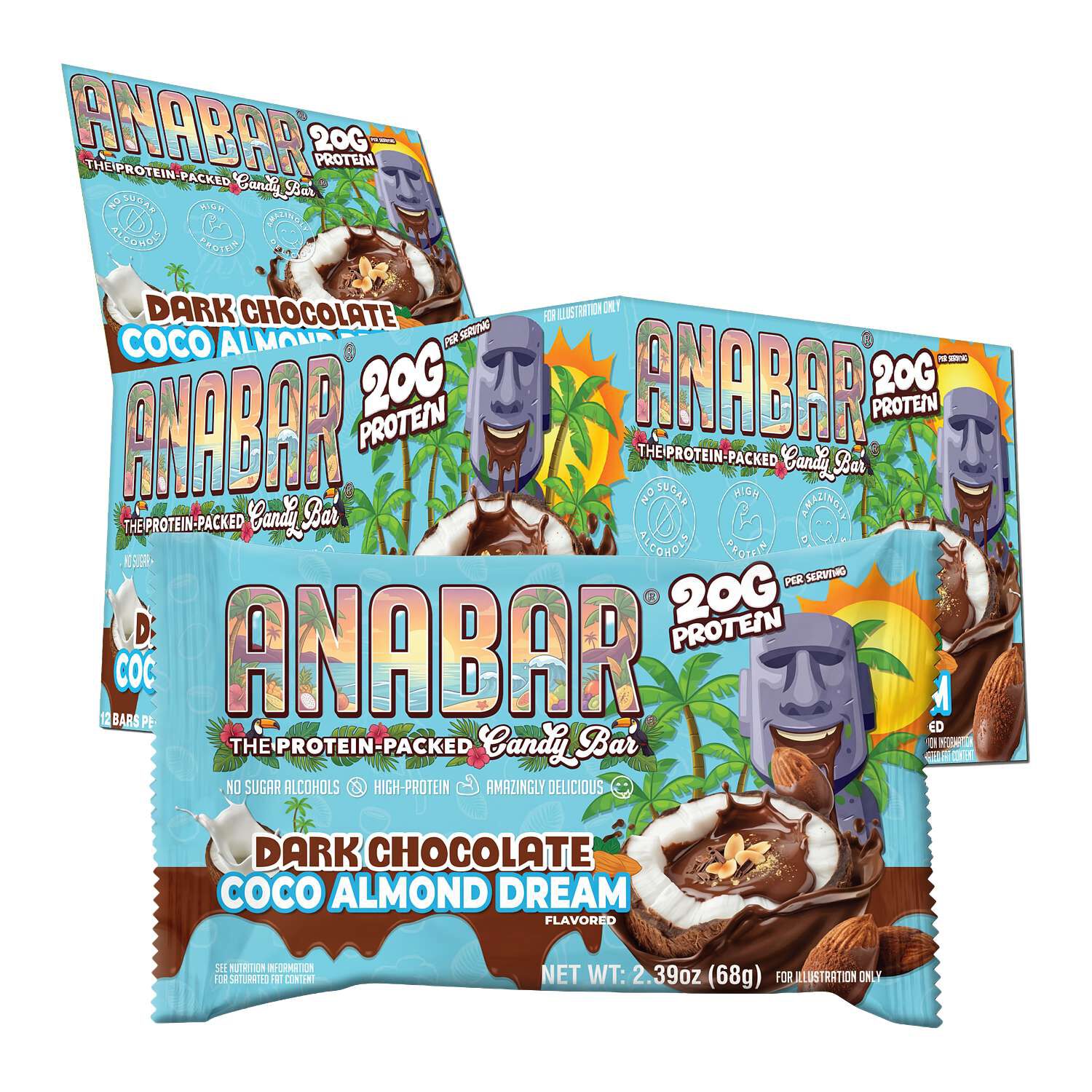
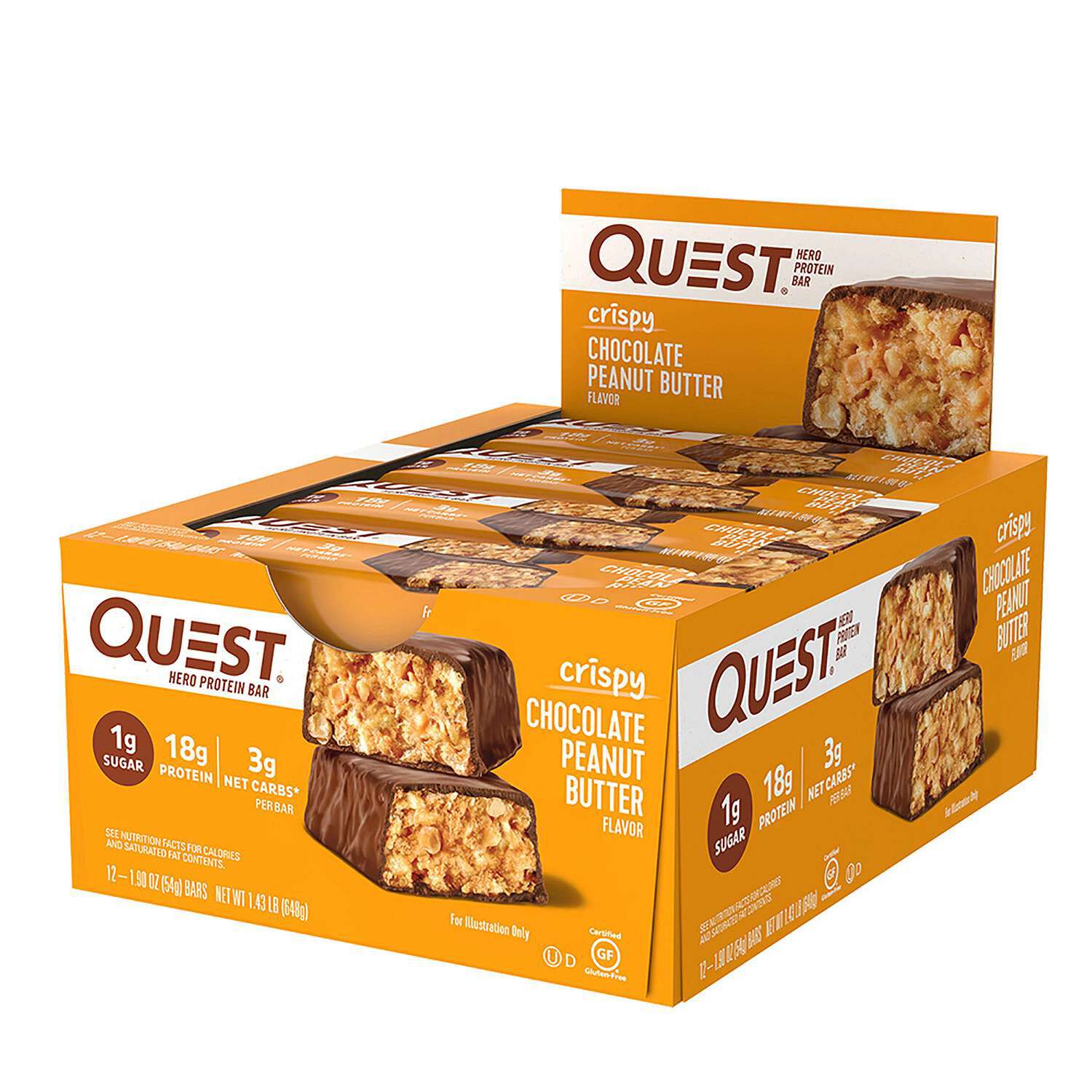
Protein bars for hiking are compact, individually portioned snacks with a place in daypacks, trail bags, and backpacking food kits. For trail use, useful points of comparison include protein and carbohydrate content, calories per serving, ingredient sources, texture, package size, and storage directions. A high protein count tells only part of the story: a bar’s carbohydrate and fat content also distinguishes it from other choices, as do its flavor, serving size, and consistency. A bar with protein alongside carbohydrates may suit a snack break during a longer walk, while a smaller portion may fit a brief outing with a meal planned afterward. The right match depends on the route, the rest of the food being carried, and personal preferences rather than one universal nutrient target. Protein sources vary across the category and may include whey, milk protein, soy, peas, nuts, or combinations of ingredients. Oats, fruit, nut butters, and crisped grains contribute different textures and flavors, from a dense, chewy bite to a lighter, layered crunch. Ingredient lists distinguish a fruit-forward bar from one built around a protein blend, even when their wrappers describe similar flavors. Nutrition Facts panels provide another useful comparison, especially when serving sizes differ. Protein grams, carbohydrates, fiber, fat, and calories belong in the same conversation when considering food for an active day outdoors. Sweeteners and added sugars are additional details worth considering alongside taste preferences and familiar ingredients. For someone who already enjoys a particular protein source or texture in everyday snacks, a similar style may be a comfortable starting point for trail use. Familiarity matters when the nearest alternative is several miles away, and a flavor that sounds appealing at home may be less inviting after several hours of walking. Hiking protein bars span enough ingredient combinations that personal taste remains just as relevant as the numbers on the label.
Texture and packaging deserve particular attention in a hiking snack because the eating experience extends beyond the first bite. Dense, nougat-like centers, pressed fruit and nut mixtures, oat-based textures, and crisp layers each have a different feel. Some hikers enjoy a substantial chew during a seated break; others prefer a softer consistency for a quick pause beside the trail. A heavily coated bar may be messier to handle than an uncoated style, especially when portions are shared or the wrapper needs to be folded around an unfinished piece. Nuts, seeds, and grain pieces add texture, while smooth fillings create a different balance between the center and outer layers. These details may matter more on a trail than they do at a kitchen counter, where a plate and napkin are close at hand. The wrapper is part of the product’s practicality, too. Package dimensions determine how a bar sits beside a water bottle, map, or sandwich container, and a slim shape may fit a hip-belt pocket more comfortably than a thick square. A snug pocket, however, may put pressure on a soft or layered bar. A separate snack pouch or small rigid container may help limit crushing when a pack also holds heavier gear. Individually sealed packaging is convenient for portioning, but package seams, best-by dates, and storage instructions still deserve attention. Storage and handling directions on the label remain relevant before the trip and while food is being carried. Once opened, a bar may need a resealable pouch rather than a loosely folded wrapper. Packaging also stays with the hiker after the snack is finished, so a designated pocket for used wrappers may make cleanup simpler. For repeated outings, the most practical hiking snack is often one with a format that fits the pack, a texture the hiker enjoys, and packaging that is manageable at a trail junction, overlook, or picnic table.
Different outings create different occasions for protein bars, without making every hike a reason to choose the largest portion or the highest protein option. A short loop near home, a day spent moving between overlooks, and a backpacking itinerary involve different amounts of carried food and different opportunities to stop. Protein bars may complement sandwiches, fruit, nuts, and other packed foods as one part of that mix. They are a snack format rather than a substitute for every meal, and their place in a hiking bag depends on what else is planned. A bar tucked into an accessible pocket may be convenient when a longer lunch stop does not fit the route, while a more substantial snack break may include several foods and a place to sit. Water belongs in the broader packing plan as well, particularly when the preferred bar has a dense or dry texture. For shoppers interested in similar snack occasions beyond the trail, the Protein Bars For Satisfying Hunger collection provides a related way to browse. Dietary preferences remain important across both everyday and outdoor use. Plant-based ingredients, milk-derived proteins, nuts, soy, and other ingredients vary by formula, so product labels and allergen statements are more informative than flavor names alone. A chocolate or peanut-butter description, for example, does not explain every ingredient in the recipe. For shared outings, individually wrapped snacks with readable labels may make it simpler for each person to choose according to personal preferences. Protein bars may also suit a small gift for a hiking partner, paired with a reusable snack container or another practical trail accessory, provided their ingredient preferences are known. Across casual walks and ambitious routes, the appeal is straightforward: a portable food format, a wide range of flavors and textures, and portions that may fit naturally among the other foods packed for the day.
Best Sellers
-
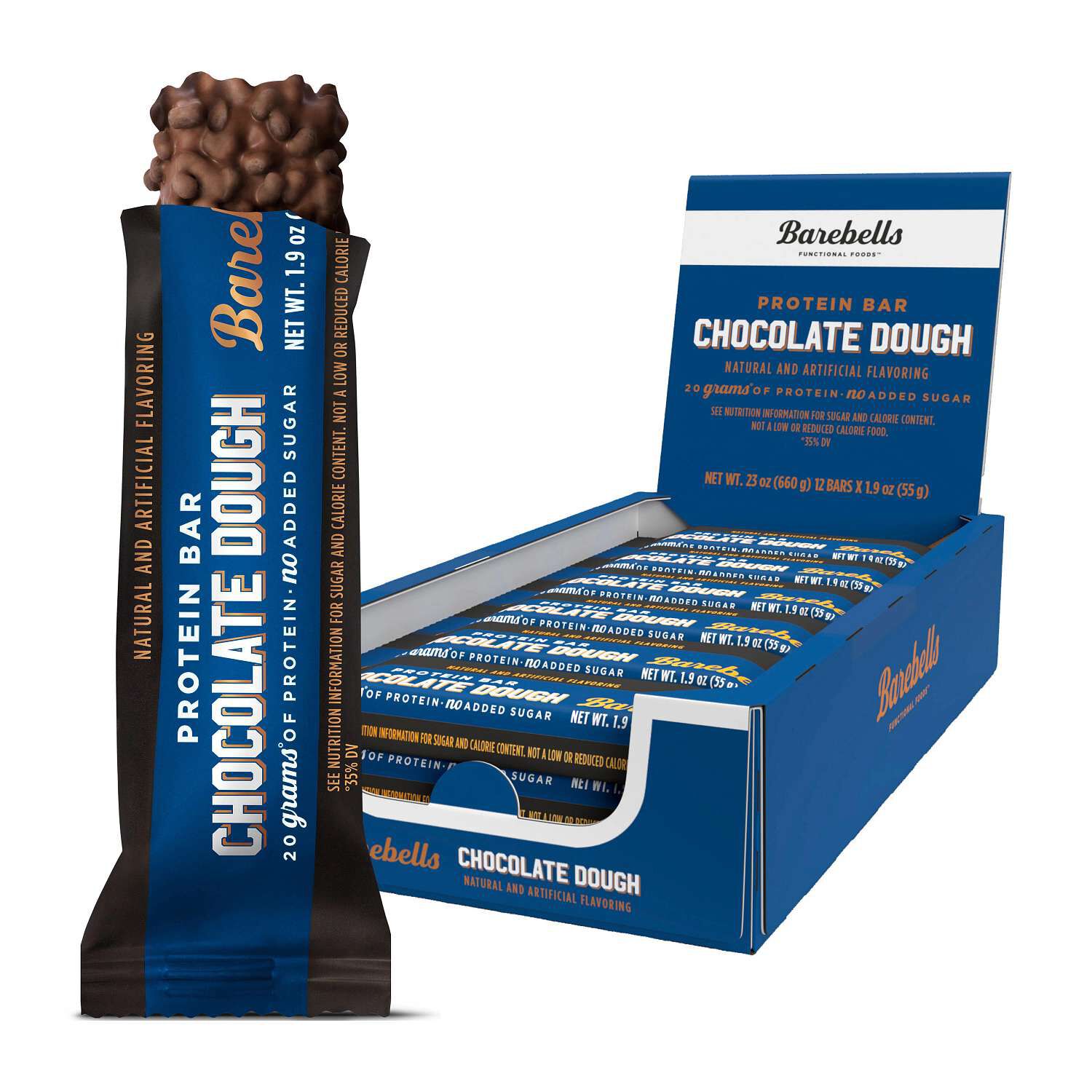 Barebells
-
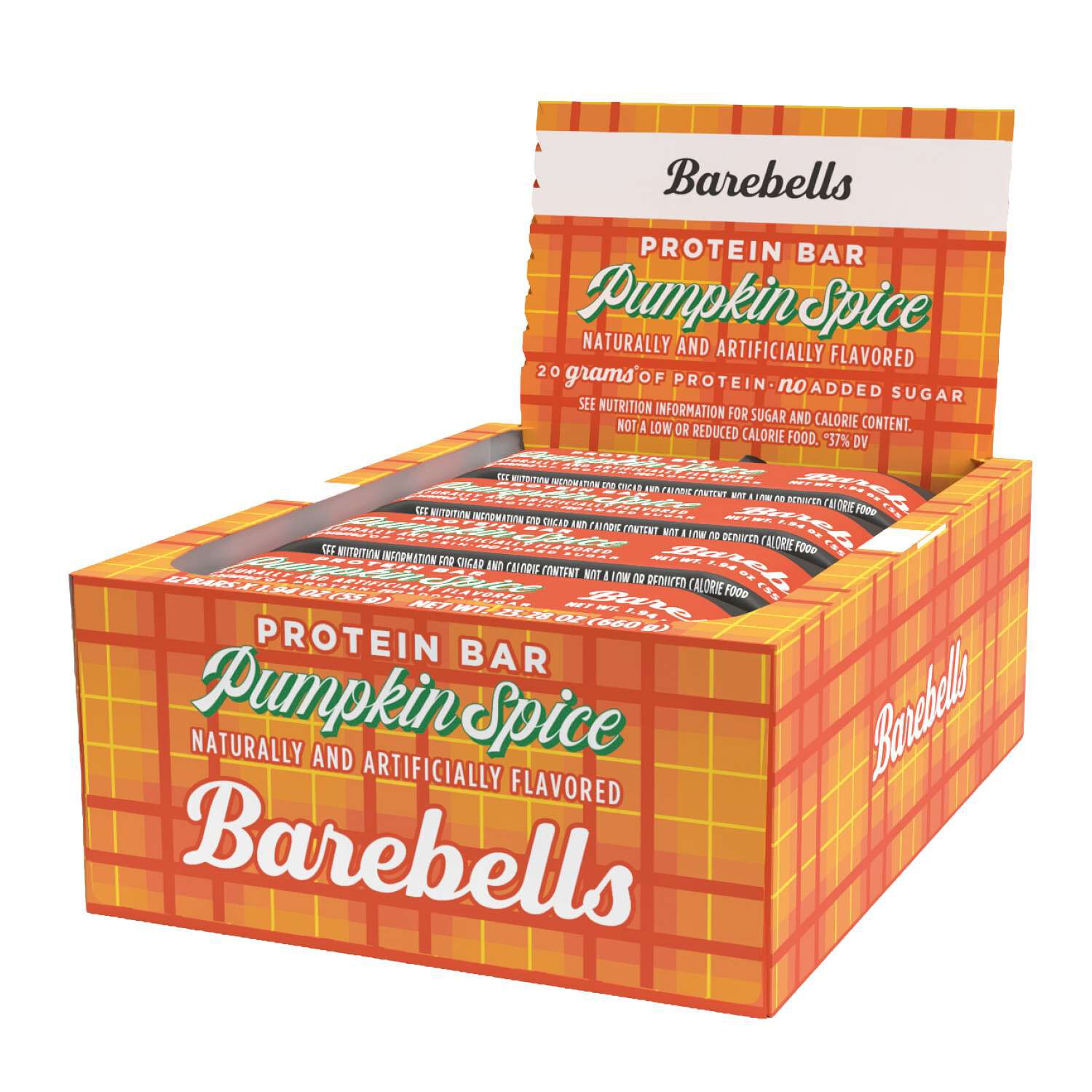 Barebells
-
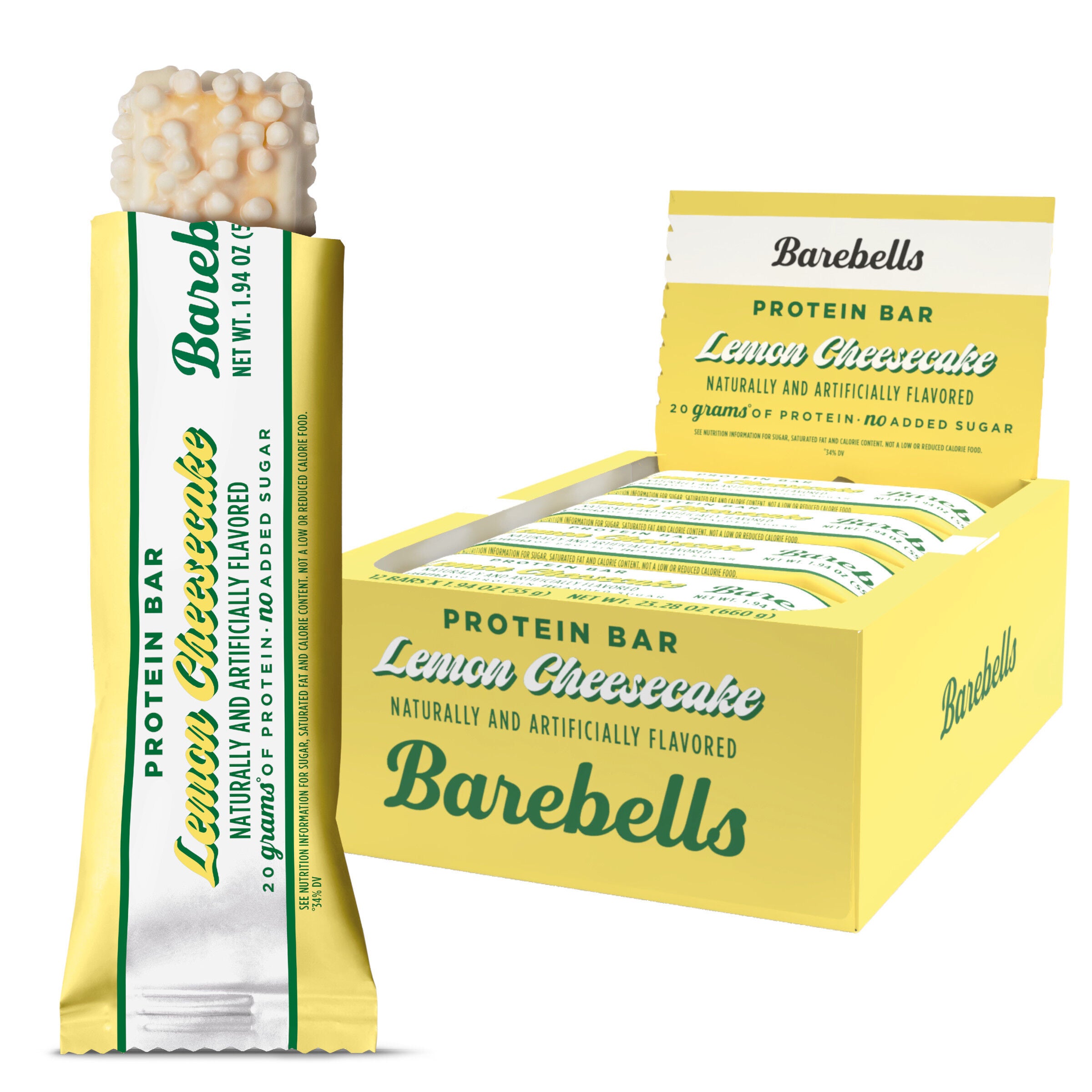 Barebells
Related Pages
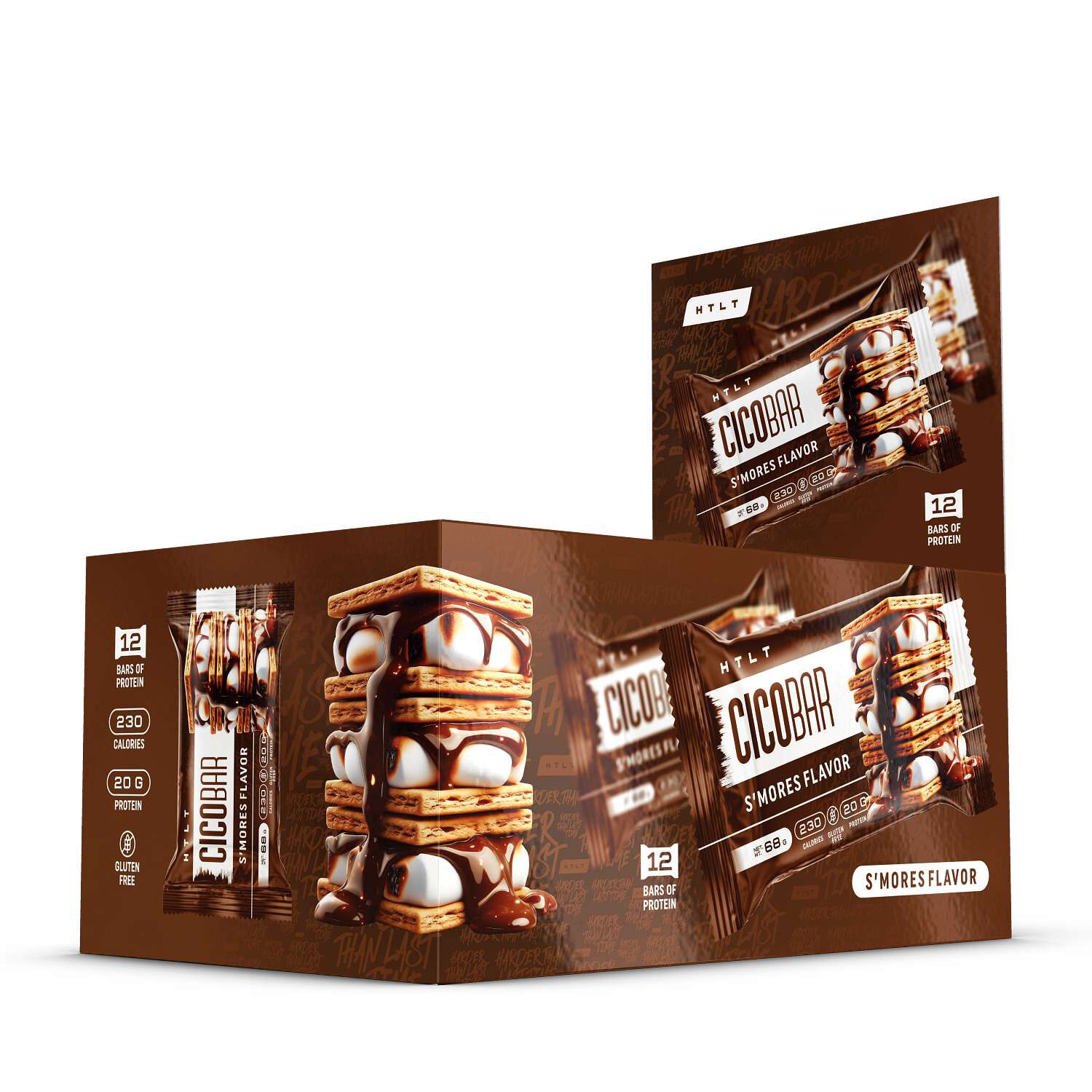
Top Collections
- Supplements For Yoga Joint Flexibility
- GLP 1 Support For Adults
- Joint Mobility Supplement Packs
- Chronic Fatigue Supplements
- Adult Mobility Supplements
- Supplements For Balance
- Supplements For Anxiety Relief Support
- Capsule Supplements For Energy And Stamina
- Zinc Supplements | Top Brands at Great Prices | GNC
- Anti Aging Supplements For Women