





Protein Bars For Fitness
(0 Results)
Protein bars for fitness are a convenient option for those with active lifestyles who want something easy to enjoy on the go. Whether you’re heading to the gym, working out outdoors, or simply looking for a snack that fits your routine, these bars might fit seamlessly into your day. With a variety of flavors and ingredient combinations available, protein bars for fitness could be a tasty way to support your wellness journey and help you stay prepared for whatever comes next.
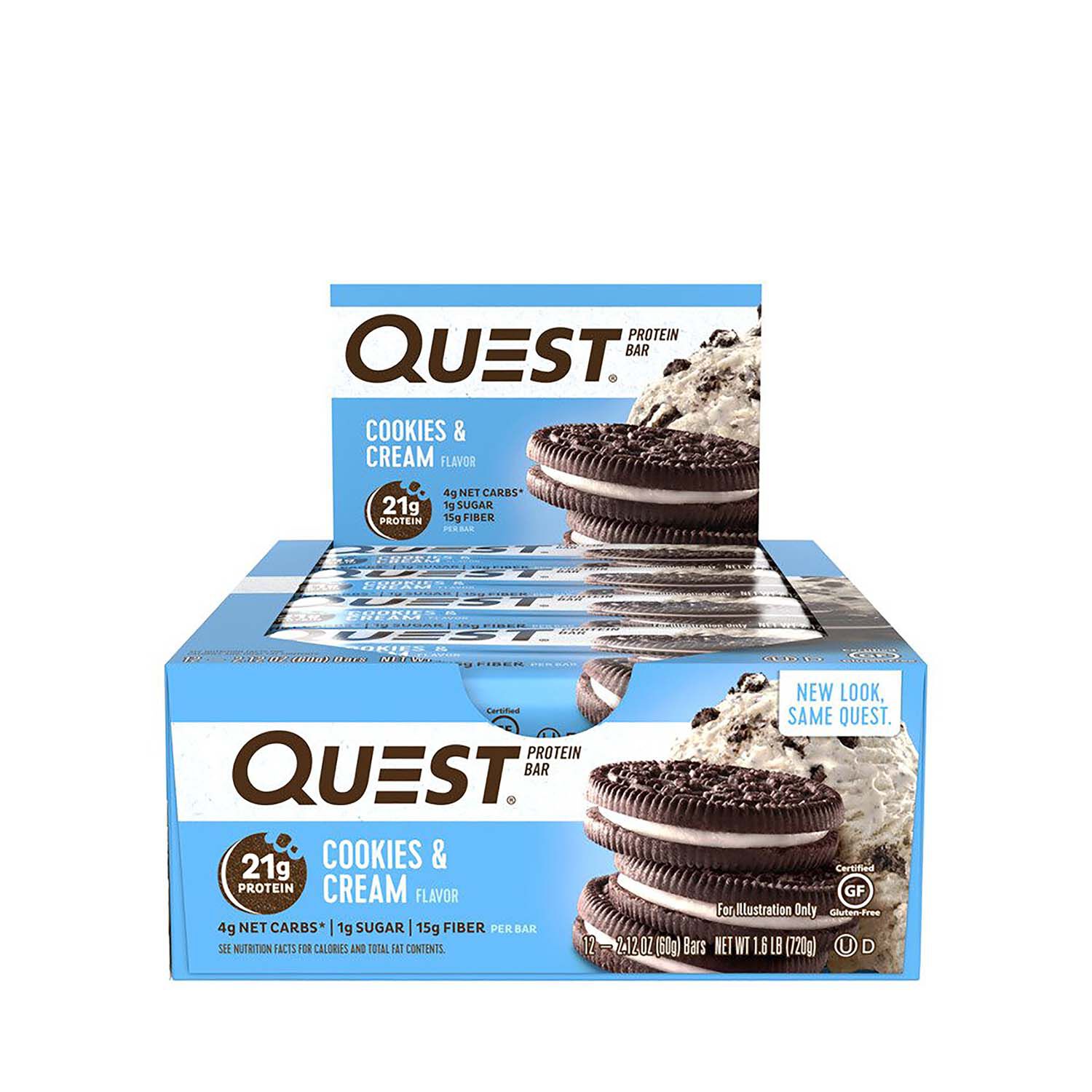
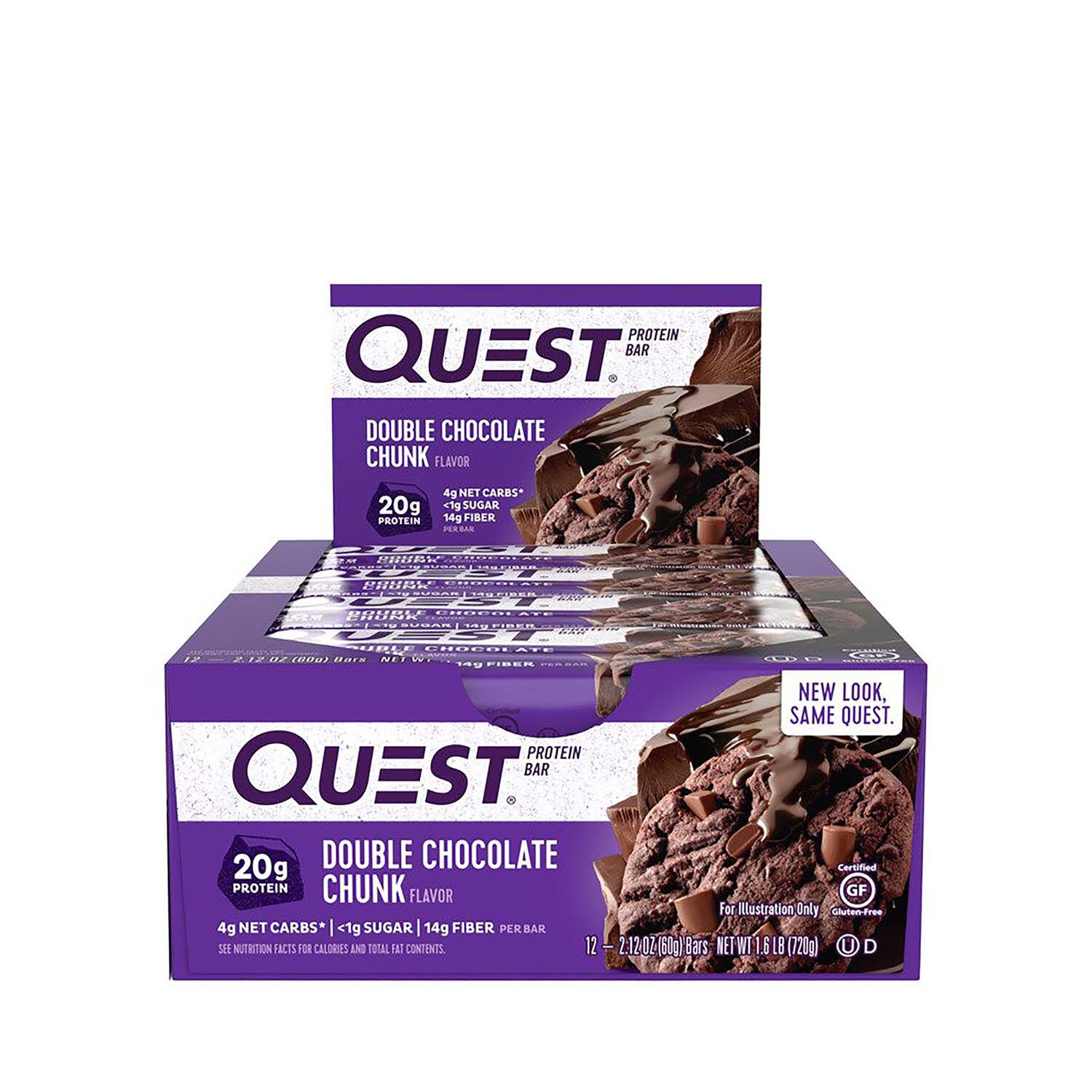

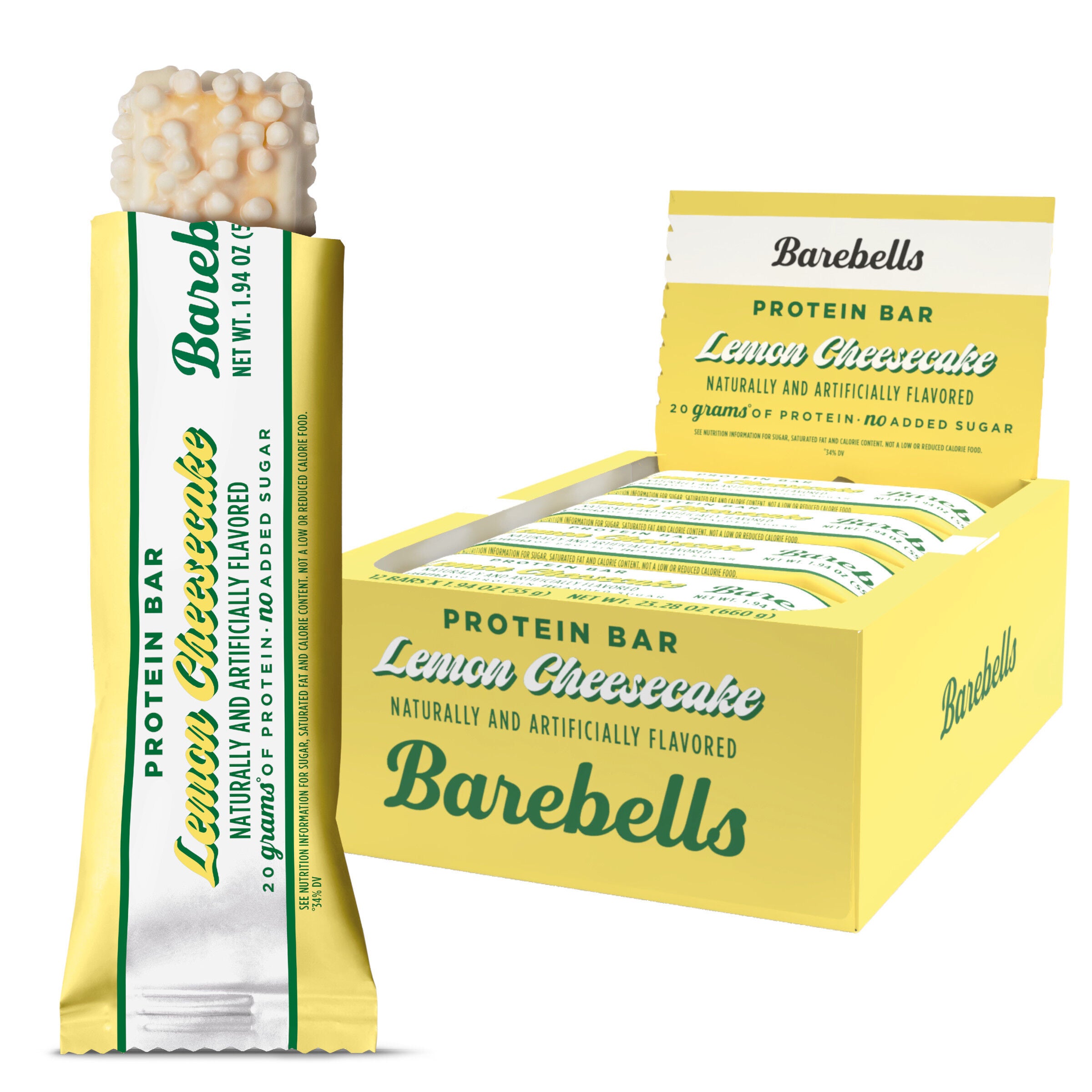

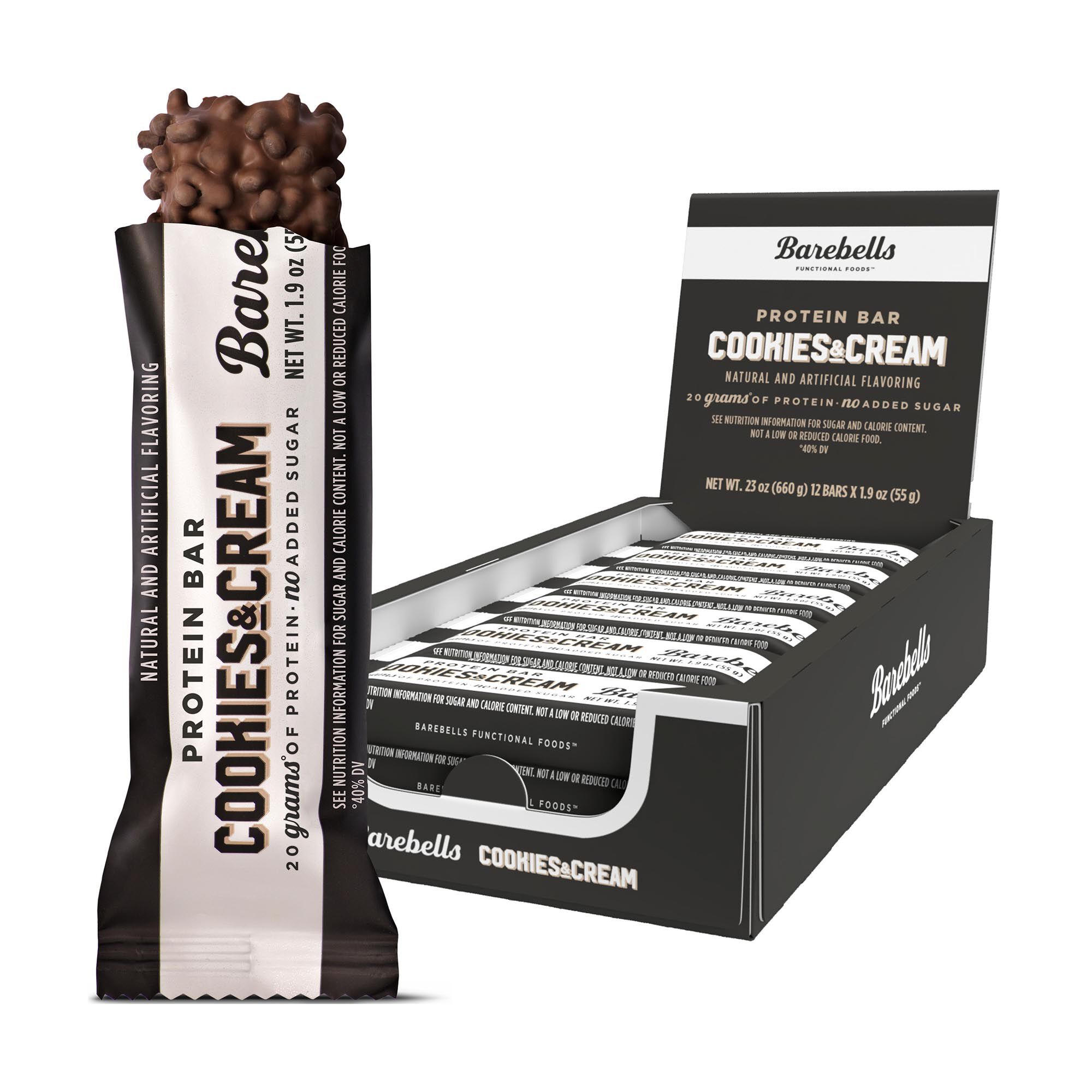

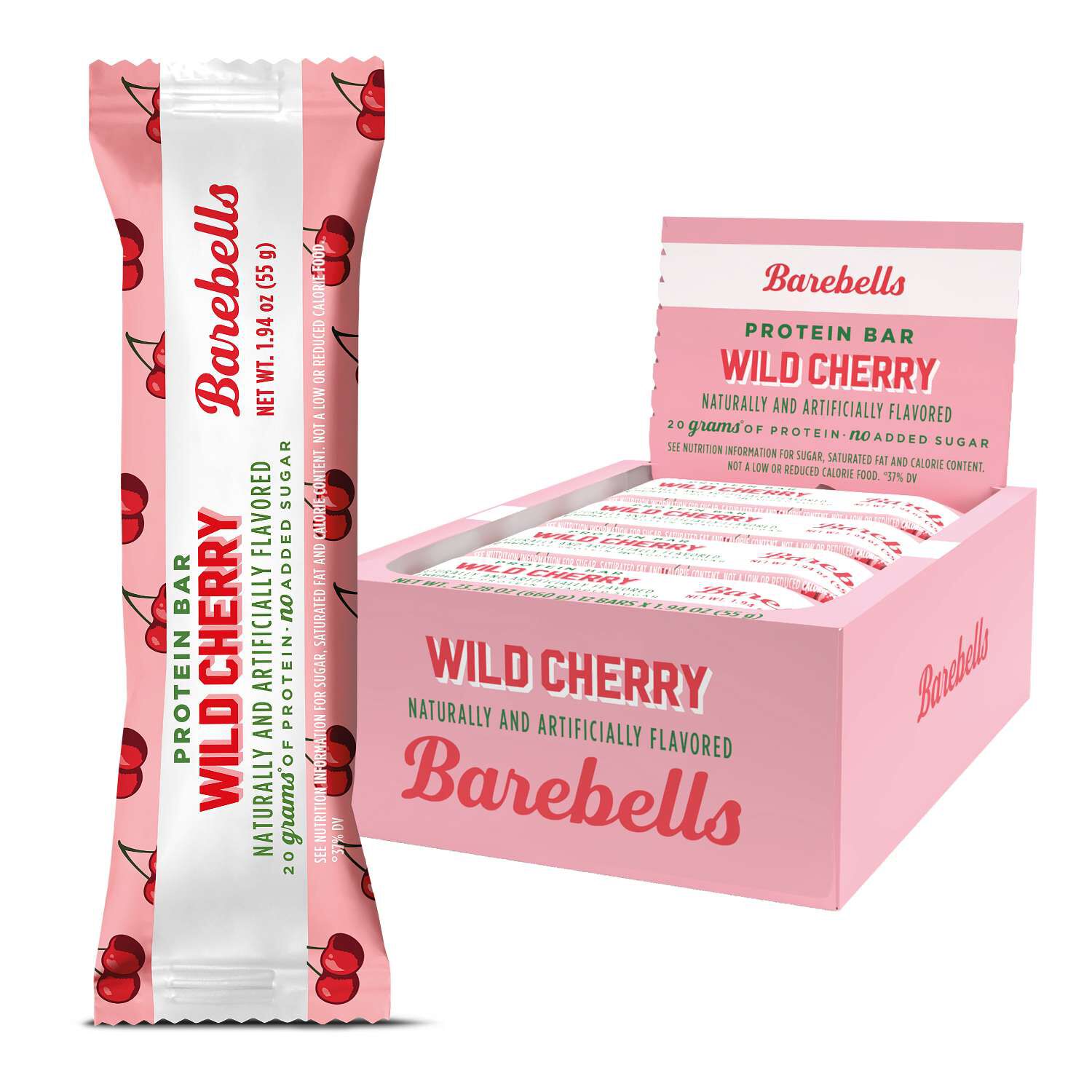

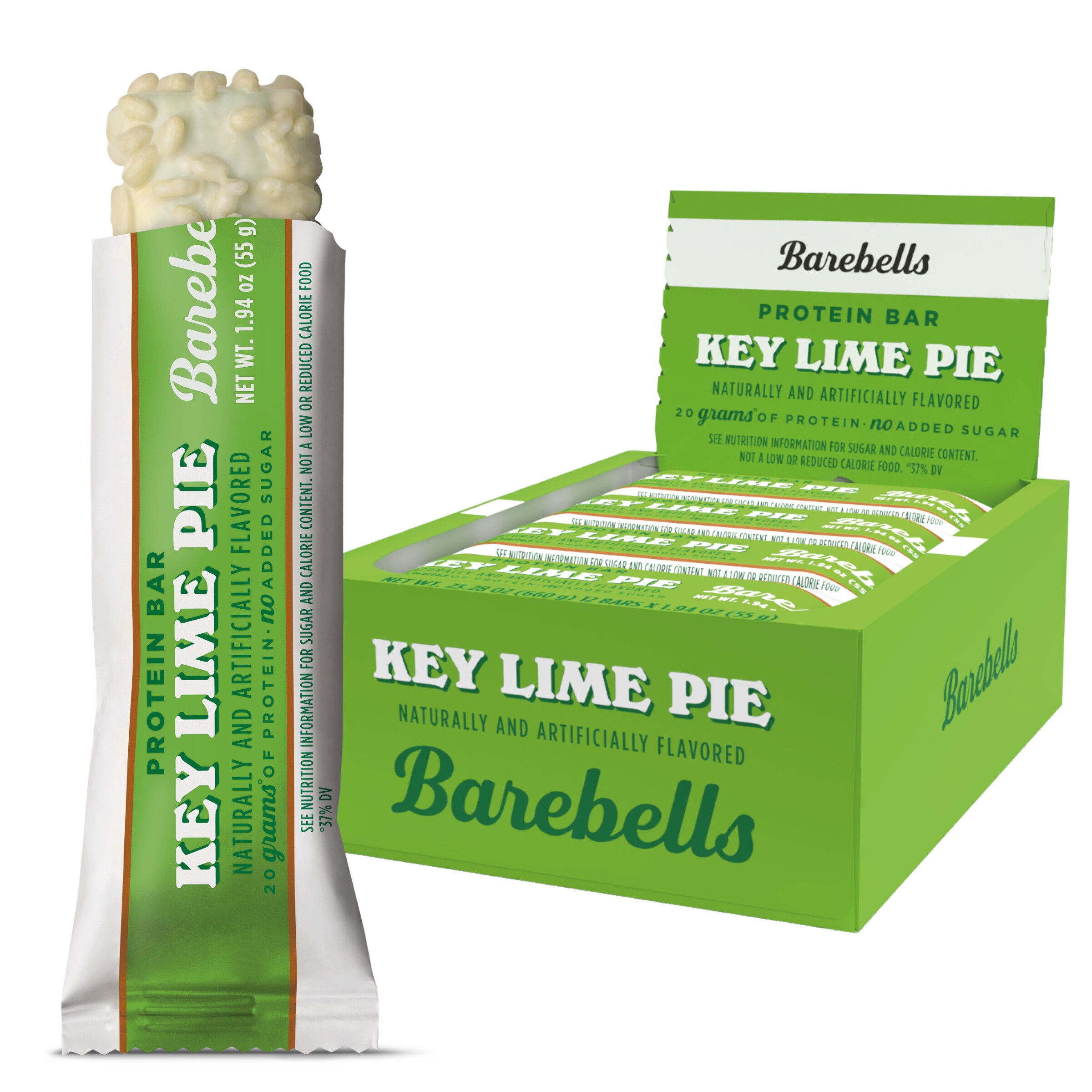
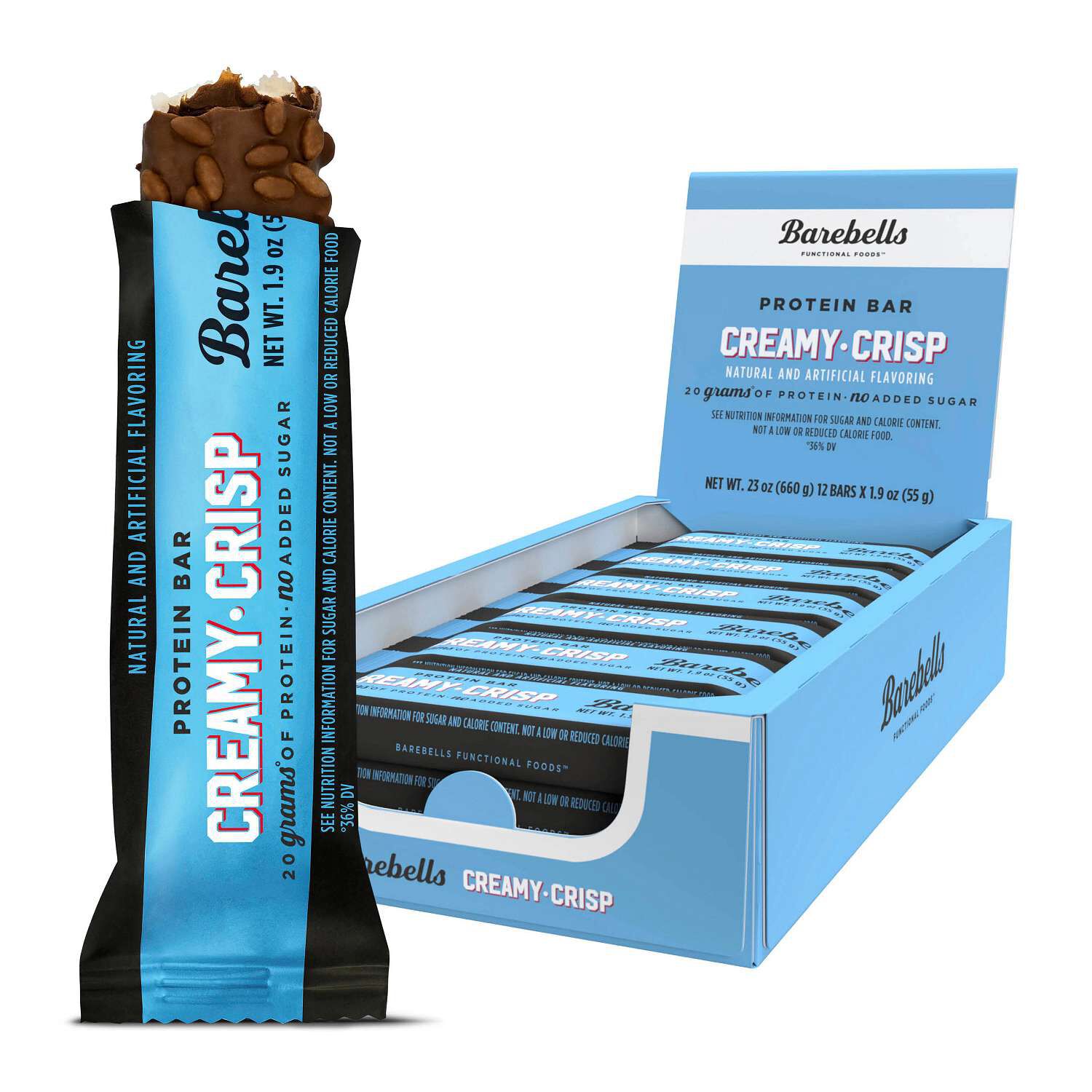
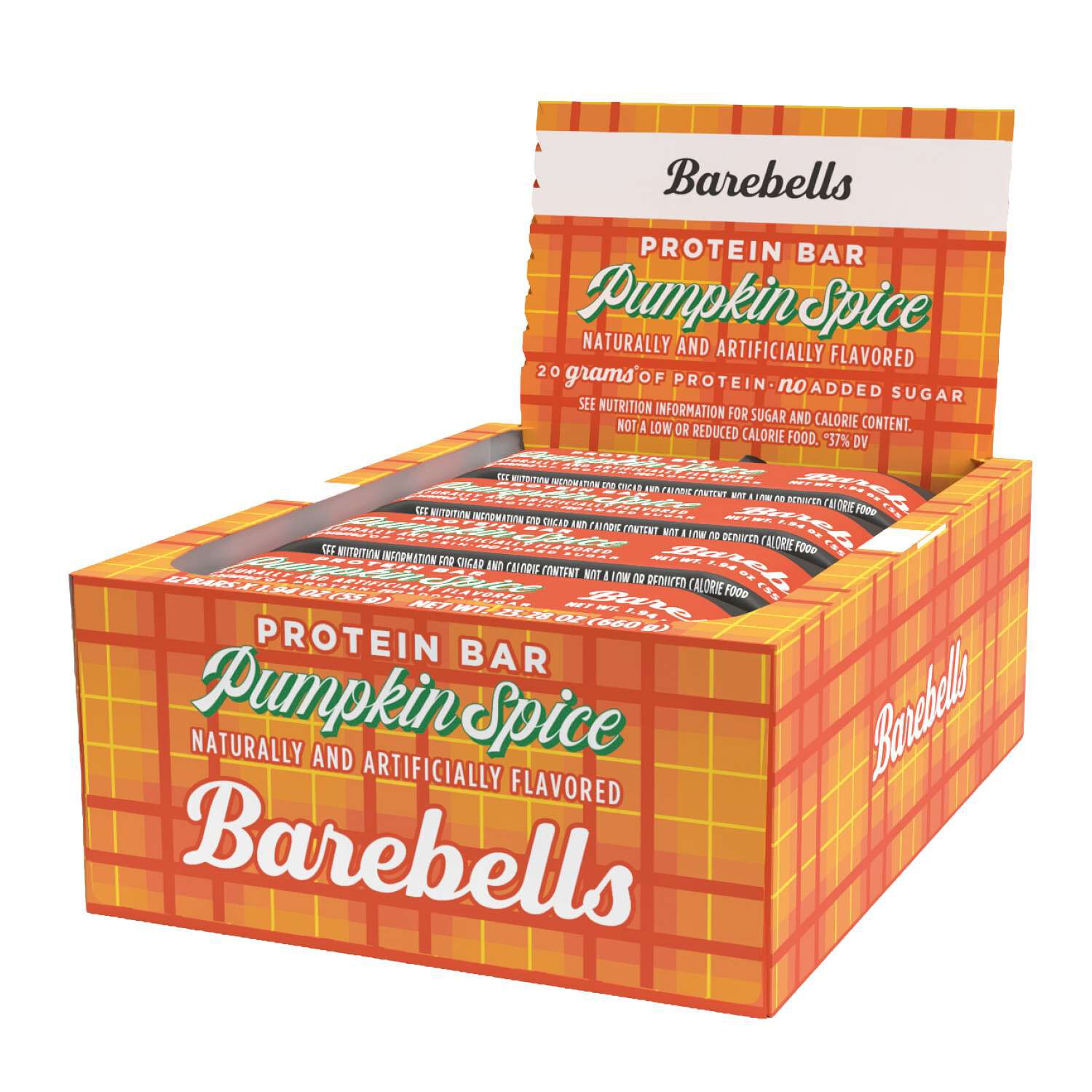
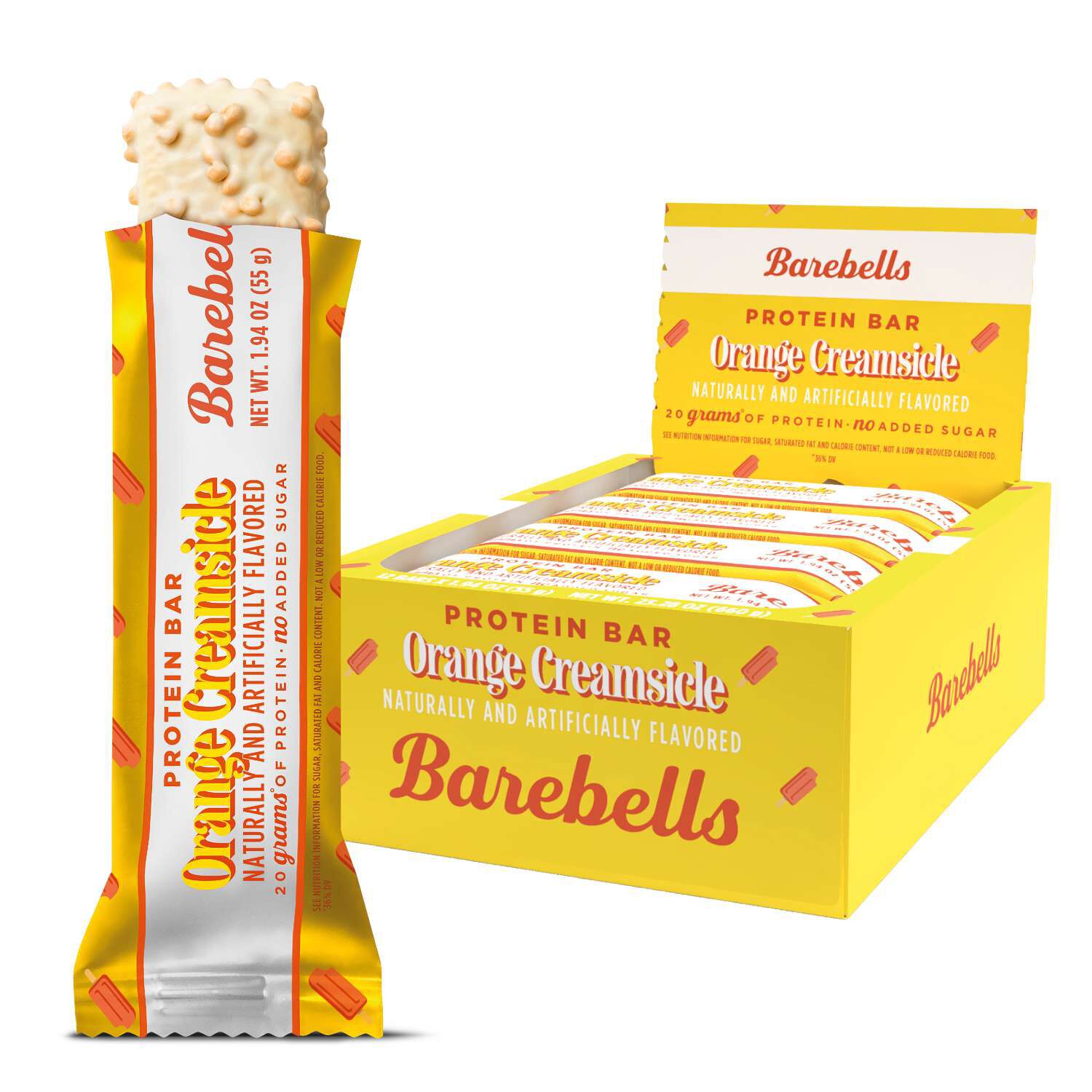
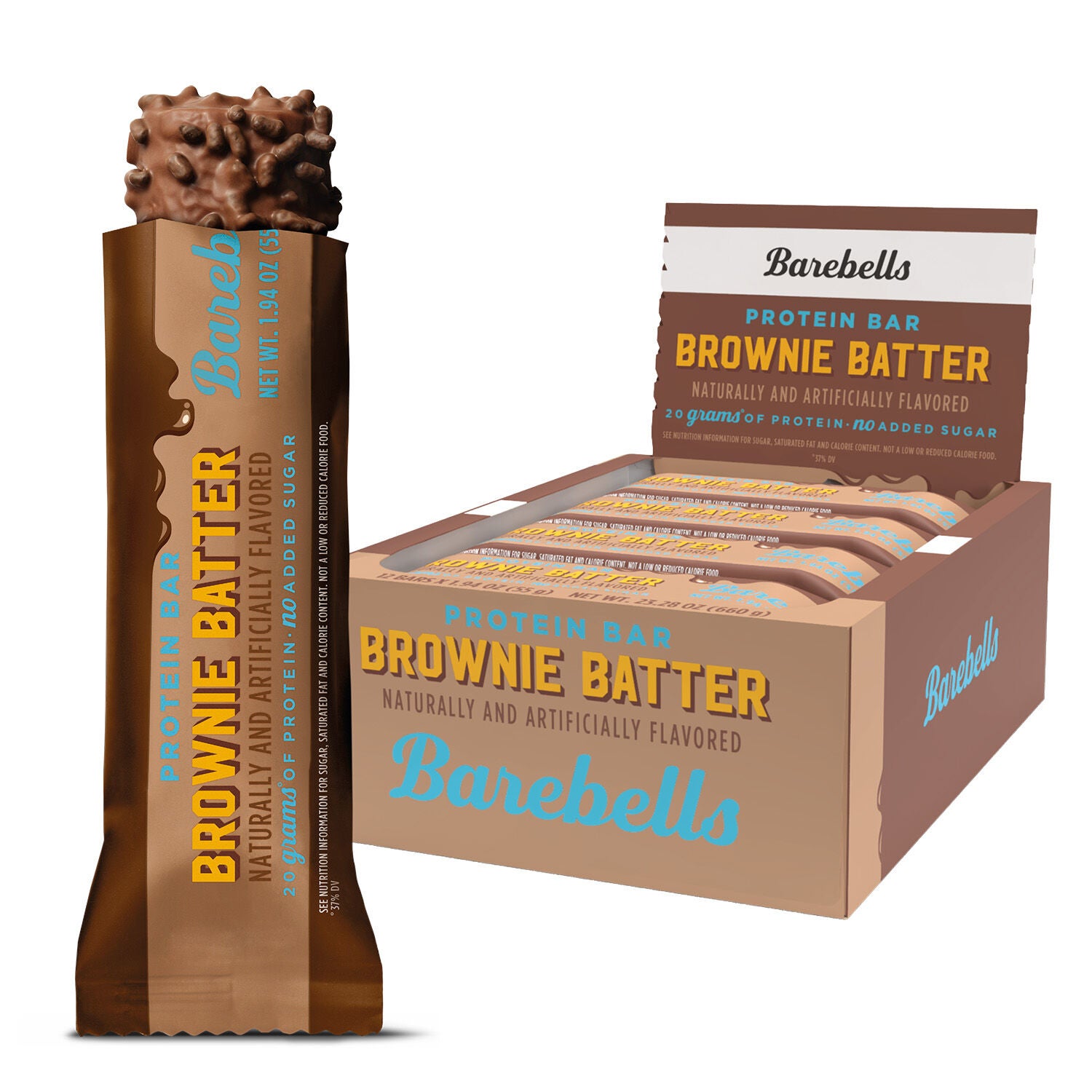
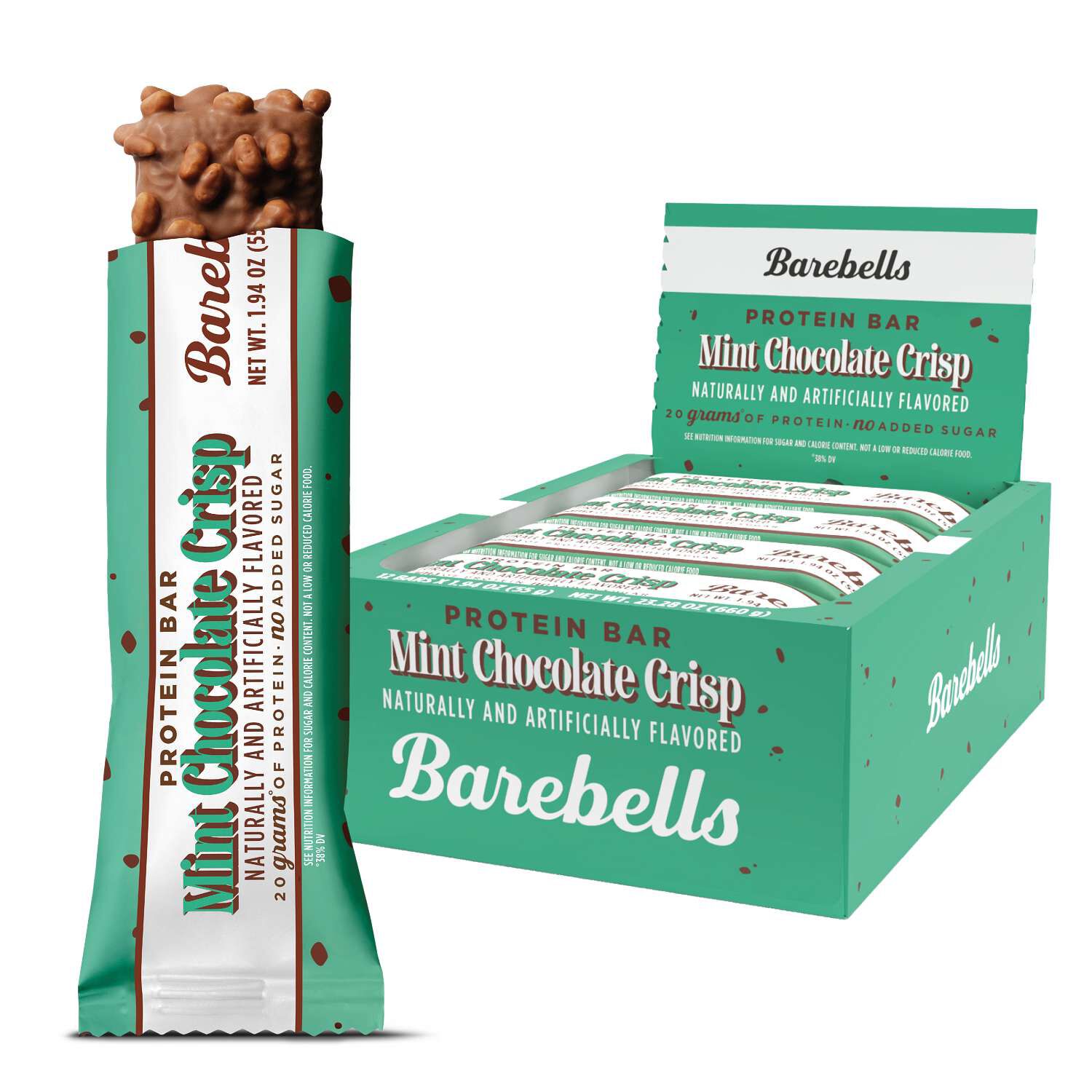
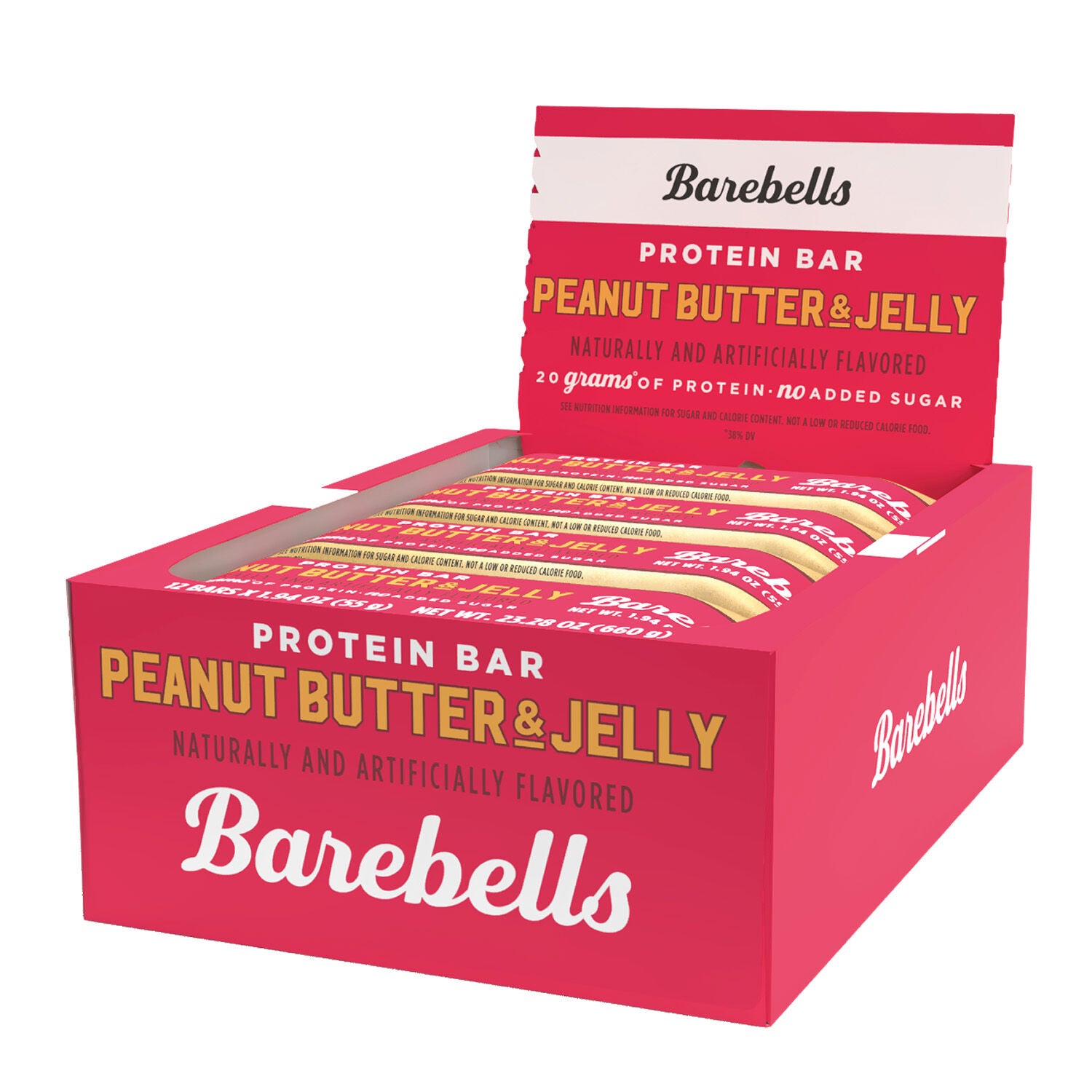
Protein bars for fitness are packaged snacks made with protein ingredients such as whey, milk, soy, pea, or rice protein, often combined with nuts, seeds, grains, fruit, or chocolate-style coatings. Their compact format may suit active routines that involve a gym bag, a commute, or a short break between appointments. The category includes soft baked bars, dense and chewy varieties, crisp layered bars, and nut-based options, with different serving sizes and nutrition profiles. Choosing among them involves more than looking at the protein number on the front of the wrapper. Protein per serving, calories, carbohydrates, fiber, fat, and added sugars all describe different aspects of the snack, and the serving size provides the context for those numbers. A smaller bar and a larger bar can look similar in a product photo while representing quite different portions. Likewise, two bars with the same amount of protein can have different ingredients, textures, and calorie counts. For someone heading from the office to a strength-training session, a individually wrapped bar could be a practical addition to a bag packed earlier in the day. For a recreational runner, a group fitness participant, or someone spending an afternoon at a climbing gym, the preferred format might depend on appetite, schedule, and the other food planned for the day. Protein bars may also fit routines outside the gym, including a desk snack or a bite between errands. They are not all designed around the same eating preferences, and a fitness-oriented label does not describe every detail of the food inside. The most useful comparison is between clearly identified servings, with the ingredient list and Nutrition Facts panel considered together. This gives shoppers a concrete way to distinguish a compact snack from a more substantial portion without relying on package imagery or flavor names alone. Intended use matters as much as the headline protein amount: a bar for a short work break may look different from one packed for a long day away from home.
Taste and texture are central to choosing protein bars that fit an everyday routine. Chocolate, peanut butter, vanilla, caramel, berry, and cinnamon flavors appear in different combinations, from a soft center under a coating to a crisp bar with visible nuts or grain pieces. Flavor names describe the intended taste, while the ingredient list explains what creates it. A chocolate-flavored bar might contain cocoa, chocolate pieces, a coating, or a combination of those ingredients; a peanut butter variety may have a smooth filling, chopped peanuts, or both. Protein sources also differ. Whey and milk proteins come from dairy, while soy, pea, and rice proteins come from plants, and some bars combine several sources. The presence of a plant protein alone does not establish that every ingredient is plant-based, so package statements and the full ingredient list matter for shoppers with that preference. Sweetness may come from sugar, syrups, fruit ingredients, alternative sweeteners, or blends, and the added sugars entry offers a separate detail from the overall carbohydrate amount. Fiber content varies as well, with ingredients such as oats, nuts, seeds, or added fibers appearing in different recipes. Shoppers choosing around food allergies or dietary restrictions can refer to the allergen declaration and any relevant manufacturing statements rather than making assumptions from the flavor. Portion size and eating experience deserve similar attention. A small, dense bar may suit someone who prefers a few bites, while a larger baked-style bar might appeal to a shopper who enjoys a softer, more substantial snack. Crisp pieces and layered coatings offer a different experience from a uniform, chewy texture. Even within one flavor family, those differences can be noticeable. For a bar eaten at a desk, crumbs and a coating may be practical considerations; for a bar tucked into a gym bag, the wrapper shape and firmness of the bar may matter more. Personal preference often comes down to that combination of flavor, portion, and texture rather than a single nutrition number.
Packaging, storage, and the way a bar fits into daily plans round out the comparison. Individually wrapped portions may be convenient for carrying one snack at a time, while a larger package provides several portions to organize for workdays, exercise sessions, or outings. The outer package may carry nutrition and ingredient information that is useful to retain when individual wrappers have less detail. Bars are food rather than durable equipment, so their practical staying power depends on the package condition, best-by date, and storage directions. Keeping a bar in its original sealed wrapper until it is ready to eat may help preserve its intended texture. A separate pocket or small food container could also help protect it from being compressed beneath shoes, a water bottle, or other gym gear. These small details matter when a snack spends several hours in a bag before being opened. For shoppers organizing portions around personal eating preferences, Protein Bars For Weight Loss provides a related category to browse alongside individual nutrition labels and serving information. The category name is not a substitute for comparing the food itself, and no single bar fits every routine. A favorite flavor in a manageable portion may be more relevant to one shopper than an unusually large protein amount, while another may prioritize a particular protein source or a crisp texture. Protein bars could also be a thoughtful addition to a gift for a workout partner, recreational athlete, or friend who enjoys trying different snacks, provided the recipient’s ingredient preferences are known. A familiar flavor is often a more personal choice than a selection based only on gym-related packaging. Whether the bar is intended for a commute, a workout bag, a desk drawer, or a shared snack assortment, the same details remain useful: protein source, serving size, nutrition information, ingredients, taste, and packaging. Together, those details describe how a fitness protein bar might fit into an ordinary day, beyond the moment it is chosen.
- Q: What are protein bars and how do they support fitness goals?
A: Protein bars are convenient, portable snacks designed to provide a concentrated source of protein, which plays a key role in muscle repair and growth. They can help support fitness goals by aiding in post-workout recovery, curbing hunger between meals, and contributing to daily protein intake. - Q: When is the best time to eat a protein bar for fitness purposes?
A: Many people enjoy protein bars as a post-workout snack to help with muscle recovery, but they can also be consumed before exercise for added energy or between meals to help meet daily protein needs. - Q: Can protein bars be used as meal replacements?
A: While some protein bars are formulated with added vitamins, minerals, and fiber to serve as meal replacements, most are intended as snacks or supplements to your regular diet. It's important to check the nutritional content if you plan to use them as a meal substitute. - Q: What ingredients should I look for in a quality fitness protein bar?
A: A quality fitness protein bar typically contains a good balance of high-quality protein sources (like whey or plant-based proteins), moderate carbohydrates, healthy fats, and minimal added sugars. Checking the ingredient list can help you choose a bar that aligns with your dietary preferences and fitness goals. - Q: Are there different types of protein bars for various fitness needs?
A: Yes, there are different types of protein bars tailored for specific fitness needs such as muscle building, weight management, or endurance training. Some focus on higher protein content while others may include additional carbohydrates or functional ingredients like fiber or electrolytes.
Best Sellers
-
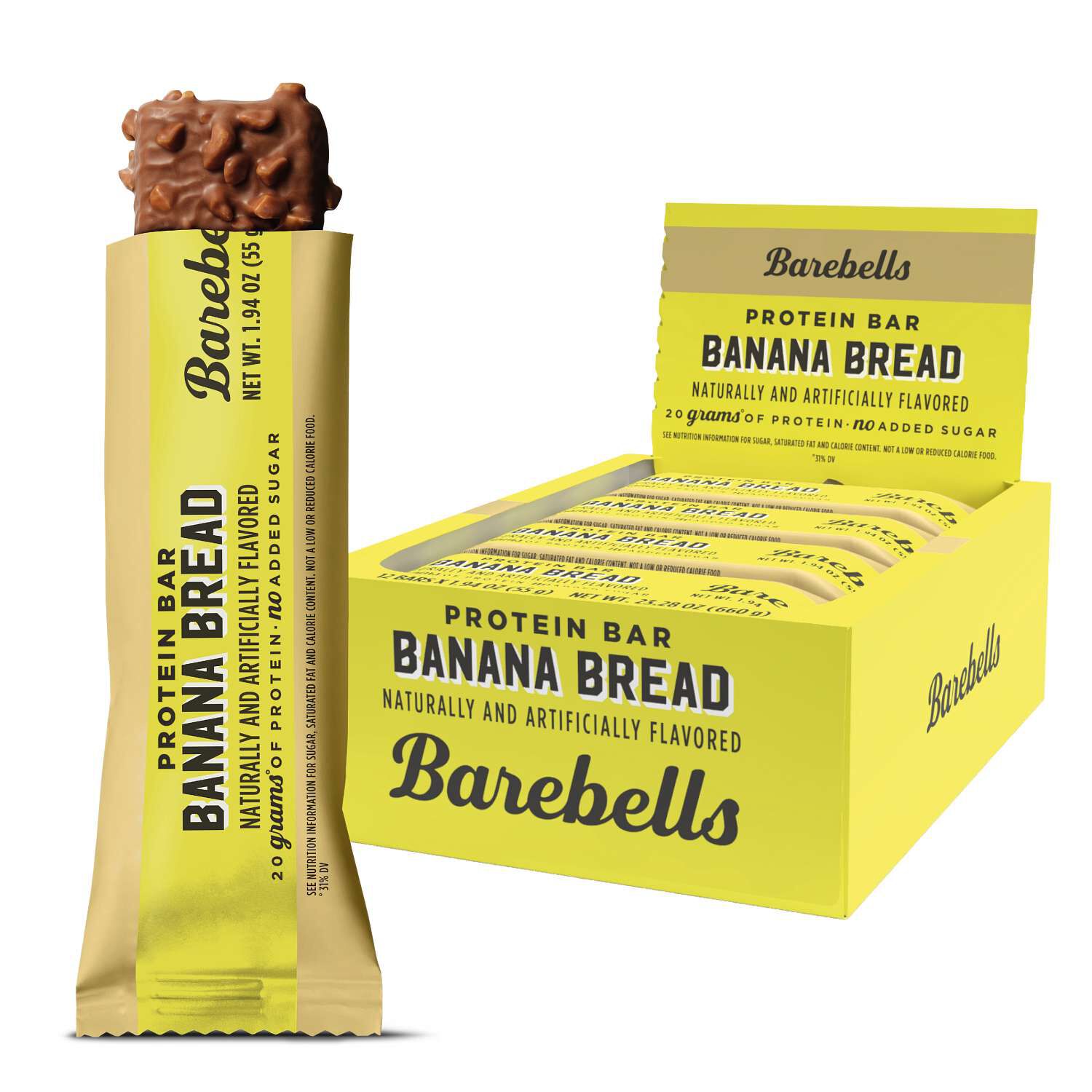 Barebells
-
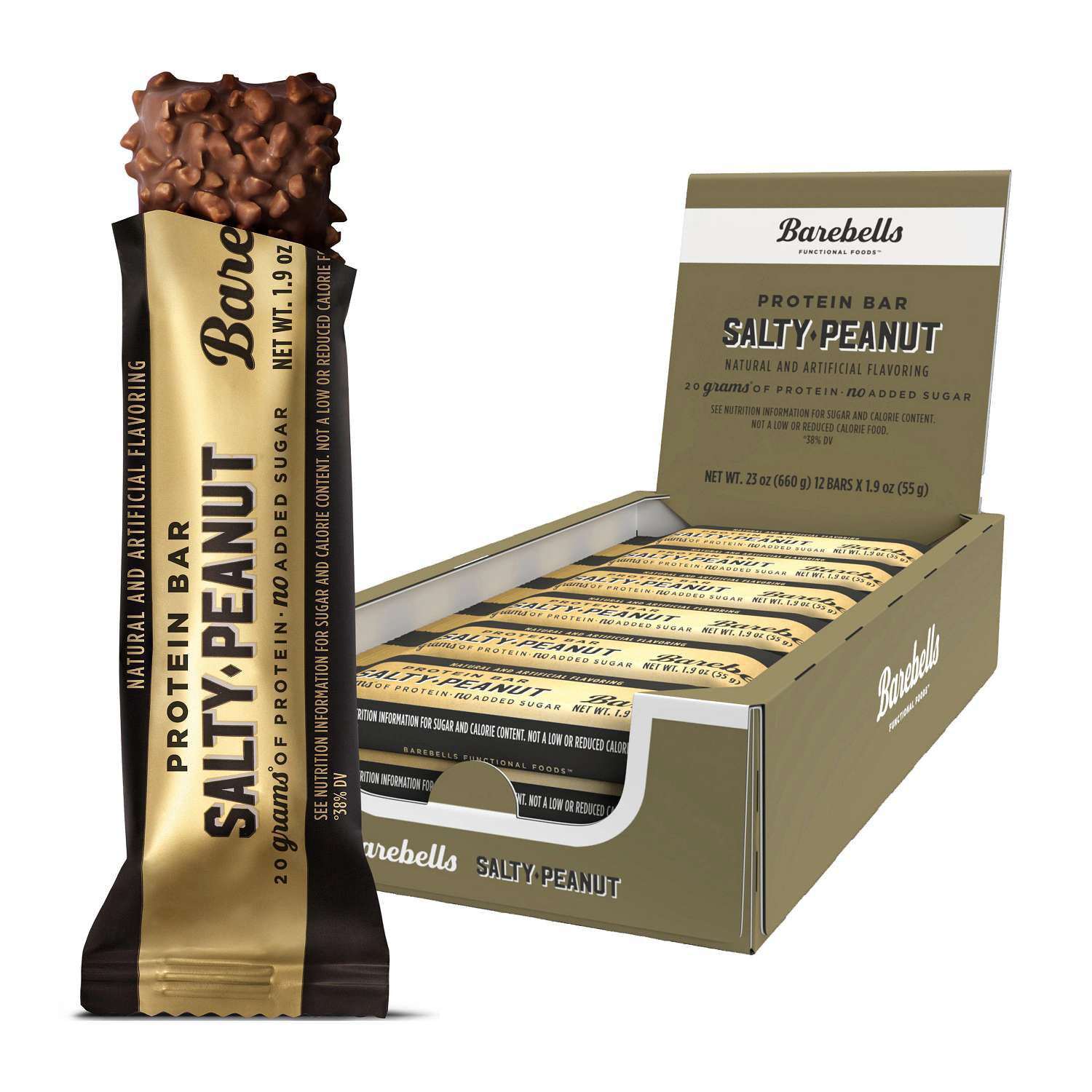 Barebells
-
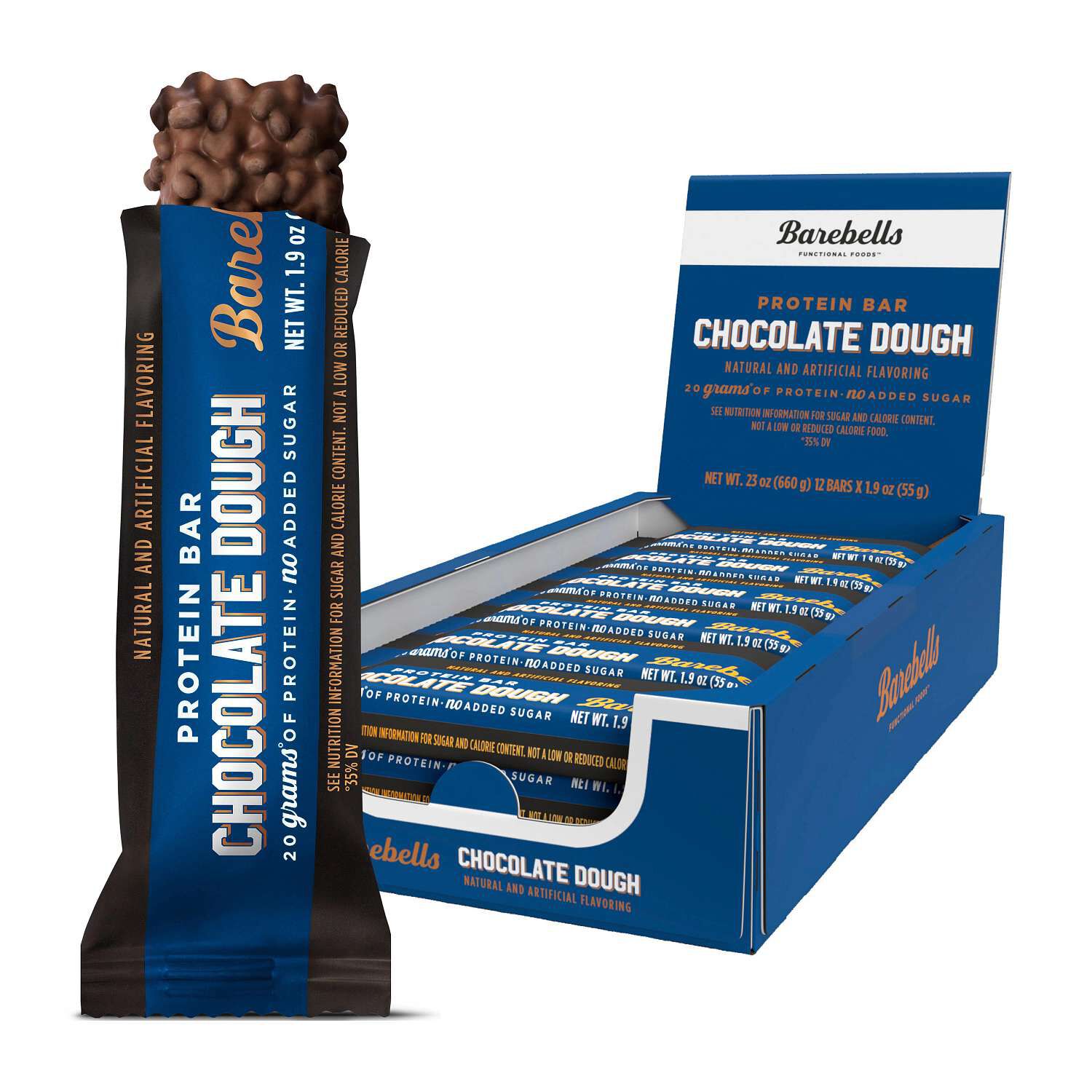 Barebells
-
 Barebells
Related Pages

Top Collections
- Top Rated Collagen | Shop Customer Favorites | GNC
- Cortisol Supplements
- Vitamins For Hair Loss
- NAD+ Supplement Tablets
- Peptide Supplements
- Best Brand of Magnesium Glycinate
- Vitamins That Help Support Weight Gain
- Protein Powders For Muscle Growth Support
- Spirulina Tablets
- Peptide Supplements for Muscle Growth