





Protein Bars For Weight Loss
(0 Results)
Looking to shed some extra pounds while still satisfying your cravings for a tasty snack? Our selection of protein bars for weight loss is here to help you reach your fitness goals without sacrificing flavor. Packed with high-quality protein and low in sugar, these bars are perfect for curbing hunger between meals or as a post-workout refuel. Whether you prefer indulgent chocolate flavors or fruity options, we have a variety of protein bars to suit your taste preferences. Say goodbye to empty calories and hello to a delicious way to support your weight loss journey with our top-notch protein bars.
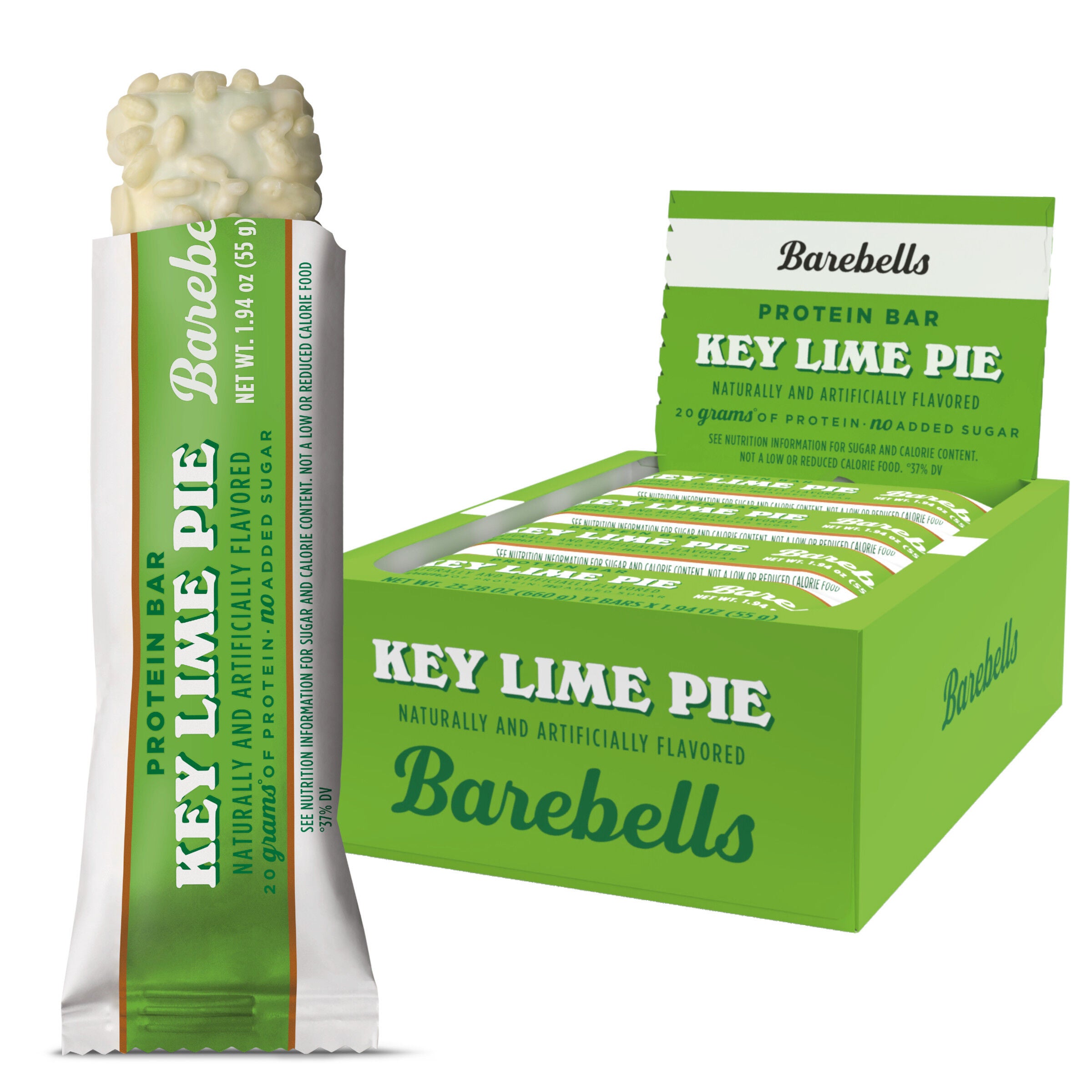


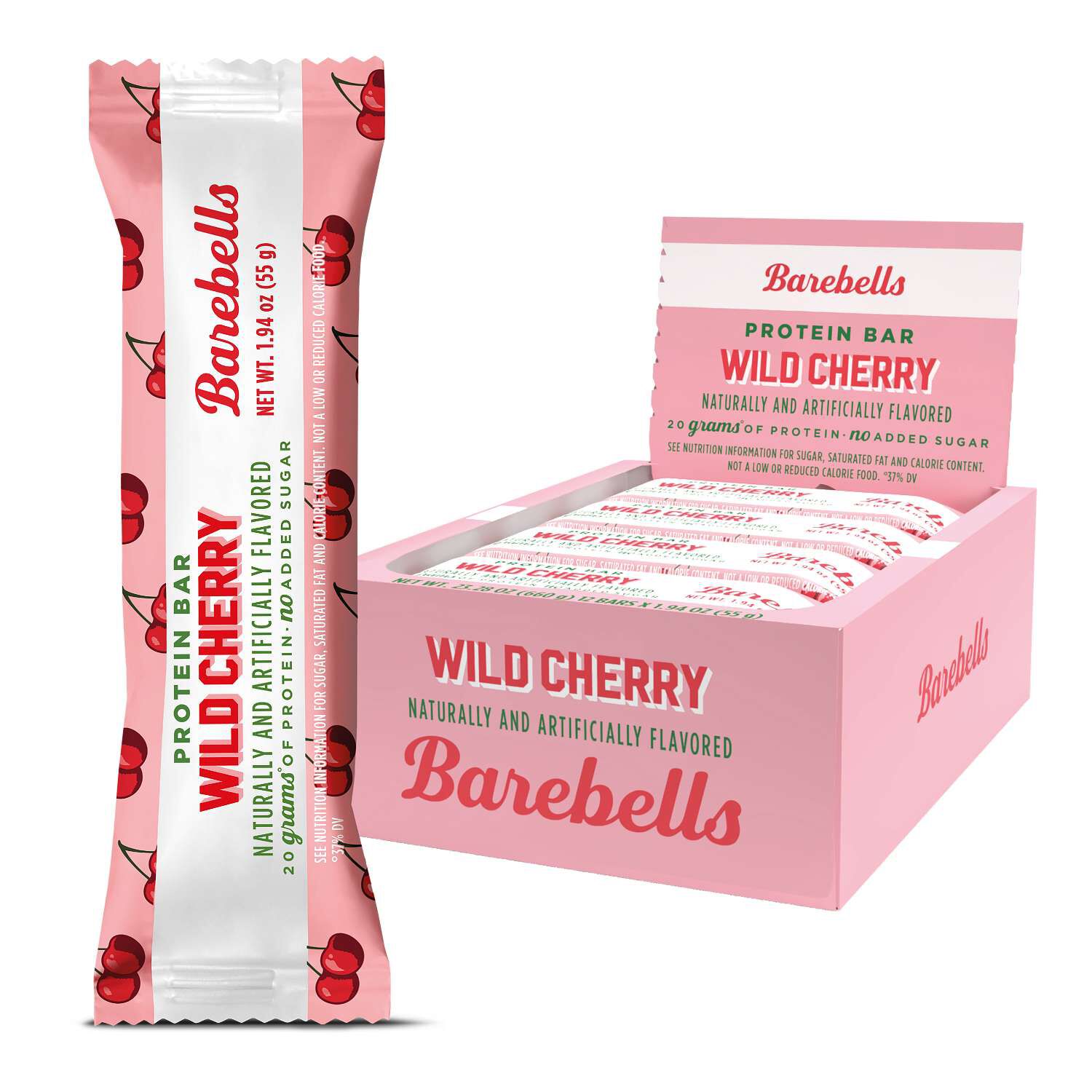
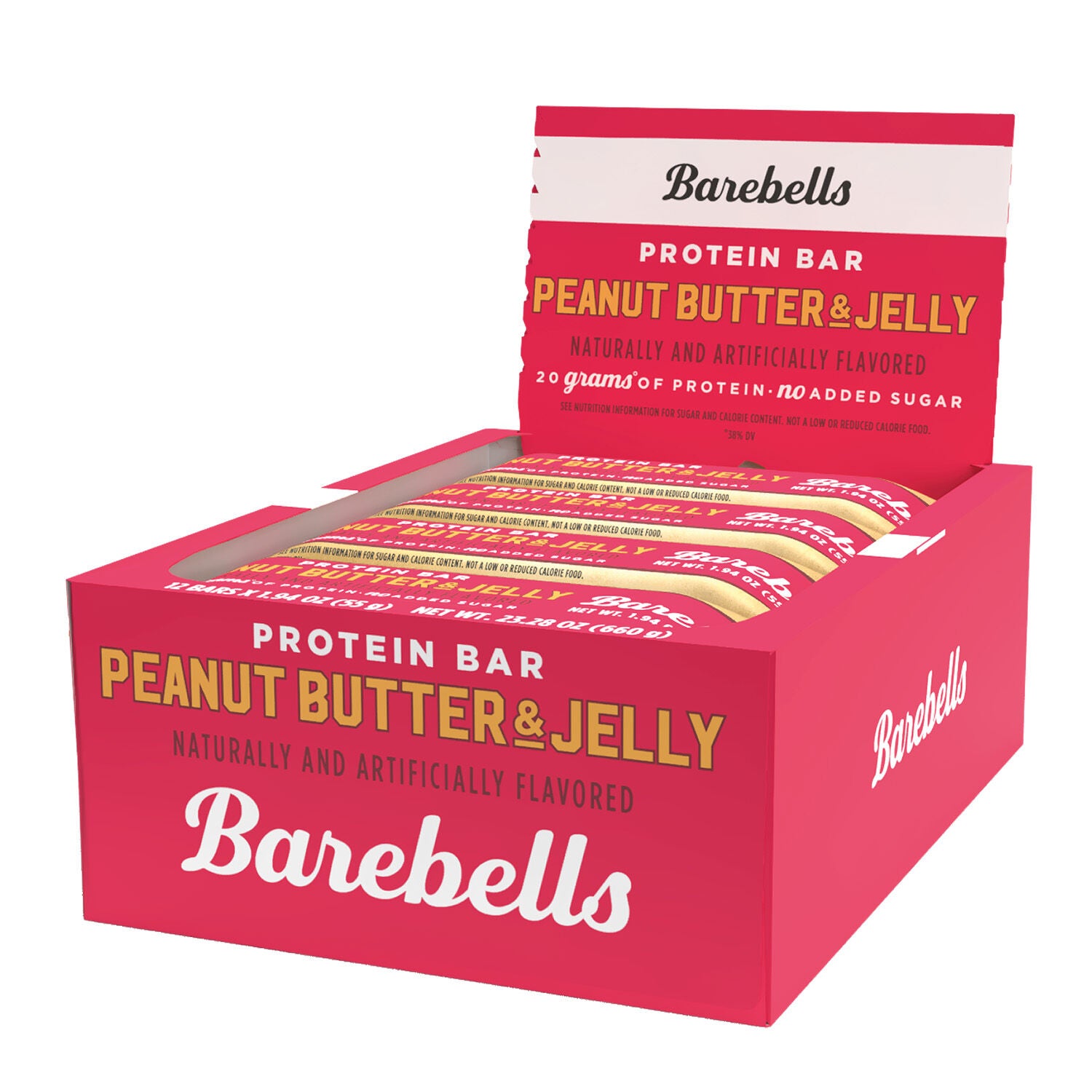
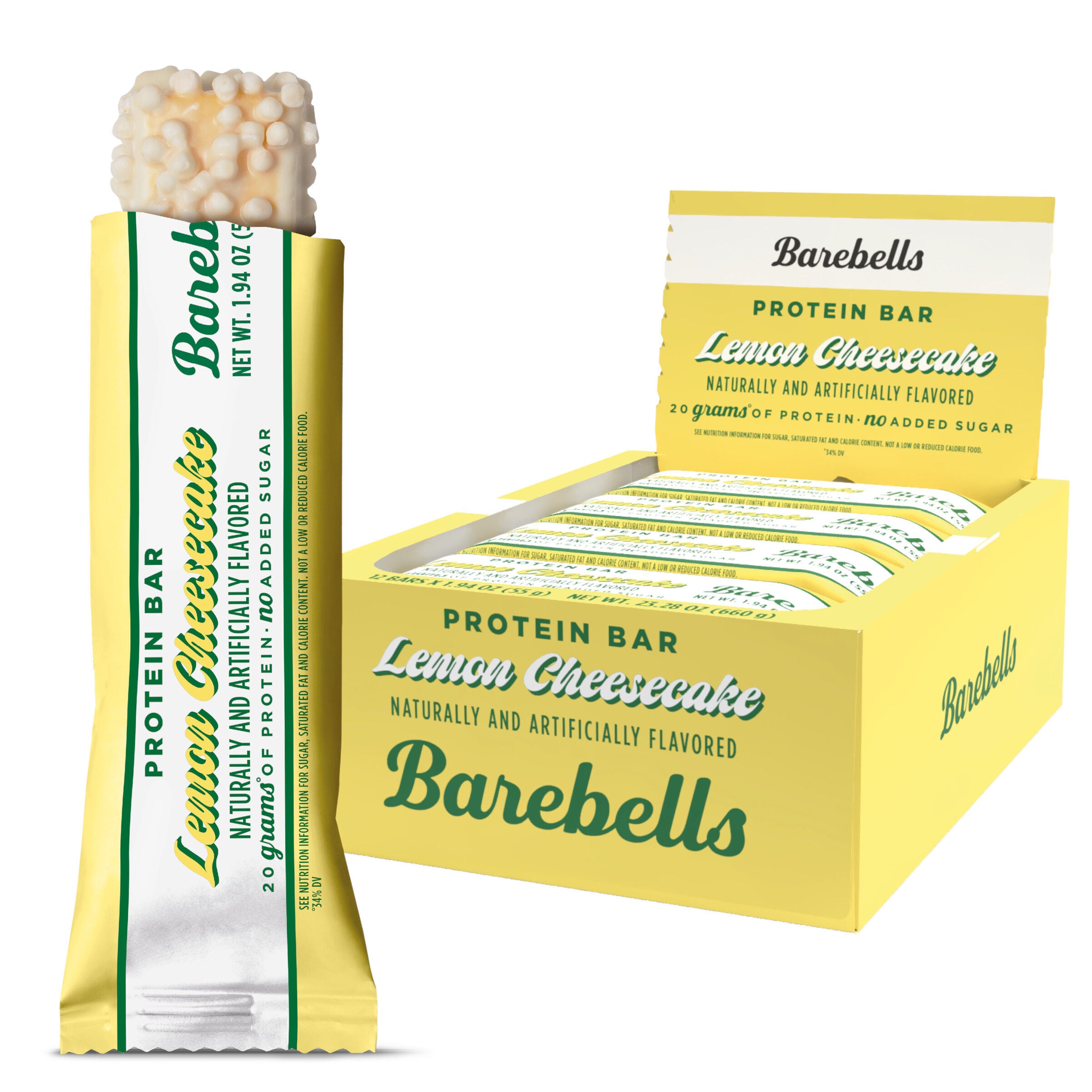
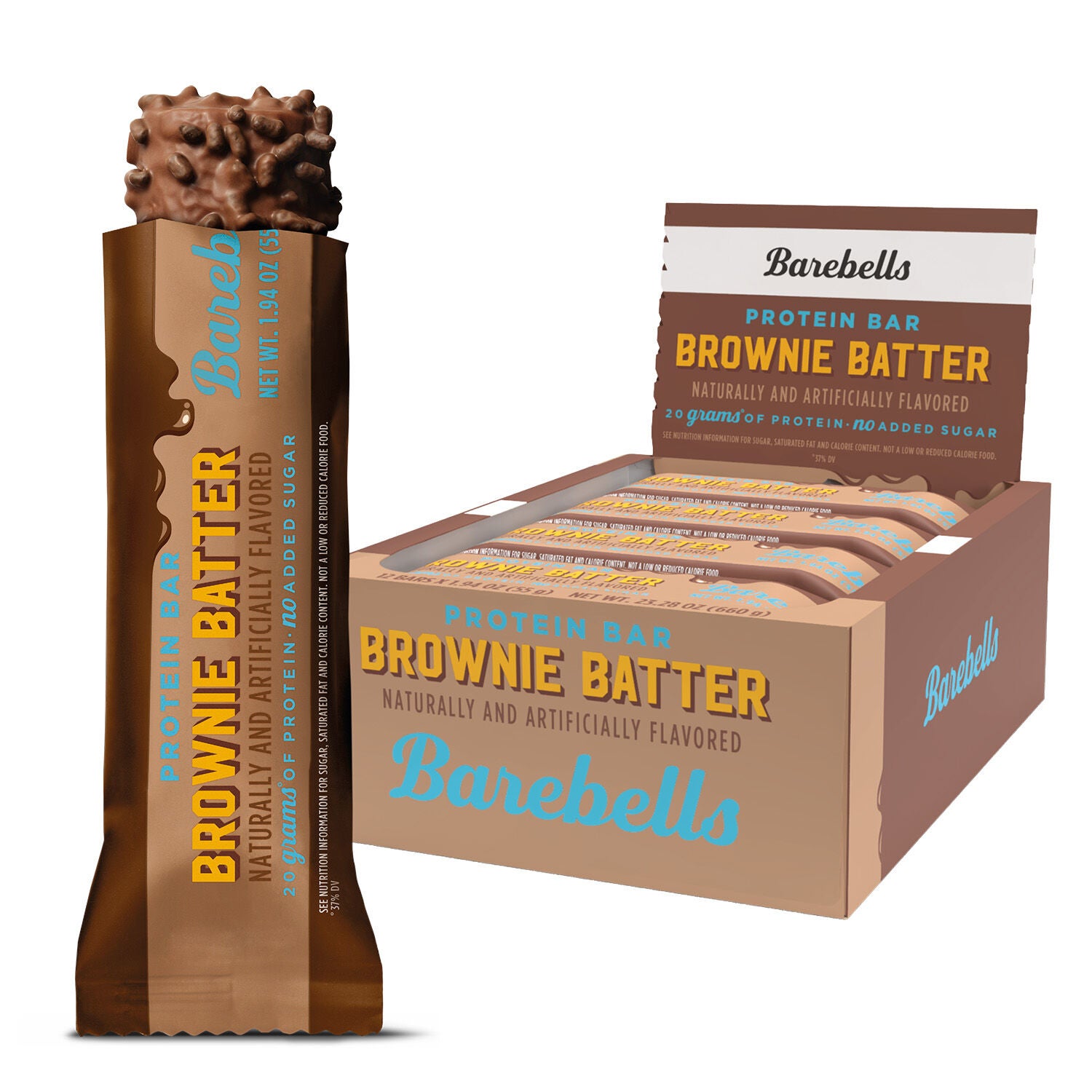
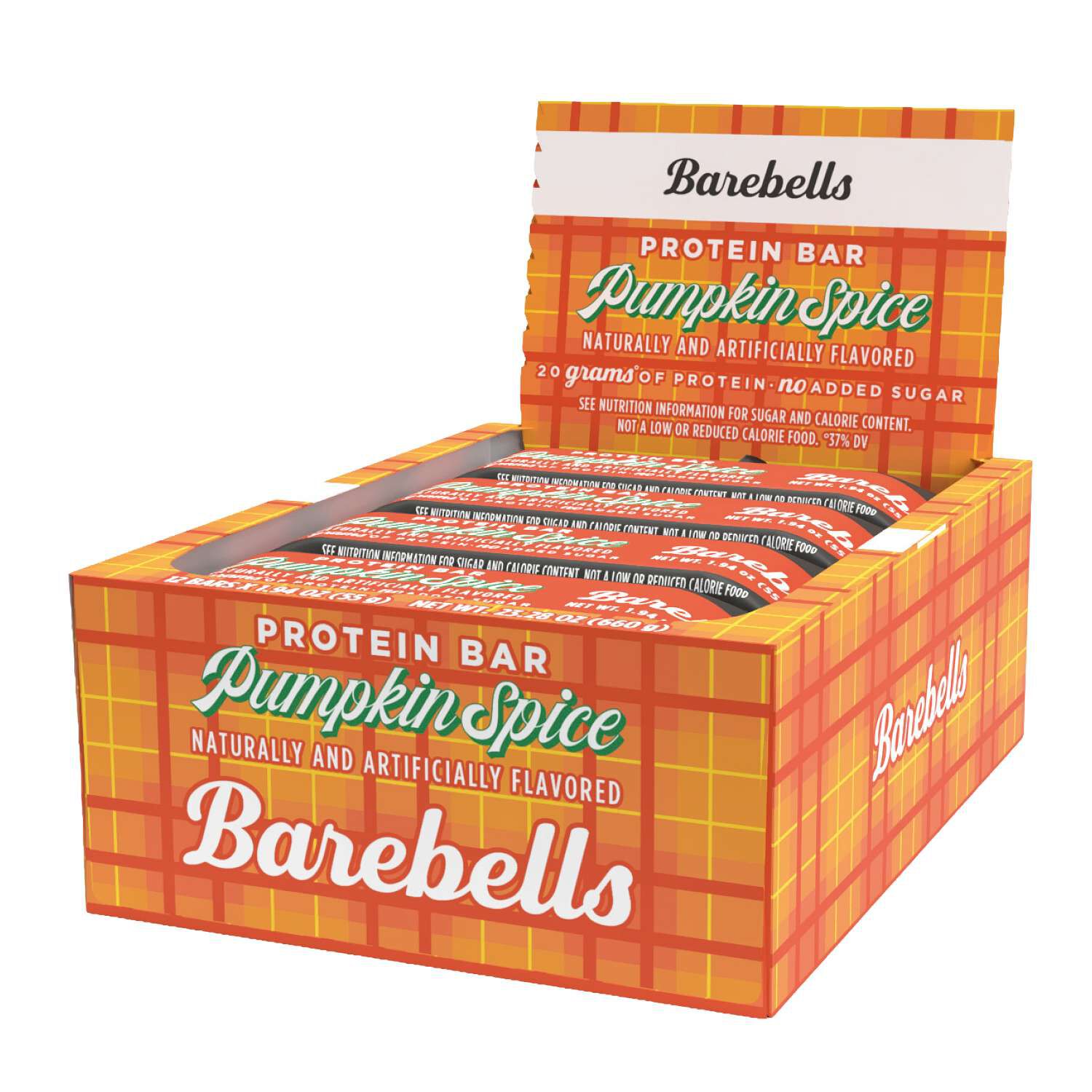
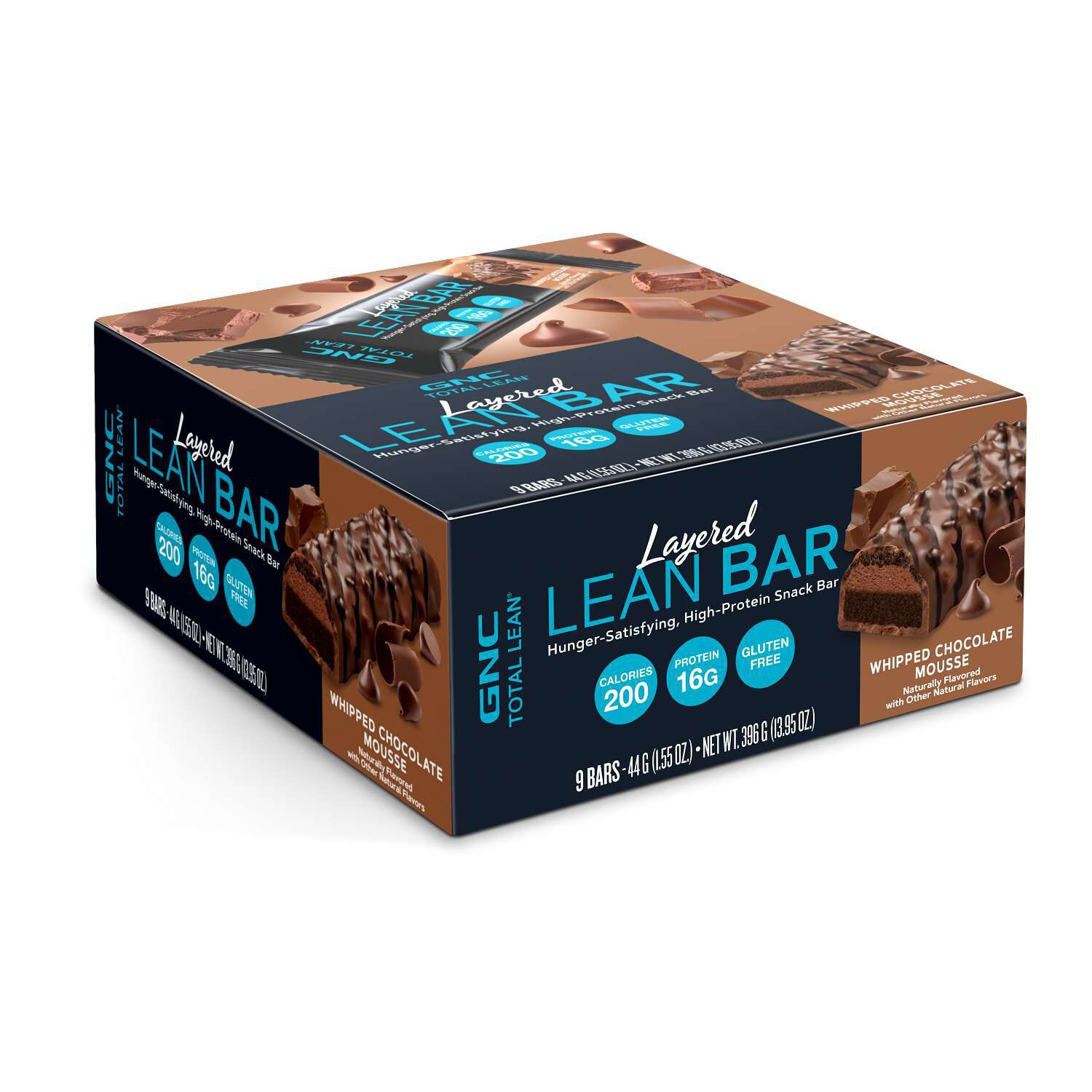

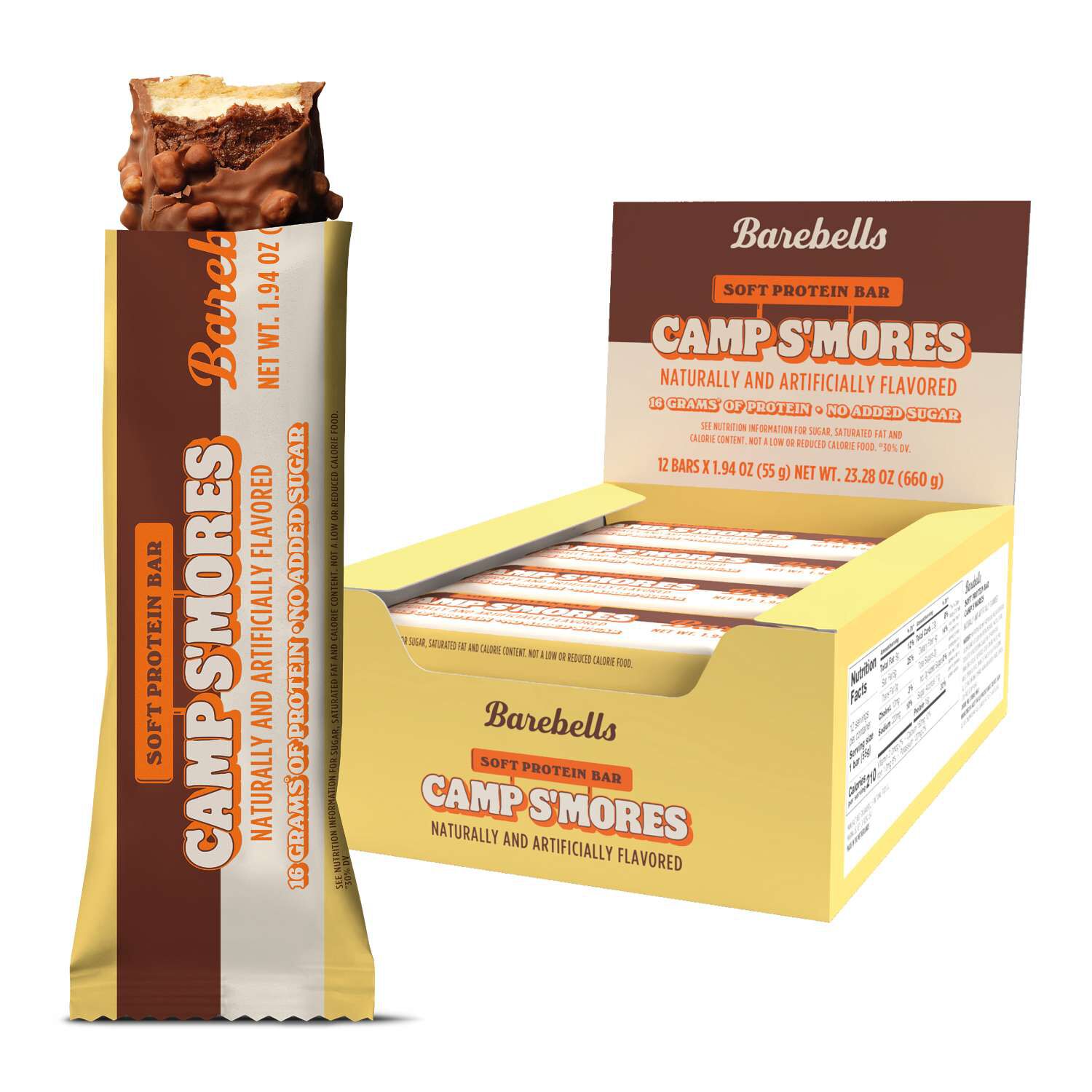
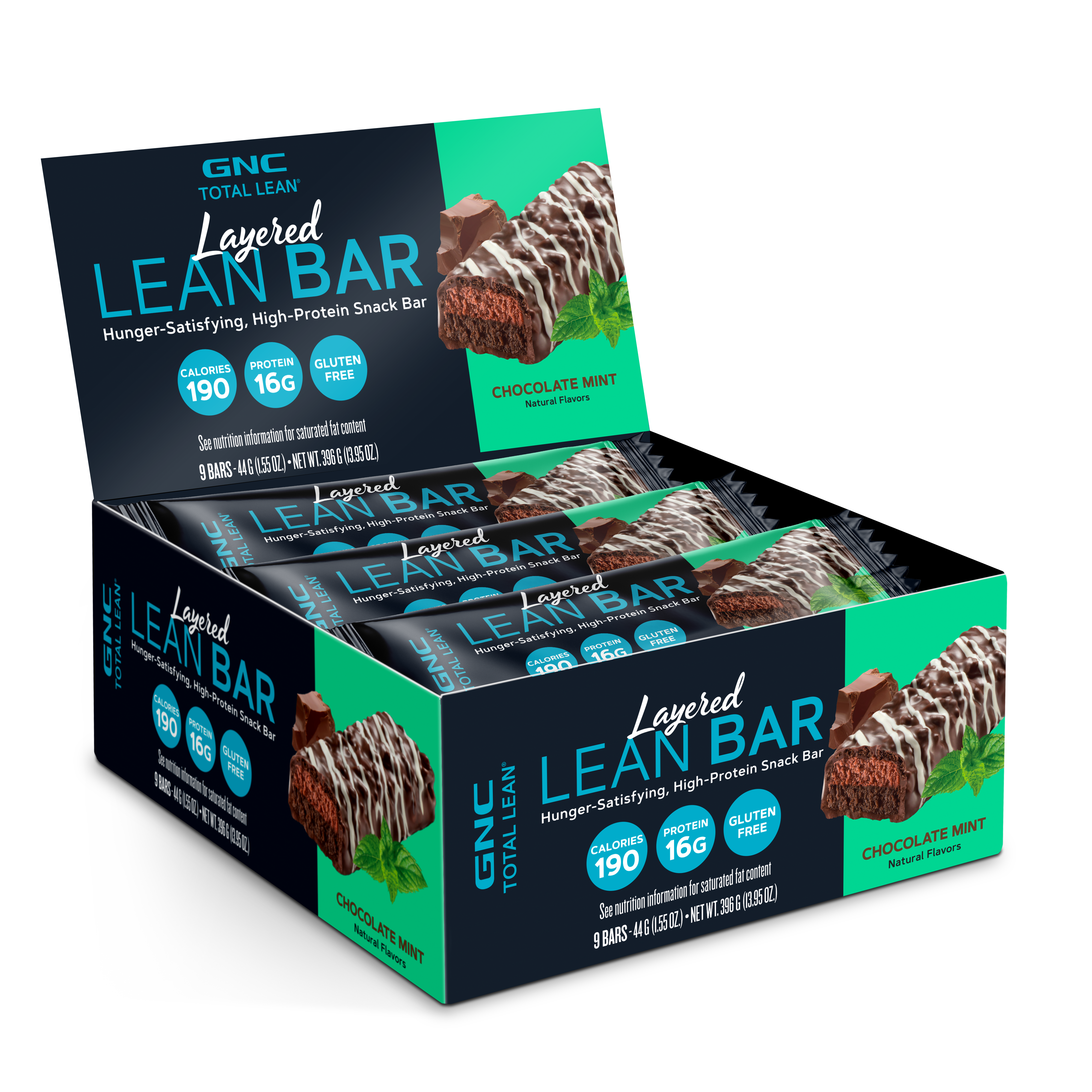
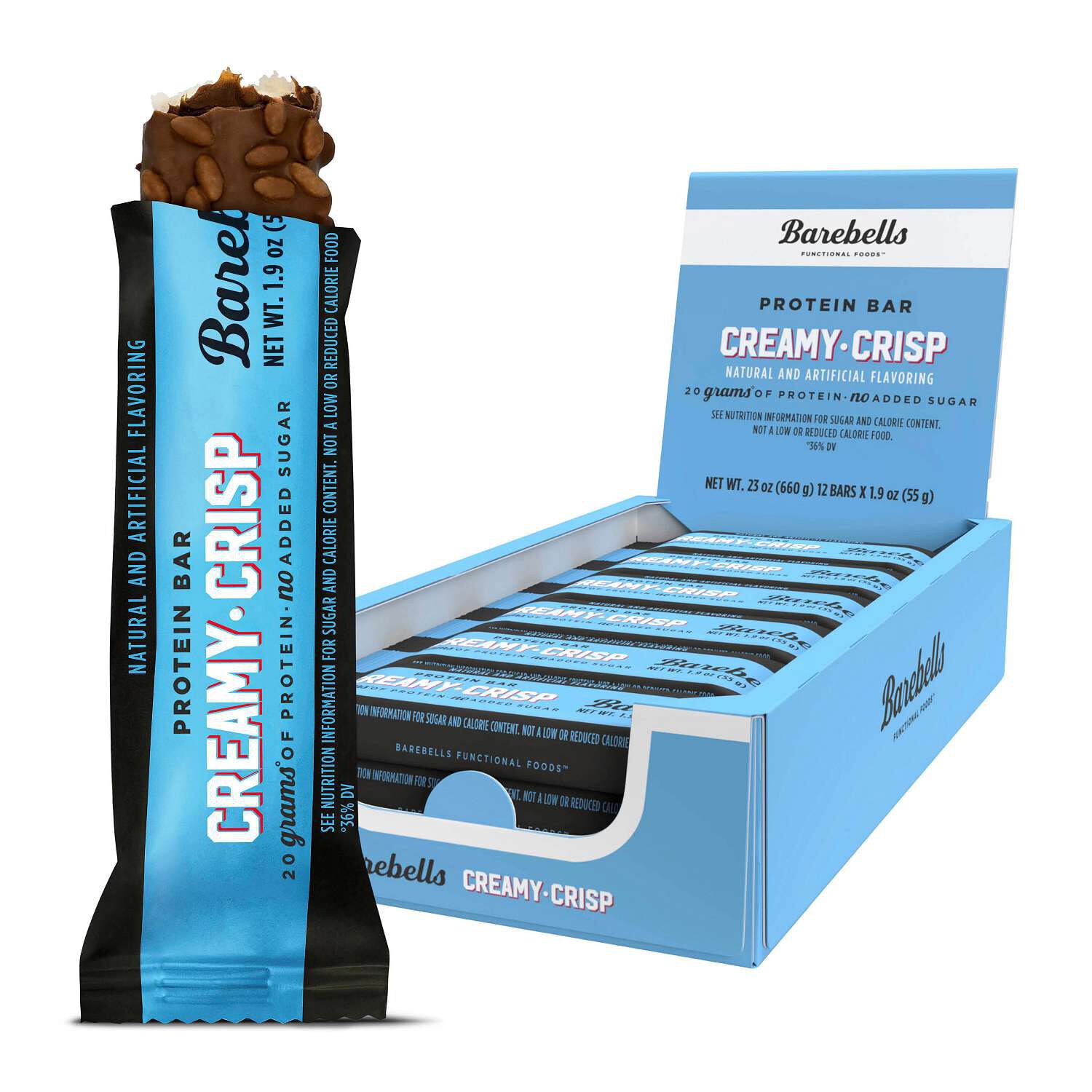
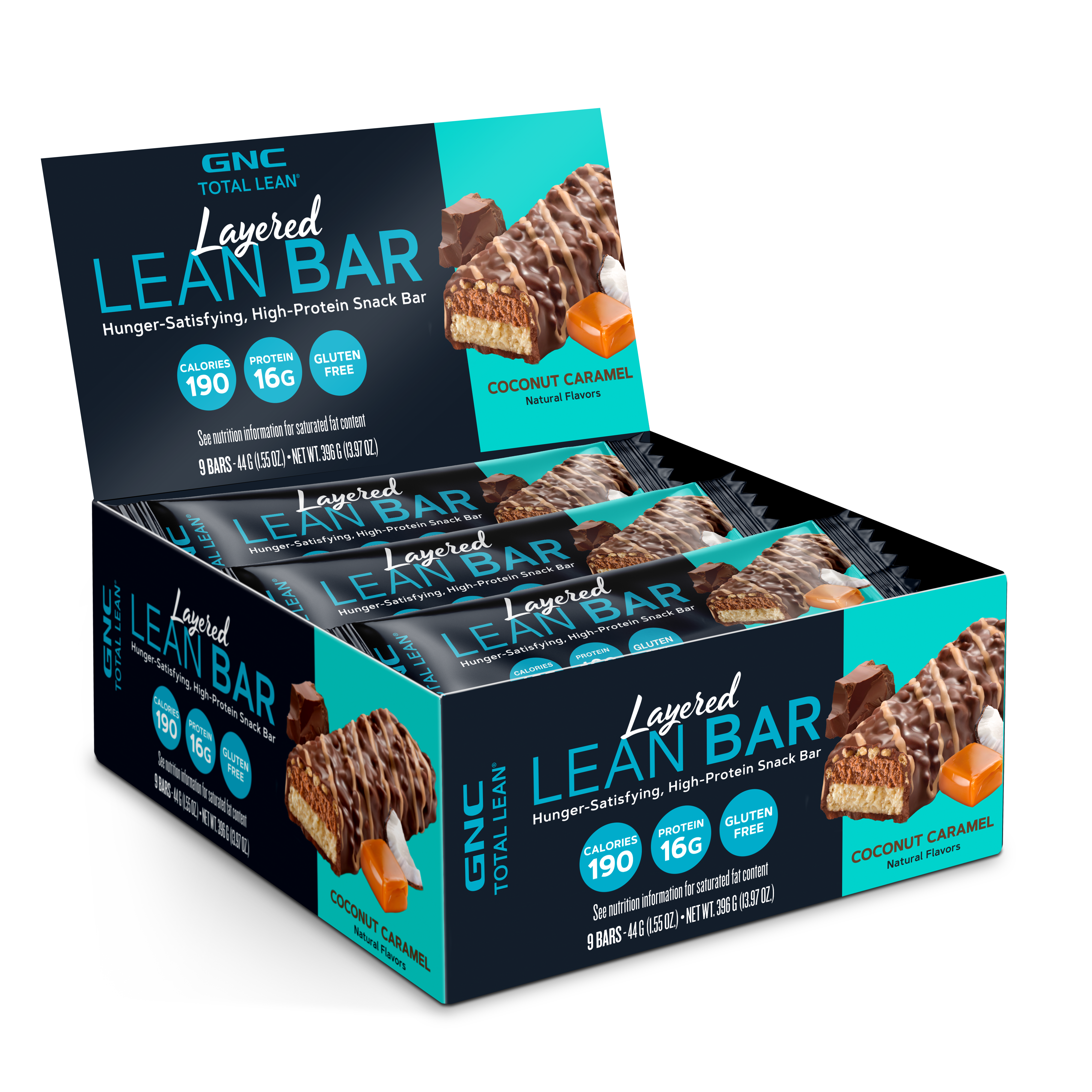
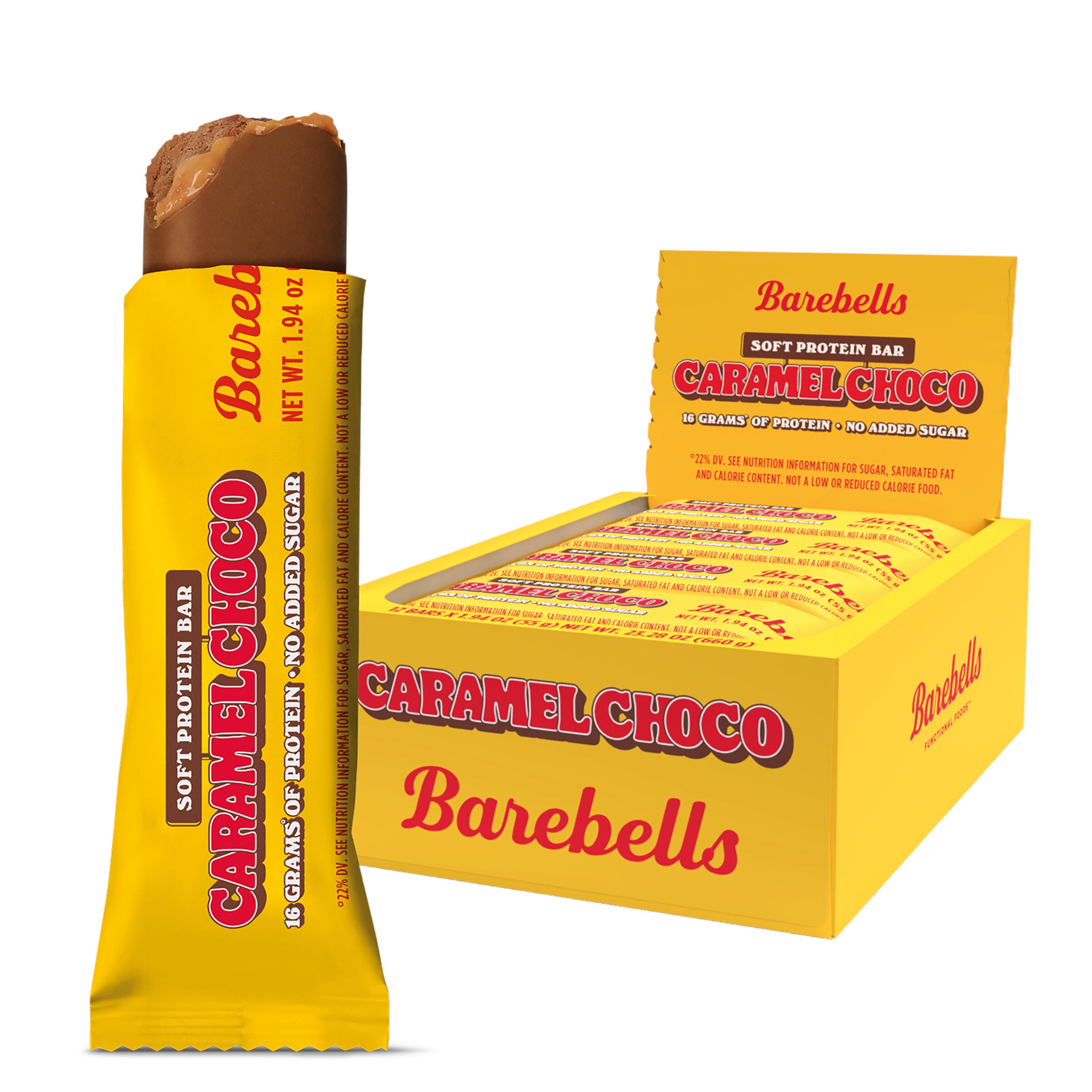
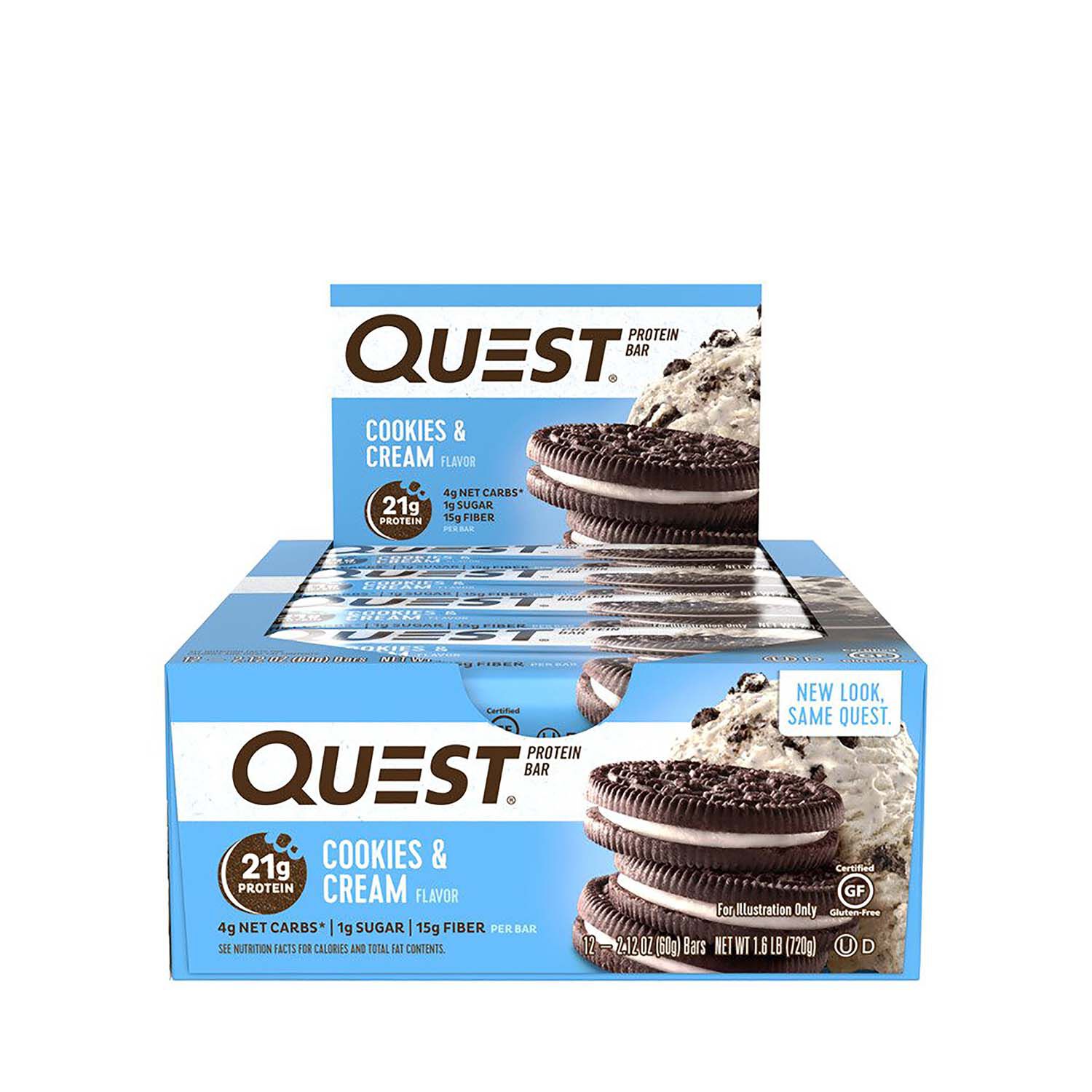
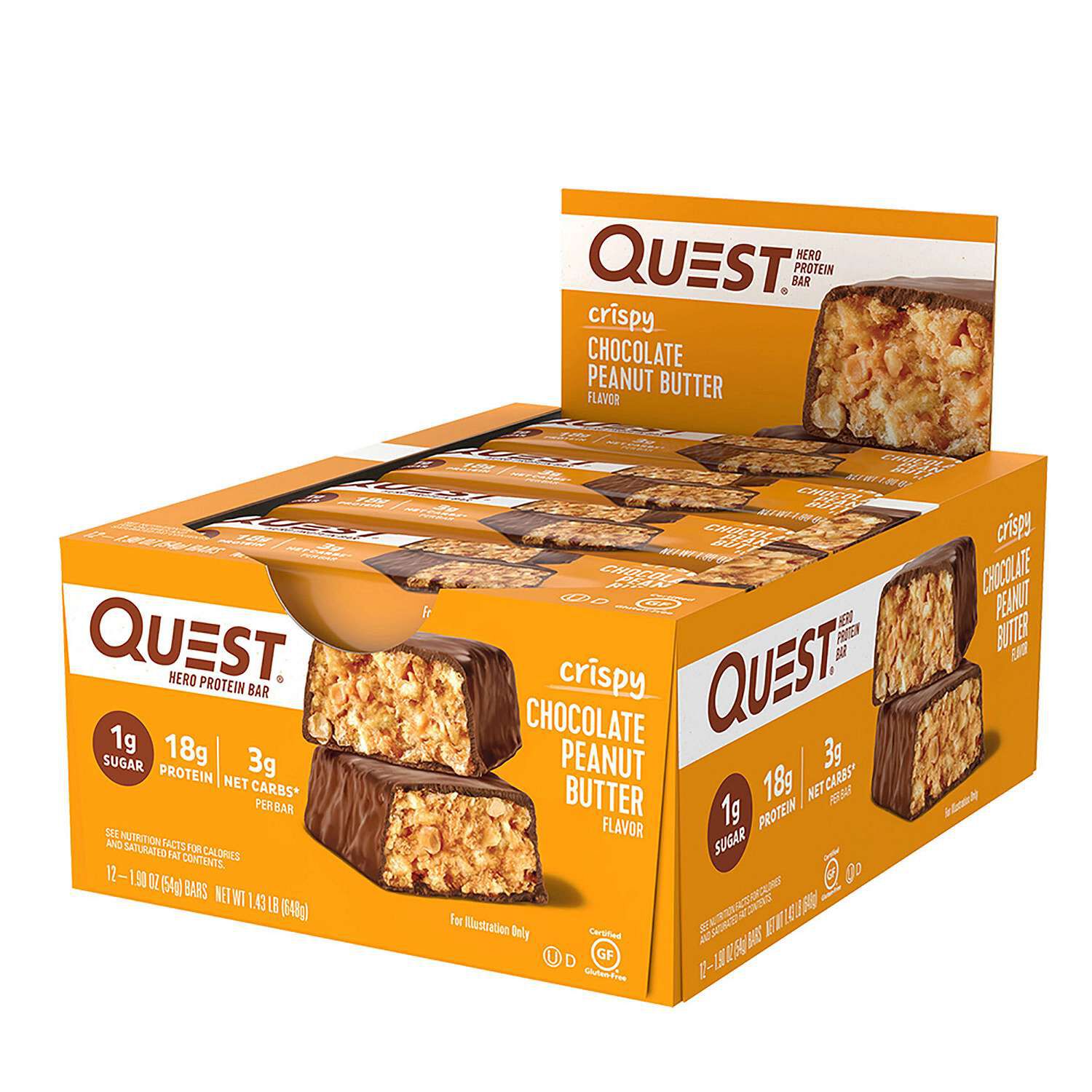

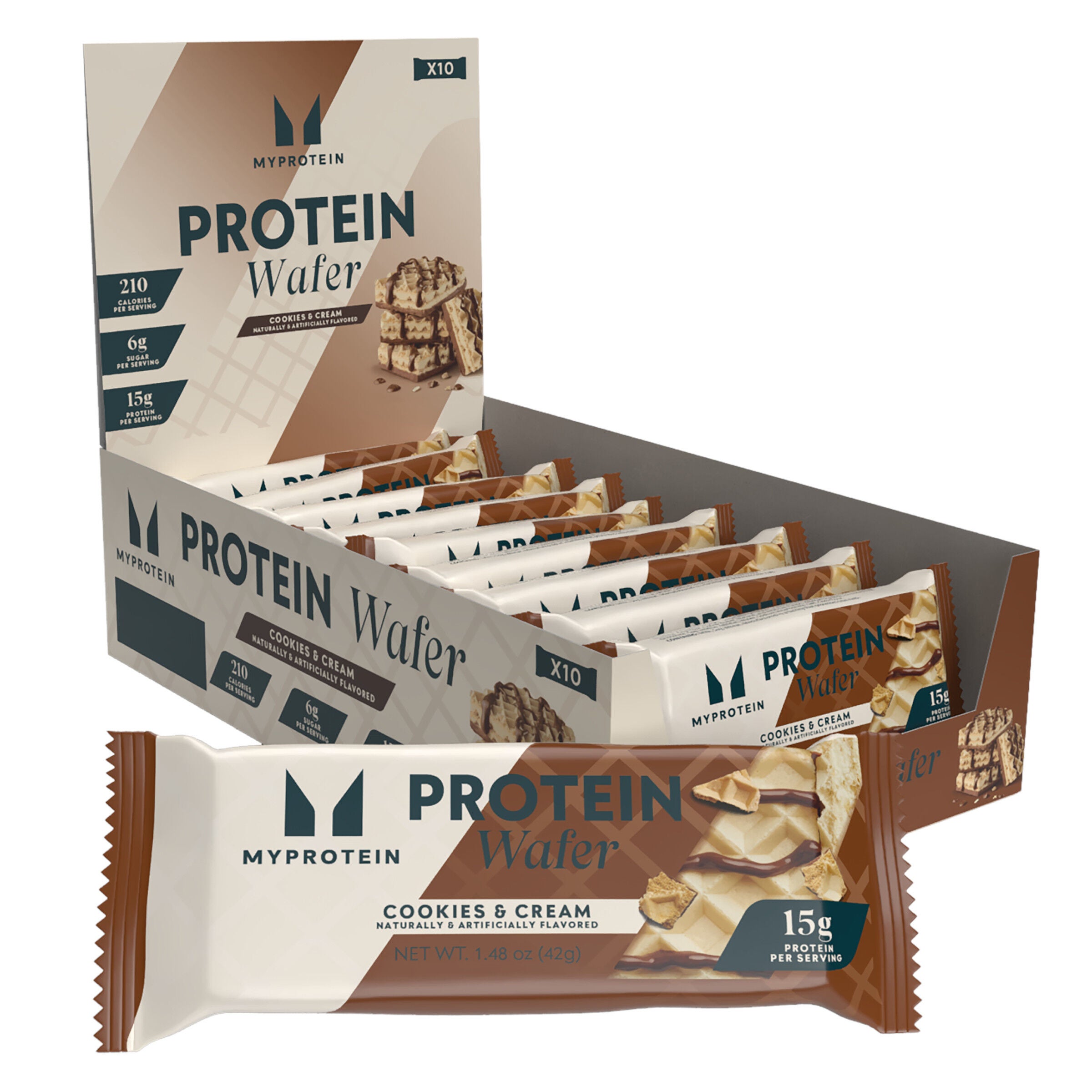
Protein bars can be a practical choice for shoppers working toward weight-management goals, especially when a busy schedule makes it difficult to prepare a snack in advance. A bar may fit into a work bag, gym tote, desk drawer, or car console, giving you a convenient option between meals or after a workout. When comparing protein bars for weight loss, start with the nutrition facts panel rather than the front-of-package claims. Many shoppers look for approximately 10 to 15 grams of protein per bar, since that amount may help a snack feel more satisfying and may complement an active daily routine. Calories also deserve attention: a bar in the range of about 200 to 230 calories may work well as a snack for some eating plans, while larger bars may be better suited to a meal replacement approach only when they align with an individual’s needs and routine. Added sugar is another useful comparison point. Choosing a bar with roughly 5 to 8 grams of added sugar or less may make it easier to manage the sweetness of the rest of the day, particularly when bars are enjoyed regularly. Fiber can also be worth checking, with many shoppers seeking around 3 to 5 grams per serving because fiber may contribute to a longer-lasting feeling of fullness. These numbers are not rules for every person; preferences, activity, appetite, and overall eating patterns can all shape the right choice.
Ingredient lists may help narrow the selection further. Some shoppers prefer bars made with whey or milk-derived protein, while others look for egg white, soy, pea, rice, or other plant-based protein sources. A bar with a short, familiar ingredient list may appeal to someone who prefers a simpler pantry, while another shopper may prioritize texture, flavor, or a particular nutrition profile. Those following a plant-based eating pattern may want to confirm the protein source and review the full ingredient list, and people avoiding gluten or certain ingredients may wish to check package details carefully because recipes and manufacturing practices can vary. Sugar alcohols, high-fiber ingredients, and certain sweeteners may affect taste and texture, so trying a small selection may be a sensible way to discover what fits your preferences. Texture ranges from soft and chewy to crisp, layered, or dense, and the best option may depend on where you plan to eat it. A softer bar can be easy to pack for a long commute, while a crisp bar may pair nicely with coffee during a midafternoon break. For a more substantial snack, some people may combine a bar with fruit, yogurt, or a beverage; for a lighter option, a bar may stand on its own. Keeping a few varieties available may also make it easier to stay prepared during cooler months, when a quick snack can be useful before errands, a walk, or an evening workout. Shoppers selecting items for an active friend, college student, coworker, or family member may find protein bars to be a thoughtful addition to a care package, especially when they choose flavors and ingredients that match the recipient’s routine.
Portability is one of the main reasons people choose protein bars, but storage and timing can make the experience more convenient. Look for individually wrapped bars that travel well and fit easily into a lunch bag or backpack. Checking serving size is worthwhile, since some packages contain more than one serving or include bars with noticeably different calorie and protein amounts. A quick glance at protein, calories, added sugar, fiber, saturated fat, and sodium may provide a useful snapshot for comparing options within the same category. It can also help to consider how a bar fits with the rest of your day instead of judging it in isolation. Someone who spends hours on their feet may select a more substantial bar, while someone seeking a compact afternoon snack may prefer a smaller portion. People who train regularly may wish to browse Protein Bars for Athletes for options suited to active routines. Ultimately, the right protein bar may be one that tastes enjoyable, travels well, fits your preferred ingredients, and aligns with your personal calorie and nutrition goals. Keeping expectations realistic can make these snacks easier to use consistently: a bar may serve as a convenient part of a balanced routine, but it does not need to replace every meal or carry the entire weight of a weight-loss plan. Comparing labels, choosing flavors you genuinely enjoy, and keeping portions in mind may help you build a snack selection that feels practical through workdays, travel, workouts, and everyday life.
Best Sellers
-
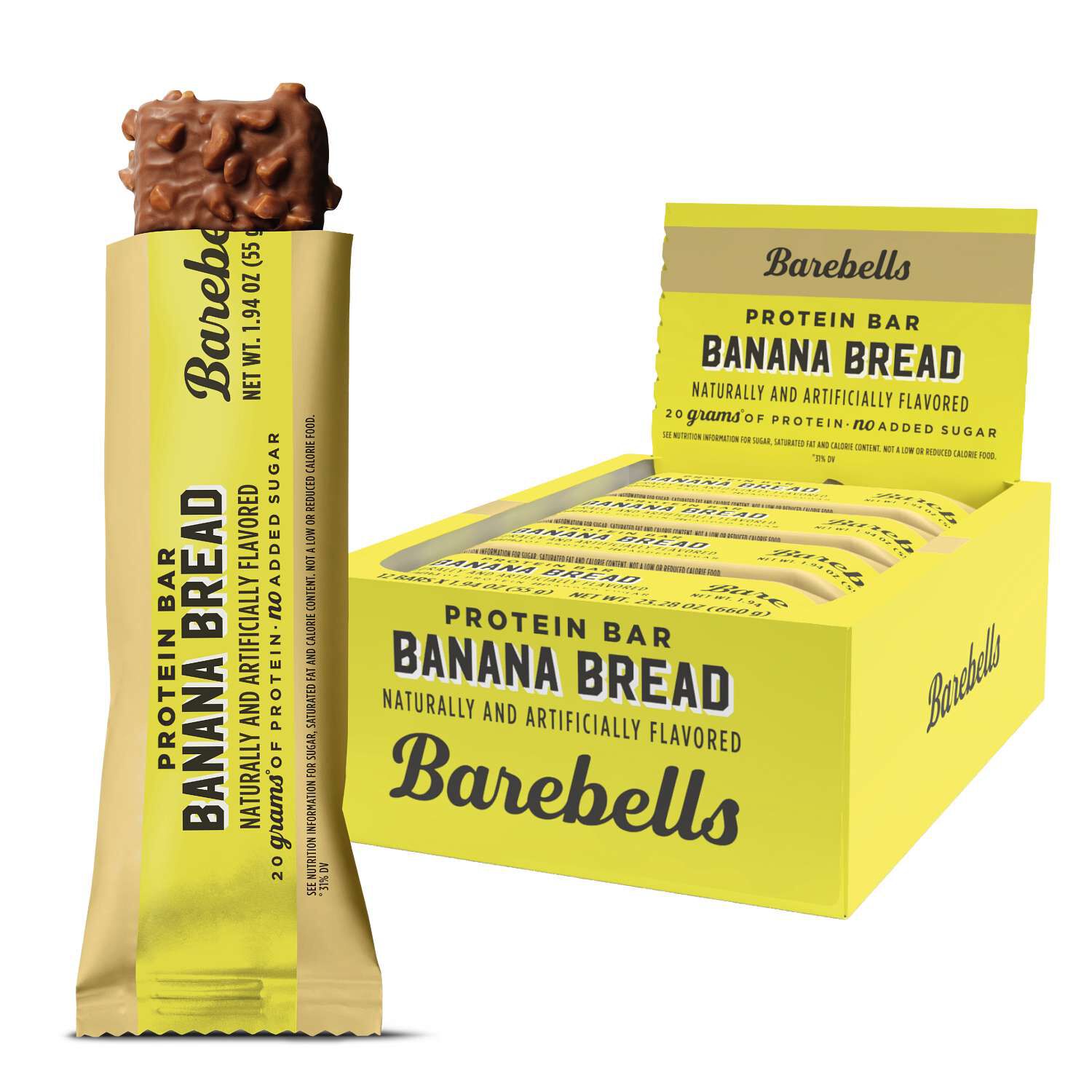 Barebells
 -
 Barebells
 -
 Barebells
 -
 Barebells
Related Pages
Top Collections
- Daily Collagen Supplements | Top Brands & Deals | GNC
- Cortisol Supplements
- Top Rated Collagen | Shop Customer Favorites | GNC
- Vitamins For Hair Loss
- NAD+ Supplement Tablets
- Peptide Supplements
- Best Brand of Magnesium Glycinate
- Protein Powders For Muscle Growth Support
- Vitamins That Help Support Weight Gain
- Peptide Supplements for Muscle Growth