





Protein Bars For Athletes
(0 Results)
Protein bars for athletes offer a convenient option that fits into busy training schedules and active lifestyles. Whether heading to the gym, powering through practice, or looking for a quick snack between workouts, these bars may provide support for your fitness journey. Explore a selection of protein bars for athletes that could align with your nutrition goals and help keep you fueled throughout the day.
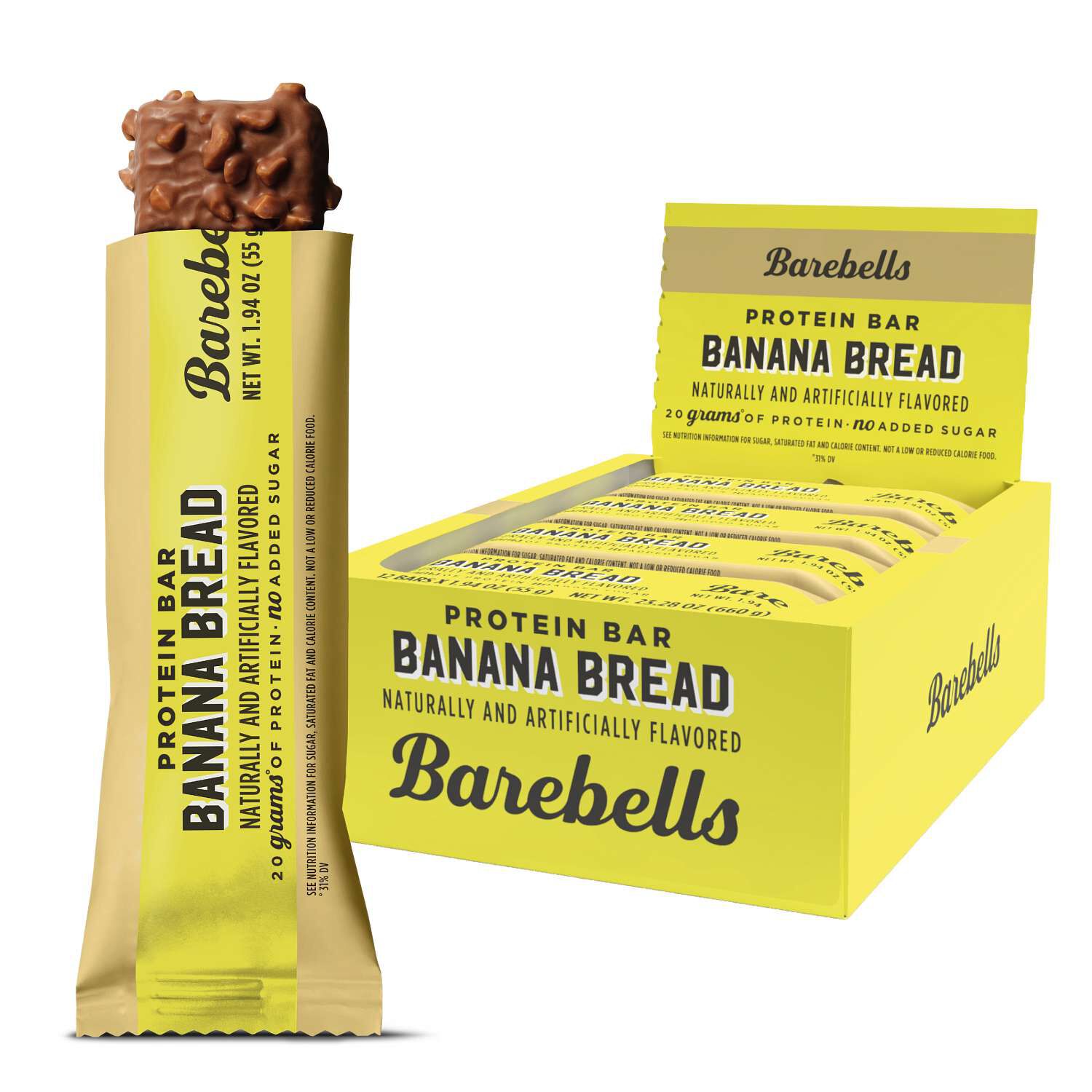
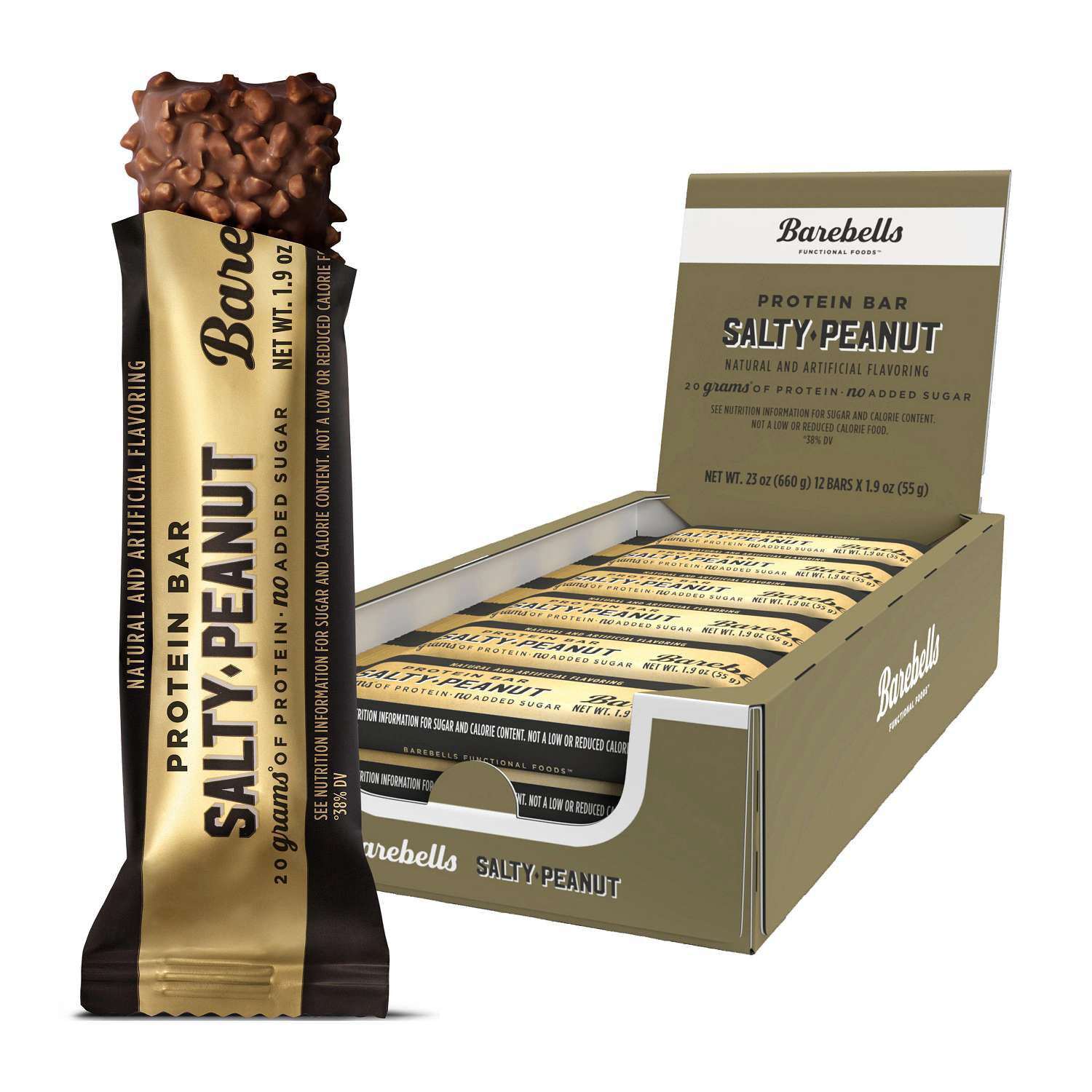
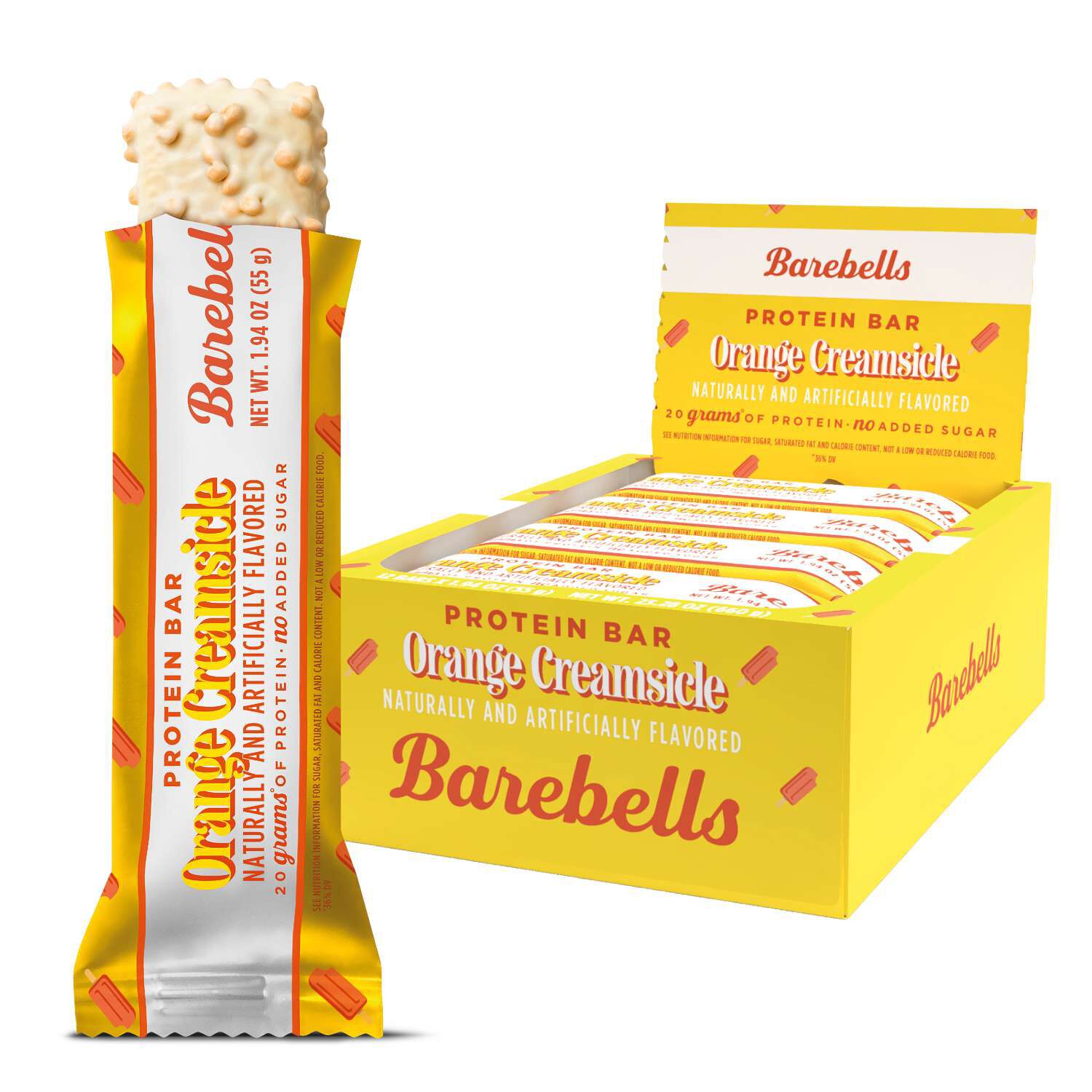


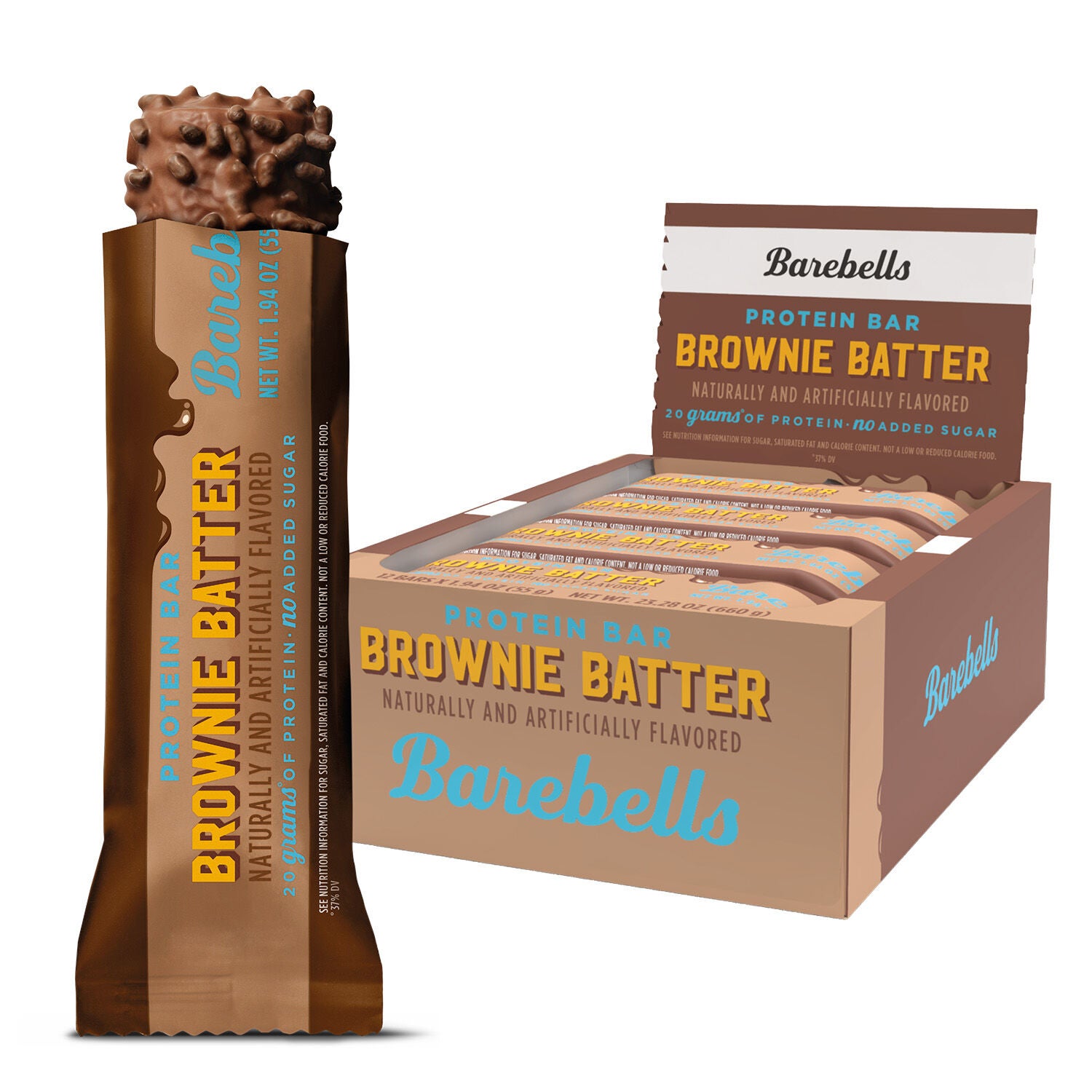

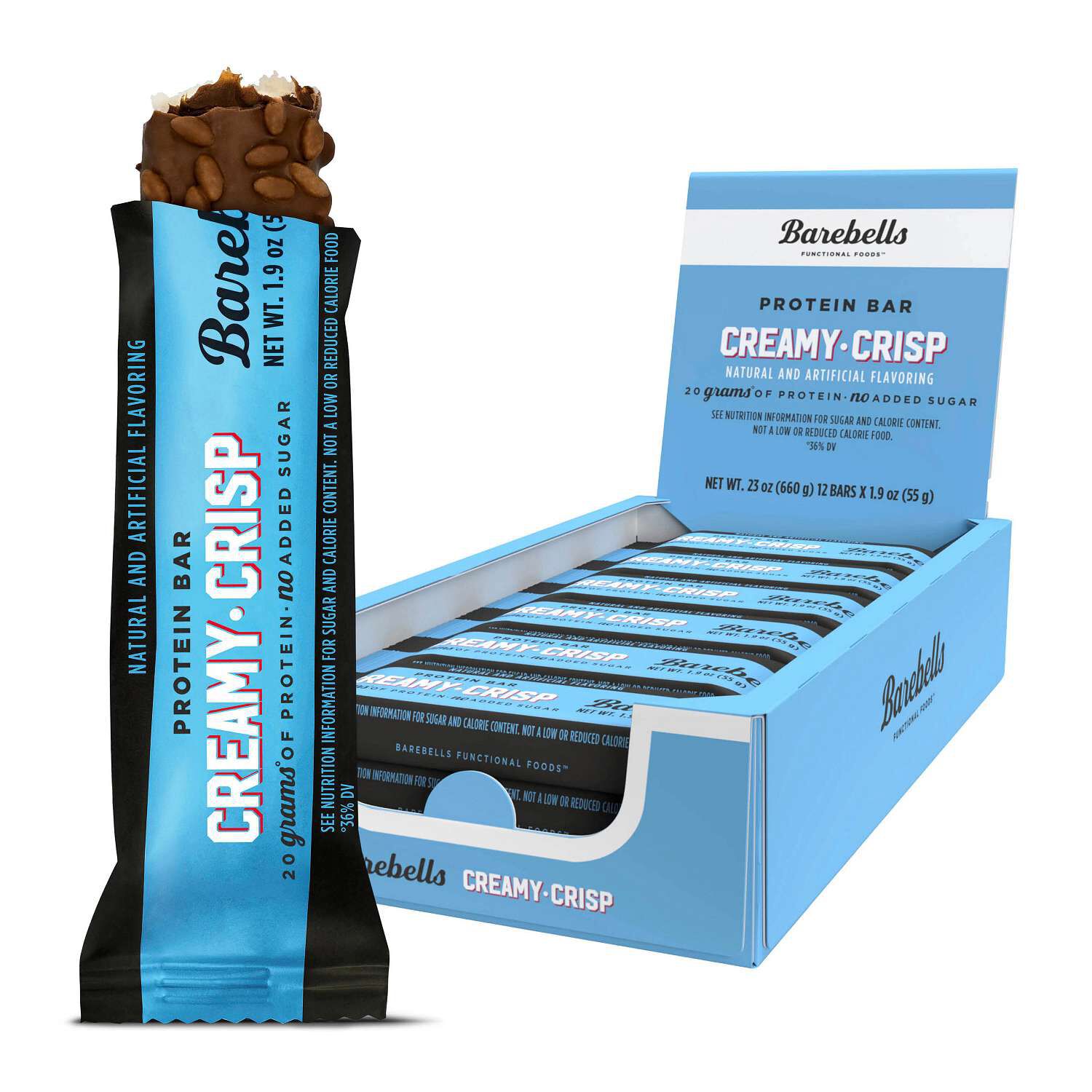
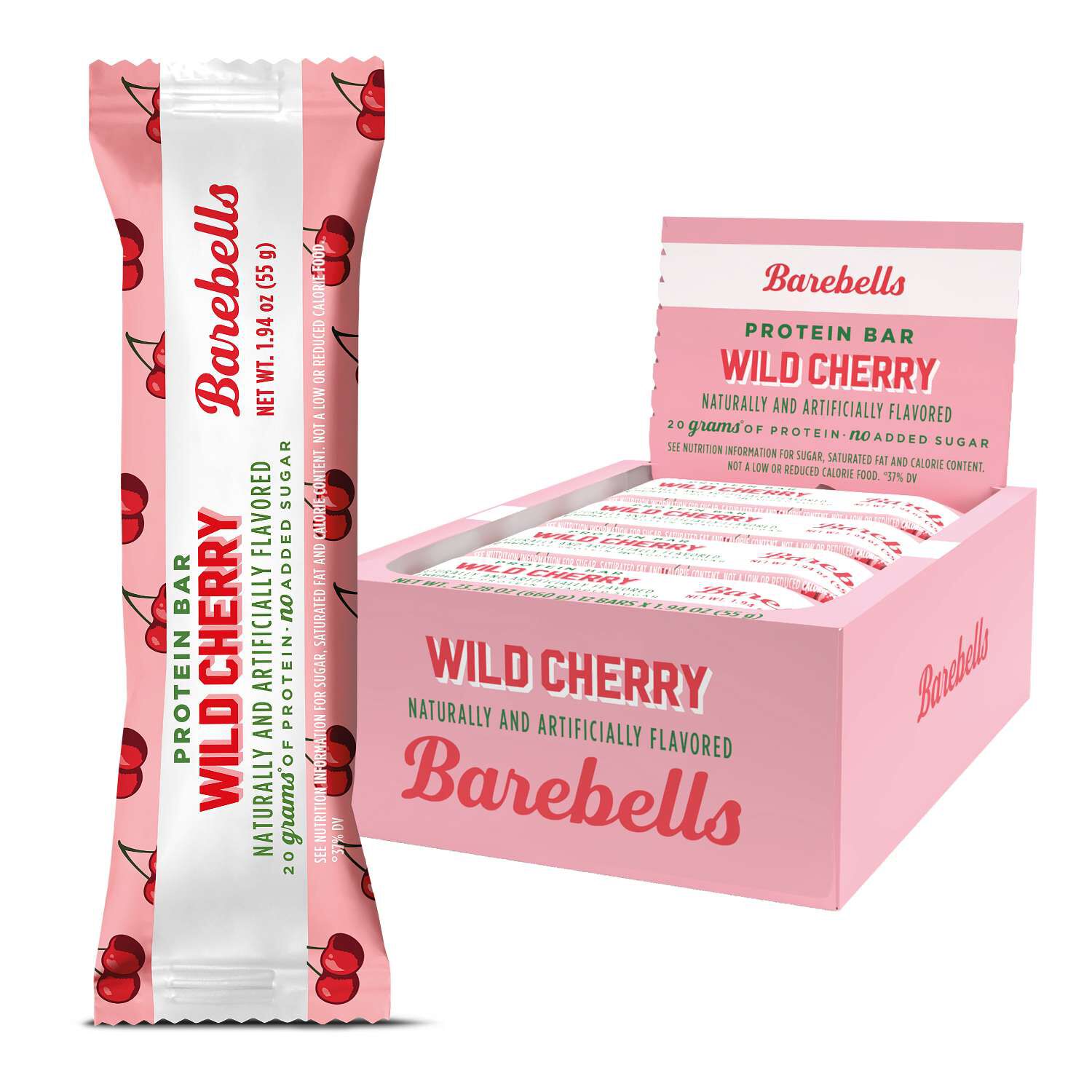
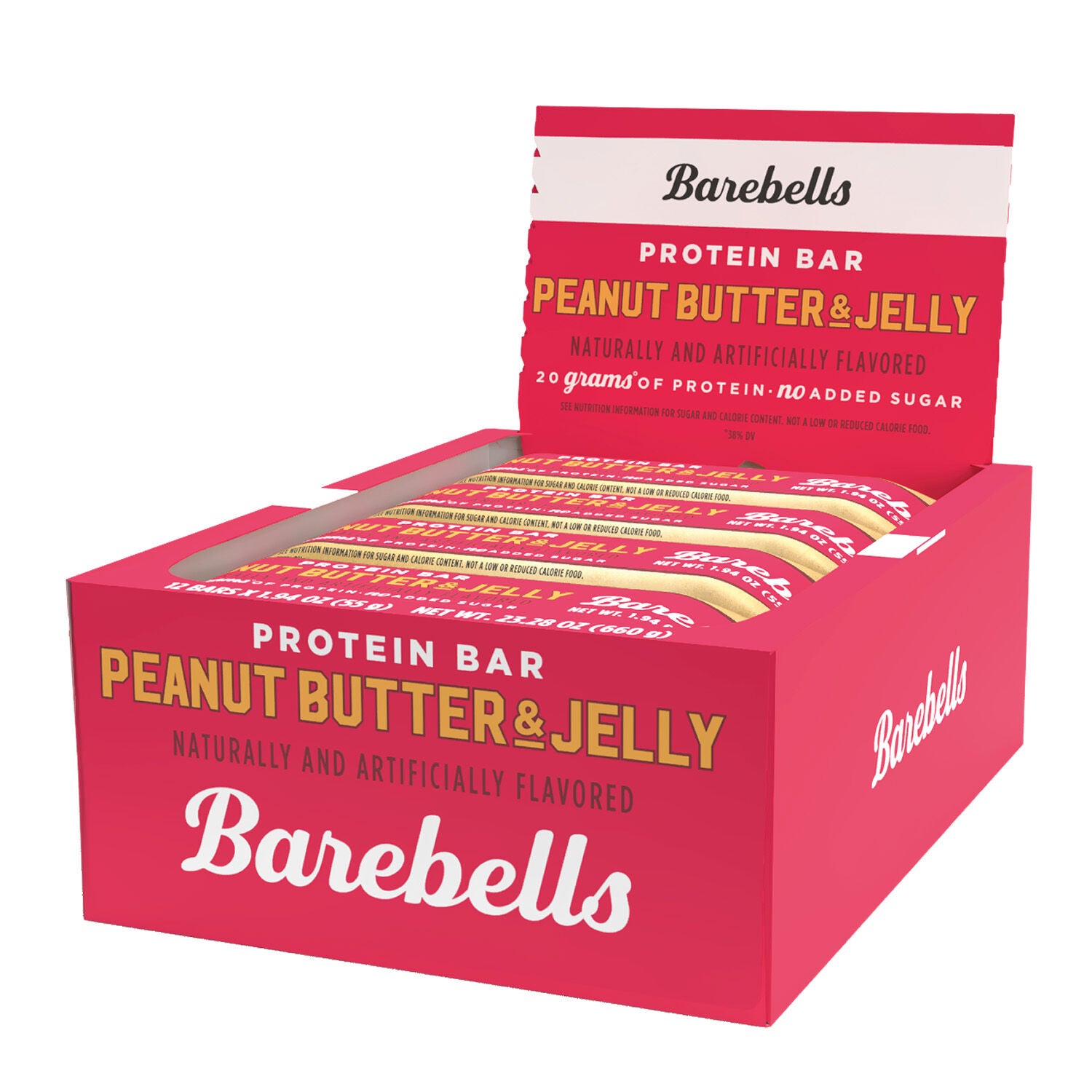
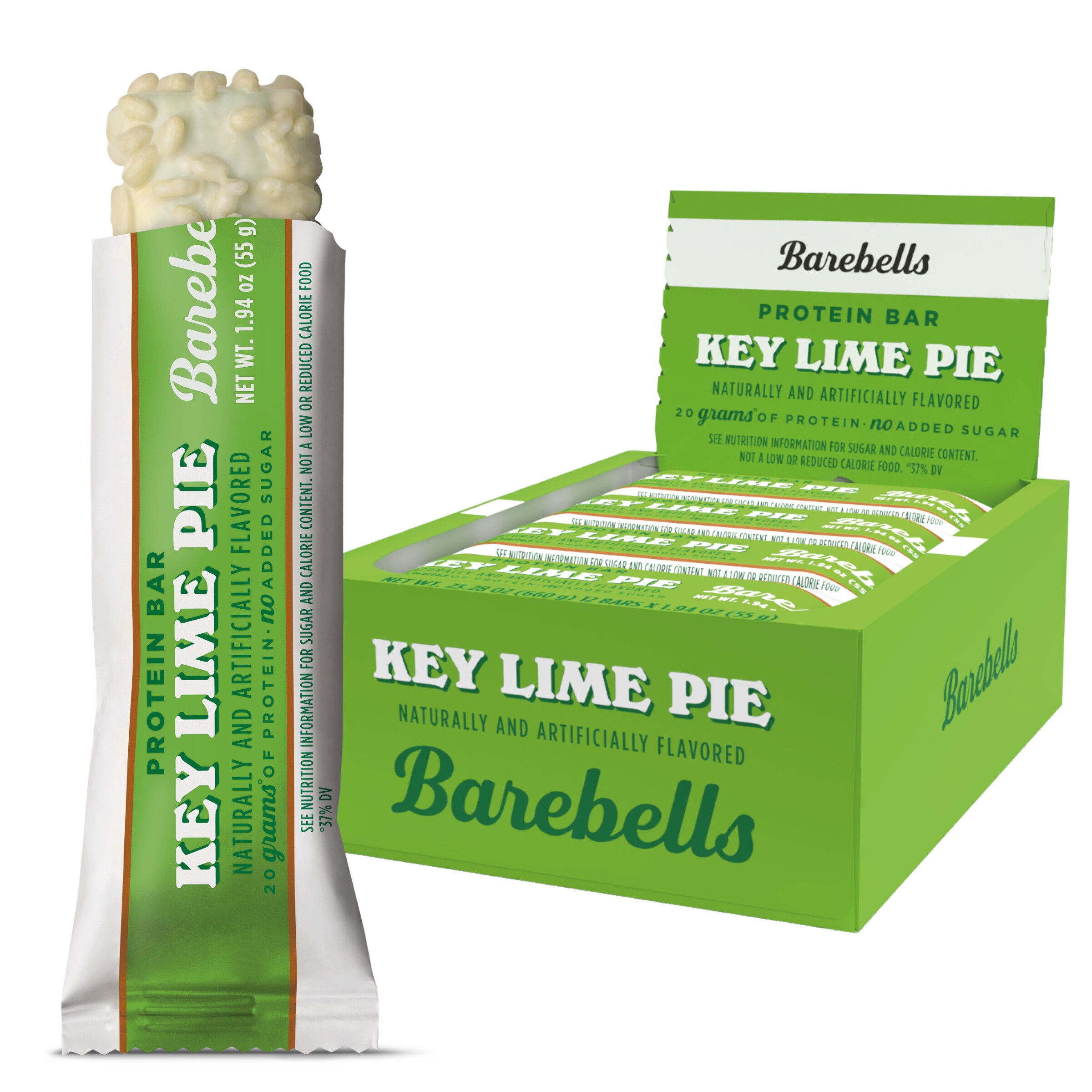
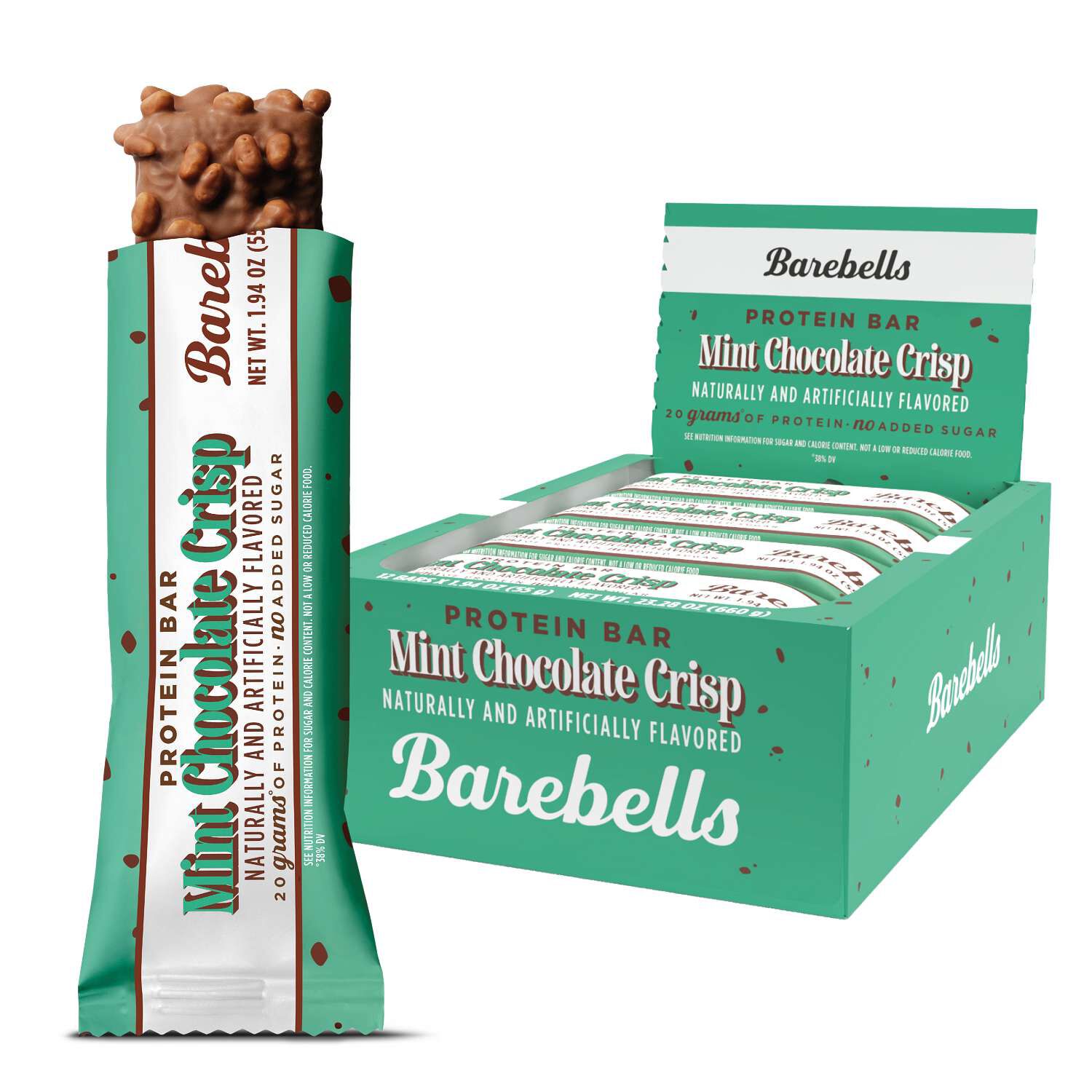
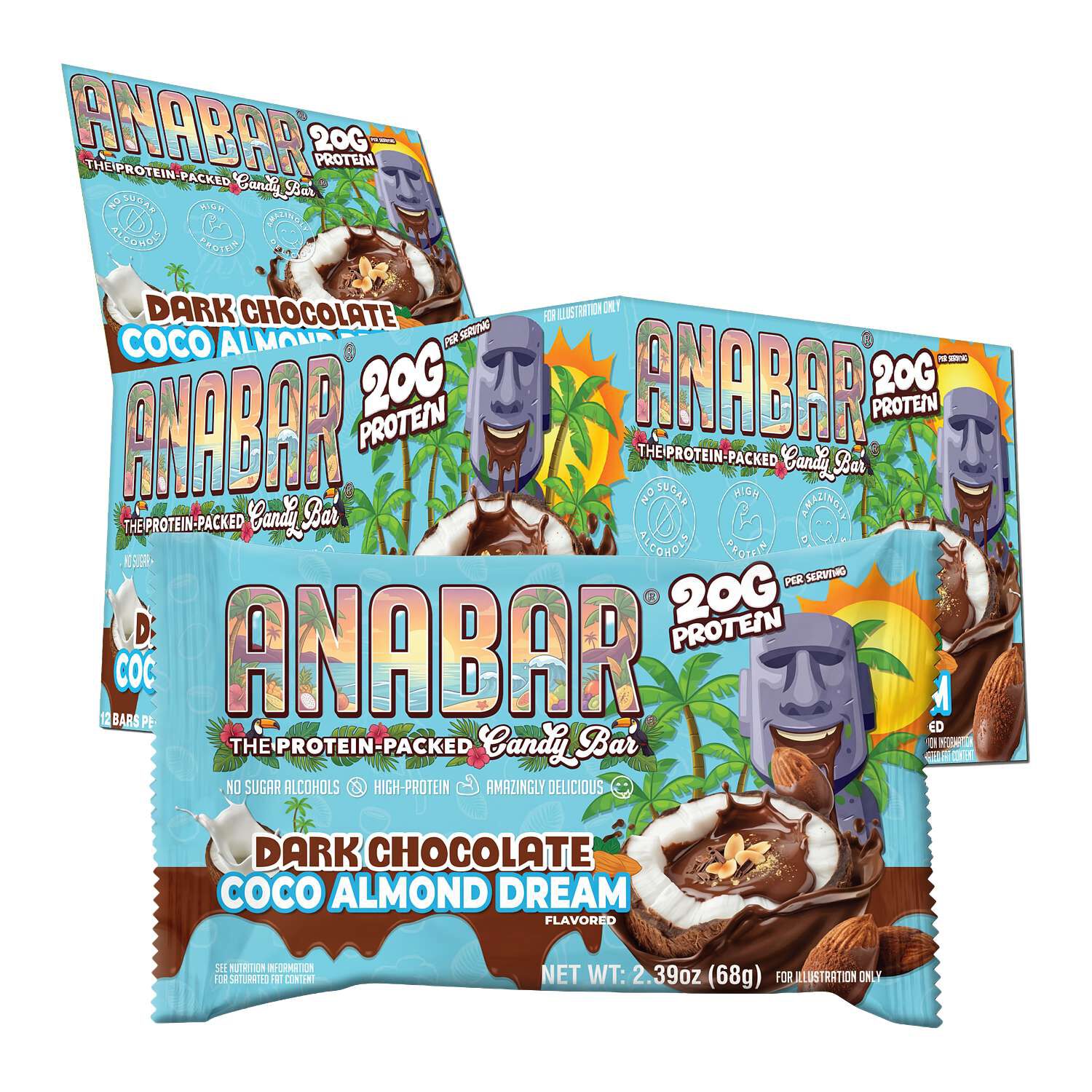

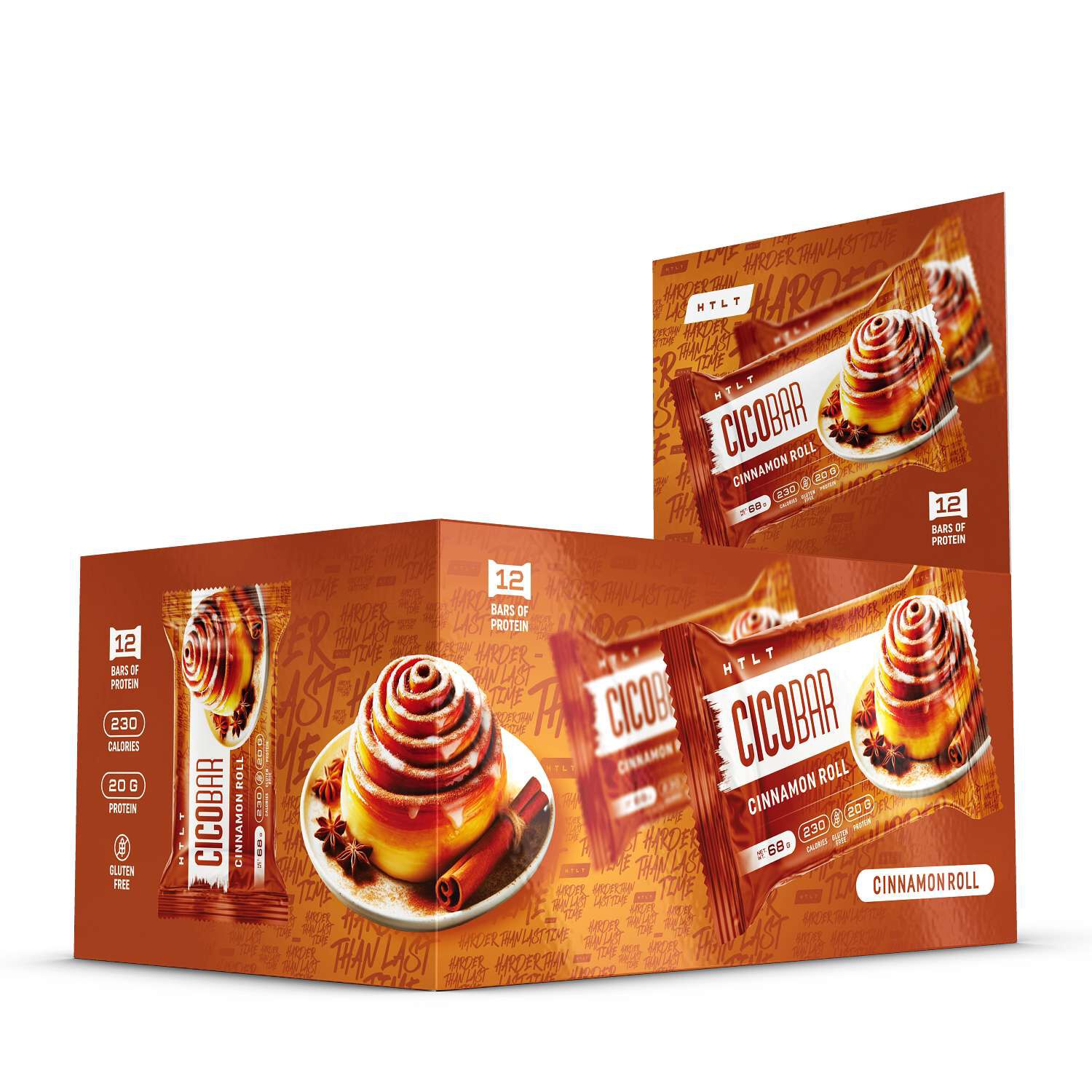
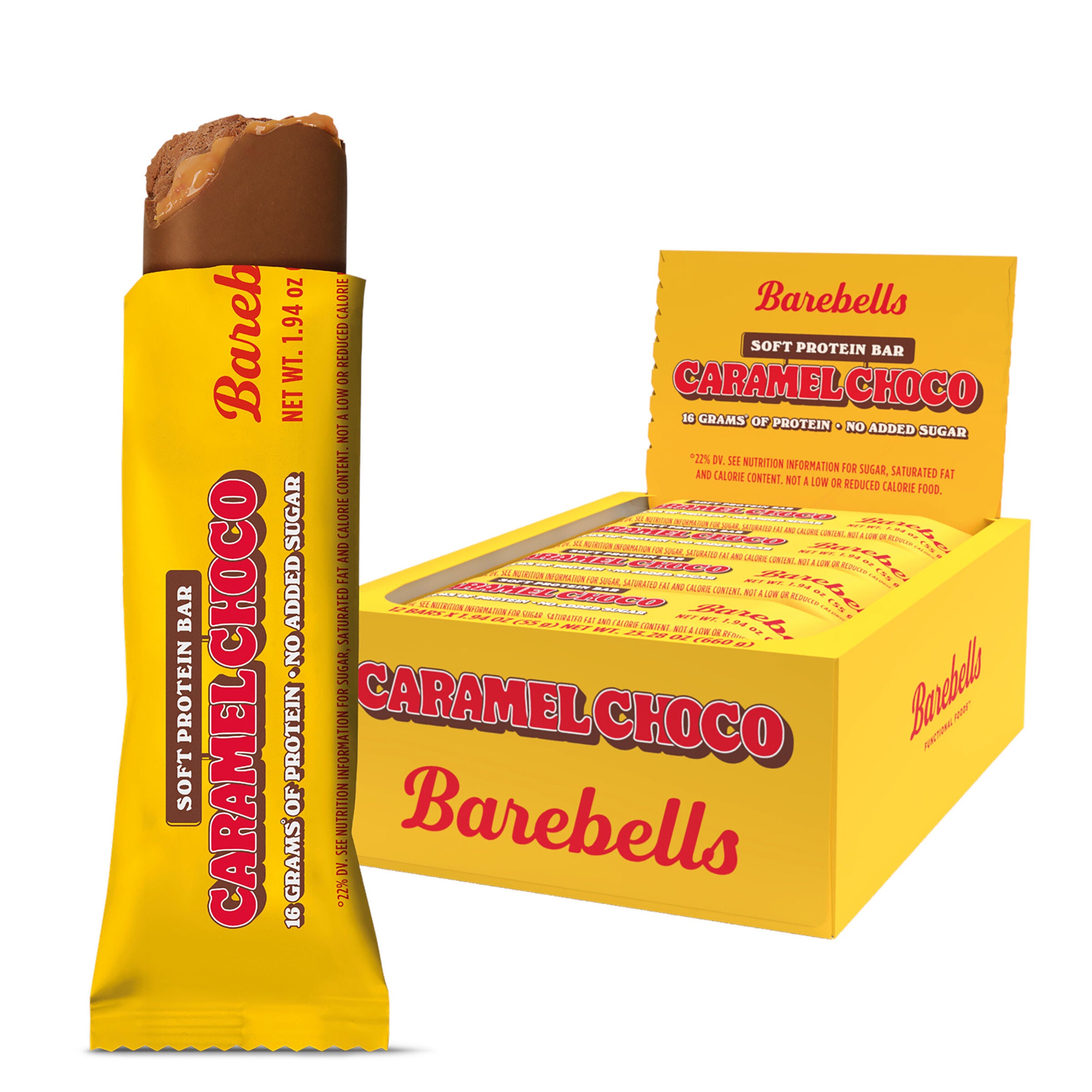
Protein bars for athletes bring a familiar snack format to training days, competition schedules, and the stretches between meals. Individually wrapped and easy to tuck into a gym bag, they may suit a weightlifter heading from work to the gym, a runner traveling to a race, or a basketball player with a long afternoon between classes and practice. Their appeal starts with convenience, but the details inside the wrapper matter just as much: protein source, carbohydrate content, serving size, texture, and flavor all shape how a bar fits a routine. A serving with 10 to 20 grams of protein may suit someone looking for a protein-containing snack, while a bar with 20 grams or more may appeal to an athlete seeking a larger protein portion after strength training. Those numbers are useful comparison points rather than a requirement for every workout. Protein may support muscle recovery after exercise, and the amount that fits an individual eating pattern depends on the rest of the day’s meals and snacks. Whey and milk protein are common ingredients, while soy, pea, and other plant proteins offer different options for personal eating preferences. Some recipes combine protein sources; others pair a single source with oats, nuts, seeds, or nut butter. A dense, chewy bar has a different character from a crisp, layered bar or a soft, baked-style option. Chocolate, peanut butter, vanilla, and fruit flavors also bring variety to a snack eaten regularly. For athletes who already carry a shaker bottle, a bar may offer a change of texture without another drink to mix. For those moving between a training session and a commute, its compact shape may be particularly useful. The most relevant comparison is not simply which wrapper shows the largest protein number, but which combination of ingredients, portion size, and eating experience belongs in the athlete’s everyday routine. Familiar flavors and an agreeable texture may matter more over time than an unusually large serving that feels cumbersome to eat.
Different sports bring different practical considerations, which is why protein content is only part of the picture. Carbohydrates may provide energy for exercise, making them another useful point of comparison for runners, cyclists, swimmers, and athletes spending extended periods on the field or court. A bar containing 20 to 40 grams of carbohydrates may fit an endurance-focused snack plan, while another athlete may prefer a smaller carbohydrate portion alongside a meal. The timing and setting matter, too. A bar eaten at a desk an hour before leaving for the gym serves a different purpose from one carried through a long ride or eaten after practice before the trip home. During demanding movement, a familiar food and a manageable texture may be more practical than an unfamiliar, especially dense bar. Riders planning snacks around jersey pockets, rest stops, and time in the saddle can also explore Protein Bars for Cyclists for a riding-focused selection. Across sports, the Nutrition Facts panel provides a straightforward way to compare calories, protein, carbohydrates, added sugar, and fiber per serving. Added sugar is distinct from the amount of carbohydrate listed, and a sweeter taste alone does not reveal either number. Athletes comparing bars for an everyday snack may consider options with fewer than 10 grams of added sugar, but that figure does not describe the bar’s entire nutritional profile or its role in an exercise routine. Fiber deserves the same context. A serving with about 3 to 6 grams of fiber may fit some eating patterns, while personal preference and familiarity may influence what feels comfortable near training. Sugar alcohols and other sweeteners also vary by recipe, so the ingredient list adds useful detail beyond the front label. These differences make room for both compact snacks and more substantial bars without treating every workout, appetite, or schedule as interchangeable. A bar packed for the trip home may have a different texture and portion size from one chosen for a brief break between events.
Everyday usability often comes down to details that are easy to overlook in a nutrition comparison. A firm wrapper, a shape that fits a small bag compartment, and a bar that can be eaten without utensils may matter during a busy tournament day or a commute with little room to spare. Coated bars and uncoated bars have different handling considerations, and crisp pieces, soft fillings, nuts, or dried fruit create distinct textures. A crumbly bar may be better suited to a seated snack break than a crowded sideline, while a very chewy option may call for more time to eat. Package storage directions are useful here: keeping bars in their original wrapping and away from direct sunlight or excessive heat may help preserve their intended texture. An insulated lunch bag may suit longer outings, particularly when the rest of the packed food also needs careful storage. Serving information deserves attention as well, since the nutrition panel may describe a portion that differs from the full package. For athletes choosing around dietary preferences or ingredient restrictions, the ingredient list and allergen statement provide more specific information than flavor names or general front-of-package descriptions. Milk, soy, peanuts, tree nuts, wheat, and egg are among the ingredients worth checking when relevant; a plant-based description alone does not establish suitability for every restriction. Bars also have a place beyond the gym bag. A desk drawer, travel tote, or equipment bag may be a useful spot for a packaged snack, with routine checks of package condition and the printed date. A selection of familiar flavors may make a thoughtful addition to a training partner’s race-day bag or a student athlete’s care package when their preferences are known. Whether the setting is a strength session, a swim meet, or the drive home from practice, protein bars may offer a practical snack option alongside varied meals, with enough choice in ingredients and texture to suit different routines.
Best Sellers
-
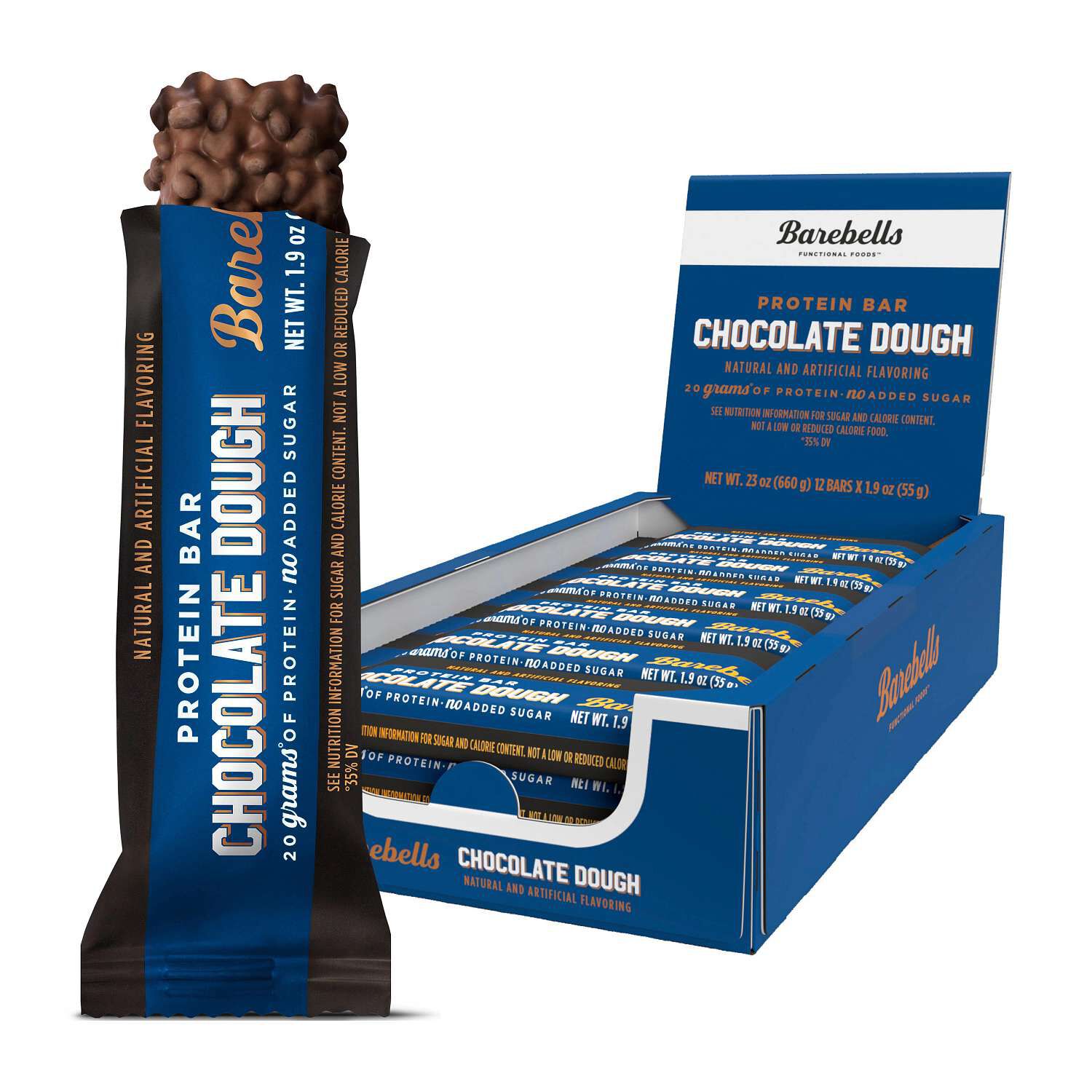 Barebells
-
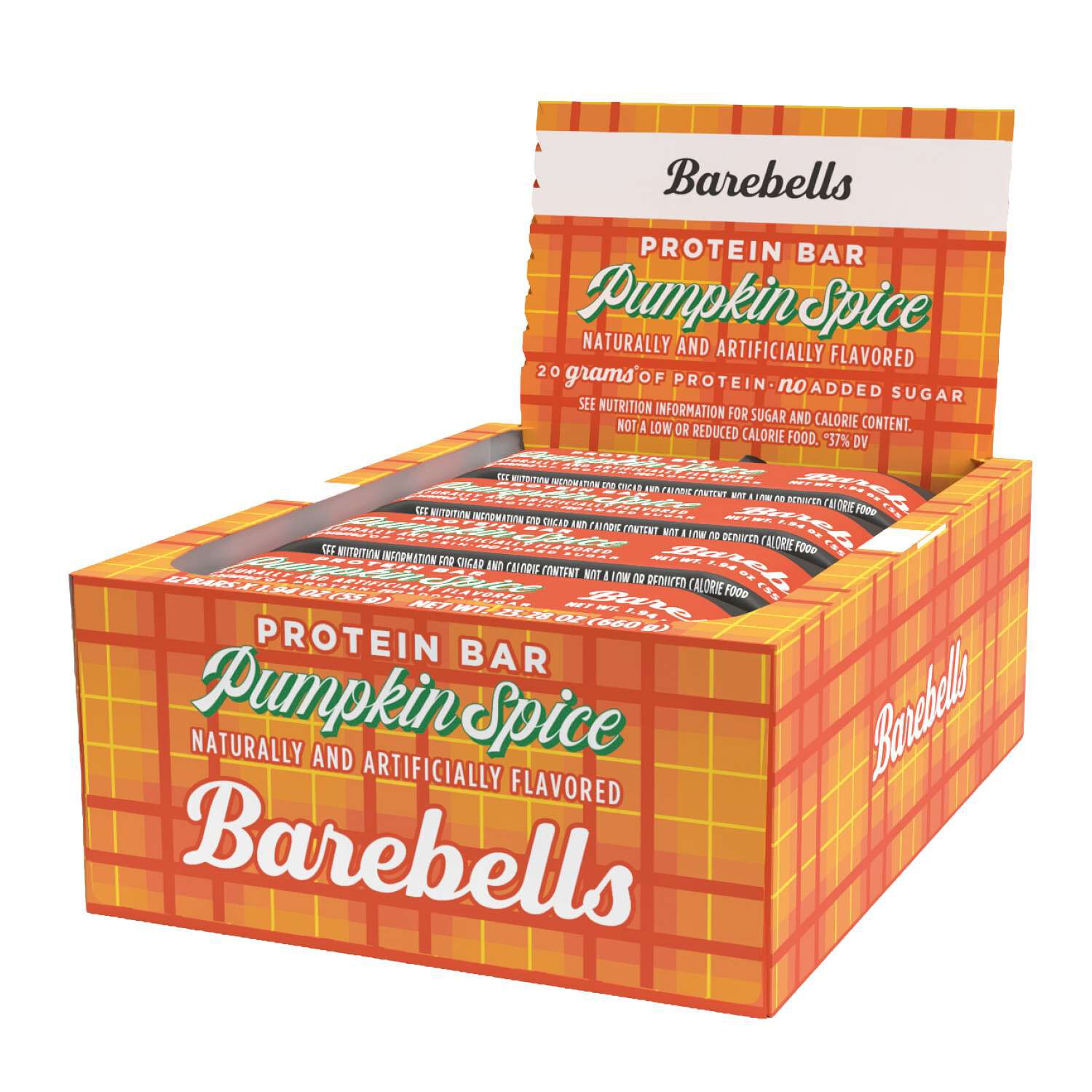 Barebells
-
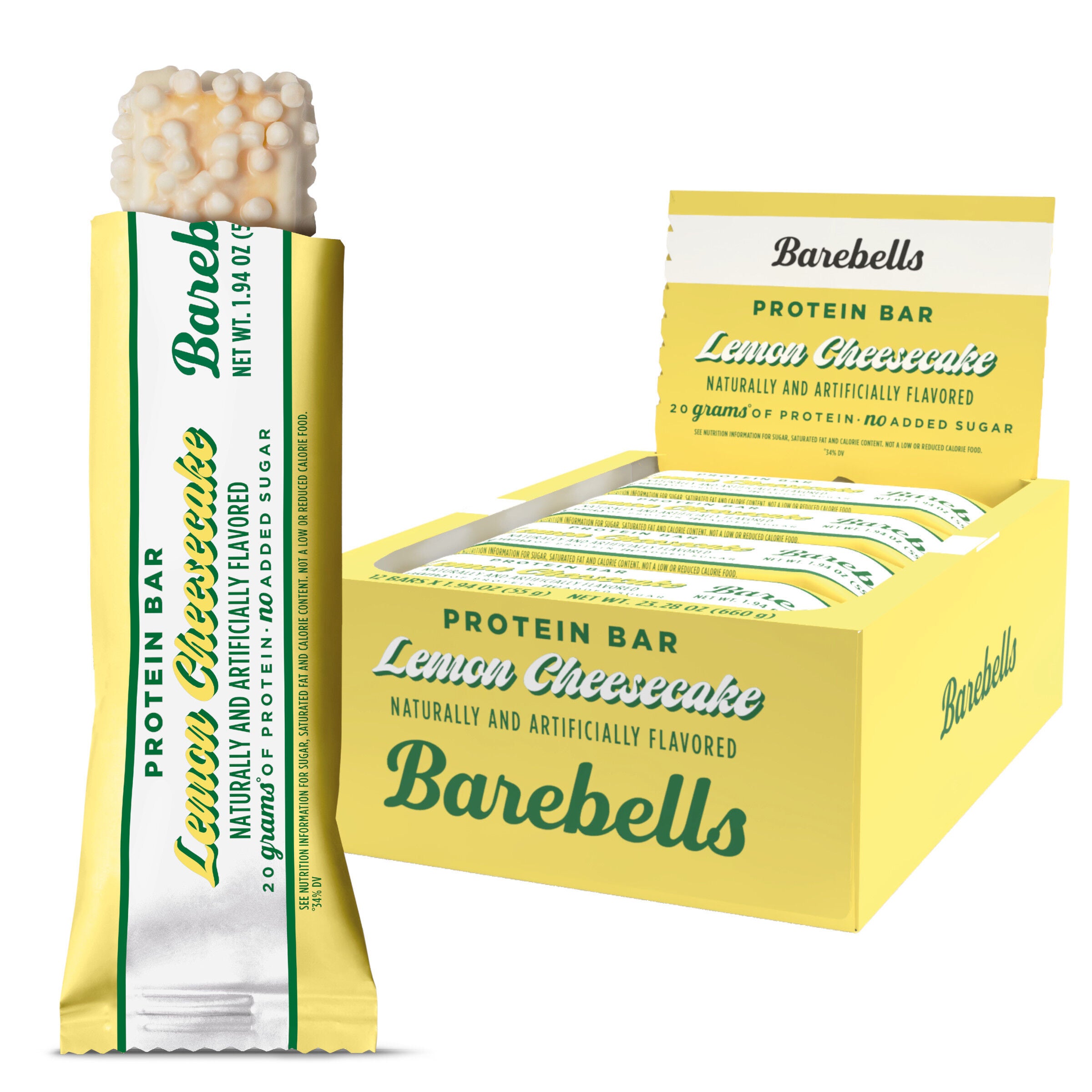 Barebells
Related Pages
Top Collections
- Supplements For Yoga Joint Flexibility
- GLP 1 Support For Adults
- Joint Mobility Supplement Packs
- Chronic Fatigue Supplements
- Adult Mobility Supplements
- Supplements For Balance
- Supplements For Anxiety Relief Support
- Capsule Supplements For Energy And Stamina
- Zinc Supplements | Top Brands at Great Prices | GNC
- Anti Aging Supplements For Women