





Protein Bars For Cyclists
(0 Results)
Protein bars for cyclists might offer a convenient option for those looking to support their training and on-the-go nutrition. Whether you're gearing up for a long ride or seeking something to keep you fueled during your cycling adventures, these protein bars could fit easily into your routine. Explore a variety of flavors and formats that may align with your personal preferences and activity goals. With protein bars for cyclists, finding an option that suits your needs can be simple and enjoyable.
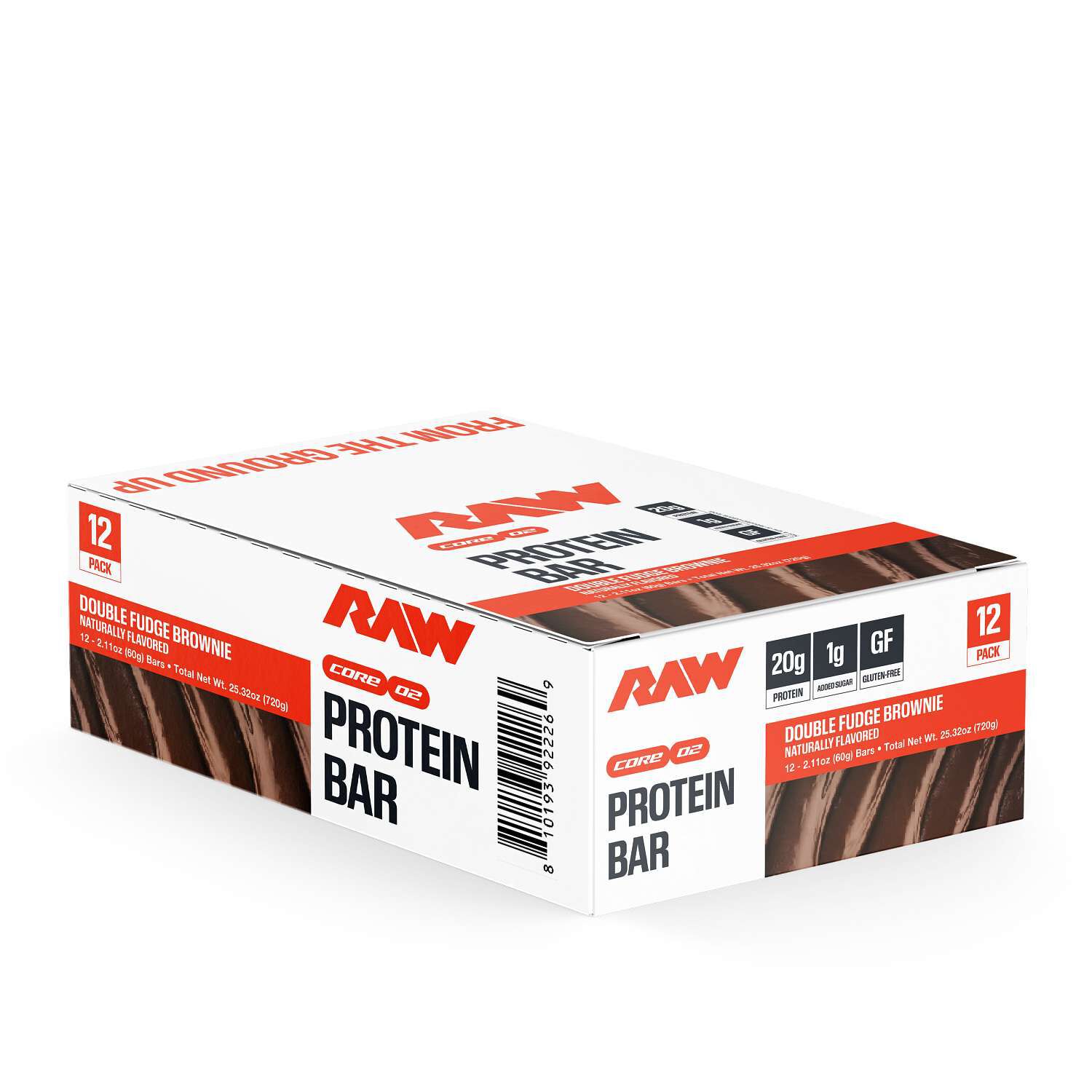
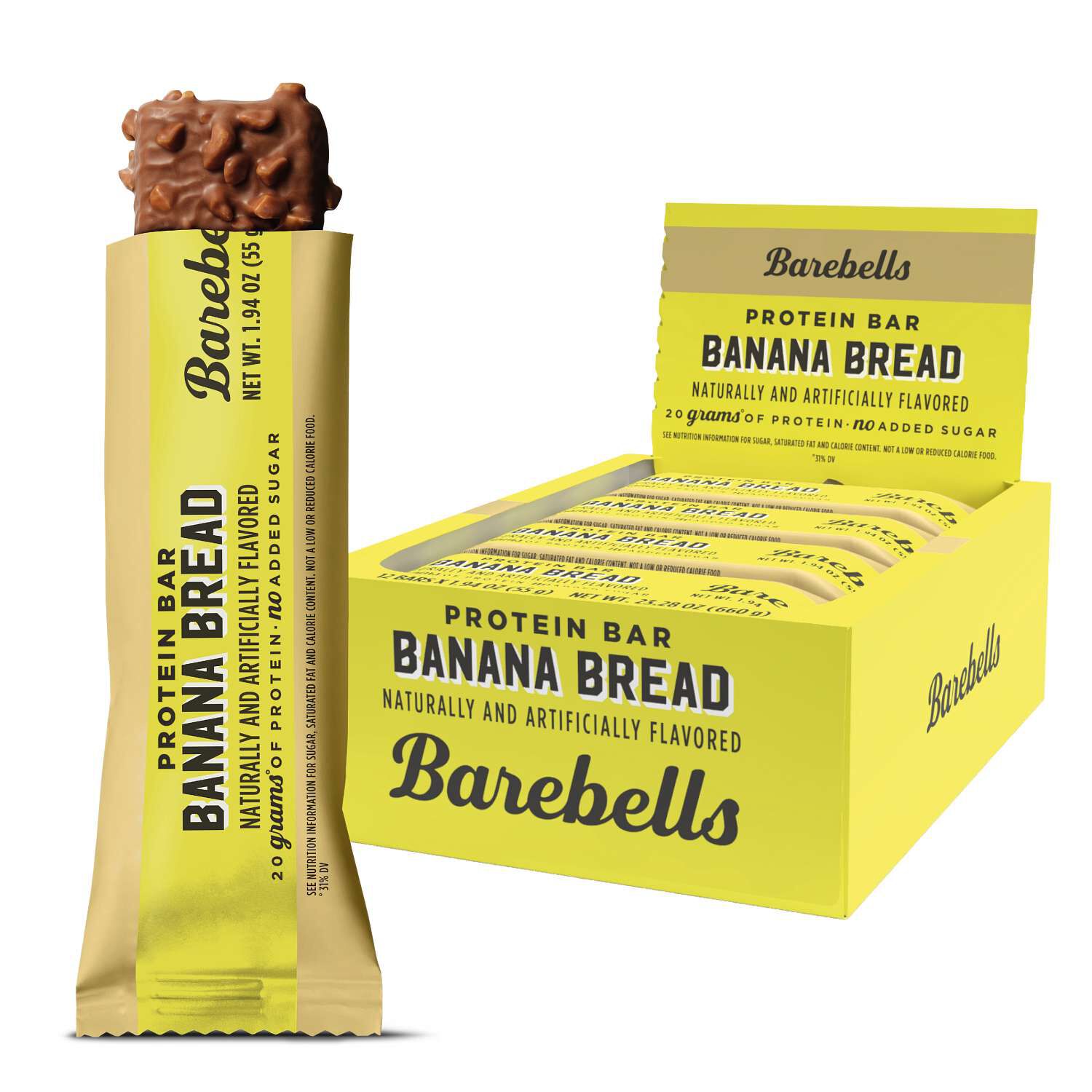
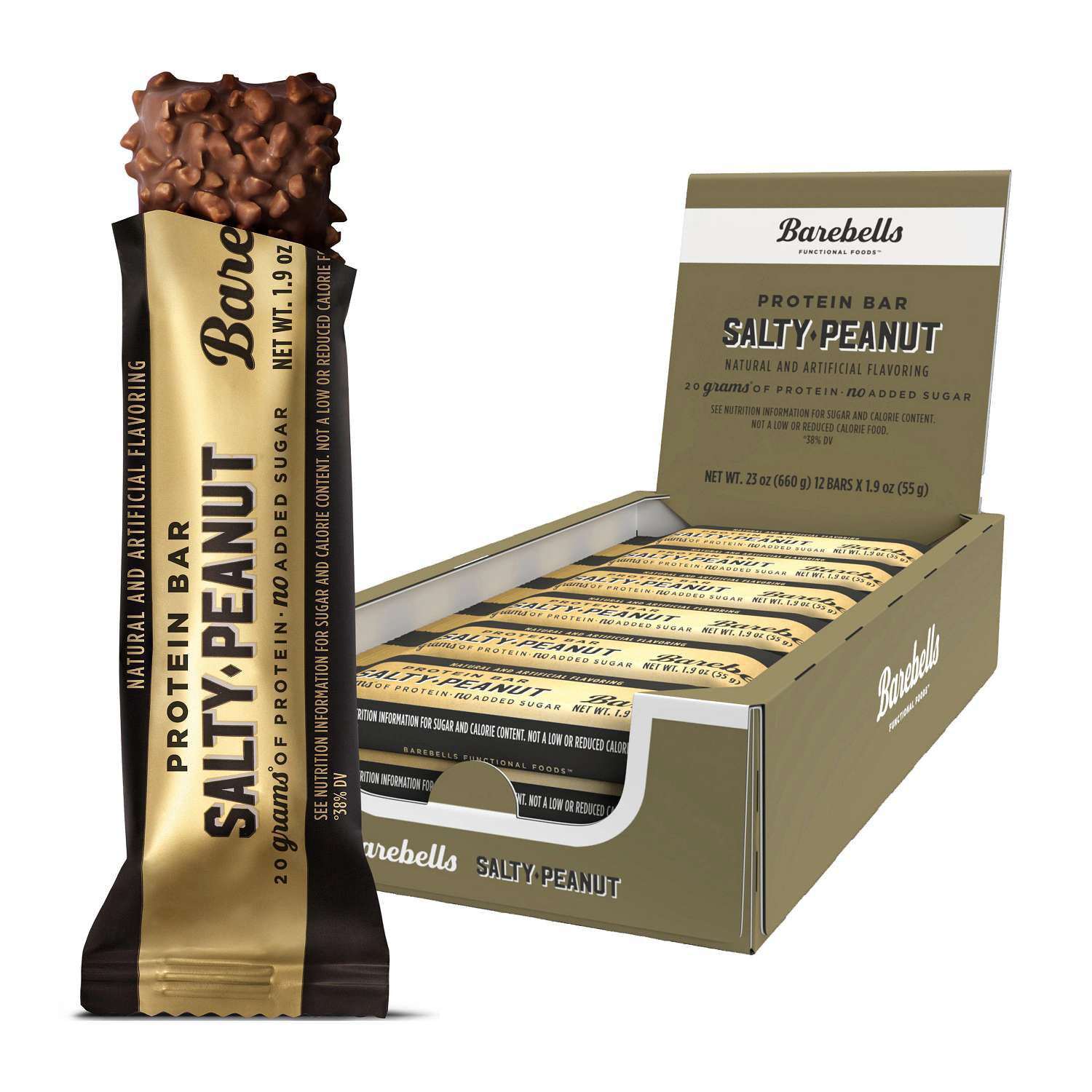


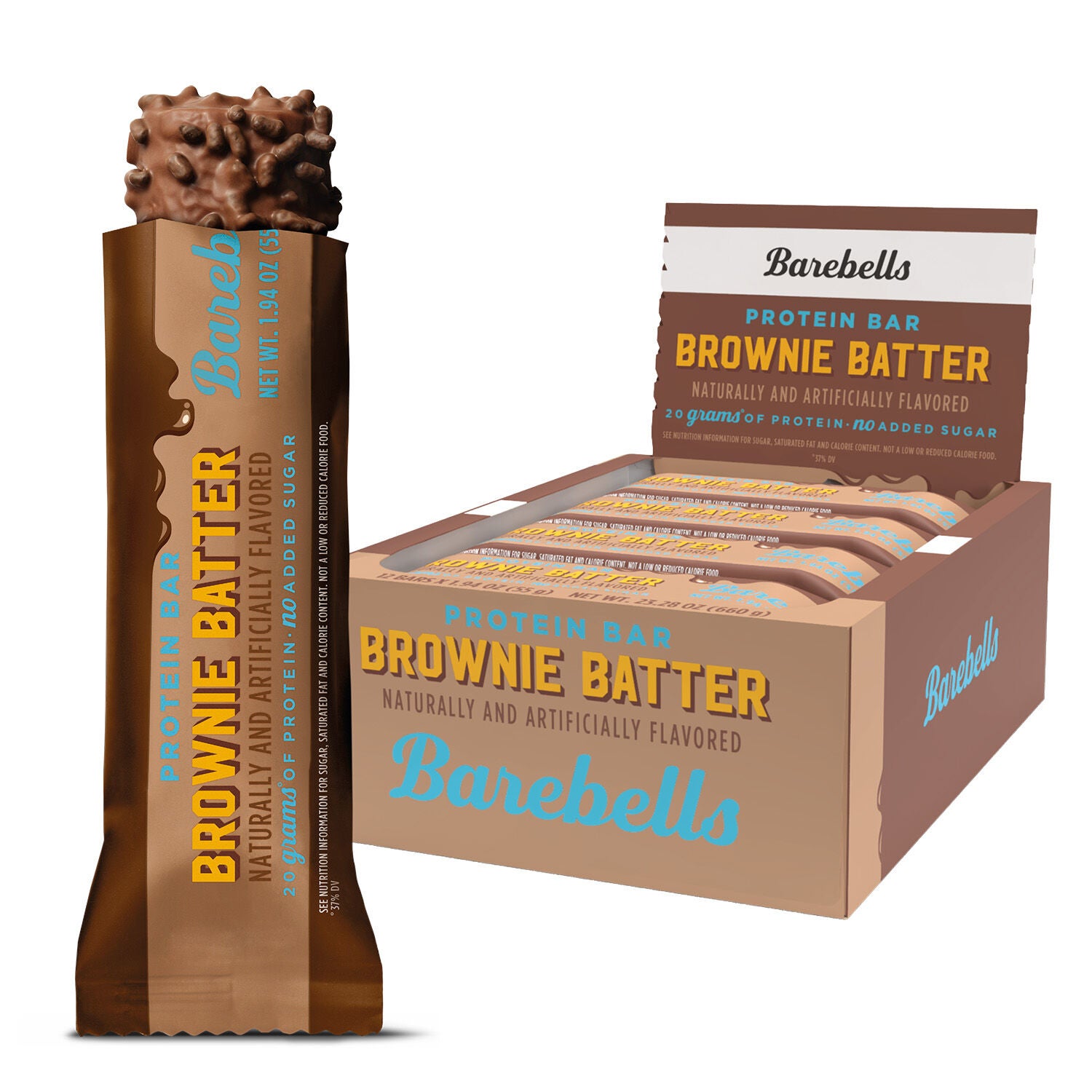

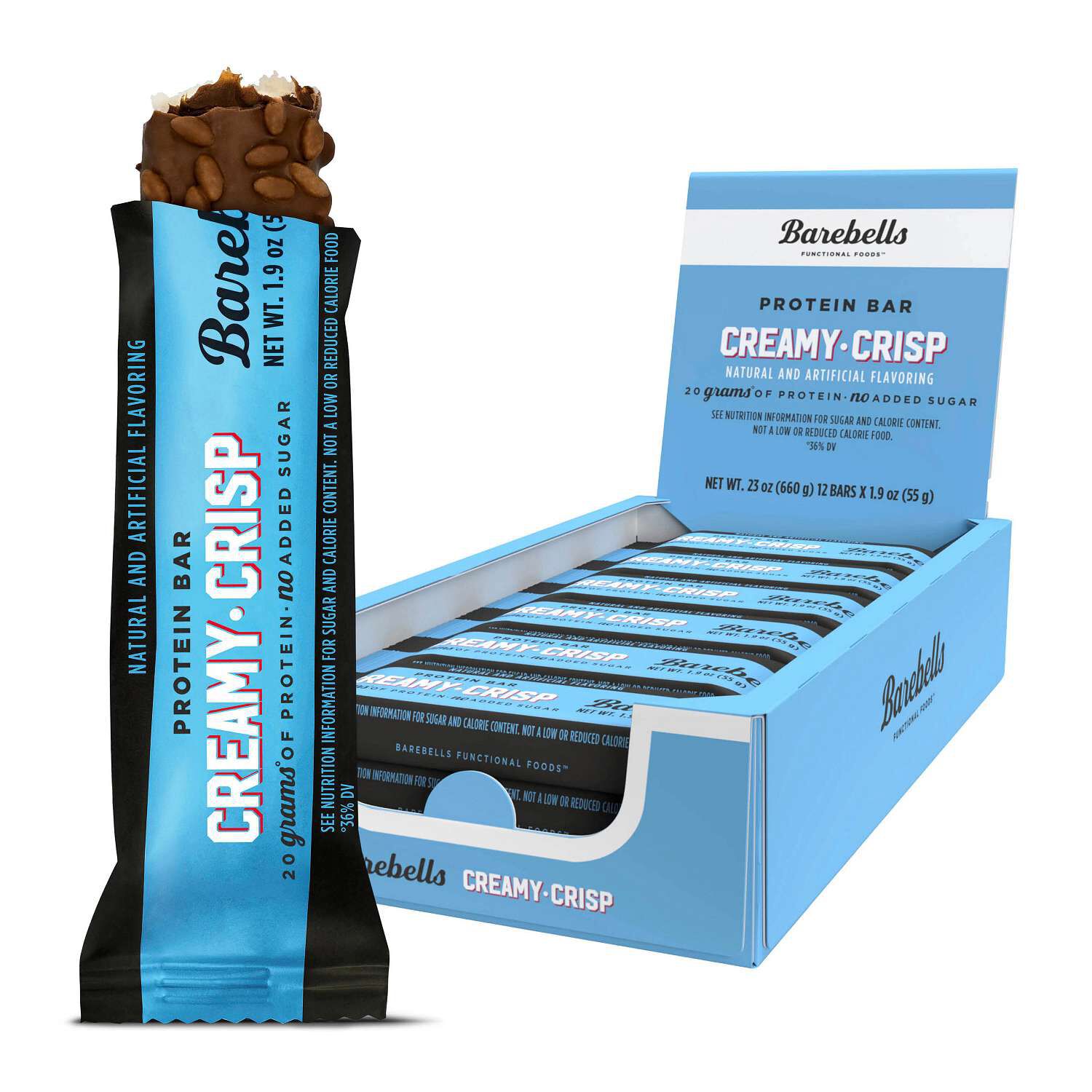
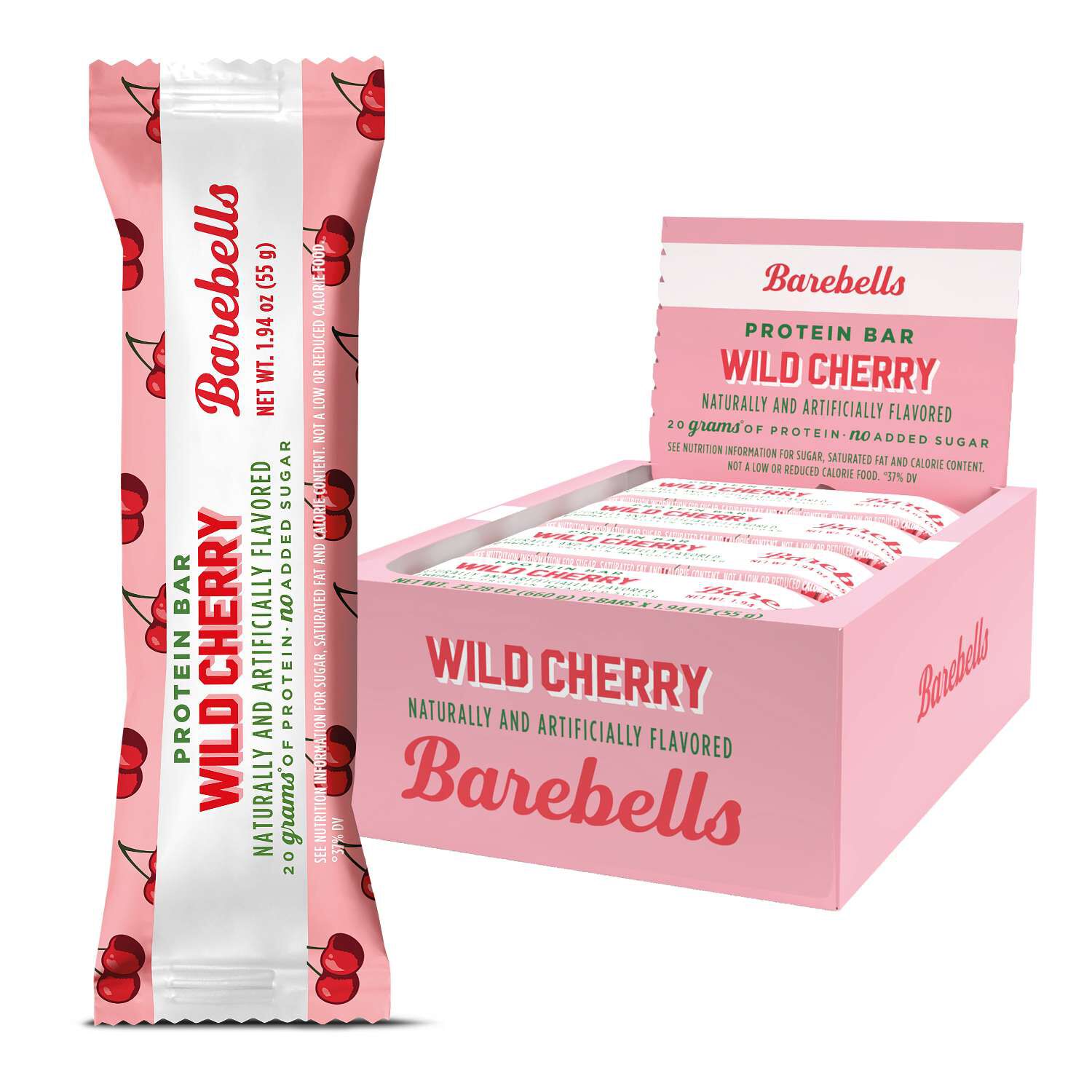
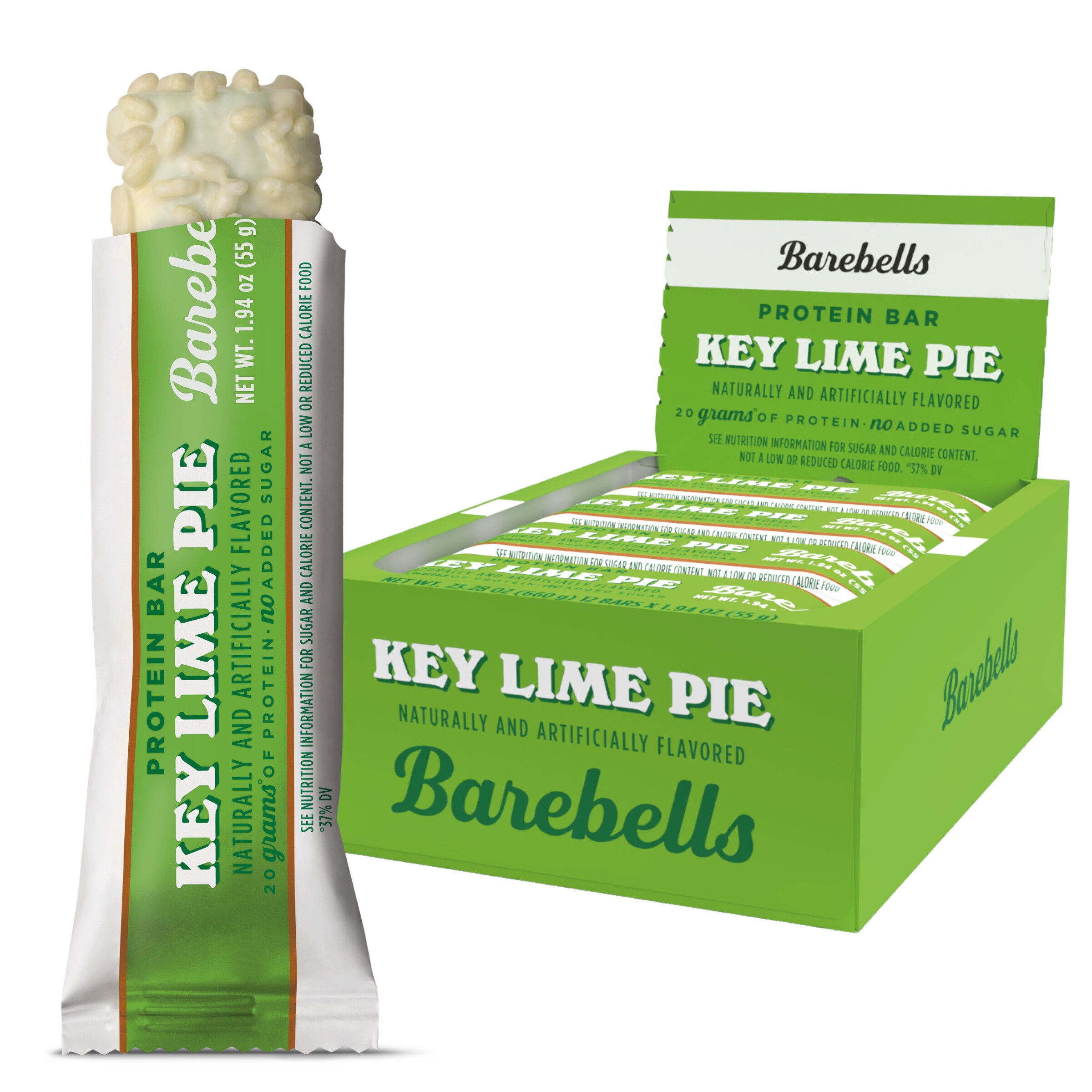
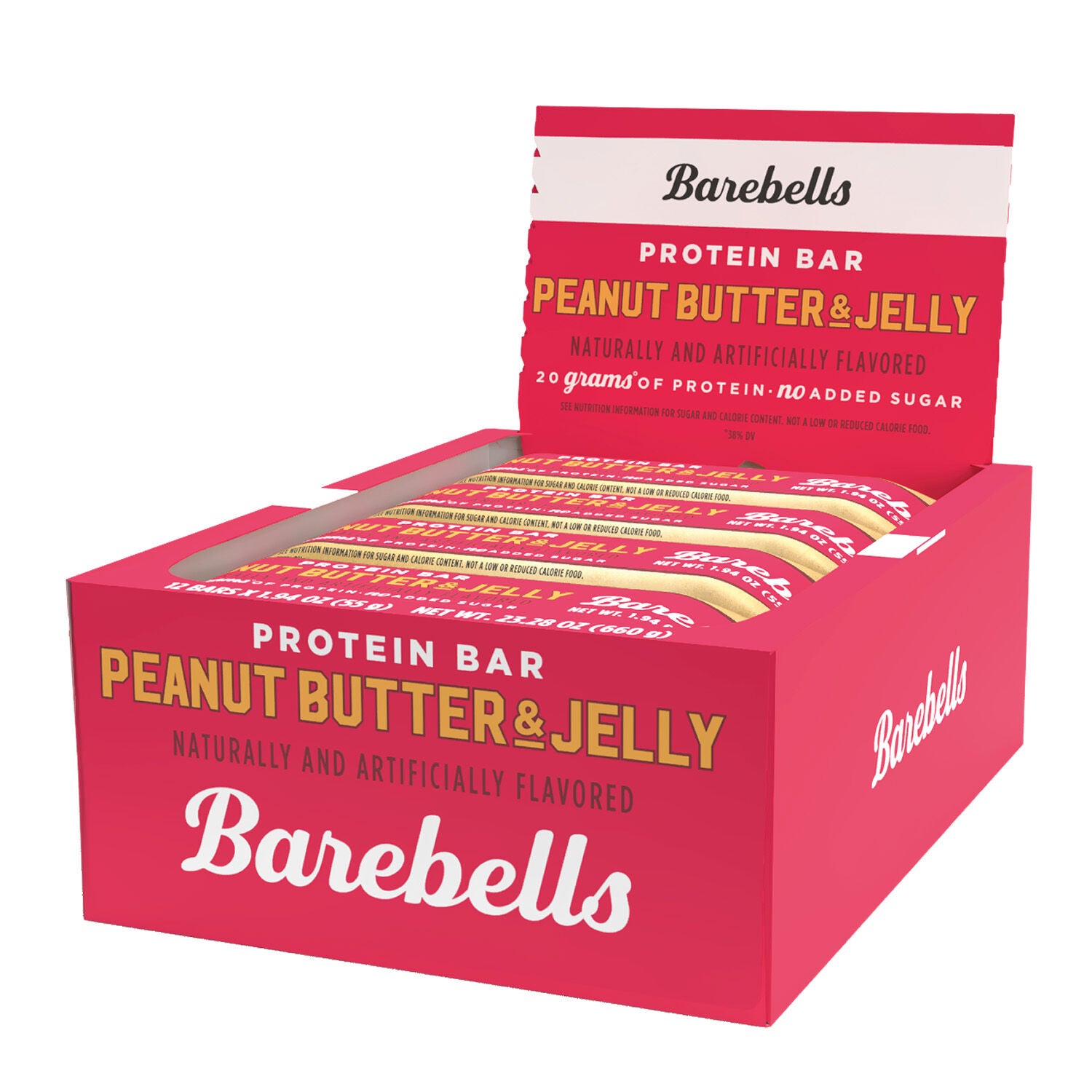
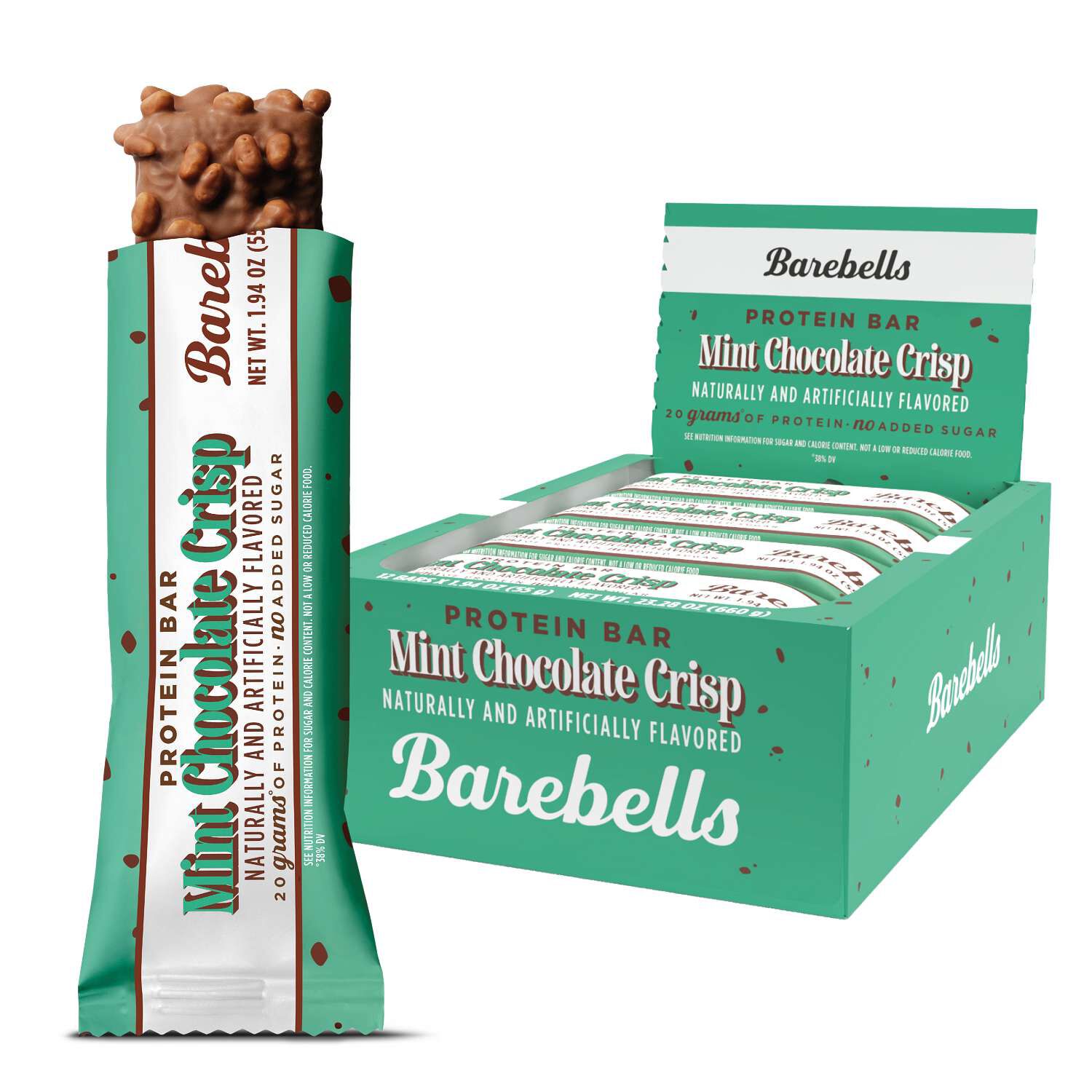
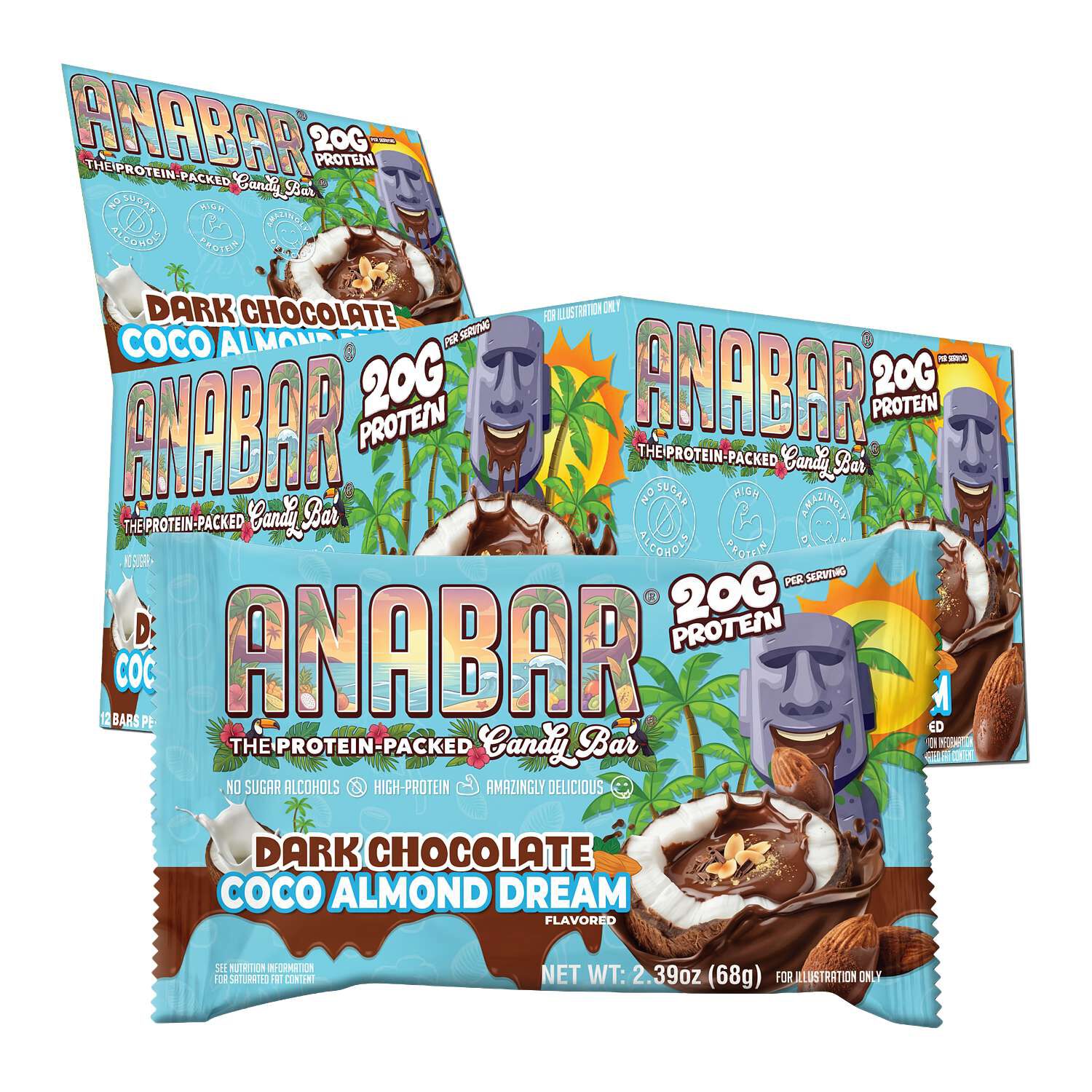
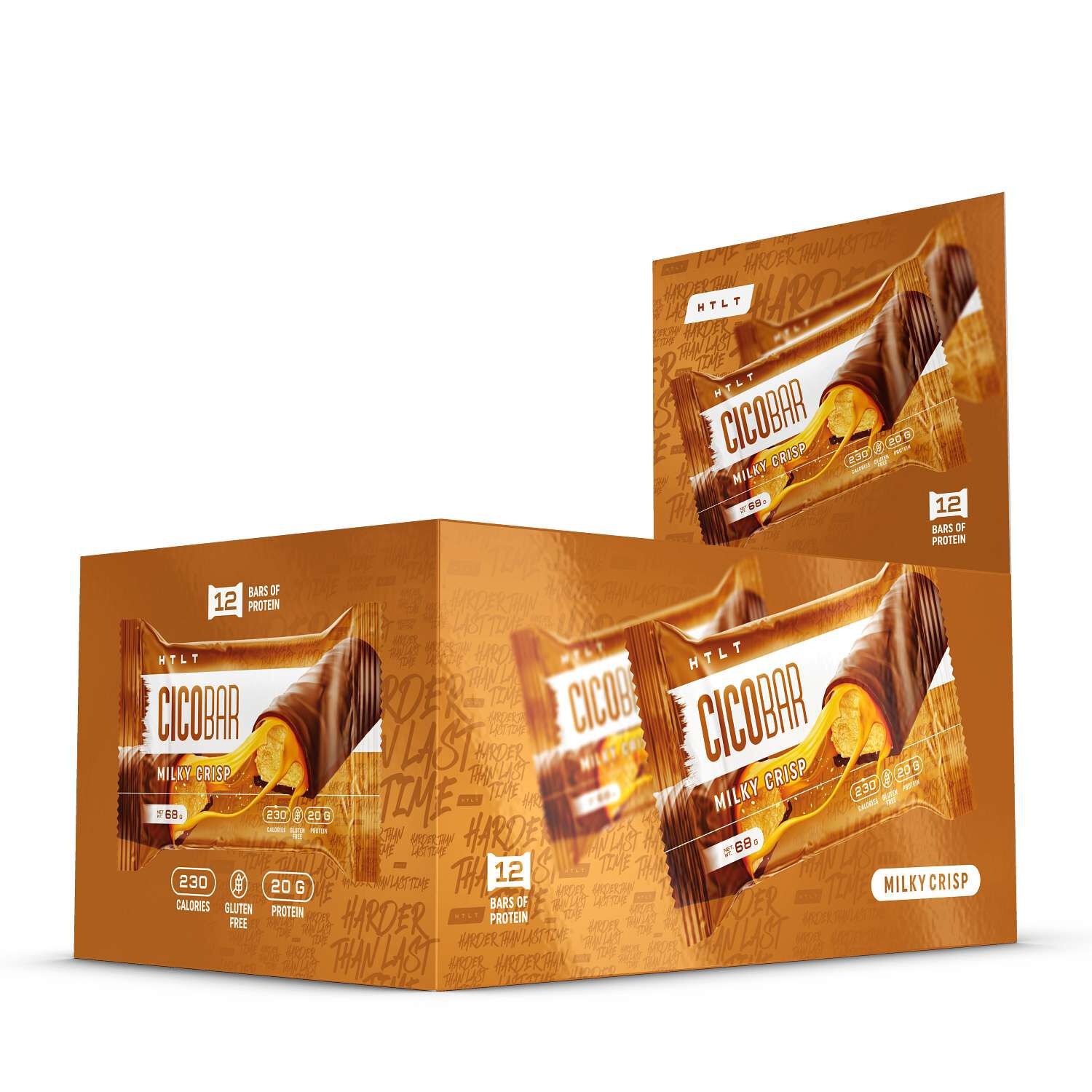

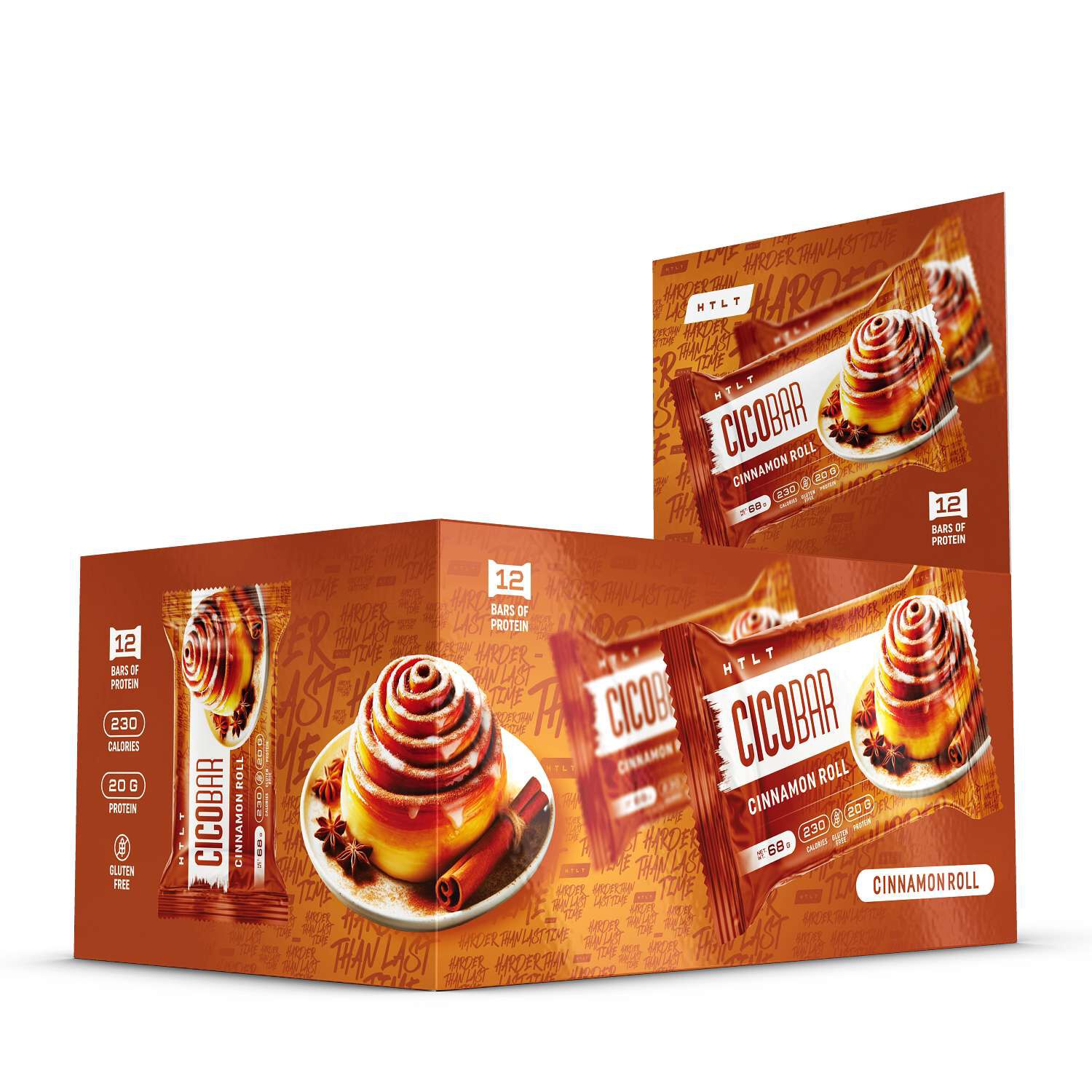
Protein bars for cyclists are portable snacks that can fit into the routine around a ride, from the commute home to the stretch between finishing a long route and sitting down to a meal. Their role depends on the bar’s ingredients and when it will be eaten. A carbohydrate-focused bar may suit fueling during a longer ride, while a bar with more protein may be a better match for a snack afterward. Protein may support muscle maintenance and recovery after exercise, but the protein amount alone does not tell the whole story. Carbohydrates, fat, fiber, portion size, and texture all contribute to how a bar fits a cyclist’s preferences and plans. A rider heading out for an easy neighborhood loop has a different eating schedule from someone spending several hours on rolling roads, and a morning commuter may simply want something convenient to eat after arriving at work. For longer outings, a protein bar may serve as one part of a broader selection of snacks rather than the only food packed for the route. Bars containing substantial amounts of protein, fat, or fiber may feel more filling than a rider wants during a demanding effort, making a familiar, carbohydrate-focused option worth considering for that setting. After the bicycle is parked, a protein-focused bar may offer a practical bridge to the next meal, especially when travel or other commitments leave little time to prepare food. There is no single carbohydrate-to-protein ratio or serving size that makes every bar suitable for every cyclist. Ride length, effort, the rest of the day’s meals, and personal preferences all matter. Comparing the nutrition information with the intended use gives a clearer picture than relying on packaging language alone. For cyclists browsing protein bars, the useful distinction is not simply which bar contains the most protein, but which format and ingredient profile fit the moment it is meant for.
Ingredients and eating experience deserve as much attention as the numbers on the label. Protein sources may include whey, casein, soy, pea, or rice, with some recipes combining sources in the same bar. Milk-derived proteins and plant-based proteins offer different options for different eating preferences, while the full ingredient list provides context that the front of a wrapper may not show. A plant-based protein source, for example, does not by itself establish that every ingredient in the bar is plant based. Oats, nuts, seeds, dried fruit, cocoa, and nut butters are other ingredients shoppers may encounter, each contributing its own flavor or texture. Some bars have a soft, uniform center; others feature chewy fruit, crisp pieces, or a coating. Those differences matter when imagining an actual snack break: a dense bar eaten slowly after a ride is a different experience from a small portion enjoyed during a brief roadside stop. Familiar flavors may be especially appealing when a cyclist wants an uncomplicated snack rather than something unusually rich or sweet. Serving information also matters because wrapper size and serving size are not always interchangeable. Looking at protein, carbohydrates, fiber, fat, and added sugars on the same serving basis makes comparisons more meaningful. Sweeteners and added fibers vary among recipes, and individual comfort with those ingredients can vary as well. A familiar bar may be a more comfortable choice for a long outing than an unfamiliar recipe tried for the first time far from home. Allergen statements are another important consideration, particularly for bars made with milk, soy, peanuts, tree nuts, wheat, eggs, or sesame. The package remains the reference for ingredients, allergen information, and storage directions. Flavor descriptions and nutrition numbers are useful starting points, but the best match also reflects how much chewing, sweetness, richness, and portion size someone actually enjoys after time on the bike.
Practical details become noticeable when a snack has to travel alongside a spare tube, a small pump, keys, and a phone. Bar dimensions, wrapper construction, and resistance to crumbling all influence how neatly a snack fits into a jersey pocket, frame bag, or commuter backpack. A compact shape may tuck into a small compartment more easily, while a softer bar may need protection from heavier equipment. An intact wrapper helps keep the bar separate from tools and other belongings, and storage should follow the package directions. A safe stop provides a place to open the wrapper, eat at an unhurried pace, and tuck the packaging away until a trash receptacle is accessible. For a rider who drives to a trailhead, keeping a bar with the belongings used after the ride may be more convenient than carrying it throughout the route. For someone cycling directly to work, a bar packed beside lunch may fit naturally into the arrival routine. Indoor cyclists may appreciate the same portable format when moving from a studio session to the rest of the day. Texture preferences can also shape whether a solid snack is appealing at all; shoppers comparing formats can explore Protein Drinks for Cyclists alongside bars for another way to organize a post-ride snack. Neither format has to serve every purpose, and a protein bar is not necessarily a substitute for a varied meal. It can instead occupy a useful place between the finish of a ride and the next opportunity to eat. Bars may also make a thoughtful addition to a cycling-themed gift when the recipient’s preferred flavors, ingredients, and dietary preferences are known. Across road cycling, gravel outings, mountain biking, casual rides, and everyday commuting, the most relevant features remain straightforward: an ingredient profile suited to the intended occasion, a portion the rider wants to eat, and packaging that fits the way the snack will be carried.
Best Sellers
-
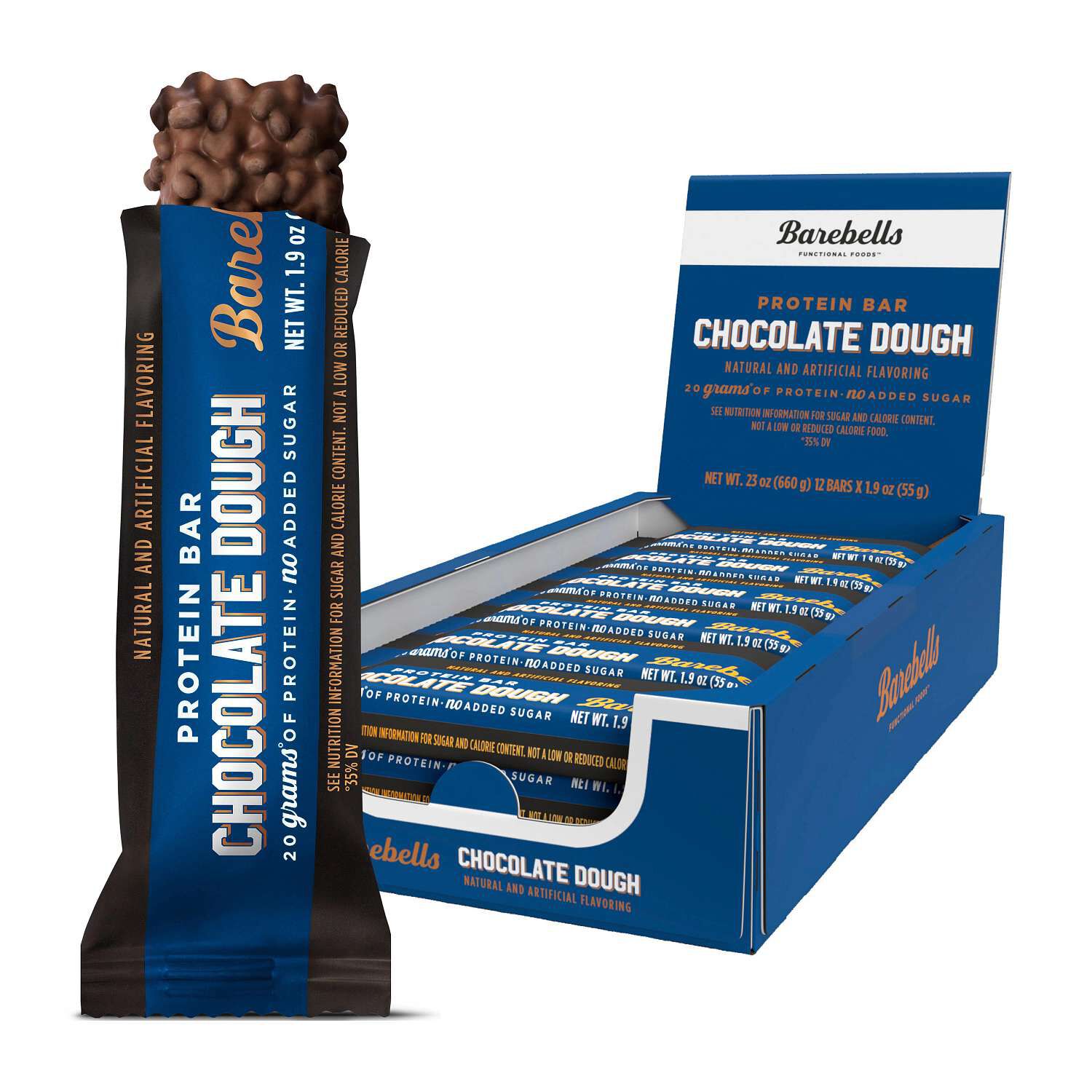 Barebells
-
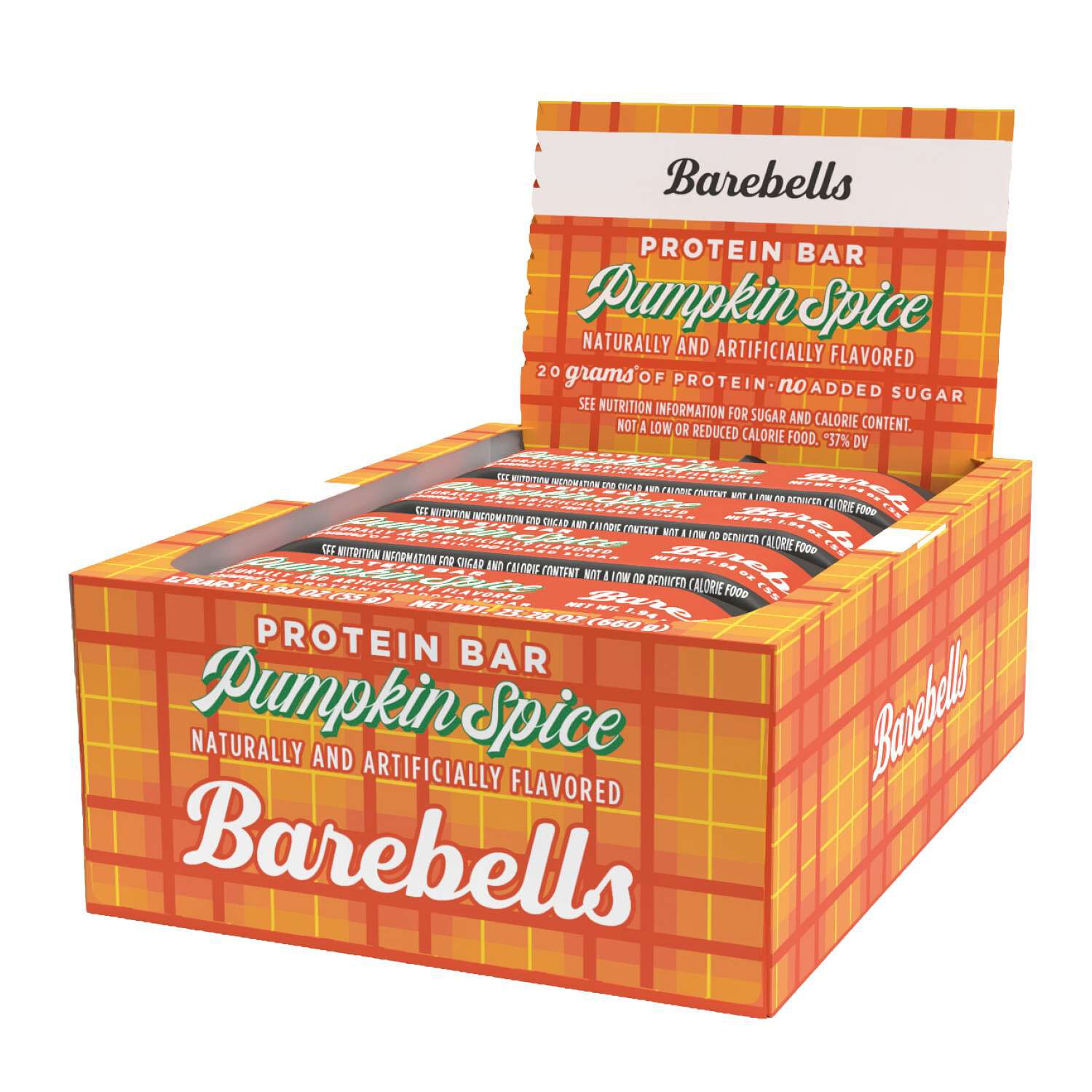 Barebells
-
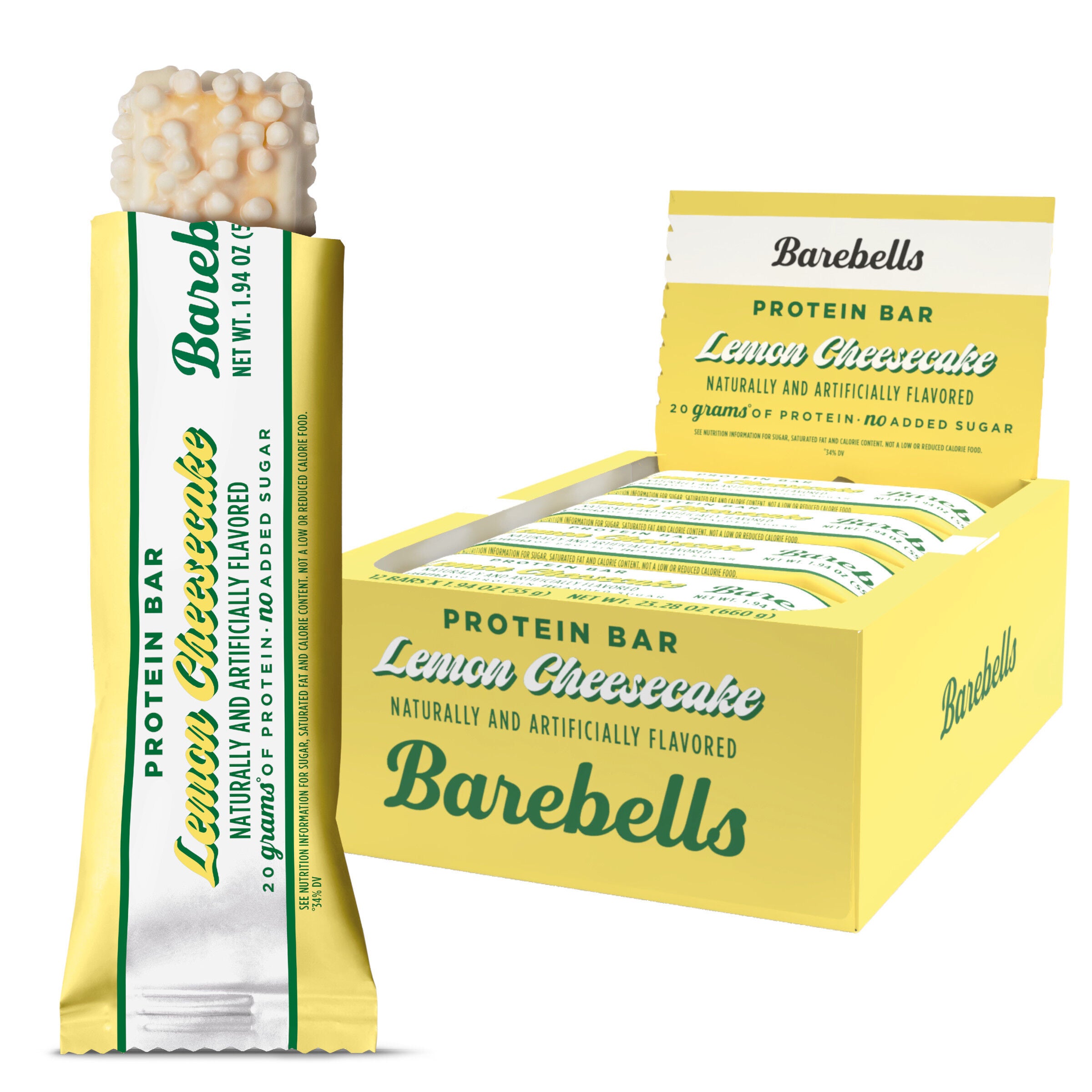 Barebells
Related Pages

Top Collections
- Supplements For Yoga Joint Flexibility
- GLP 1 Support For Adults
- Joint Mobility Supplement Packs
- Chronic Fatigue Supplements
- Adult Mobility Supplements
- Supplements For Balance
- Supplements For Anxiety Relief Support
- Capsule Supplements For Energy And Stamina
- Zinc Supplements | Top Brands at Great Prices | GNC
- Anti Aging Supplements For Women