





Protein Bars For Satisfying Hunger
(0 Results)
Protein bars for satisfying hunger offer a convenient and delicious way to stay fueled throughout the day. Perfect for those on-the-go moments, these nutritious snacks could help curb cravings and provide a quick source of protein. Whether you're looking for a post-workout bite or a midday pick-me-up, protein bars might be the ideal solution to keep you feeling full and energized. Explore a variety of flavors and ingredients designed to fit your dietary needs and preferences, ensuring that you never have to compromise on taste or nutrition.
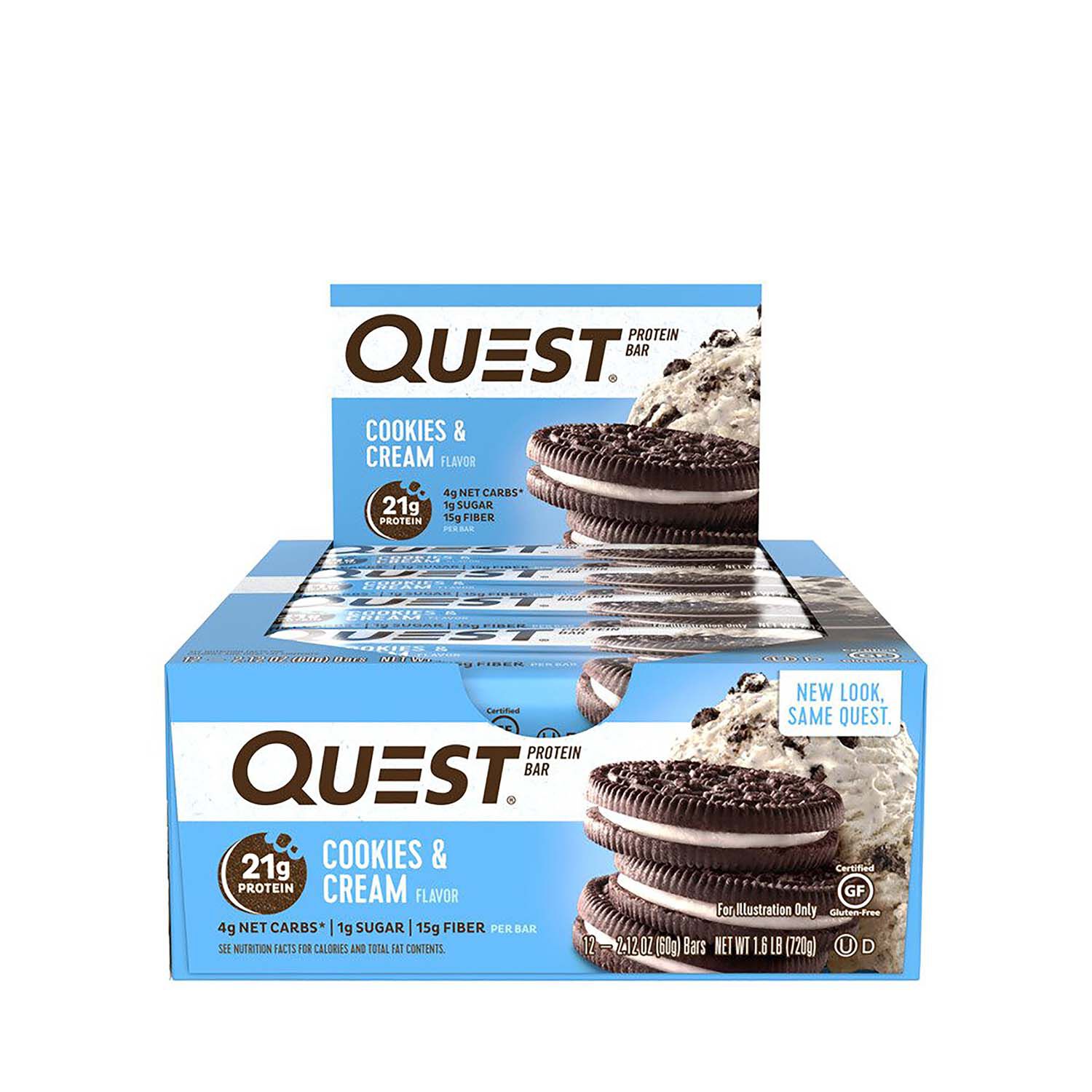

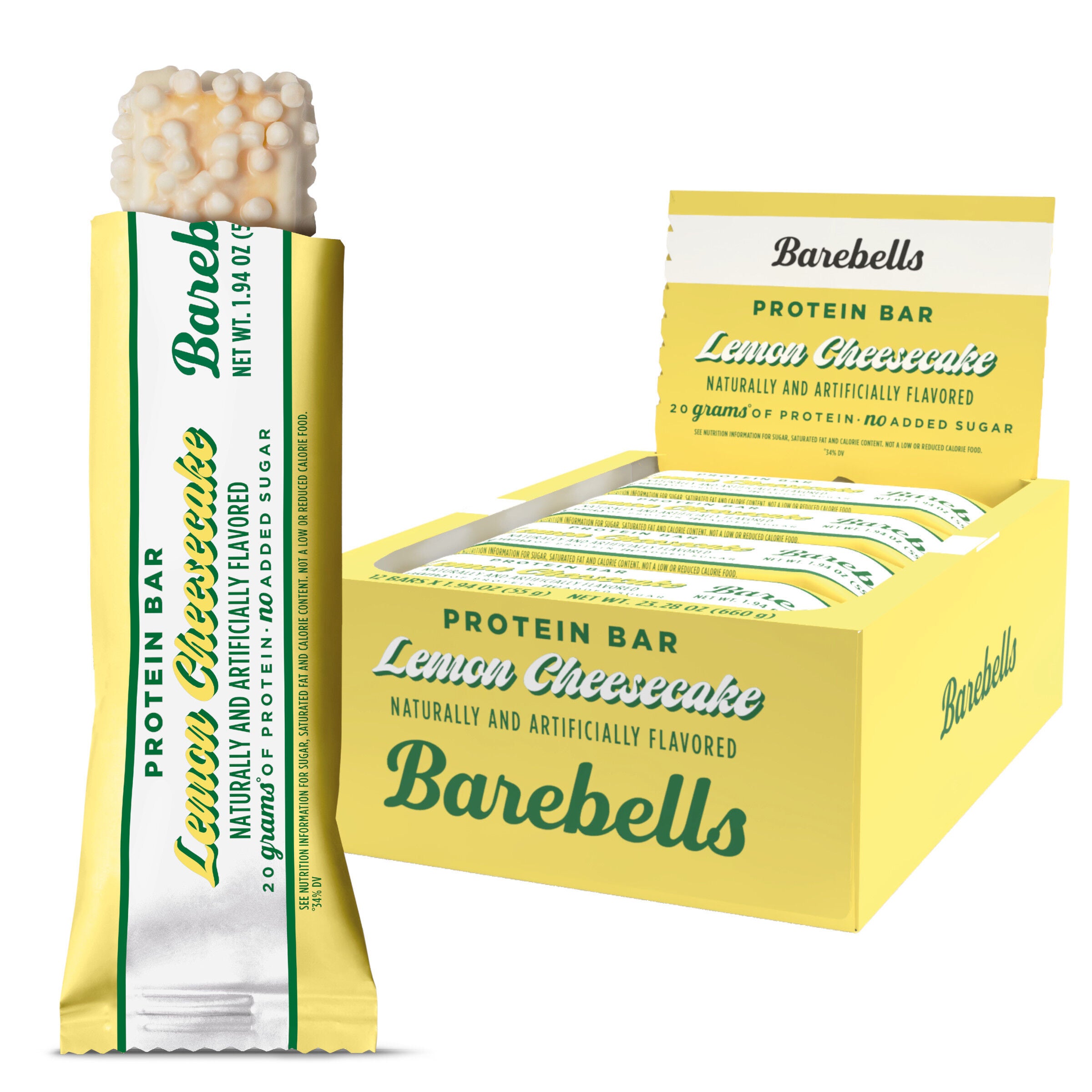


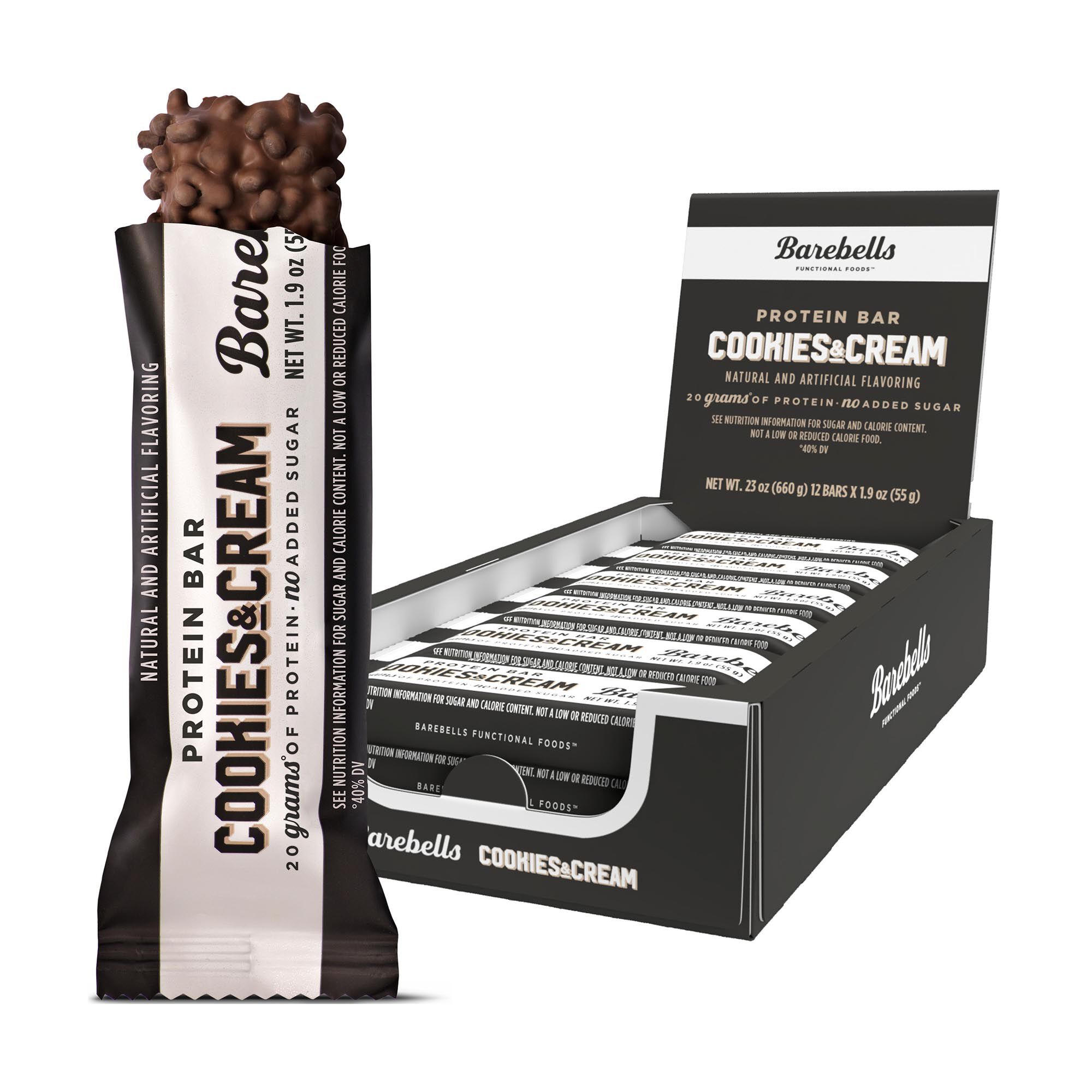
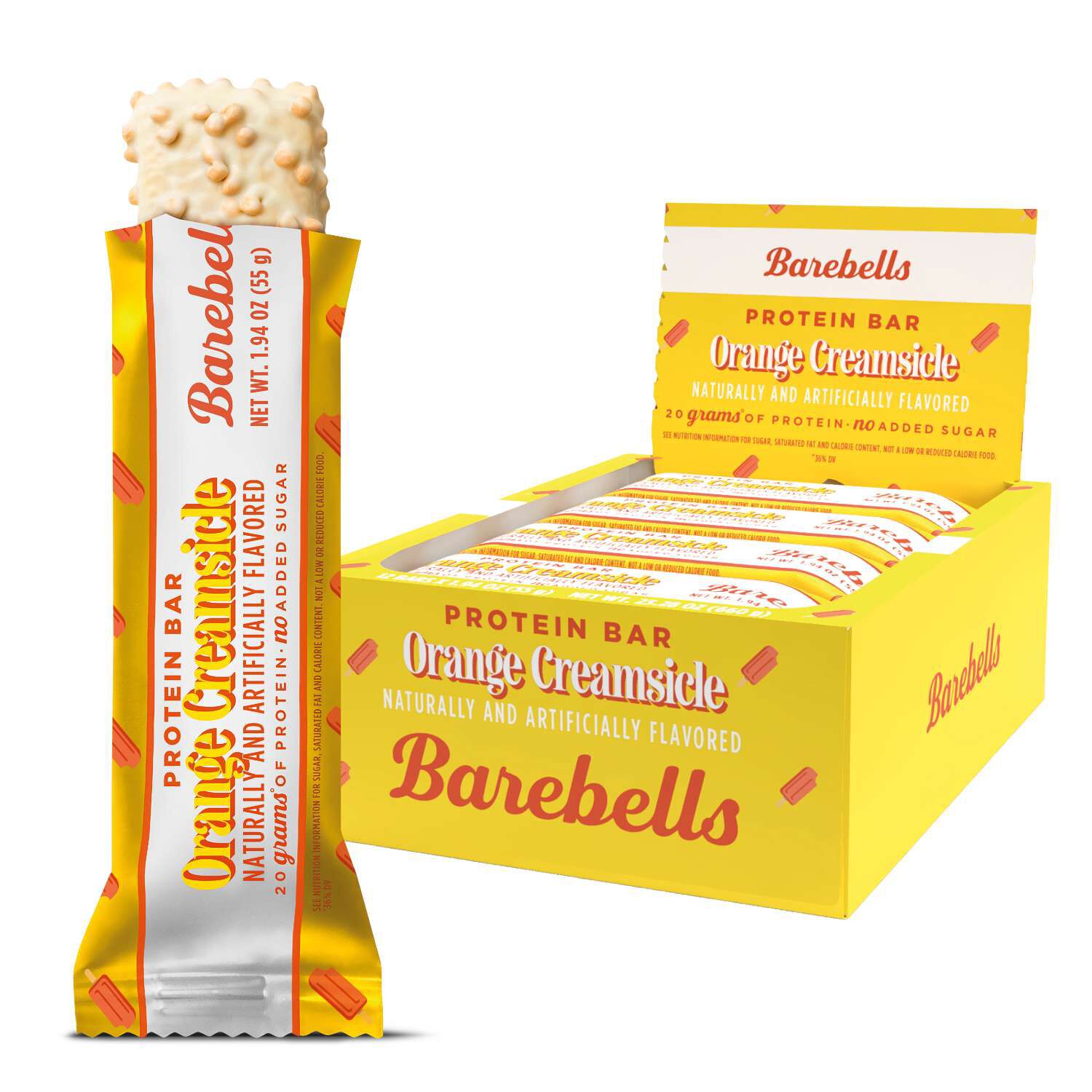
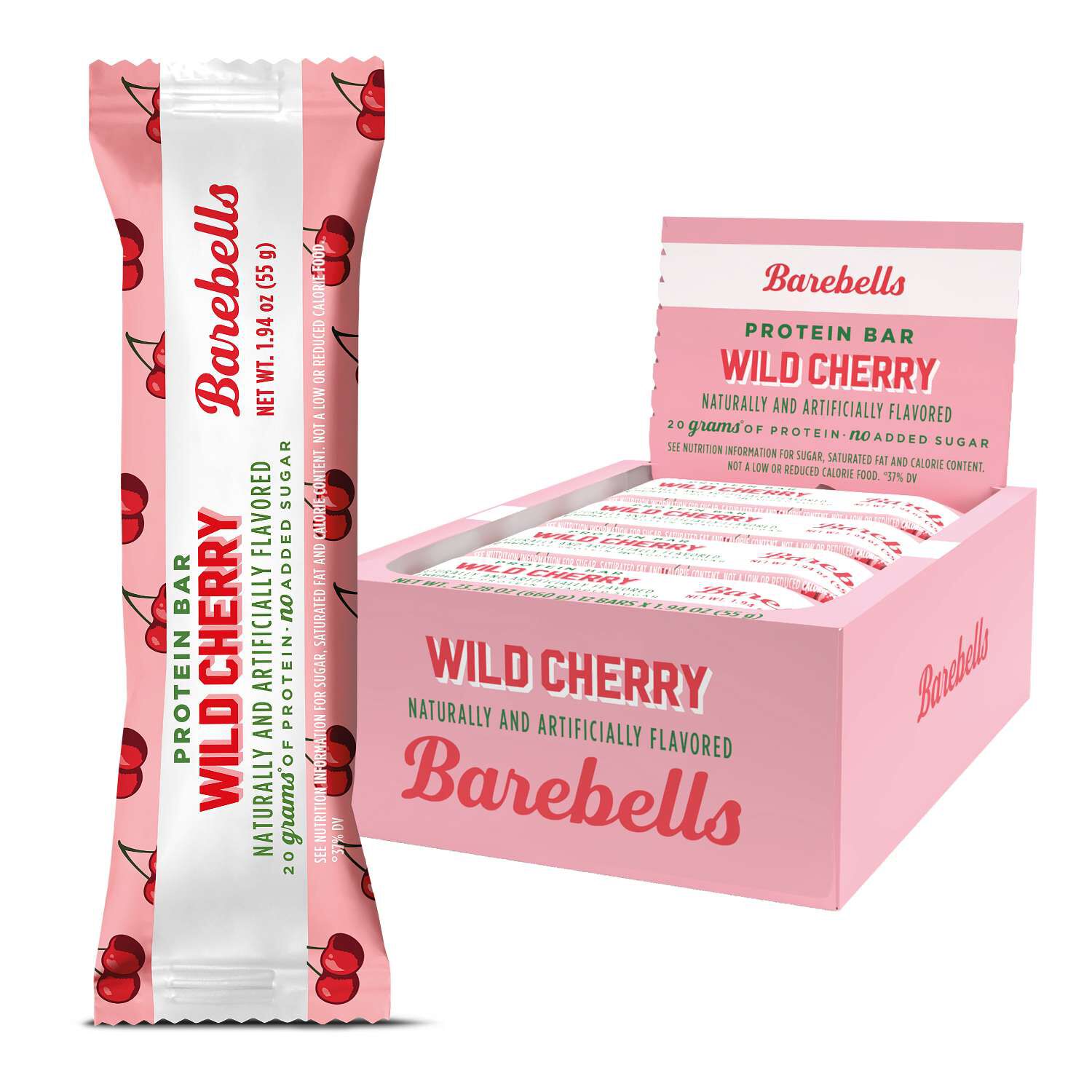


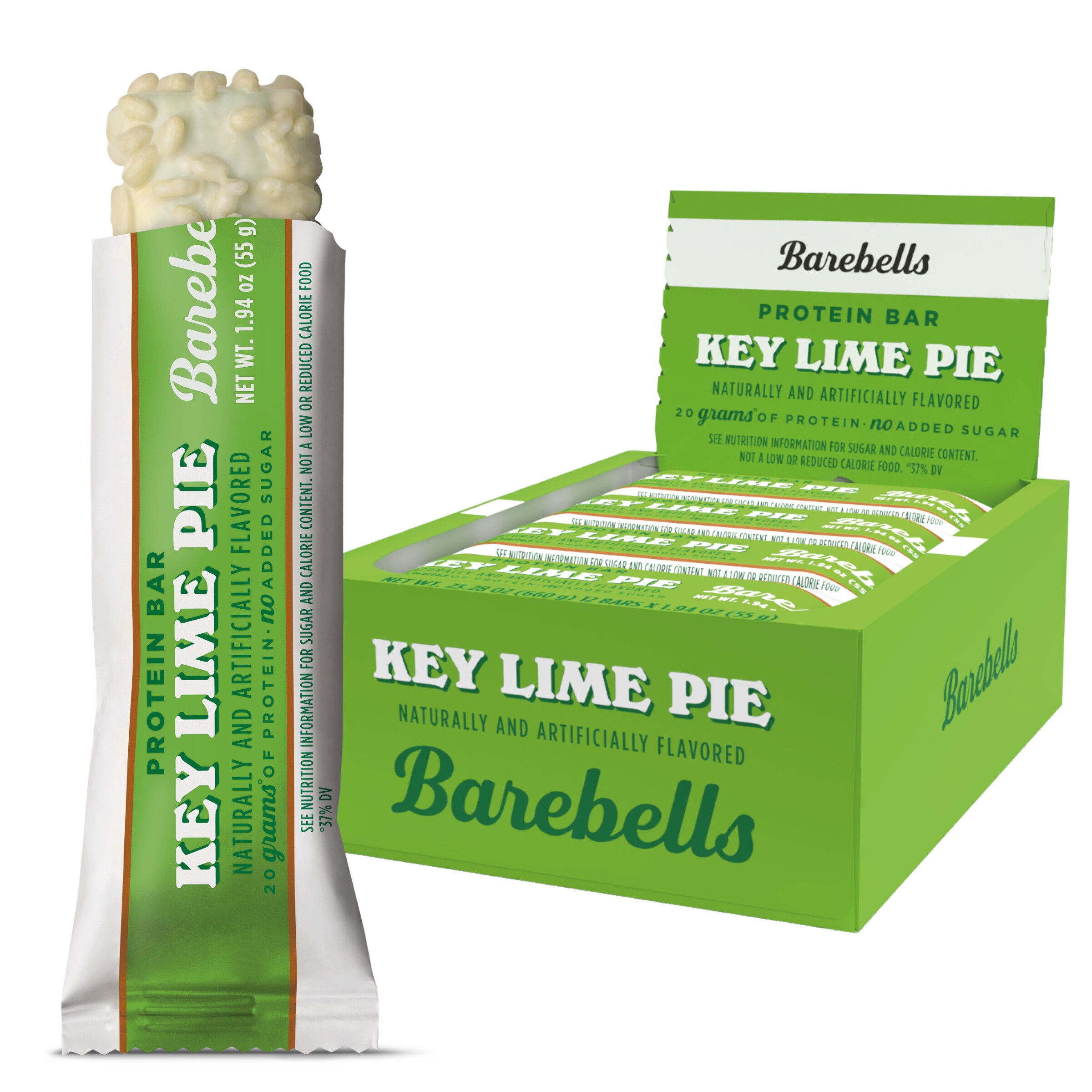
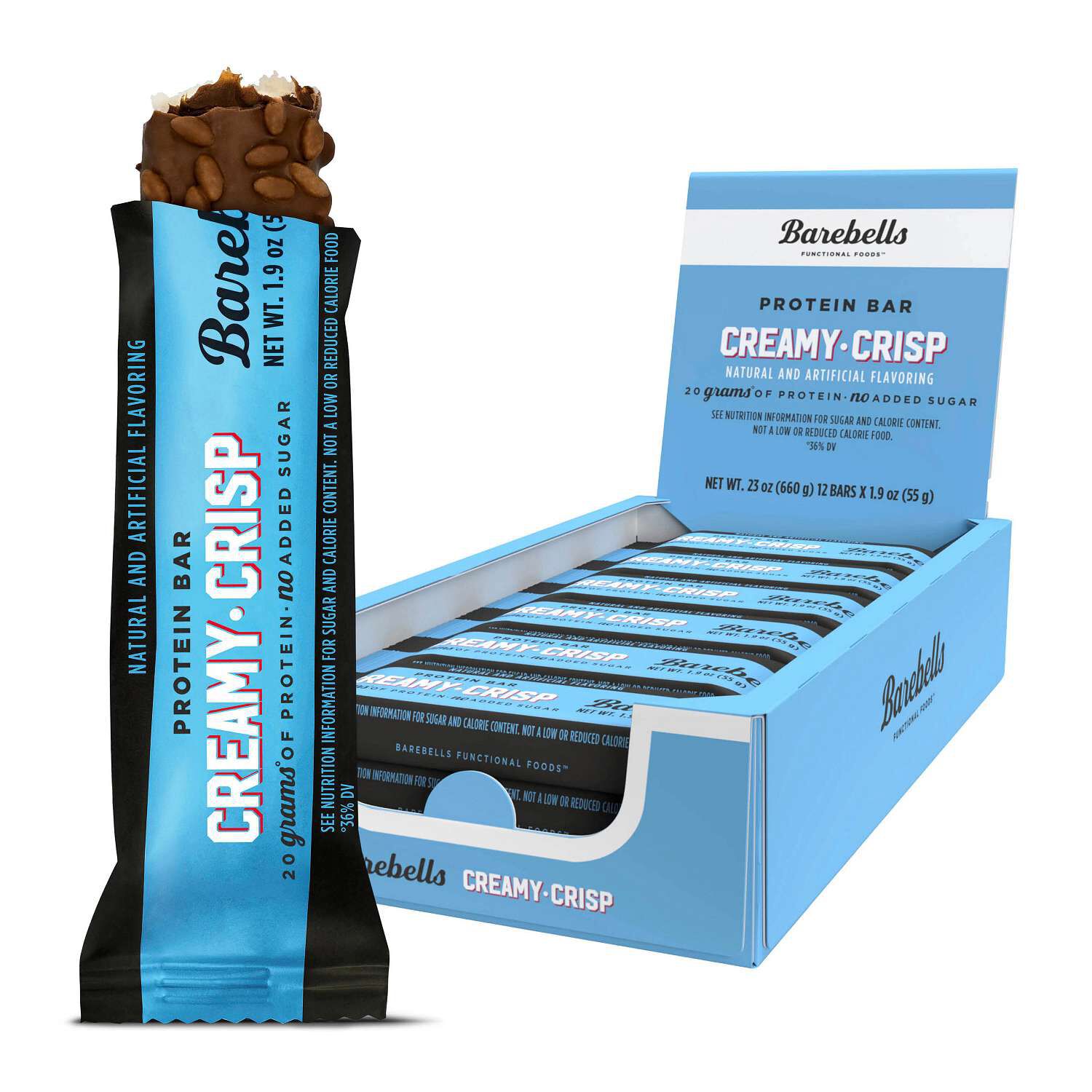
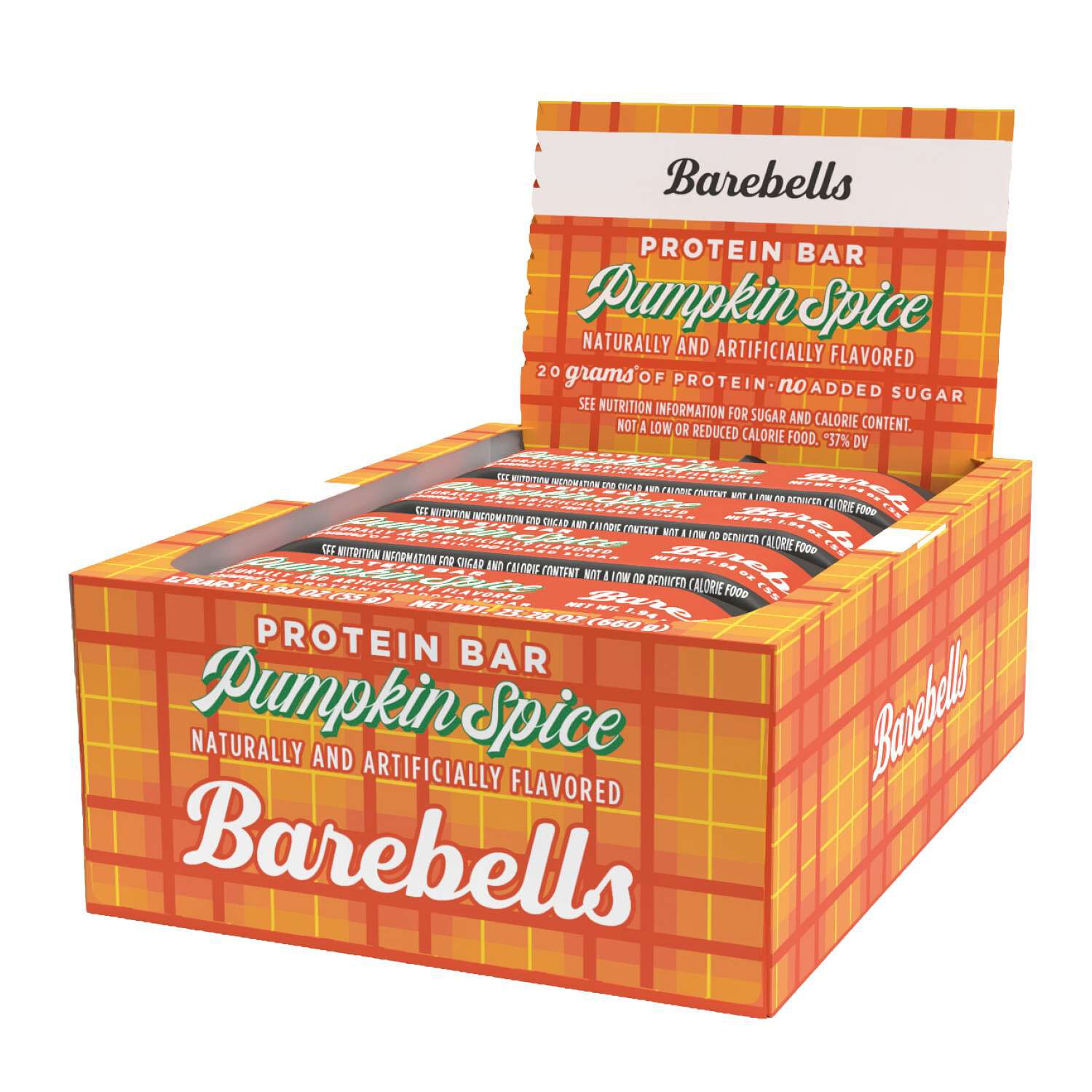
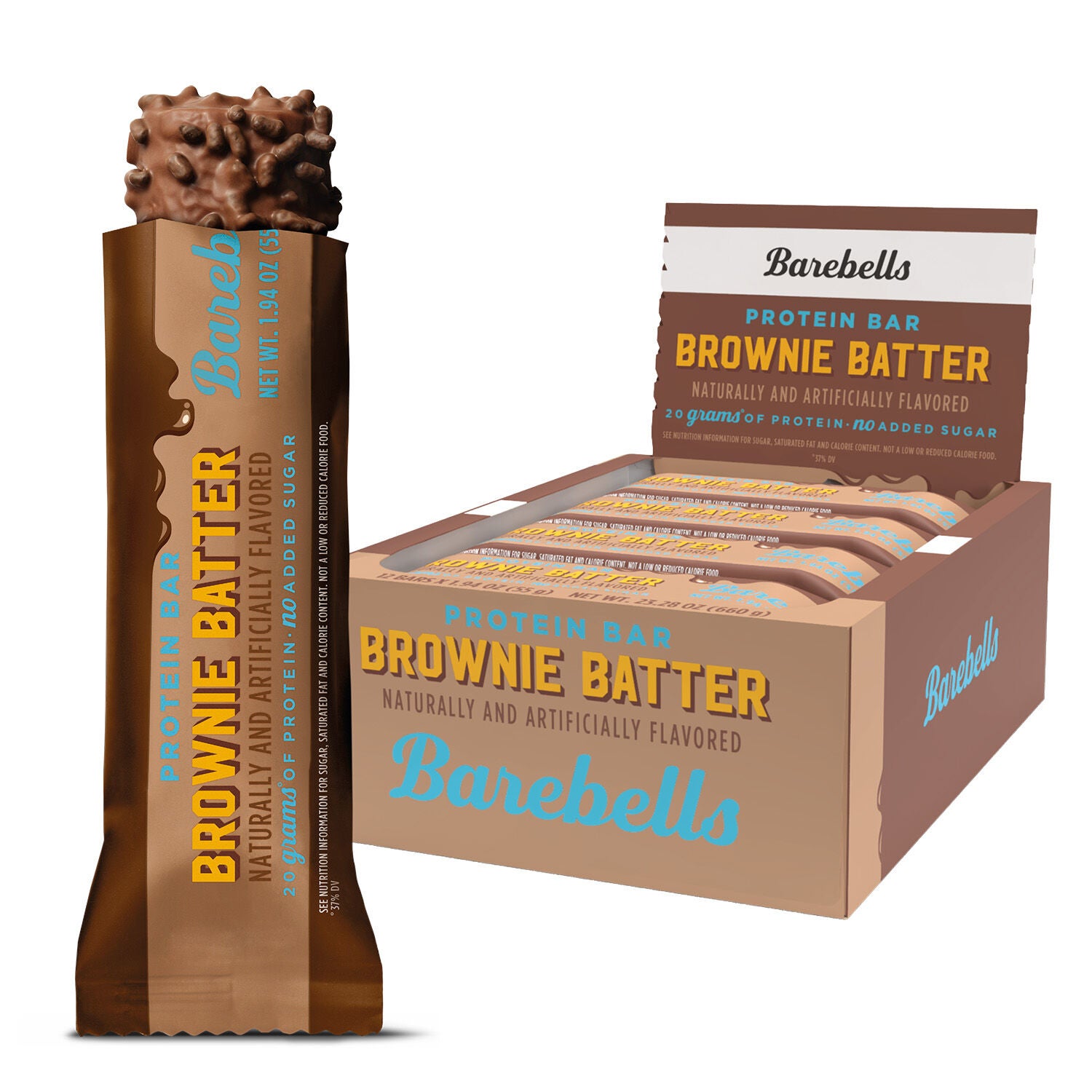
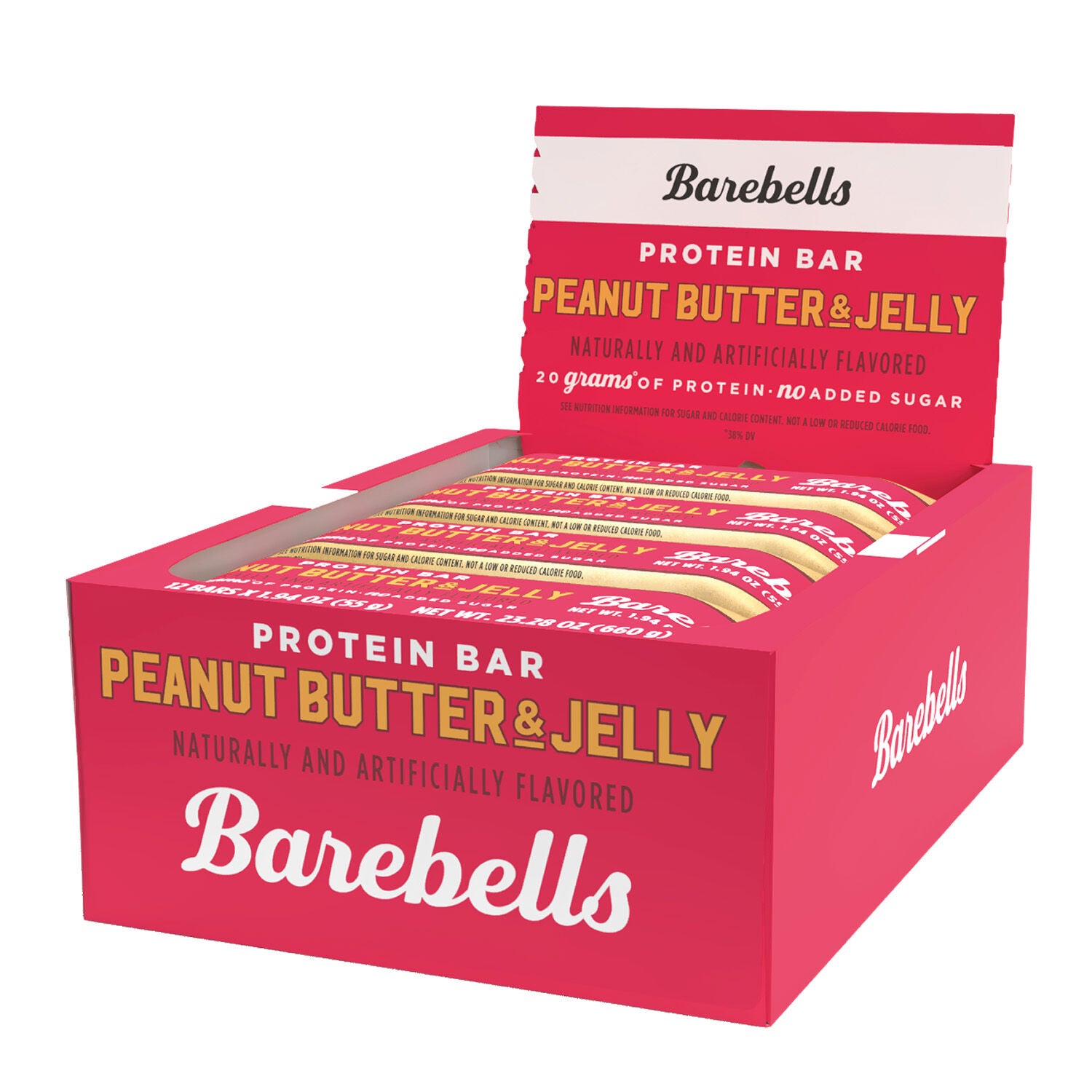
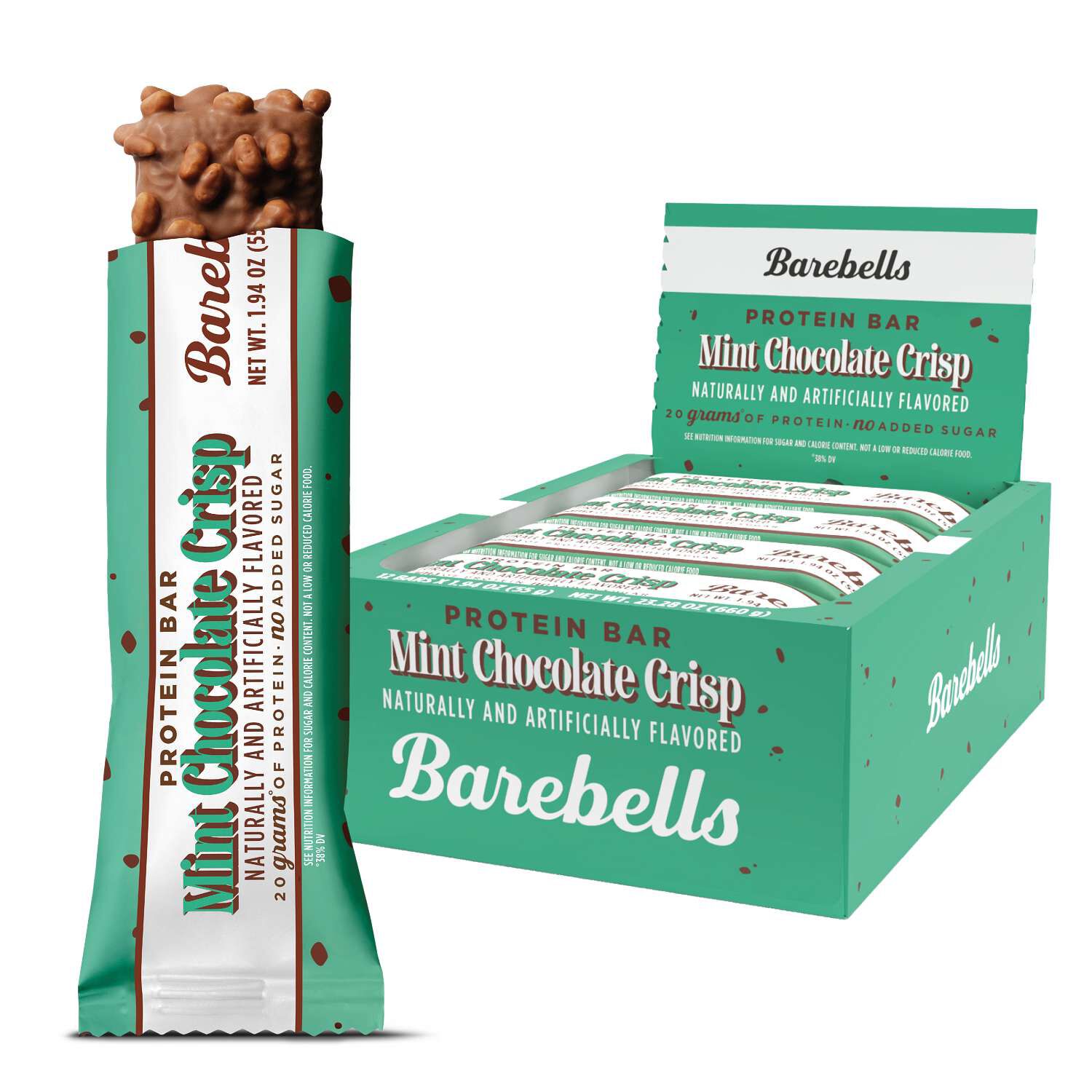


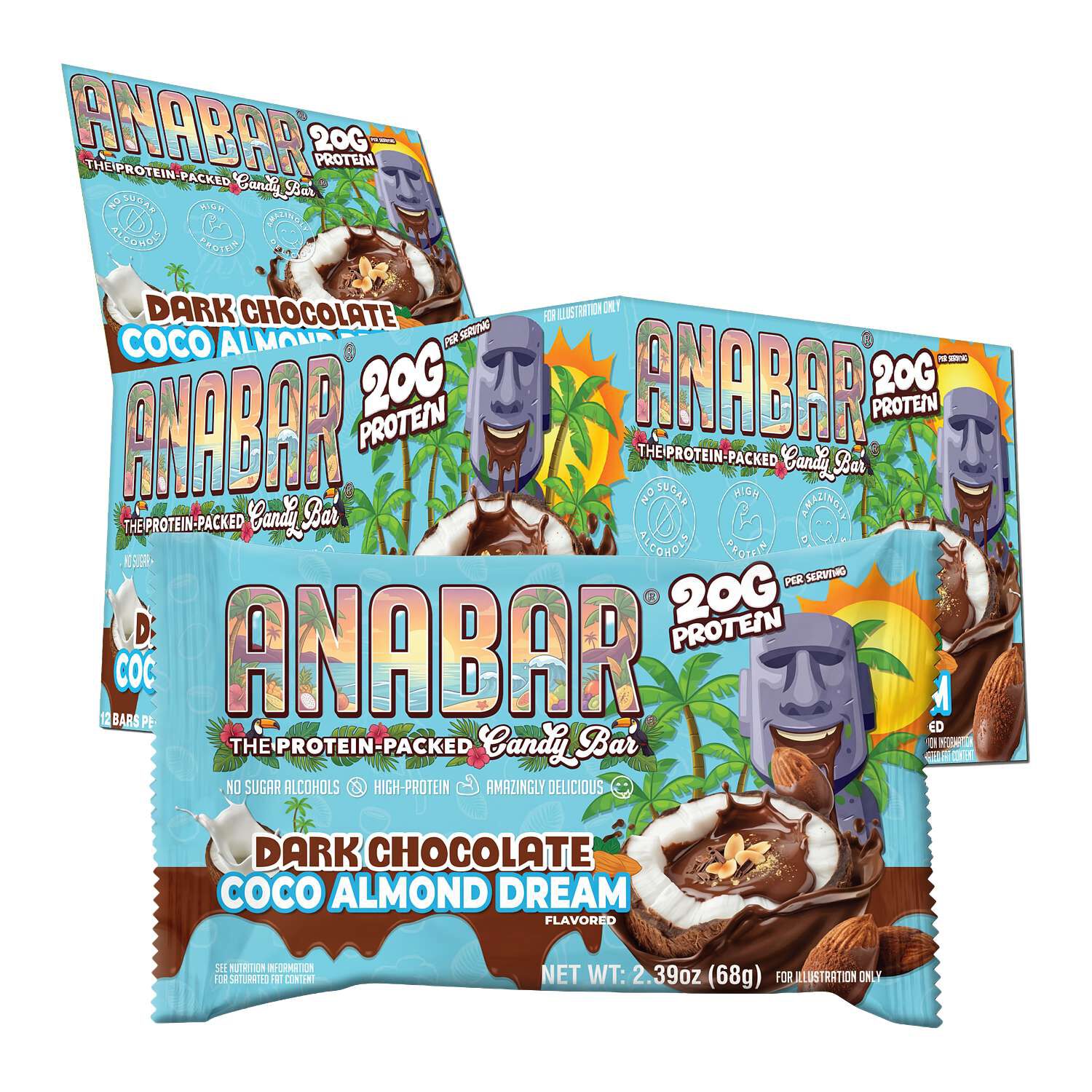

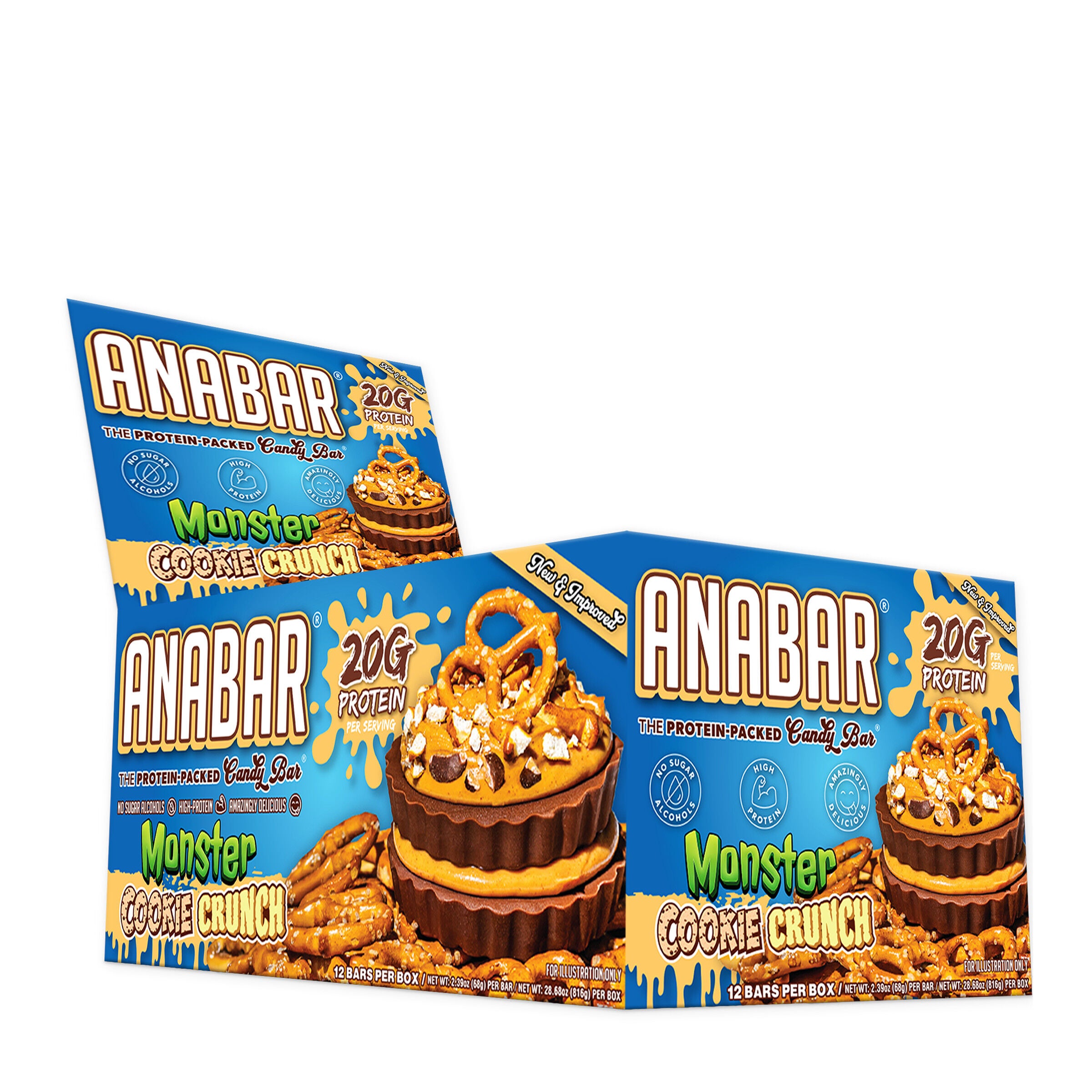
Protein bars for satisfying hunger may offer a practical snack option when lunch is hours away, a meeting runs long, or a commute stretches past the usual dinner time. Their appeal starts with a compact format, but the nutrition panel and ingredients matter more than the size of the wrapper. Protein, dietary fiber, fat, and the amount of food in each serving may all influence how satisfying a bar feels. Around 15 to 20 grams of protein per serving is a useful comparison point for a protein-focused snack, while fiber content provides another piece of the picture. A bar with about 5 grams of fiber may suit someone looking for a more substantial between-meal option, though those numbers are not requirements for every person or occasion. Calories, added sugar, and portion size deserve attention alongside protein grams. A smaller bar might suit a short break before lunch, while a larger portion could be more appropriate when the next meal is farther away. The same protein amount can appear in bars with quite different weights, textures, and ingredient combinations, so a front-of-package number tells only part of the story. Browsing High Protein Bars offers another way to explore the category with protein content as a starting point. The most suitable choice still depends on personal preferences, dietary needs, and the rest of the day’s meals. A bar with protein, fiber, and ingredients such as nuts or seeds may feel more satisfying than one chosen for sweetness alone. That does not make a sweeter bar unsuitable; taste is part of choosing a snack worth eating. It simply makes the full label more informative than a single claim on the front. Protein bars are generally best viewed as one convenient snack format within a varied eating pattern, rather than an automatic substitute for a meal. For a longer gap between meals, a bar alongside fruit, yogurt, or another familiar food could be a better fit than a bar by itself.
Ingredients and texture give protein bars much of their character. Whey and milk proteins are dairy-derived ingredients, while soy, pea, and rice proteins appear in plant-based recipes. Some bars contain one main protein source; others use a blend. Neither the source nor the number of protein ingredients alone determines whether a bar will match someone’s taste or appetite. A dense, chewy center, a soft baked texture, and a crisp layered bite are distinctly different eating experiences, even when the protein amounts are similar. Rolled oats, chopped peanuts, almonds, seeds, and dried fruit contribute their own textures and flavors, while chocolate-style coatings, cocoa, vanilla, cinnamon, and caramel notes create familiar snack profiles. For someone who enjoys a slower, chewier bite, an oat-and-nut style could be appealing. Someone who prefers a lighter crunch might gravitate toward a layered format instead. The ingredient list also explains where fiber and sweetness come from. Oats, nuts, seeds, chicory root fiber, and other added fibers appear in different recipes, and the Nutrition Facts panel shows the fiber amount per serving. Sugar, syrups, fruit ingredients, sugar alcohols, and other sweeteners may appear alone or in combination. A lower added-sugar number does not describe the entire recipe, just as a chocolate coating does not reveal the protein or fiber content underneath it. Comparing bars of similar serving sizes makes those differences easier to interpret. Two packages can look nearly identical while containing different bar weights or numbers of servings. Flavor preferences are just as individual: a peanut-forward bar with visible nut pieces is a different choice from a smooth cocoa bar or a cinnamon oat bar. For shoppers with food allergies or dietary restrictions, the ingredient list and allergen statement are important parts of that comparison. Milk, soy, wheat, peanuts, tree nuts, eggs, and sesame are among the ingredients worth checking when relevant. A plant-based description does not replace a careful review of the package, including any statements about shared production equipment or facilities.
Everyday use is where the details of a protein bar become especially relevant. A wrapped bar fits into a work bag, backpack, or desk drawer without needing a bowl, shaker, or utensils. For someone moving between appointments, that format may make a planned snack easier to manage than a stop with little time to choose food. A college student might keep one beside a notebook for a break between classes; a commuter might pack one alongside lunch for the ride home. Around a workout, a protein bar could be a convenient food option when a regular meal is not close at hand, without needing to serve as the centerpiece of an exercise routine. Texture matters in these settings, too. A crumbly bar is a different fit for eating over a desk than a chewy bar with a firmly held center, and a coated bar may call for a napkin. The wrapper’s condition, the package date, and the storage directions deserve the same attention as the nutrition panel. Keeping the original wrapper intact until snack time preserves the ingredient information and serving details for reference. When packing a bag, placing a bar where it will not be crushed may help preserve its intended shape and texture. An assortment can also be a thoughtful addition to a care package for a student, a new parent, or someone with a busy travel schedule, provided their flavor preferences and dietary restrictions are known. Variety might mean alternating nutty, cocoa-rich, and oat-based styles rather than choosing several bars with nearly identical textures. Ultimately, the category offers room for different appetites and routines. The label provides measurable details; the eating experience provides the rest. A bar that tastes enjoyable, fits the occasion, and has a suitable serving size may become a useful part of a snack rotation. Protein amount matters, but the combination of ingredients, fiber, texture, flavor, and portion is what makes comparison worthwhile when looking for protein bars that may help satisfy hunger between meals.
Best Sellers
-
 Barebells
-
 Barebells
-
 Barebells
Related Pages

Top Collections
- Zinc Supplements | Top Brands at Great Prices | GNC
- Cortisol Supplements
- Joint Mobility Supplement Packs
- NAD+ Supplement Tablets
- Best Brand of Magnesium Glycinate
- Top Rated Collagen | Shop Customer Favorites | GNC
- Iron Supplements
- Peptide Supplements
- Protein Powders For Muscle Growth Support
- Vitamins That Help Support Weight Gain