





Protein Bars With Vitamins
(0 Results)
Protein bars with vitamins could be a convenient way to help support your active lifestyle and wellness goals. These bars may offer a blend of protein and key nutrients, making them an option for those looking to supplement their daily routine. Whether you’re seeking a quick snack after a workout or an easy on-the-go choice, protein bars with vitamins might fit seamlessly into your busy schedule. Explore options that could align with your nutritional needs and preferences.

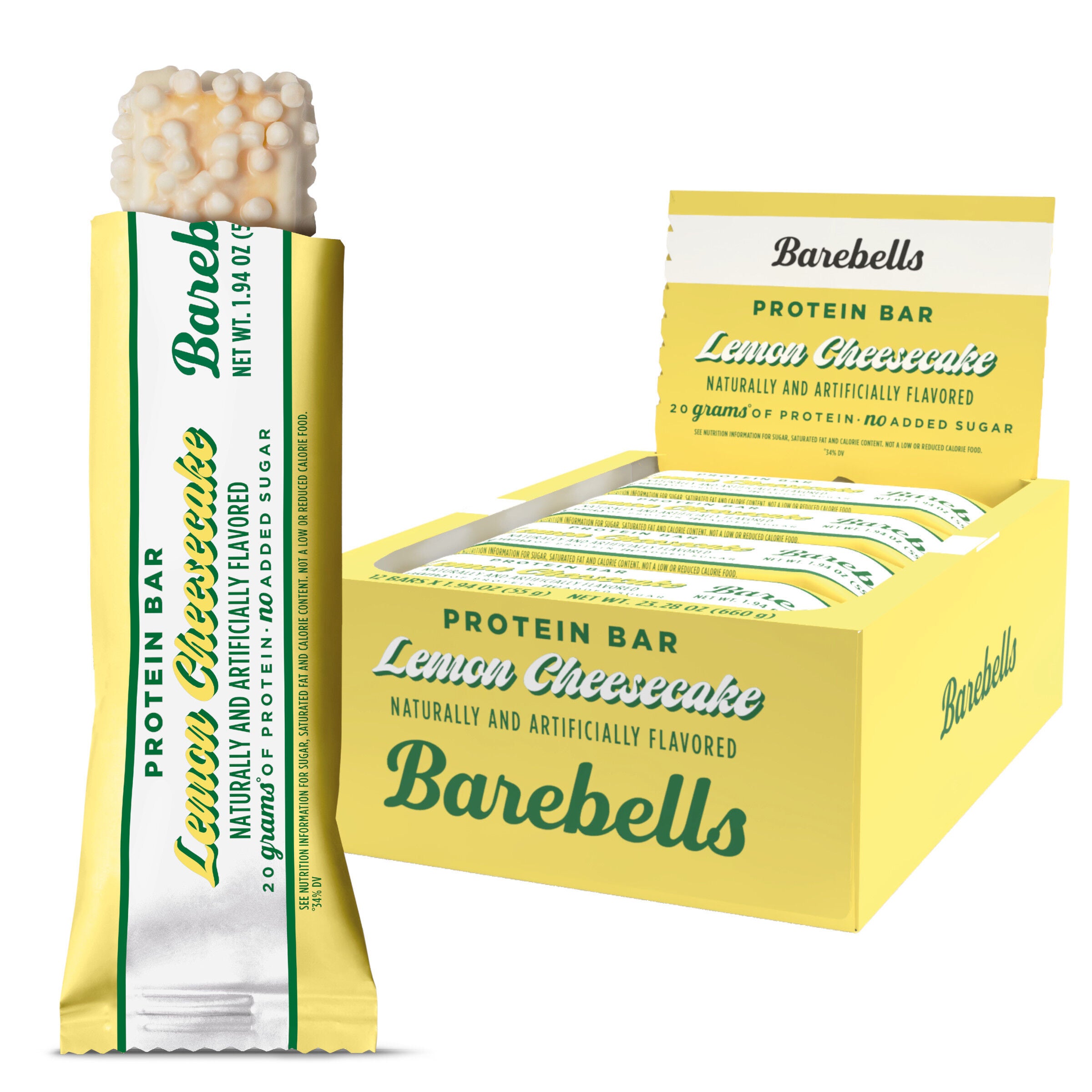
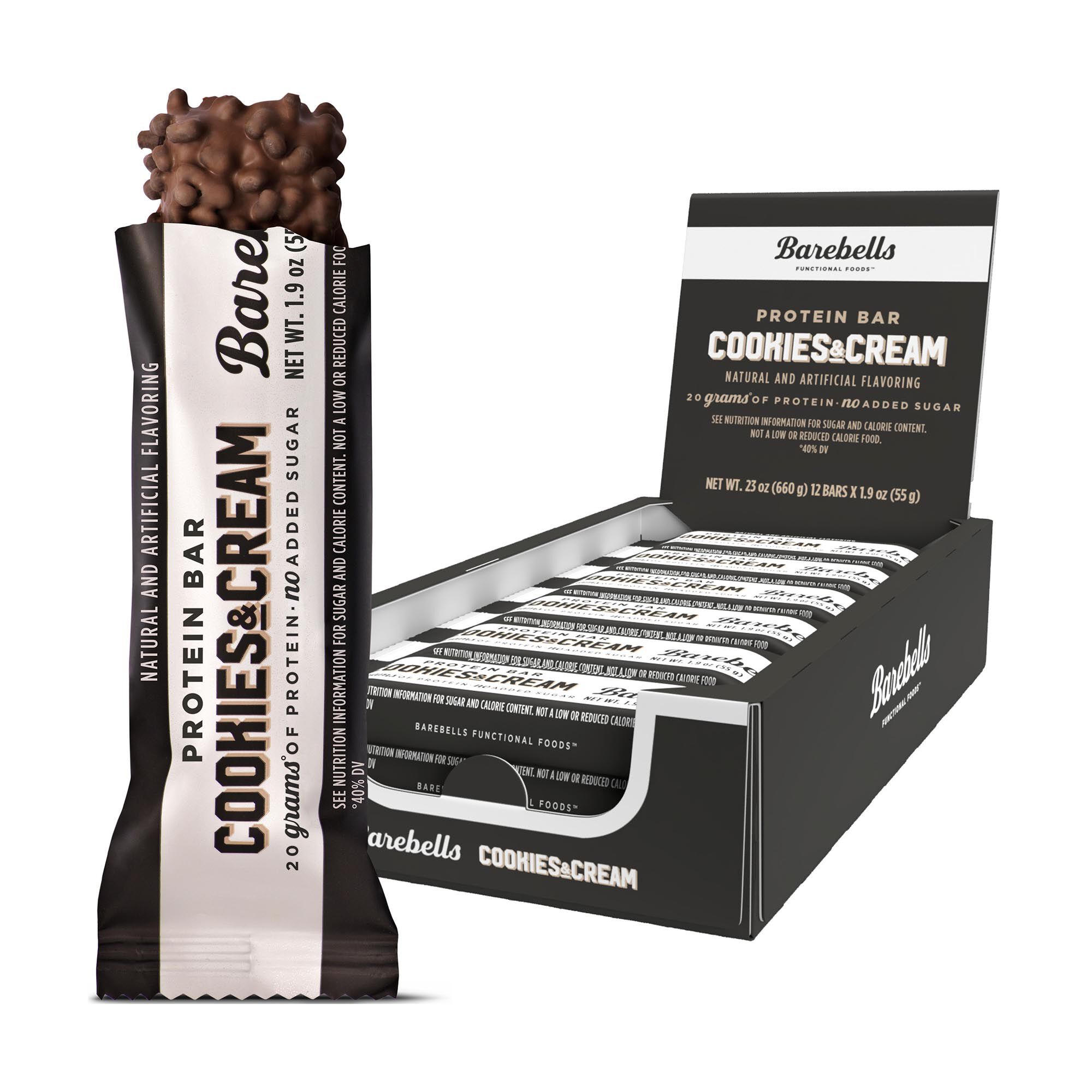
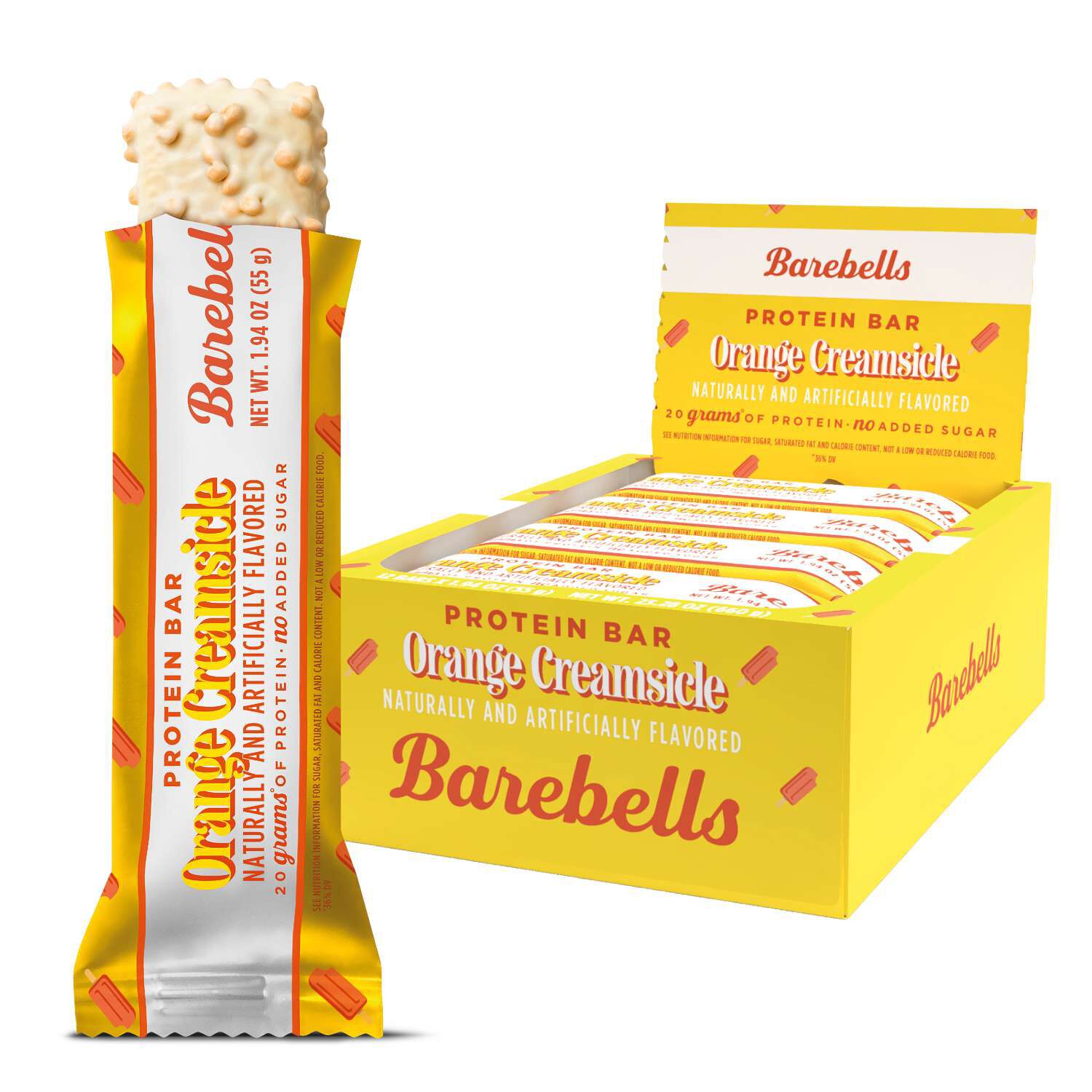
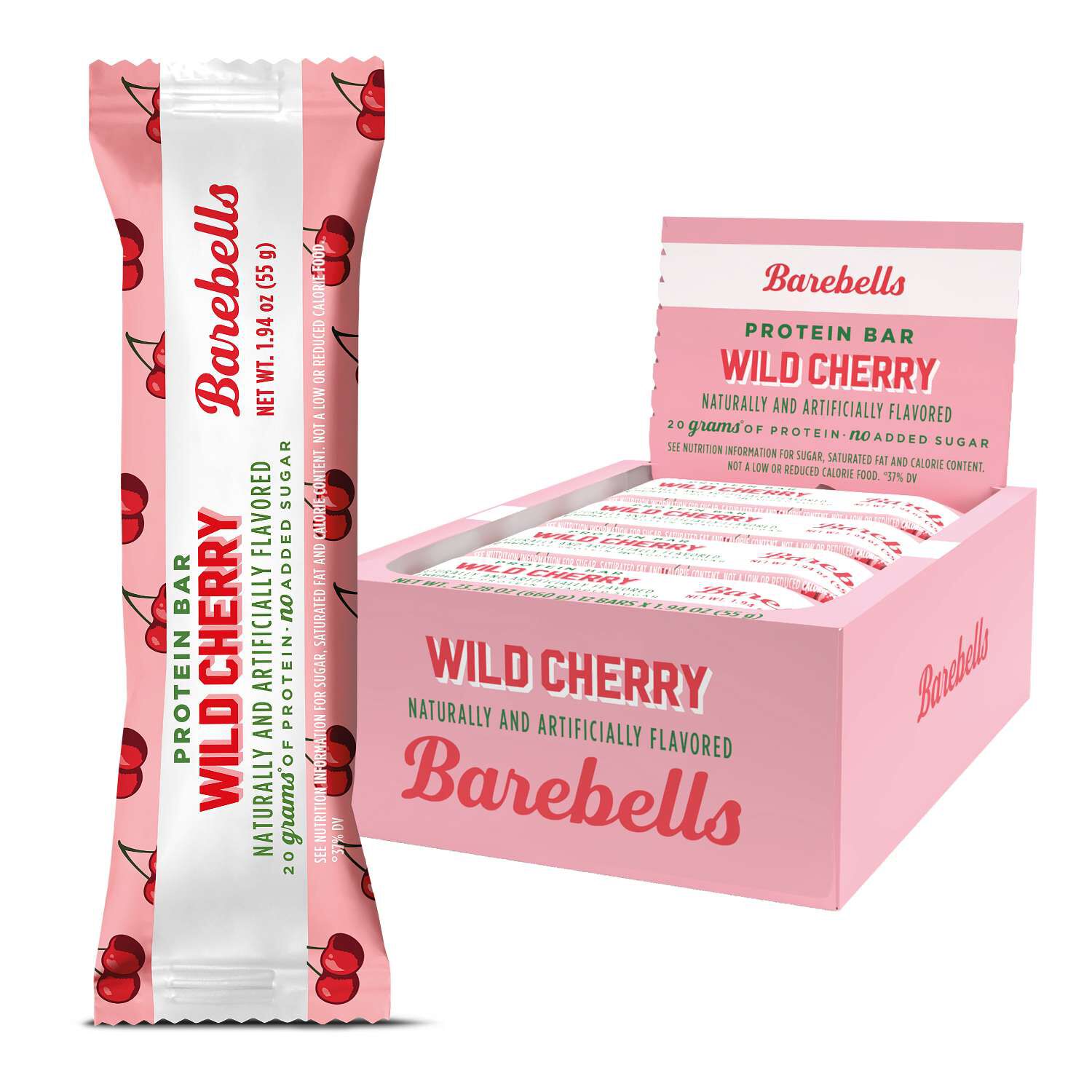


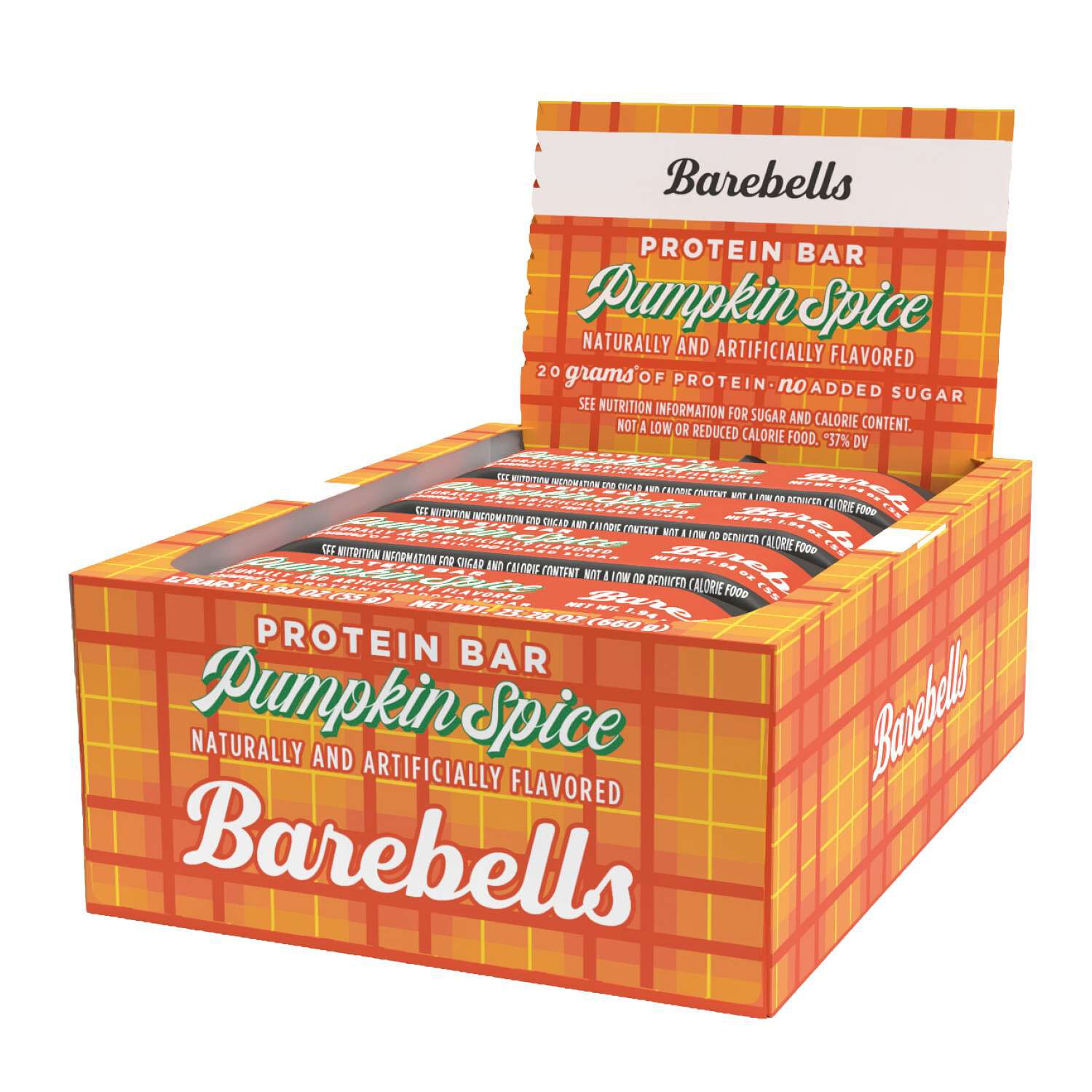
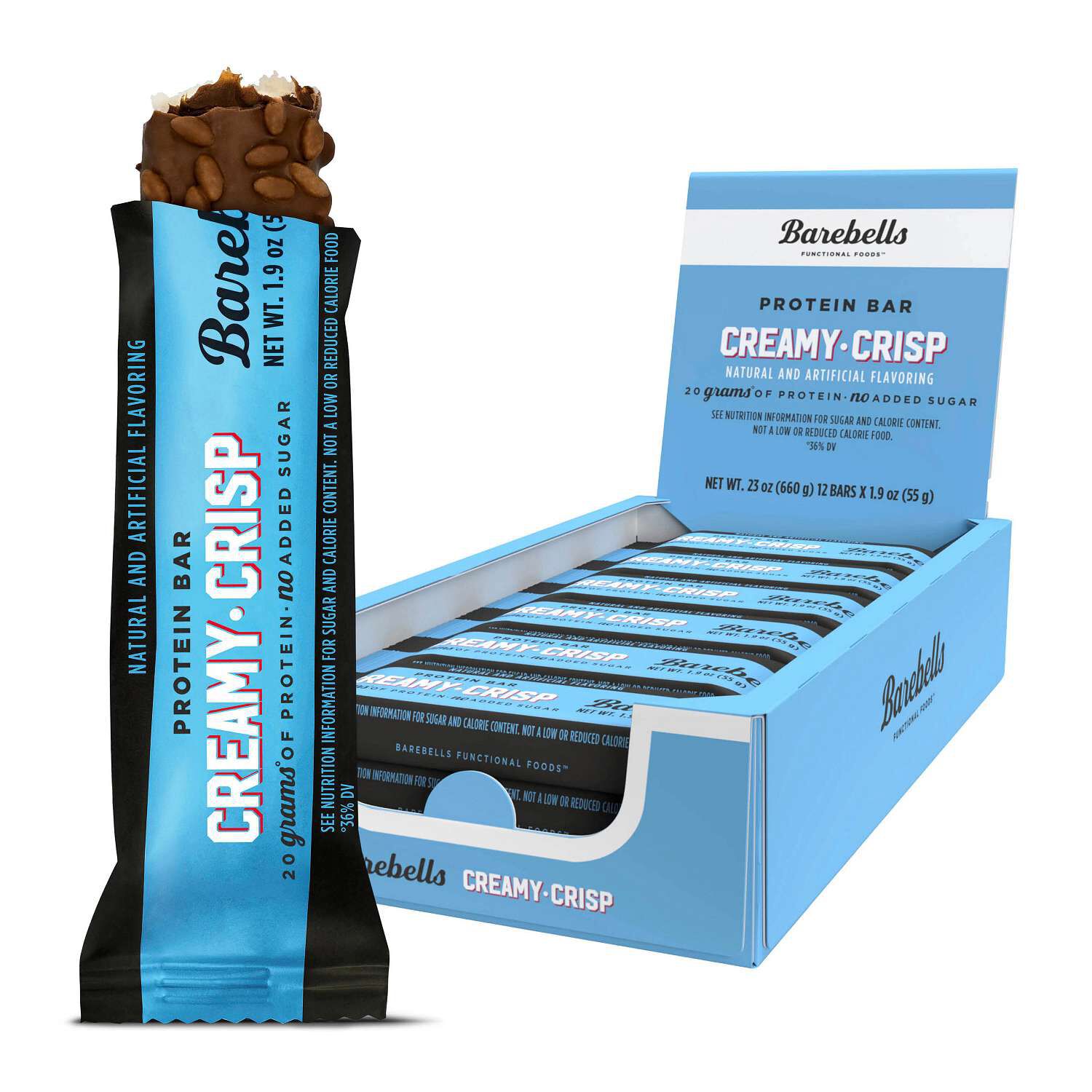
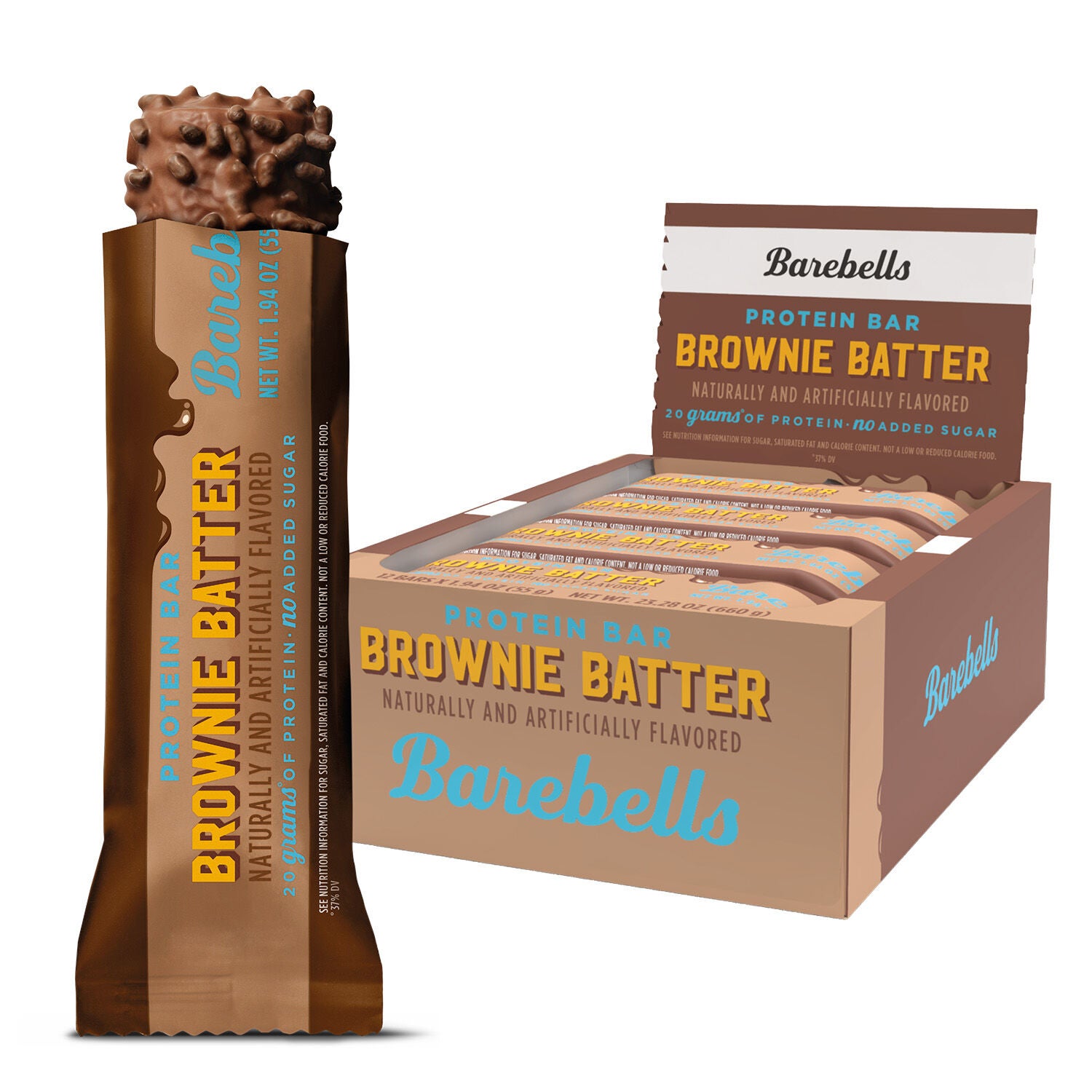
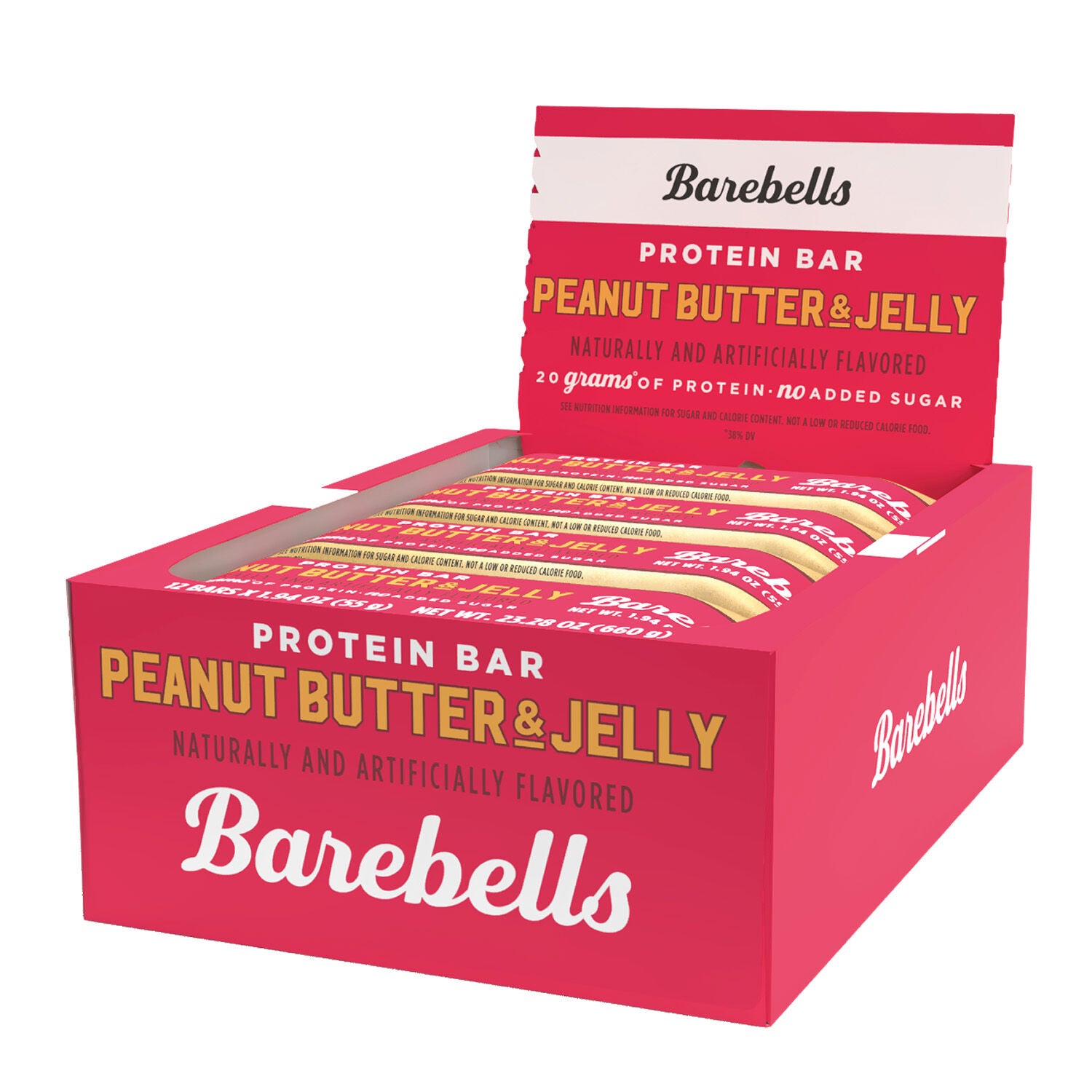


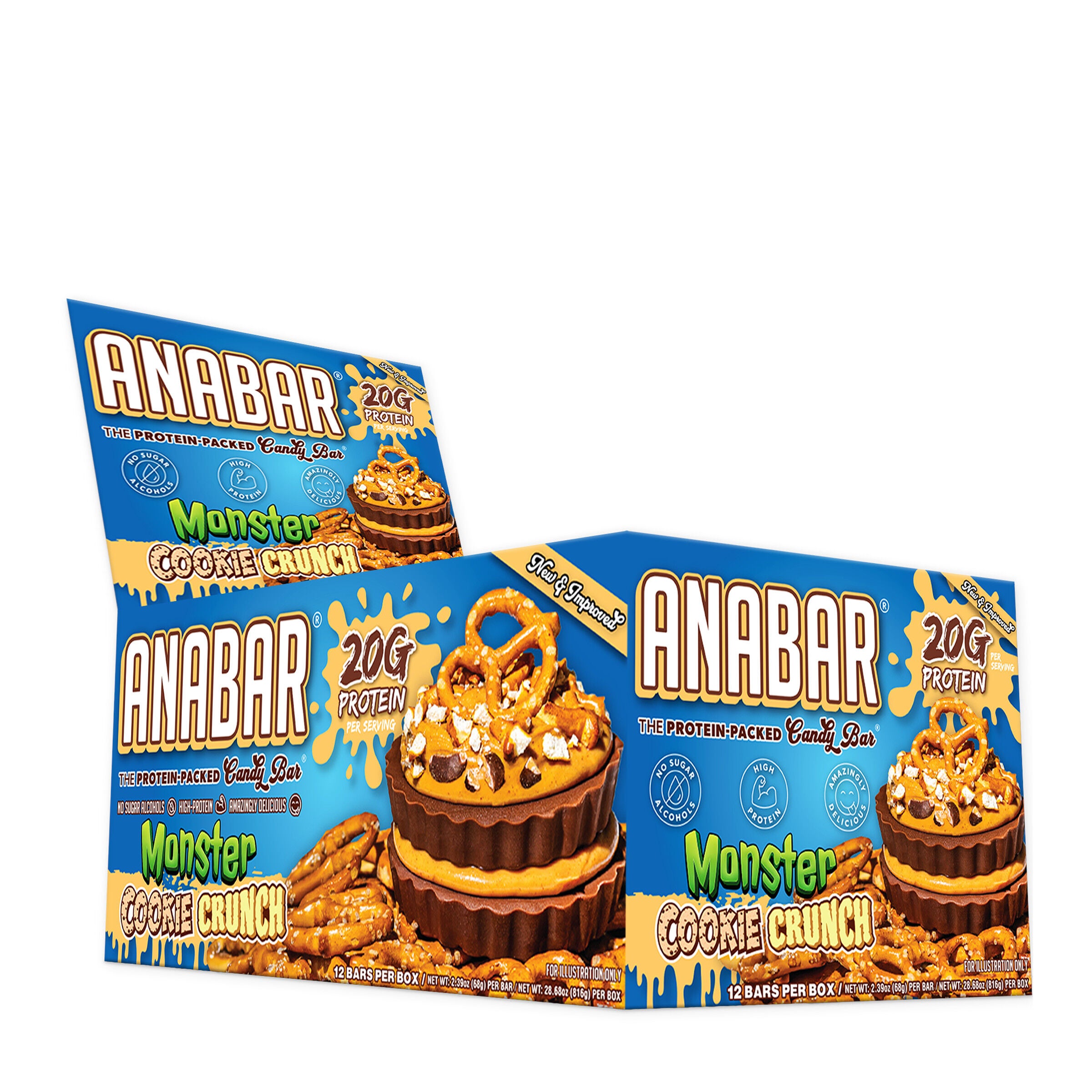

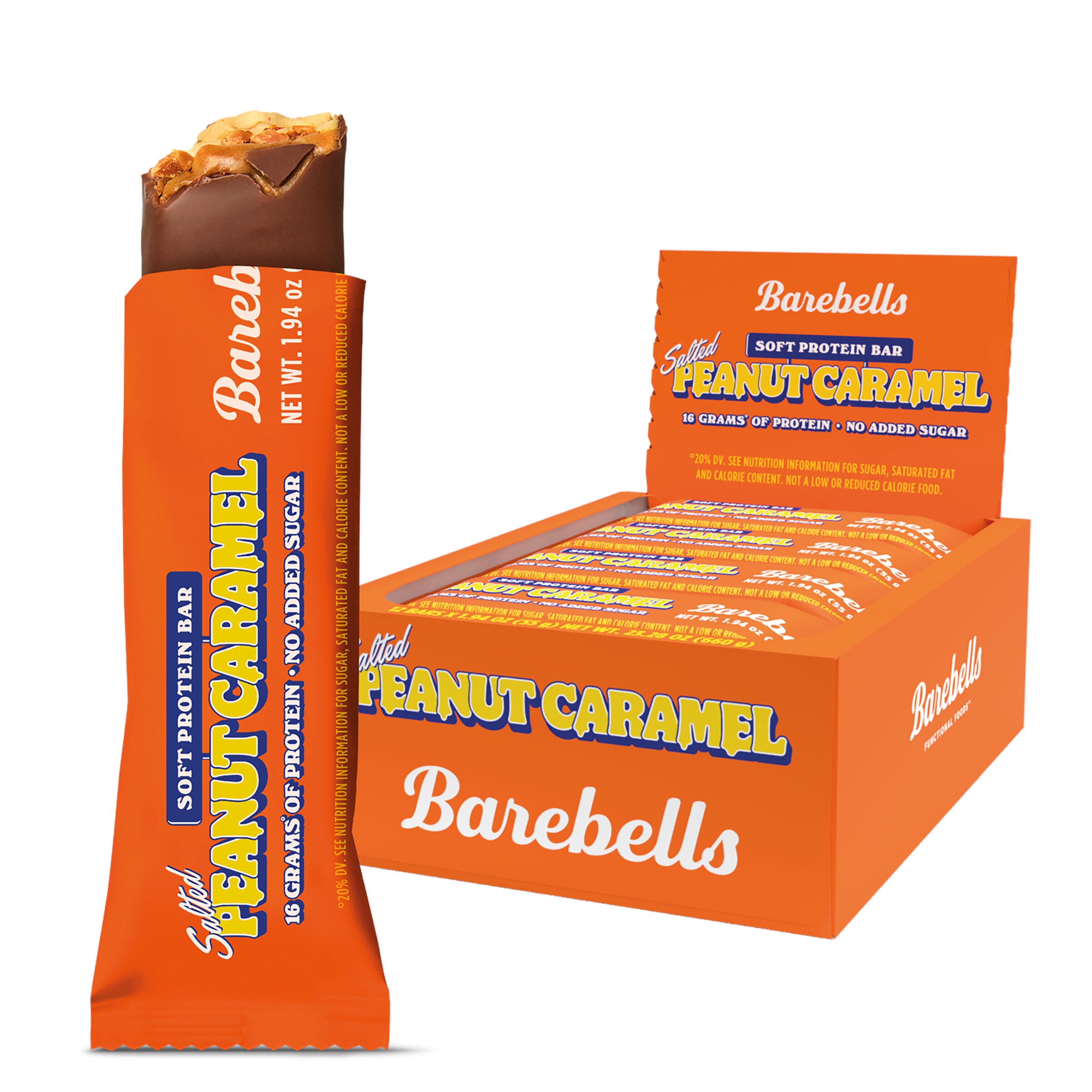
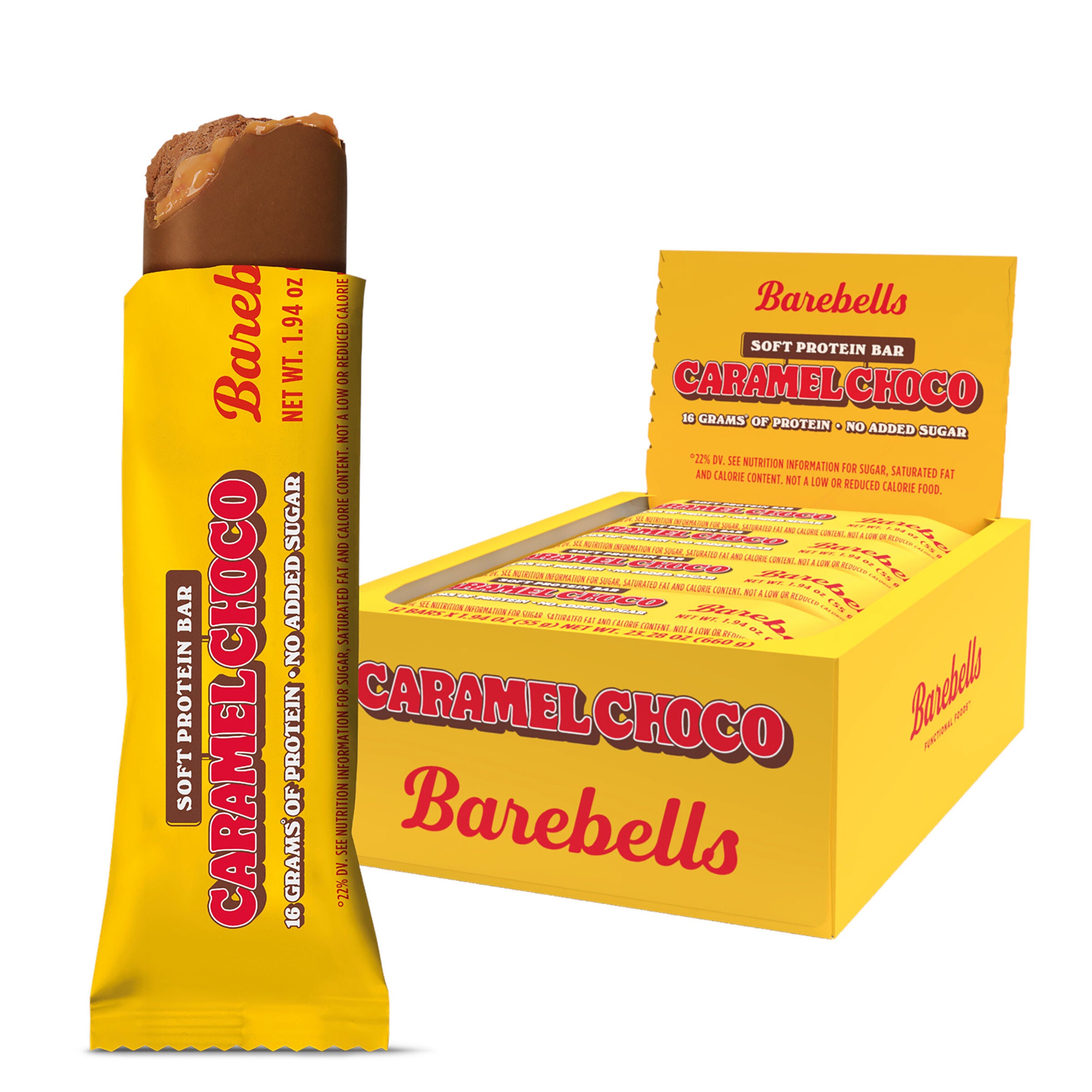
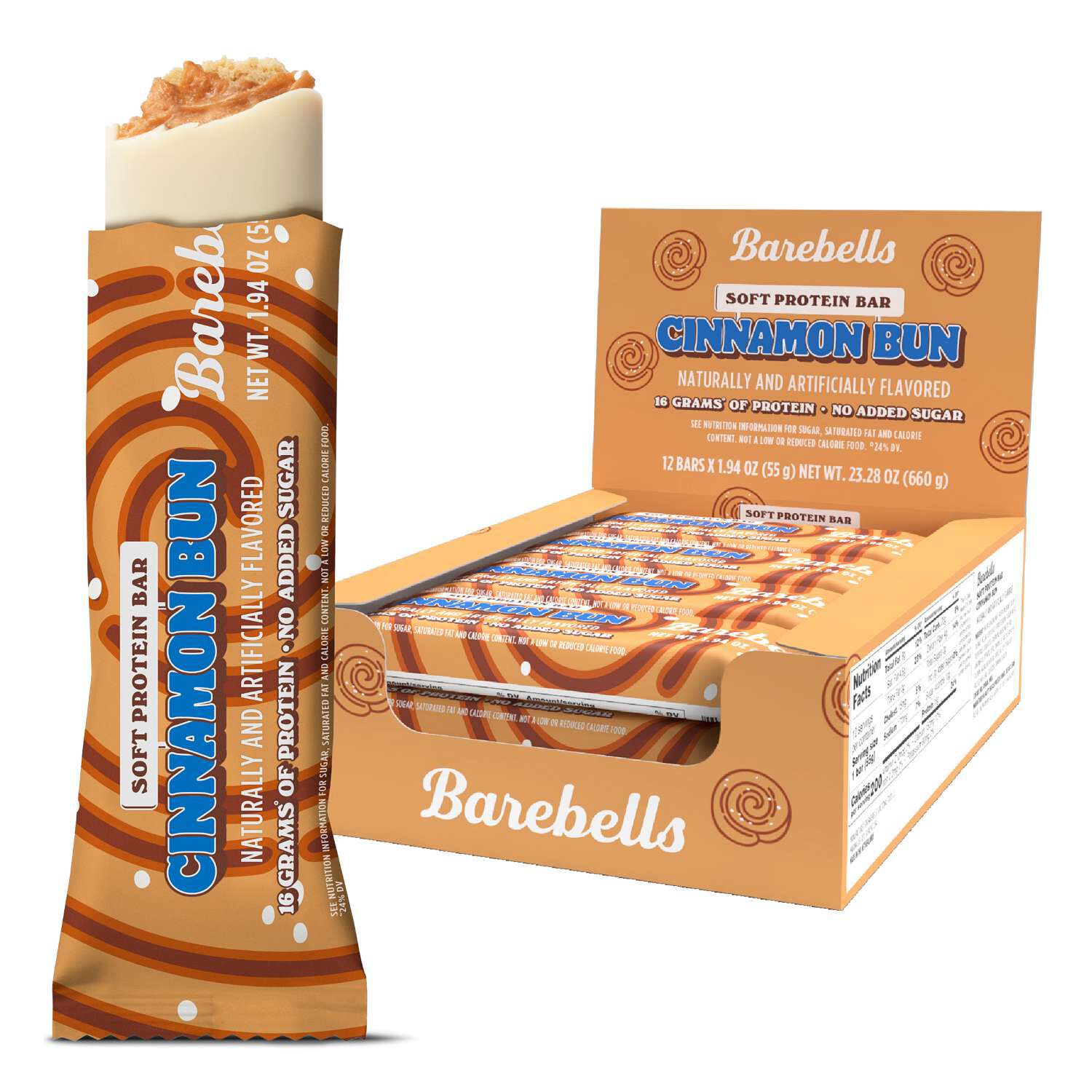
Protein bars with vitamins bring protein and selected micronutrients together in a packaged snack, with recipes that range from chewy nut-based bars to layered varieties with crisp centers and chocolate coatings. The defining feature is the combination of a protein source and declared vitamin content, although the nutrients and amounts differ from one formula to another. Some bars contain added B vitamins, vitamin C, vitamin E, or other vitamins, while others also include minerals such as calcium or iron. Vitamins and minerals are separate nutrient categories, so a bar described as containing both is not necessarily comparable to one featuring vitamins alone. The Nutrition Facts panel provides the clearest picture of what a serving contains: grams of protein, calories, carbohydrates, fiber, sugars, fat, and the amounts of listed vitamins and minerals. Percent Daily Value adds context by showing how much a serving contributes toward the daily reference amount for each listed nutrient. A prominent vitamin callout on the wrapper does not establish the amount of every vitamin in the recipe, and a longer nutrient list does not automatically make a bar a better match for a particular eating pattern. Serving size matters, too, especially when comparing bars of different weights or packages that contain more than one serving. For someone who wants a snack between meetings, a smaller portion may be a practical choice; someone packing food for a longer outing may prefer a larger bar alongside other foods. These products are still foods with their own mix of ingredients and nutrients, rather than interchangeable substitutes for a varied eating pattern. Their appeal is often straightforward: a portable format, a familiar flavor, and protein plus vitamins in the same serving. Comparing those features together gives a more useful impression of a bar than focusing only on the largest number printed on the front.
The ingredients behind protein bars with added vitamins shape both their nutritional profile and their eating experience. Whey and milk proteins are common in dairy-based recipes, while soy, pea, and other plant proteins appear in plant-based options. Some recipes combine protein sources, and others include nuts, seeds, oats, or nut butters for additional texture and flavor. A bar made with milk protein can have a very different bite from one built around peanut butter and oats, even when their protein amounts are similar. Dense, chewy centers, airy crisps, chopped almonds, and smooth coatings each create a distinct snack experience. Chocolate and caramel flavors often lean toward a dessert-like profile, while roasted nuts and oat-based combinations can feel closer to familiar pantry snacks. Sweetness also varies by formula. The ingredient list identifies sources such as sugar, syrups, sugar alcohols, or other sweeteners, while the Nutrition Facts panel distinguishes sugars from added sugars. A lower-sugar description alone does not explain the calorie content, fiber amount, or type of sweetener used. Likewise, the presence of vitamins says little about whether the bar has a soft center, a crumbly texture, or a pronounced protein flavor. Those details matter when choosing something to eat regularly rather than occasionally. For shoppers interested in a neighboring category, Protein Bars With Natural Ingredients offers another ingredient-focused way to explore this snack format. Ingredient preferences still call for a closer look at the actual recipe, since broad descriptions do not identify every component. Milk, soy, peanuts, tree nuts, wheat, and sesame may appear in these products, depending on the formula. Ingredient lists and allergen statements are particularly relevant for households where food choices depend on specific exclusions. Plant-based wording and vitamin content describe different attributes, and neither should be treated as a substitute for checking the package. A suitable choice brings taste, texture, ingredients, and dietary preferences into the same decision.
Everyday use is another useful distinction among vitamin-containing protein bars. An individually wrapped bar fits into a desk drawer, a lunch bag, or a work tote without utensils or preparation, making the format practical for planned snack breaks. A commuter might pack one with a piece of fruit, while a student might tuck one beside a sandwich for a long day on campus. Someone heading to a workout might include a bar among the foods packed for before or afterward, depending on personal eating preferences and timing. The occasion does not determine the right formula on its own: portion size, flavor, and the rest of the day's food choices remain relevant. A bar marketed for snacking is not automatically a meal replacement, and protein and vitamin callouts alone do not establish whether it suits that purpose. For a shared snack basket or a small food gift, familiar flavors and clearly labeled ingredients may be more useful than choosing by protein content alone. Individually sealed wrappers also make it easier for recipients to review serving information and ingredients before opening. Packaging condition and storage directions matter for the eating experience, particularly with layered or coated recipes. Following the package's storage instructions and checking the best-by date may help preserve the intended texture and flavor. A protective compartment in a bag may keep a soft bar from being flattened beneath a laptop or water bottle, while leaving the wrapper intact until use keeps the ingredient and nutrient information close at hand. For shoppers who also use a multivitamin or other fortified foods, the amounts listed on each label provide a clearer view of overlapping nutrients than front-of-package descriptions alone. There is no single vitamin blend or protein amount that defines every bar in this category. The most relevant comparisons bring together serving size, protein source, listed vitamins, sugar and fiber content, and the texture someone actually enjoys. With those details in view, protein bars with vitamins may fit a range of snack routines without requiring every shopper to choose the same style.
Best Sellers
-
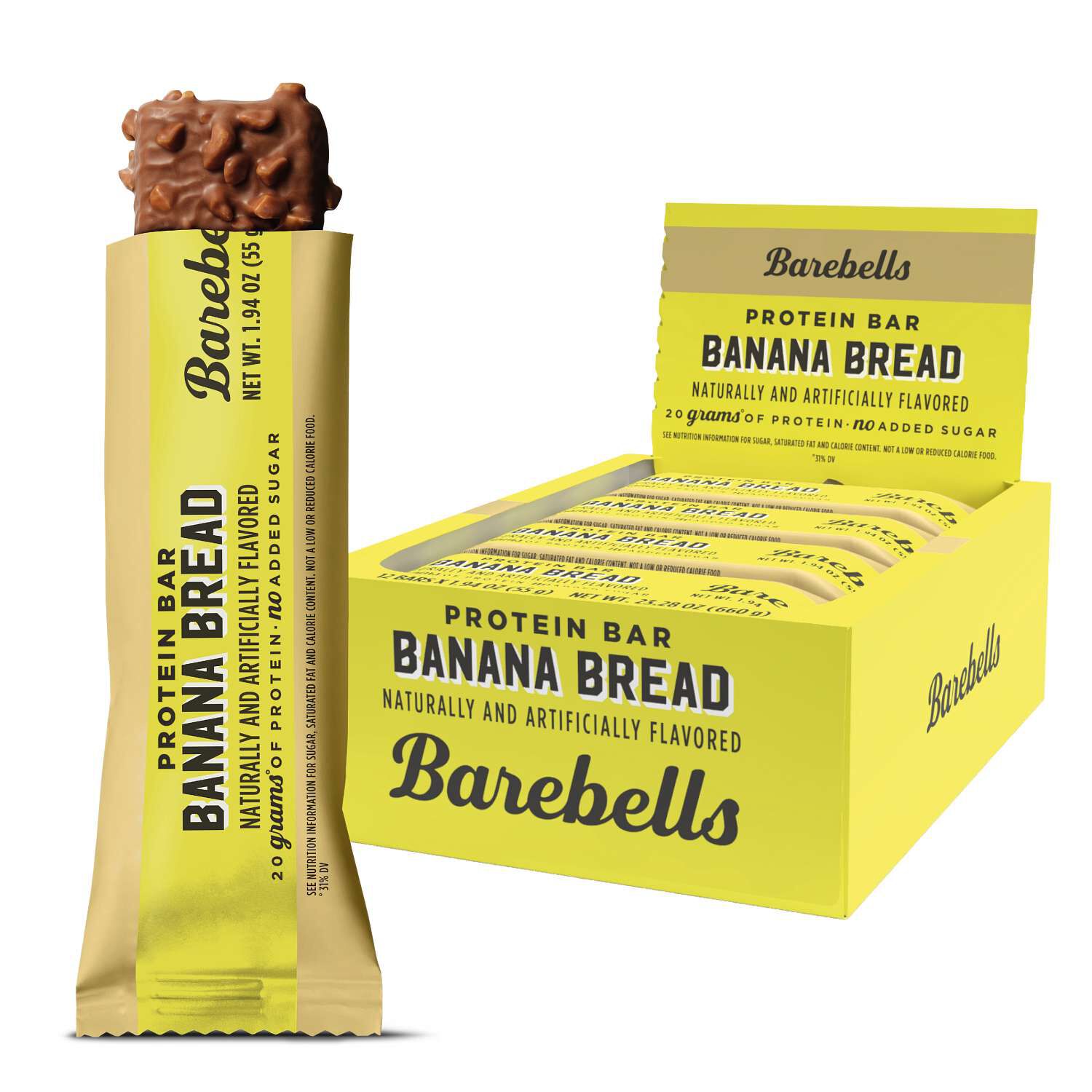 Barebells
-
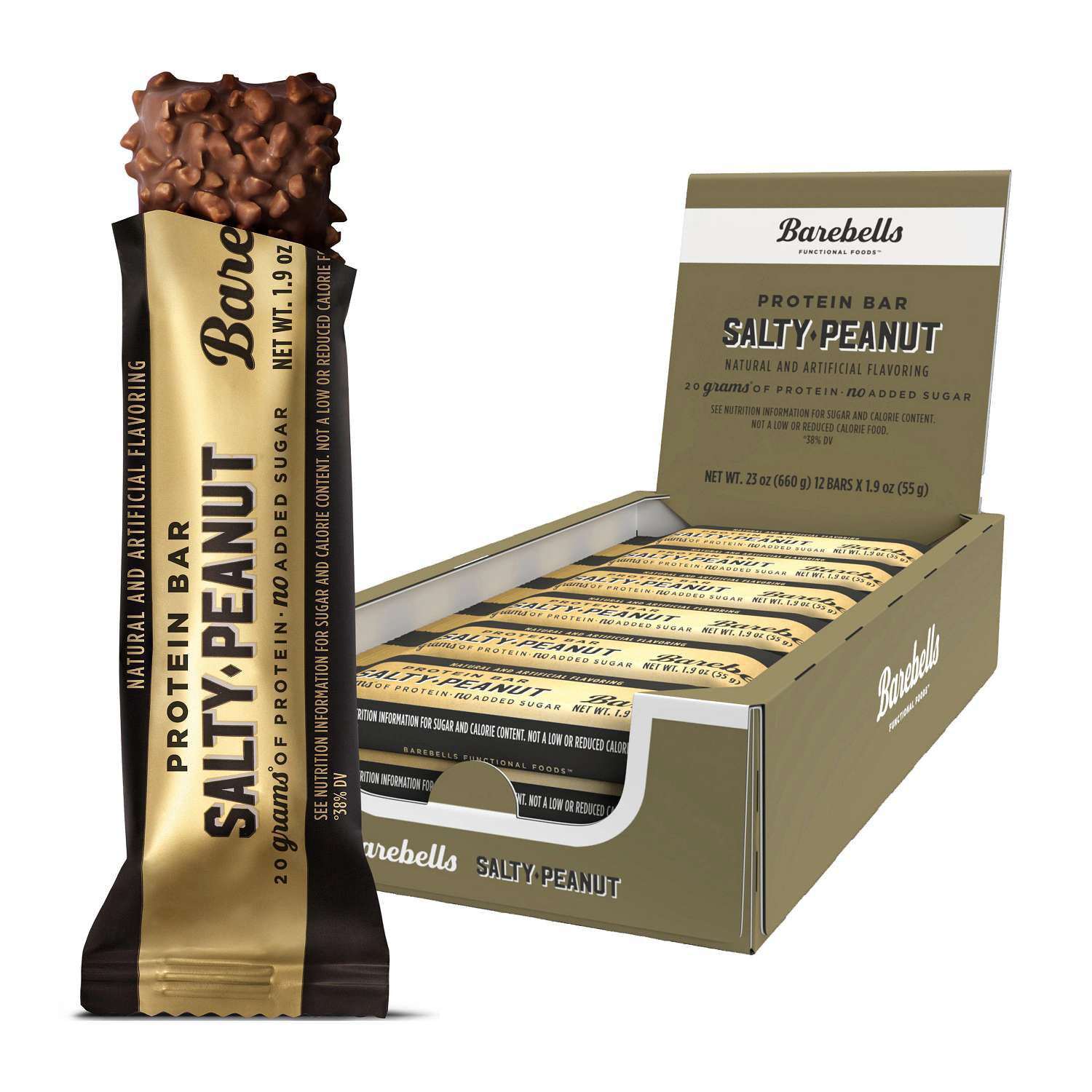 Barebells
-
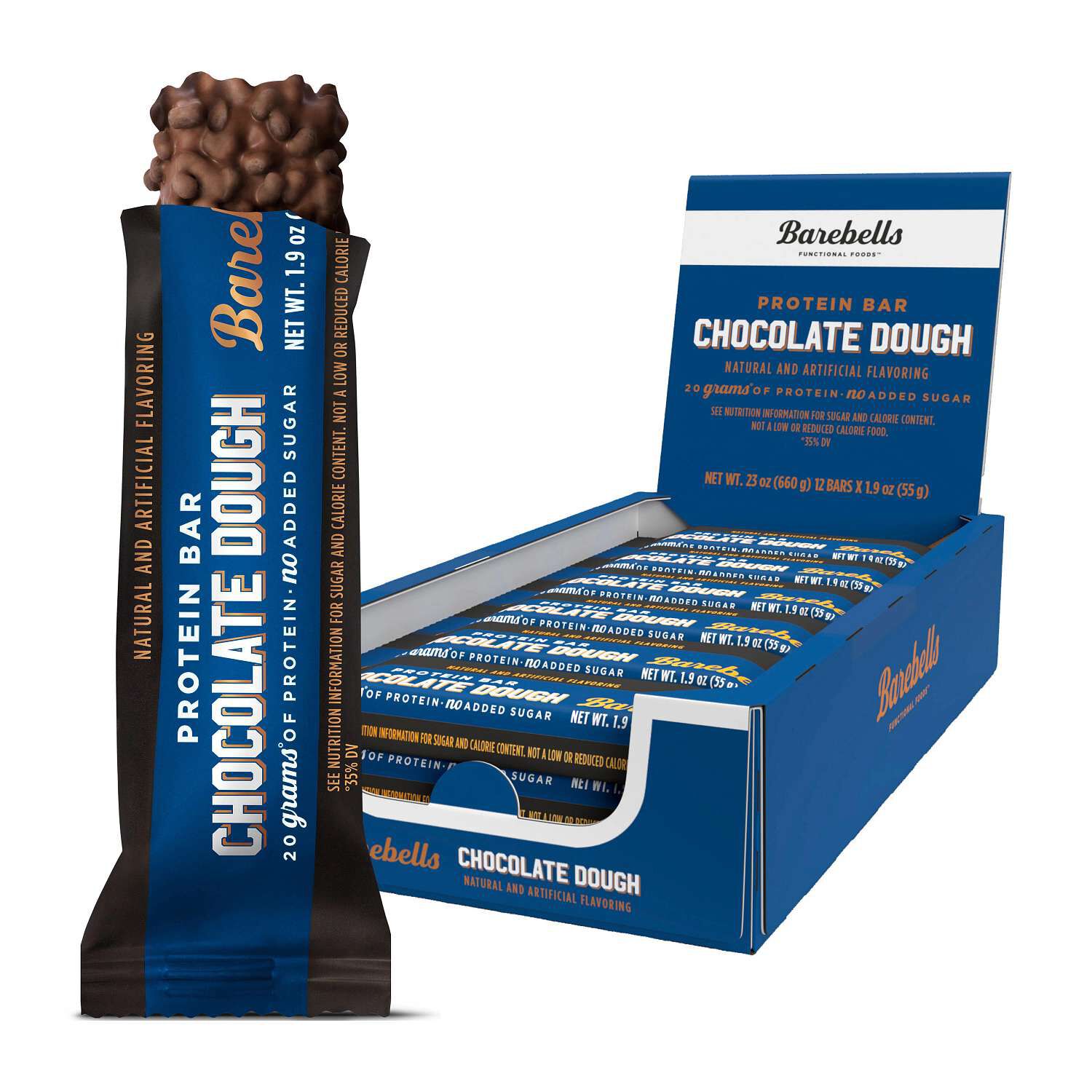 Barebells
-
 Barebells
Related Pages

Top Collections
- Daily Collagen Supplements | Top Brands & Deals | GNC
- Cortisol Supplements
- Top Rated Collagen | Shop Customer Favorites | GNC
- Vitamins For Hair Loss
- NAD+ Supplement Tablets
- Peptide Supplements
- Best Brand of Magnesium Glycinate
- Protein Powders For Muscle Growth Support
- Vitamins That Help Support Weight Gain
- Peptide Supplements for Muscle Growth