





Weight Loss Aids For Beginners
(0 Results)
Exploring weight loss aids for beginners could be a helpful first step on your wellness journey. With a variety of options available, finding the right support may make it easier to stay motivated and focused on your goals. These products are designed with newcomers in mind, offering approachable choices that might fit seamlessly into daily routines. Discover how weight loss aids for beginners may complement balanced nutrition and regular physical activity as you work toward your personal best.
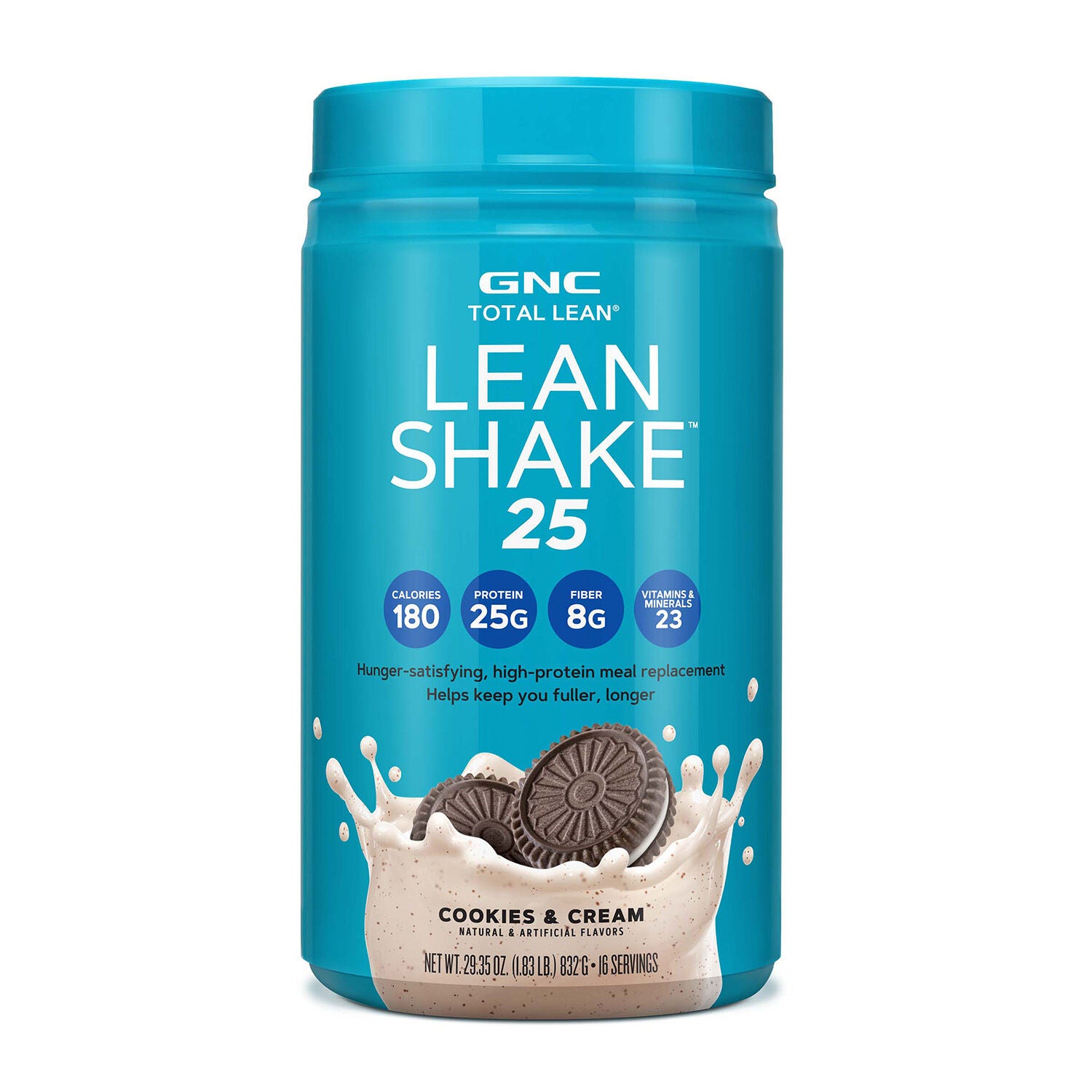
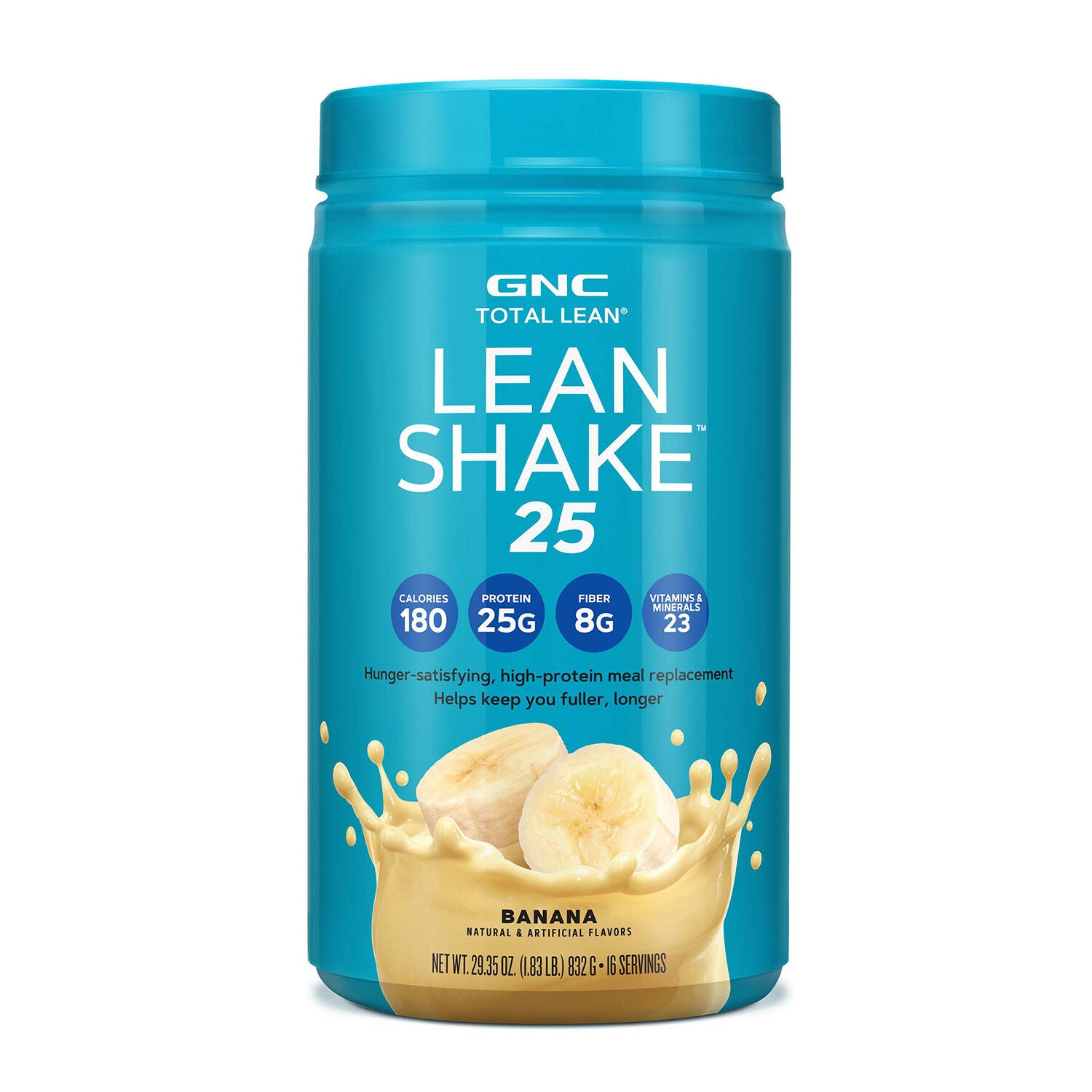
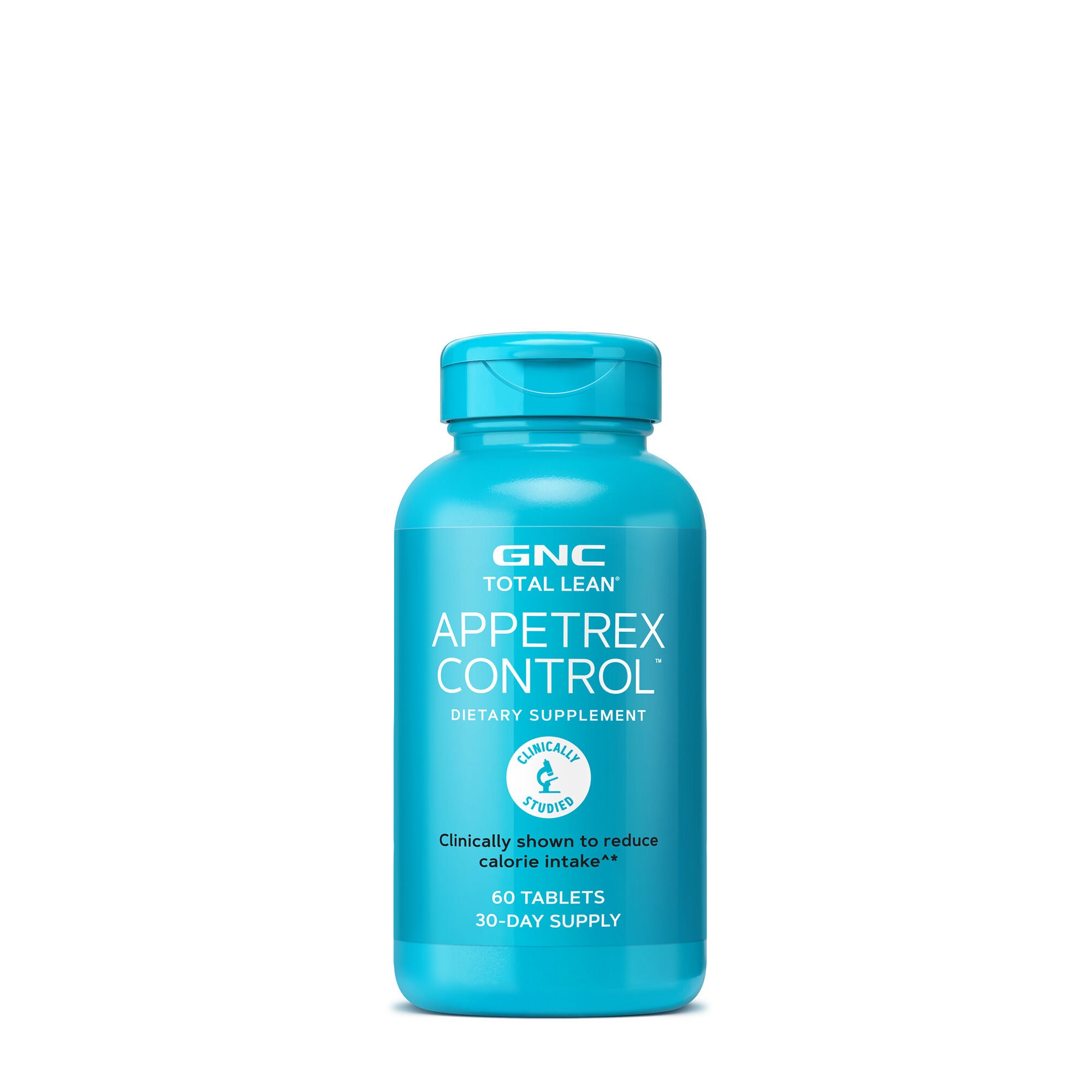
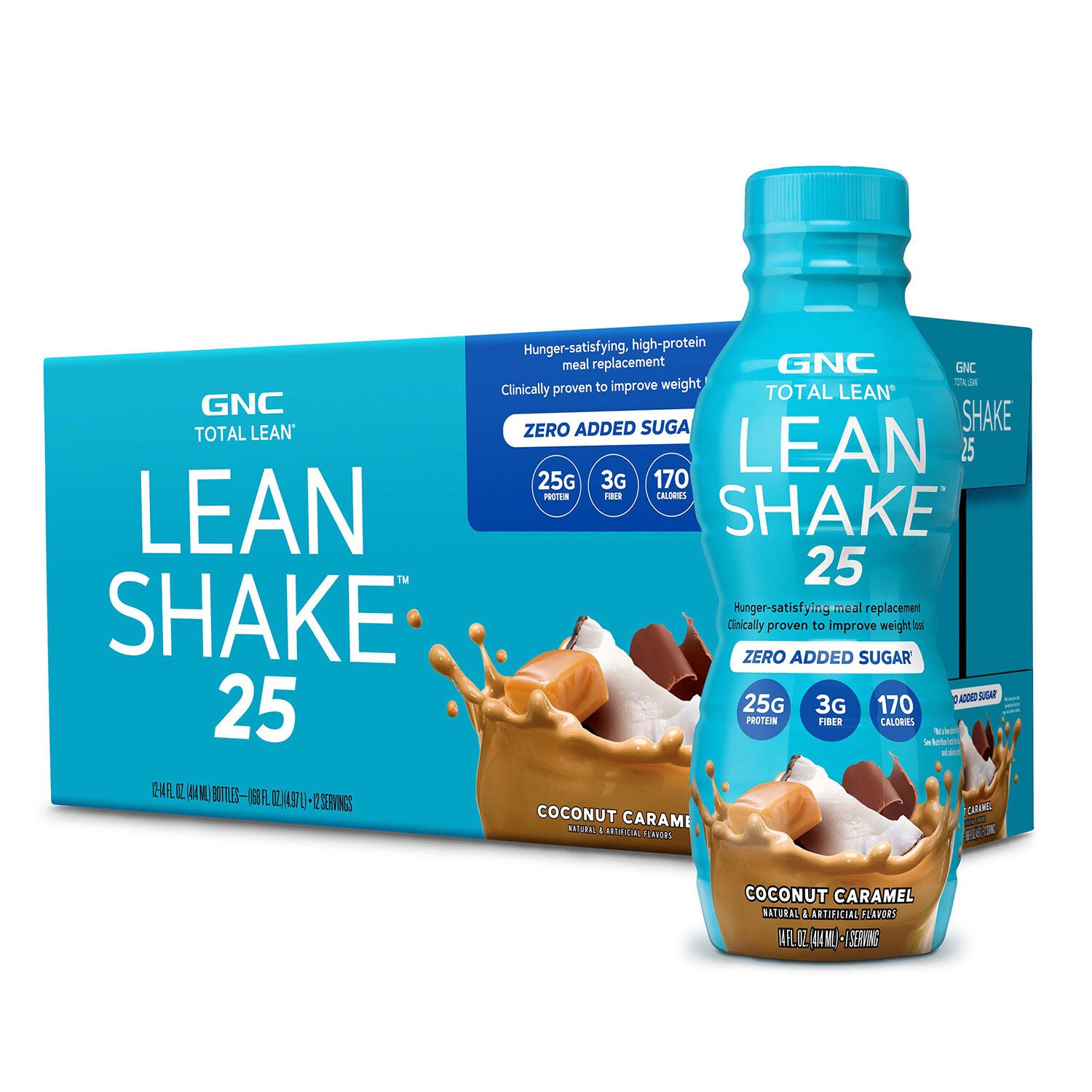
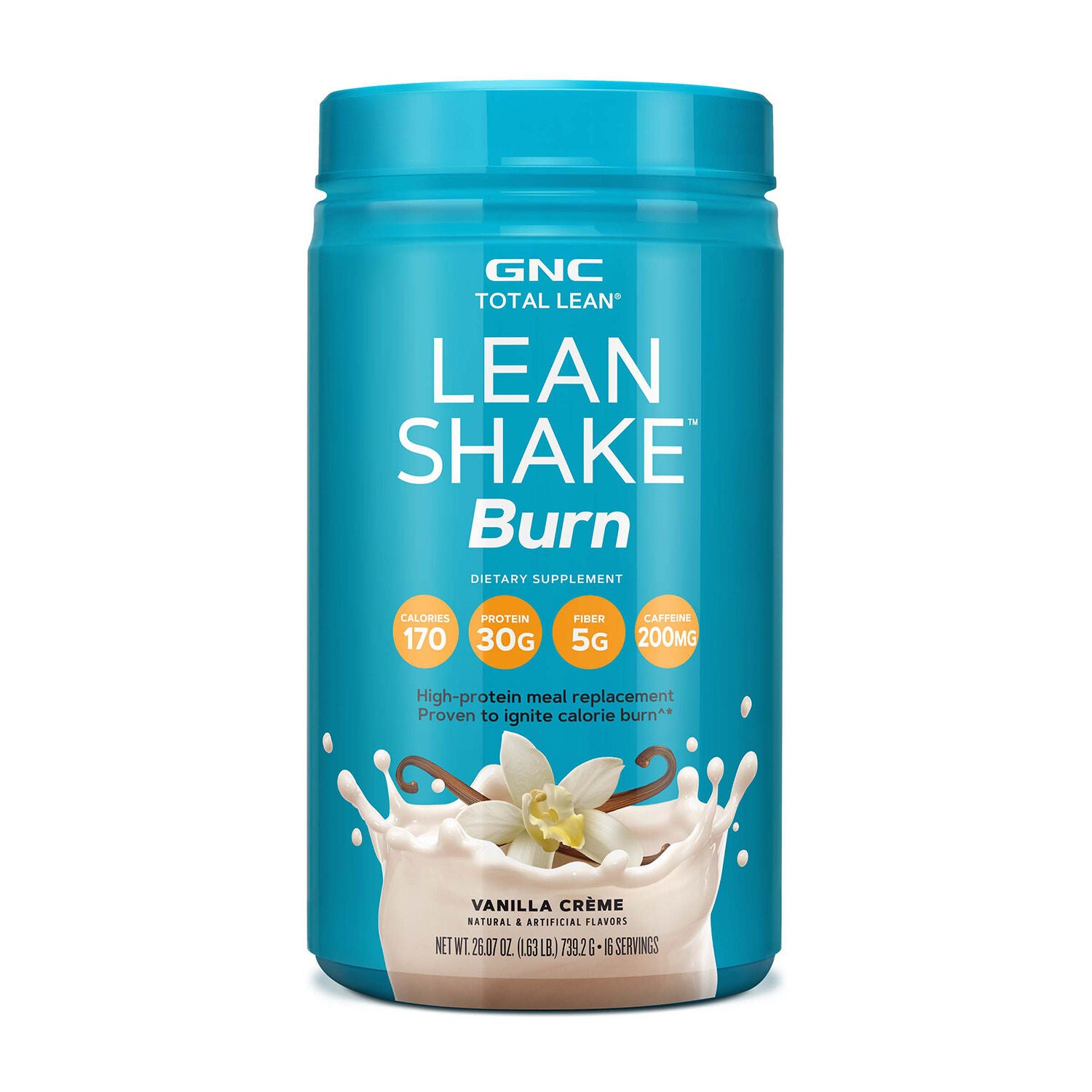

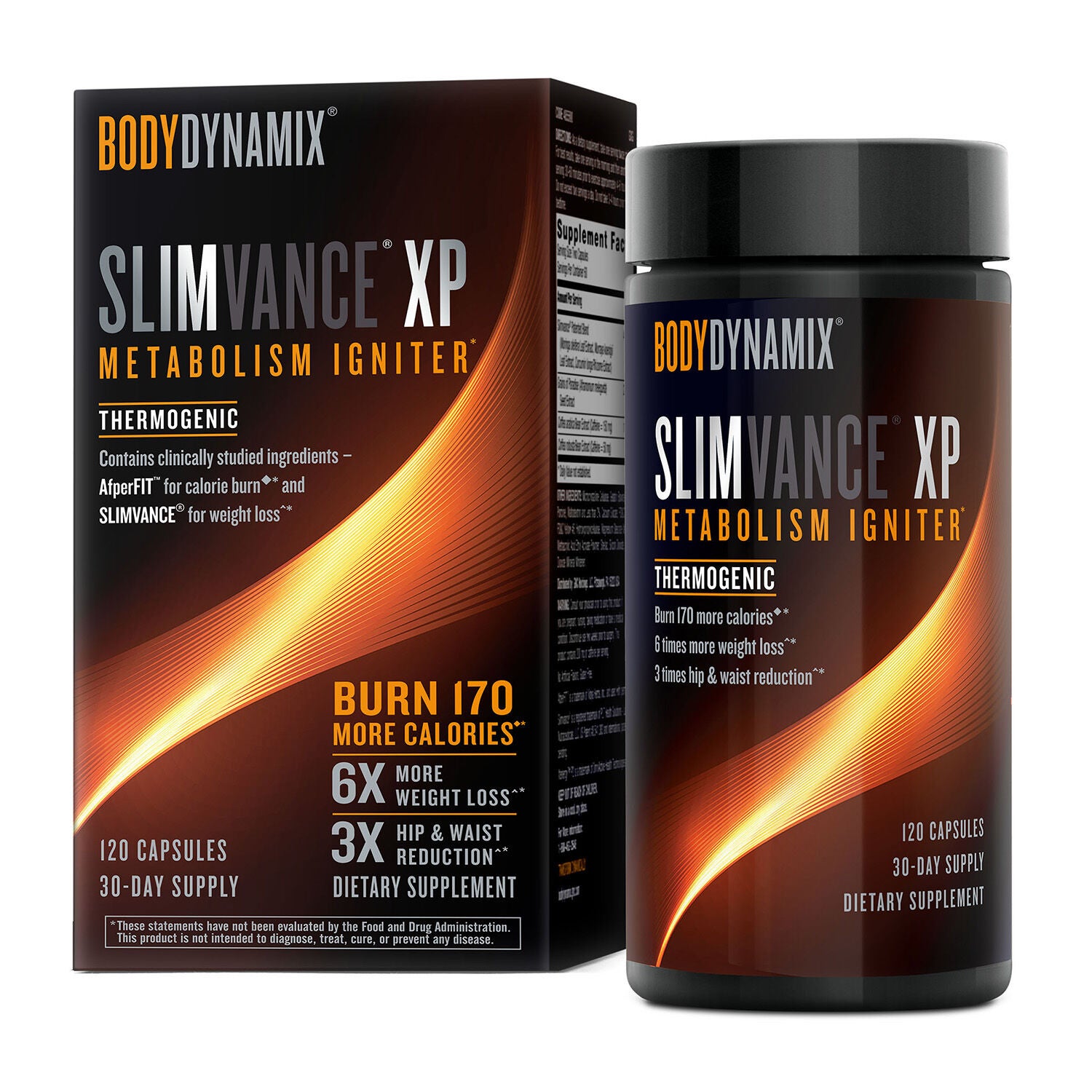
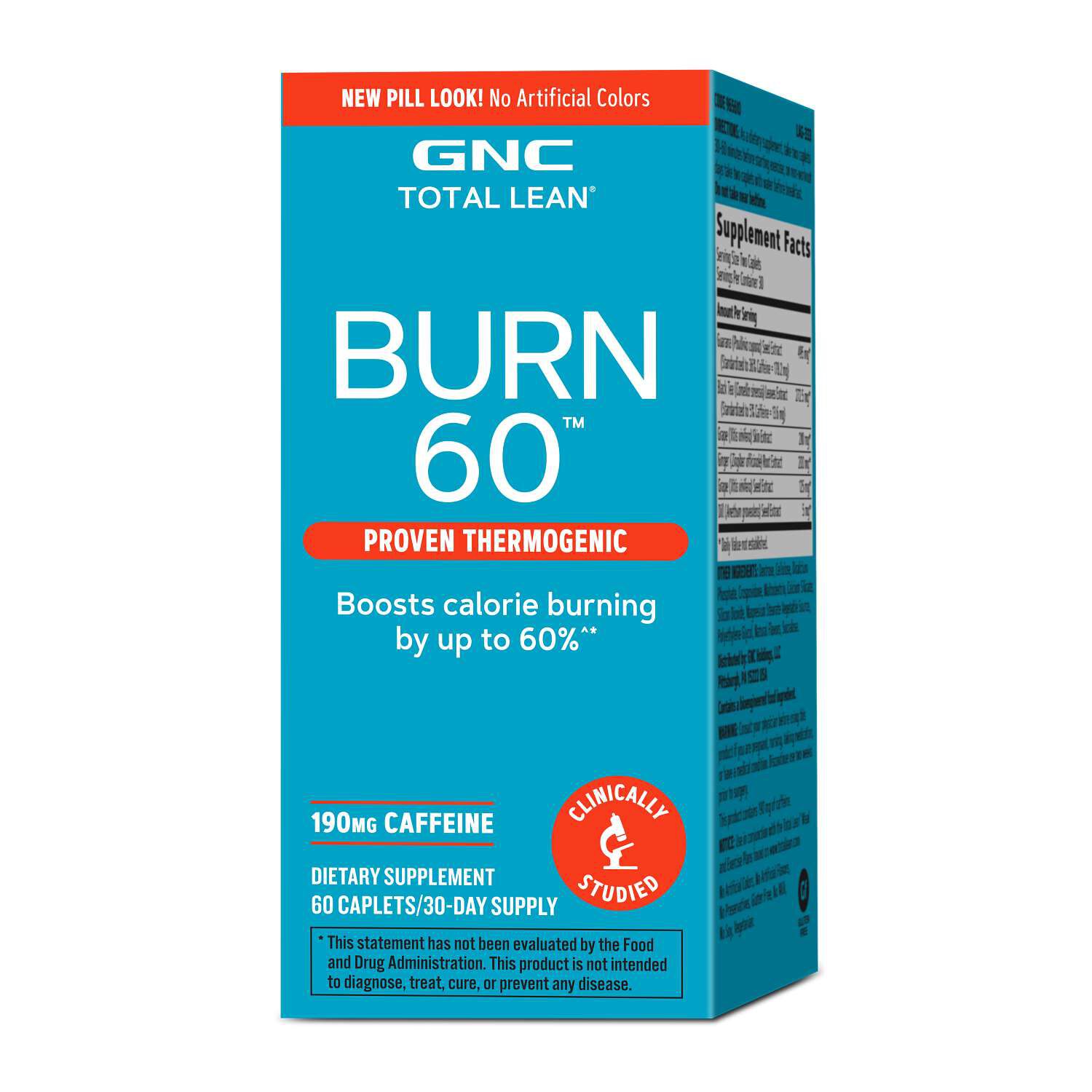
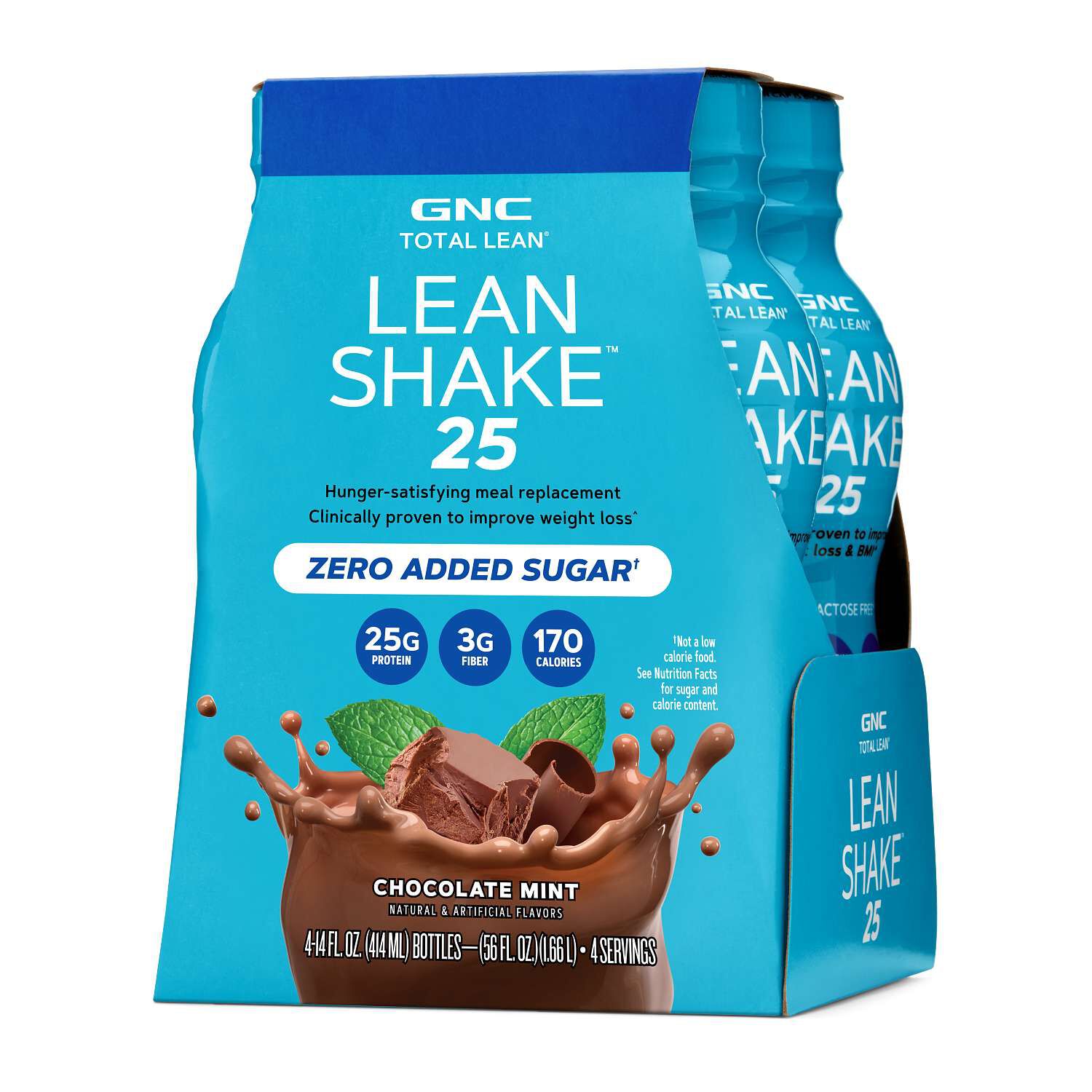

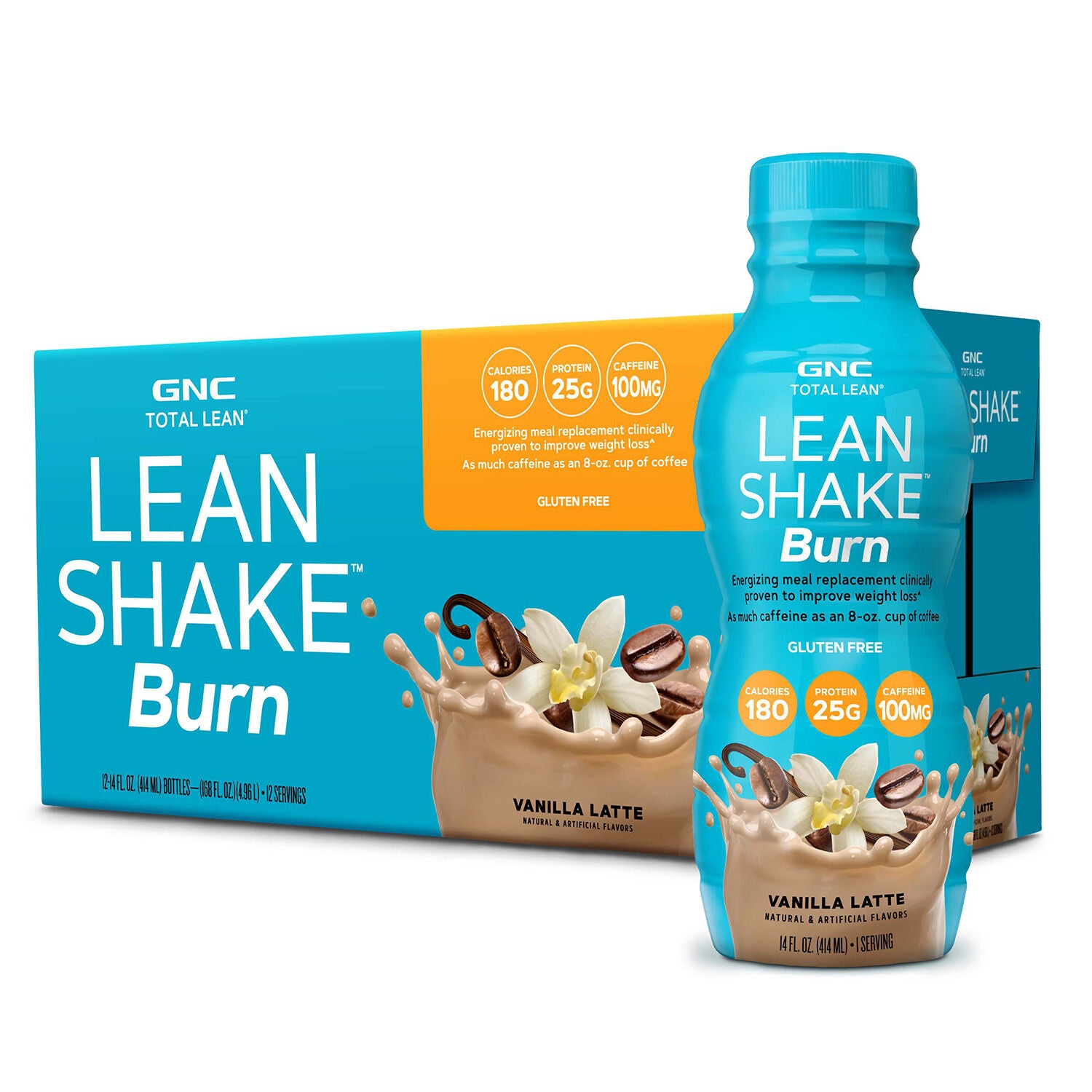
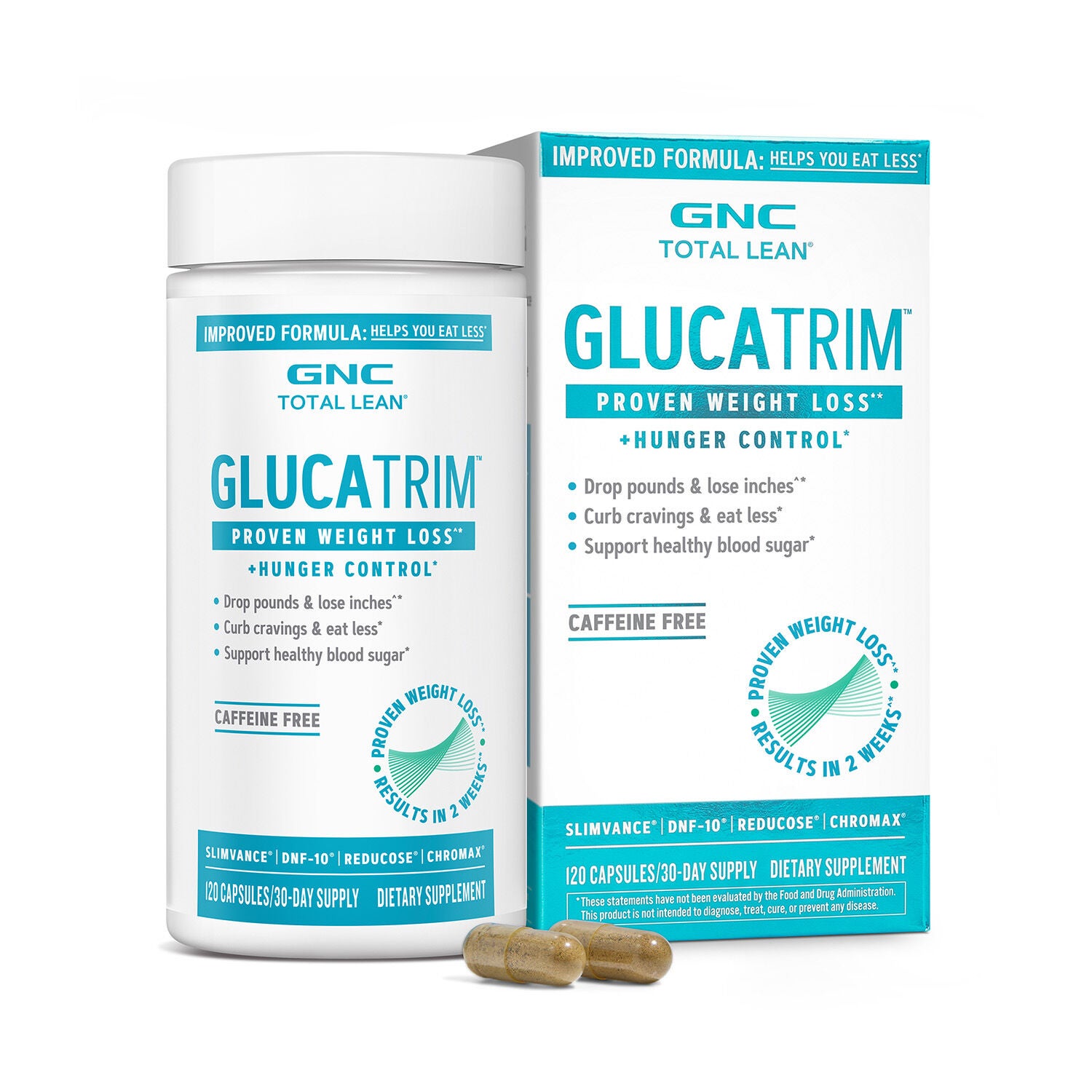
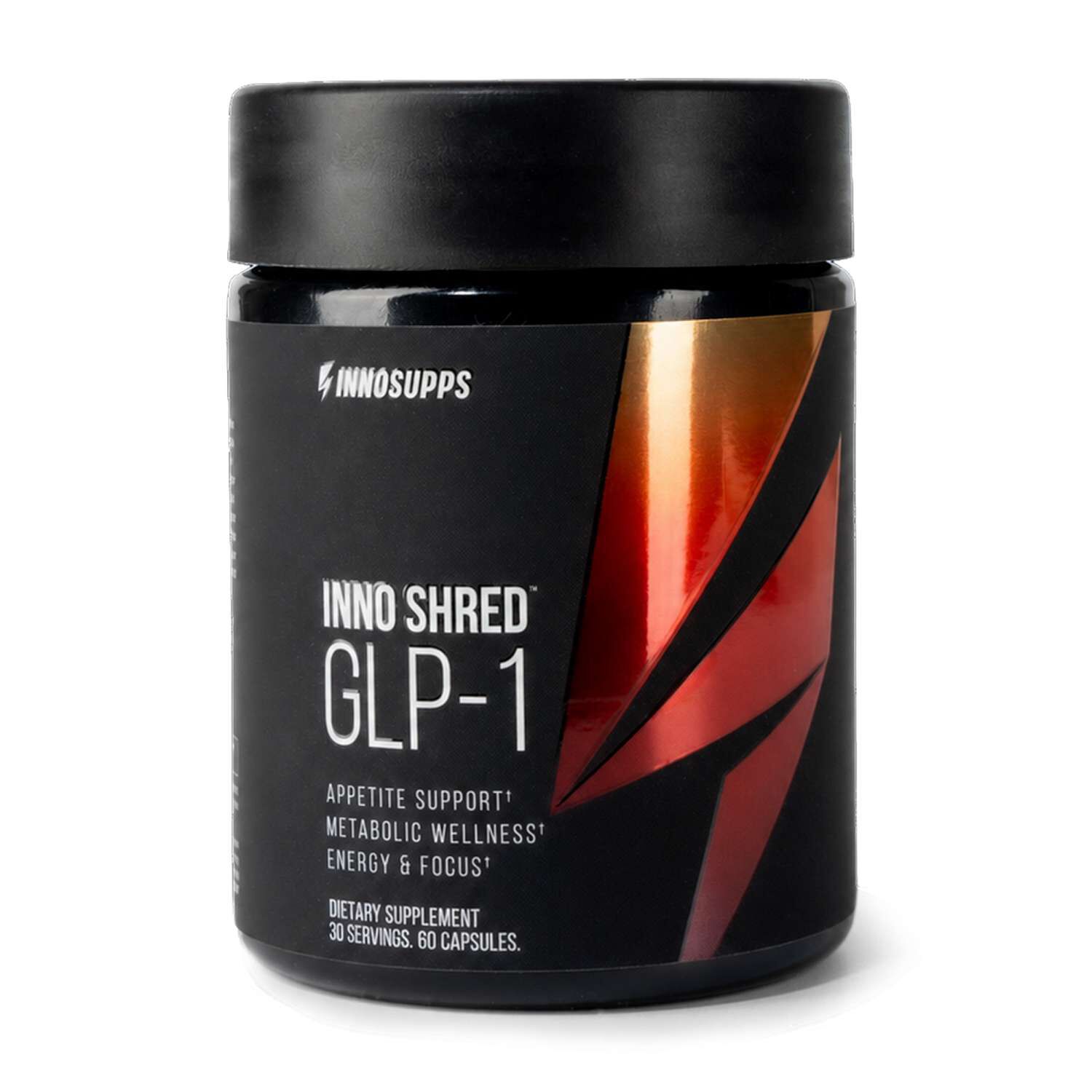

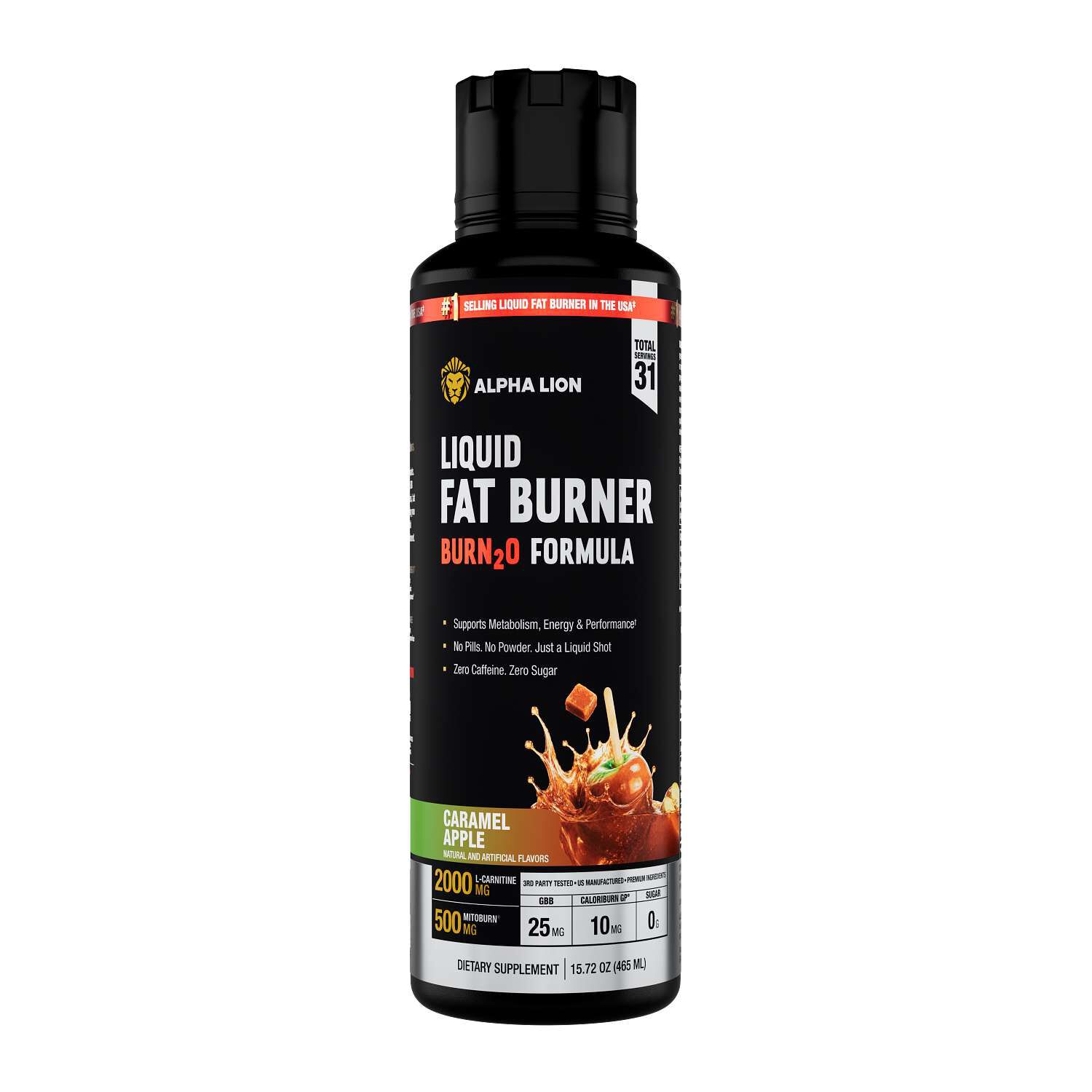
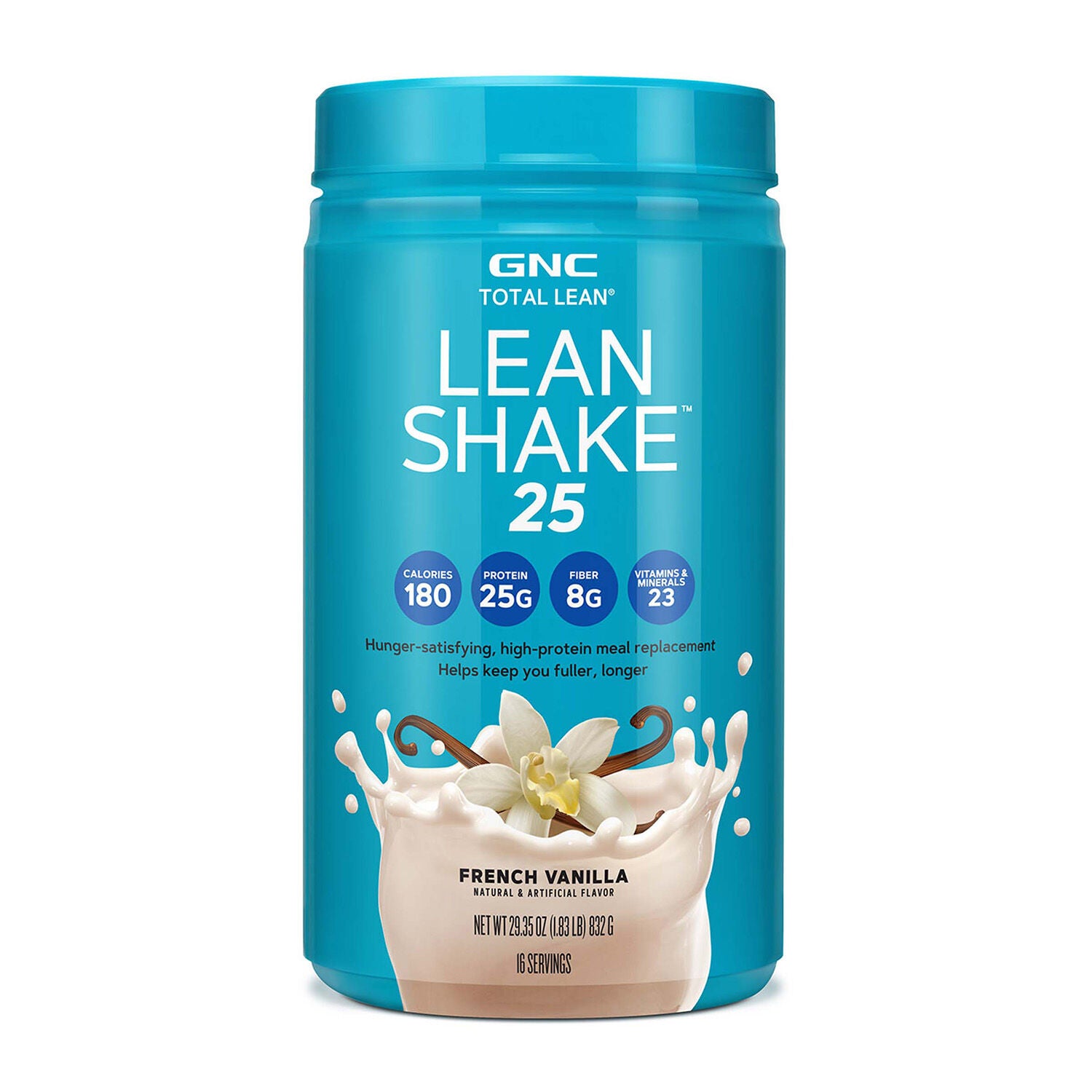
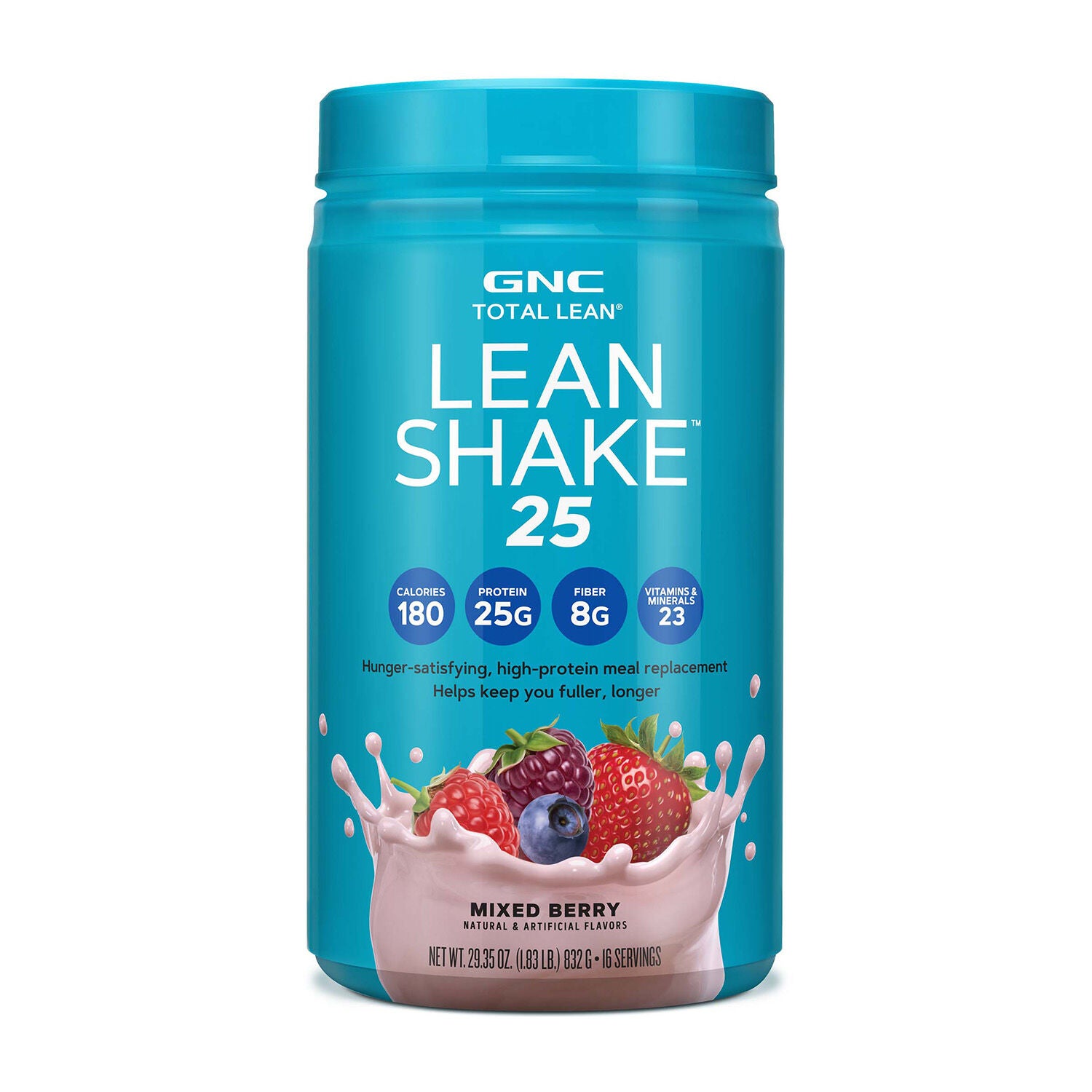

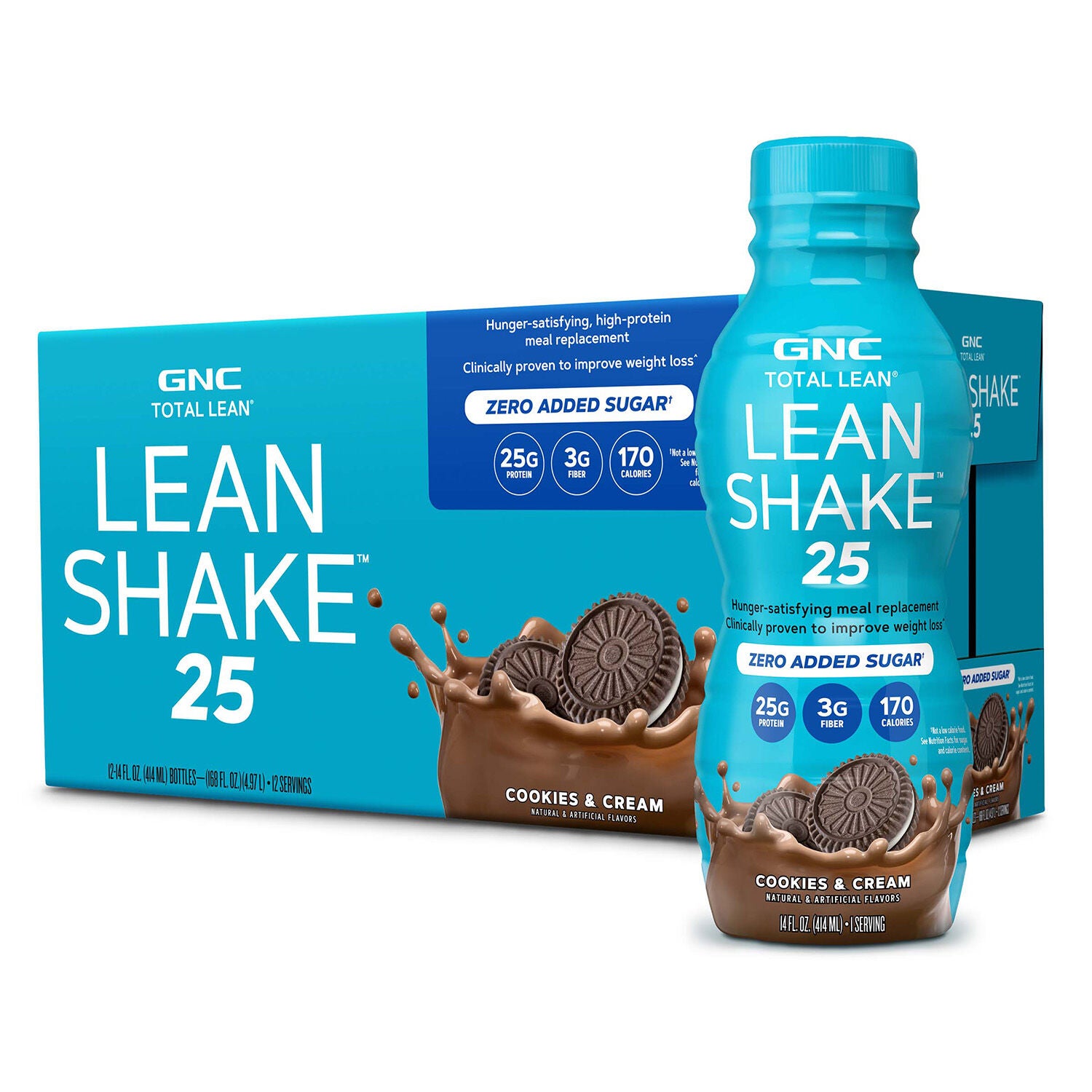
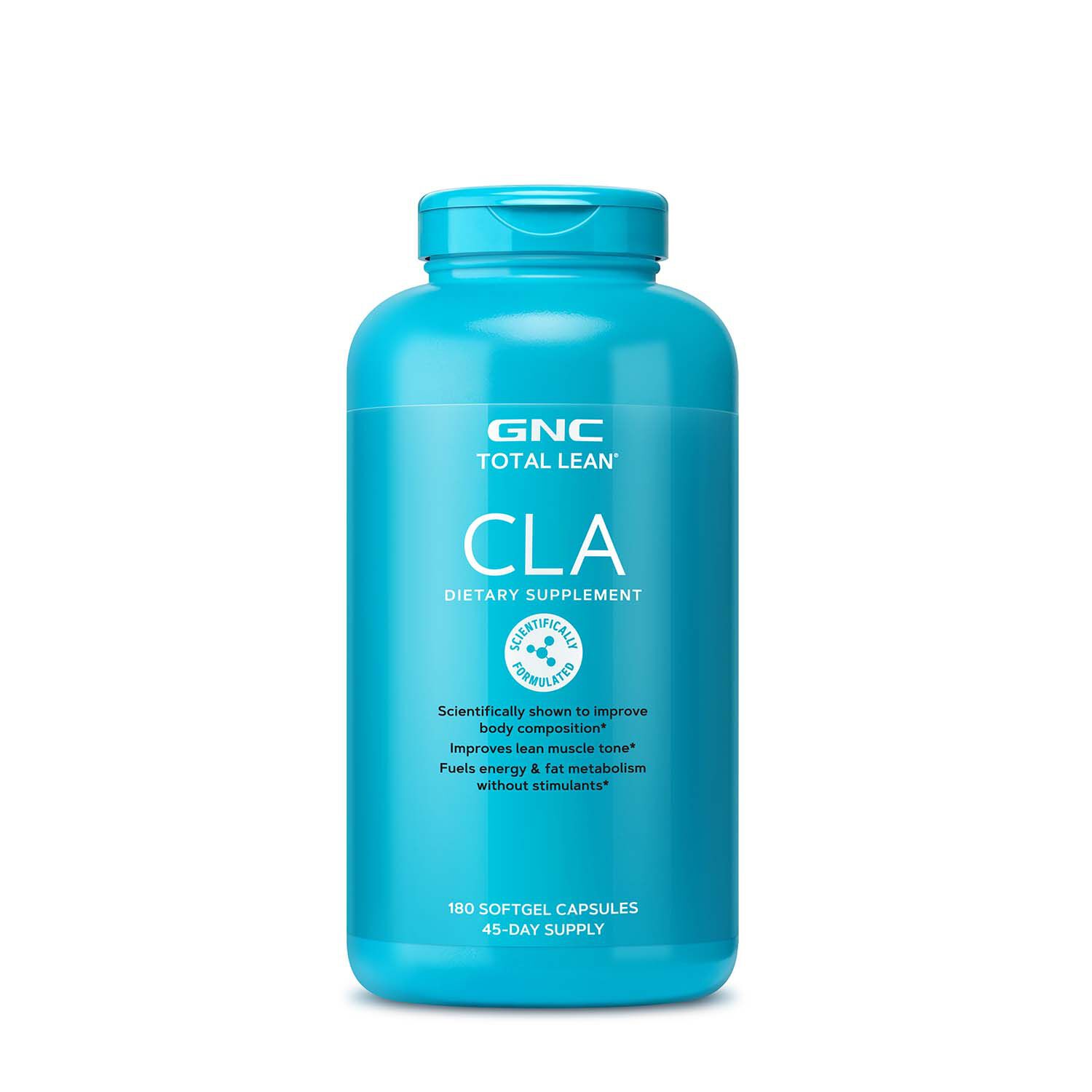
Weight loss aids for beginners encompass a range of nutrition products and dietary supplements intended for adults exploring weight management. The category can include protein powders, fiber supplements, drink mixes, and capsules, but these formats serve different purposes and should not be treated as interchangeable. A protein powder is a way to add protein to a meal or snack, while a fiber supplement provides a specified amount of dietary fiber per serving. Products marketed specifically for weight management may contain blends of botanical extracts, caffeine, or other ingredients. Their placement in the same category does not mean they offer the same benefits or have the same research behind them. Evidence for meaningful weight loss from many dietary supplements is limited, and a product description alone cannot establish what an individual will experience. For someone just beginning to browse, the most useful distinctions are often practical: what the product contains, how much constitutes a serving, how it is prepared, and whether its intended use fits an existing routine. A powder mixed into breakfast has a different role from a capsule taken according to its label. Neither should be viewed as a substitute for varied meals, regular movement, or adequate rest. Protein and fiber products may support fullness, although the experience can vary with the ingredient, serving size, and accompanying food. A nutrition shake is not automatically a meal replacement, either; its labeled purpose and nutrient content matter more than its flavor or package design. Beginner weight management products are best understood as possible additions to everyday habits rather than a separate system with a predictable outcome. Someone looking for a portable afternoon snack has different considerations from someone seeking a powder for home use, even when both are shopping within the same category. That distinction gives the assortment context without suggesting that every beginner needs a supplement.
Ingredients, serving information, and preparation requirements provide a clearer basis for comparison than prominent claims on the front of a container. Protein sources may include whey, casein, soy, pea, or rice, with differences in origin, taste, and texture. Milk-derived powders may have a creamy character, while some plant-based blends have a more noticeable grain or earthy flavor. Those characteristics matter when a drink becomes part of an ordinary morning: a powder that tastes pleasant in a blender recipe may feel quite different when stirred into water at a desk. Flavor preferences also extend beyond chocolate or vanilla to sweetness, aroma, and aftertaste. Ingredient lists identify sweeteners, added sugars, thickeners, and flavoring ingredients, while the Nutrition Facts or Supplement Facts panel shows the labeled serving and nutrient amounts. A scoop, packet, or capsule is not necessarily the full labeled serving, so package counts are most meaningful alongside the serving information. Fiber powders can differ in texture and mixing instructions, and some mixtures become thicker after preparation. The stated liquid amount and preparation directions are part of the product’s intended use, not incidental packaging details. Capsule formats avoid the taste and mixing considerations of powders, but capsule size, shell ingredients, and the number per serving introduce their own practical differences. For shoppers who avoid animal-derived ingredients, both the main ingredients and the capsule shell deserve attention. Gelatin, milk ingredients, and other animal-derived components can appear in formats that otherwise look similar to plant-based alternatives. The Vegan Weight Loss Aids collection offers a related category for shoppers comparing options that align with vegan preferences. Vegan labeling does not by itself describe calorie content, protein content, or suitability for an individual’s dietary needs. Likewise, a botanical ingredient is not automatically appropriate for everyone simply because it comes from a plant. Caffeine content, ingredient amounts, allergen statements, and label cautions remain relevant across plant-based and other formulations. Clear labeling makes those differences easier to assess without relying on assumptions about a product’s name or appearance.
Everyday fit also includes the less prominent details that become noticeable after a container reaches the kitchen counter. A large tub requires a measuring scoop, a place to store it, and a suitable cup or shaker; individual packets take up less room in a work bag but still require whatever preparation the label specifies. Ready-to-drink formats remove the mixing step, although storage instructions can differ before and after opening. For a person who leaves home early, the distinction between opening a bottle and washing a blender can matter more than an extensive flavor selection. Someone who prefers eating breakfast may find a powder intended for mixing into food more compatible with that routine than a separate beverage. These are questions of intended use and personal preference, not evidence that one format produces better weight management results. Packaging and care deserve similar attention. Secure closures, readable serving directions, and a scoop that can be stored without making a mess are practical details for repeated use. Product quality over time depends in part on following the stated storage conditions, keeping containers properly closed, and observing the date and handling information on the package. Prepared drinks may have different storage requirements from dry powders, so the original label remains important even when a product is used regularly. For beginners comparing several supplements, overlapping ingredients are another meaningful distinction; different names and formats can contain some of the same substances. Label warnings, age restrictions, and directions should remain part of the purchasing decision, and personalized suitability is beyond what a category description can establish. Weight management is also personal, which makes these products more appropriate as a self-directed purchase than an unsolicited gift. A thoughtful selection starts with a clearly defined purpose, whether that is a convenient source of protein, a labeled source of fiber, or another nutrition preference. The most relevant beginner weight loss aids are those whose contents, preparation, and intended role are understandable, with realistic expectations about what a supplement may contribute to a broader routine.
Best Sellers
-
 GNC Total Lean
 -
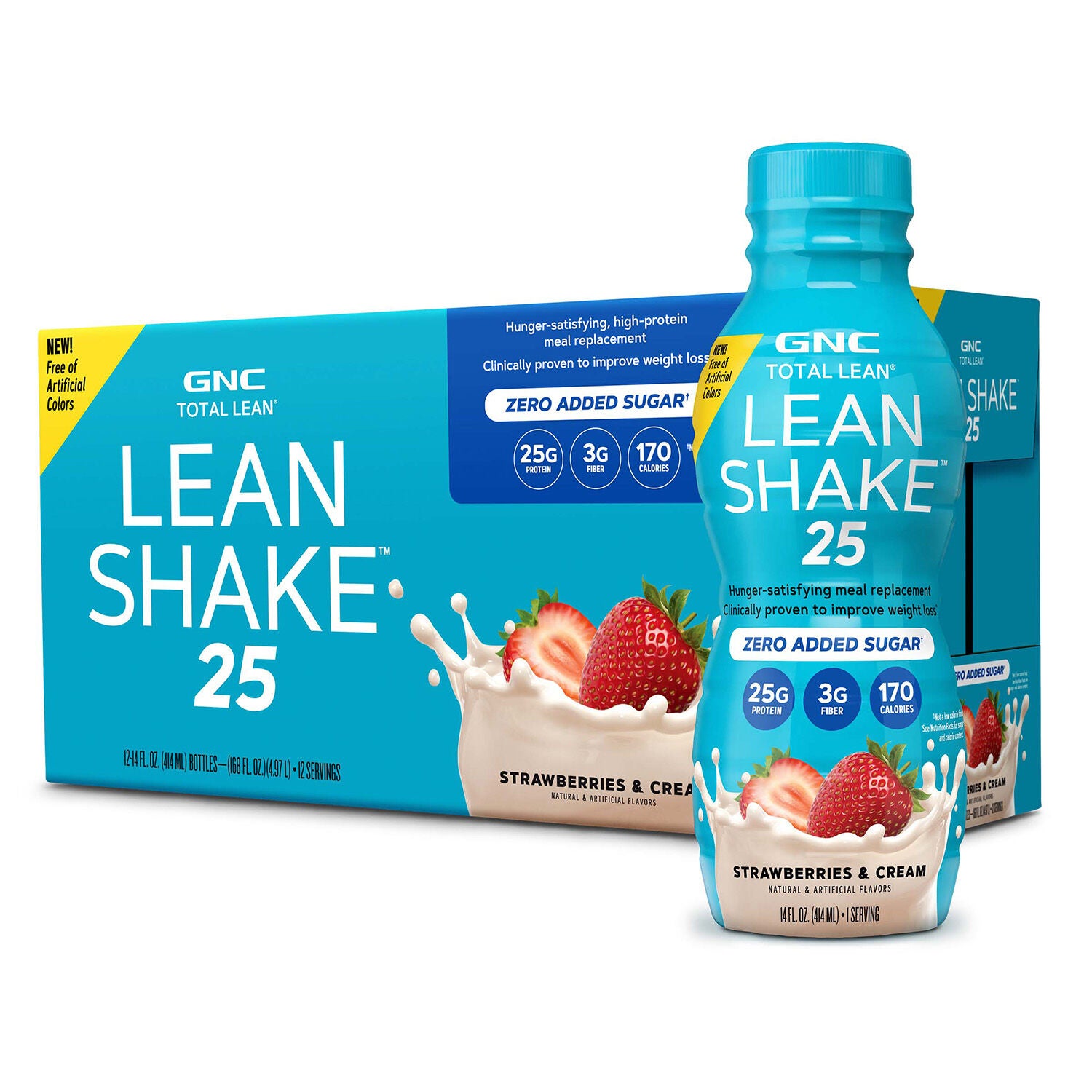 GNC Total Lean
 -
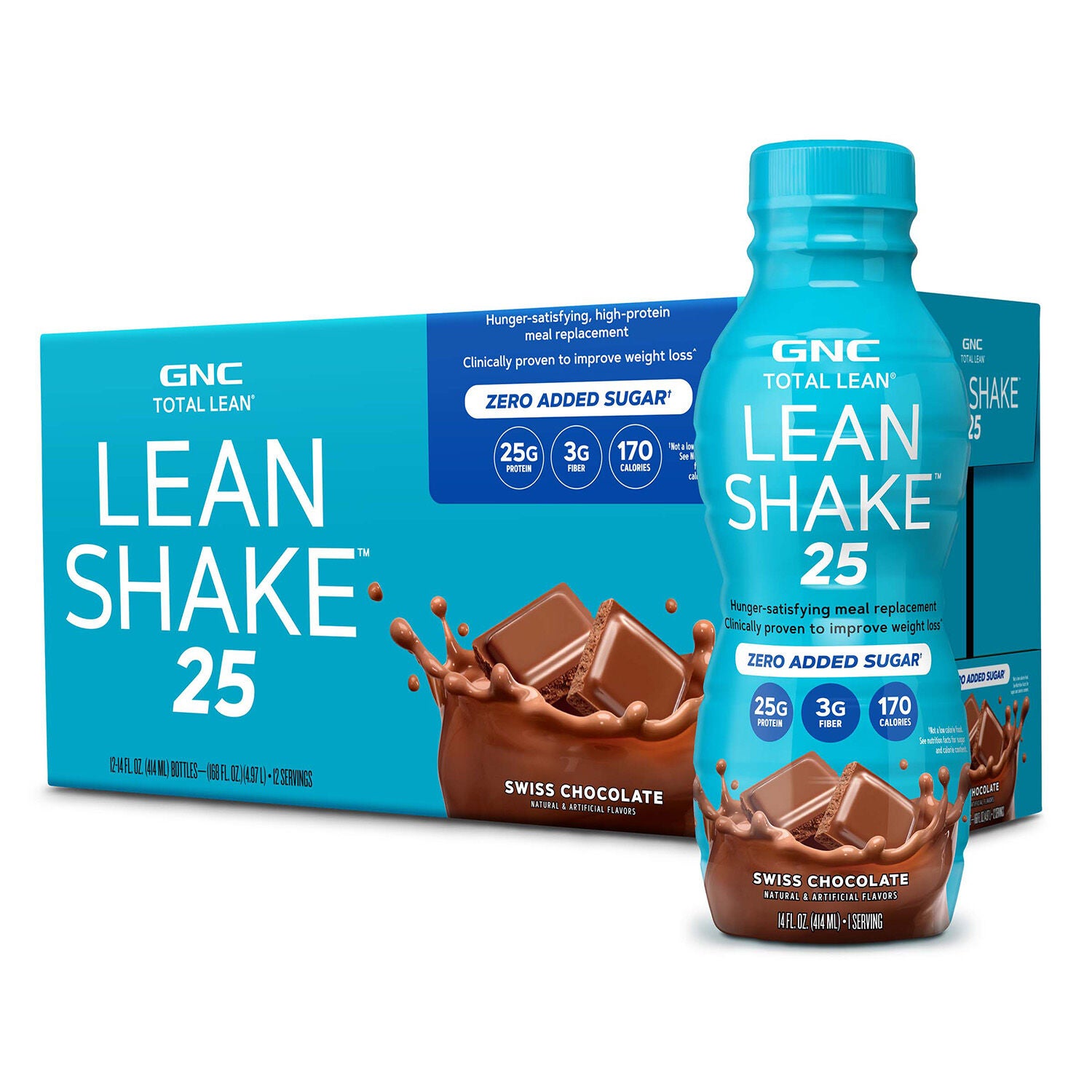 GNC Total Lean
 -
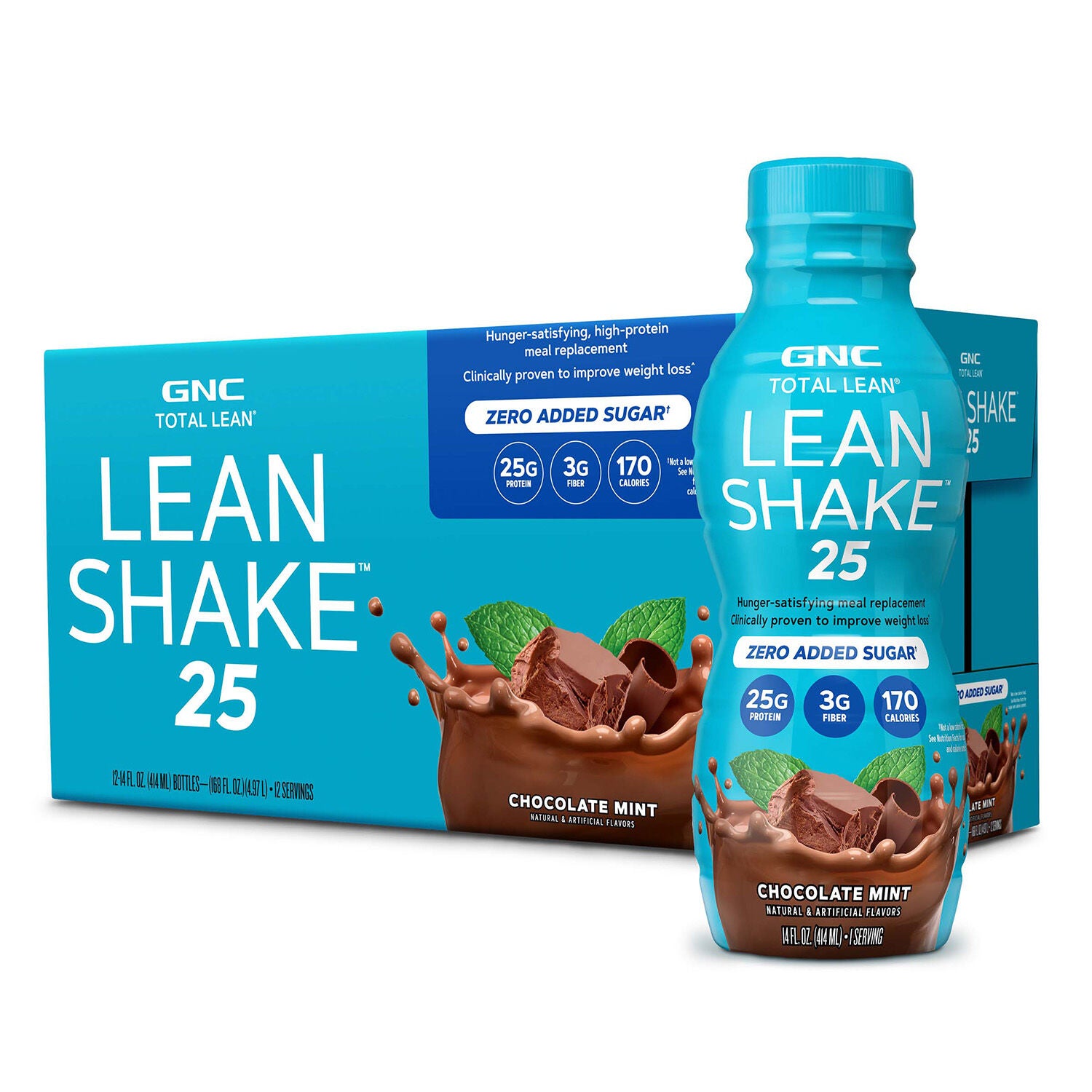 GNC Total Lean
Related Pages
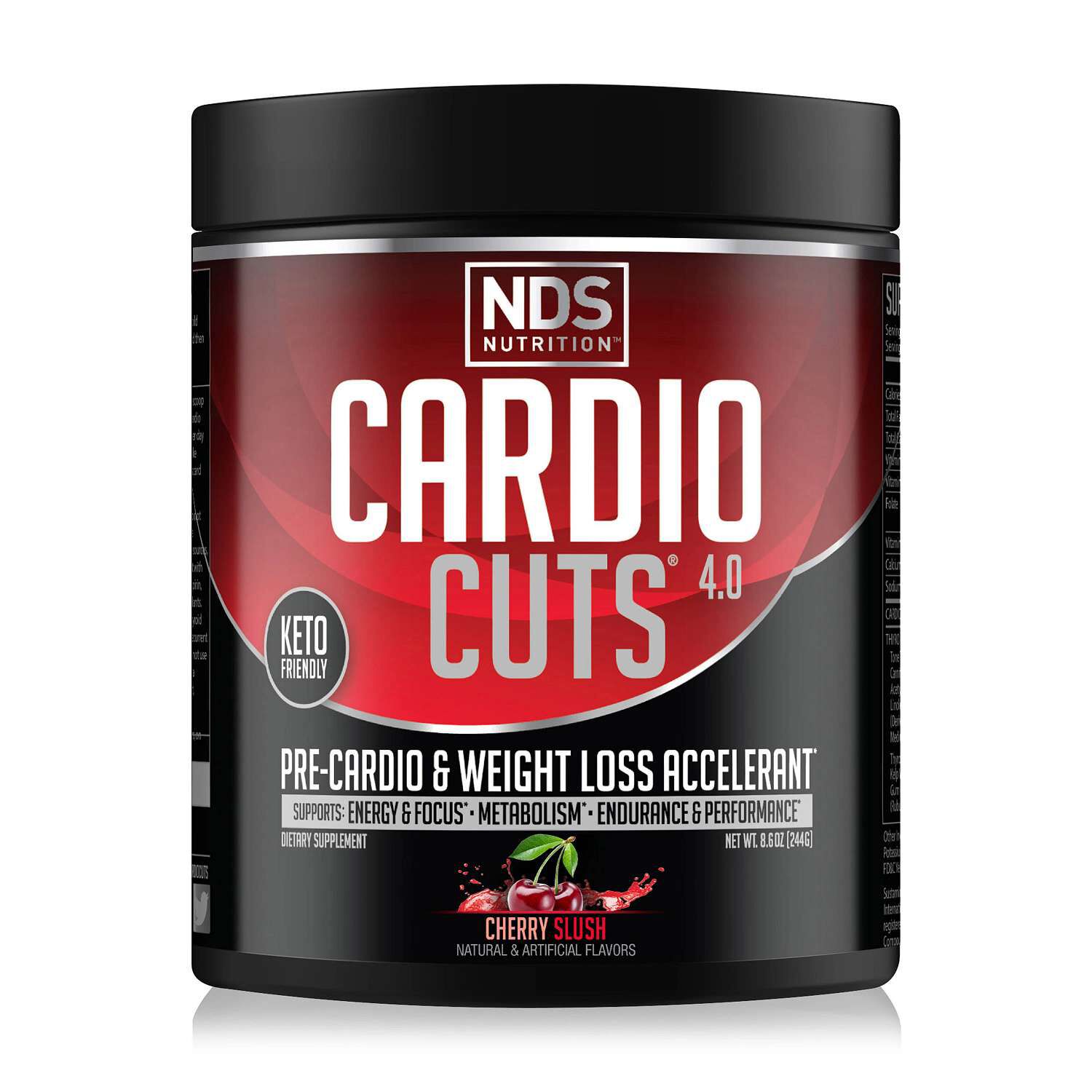

Top Collections
- Daily Collagen Supplements | Top Brands & Deals | GNC
- Cortisol Supplements
- Top Rated Collagen | Shop Customer Favorites | GNC
- Vitamins For Hair Loss
- NAD+ Supplement Tablets
- Peptide Supplements
- Best Brand of Magnesium Glycinate
- Protein Powders For Muscle Growth Support
- Vitamins That Help Support Weight Gain
- Peptide Supplements for Muscle Growth