Weight Loss Supplements For Waist Reduction
(0 Results)
Discover a curated selection of weight loss supplements for waist reduction, designed to support your wellness journey and complement your healthy lifestyle choices. Whether you’re looking to enhance your fitness routine or seeking new ways to help achieve your goals, these supplements may offer the extra boost you need. Explore options that could fit seamlessly into your daily regimen as you focus on maintaining a balanced diet and regular exercise for optimal results.
-

-
 2,035$119.99
 -
-
-

-

-
-
-
-

-

-

-
-
-

-

-
-
-
-

-
-
-

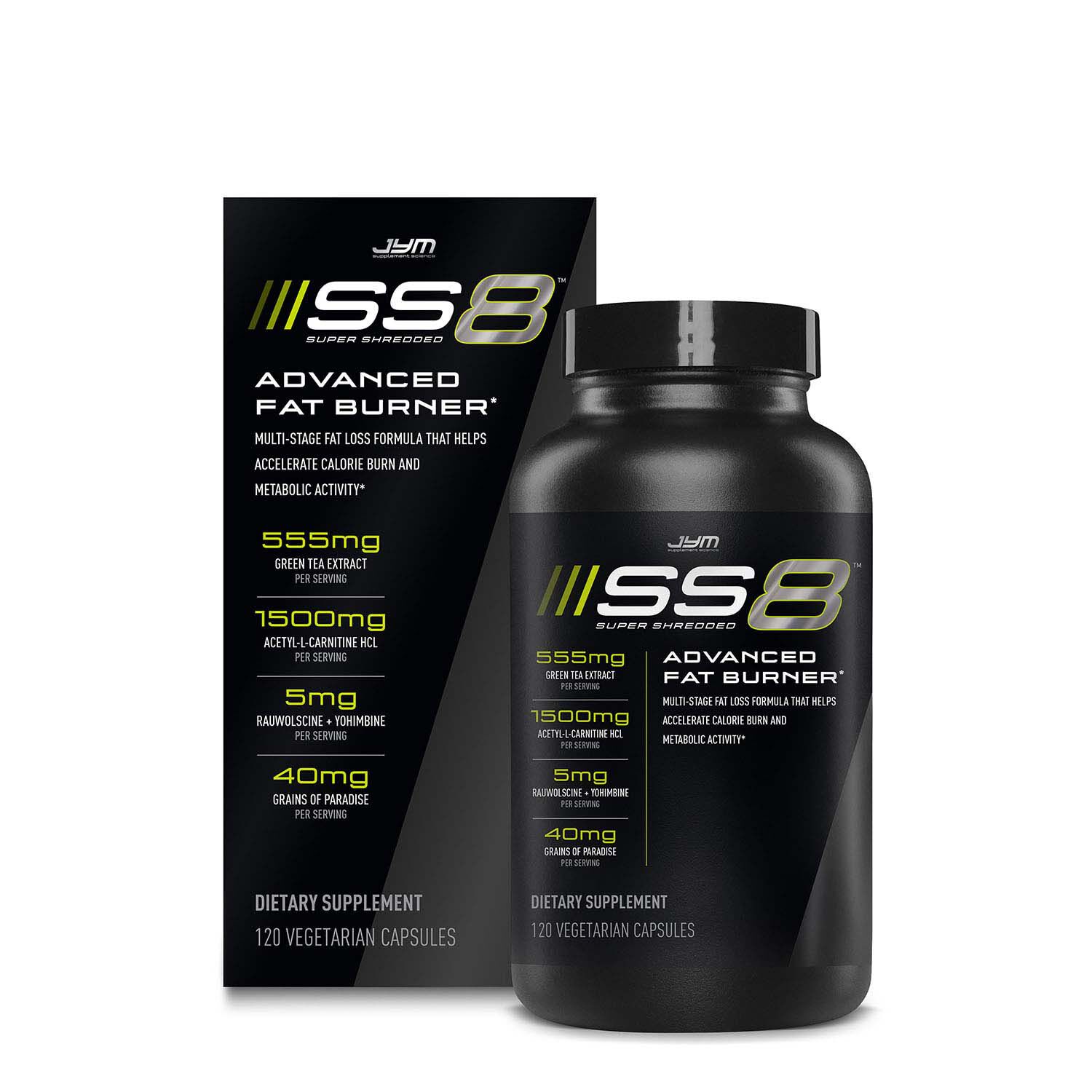
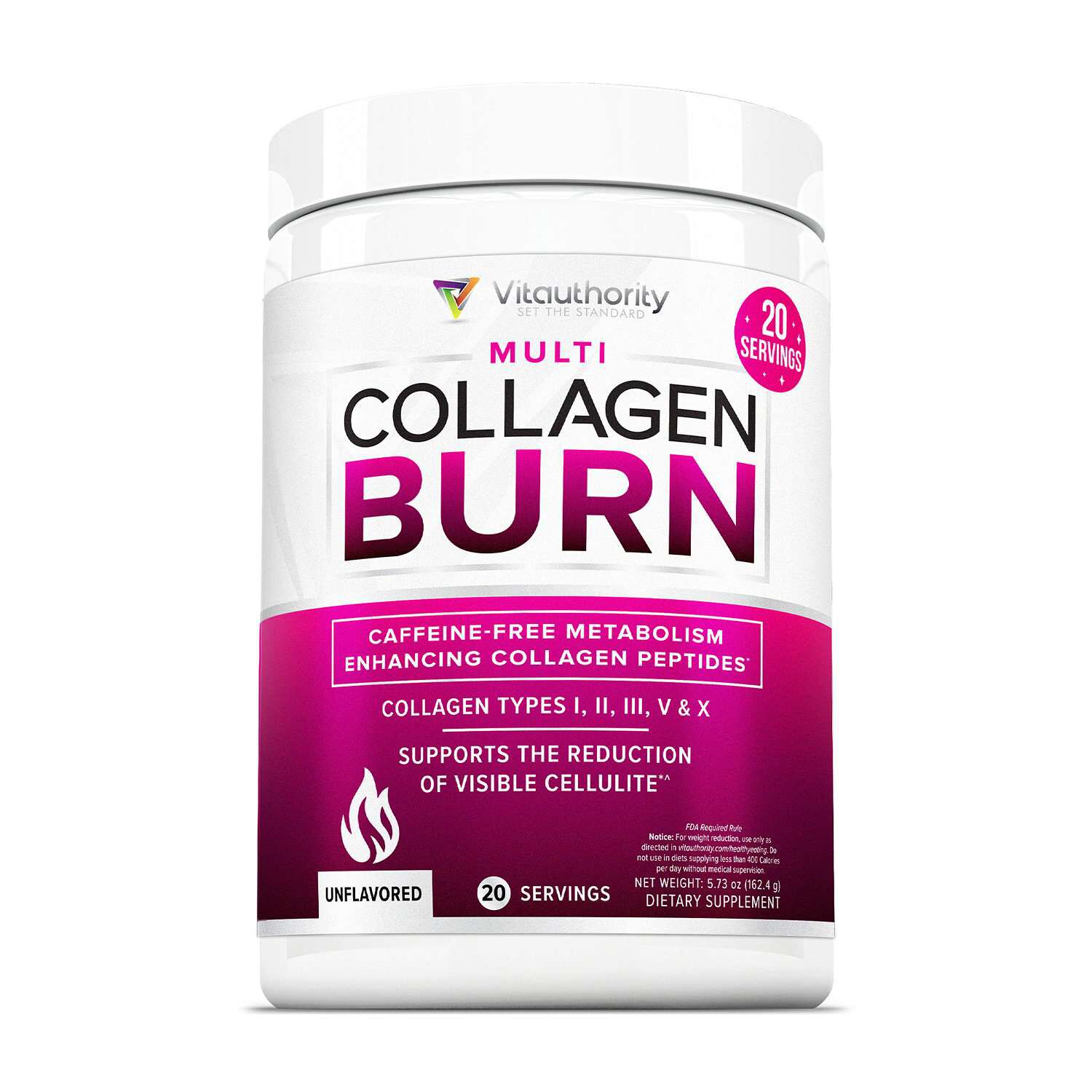
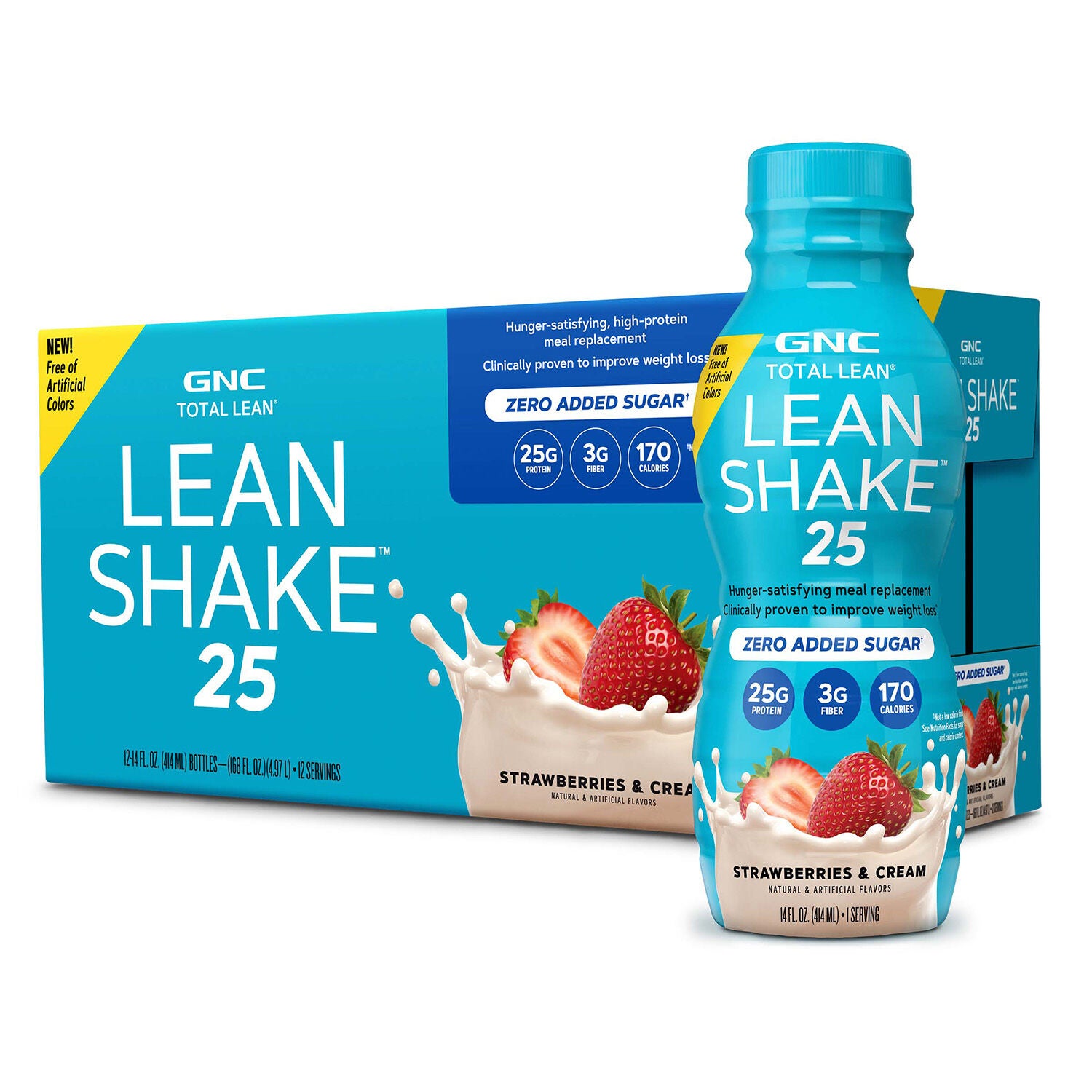
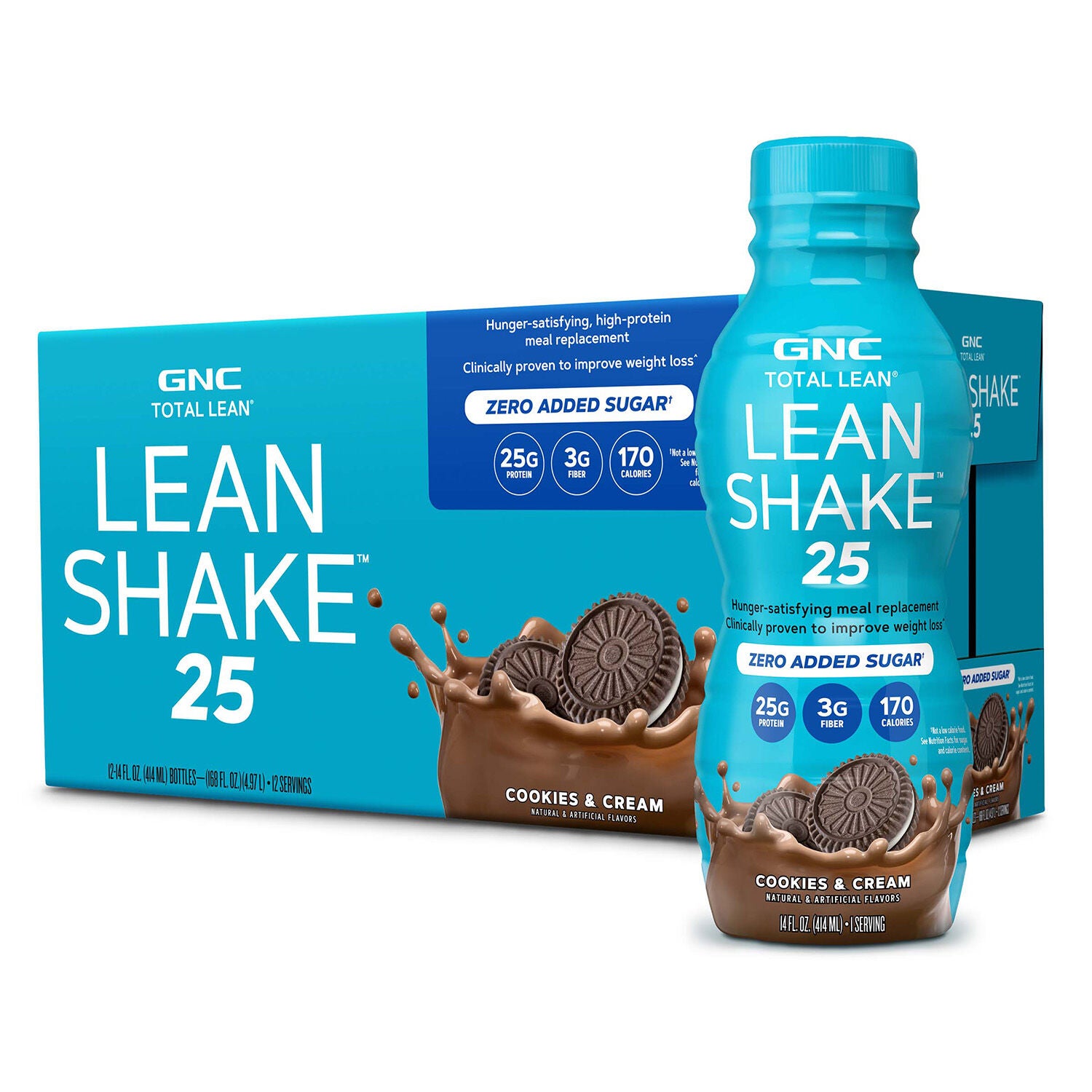
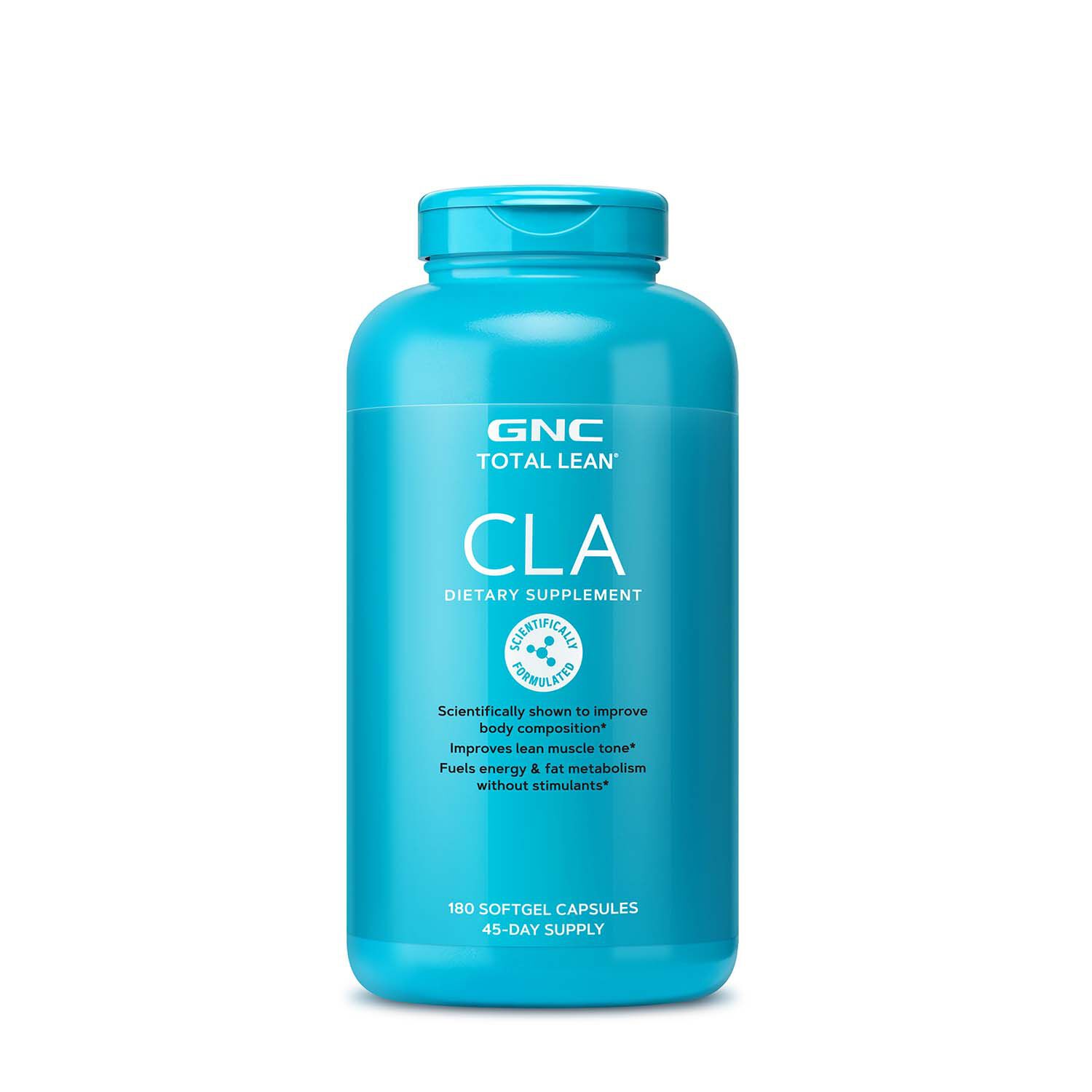
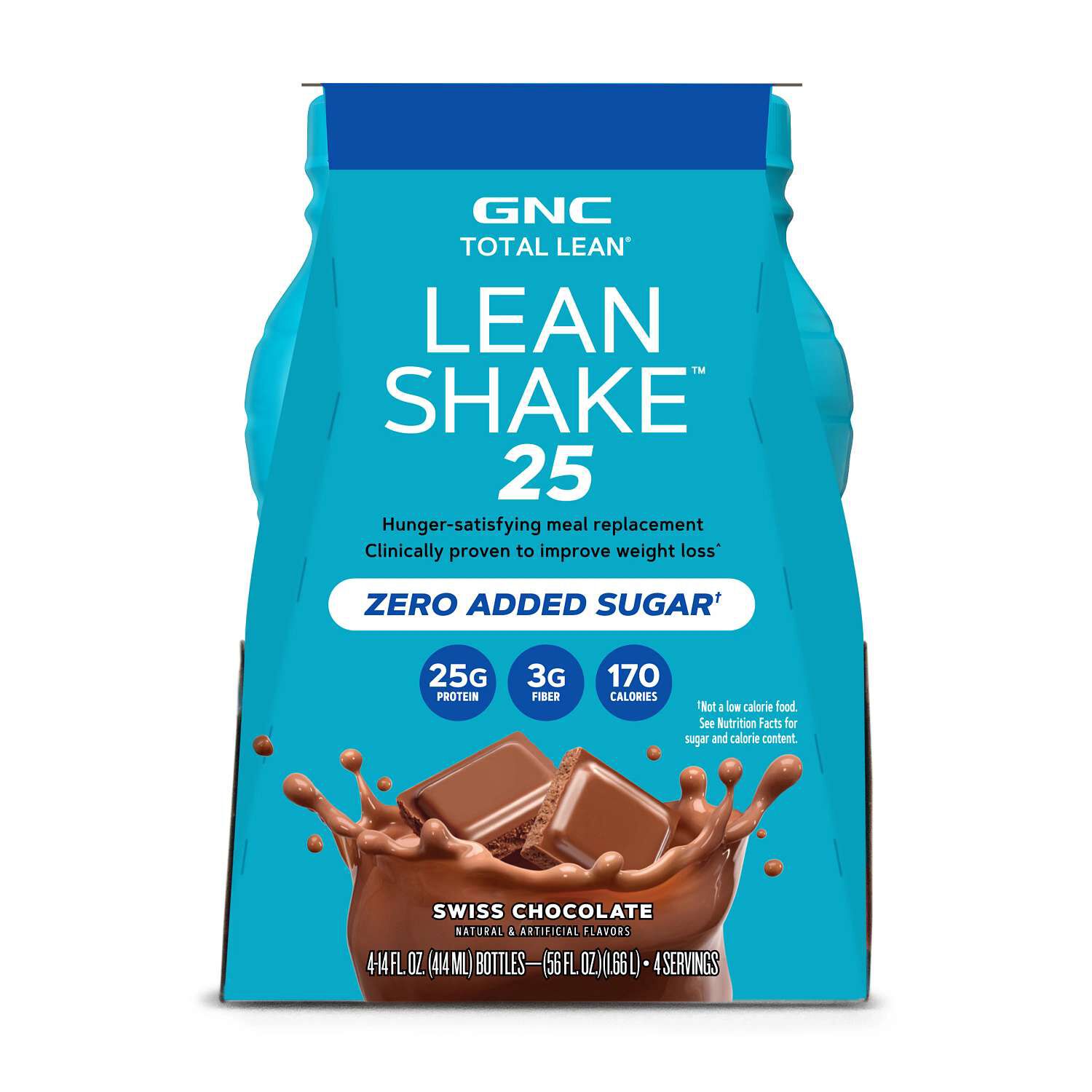
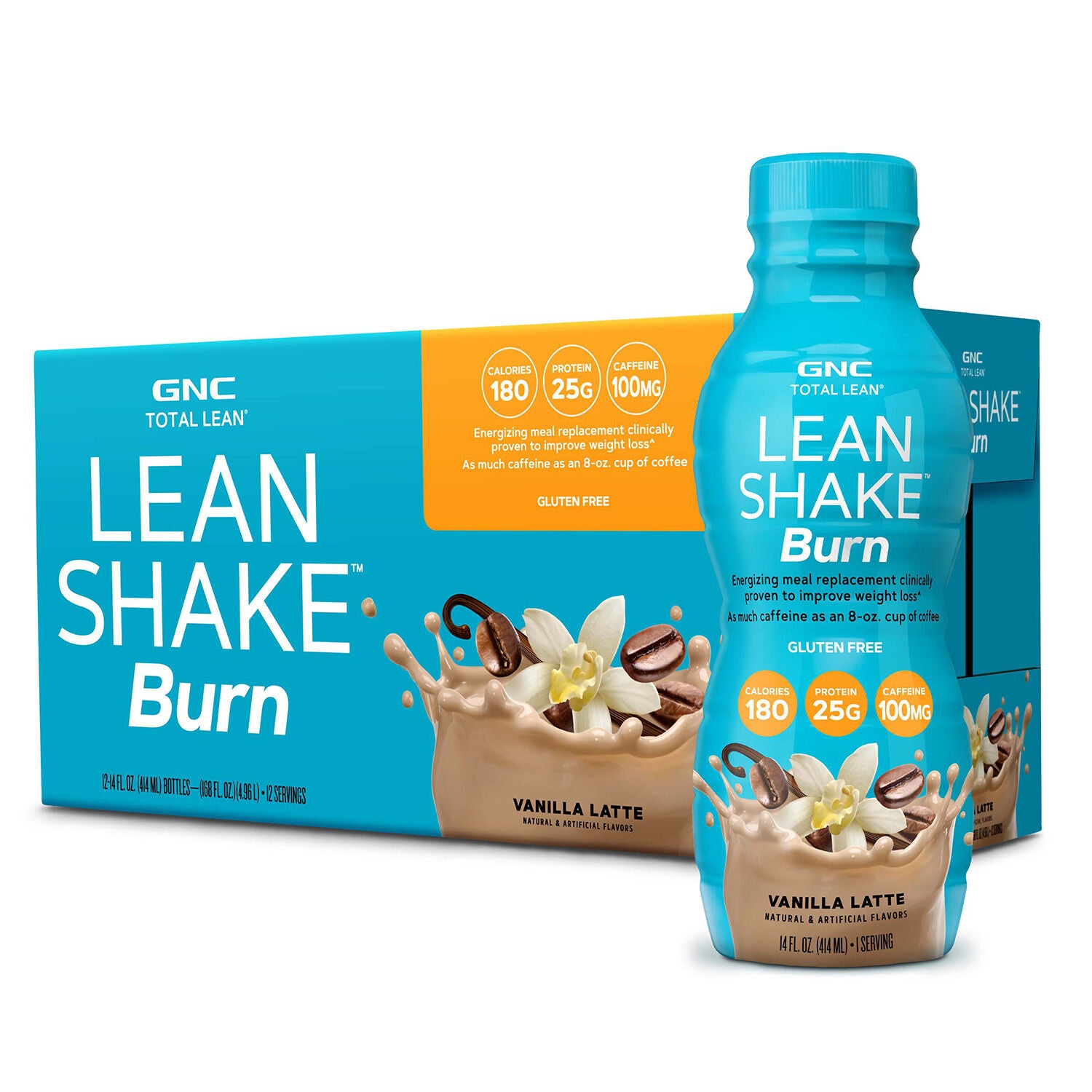
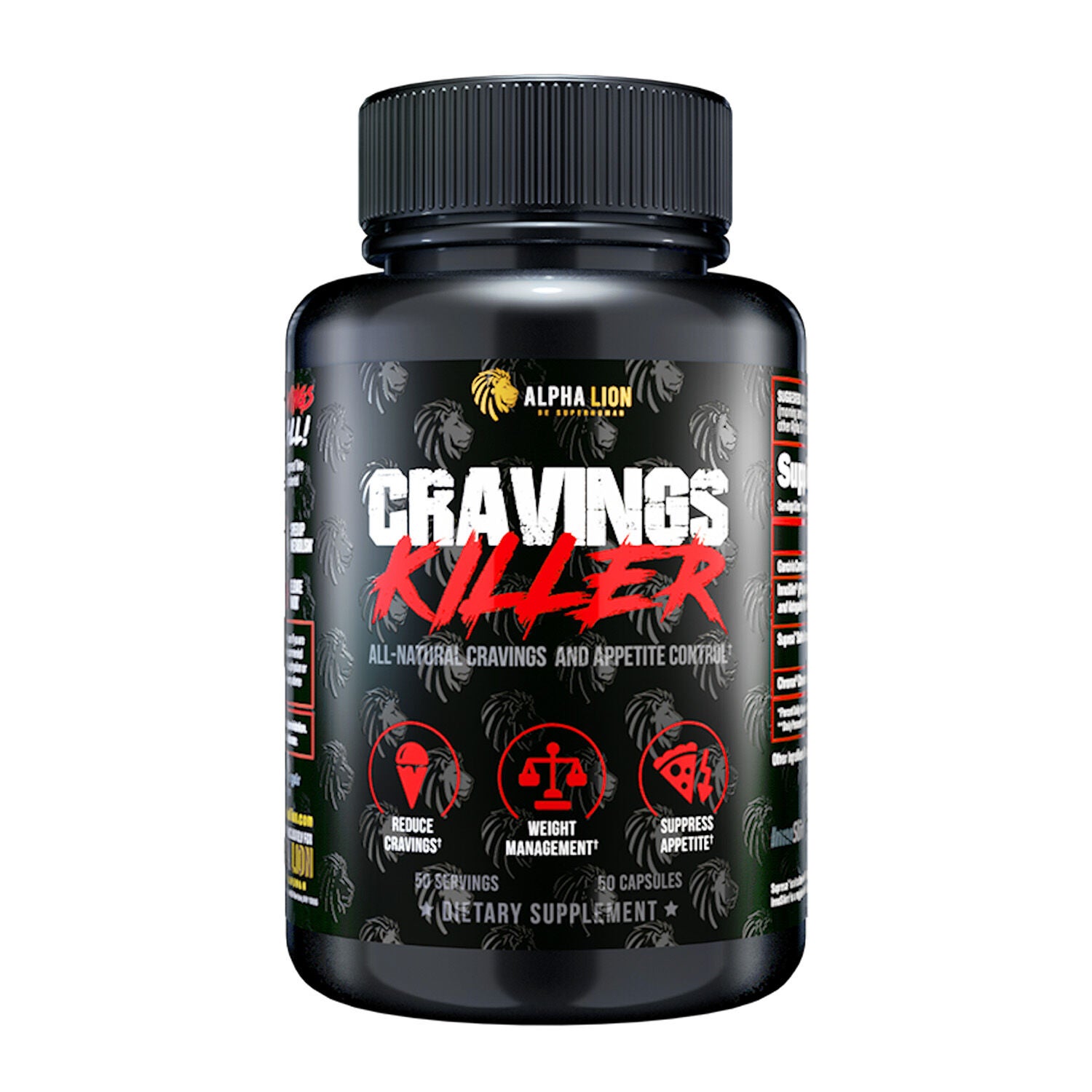
Weight loss supplements for waist reduction bring together products associated with weight-management goals, but a waist-focused category should not be mistaken for evidence of a waist-specific result. A product name, ingredient list, or photograph does not establish that a supplement can selectively change one part of the body. Waist measurements alone also do not explain body composition, and a different fit at the waistband is not, by itself, proof of a supplement’s effectiveness. For adults comparing these products, the most useful distinctions are often practical: what a formula contains, how much is included per serving, how it is taken, and whether its intended use matches an existing routine. This broad category can encompass botanical formulas, fiber supplements, probiotic blends, and other nutritional products, each with a different composition and purpose. These formats are not interchangeable simply because they appear under the same weight-management theme. A capsule containing a botanical extract has a different nutritional profile from a powder containing fiber, while a probiotic formula has its own ingredient and storage considerations. Some products may fit into a broader approach to weight management, but the category name alone does not establish what any individual formula might do. Everyday context matters as well. Someone who regularly prepares breakfast at home may prefer a measured powder, while an adult with a crowded morning schedule may value a format that does not require mixing. Neither preference says anything about how well a product might work. It simply reflects the difference between a purchase that suits daily life and one that creates another task. Shopping within this category is therefore less about finding a dramatic waistline claim and more about understanding the product’s role, its labeled serving, and the expectations attached to it. Meals, movement, and other everyday habits remain part of the surrounding context rather than details that a supplement replaces.
Ingredient transparency offers a more meaningful basis for comparison than front-label language alone. For botanical supplements, the plant name, plant part, extract amount, and any stated concentration help describe what is actually in the formula. Ground plant material and a concentrated extract are not necessarily equivalent, even when both use the same familiar ingredient name. Green tea, ginger, and African mango are examples of botanicals discussed in weight-management research, but the presence of one of these ingredients does not make research on a different preparation applicable to every formula. Study design, serving amount, duration, and participant characteristics all matter when interpreting evidence. A finding about body weight is also not automatically a finding about waist circumference. For probiotic products, genus, species, and strain information provide a more precise description than the word “probiotic” alone. For fiber powders, the fiber source, grams per serving, and preparation directions distinguish one option from another. These details describe composition; they are not proof of a particular waistline outcome. The Supplement Facts panel also separates a serving from an individual capsule or chew, an important distinction when comparing bottles with different serving sizes. Other ingredients can include capsule materials, flavorings, sweeteners, colors, and agents used to help a powder mix. A plant-derived capsule shell may suit one dietary preference, while a gelatin shell may suit another. Allergen statements and dietary certifications offer additional context when those considerations matter to the shopper. Caffeine content deserves attention during comparison, particularly when coffee, tea, or other caffeinated products are already part of the day. A botanical origin does not, by itself, establish suitability or effectiveness. For a closer look at plant-derived formulas and related ingredient preferences, Weight Loss Supplements With Natural Ingredients provides a related category to explore. Across both categories, clearly identified ingredients and readable serving information make differences easier to understand without relying on dramatic names or imagery. A shorter ingredient list is not automatically better than a longer one; the useful distinction is whether the formula’s contents and intended use are described clearly enough to evaluate.
Format, packaging, and storage can matter just as much as ingredient preferences when choosing a supplement for everyday use. Capsules and tablets have labeled unit counts per serving, while powders usually require measuring and mixing according to package directions. Chews and gummies bring flavor and texture into the decision, along with their own serving sizes and nutritional information. A powder’s taste, sweetness, and mouthfeel may influence whether it suits a familiar breakfast or afternoon routine, but those sensory qualities do not establish weight-management results. Someone who prefers a lightly flavored drink may approach the category differently from someone who does not want another beverage to prepare. Portability also varies: individually portioned packaging can be convenient for a work bag, whereas a larger container may be more practical for a designated kitchen shelf. Packaging durability is a matter of keeping the container secure, the closure functional, and the contents protected according to the label—not a measure of a formula’s potential effectiveness. Storage instructions, date markings, and any refrigeration requirements are relevant details, especially for products with handling needs that differ from ordinary pantry items. Measuring tools and container openings also deserve consideration; a scoop that is easy to access and directions that remain legible make everyday handling less cumbersome. Product selection is personal in this category, particularly when dietary preferences, comfort with different formats, and body-related goals intersect. Weight-management supplements are generally a more thoughtful personal purchase than an unsolicited gift, unless the recipient has specifically requested them. For an adult looking for a familiar format or comparing unfamiliar ingredients, the strongest shopping experience is one built around clear information rather than pressure to achieve a certain clothing size. No label can establish an individual outcome in advance, and a polished presentation is not a substitute for evidence about the actual formula. A well-considered choice centers on transparent composition, understandable directions, appropriate storage, and a realistic view of how a supplement might fit into daily life.