





Whey Protein Powders With Fibersol Fiber
(0 Results)
Discover a convenient way to support your wellness routine with whey protein powders with Fibersol fiber. Combining high-quality protein with added fiber, these formulas are designed for those looking to enhance their daily nutrition. Whether you’re seeking options to complement your active lifestyle or simply want to explore new ways to incorporate both protein and fiber into your diet, whey protein powders with Fibersol fiber offer a versatile solution that fits easily into shakes, smoothies, and recipes. Explore a variety of options that may help you meet your nutritional goals.


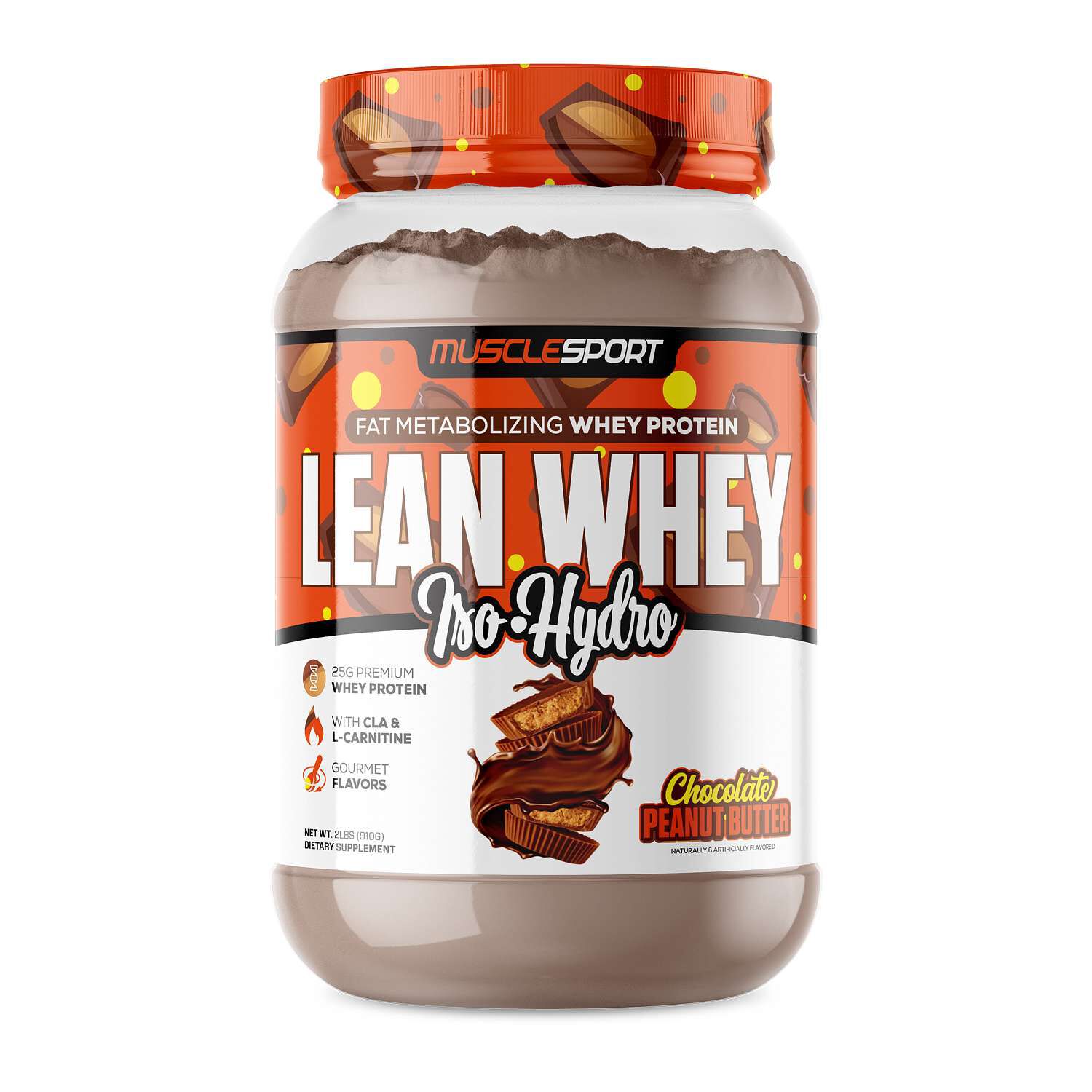
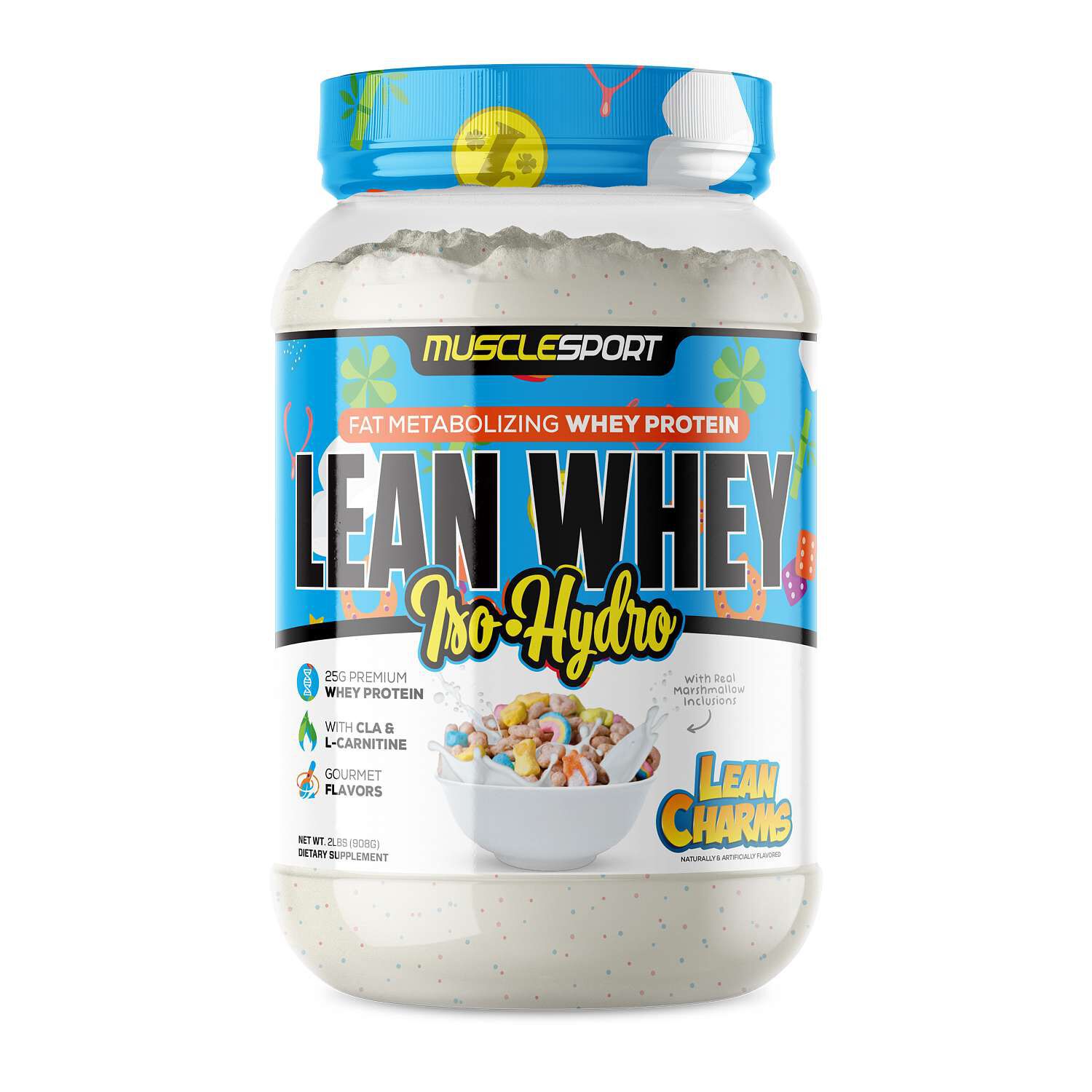

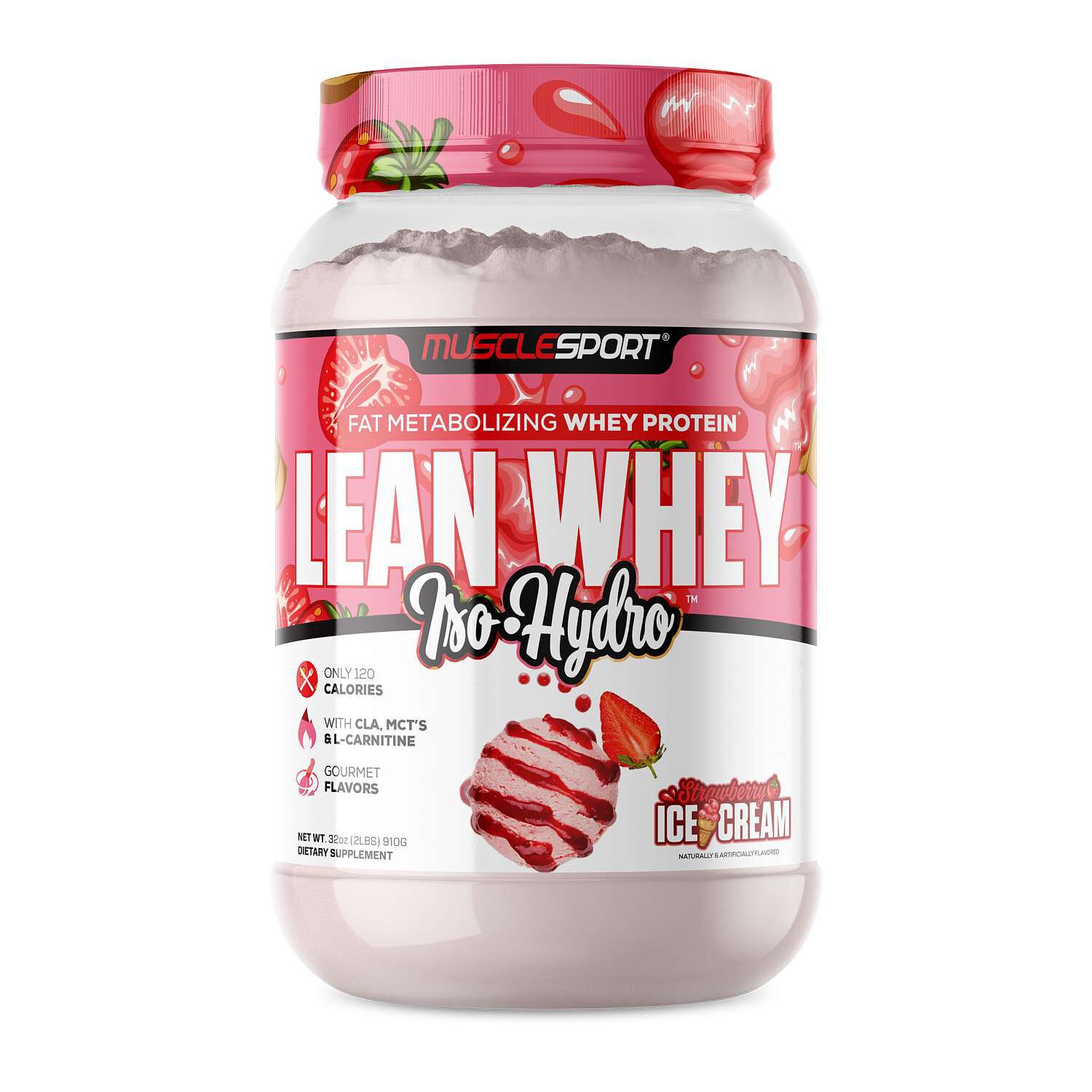
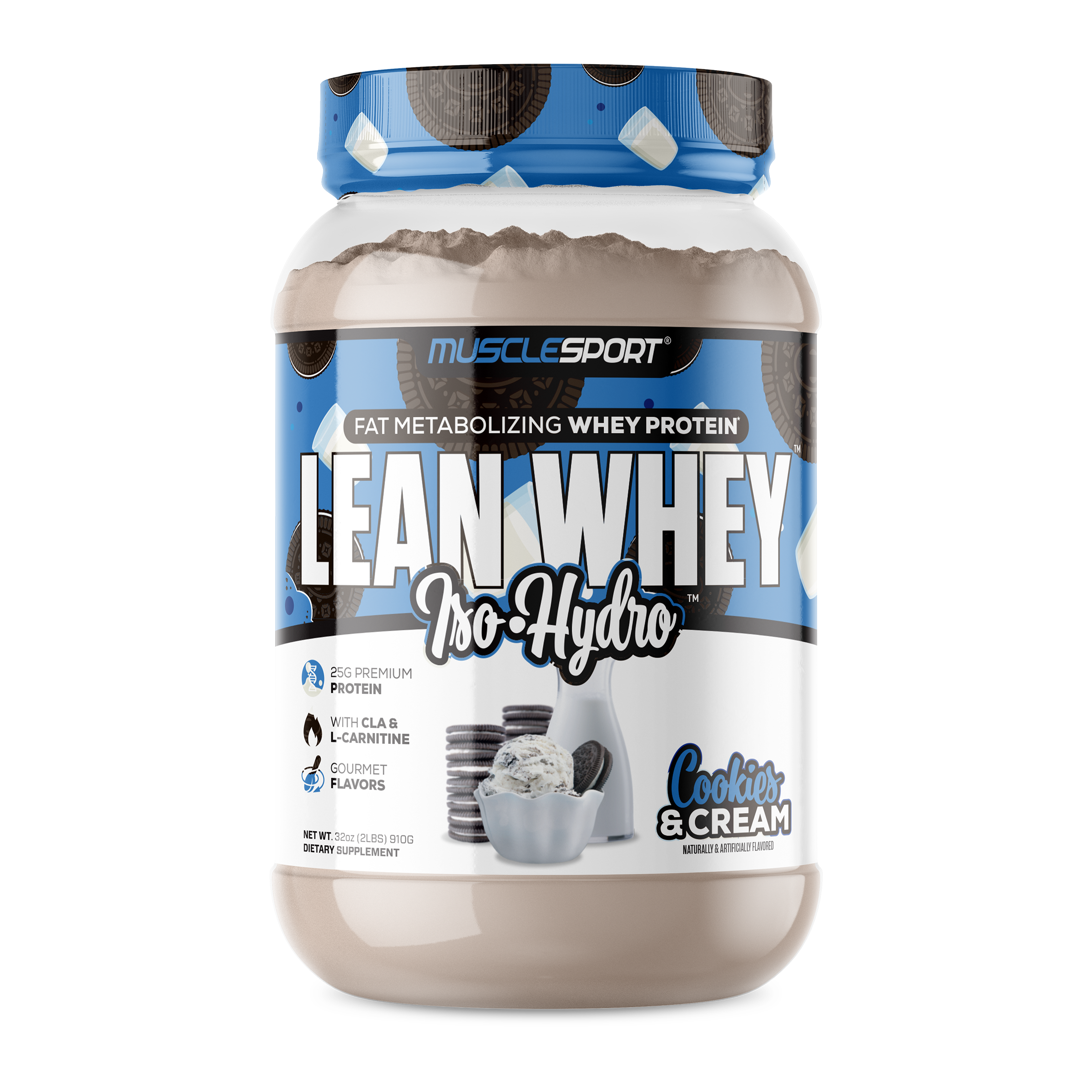


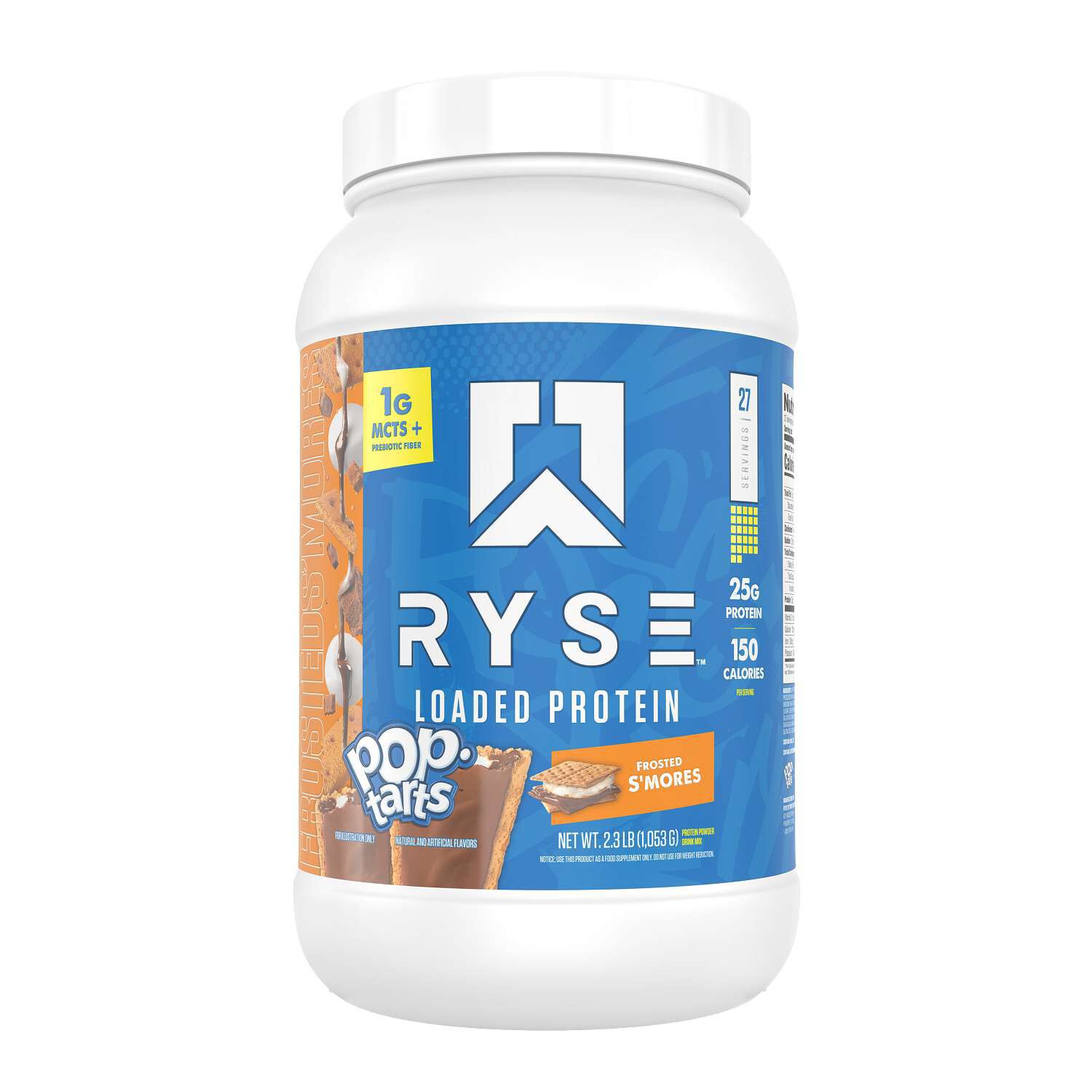
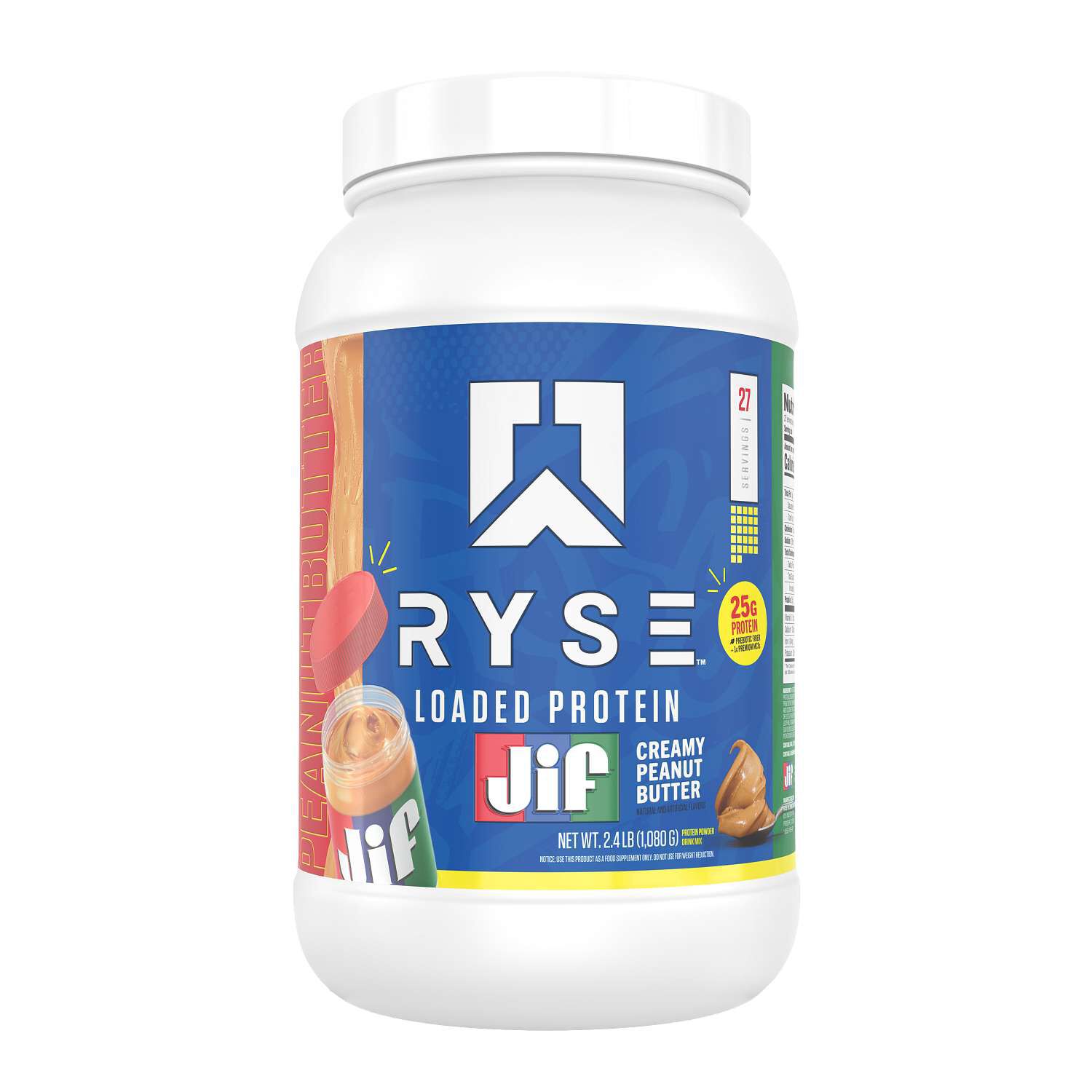
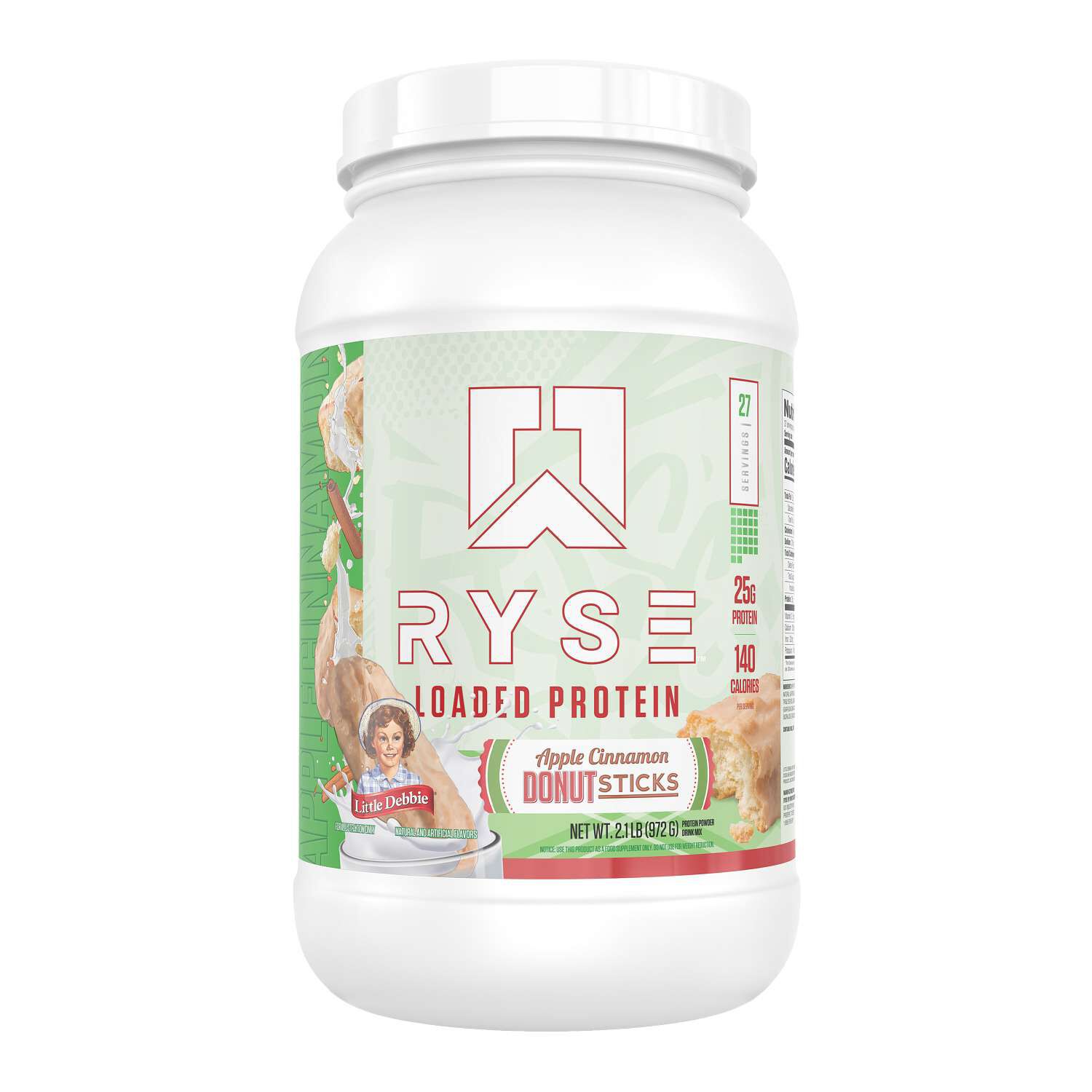
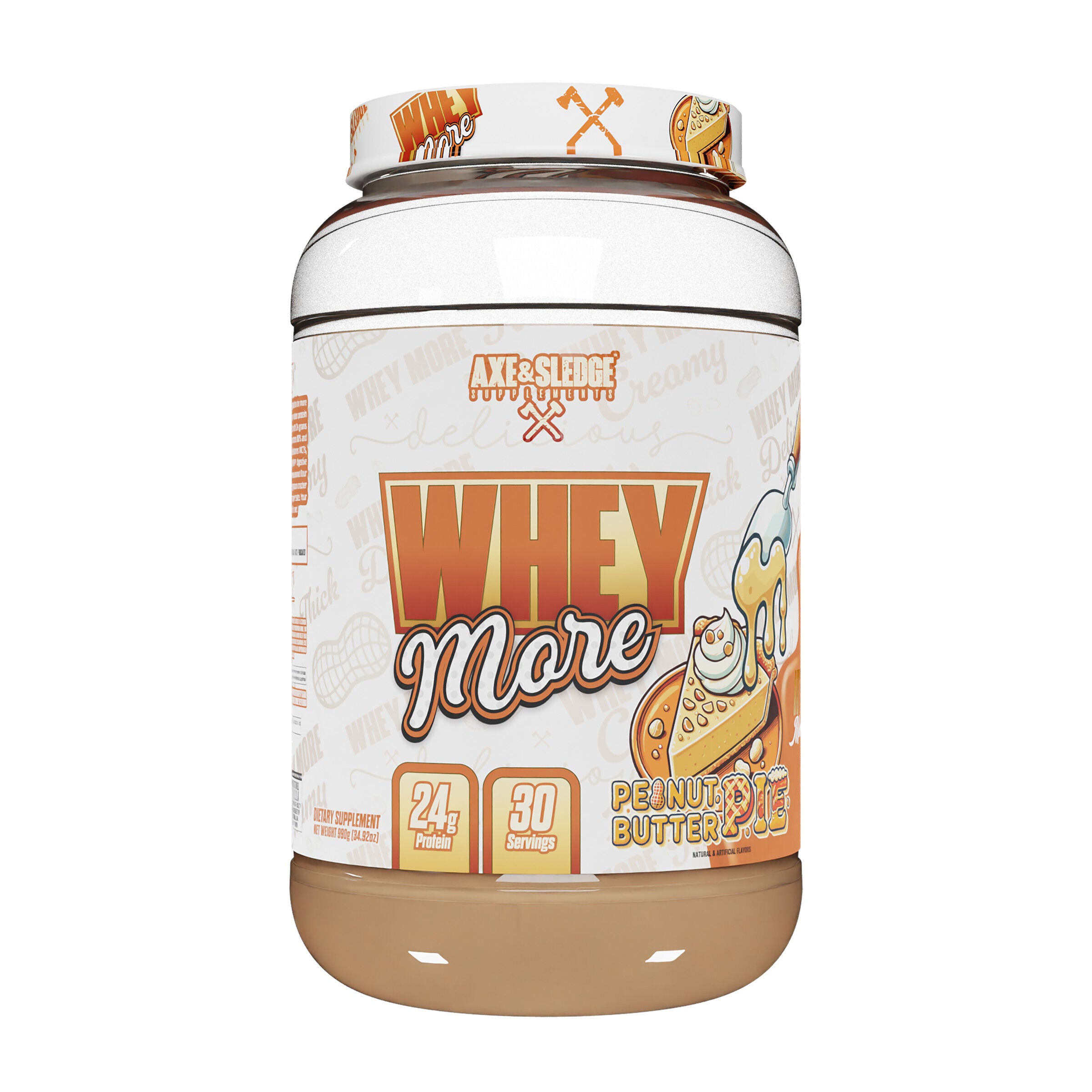

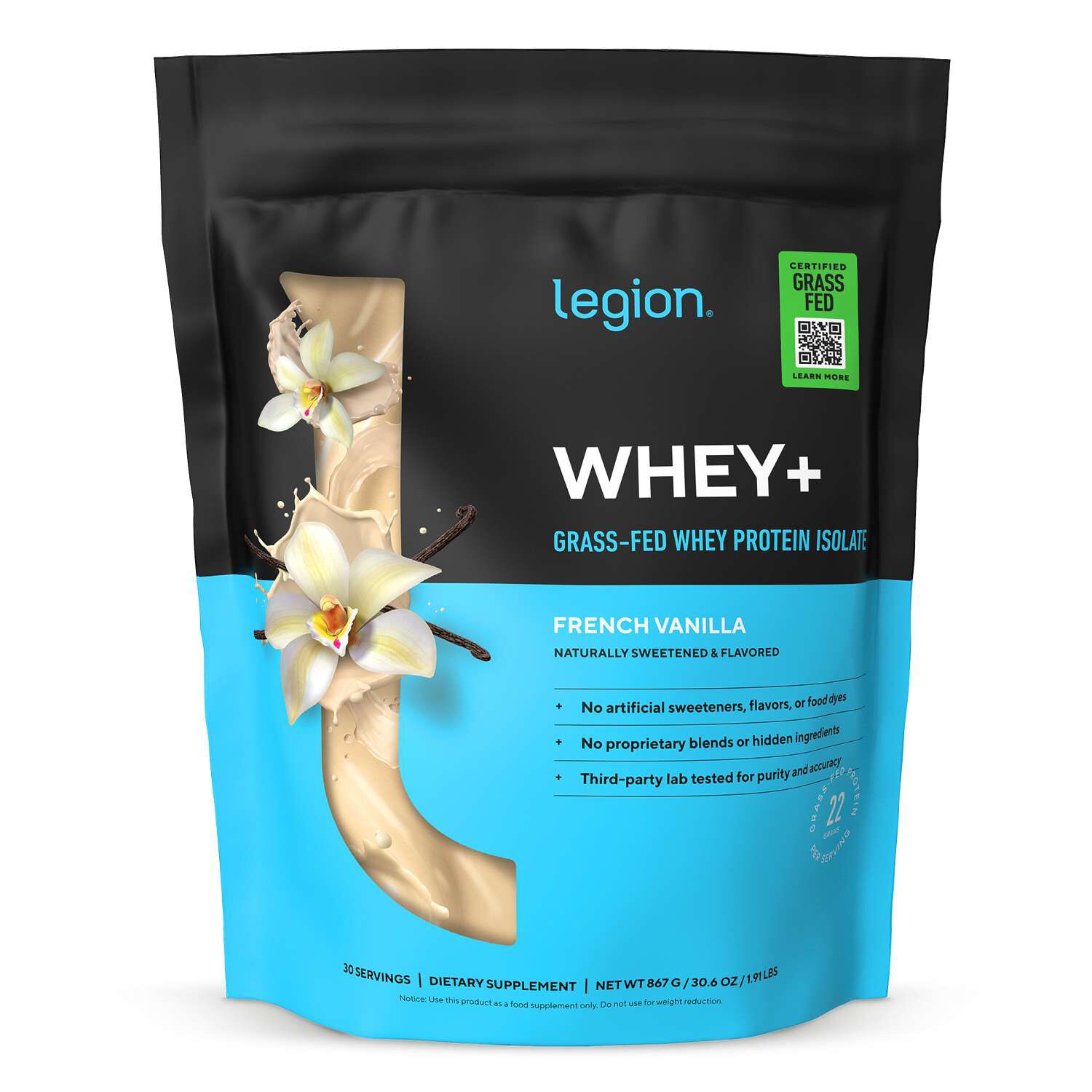
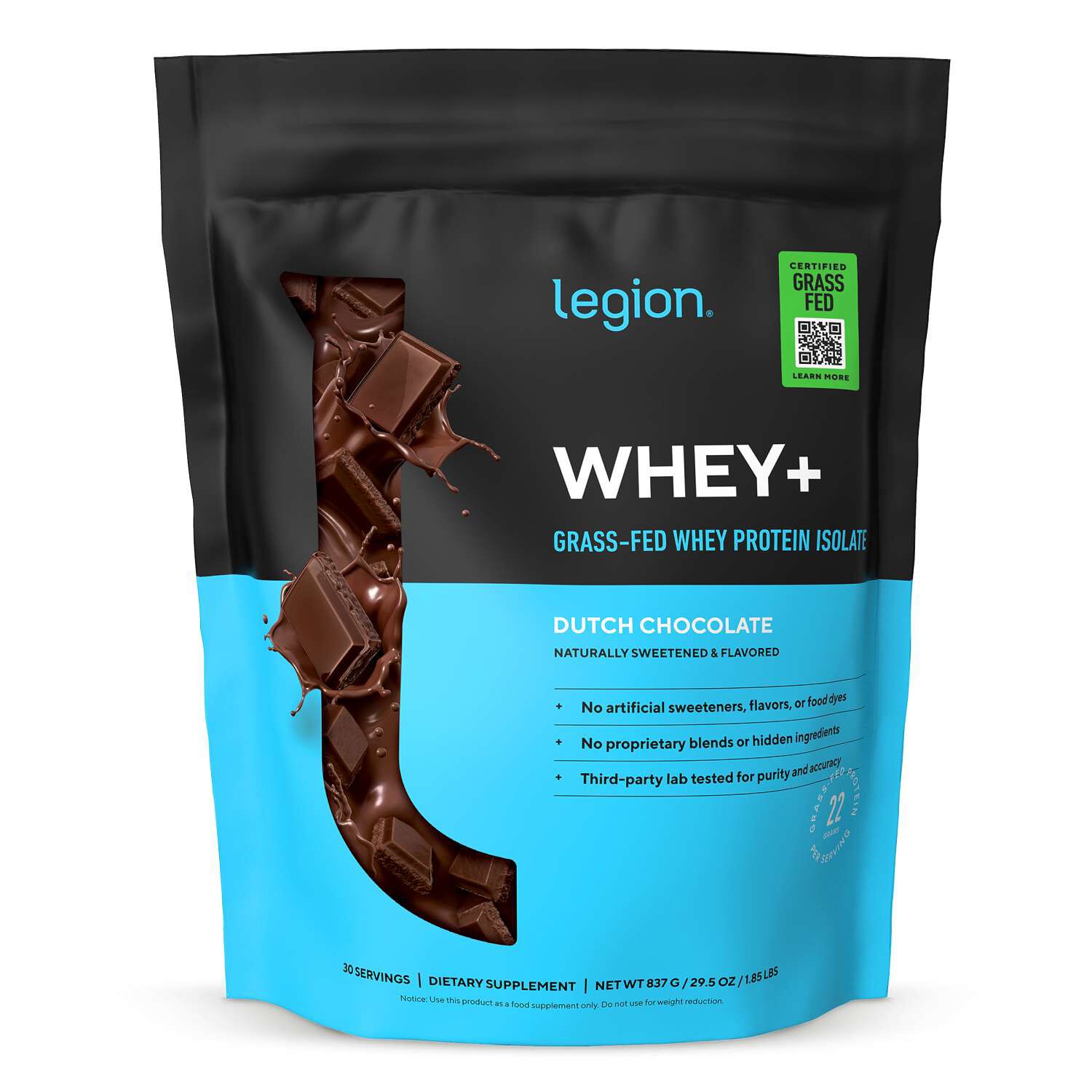

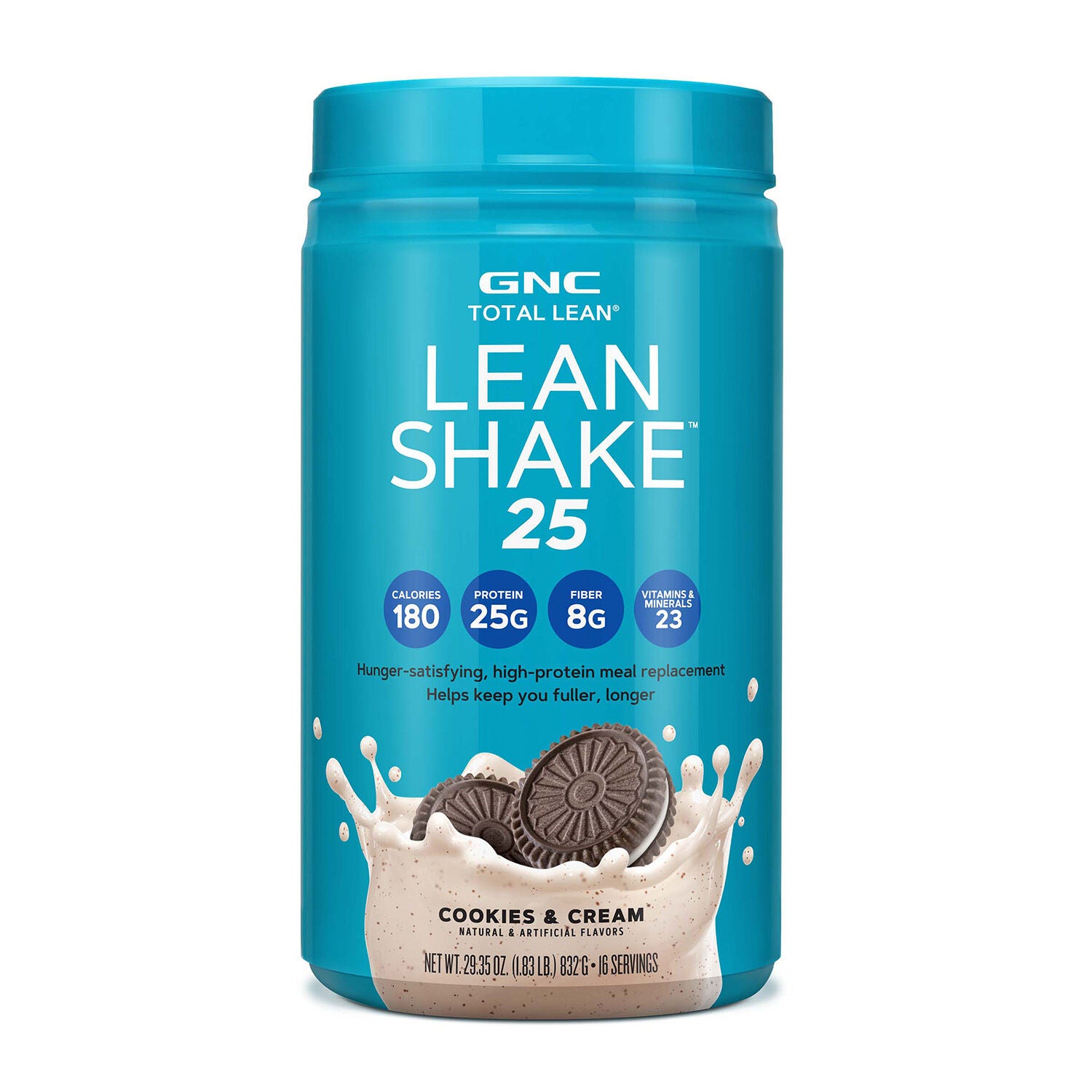

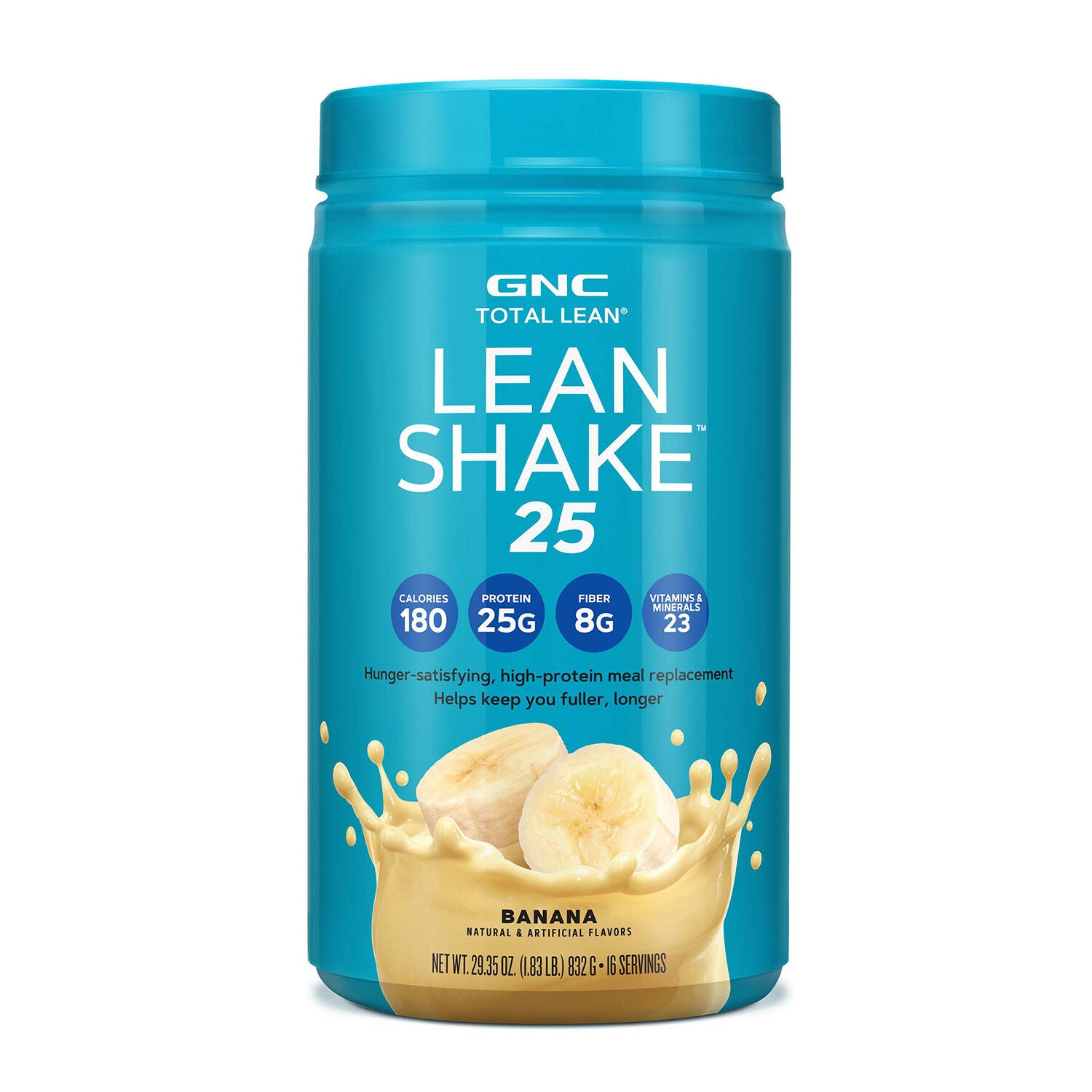


Whey protein powders with Fibersol fiber combine a milk-derived protein source with an added soluble fiber ingredient in a scoopable format for shakes, smoothies, and other everyday preparations. Whey itself contributes little to no dietary fiber, so the fiber in these blends comes from ingredients added during formulation rather than from the whey protein. Fibersol is a soluble fiber ingredient commonly derived from corn, and its presence distinguishes these formulas from plain whey powders without added fiber. For shoppers who prefer to include both protein and fiber in the same preparation, this category offers a practical alternative to measuring separate powders. The two ingredients serve different nutritional roles, making both the protein amount and the dietary fiber amount worth comparing on the label. A product’s serving size matters just as much as the numbers beside those nutrients: one formula may use a larger scoop or require more powder per serving than another. Some blends feature whey protein concentrate, others use whey protein isolate, and some combine whey sources. Isolate generally contains a higher proportion of protein by weight and less lactose than concentrate, although the finished formula depends on every ingredient included. Whey remains milk-derived regardless of the form, so milk allergen information is an important consideration. An ingredient list also reveals whether Fibersol appears alongside other fiber sources, flavorings, sweeteners, or ingredients used for texture. A mention of fiber on the front of a container does not, by itself, identify the fiber source or the amount supplied per serving. The clearest comparison comes from reading the ingredient list together with the nutrition information and preparation directions. These details are useful whether the powder is intended for a breakfast smoothie before the commute, an afternoon shake at a desk, or a familiar part of an exercise-day routine. The category centers on the combination of whey protein and added soluble fiber, but the proportions, taste, and preparation experience can differ considerably between formulas.
Flavor and texture are central to finding a whey protein powder with fiber that fits an everyday routine. A shake mixed with cold water has a different character from the same powder blended with milk or a plant-based beverage, and the liquid contributes its own flavor and nutrients. Chocolate-style flavors often pair naturally with banana or a spoonful of nut butter, while vanilla-style flavors work across combinations such as berries, oats, and cinnamon. Those additions change the finished shake’s nutrition, so the powder’s label describes only part of what ends up in the glass. Fibersol is used in formulations partly for its relatively mild sensory profile, but the texture of a finished powder also reflects the whey source, other fibers, gums, and the suggested liquid amount. Added fiber does not automatically mean a visibly grainy shake, just as a creamy appearance does not reveal how much fiber a serving contains. Sweetener choice is another meaningful distinction. Some shoppers prefer a dessert-like flavor mixed with water alone; others want something less pronounced alongside fruit or cereal. Ingredient information is more useful than flavor names when comparing these preferences. For a quick shake, the container’s mixing directions provide the starting proportions, and a shaker bottle suits preparations without solid additions. A blender is more appropriate for frozen fruit, ice, or oats. Following the recommended liquid amount first makes it easier to judge whether the result suits a thinner, drinkable shake or a thicker smoothie. During cooler weather, powder can also be considered for preparations such as oatmeal or yogurt bowls where the label permits that use. Heat and recipe ingredients can change how whey behaves, so a powder that mixes smoothly into a cold drink will not necessarily perform the same way in a hot preparation. Intended use matters here: a convenient shake powder is not automatically a direct substitute for flour or another structural ingredient in baking. Matching the formula to the way it will actually be prepared makes the comparison more meaningful than choosing by flavor alone.
Daily habits also shape which whey protein and fiber blend makes sense to keep in the kitchen. Someone who takes a shaker bottle to work may value straightforward mixing directions and a flavor that tastes balanced with water. A shopper who blends breakfast at home may place more emphasis on how the powder pairs with fruit, yogurt, or a preferred beverage. For people who include protein shakes in an exercise routine, the protein amount per serving remains a useful point of comparison, while the fiber amount identifies what this category adds beyond a conventional whey powder. Neither the presence of whey nor the addition of Fibersol establishes that a formula is intended to replace a meal. Shoppers looking for that different format can compare Meal Replacement Powders With Fibersol, paying attention to the stated purpose, serving directions, and broader nutrient composition. Protein powders are best considered in the context of the foods and beverages already part of the day, rather than judged by a single prominent nutrient number. Package design and storage requirements deserve attention as well. A container that closes securely and fits on a dry pantry shelf is easier to incorporate into a regular routine than one stored beside steam from a kettle or stove. Follow the storage directions, keep the scoop clean and dry, and reseal the package after measuring a serving. Moisture introduced by a damp utensil can affect the powder’s condition, while time spent open can expose it to kitchen humidity. For carrying a serving away from home, a clean, dry container keeps the powder separate until preparation; once mixed, follow the handling directions for the powder and any perishable ingredients. These practical details matter as much for an occasional smoothie as for a frequently used shake. A well-matched whey protein powder with Fibersol fiber brings together clearly labeled nutrient amounts, a suitable ingredient profile, an enjoyable flavor, and preparation requirements that fit the setting where it will be used.
Best Sellers


Related Pages

Top Collections
- Top Rated Collagen | Shop Customer Favorites | GNC
- Cortisol Supplements
- Vitamins For Hair Loss
- NAD+ Supplement Tablets
- Peptide Supplements
- Best Brand of Magnesium Glycinate
- Vitamins That Help Support Weight Gain
- Protein Powders For Muscle Growth Support
- Spirulina Tablets
- Peptide Supplements for Muscle Growth