Whey Protein Powders With MCTs
(0 Results)
Fuel your active lifestyle with whey protein powders with MCT’s, a popular option for those seeking convenient support for their fitness and nutrition goals. Combining high-quality protein with medium-chain triglycerides, these formulas may fit into various workout routines and balanced diets. Explore a range of whey protein powders with MCT’s that could complement your training regimen or daily wellness plan.

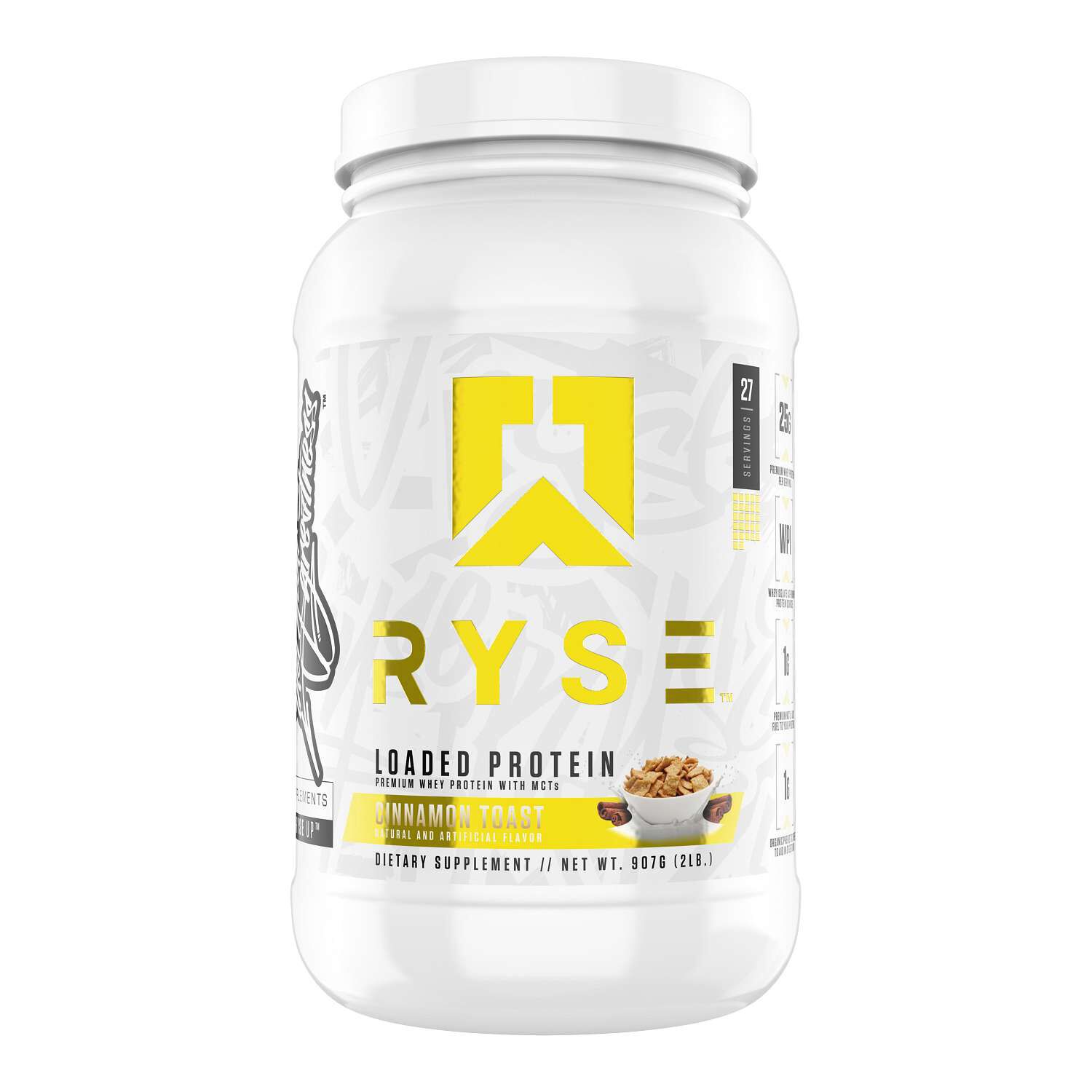


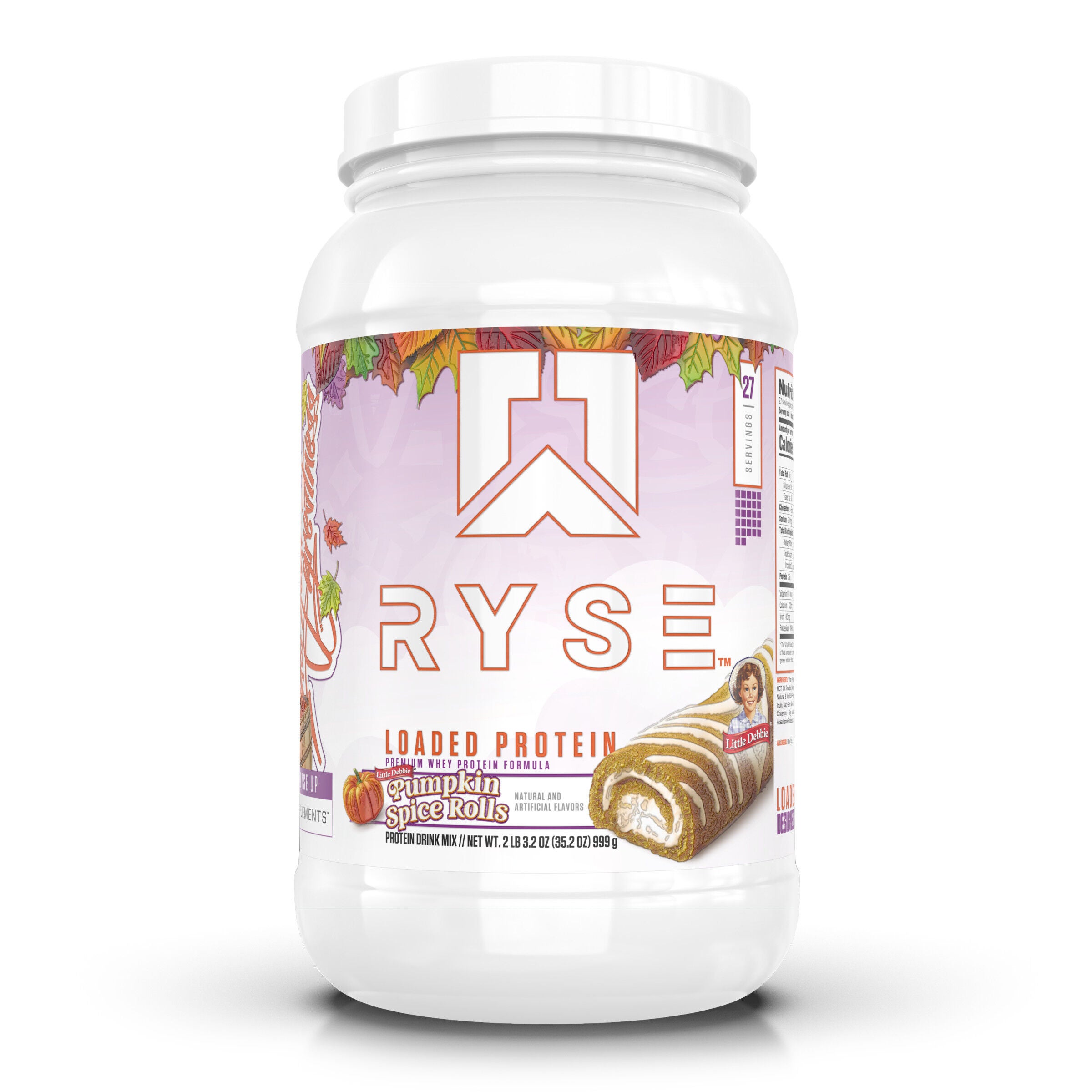

Whey protein powders with MCTs combine milk-derived protein with medium-chain triglycerides, a type of dietary fat often sourced from coconut or palm kernel oil. These blended powders bring two ingredients into a single scoop, making them a distinct option within the broader protein powder category. Whey is the protein foundation, while MCTs contribute fat and calories alongside the protein, carbohydrates, and other ingredients listed on the label. The combination may suit adults who want a protein shake that includes added fat without measuring a separate oil into every serving. Intended uses range from a shake after a gym session to an ingredient in a breakfast smoothie with oats, fruit, and a preferred beverage. Whey protein may support muscle maintenance and recovery as part of an eating pattern that includes adequate nutrition and regular exercise. The presence of MCTs, however, does not establish how much protein a powder contains or make every blend nutritionally alike. Some formulas use whey protein isolate, some use whey protein concentrate, and others combine protein sources. Isolate generally undergoes additional processing to separate out more of the milk’s fat and lactose, while concentrate retains varying amounts of those components. The finished formula matters more than the protein name alone, since added MCTs and other ingredients change the nutrition per serving. A powder made with isolate can still contain fat from its MCT ingredient, and a blend described as low in carbohydrates still deserves a close look at its serving information. These distinctions are useful for anyone comparing powders for an established eating routine, whether that means a straightforward shake mixed with water or a thicker smoothie served alongside breakfast. Rather than representing one fixed recipe, this category includes different balances of protein, fat, flavor, and texture. The most relevant comparison is the finished serving prepared the way it will actually be enjoyed, including the milk, fruit, or other ingredients added at home.
The ingredient list and nutrition panel offer a more meaningful picture of whey protein powders with MCTs than flavor names or front-label descriptions alone. Protein grams, MCT quantity when disclosed, serving size, calories, carbohydrates, and sugars all help distinguish one formula from another. Scoop sizes are not interchangeable, so two powders with similar protein amounts may call for different quantities of powder. Likewise, the weight of an MCT oil powder ingredient is not necessarily the amount of MCT fat it supplies, because powdered oils can include carriers that help turn liquid oil into a dry ingredient. Acacia fiber, starches, and milk-derived ingredients are examples of materials that may appear in these powdered mixtures. Some labels also identify particular MCT types, such as C8 or C10, while others describe the source more generally. Those details describe composition; they do not, by themselves, establish how a finished shake will taste or fit into a daily menu. For shoppers following a lower-carbohydrate eating pattern, added MCTs are only one part of the comparison. Sweeteners, carbohydrate content, and the choice of mixing liquid remain relevant. A serving blended with sweetened milk and a banana has a different nutritional profile from the same powder shaken with water. Whey is derived from milk, so these powders are not appropriate for someone avoiding milk ingredients altogether. An isolate-based formula should not automatically be assumed to contain no lactose, either. Other ingredients worth noting include soy lecithin, coconut-derived components, additional proteins, flavorings, and sweetener blends. Preferences can be quite practical: someone who enjoys a mildly sweet morning smoothie may look for a different flavor profile than someone who drinks a shake with water after an evening workout. Clear labeling makes those everyday comparisons easier. It also helps keep the focus on what is actually in the container rather than assumptions about what adding MCTs might mean.
Taste, mixing behavior, and storage are important parts of living with a protein powder beyond the first serving. MCT-containing formulas may have a richer mouthfeel than comparable powders without added fat, although the result depends on the entire recipe and the liquid used. Cocoa, flavorings, gums, and other ingredients can also influence thickness and texture. A shaker bottle is a practical format for a simple powder-and-liquid drink, while a blender accommodates ingredients such as rolled oats, frozen berries, or nut butter. Following the package’s mixing directions gives a useful starting point for consistency; changing the amount of liquid changes the thickness without changing the measured amount of powder. Cold water tends to leave the powder’s own flavor more noticeable, while milk or a plant-based beverage adds its own taste and texture. In a morning smoothie, a vanilla-style flavor can sit alongside cinnamon and oats, while a chocolate-style flavor pairs naturally with banana. During the cooler months, room-temperature ingredients offer another option for someone who does not want an icy drink. Suitability for warm preparations varies, so package directions matter before stirring a powder into hot oatmeal or a warm beverage. For people who prefer choosing their protein and added fat separately, MCT Oil Powder Supplements represent a related category with a different role from a premixed whey formula. A blended powder keeps the ingredient proportions fixed per serving, whereas separate ingredients involve separate measurements. Either format calls for attention to storage and preparation. Keeping the container tightly closed in a cool, dry location, using a dry scoop, and observing the label’s storage instructions help protect the powder from moisture and unwanted changes in texture. Prepared shakes require different handling from dry powder, particularly when made with milk or other perishable ingredients. For a gym bag, desk drawer, or kitchen cabinet, the useful choice is one whose serving format, flavor, and preparation requirements match the routine. A powder that fits comfortably into familiar meals and planned snacks may be easier to use consistently than one selected for a single ingredient alone.