MCT Oil Powder Supplements
(0 Results)
MCT Oil Powder Supplements are a popular choice for those seeking a convenient and versatile way to incorporate healthy fats into their daily routine. Packed with medium-chain triglycerides that can help support energy levels, metabolism, and cognitive function, MCT oil powders offer a convenient alternative to traditional liquid MCT oils. Whether you're looking to boost your morning coffee, enhance your smoothies, or simply add a nutritional kick to your favorite recipes, MCT oil powder supplements are a simple and effective way to fuel your body and mind throughout your day.


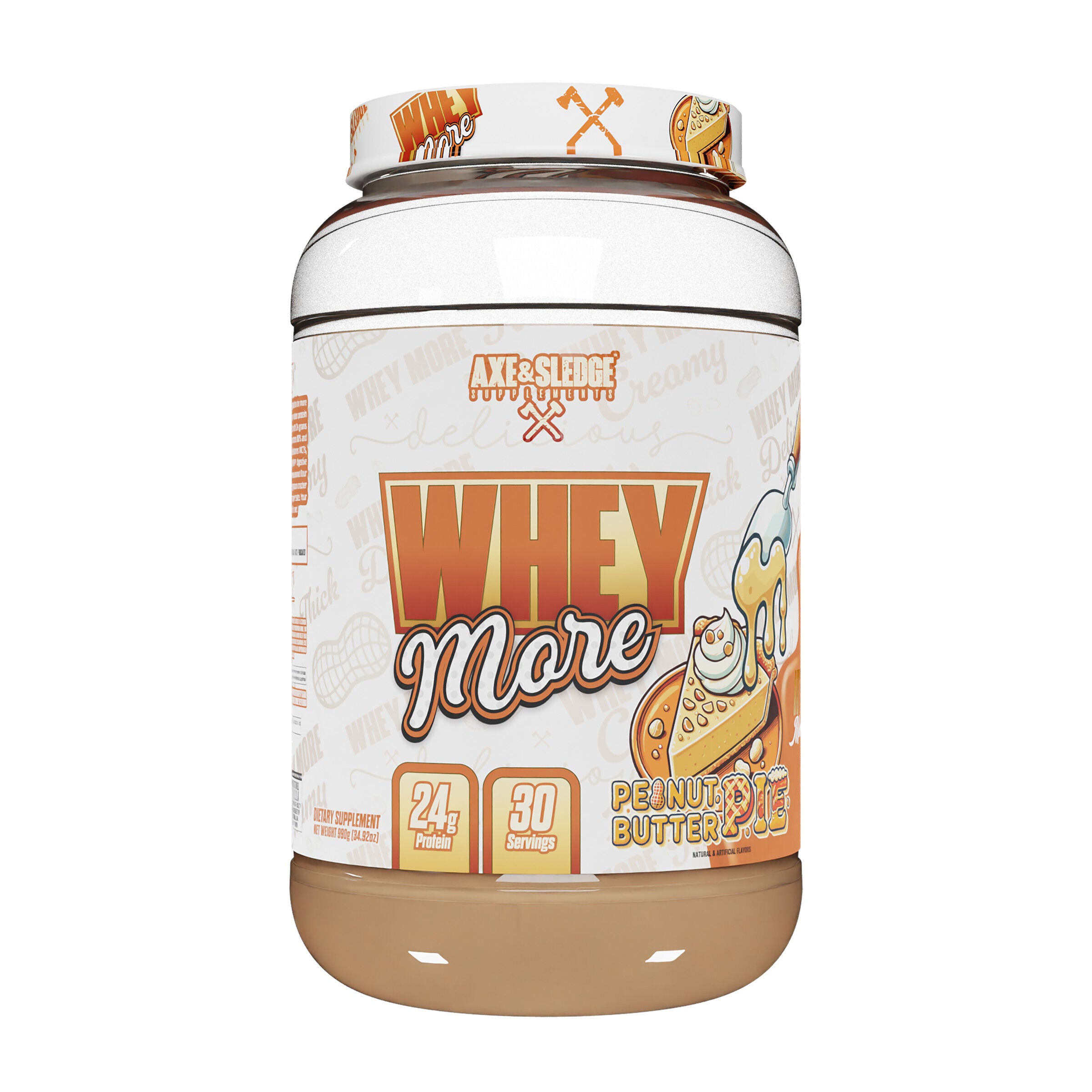


MCT oil powder supplements offer medium-chain triglycerides in a dry, scoopable format for drinks, foods, and everyday nutrition routines. MCTs are a type of fat commonly sourced from coconut oil or palm kernel oil, and the powder format combines that oil with a carrier ingredient through a drying process. The result is not simply ground coconut: it is a formulated ingredient with its own serving size, fat content, and preparation directions. Carriers such as acacia fiber, tapioca-derived ingredients, or milk-derived ingredients help explain why two MCT powders can have different nutrition panels even when their front labels look similar. Some formulas feature caprylic acid, also called C8, while others combine C8 with capric acid, or C10; these numbers describe the length of the fatty acid chains. A clearly labeled formula makes it easier to understand which MCTs are included and how much MCT oil each serving contains. The weight of a scoop is not necessarily the weight of the MCT oil within it, since the serving also includes the carrier and any flavoring or other ingredients. For shoppers comparing MCT oil powder with liquid MCT oil, the distinction is largely one of composition and intended use. Liquid oil does not require the same powder carrier, while powdered formulas offer a different way to measure and incorporate dietary fat into a recipe. Neither format should be assumed to have an identical nutrition profile or an interchangeable serving size. MCT powder is often associated with ketogenic and lower-carbohydrate eating patterns, but the word “MCT” alone does not describe the carbohydrate content of the finished formula. Reading the serving information alongside the ingredient list gives a more useful picture than relying on a front-label phrase. Flavored and unflavored options also serve different purposes, from a distinct addition to a shake to a more understated ingredient for a familiar breakfast.
The most relevant differences among MCT oil powder supplements often appear in the details: the oil source, the carrier, the amount of MCT oil per serving, and the ingredients used for taste and texture. Coconut-derived MCT oil does not automatically mean that a powder will taste like coconut. Likewise, an unflavored formula is not necessarily without a noticeable taste. Sweeteners, cocoa, vanilla flavoring, fibers, and milk ingredients can all influence whether a powder suits a particular recipe or eating preference. For someone who prefers a straightforward coffee routine, an unflavored powder with a short ingredient list may be a practical match. Someone who regularly prepares blended shakes might prefer a flavored formula that complements banana, nut butter, or cocoa. Shoppers following a vegan eating pattern should look at the entire ingredient list rather than assuming that a coconut oil source makes every part of the formula plant-based. Milk-derived carriers matter here, as do allergen statements for anyone avoiding particular ingredients. Fiber content is another point of comparison, because the carrier contributes to the finished powder rather than disappearing during production. Serving sizes also deserve close attention: a larger scoop does not necessarily provide more MCT oil than a smaller serving of a differently formulated powder. Comparing the stated amount of MCT oil, dietary fat, carbohydrates, and calories within each labeled serving keeps the comparison grounded in the actual formula. These supplements supply dietary fat; they are not protein powders or meal replacements simply because they come in a tub with a scoop. For shoppers organizing a breakfast, snack, or shake around specific nutrition preferences, that distinction is useful. A powder selected for its MCT content serves a different purpose from one selected for its protein content. Packaging size, serving count, and the clarity of the preparation directions round out the comparison, especially when choosing between a container for a kitchen counter and individually portioned packaging for a bag or desk drawer.
Everyday use is where the powder format becomes particularly relevant. MCT oil powder may blend into coffee, tea, smoothies, yogurt, or oatmeal, although the texture and taste depend on the formula and how it is prepared. In coffee, it may lend a creamy quality without behaving exactly like a conventional creamer. In a thick smoothie, it could be less noticeable alongside ingredients such as banana or nut butter. A shaker bottle, spoon, whisk, and blender do not produce identical results, so the mixing directions are worth considering before choosing a powder for a particular routine. A formula intended for blended drinks may suit a kitchen with a countertop blender better than a desk setup with only a mug and spoon. Follow the labeled serving and preparation directions, using the supplied measuring tool when one is provided rather than substituting an ordinary kitchen spoon. For recipes, MCT powder should not be treated as a direct replacement for flour, protein powder, or liquid oil: its combination of fat and carrier ingredients changes how it fits into the mixture. If protein content and coconut flavor are also part of the shopping goal, Coconut Protein Powders represent a separate category to consider alongside MCT supplements, with different ingredients and nutrition profiles. Keeping those roles distinct makes recipe planning more straightforward. Care and storage are similarly practical. Keep the container closed between uses, follow the storage directions on the package, and use a clean, dry scoop. Avoid holding an open tub directly over a steaming mug, where moisture can enter the container. For a shared household, keeping the original label with the powder preserves the ingredient, allergen, and serving information for everyone who uses it. Whether the intended setting is a breakfast counter, an office kitchenette, or a regularly packed travel bag, the most suitable MCT oil powder is one whose composition, flavor, packaging, and preparation requirements fit the way it will actually be used.