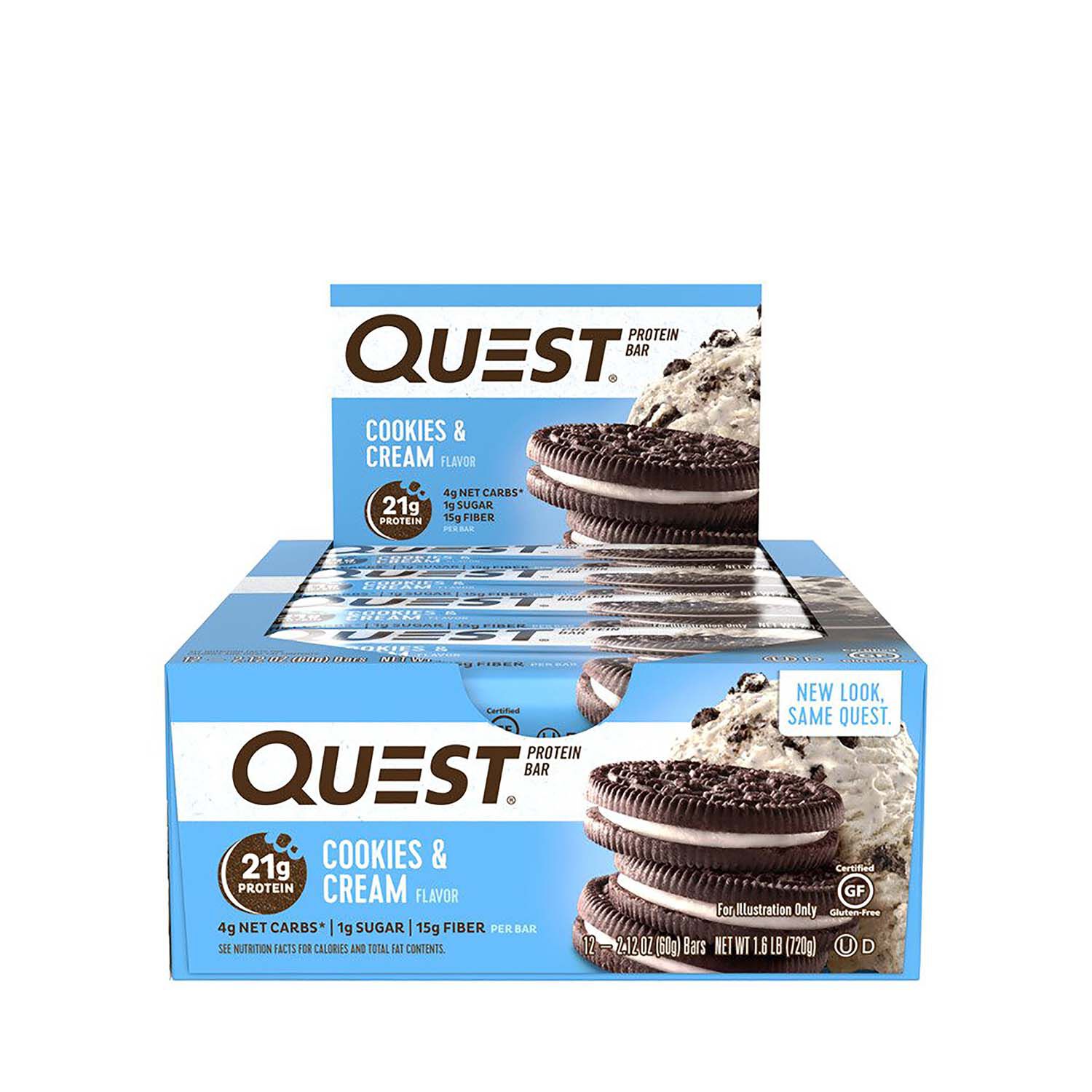
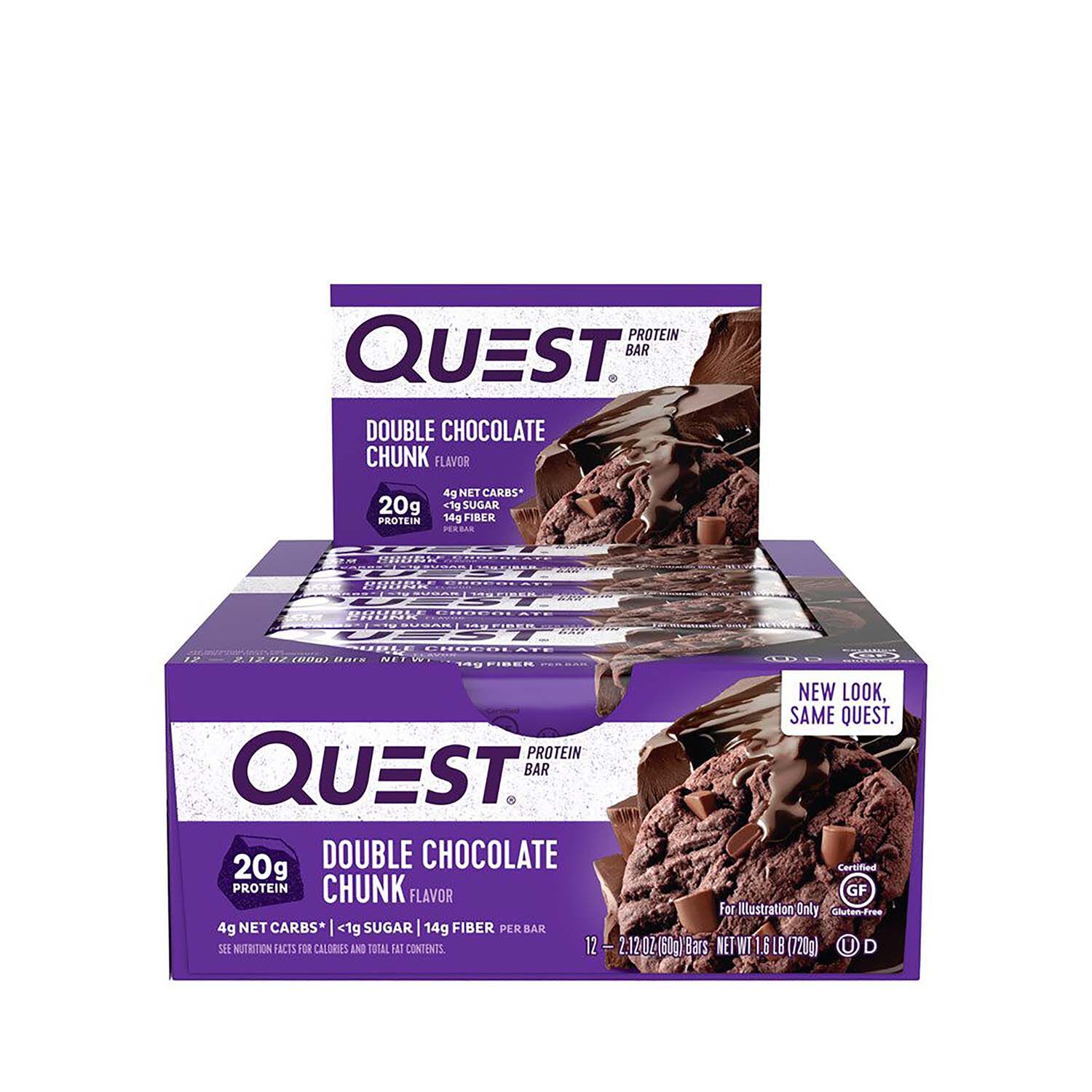
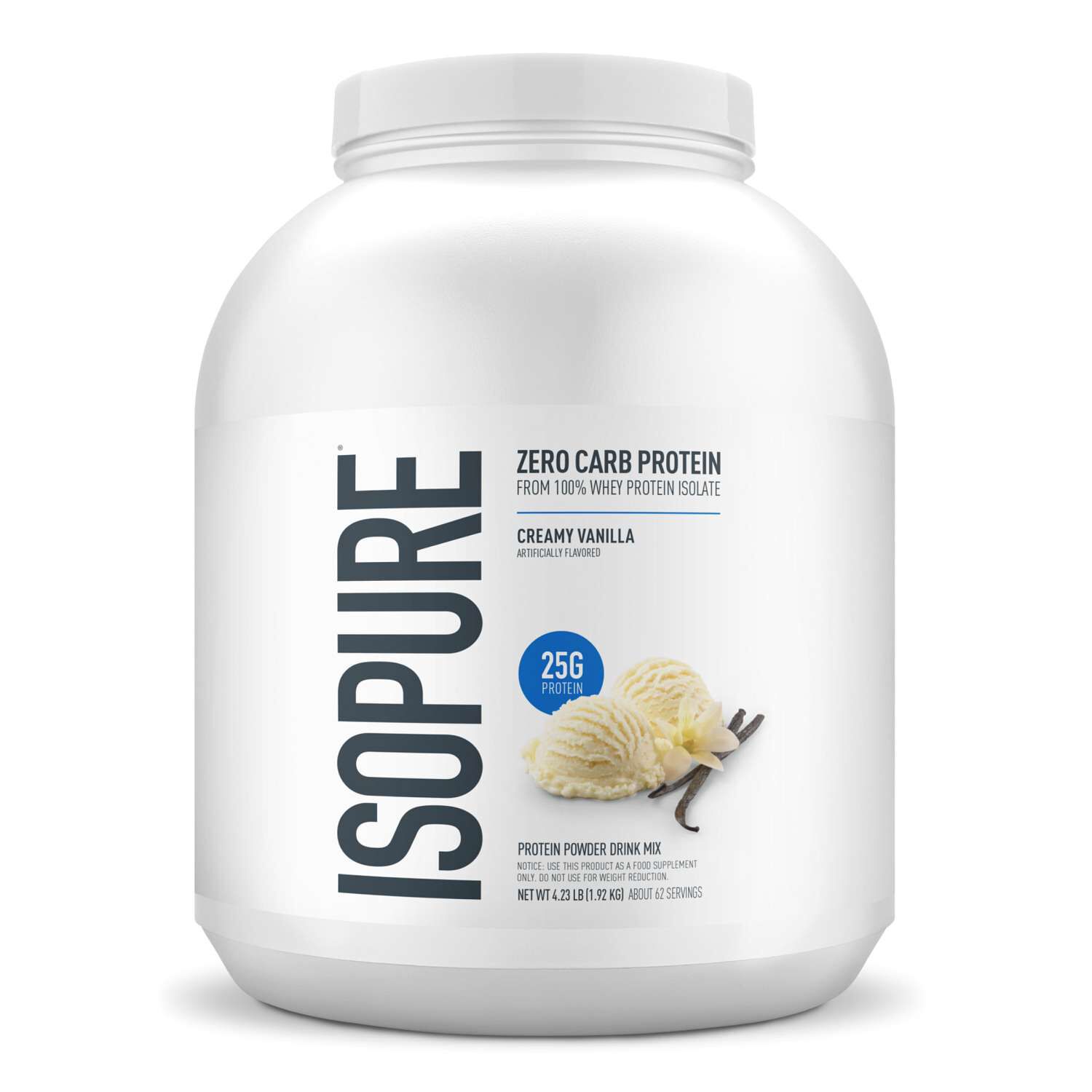
Protein With MCTs
(0 Results)
Unlock the potential of your fitness journey with protein with MCTs, a dynamic duo that might elevate your workout and recovery regimen. Combining high-quality protein with medium-chain triglycerides (MCTs), these products could offer a unique blend that supports energy and muscle health. Whether you're looking to support your active lifestyle or seeking new ways to fuel your body, protein with MCTs may provide a versatile addition to your nutrition plan. Dive into the possibilities and discover how this combination might complement your goals.


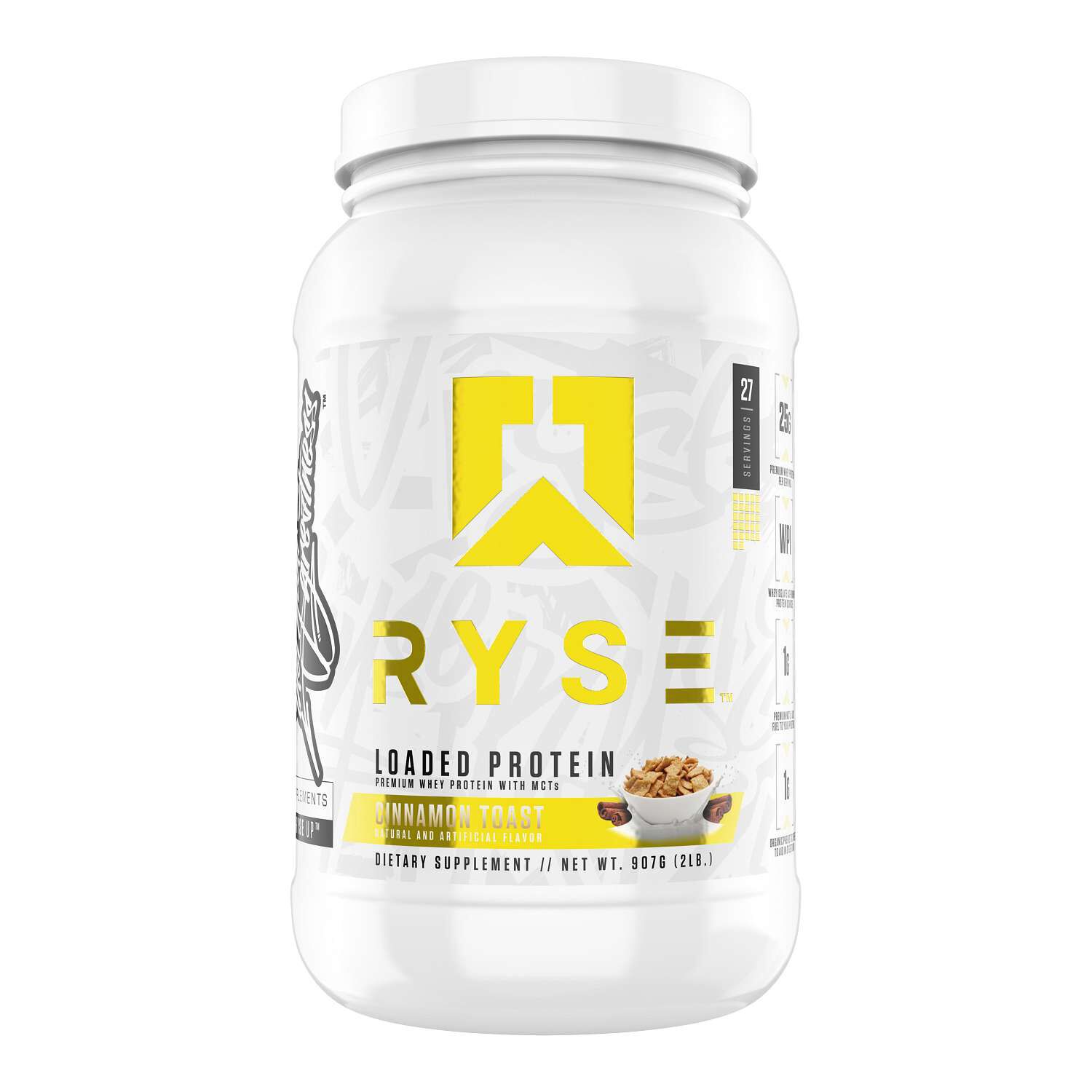

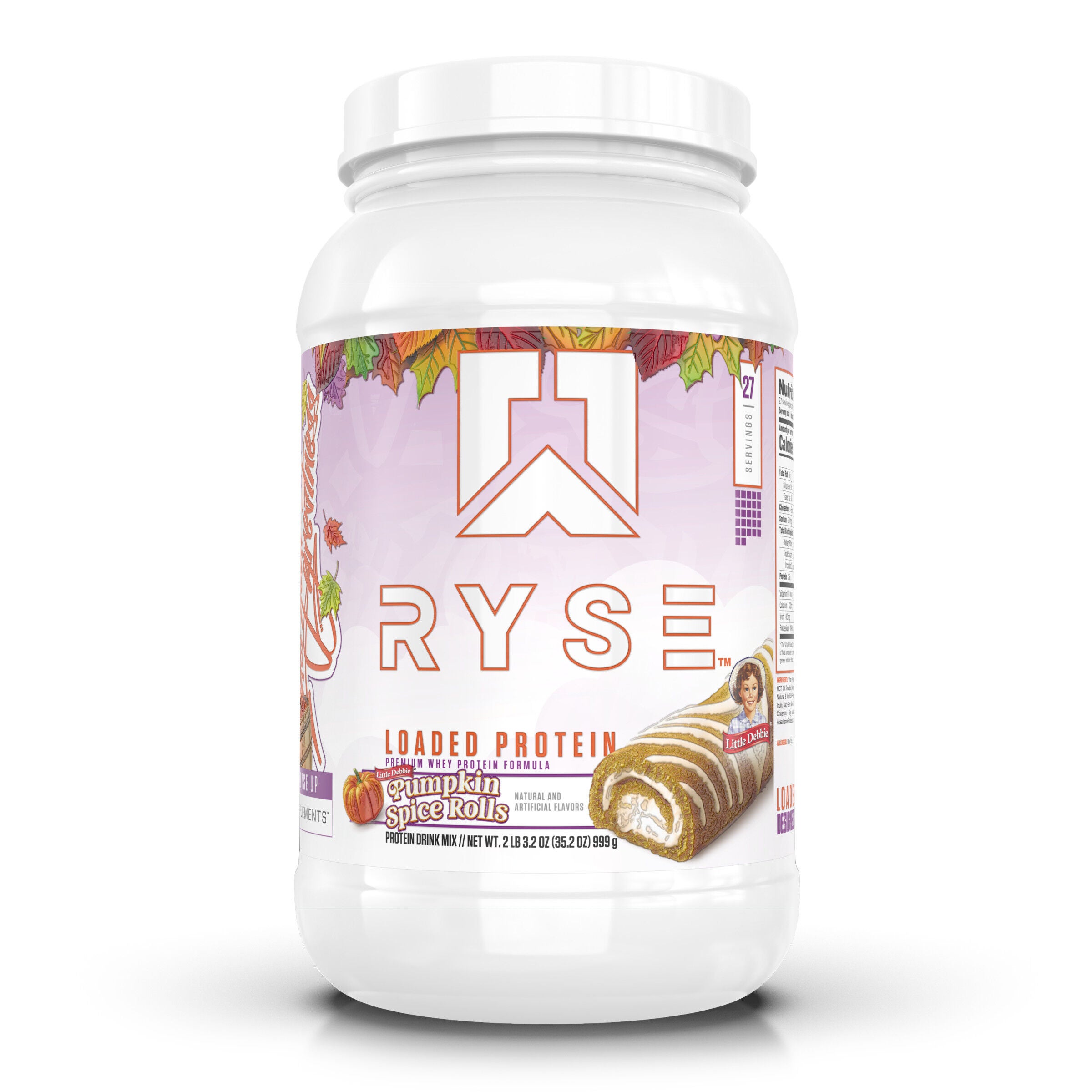


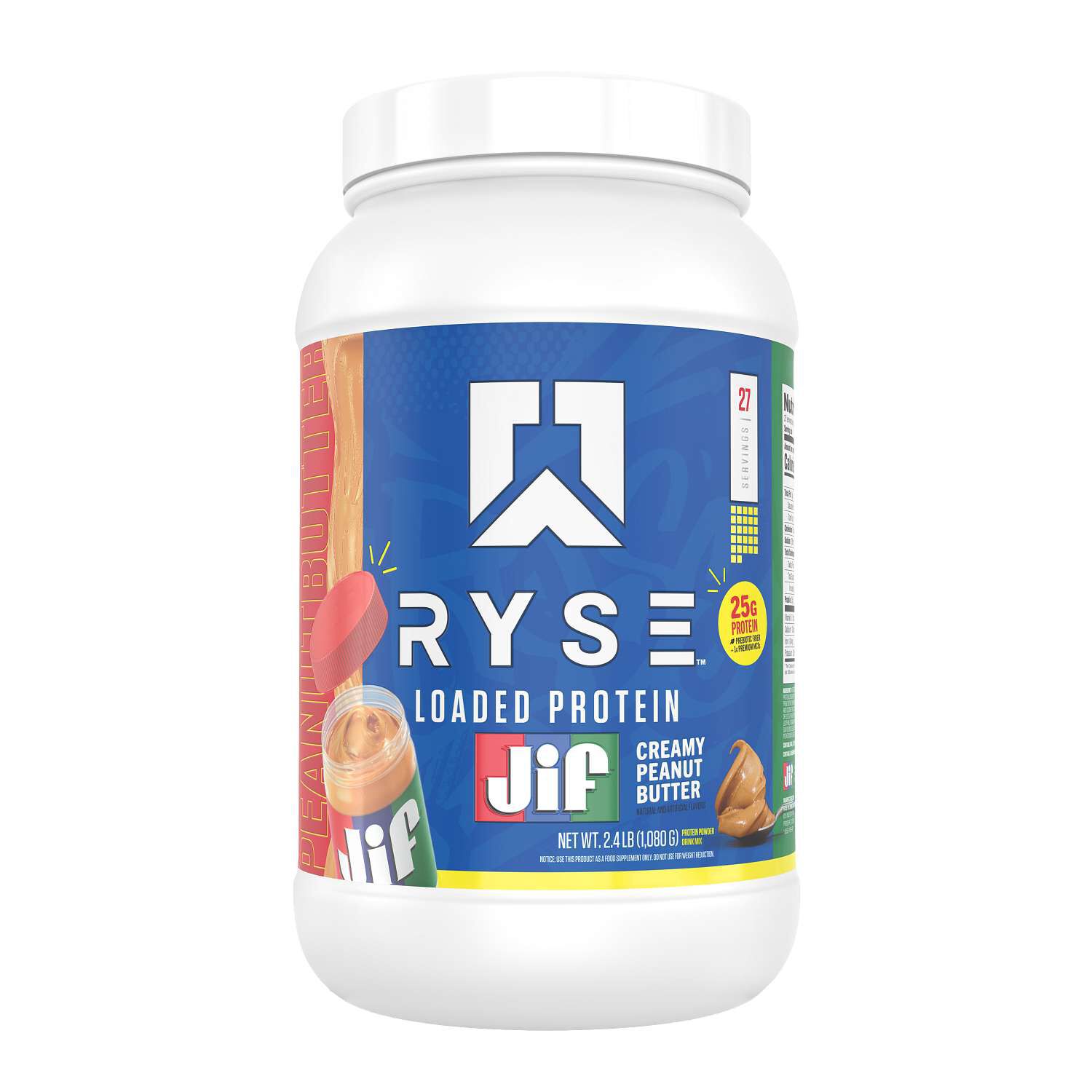


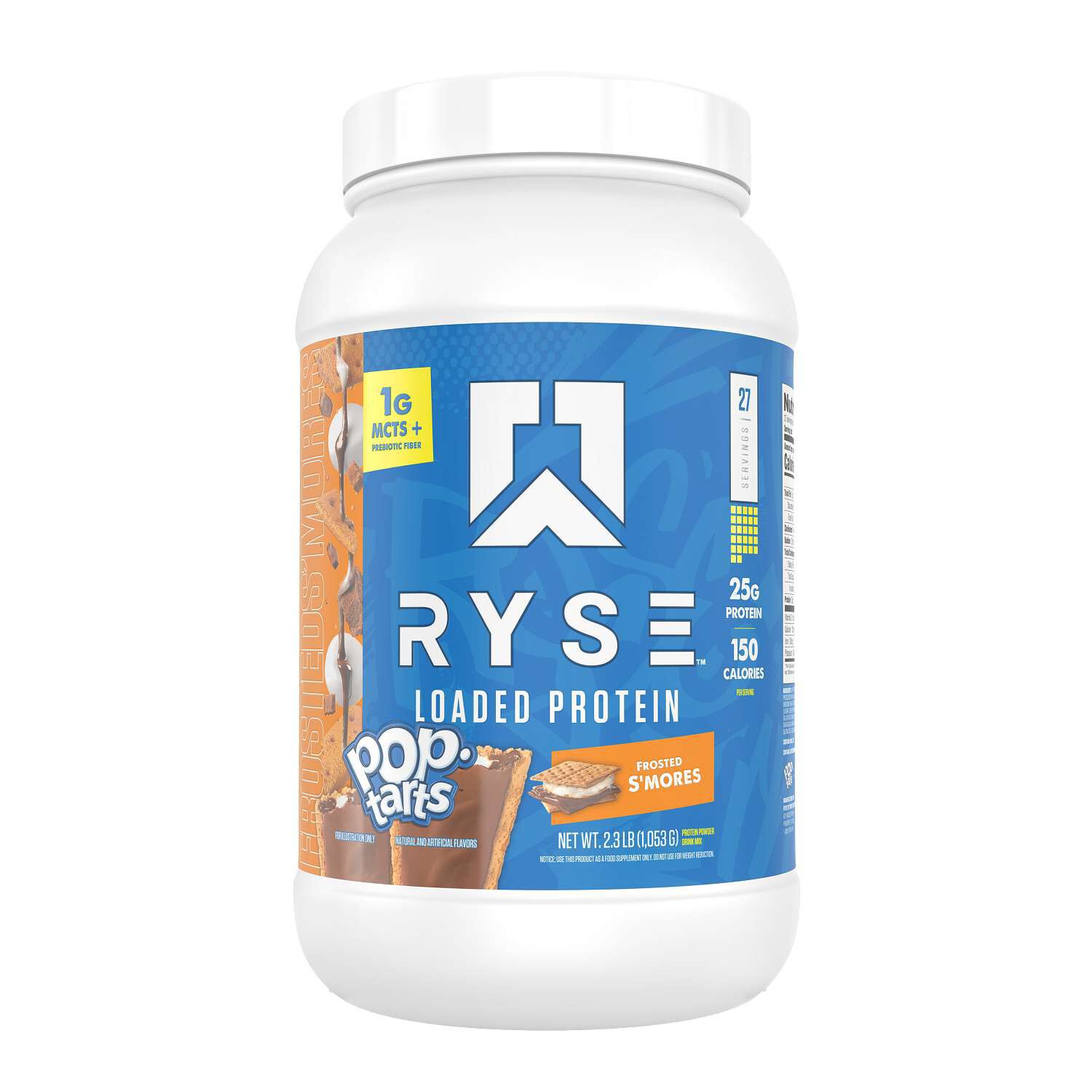



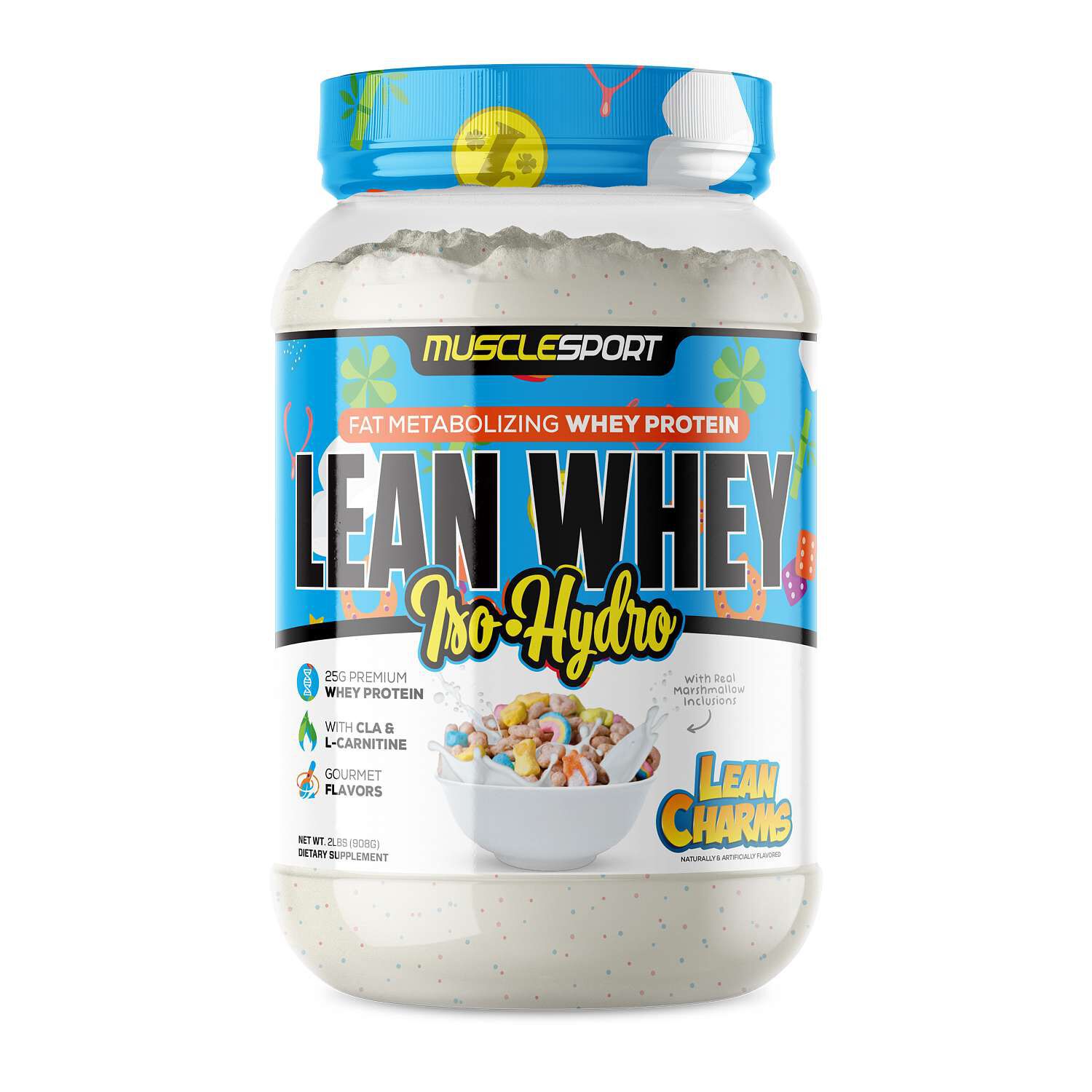
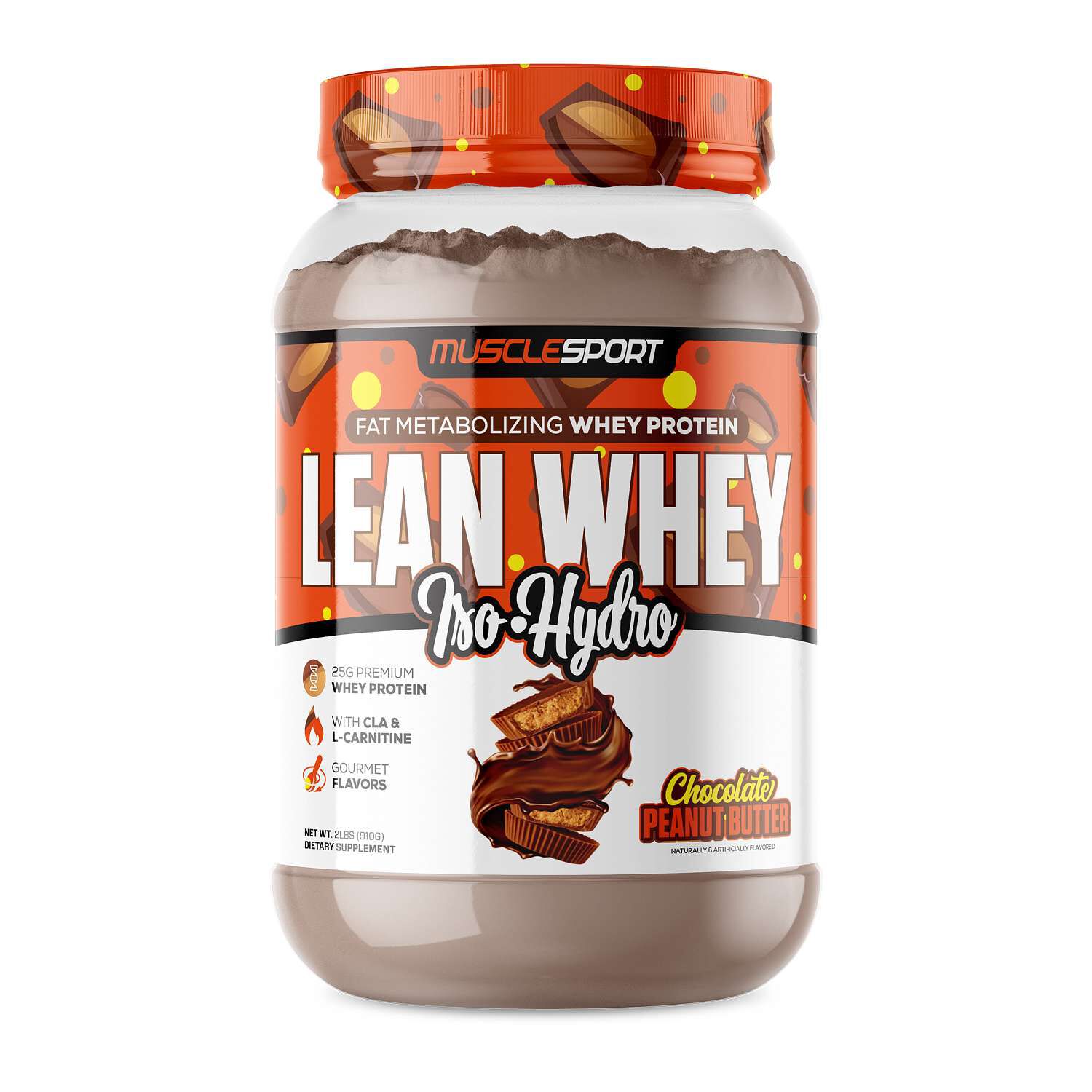
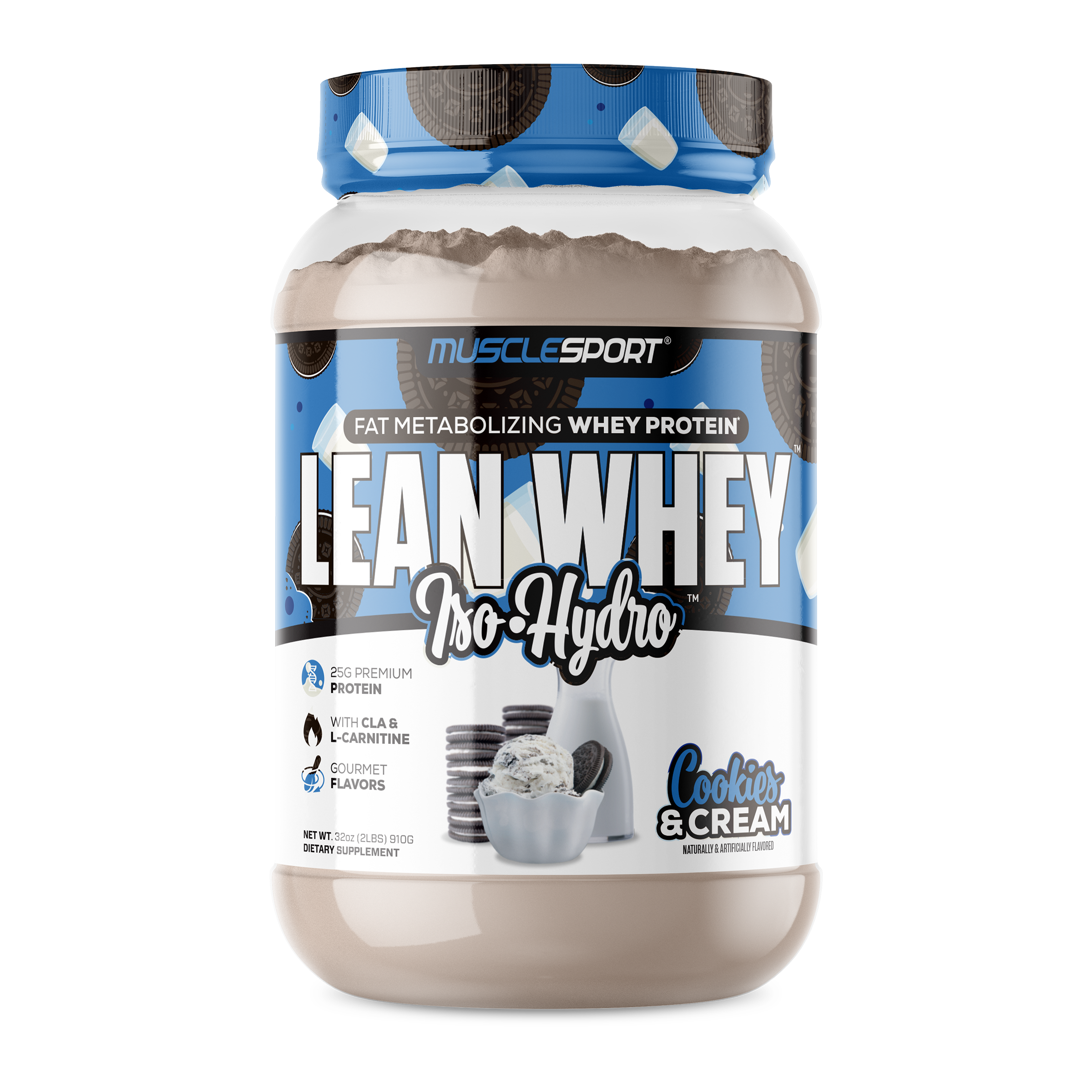
Protein With MCTs brings together two familiar nutrition ingredients in one convenient format: protein and medium-chain triglycerides, commonly called MCTs. Protein supplies amino acids that may support muscle maintenance and post-exercise recovery, while MCTs are a type of fat typically sourced from coconut oil or palm kernel oil. Compared with longer-chain fats, MCTs have a shorter chemical structure and may be processed more quickly by the body. They travel to the liver, where they may be converted into usable energy or ketones. This combination can fit naturally into busy routines, especially when a full meal is not practical before a morning walk, between errands, after time at the gym or during a long afternoon at a desk. Some people choose Protein With MCTs for the satisfying character of protein and fat together, while others appreciate the convenience of mixing a prepared blend into water, milk or a smoothie. The result may be a practical addition to a daily routine rather than a replacement for varied meals. Because formulas differ, shoppers may want to compare the protein source, the amount of protein per serving, the type and quantity of MCTs, flavoring, sweeteners and other ingredients. Whey-based options may appeal to people who enjoy a creamy texture and dairy-based nutrition, while plant-based formulas may suit those who prefer ingredients such as pea, rice or other botanical protein sources. Reading the serving information can also help with portion planning, since MCTs add calories and larger servings may not fit every eating pattern. A smaller serving may be a comfortable starting point for someone who has not used MCTs before, as higher amounts may contribute to digestive discomfort for some people. Anyone managing a specific dietary concern may wish to review the ingredient panel with a qualified healthcare professional.
The way people use Protein With MCTs often depends on the texture and format of the product. A powder can be blended into a smoothie with fruit, leafy greens, yogurt or a milk alternative, creating a breakfast that travels well in an insulated bottle. It can also be stirred into a warm beverage once it has cooled slightly, or combined with oats for a richer, more filling texture. Ready-to-mix servings may work well in a gym bag, desk drawer or carry-on, while a larger container may be convenient for households that prepare shakes several times a week. Protein is often selected after physical activity because its amino acids may support the body’s normal muscle maintenance and recovery processes. MCTs may provide a readily available source of energy, making this pairing appealing before a walk, during a demanding workday or whenever someone wants a more substantial shake than protein alone. Individual routines, dietary preferences and calorie needs vary, so the best fit may be the formula that is easy to enjoy consistently and complements meals already on the menu. Shoppers may also compare protein digestion preferences, allergen statements and sweetener choices. Those who avoid dairy may look for a plant-based formula, while people who enjoy the taste and texture of milk-based shakes may prefer whey or a blend containing more than one dairy protein. Flavor matters as well: chocolate and vanilla may blend easily with fruit or oats, while unflavored options may work in savory recipes or allow other ingredients to stand out. During the cooler months, a shake can pair nicely with a hearty breakfast before a brisk outdoor walk; as the weather changes, the same blend can become a chilled smoothie or a simple post-workout drink.
Protein With MCTs may also make a thoughtful gift for someone building a home fitness routine, preparing weekday breakfasts or looking for convenient ways to add protein to a busy schedule. It may suit a college student outfitting a small kitchen, a hiker organizing food for an active weekend or a family member who enjoys experimenting with smoothies and blended coffee drinks. Gift shoppers may want to consider practical details such as dietary restrictions, preferred protein source, flavor, package size and whether the recipient has access to a blender. For those who already keep protein powder on hand, a dedicated MCT option could add variety to the pantry. Another approach is choosing MCT powder separately and combining it with a preferred protein formula; shoppers exploring that format can browse MCT Oil Powder Supplements. As with any concentrated nutrition product, following the serving directions may help keep use consistent, and gradually introducing MCTs may be more comfortable than starting with a large portion. Since MCTs contribute calories and may contain saturated fat, people may want to consider how a serving fits into their broader eating pattern. A product with Protein With MCTs can be used in many everyday ways, from a quick shake before heading out the door to a convenient recovery drink after exercise, but it works best when paired with regular meals, adequate hydration and a routine that reflects personal preferences. Comparing labels, selecting a format that fits the day and choosing a flavor that will be enjoyed repeatedly can make the purchase more useful well beyond the first serving.