Women's Metabolic Health Capsules
(0 Results)
Women’s metabolic health capsules are designed to support a balanced lifestyle and complement your daily wellness routine. With carefully selected ingredients, these capsules may help you feel your best as you navigate the demands of a busy schedule. Explore a variety of options that could fit seamlessly into your personal health journey and discover how women’s metabolic health capsules might become a valuable addition to your everyday regimen.
-
-
-

-
-
-
-
-
-

-
-

-
 185$24.99
-
-

-
-

-

-
-

-

-
-
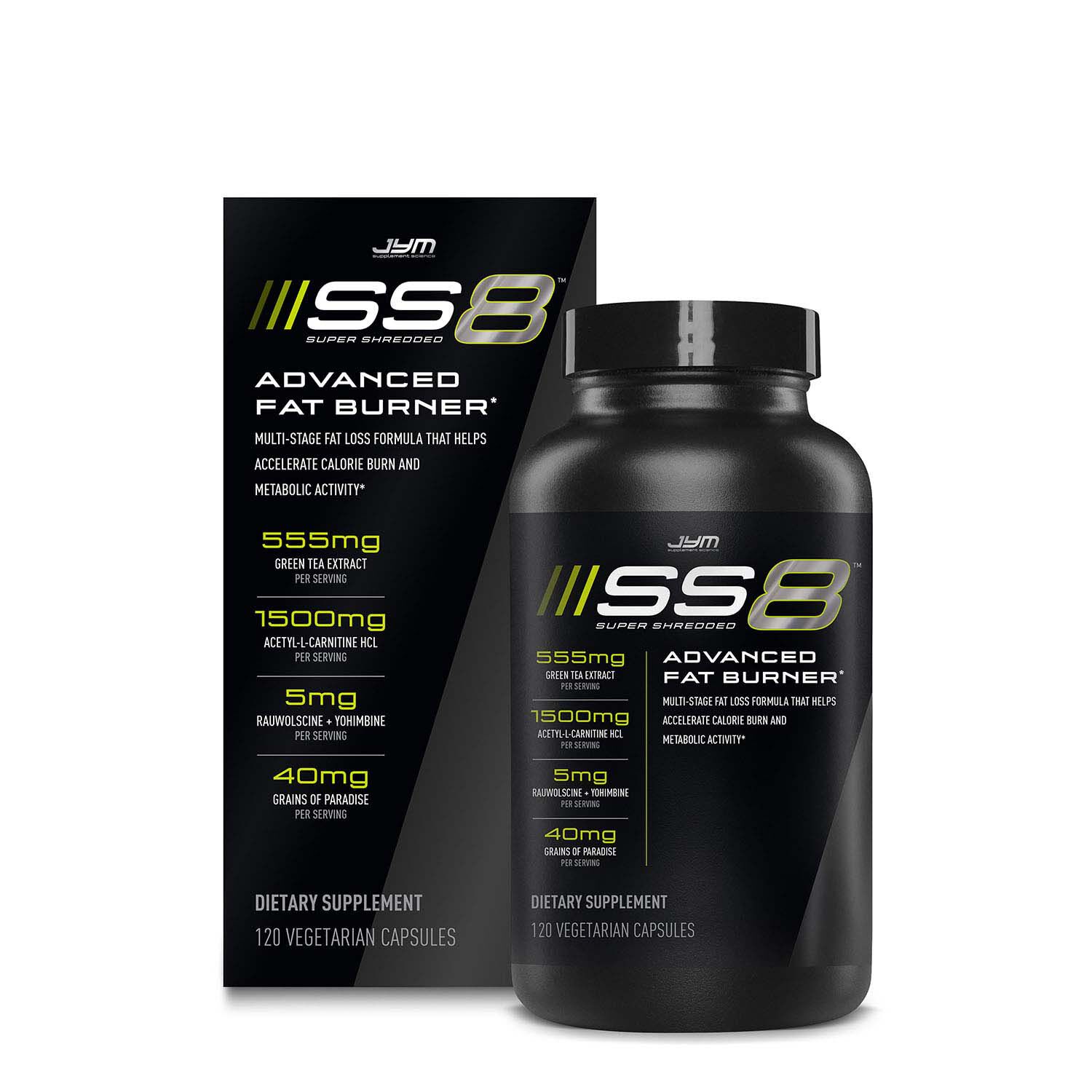
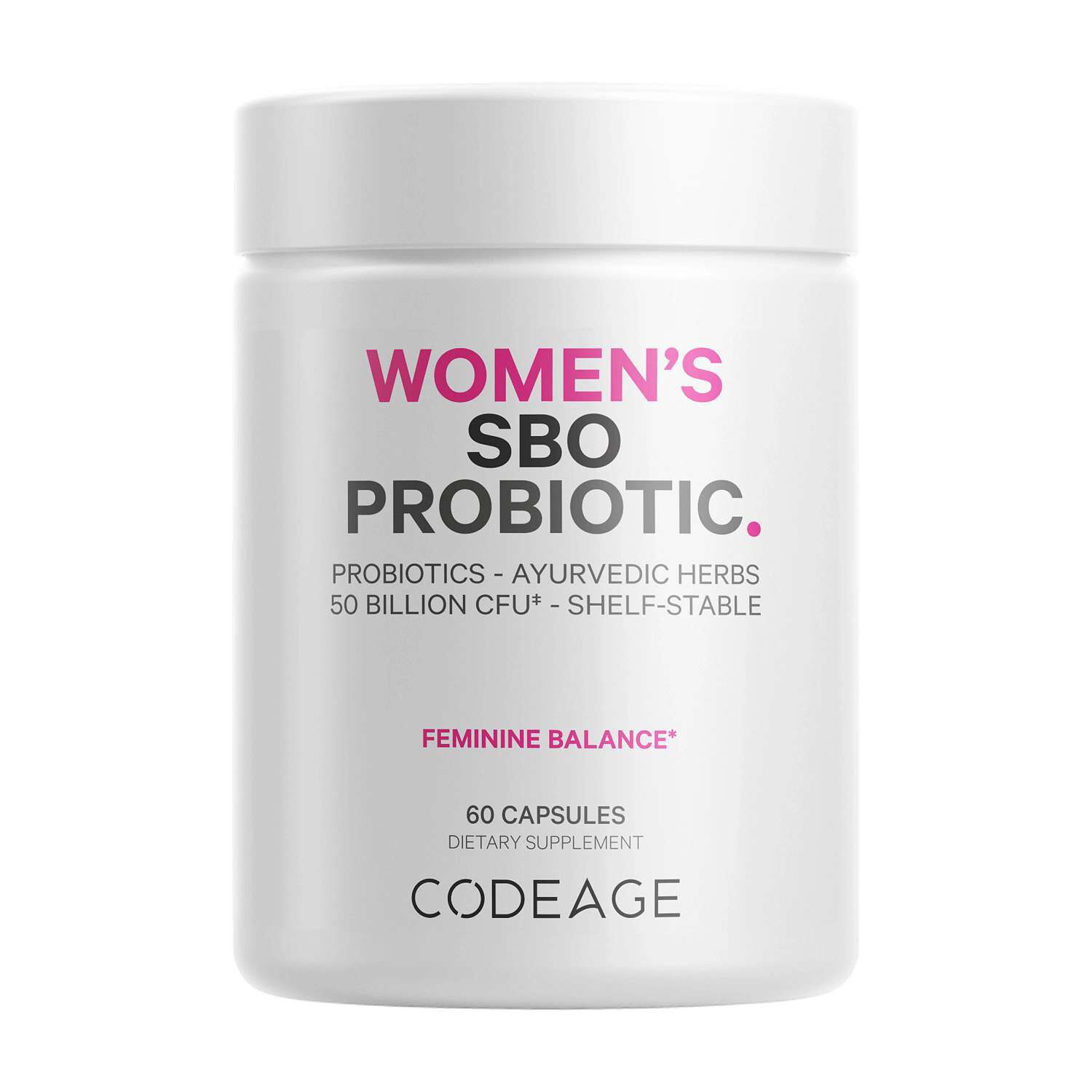
Women’s metabolic health capsules are dietary supplements formulated for adults interested in everyday nutrition and normal energy metabolism. Metabolism describes the processes through which the body uses nutrients from food for energy and other ongoing functions; it is broader than body weight or how energetic someone feels. Products in this category may contain B vitamins, minerals such as chromium and zinc, botanical extracts, or combinations of these ingredients. Depending on the formula, these nutrients may support normal nutrient metabolism as part of a varied diet. The category name alone does not establish what a capsule contains, how much of each ingredient it provides, or whether it matches a particular shopper’s preferences. Those details come from the Supplement Facts panel, the ingredient list, and the labeled directions. A vitamin-focused formula has a different composition from a botanical blend, even when both are presented as women’s metabolism supplements. B vitamins are often included in formulas intended for nutritional support, while botanical-focused options emphasize plant-derived ingredients. Some products combine several ingredient types in one serving. Comparing those approaches is more informative than assuming that every capsule with similar packaging serves the same purpose. A shopper who already takes a multivitamin, for example, has a different set of label considerations from someone looking at a first daily supplement. Likewise, someone who prefers a short ingredient list may approach this category differently from someone interested in a broader blend. Women’s metabolic health capsules may suit adults who prefer a measured capsule format over a powder or chewable supplement, but personal preferences and the individual formula still matter. A capsule is a delivery format, not evidence of a particular outcome. These products are intended to complement daily nutrition rather than stand in for meals, movement, sleep, or other everyday habits. Their composition, serving instructions, and suitability deserve more attention than broad language on the front of a bottle.
Ingredient details offer a practical starting point when comparing women’s metabolism capsules. For a formula containing B vitamins, look at which vitamins are listed and the amount supplied per serving rather than treating the group as one interchangeable ingredient. Minerals deserve the same attention: a product that lists chromium is not necessarily similar in composition to one centered on zinc or a combination of micronutrients. The percentage Daily Value, when provided, offers context for the amount of a nutrient in a serving, though that number is not a rating of product quality or an individual nutrition target. Botanical ingredients require a slightly different comparison. A label may identify the plant, the plant part used, and whether the ingredient is supplied as a powder or an extract. An extract amount and a whole-plant powder amount are not automatically equivalent just because their names refer to the same plant. Where an extract has a stated concentration of a particular constituent, that information adds context beyond the ingredient’s weight alone. Green tea extract, for instance, may appear in a botanical formula, making both the extract description and any declared caffeine content relevant label details. Caffeine preferences matter to shoppers who also drink coffee or tea, especially when comparing several supplements with overlapping ingredients. With blends, distinguish between a panel that lists each ingredient’s amount and one that gives a single combined amount for several ingredients. Neither a long ingredient list nor a larger milligram number, by itself, establishes that a formula is the better match. The serving basis matters just as much: amounts listed for two capsules should not be read as the amounts in one. Other ingredients can include materials used for the capsule shell, texture, or manufacturing, so the full list deserves a look alongside the highlighted nutrients. Clear labeling makes it easier to understand what is being compared without relying on package imagery, a familiar ingredient name, or an impressive-looking number.
The physical format and everyday handling of metabolic health capsules are also worth considering. Capsule shells may be made from gelatin or plant-derived materials such as cellulose, and the shell composition can matter to shoppers with vegetarian preferences. A plant-derived shell does not necessarily describe every ingredient inside it; any dietary designation should apply to the finished formula rather than be inferred from the outer casing. Capsule dimensions, the number required per serving, and the labeled frequency are practical details that can influence whether a product fits an established routine. Consider the difference between keeping a bottle beside a breakfast place setting and organizing several bottles in a kitchen cabinet: in either setting, readable directions and a clear understanding of serving size matter more than the bottle’s appearance. Container count can also be misleading without context, since a bottle containing sixty capsules represents thirty servings when the labeled serving is two capsules. Packaging and care are less about long-term durability than about protecting the contents throughout their intended use. Follow the storage directions on the container, retain the original label, and check the expiration date and packaging condition. Moisture, direct light, and a loosely closed lid are relevant handling considerations, particularly for a bottle that is opened regularly. For travel, keeping directions and ingredient information with the product may make organization easier than carrying unidentified capsules in an unmarked pouch. Shoppers comparing adjacent categories can also explore Keto Supplement Capsules for Women, while recognizing that a keto-oriented label describes a different nutritional focus and does not make the two categories interchangeable. Across either category, the useful comparisons remain concrete: ingredients, stated amounts, capsule materials, serving requirements, dietary attributes, and intended use. Supplements are personal purchases, and selecting them for someone else calls for knowing that person’s established preferences rather than guessing from a general wellness interest. A thoughtful choice begins with what the label actually says and how the format fits the intended user’s daily habits, without expecting a capsule to deliver a predetermined result.