

Zero Sugar Meal Replacement Shakes
(0 Results)
Zero sugar meal replacement shakes may offer a convenient option for those seeking to support their nutrition goals while maintaining a low-sugar lifestyle. These shakes can fit into a variety of routines, whether you’re on the go, looking for an easy snack, or aiming to manage your daily intake. With a range of flavors and formulas, zero sugar meal replacement shakes could make it simpler to stay on track with your wellness journey. Explore options that might suit your preferences and discover how these shakes could become a part of your everyday routine.
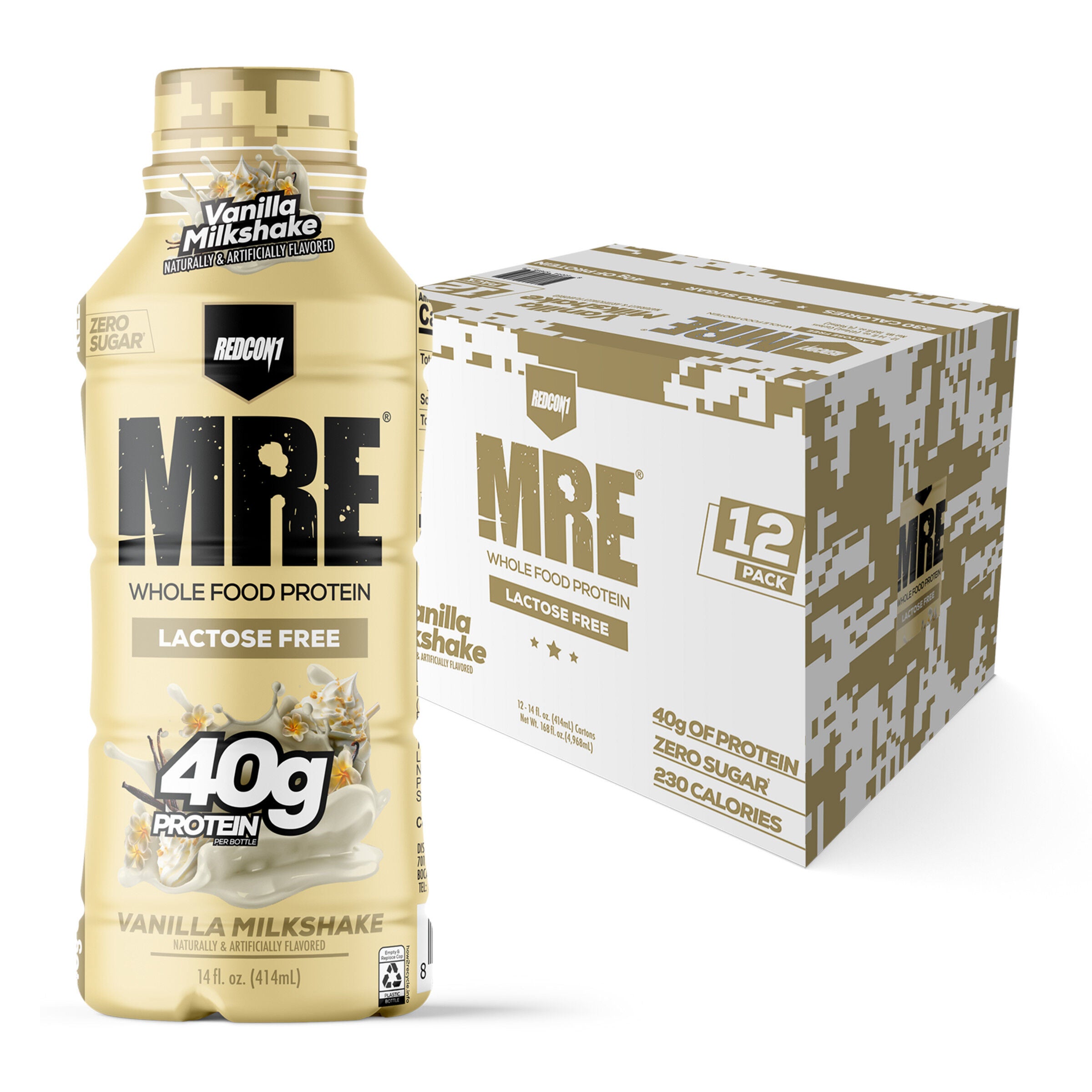
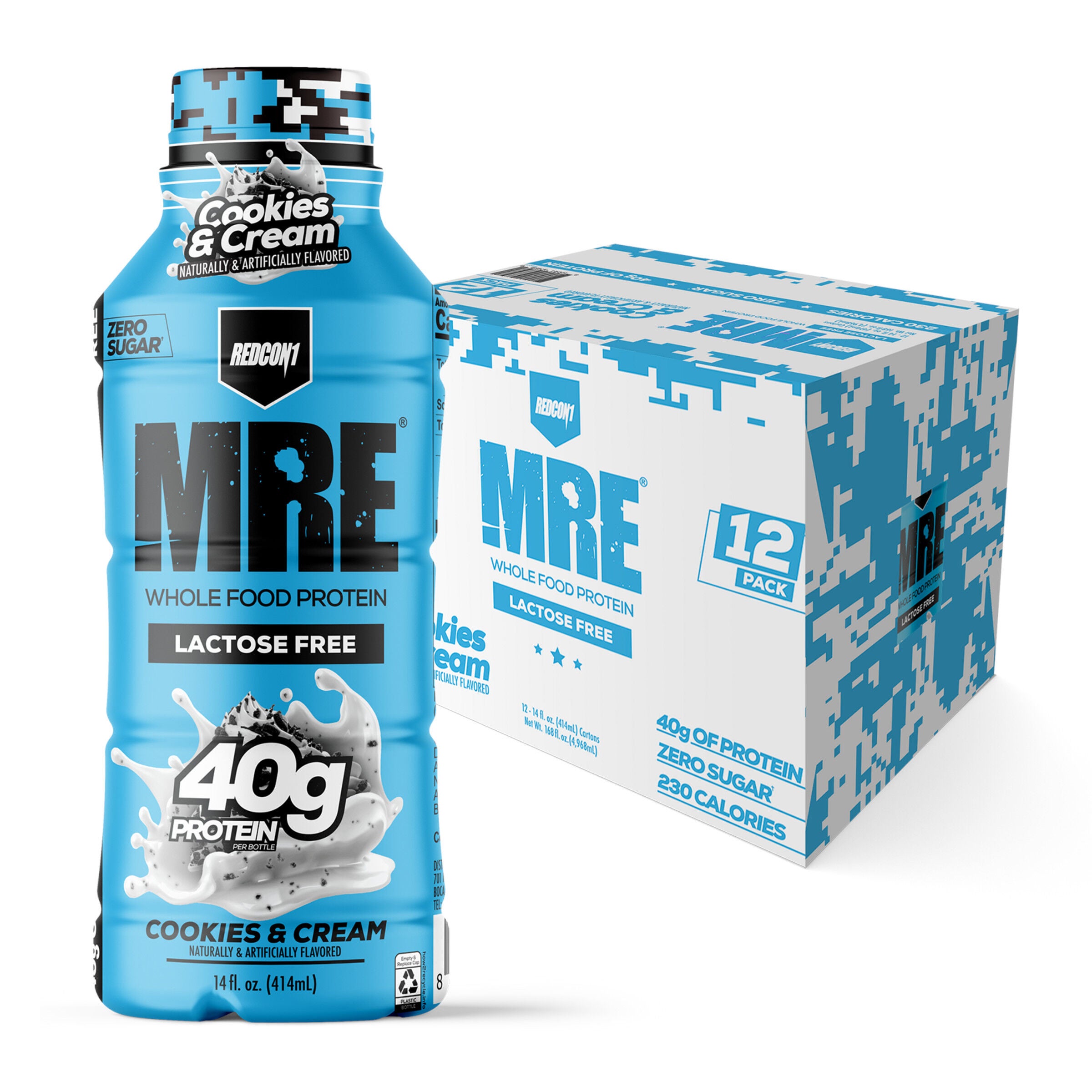

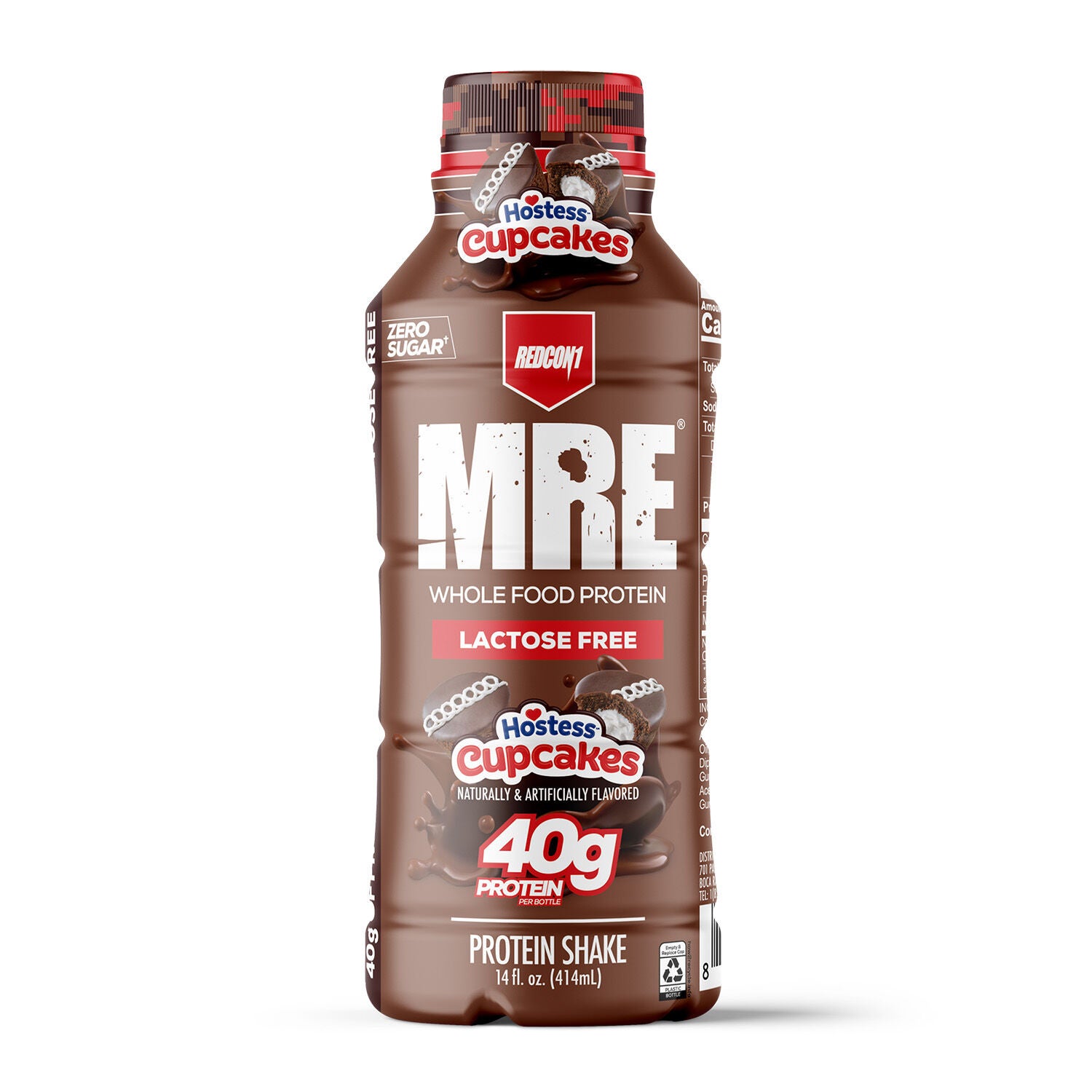

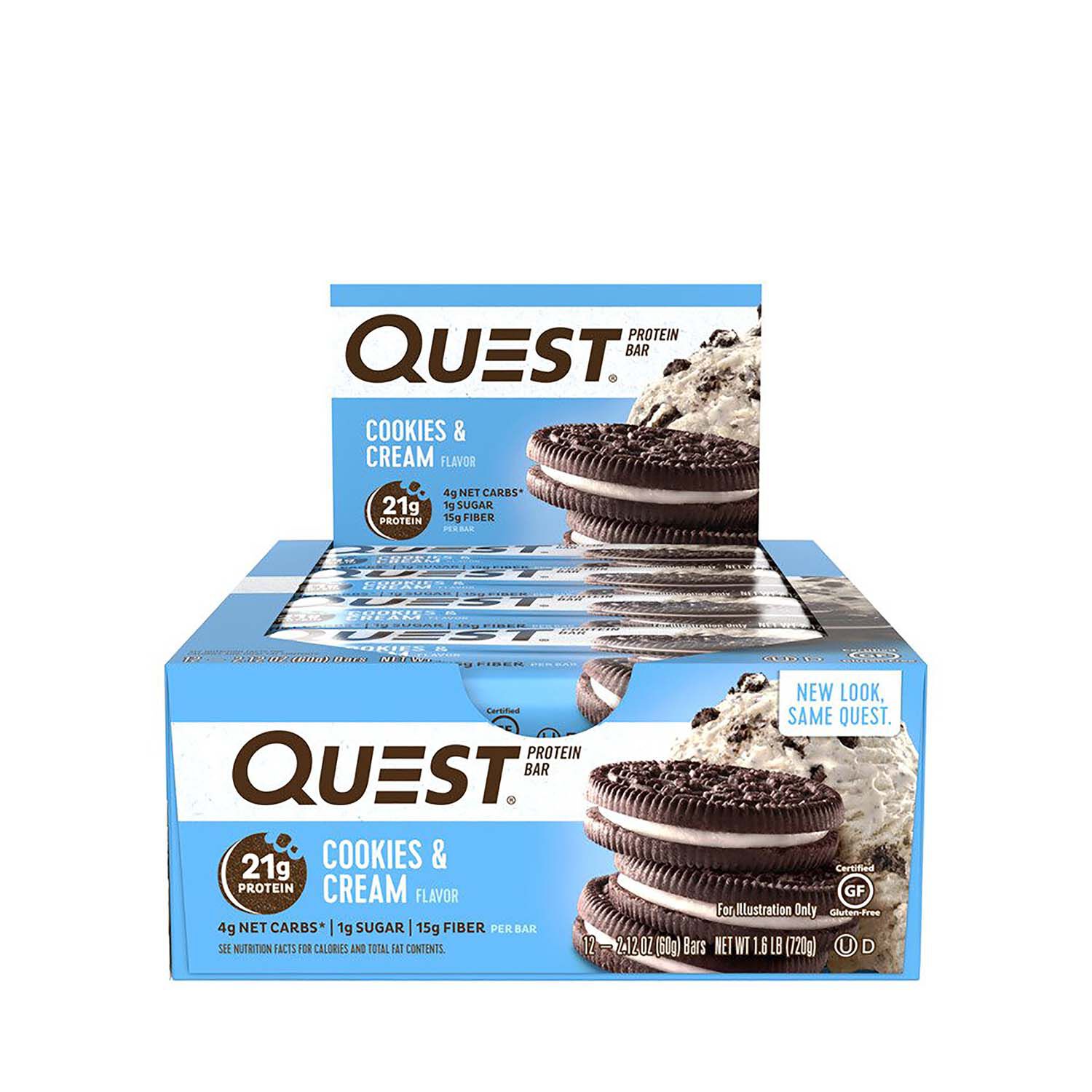
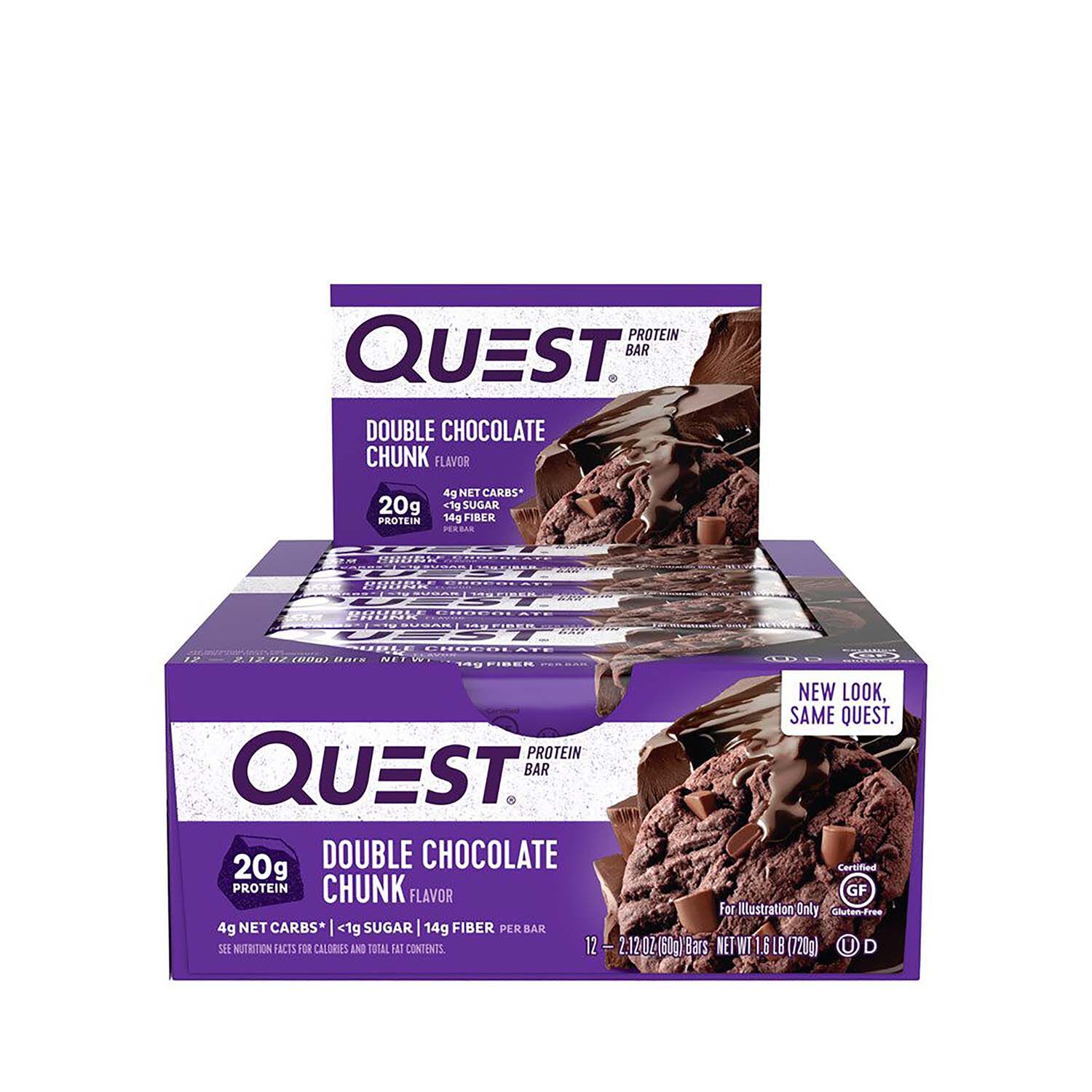
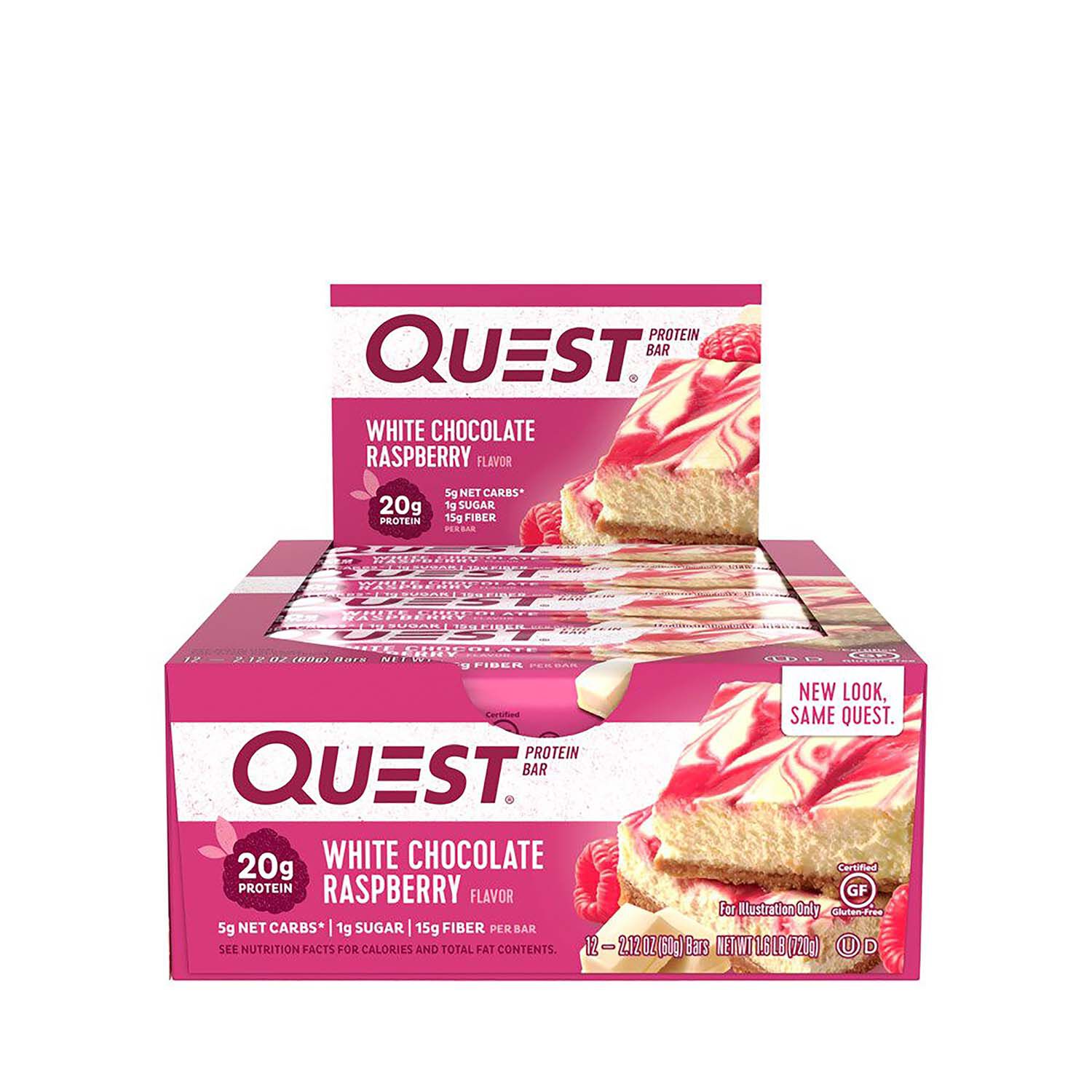
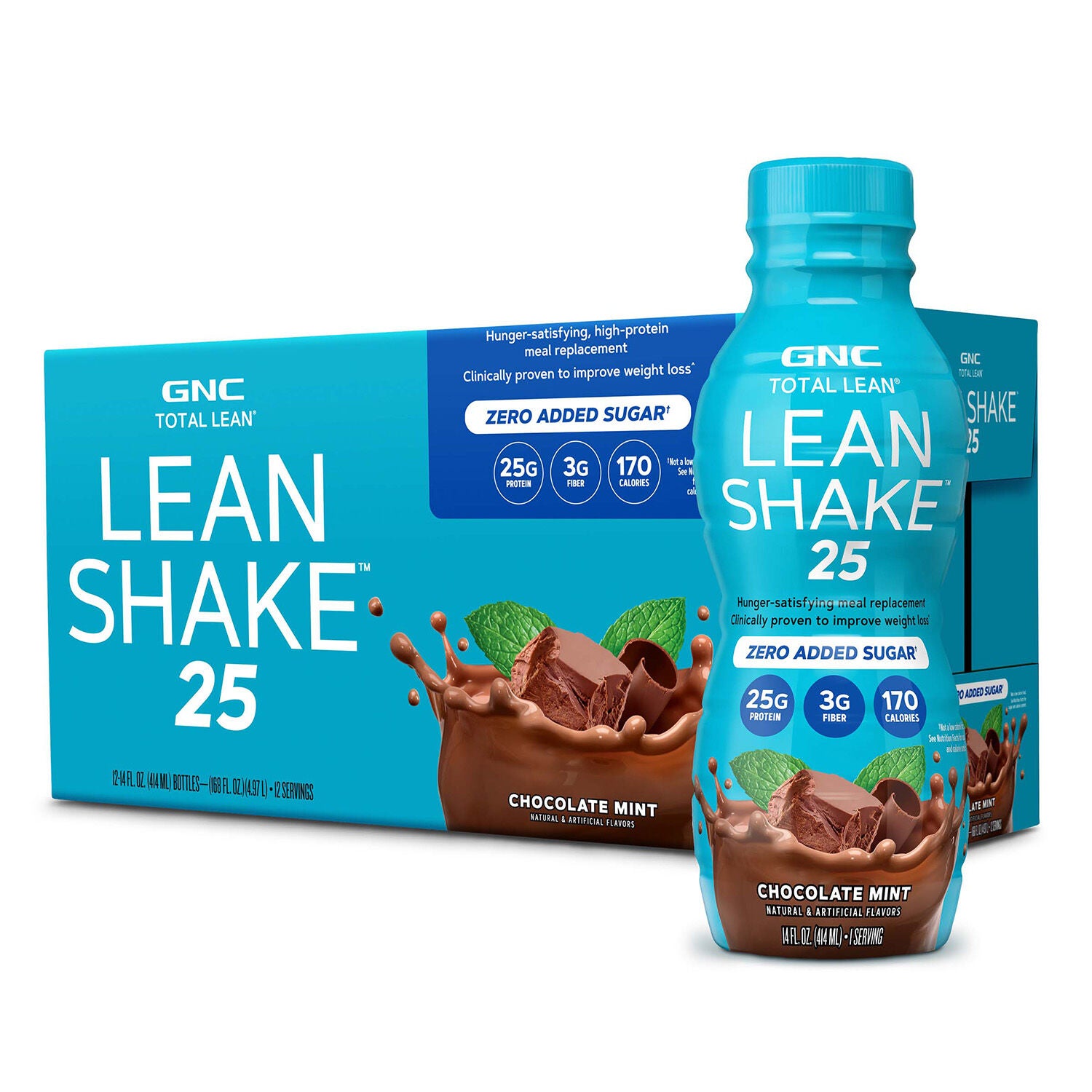
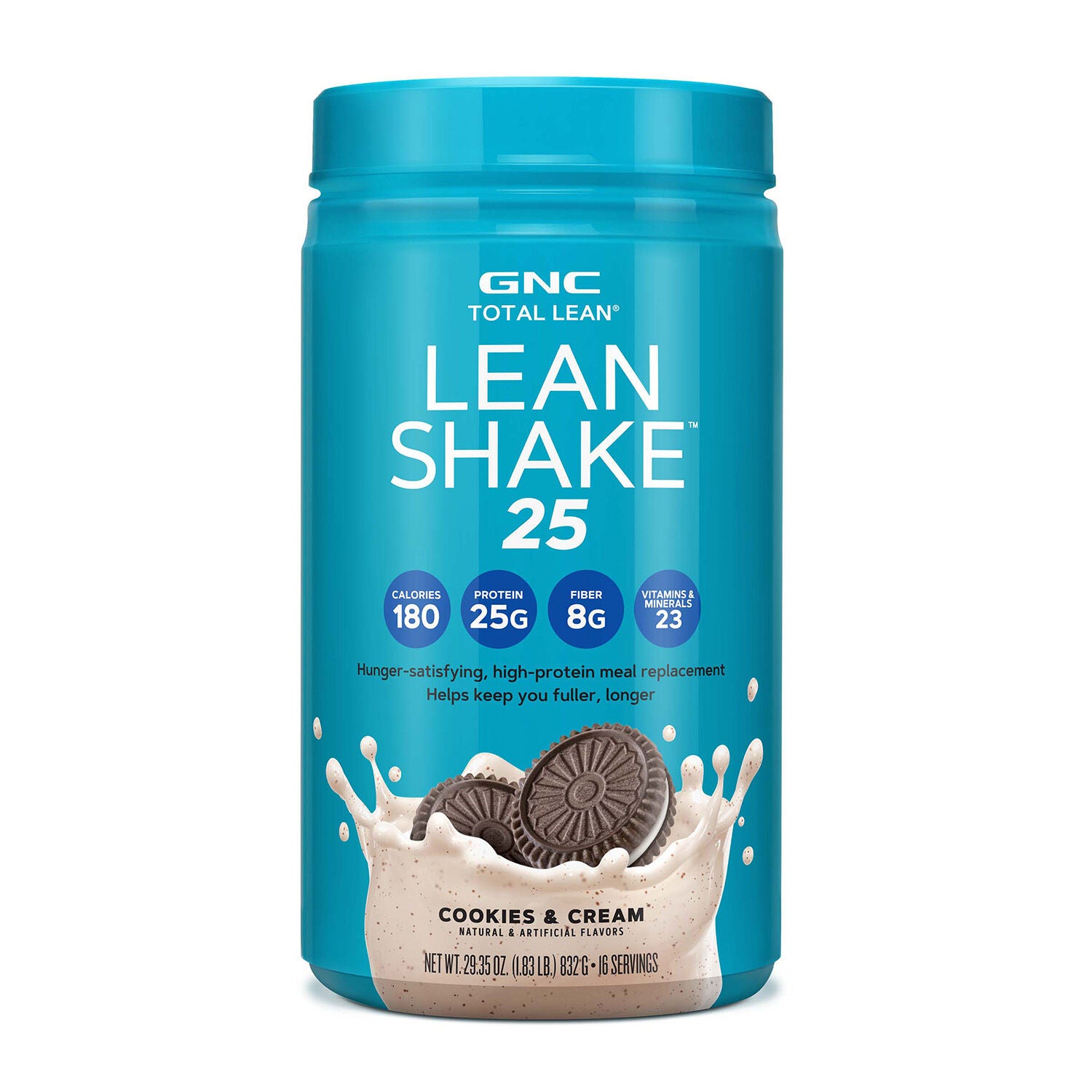
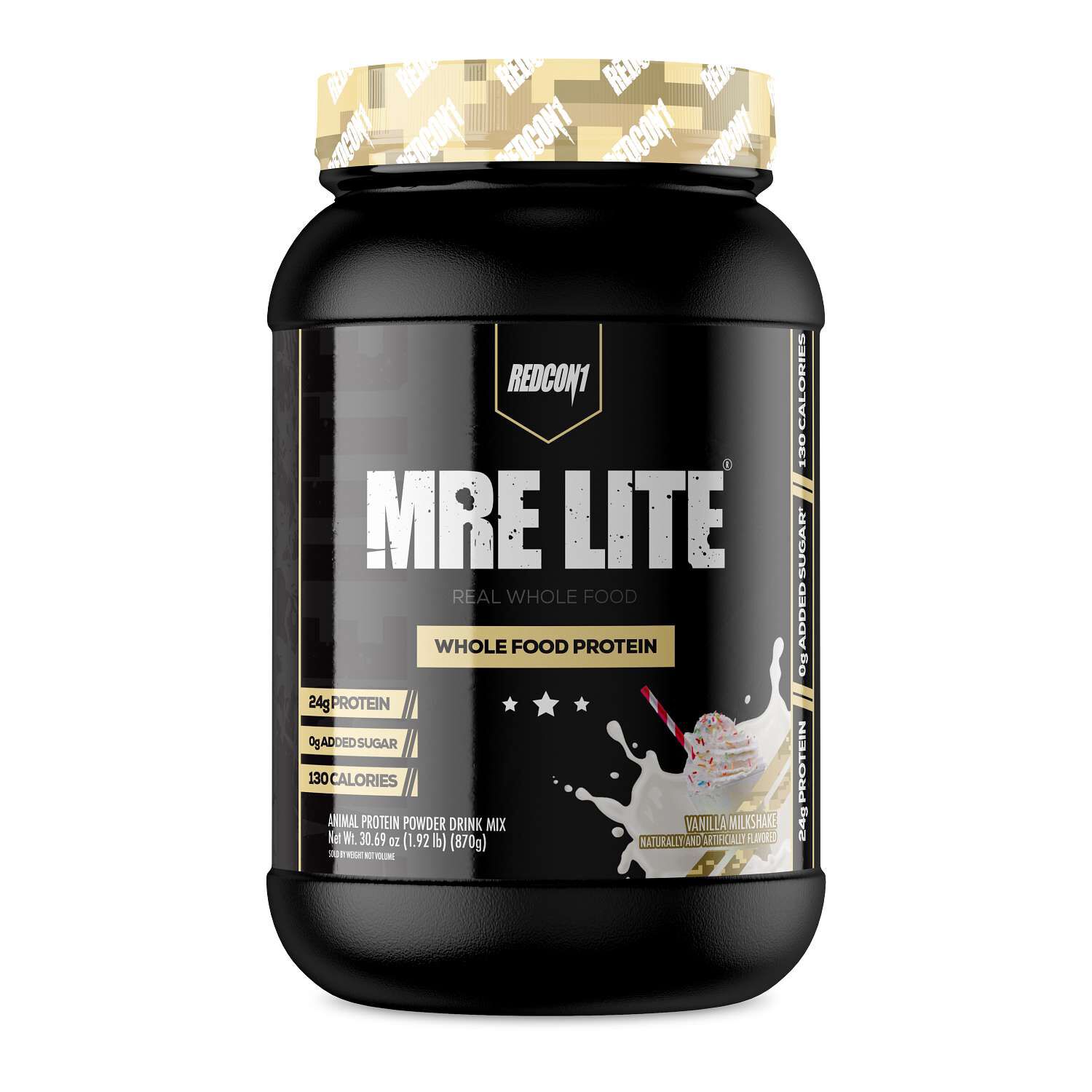
Zero sugar meal replacement shakes can offer a convenient option for busy routines when preparing a full meal does not fit the moment. They may suit early starts, long commutes, packed workdays, study sessions, travel, or afternoons when a portable serving is easier than assembling several ingredients. These products commonly come in ready-to-drink bottles or powders that can be mixed with water, milk, or a preferred dairy-free beverage, depending on the label. A ready-to-drink shake may be useful when a cooler or lunch bag is available, while powder can take up less space in a desk drawer, gym bag, or carry-on. For shoppers comparing formulas, protein is a helpful place to begin. Many meal replacement shakes provide about 15 to 30 grams per serving, although amounts vary by product and flavor. Fiber may also be listed, with some options providing roughly 3 to 5 grams per serving. These nutrients may contribute to a more satisfying shake between meals, though individual needs and preferences differ. Calories can range widely as well, from lighter servings intended for a small meal or snack occasion to more substantial formulas designed to provide additional nourishment. Reading the Nutrition Facts panel makes it easier to compare serving size, protein, fiber, calories, fat, sodium, and the amounts of vitamins and minerals included. “Zero sugar” generally refers to the amount of sugar listed per serving, so it is worth checking the label for the precise definition and serving size. Some formulas may contain sugar alcohols or non-sugar sweeteners, while others may use ingredients such as stevia, monk fruit, or another sweetening choice. Anyone with food sensitivities or dietary preferences may want to review the full ingredient list, including milk, soy, eggs, nuts, gluten-containing ingredients, and flavoring components. Texture matters, too. A thicker shake could feel more substantial, while a lighter consistency may be easier to sip alongside fruit, whole-grain toast, or another preferred food. For a familiar dessert-inspired option, shoppers may also browse Low Sugar Cookies N Cream Meal Shakes. Comparing flavors, formats, and serving details can help each person choose a shake that fits naturally into their day rather than leaving an unopened container on a shelf.
These shakes may be used by adults who value portability, by parents managing a crowded morning, by students moving between classes, or by travelers looking for an uncomplicated option during the warmer and cooler parts of the year. They could also make a practical gift for someone setting up a new office, returning to school, building a pantry for busy days, or preparing for a season filled with errands and gatherings. A variety pack may appeal to a household with different flavor preferences, while single-flavor packs may work well for someone who already knows what they enjoy. Meal replacement shakes are often used at breakfast, as a midday meal, or after a demanding schedule has made regular mealtime difficult; the best occasion depends on the product label and the shopper’s personal routine. Some people blend powder with ice for a cool, smooth drink as the weather warms, while others mix it with a warmer breakfast routine during cooler months, pairing it with fruit or whole-grain foods for added variety. A shaker cup can make powder convenient at a desk or on the go, and a blender may create a smoother texture with ice, coffee, nut butter, or fruit when those additions fit the selected formula. Add-ins can change the calorie, sugar, and nutrient profile, so checking the finished serving may be worthwhile. Storage is another practical consideration: ready-to-drink bottles generally need the handling described on the package, while powders should be kept sealed in a cool, dry place and measured according to the serving directions. Shoppers following a vegan, vegetarian, dairy-free, keto-friendly, or other eating pattern may find options that align with those preferences, but certifications and ingredient statements should be reviewed rather than assumed. The term “meal replacement” can describe a range of formulas, so a product’s listed calories, protein, fiber, vitamins, minerals, and preparation instructions offer a clearer picture than the front label alone. For a routine that changes from one day to the next, keeping both ready-to-drink and powdered options nearby could make it easier to choose a suitable format. When a shake is used as part of a regular eating pattern, pairing it with varied foods across the day may provide a more enjoyable approach to nourishment, and anyone managing a health condition or following personalized dietary guidance may wish to consult a qualified professional before making significant changes.