





Zinc Picolinate Supplements For Vegetarians
(0 Results)
Zinc picolinate supplements for vegetarians offer a convenient way to support daily wellness goals while aligning with plant-based lifestyles. With options designed for those who avoid animal-derived ingredients, these supplements may fit seamlessly into vegetarian routines. Explore a variety of zinc picolinate supplements for vegetarians that could help you maintain your nutritional balance and support your overall well-being.
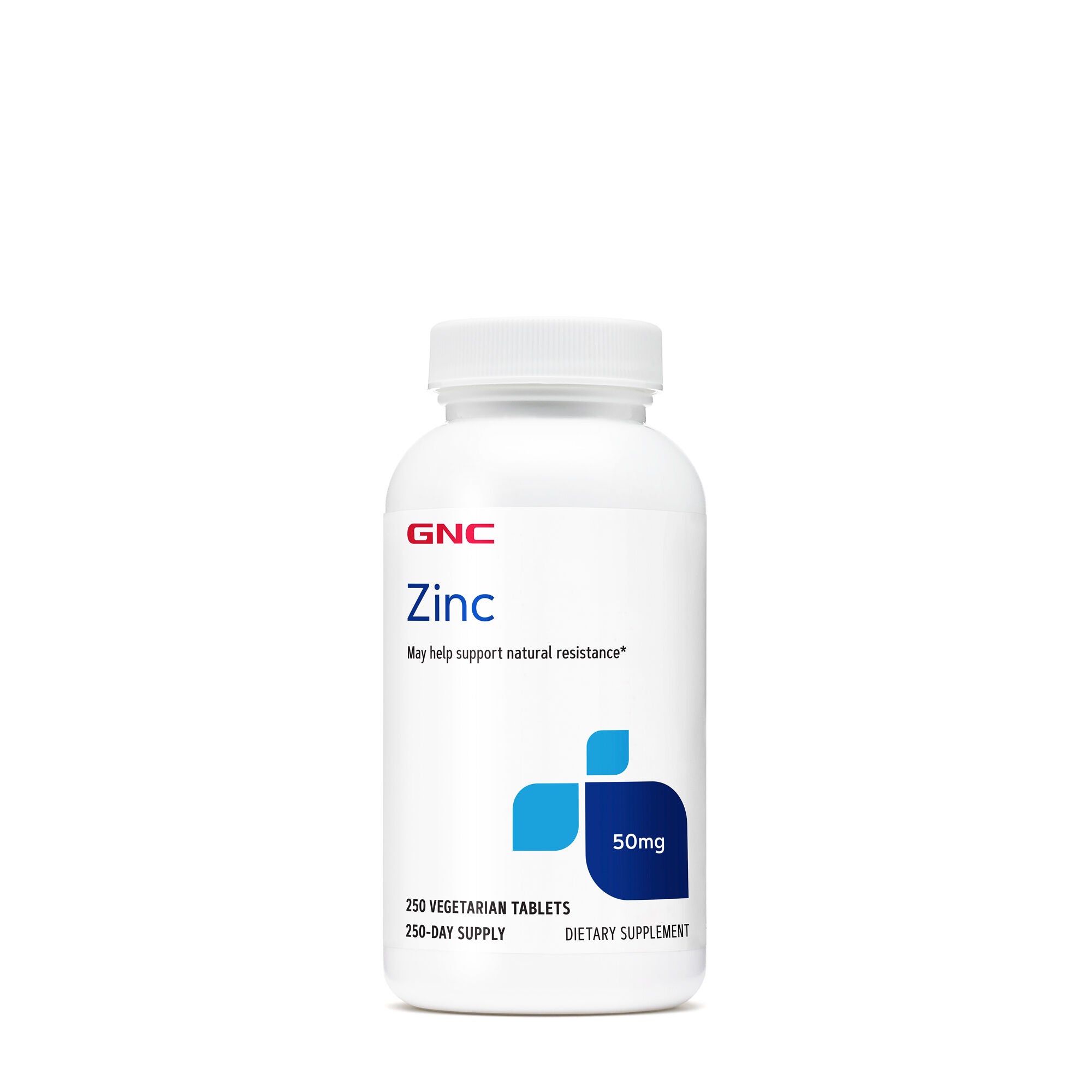

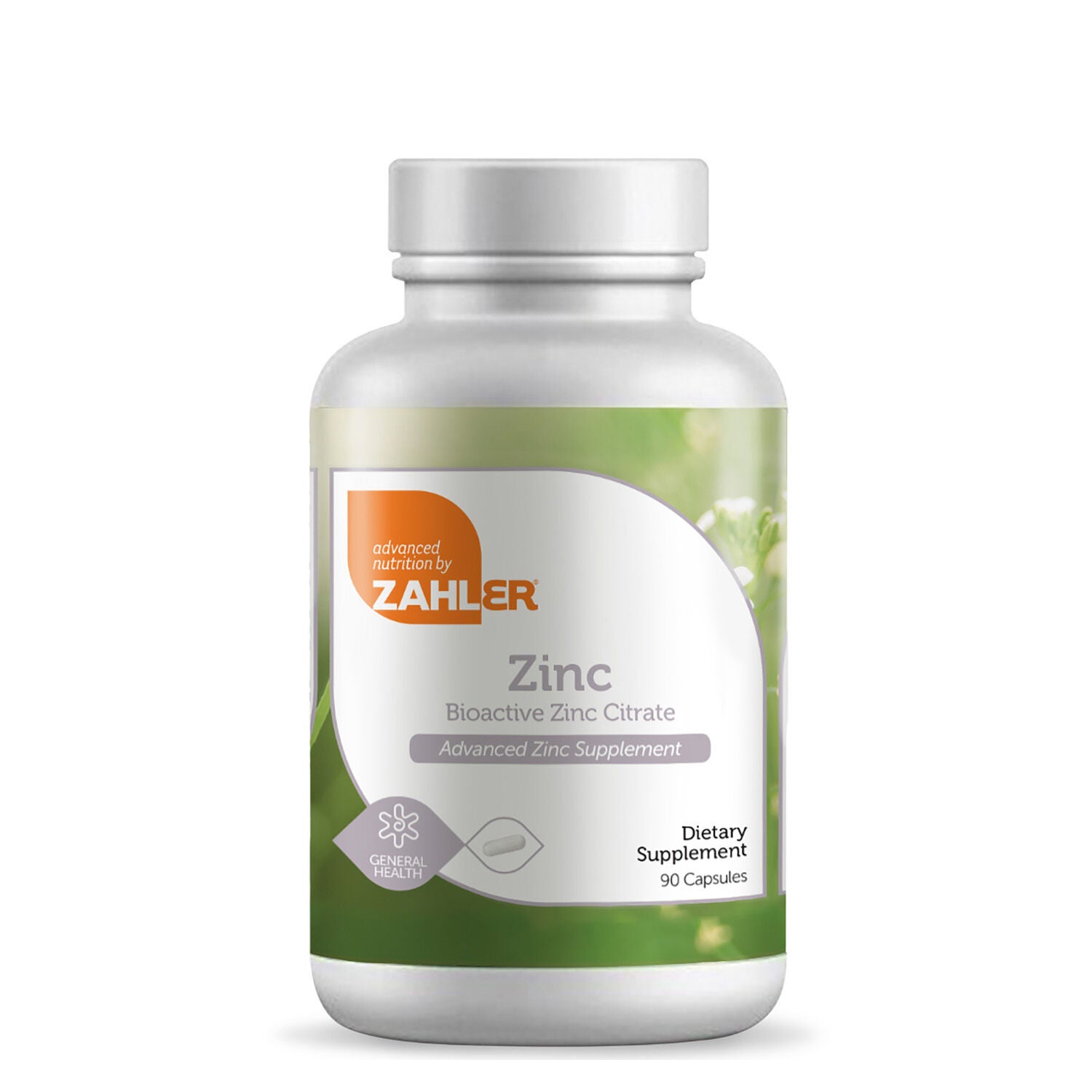
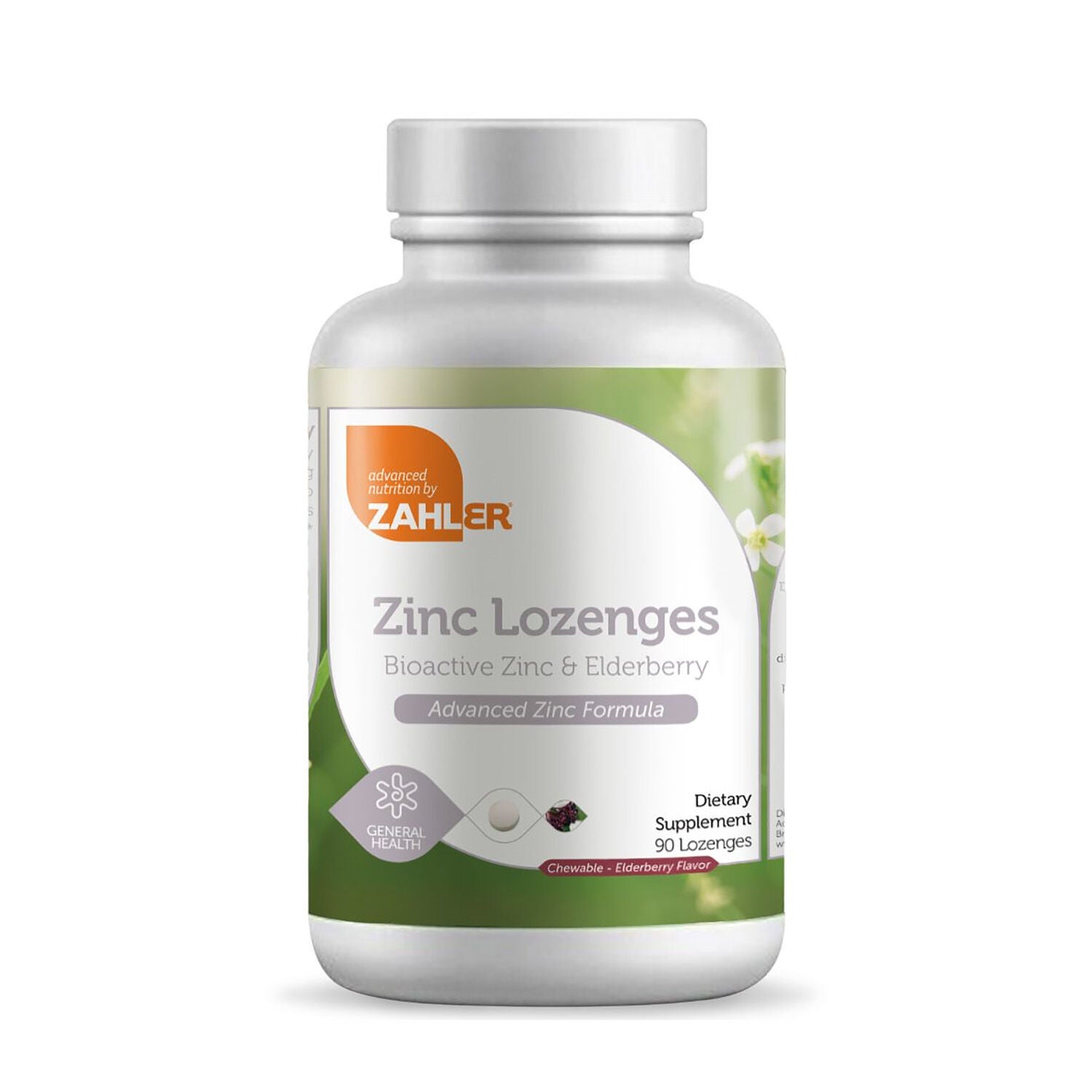

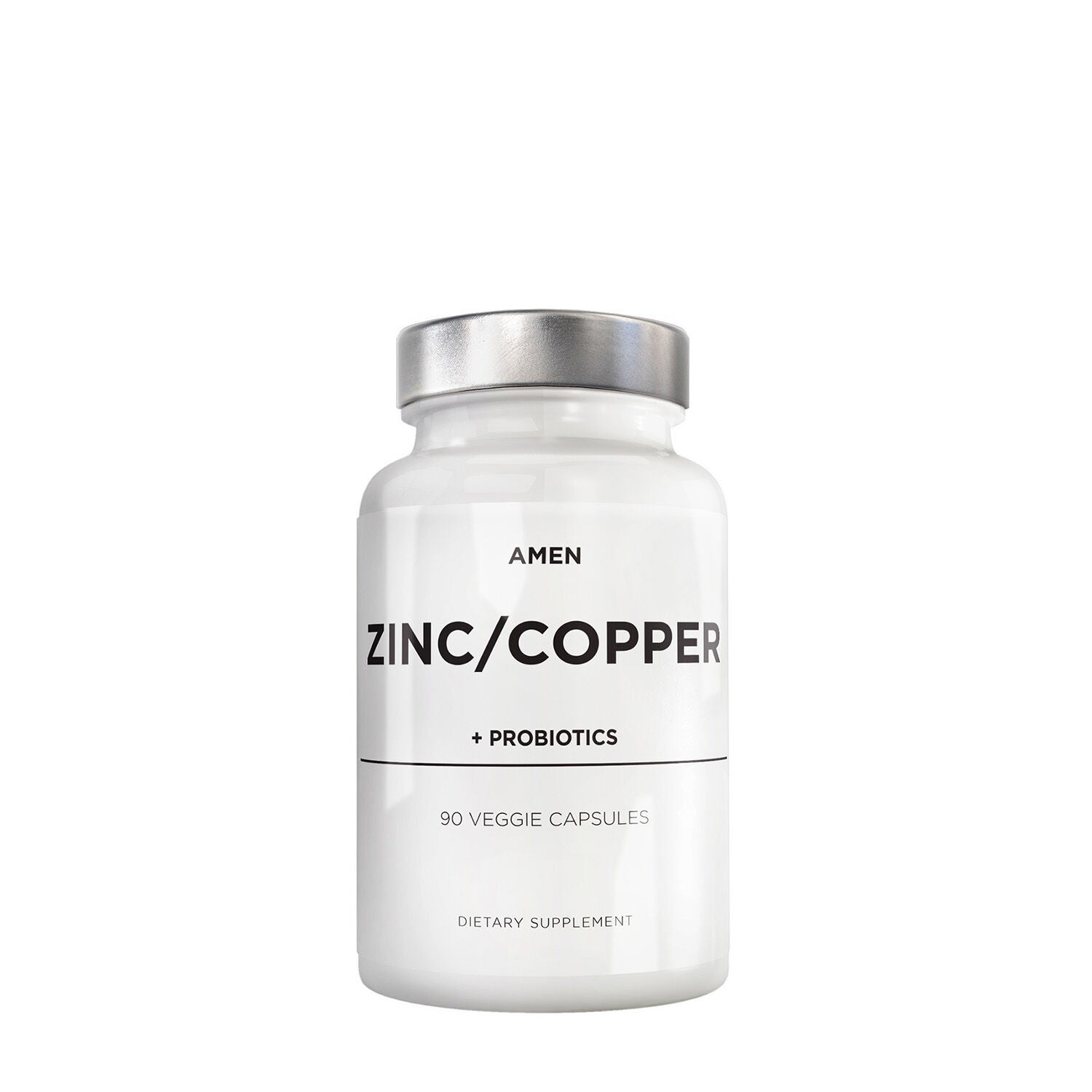
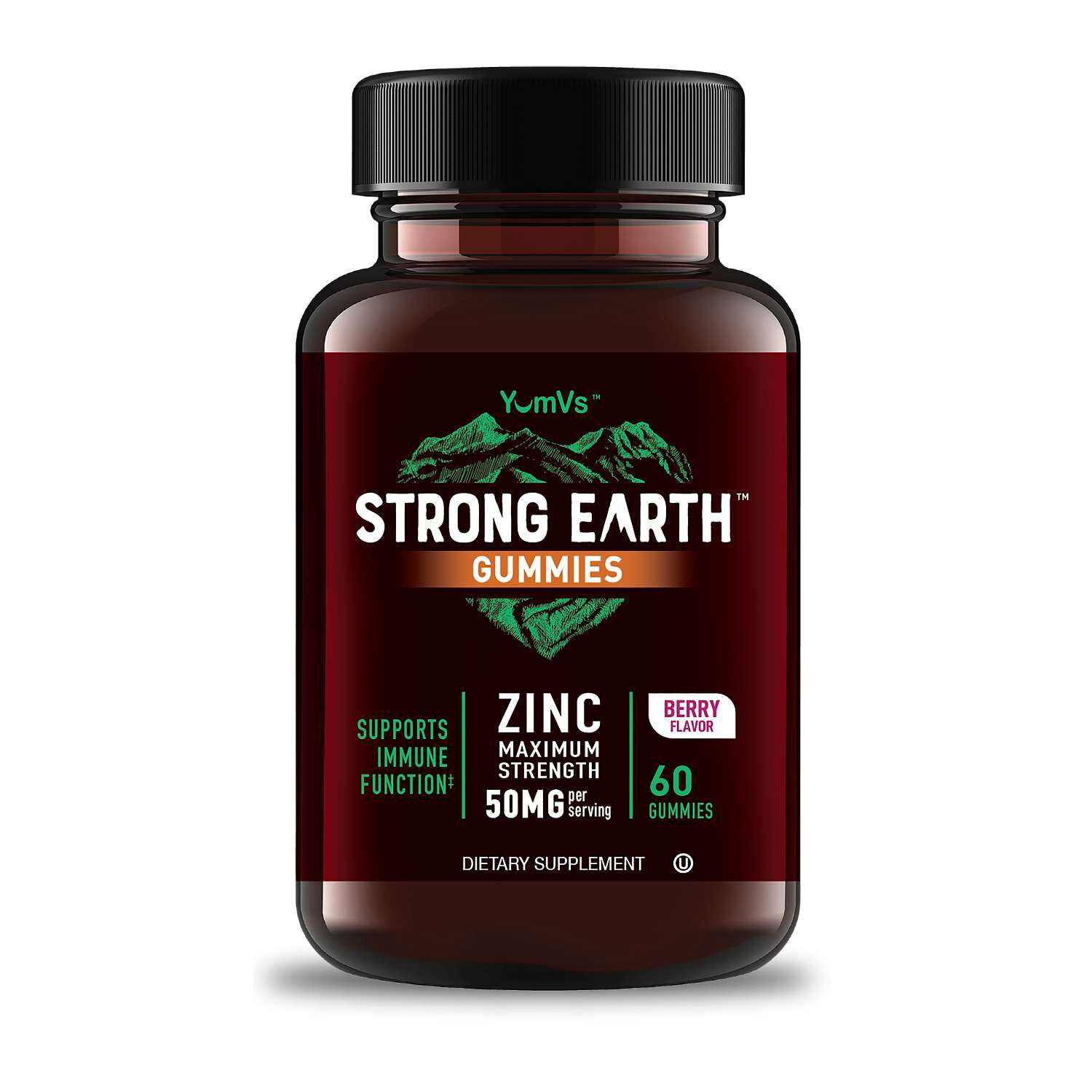
Zinc picolinate supplements for vegetarians bring together two distinct shopping considerations: the form of the mineral and the ingredients used to make the finished supplement. Zinc picolinate is zinc bound to picolinic acid, but that name alone does not establish whether a capsule or tablet suits a vegetarian eating pattern. The capsule shell, coating, and other ingredients matter, too. For someone whose meals center on lentil soup, roasted vegetables, oatmeal, and seed-topped salads, a clearly labeled vegetarian formula may fit the same ingredient preferences that shape the grocery basket. Zinc occurs naturally in plant foods, including beans, nuts, seeds, and whole grains. Those foods also contain varying amounts of phytate, a naturally occurring compound that can bind to zinc and influence how much the body absorbs. That nutritional context helps explain interest in zinc supplements among people who eat little or no meat, without making supplementation a requirement for every vegetarian. Eating patterns vary considerably: a person who includes eggs and dairy has different food choices from someone who avoids all animal-derived ingredients. The most relevant distinction on a product label is therefore not simply “picolinate,” but how the entire formula aligns with those preferences. A vegetarian designation and a vegan designation are not interchangeable, and the mineral form does not settle that difference. Clear ingredient information offers a more useful starting point than broad language about plant-focused living. Zinc picolinate also should not be treated as automatically superior to every other form of zinc; the form name by itself does not establish a particular outcome. On a page focused on vegetarian zinc picolinate supplements, the details worth comparing include the labeled zinc amount, serving size, delivery format, and dietary designation. Together, those details describe what a supplement contains and how it is presented, rather than suggesting that one formula belongs in every vegetarian routine.
The Supplement Facts panel provides a practical way to compare zinc picolinate formulas without relying on the appearance of the bottle. On a U.S. supplement label, the zinc amount listed in that panel represents elemental zinc, not the weight of the entire zinc picolinate compound. This distinction matters because the mineral and the compound are not the same measurement. Serving size adds another layer: the amount shown may correspond to one capsule, one tablet, or a serving containing more than one unit. A bottle’s capsule count is therefore different from its number of servings. A larger number on the front label is not, on its own, a reason to favor one option over another. For shoppers comparing vegetarian capsules with tablets, construction can be just as relevant as the mineral amount. Capsules may use a cellulose-based shell, while tablets may contain binders and a coating that help give them their finished shape. Gelatin is animal-derived, so a capsule format alone does not establish vegetarian suitability. Likewise, a familiar-sounding ingredient name may not reveal its source; an explicit dietary statement can make the finished formula easier to evaluate. The Other Ingredients list is where shoppers can look beyond zinc to the materials used in the shell, tablet, or coating. Someone who avoids animal-derived ingredients throughout their household may place particular importance on a vegan designation, while someone who eats dairy may use a vegetarian designation as a starting point. Neither preference changes what zinc picolinate means chemically. Physical details also deserve attention when provided, including tablet dimensions, capsule size, and whether the format matches a shopper’s usual preferences. A person accustomed to small tablets may approach a larger capsule differently, even when both carry the same labeled zinc amount. Label readability, clear serving information, and transparent ingredient sourcing make these comparisons more concrete than descriptions that focus only on a supplement’s name.
Everyday practicality extends beyond the formula to the bottle, storage instructions, and intended use. Zinc picolinate supplements are intended to supplement dietary zinc, not to stand in for the range of foods in a vegetarian eating pattern. A varied menu might include chickpea bowls, pumpkin seeds stirred into oatmeal, yogurt with nuts, or tofu alongside whole grains; a supplement occupies a different role from those meals. For shoppers who have already chosen to include zinc in their routine, packaging and directions help distinguish how different formats fit into daily life. A clearly printed label is useful when checking serving information, and a securely closing container matters when the bottle is stored between uses. Storage requirements belong to the individual formula, so the package directions are the appropriate reference for temperature, moisture, and handling. A steamy bathroom shelf or a spot beside a hot stove may not match those directions. The printed expiration date, an intact seal at purchase, and legible ingredient information are more relevant measures of condition than whether a bottle looks especially substantial. Keeping the original packaging also preserves access to the serving details and dietary statements that informed the selection. These considerations apply across many vegetarian lifestyles, from a household preparing mostly bean-and-grain dinners to someone choosing meatless lunches during a busy workday. During cooler months, when meals may lean toward warm lentil stews and baked dishes, the same label-based comparisons remain relevant; the season does not change whether a capsule shell matches a dietary preference. Shoppers browsing for a man who follows a vegetarian eating pattern can also explore Zinc Picolinate Supplements for Men, while keeping vegetarian suitability as a separate label check. An audience-specific collection does not establish the ingredients of every formula within it. Whether the priority is a clearly identified plant-derived capsule, a tablet format, or straightforward serving information, careful comparison keeps the focus on the actual product details. The strongest match is about alignment with established preferences and intended use, not the largest printed amount or the most elaborate description.


