

Zinc Supplements For Picky Eaters
(0 Results)
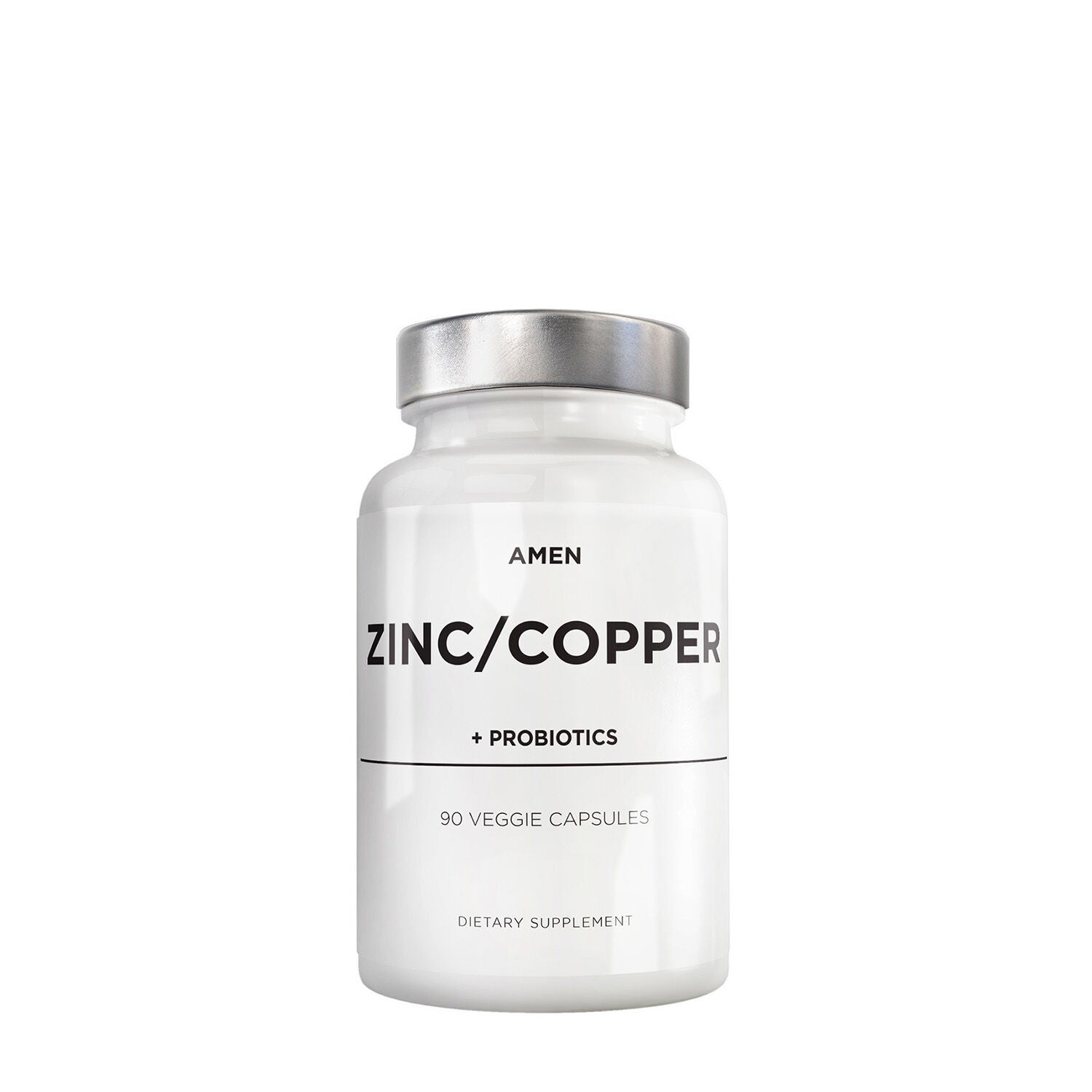
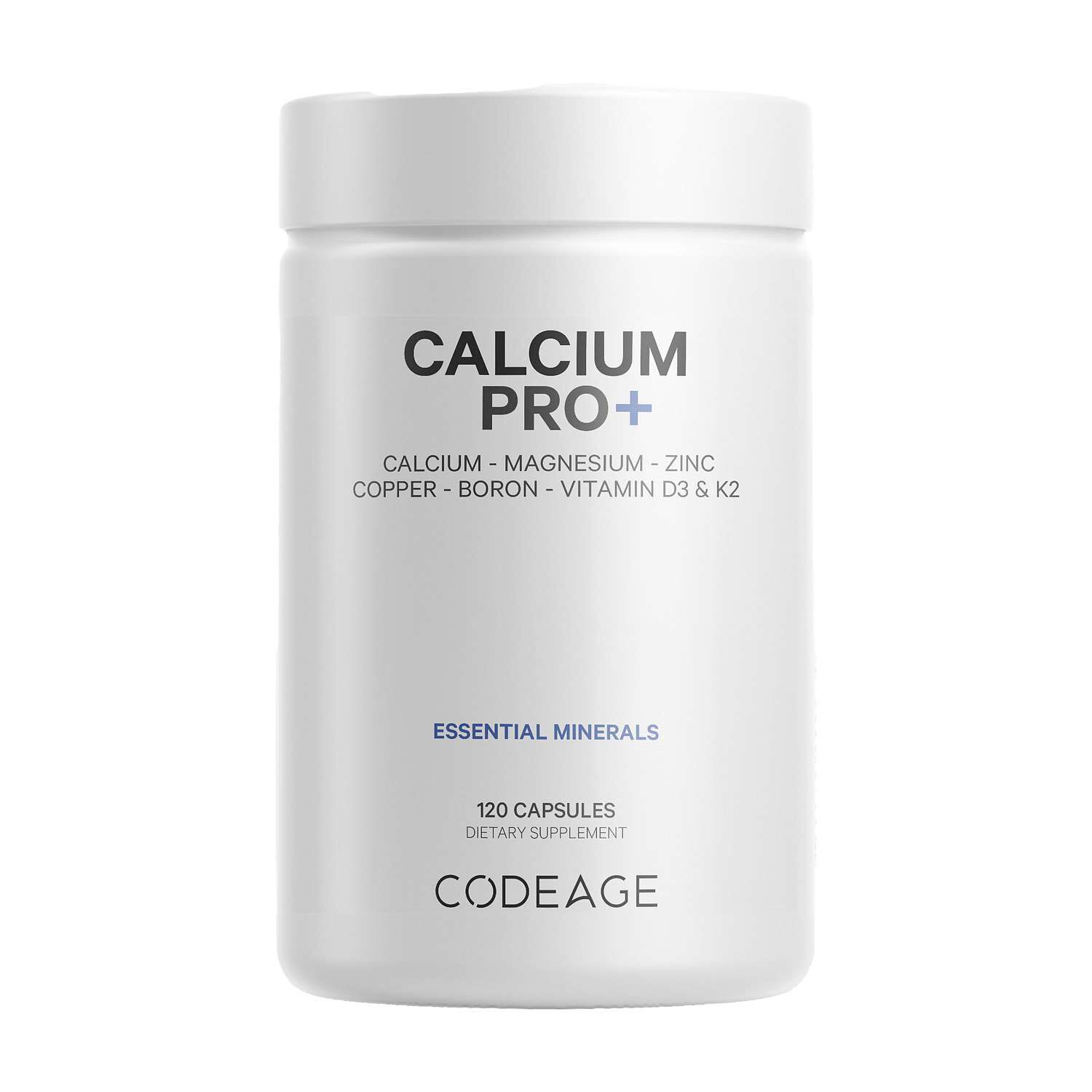
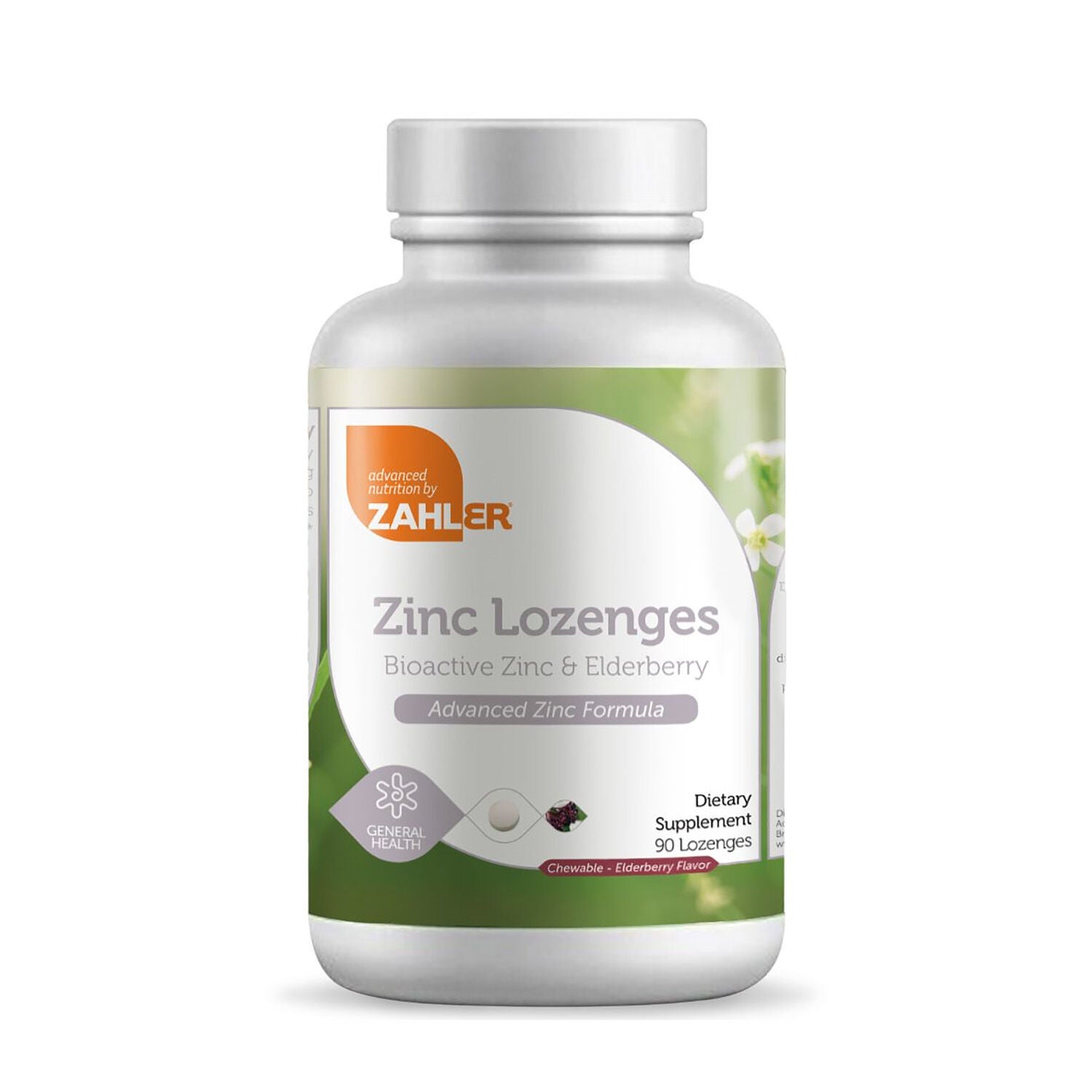
Zinc supplements for picky eaters offer a convenient way to help support daily wellness routines, especially for those who may have limited food preferences. With options designed to fit a variety of tastes and lifestyles, these supplements could make it easier to incorporate essential nutrients into everyday meals. Explore a range of zinc supplements for picky eaters that might suit different needs and preferences, making it simple to find an option that works best for you or your family.
-

-

-

-
-

-

-

-

-

-

-

-
 1$14.99
 -

-

-
 $15.99
 -
 $18.99


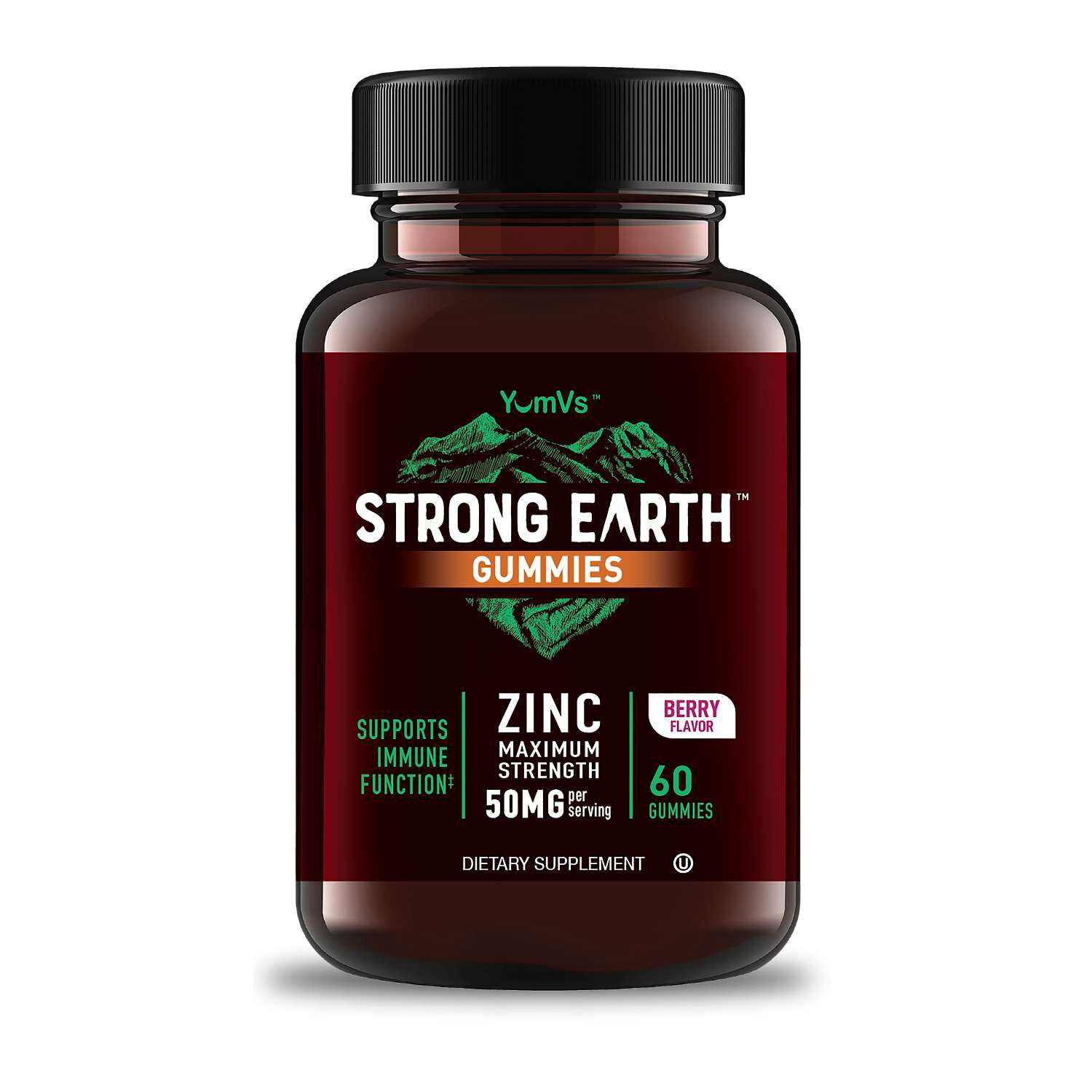
Zinc supplements for picky eaters can offer a practical option for families navigating narrow food preferences, changing appetites, and mealtimes that seem to revolve around a short list of familiar favorites. Children and adults who avoid many zinc-containing foods may have a harder time getting this mineral through meals alone, particularly when foods such as meat, seafood, dairy, beans, seeds, and whole grains rarely make it onto the plate. A supplement may help fill a nutritional gap when used according to the package directions and with guidance from a qualified healthcare professional. Zinc is involved in several normal body processes, including the senses of taste and smell, so an inadequate intake could make foods seem less appealing for some people. That possibility does not mean every selective eater needs zinc, and a supplement should not be viewed as a way to change someone’s preferences overnight. Instead, it may serve as one part of a broader routine that includes patient exposure to new foods, familiar meal patterns, and a varied selection of nourishing choices. Parents and caregivers may consider these products when a child’s food list remains especially limited, when a young person avoids several major food groups, or when a healthcare professional has suggested paying closer attention to zinc intake. Adults with highly selective eating habits may also look for an easy-to-use format that fits a busy morning, a school-day schedule, or a cooler-season routine when meals become more repetitive. Since needs differ by age and life stage, shoppers should review the serving information carefully and select an option intended for the person who will use it. Products made for children are not automatically suitable for older children or adults, and a larger serving is not necessarily a better choice. Families may also wish to keep a simple note of other vitamins, minerals, fortified foods, or specialty formulas used during the day, since combining several products can change the overall amount consumed. A healthcare professional can help families sort through those details, especially when a child has an ongoing health concern, follows a restricted eating pattern, or takes prescribed products. For related nutritional support, shoppers may also explore Calcium Supplements for Picky Eaters.
Format often matters just as much as the nutrient itself. A tablet that sits untouched in a cabinet does not fit a selective eater’s routine, while a familiar texture and mild flavor may make daily use feel more manageable. Chewable forms can suit someone who prefers a soft bite, though shoppers should check whether the texture resembles a favorite candy or differs enough to create resistance. Dissolvable tablets may melt in the mouth or be mixed into a suitable drink, which could be helpful for someone who avoids traditional tablets. Liquid drops can offer flexible serving options and may work well for younger users when an adult measures them carefully, while lozenges or other slow-dissolving formats may suit older children and adults who are comfortable using them as directed. Flavor deserves close attention: some children prefer fruit notes, others favor a neutral profile, and some are highly sensitive to sweetness or lingering aftertastes. Reading the ingredient panel can help families look for added sweeteners, coloring agents, common allergens, and ingredients that do not fit their household preferences. Texture, container design, portability, and storage also shape whether a product becomes part of everyday life. A small bottle may fit beside a lunch box or toiletries bag, while a clearly labeled container may make it easier for grandparents, babysitters, or older children to follow the household routine. These products can make thoughtful gifts for families who have mentioned selective eating, school-day nutrition, or a need for convenient pantry staples, although it is considerate to confirm age, flavor, and format preferences before giving a supplement. During the cooler months, when schedules may include more time indoors and familiar comfort foods, a simple routine can feel reassuring without turning meals into a negotiation. Pairing a zinc supplement with a regular moment—such as breakfast, brushing teeth, or packing a school bag—may make it easier to remember, but product directions should always take priority. Caregivers can keep the experience low-pressure by offering new foods alongside accepted favorites, inviting children to explore color and texture without requiring a bite, and celebrating curiosity rather than focusing on how much was eaten. Zinc supplements may support dietary planning for some selective eaters, yet they are not a substitute for a varied eating pattern or personalized guidance. If a child’s appetite changes noticeably, growth appears different from expected, or food avoidance creates concern, a pediatric healthcare professional can help determine whether dietary review or additional support would be appropriate. A thoughtful choice considers the person’s age, eating habits, preferred format, ingredient preferences, serving directions, and the guidance of a qualified professional, creating a routine that feels calm, practical, and respectful of individual tastes.


 Chewable Tablets_Front.jpg?sw=305&sh=305&sm=fit "ChildCalm - 60 Chewable Tablets (30 Servings) | GNC")