





16 oz Canned Energy Drinks
(0 Results)
Looking to kickstart your day with a boost of energy? Our selection of refreshing and convenient canned energy drinks in a convenient size of sixteen ounces is just what you need. Packed with invigorating ingredients to help you power through your busy schedule or intense workouts, these energy drinks are perfect for those moments when you need a quick pick-me-up. Whether you're looking for a tasty way to stay focused at work or seeking an extra burst of energy before hitting your next workout, these canned energy drinks are a convenient solution to keep you going strong.
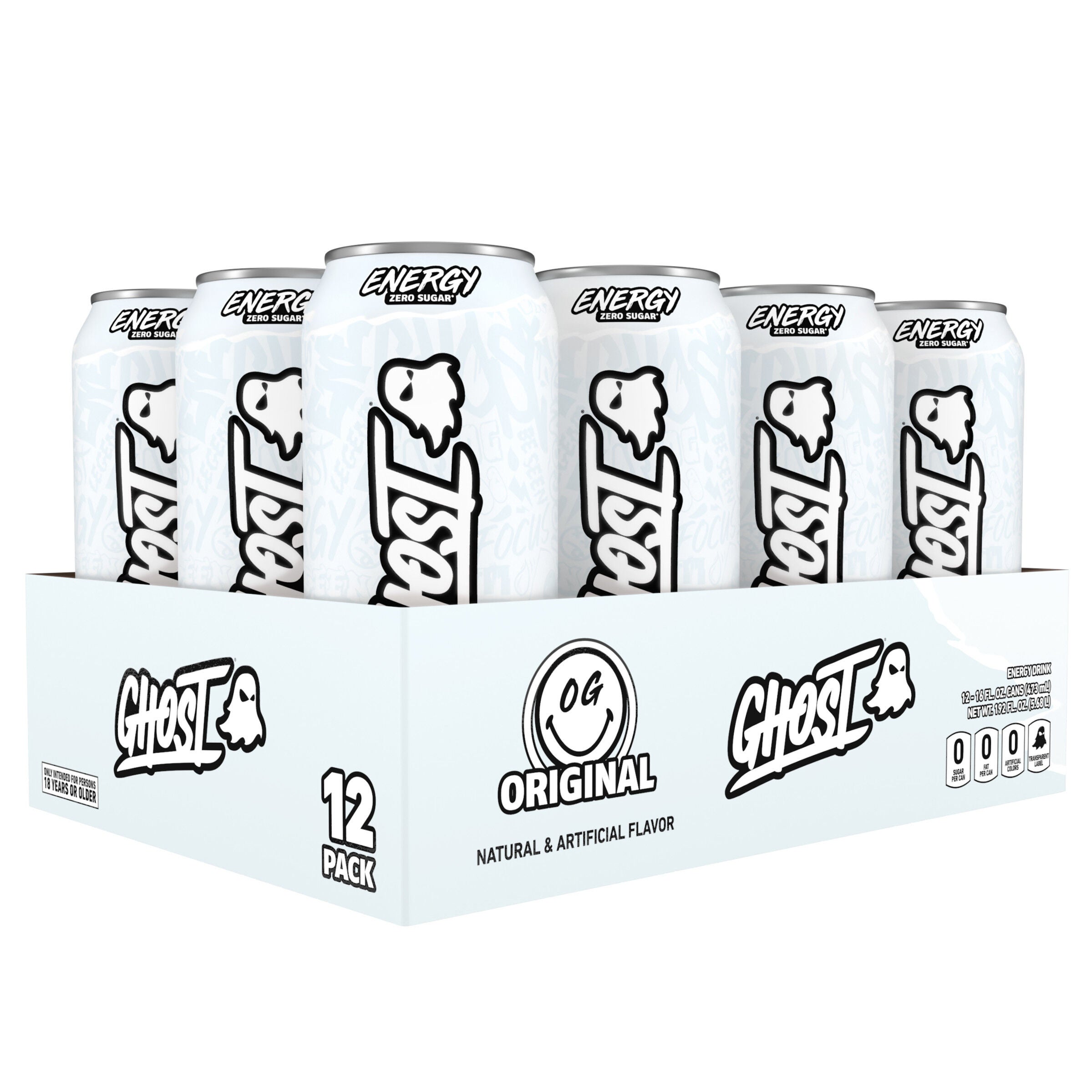
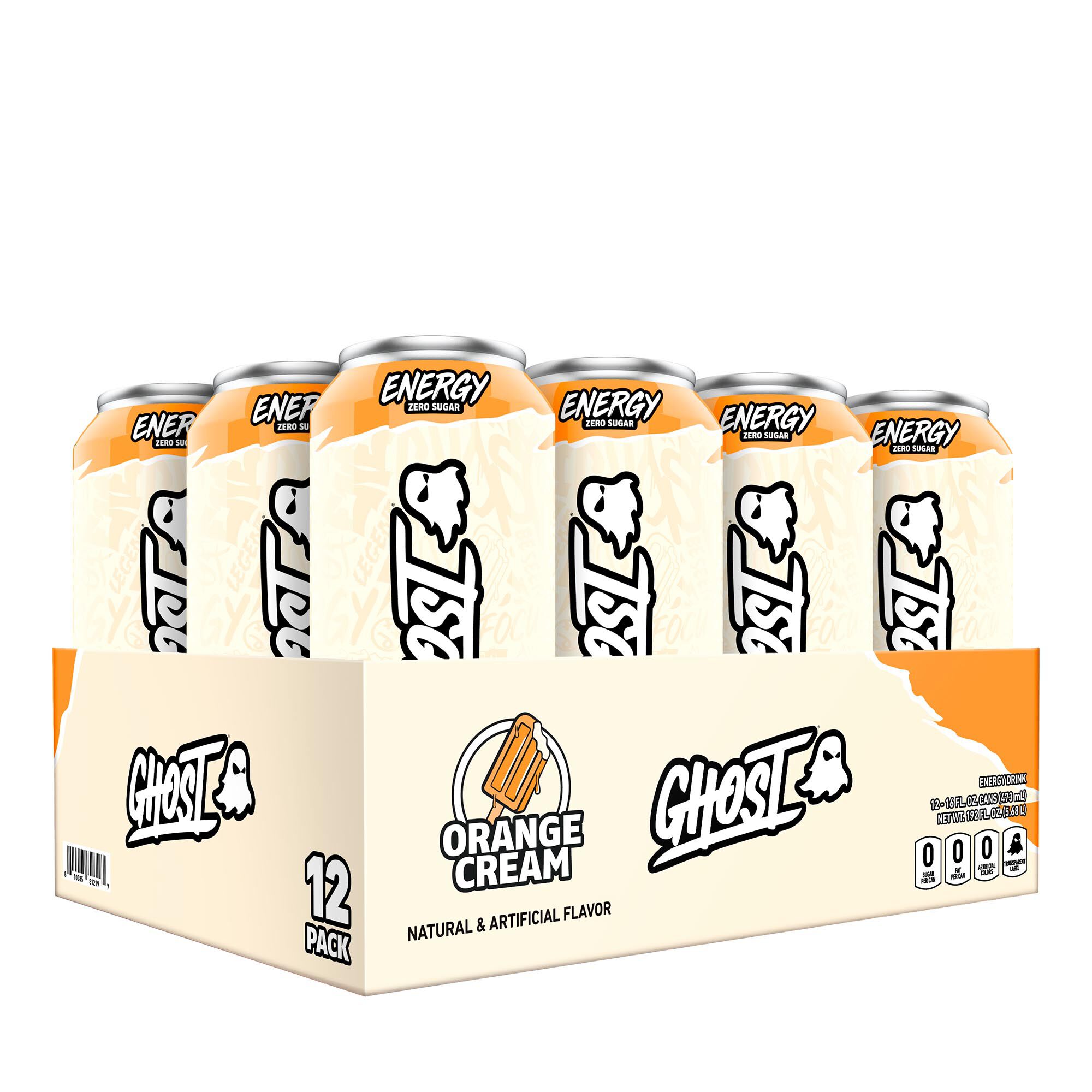
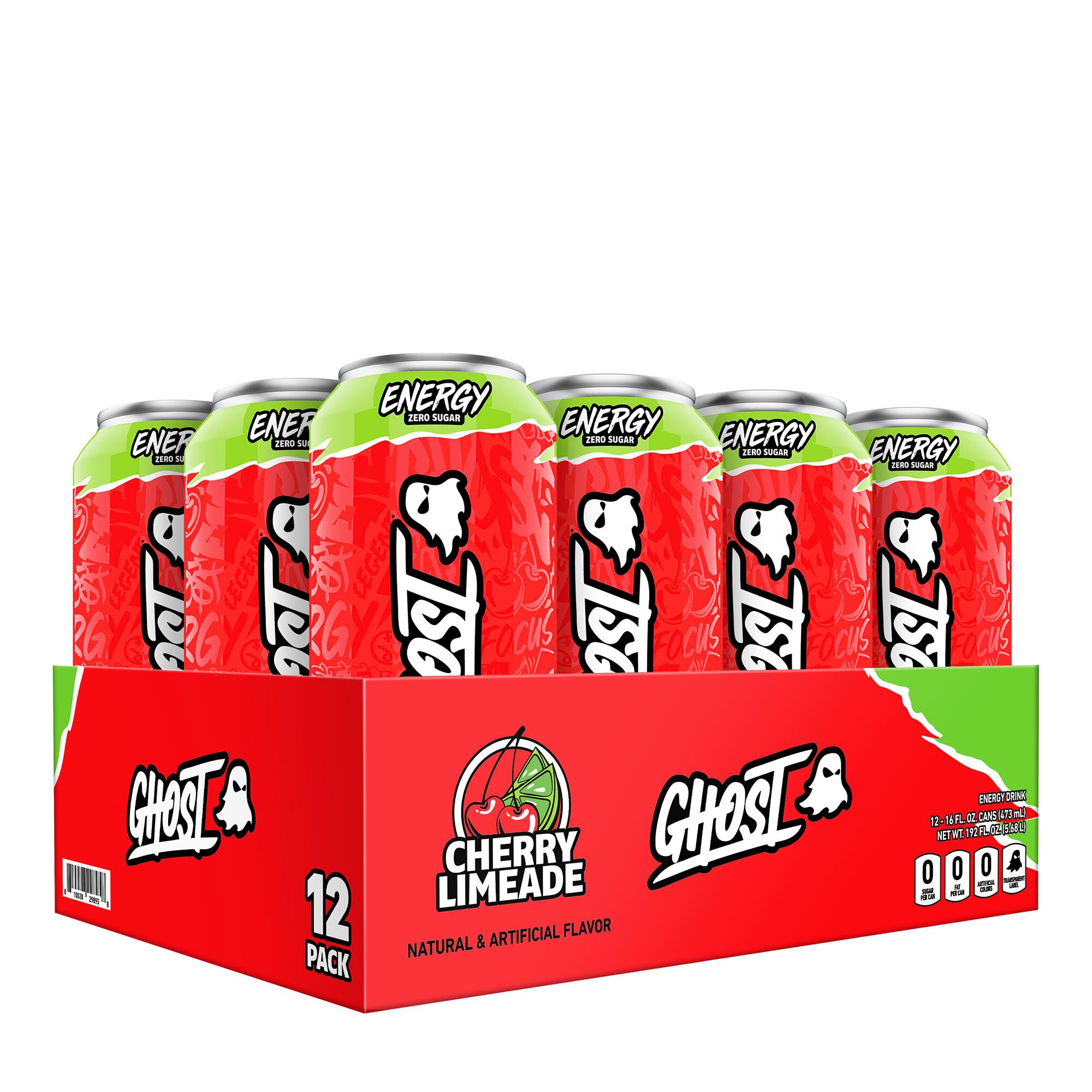


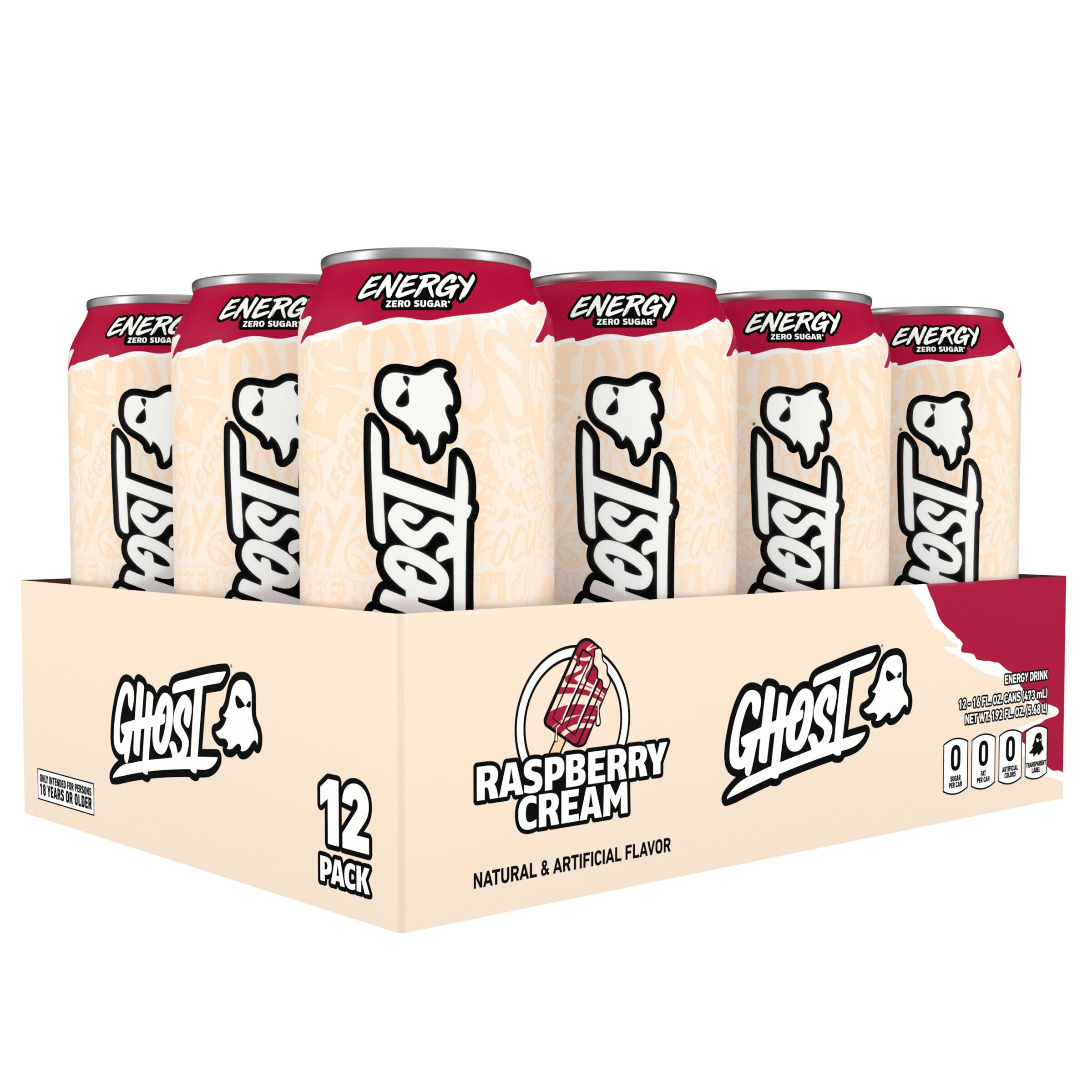


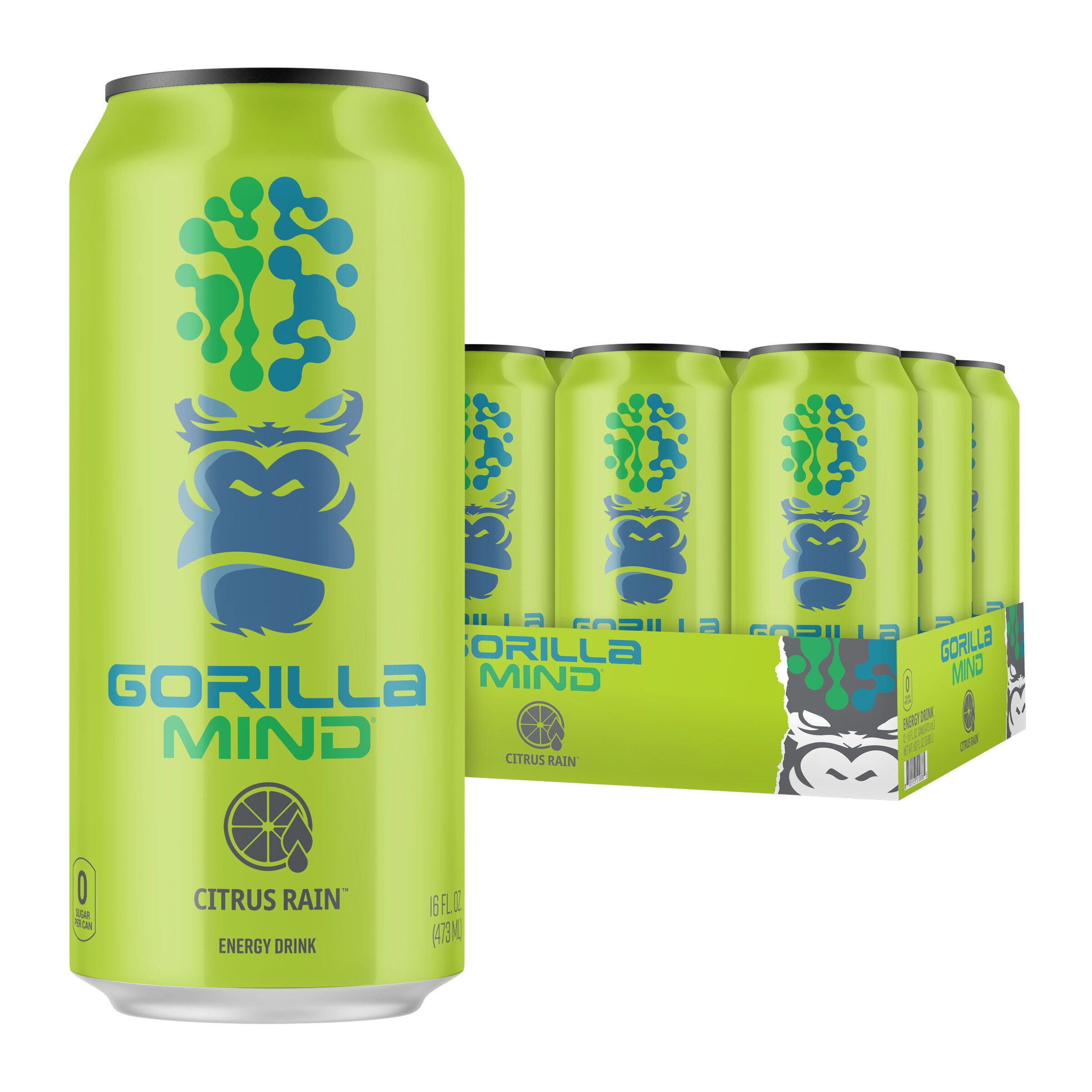

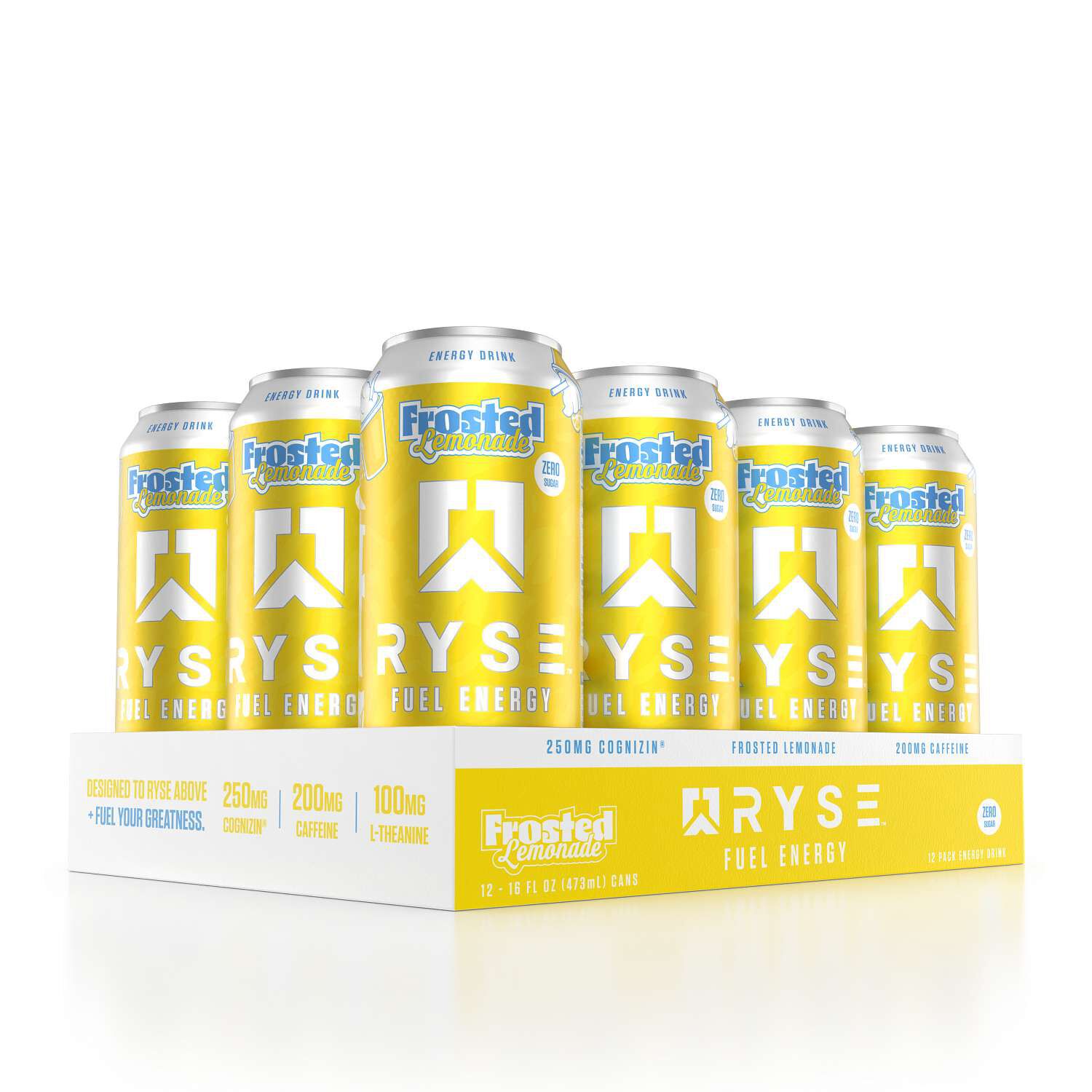

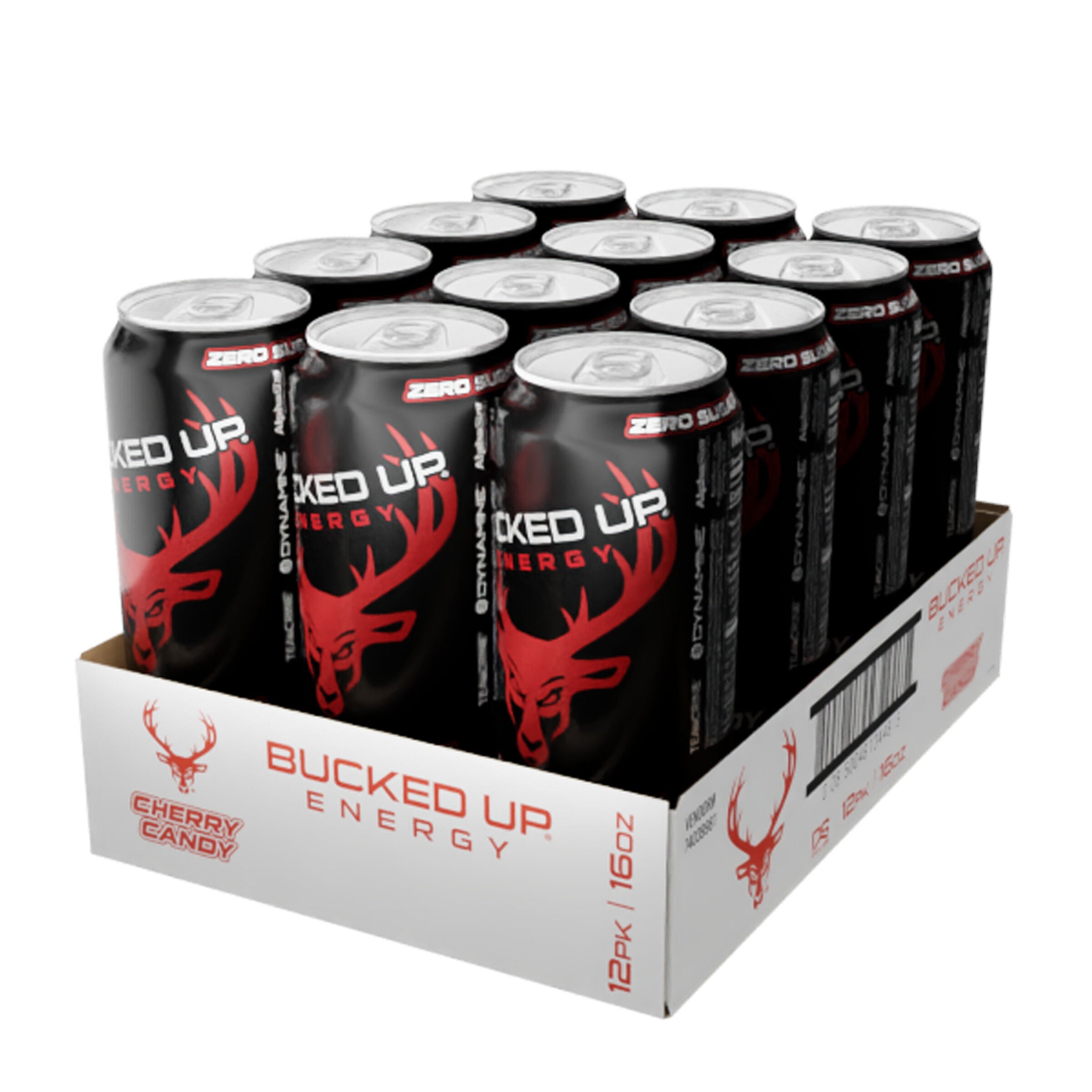

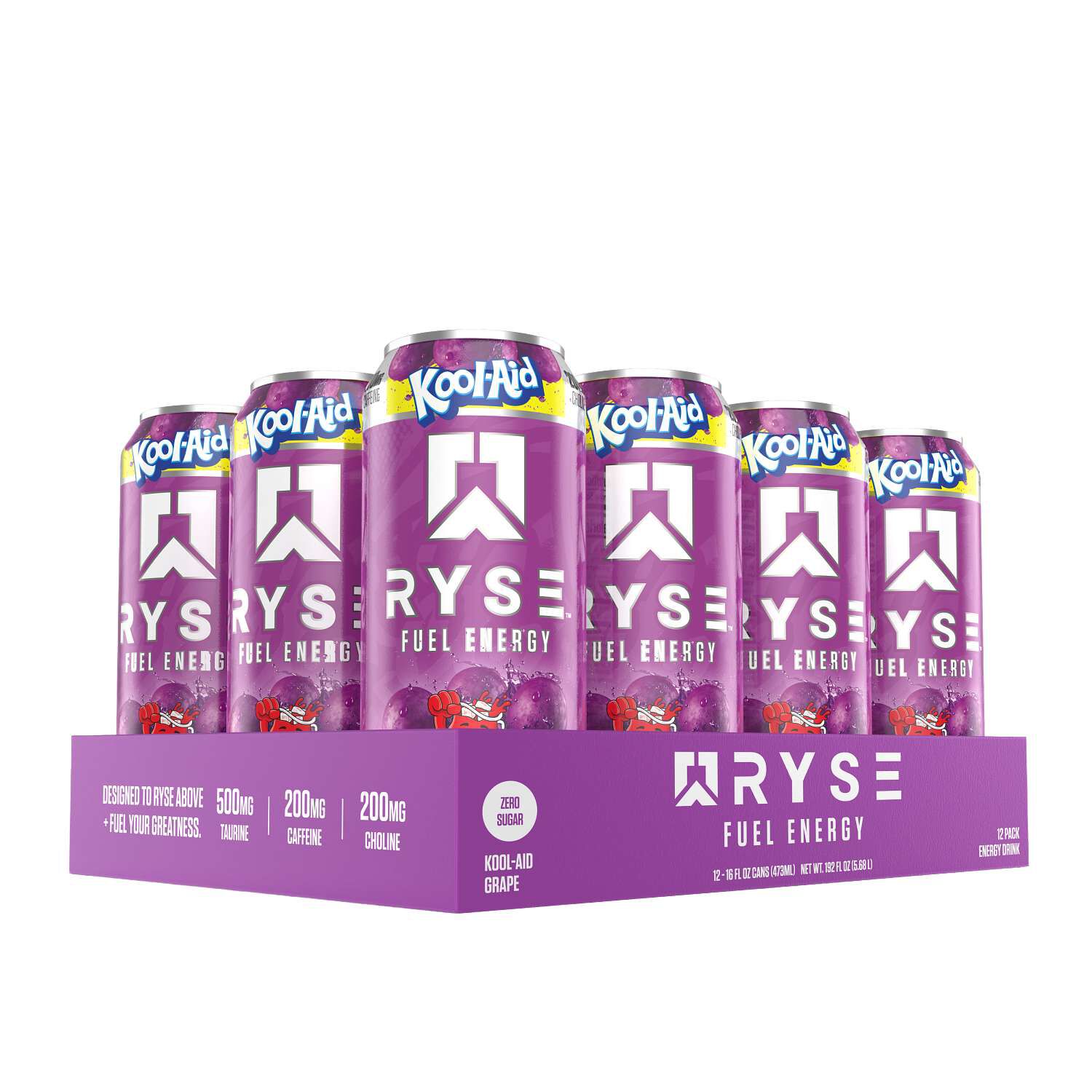
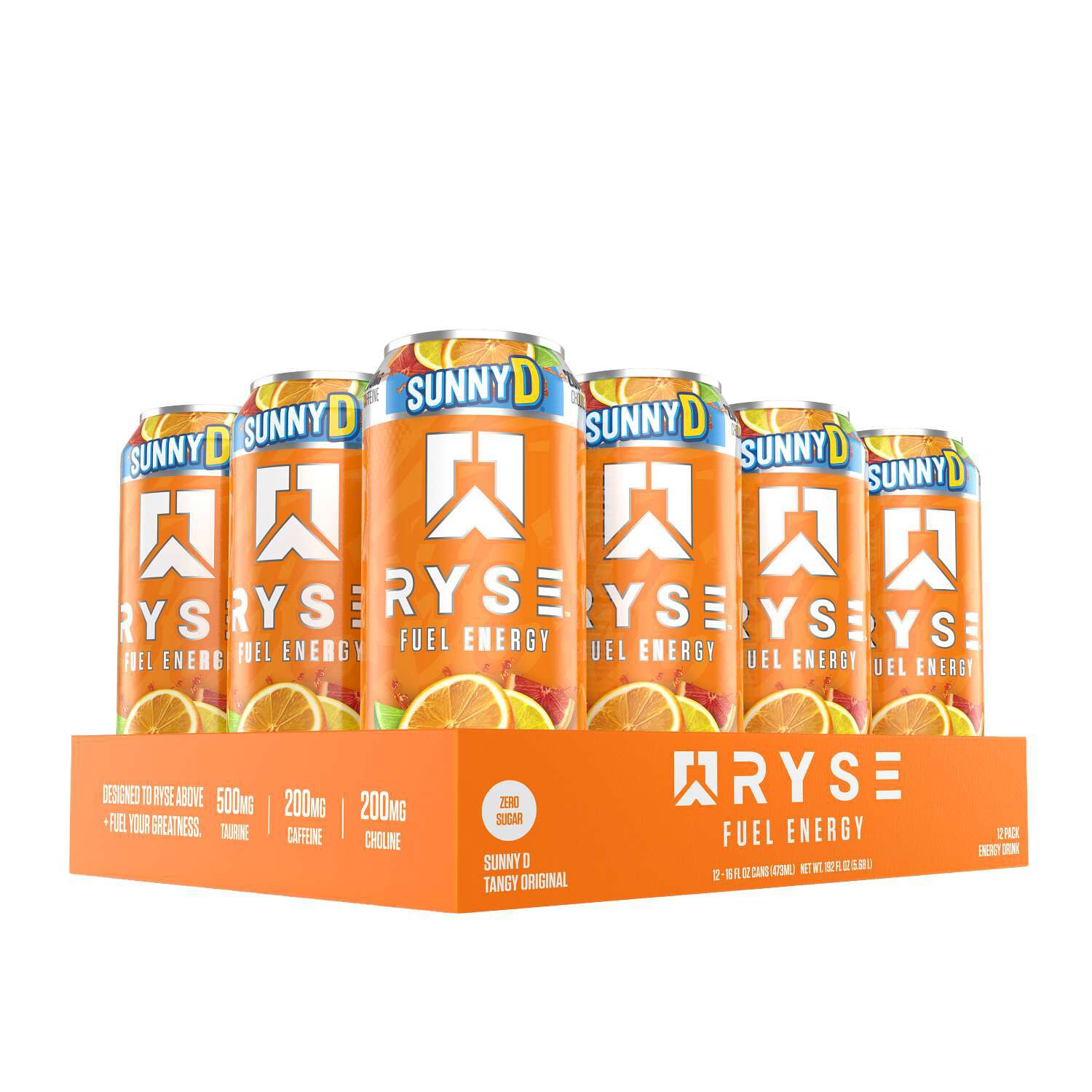
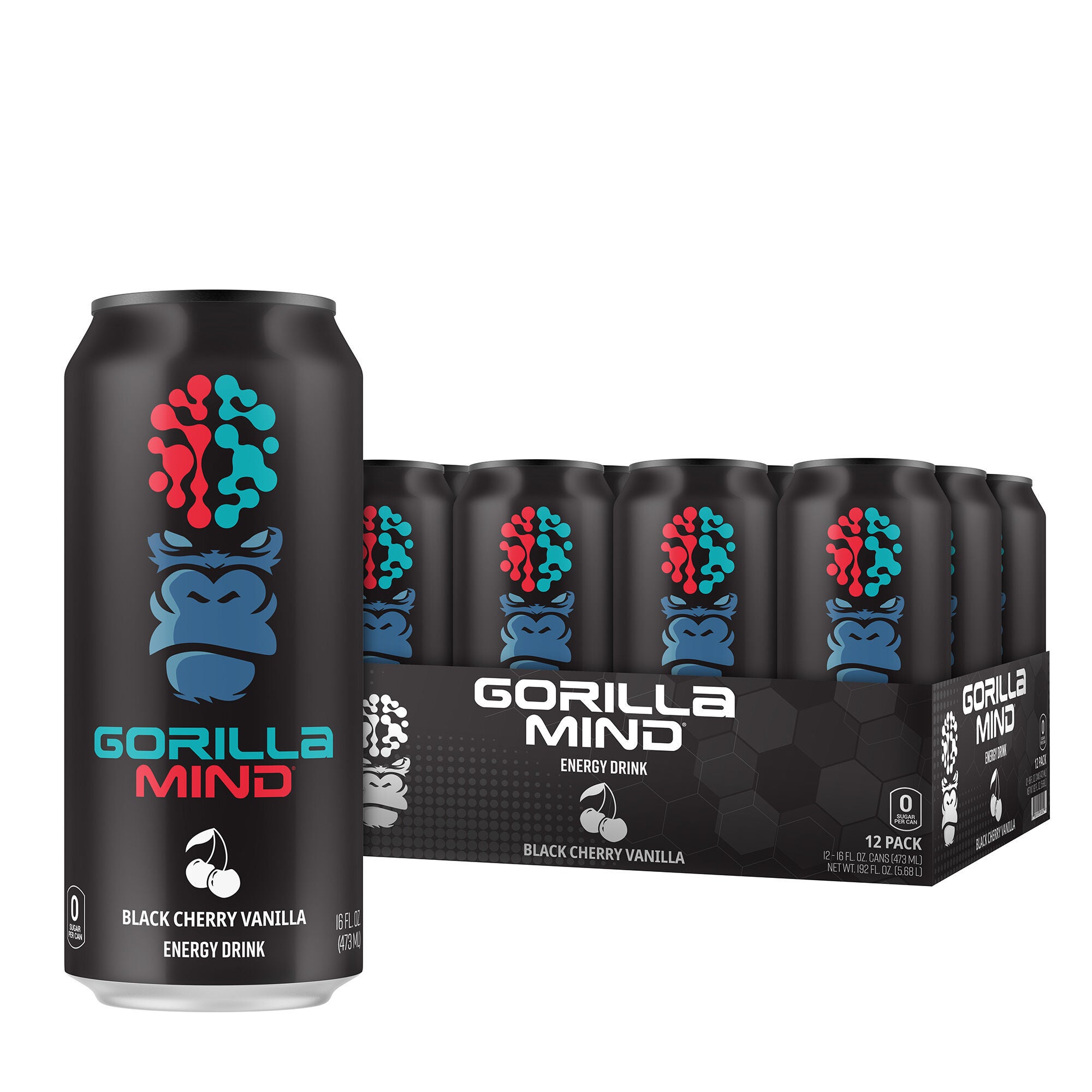

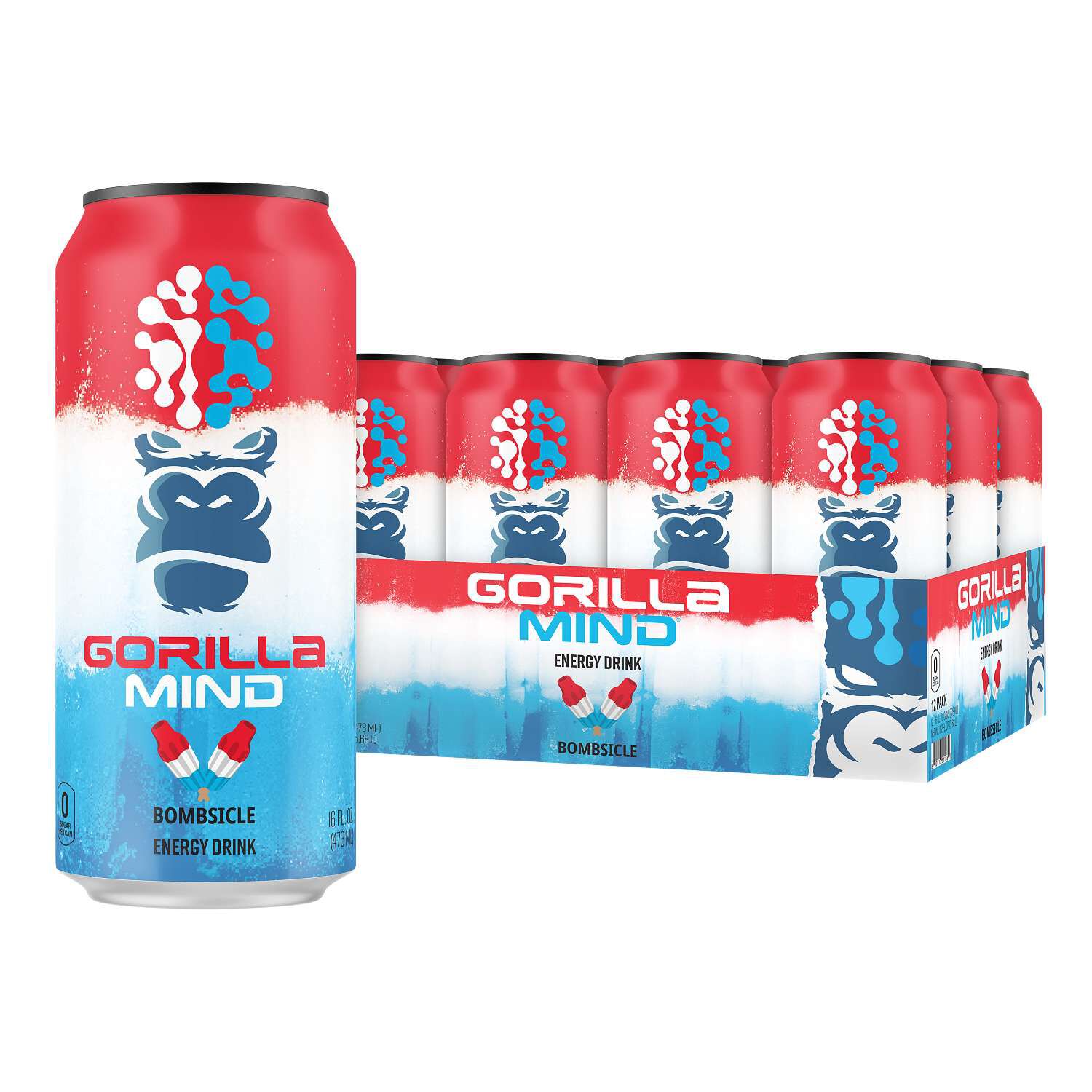
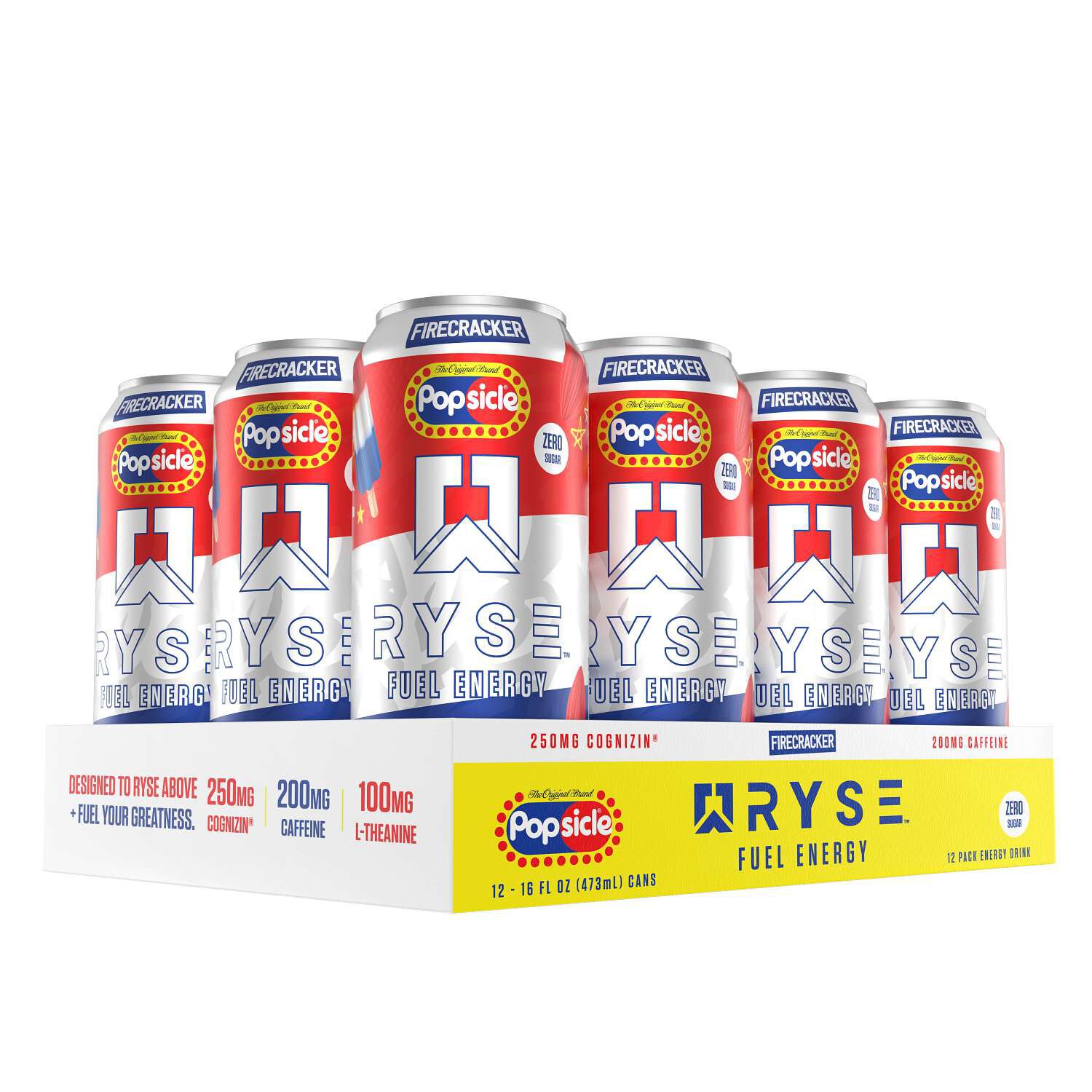
A 16 oz canned energy drink is a ready-to-drink beverage generally made with caffeine and packaged in a container holding 16 fluid ounces, equal to one U.S. pint or about 473 milliliters. That measurement describes the beverage’s volume, not its caffeine content, sugar content, or serving count. Two cans of the same size can have different formulas, so the label matters more than the dimensions of the package. Caffeine is usually listed in milligrams, while the Nutrition Facts panel identifies details such as calories, carbohydrates, and added sugars. Check whether those figures apply to one serving or the entire container before comparing options. Some formulas contain sugar, others use alternative sweeteners, and some combine different sweetening ingredients. A zero-sugar description does not establish how much caffeine a drink contains or how sweet it tastes. The ingredient list provides another layer of detail, including the sweeteners, flavorings, acids, and other components used in the beverage. Caffeine sources can differ as well, with some formulas using caffeine from tea or coffee ingredients and others listing caffeine separately. The source and the amount are distinct details, both worth noting when comparing labels. B vitamins, taurine, amino acids, or electrolytes may also appear in these drinks, but their presence does not make every formula alike. For adult shoppers comparing 16-ounce energy drinks, the clearest starting points are the caffeine amount per container, serving information, sugar content, ingredient list, and flavor description. A larger can does not necessarily contain more caffeine than a smaller one, and similar-looking cans do not necessarily share the same intended use. Energy drinks, sports beverages, and flavored sparkling drinks can have overlapping packaging styles, making the product description an important part of understanding what is inside. Taken together, these details offer a more useful comparison than can size or colorful packaging alone.
Flavor and texture give the 16-ounce format much of its variety. Citrus profiles can lean toward lemon, lime, orange, or a sharper combination, while berry blends range from familiar strawberry notes to mixed-fruit flavors. Tropical styles often feature pineapple, mango, or combinations that resemble fruit punch. Candy-inspired flavors take a different approach, pairing pronounced sweetness with tart or sour notes. These descriptions are useful starting points, although the flavor name alone does not explain the sweetener blend or the amount of sugar in the can. Someone who enjoys a dry, tart finish may prefer a different formula from someone who likes a softer, sweeter fruit profile. Carbonation is another detail to consider, especially for shoppers with a clear preference for a lively fizz or a gentler texture. Look for wording that describes the beverage itself rather than assuming every canned energy drink has the same carbonation. When ingredient information is detailed, the combination of acids, sweeteners, and flavorings offers additional context for the style of drink. For example, a citrus name paired with a sour description signals a different tasting direction from a smooth tropical blend, even when both use a similar can format. Adult shoppers may choose among these styles for a work break, a commute, a gaming session, or another occasion that suits their preferences and the package directions. A lunch bag, desk drawer, or refrigerator shelf also creates different practical considerations: container dimensions, storage instructions, and whether the drink will be opened near the time it is intended to be enjoyed. Flavor familiarity can be useful when choosing a beverage for a regular routine, while a mixed-flavor package may suit an adult household with different tastes. In either case, flavor selection and formula selection deserve separate attention. Enjoying a particular fruit profile does not mean another drink with a similar name contains the same caffeine amount, sweeteners, or added ingredients. Comparing those details keeps the choice grounded in the beverage rather than its flavor name alone.
Packaging and everyday handling are also part of choosing 16 oz canned energy drinks. Aluminum cans are common in this category, offering a compact container with a sealed pull-tab opening. The can protects the beverage before opening, but it is not generally designed to be closed again afterward. That makes the format different from a bottle with a screw cap, particularly for someone carrying a drink between locations or planning to sip it over an extended period. For a smaller-format comparison, 12oz Drinks offers another way to browse by beverage size, while each label remains the reference for caffeine, sugar, and ingredient information. When considering the larger format, check the actual can dimensions against a lunch bag, beverage sleeve, cup holder, or refrigerator organizer rather than relying on fluid ounces alone. Containers with the same stated volume can have different shapes. Follow the package storage directions, keep unopened cans away from conditions that could damage the container, and check that the seal is intact before use. Leaks, swelling, or substantial damage are reasons to set a can aside rather than treat its condition as cosmetic. If the drink is not finished after opening, follow any package instructions for refrigeration and use. Serving suggestions, such as enjoying the beverage chilled, may also appear on the label. Package count is a separate consideration from serving count: the number of cans in a carton does not change the information printed on each can. For shared adult spaces, retaining the original packaging keeps caffeine information and other usage details easy to reference. After use, empty aluminum cans can be prepared for recycling according to local requirements. The most useful comparison brings these practical details together with flavor and formula: a suitable container size, a clearly understood label, and a taste profile that matches the shopper’s preferences.
Best Sellers
-
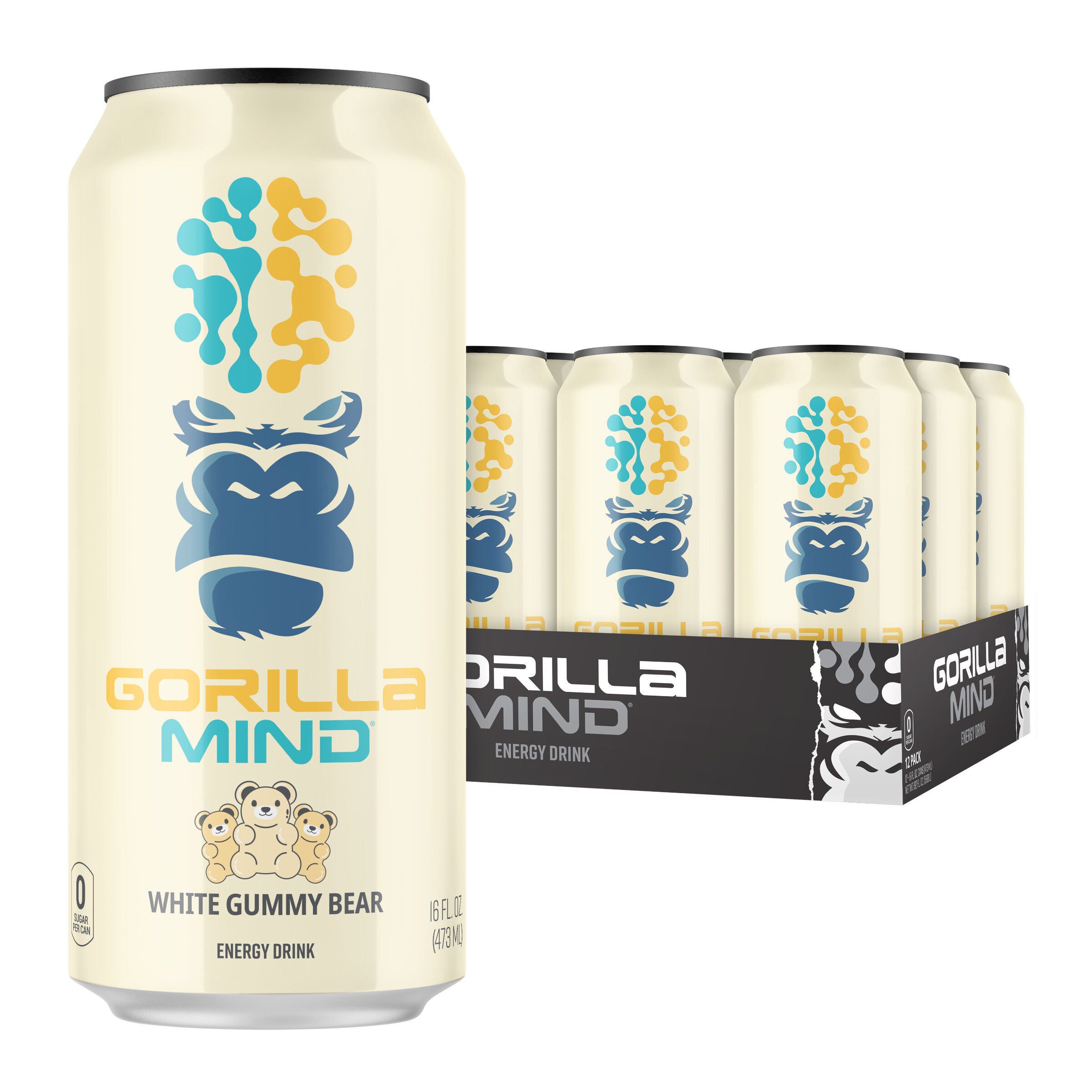 Gorilla Mind
-
 Gorilla Mind
-
 Gorilla Mind
