40 Serving Preworkout Powders
(0 Results)
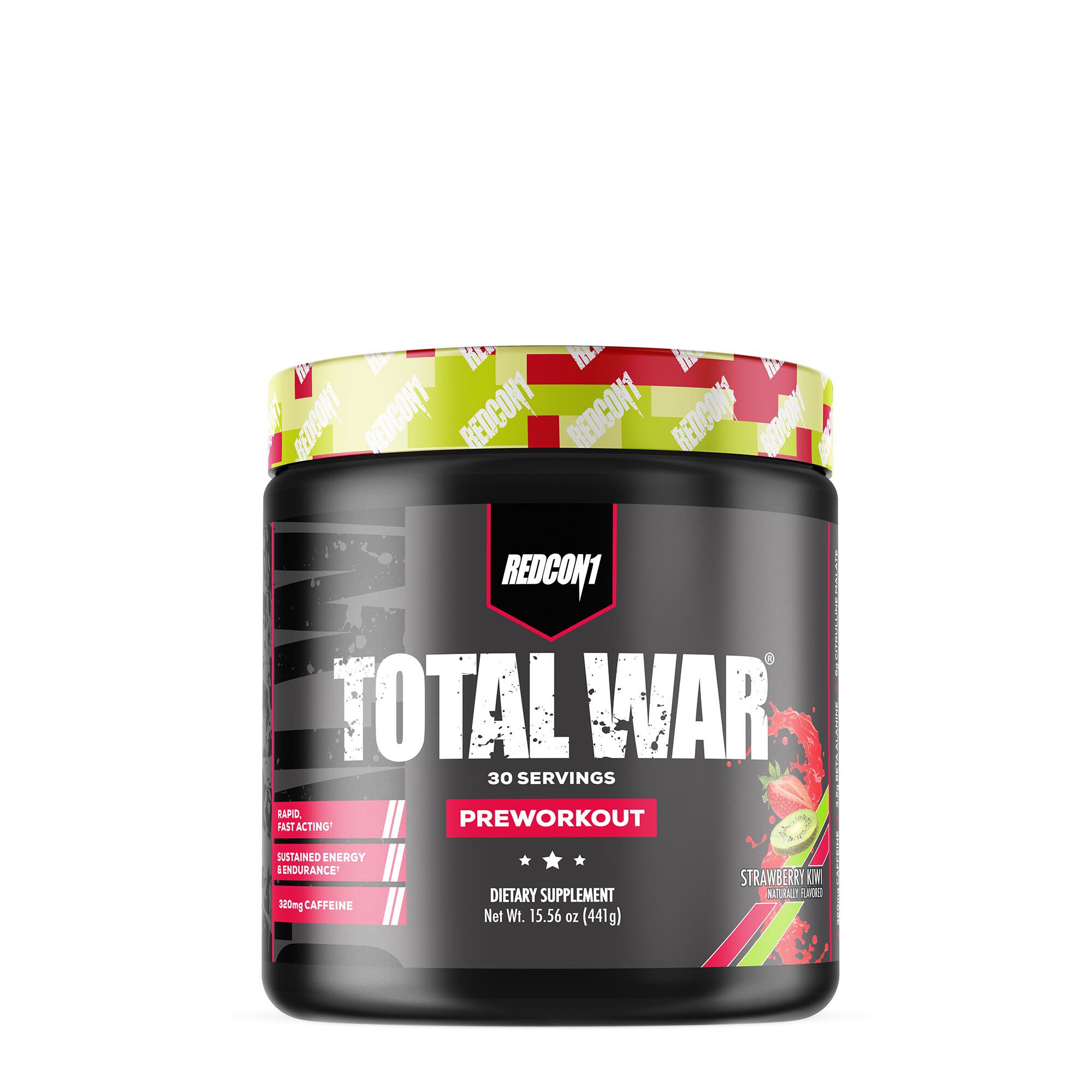
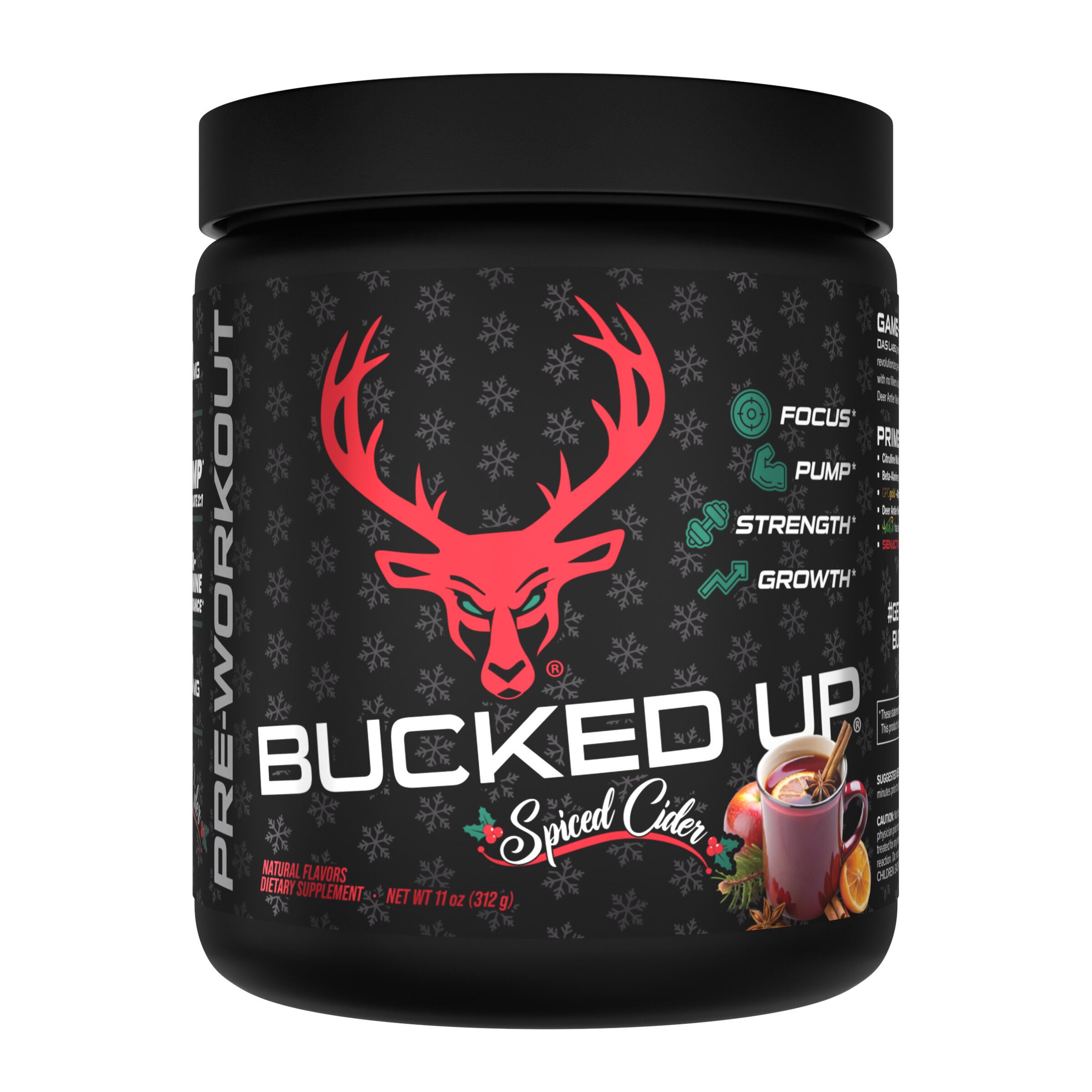
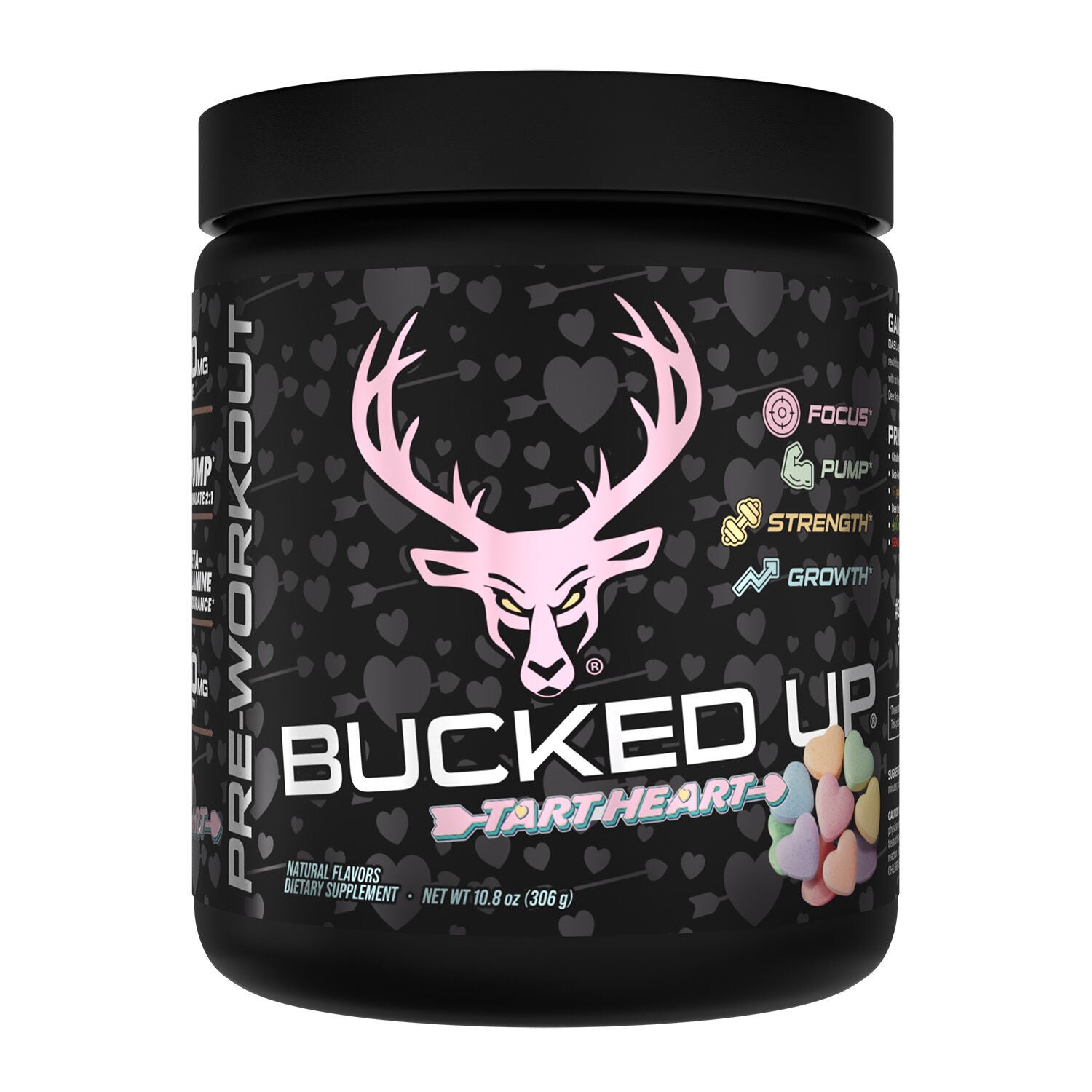
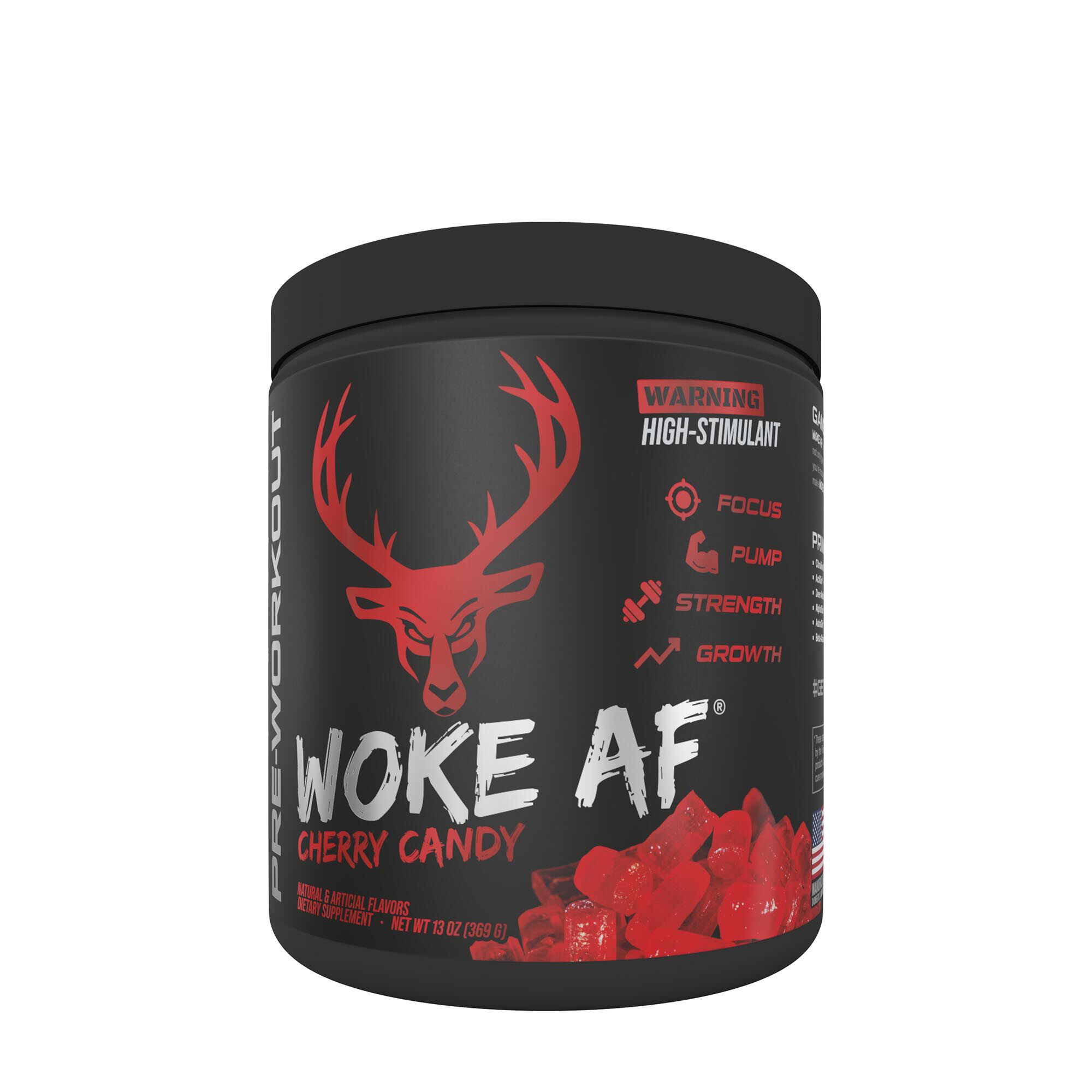
40 serving preworkout powders offer an excellent option for those looking to support their workout routine over an extended period. With a generous number of servings per container, these formulas may help you power through your fitness goals day after day. Explore a variety of flavors and blends designed to complement different training preferences and schedules, so you can find the right fit for your active lifestyle. Discover how choosing a larger serving size could add both convenience and value to your supplement regimen.


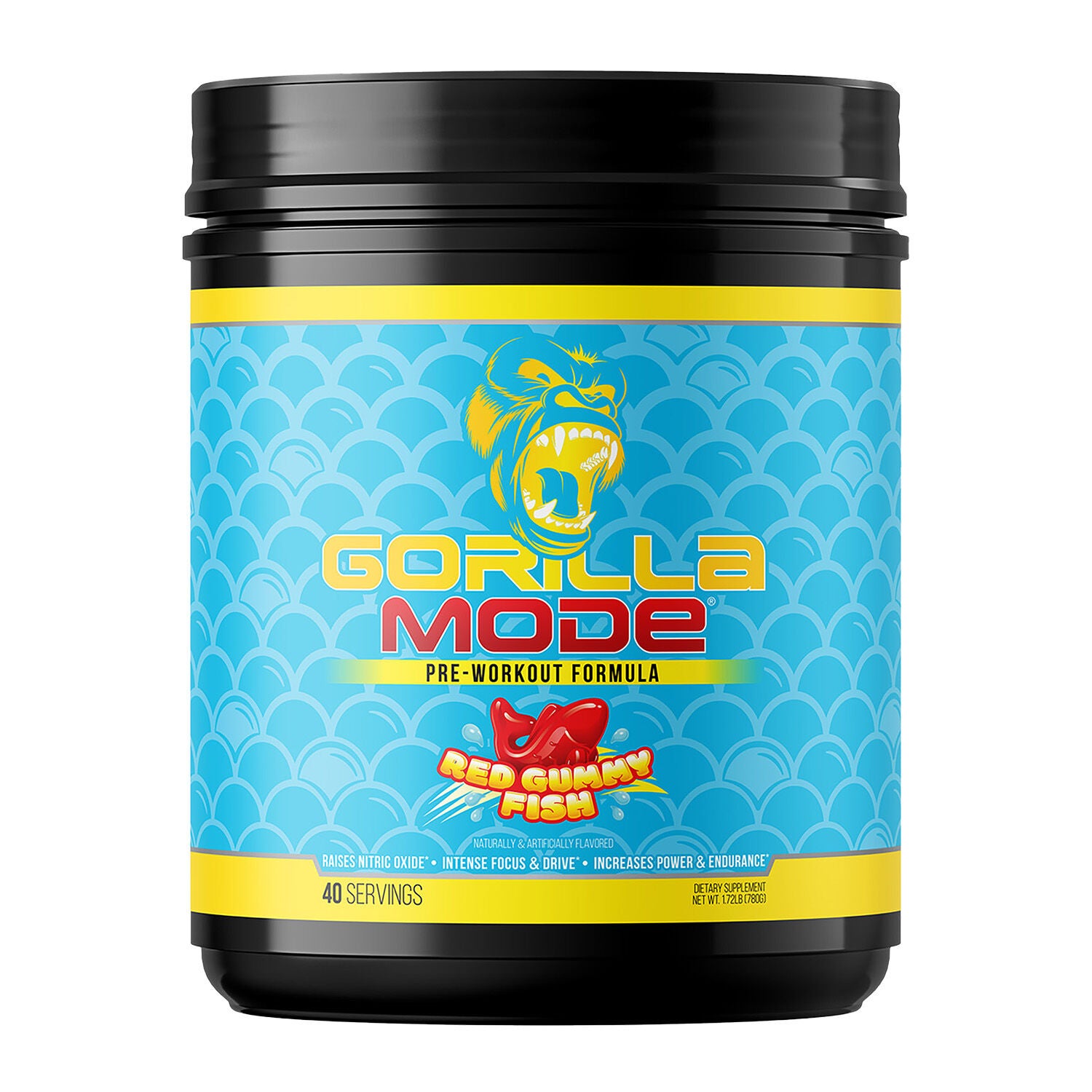
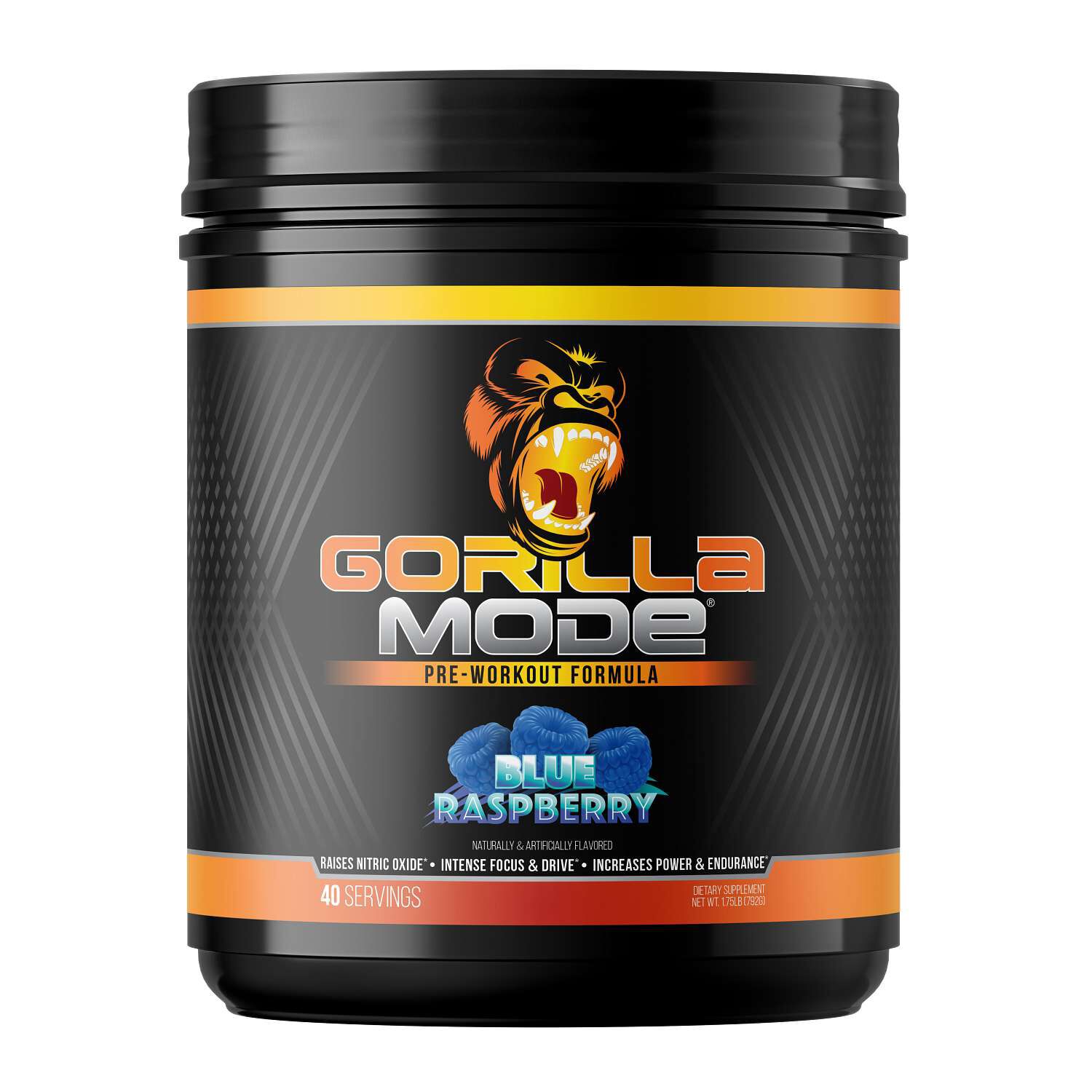
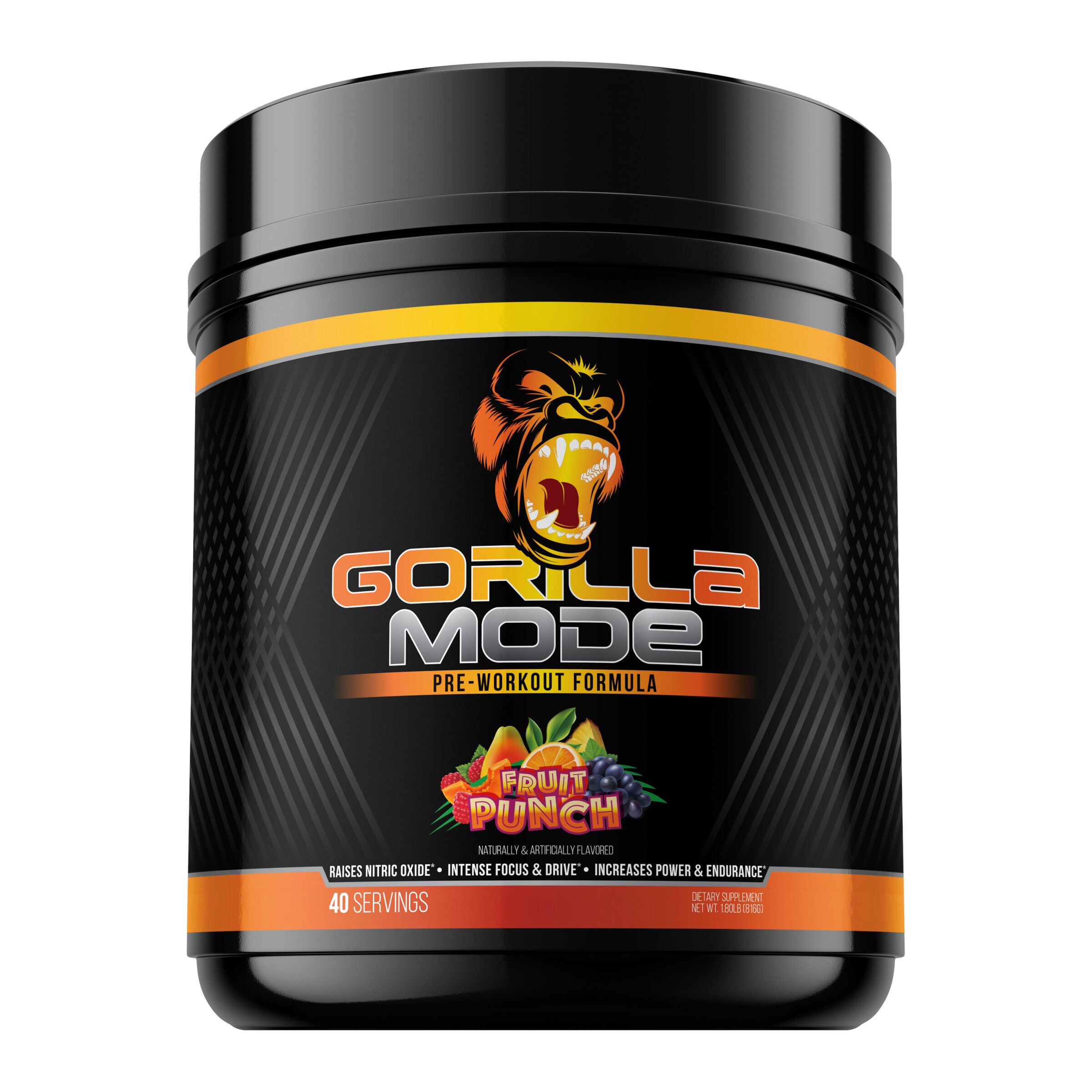
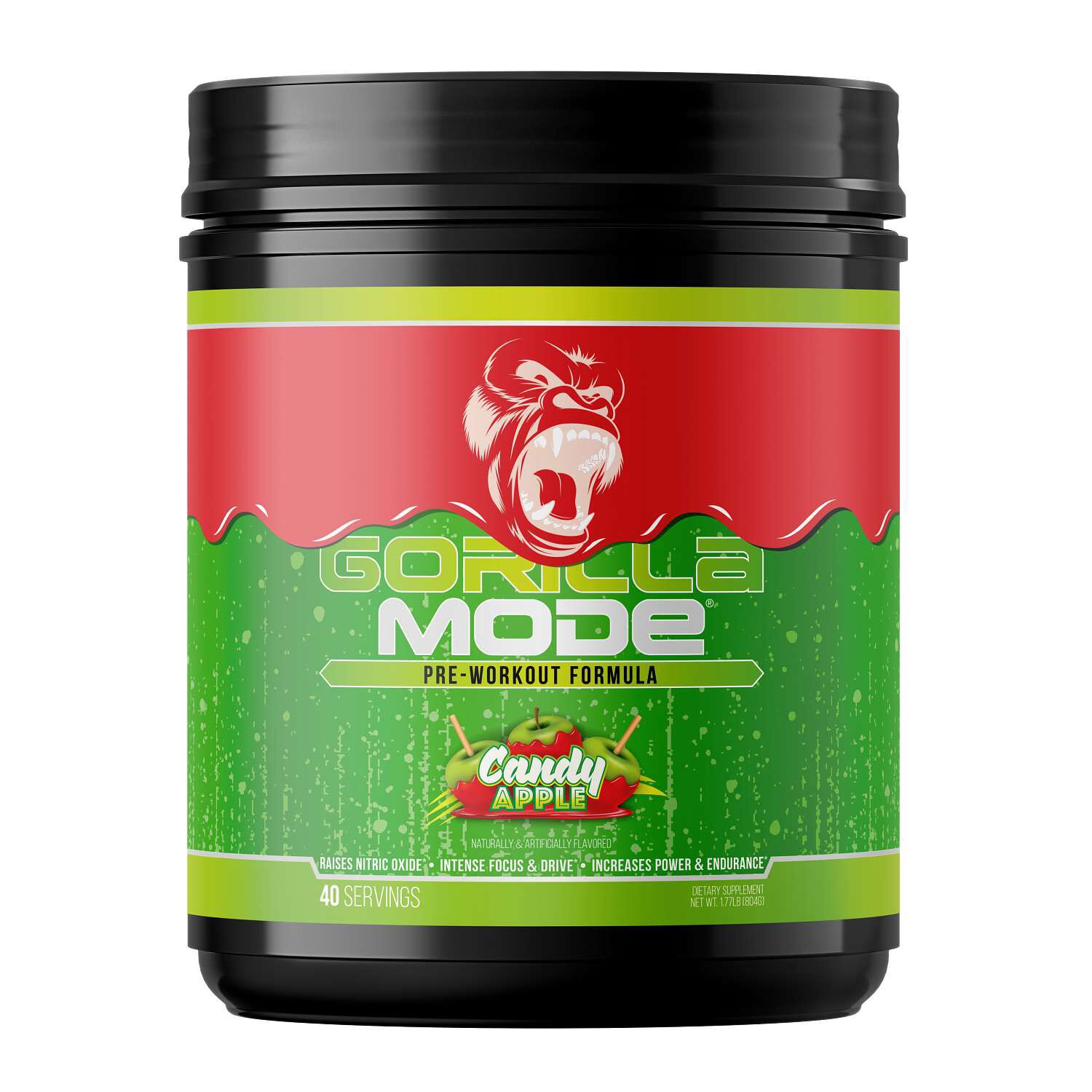
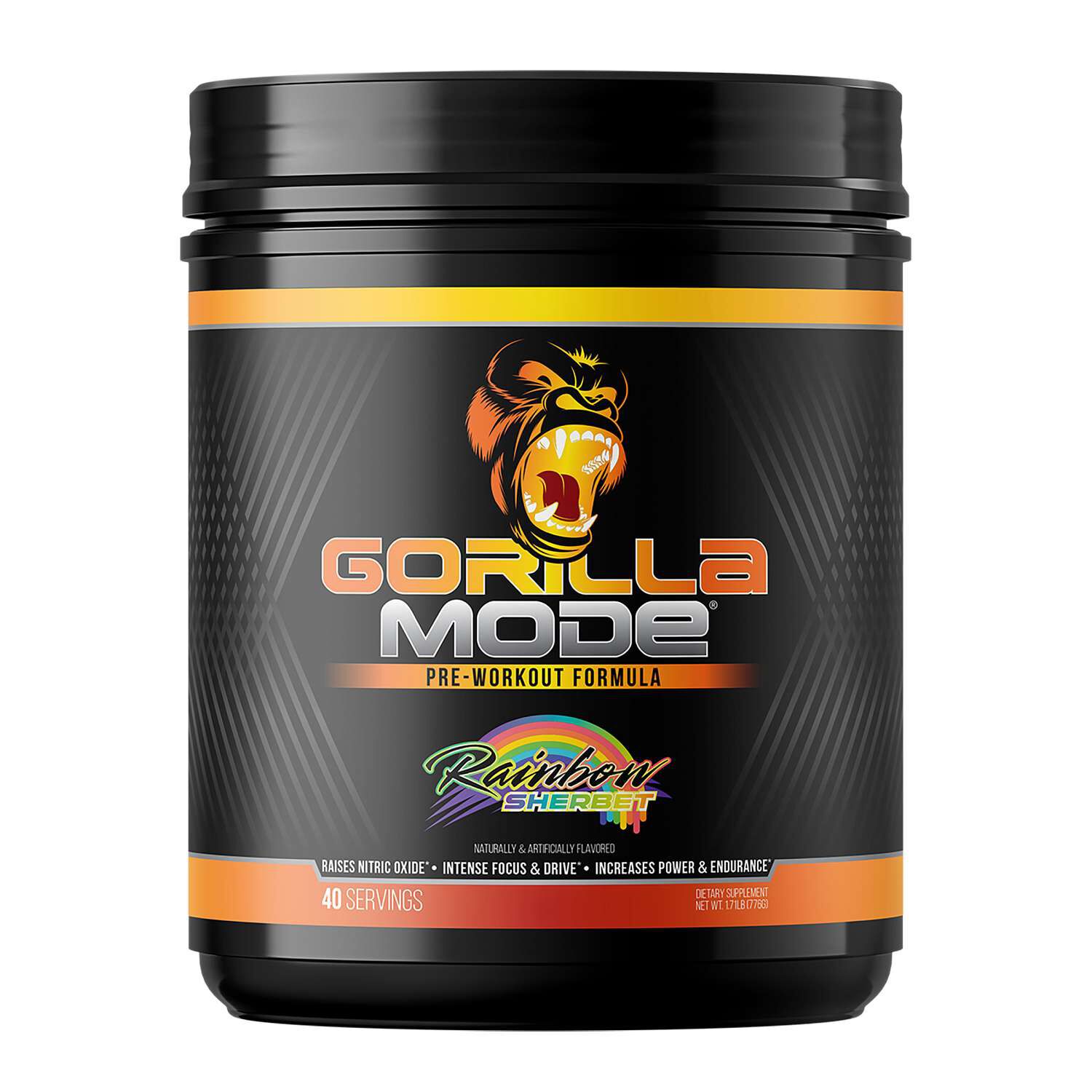
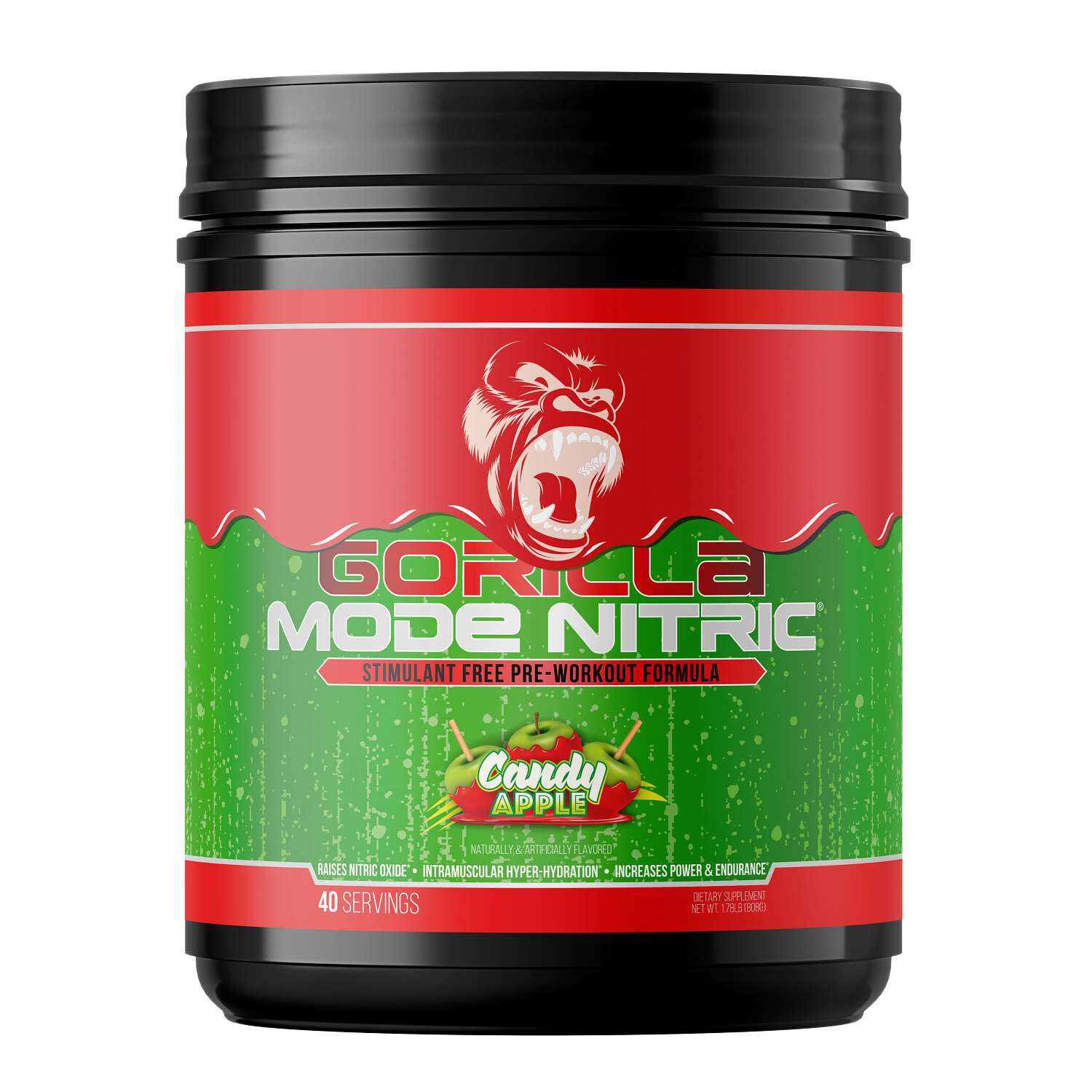


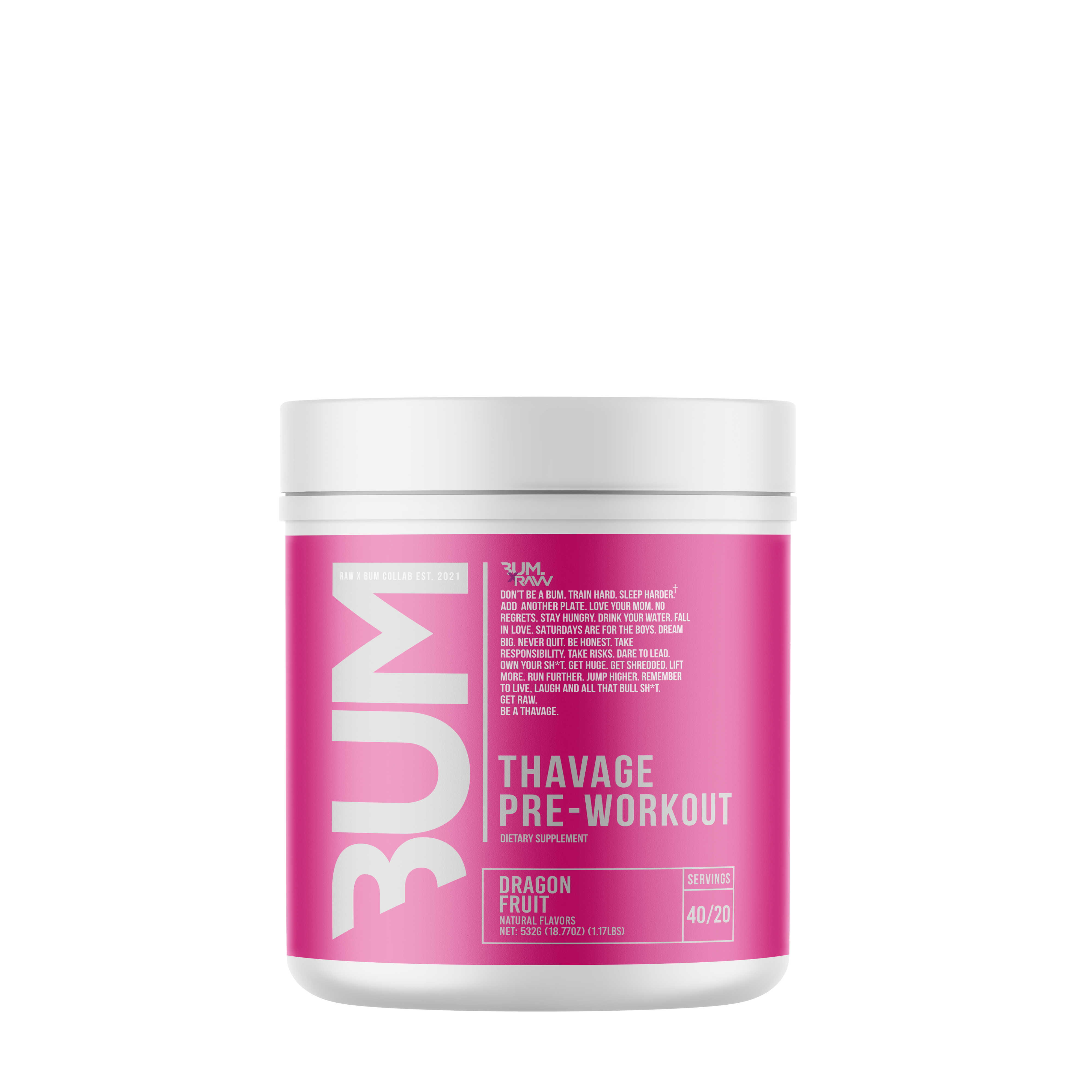
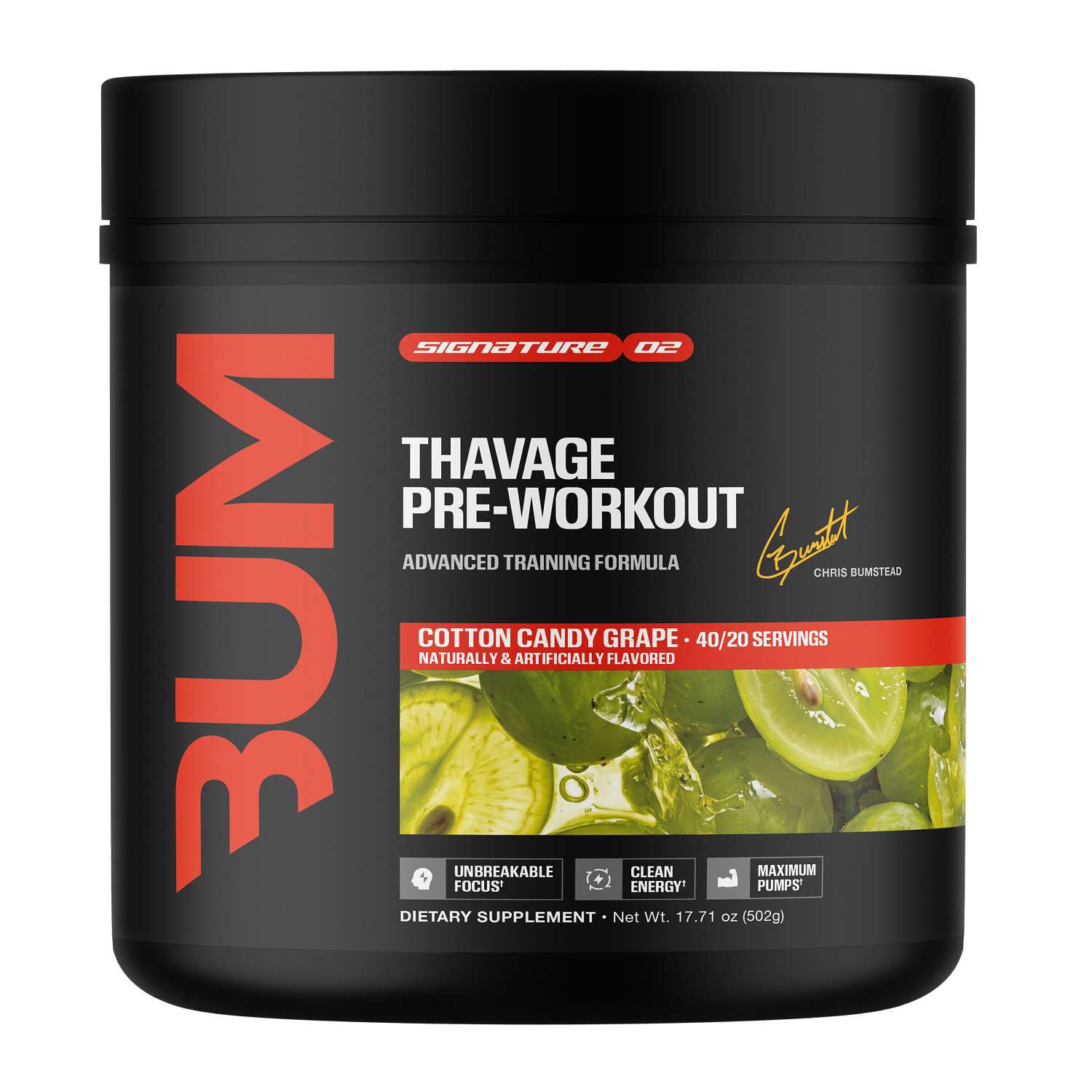

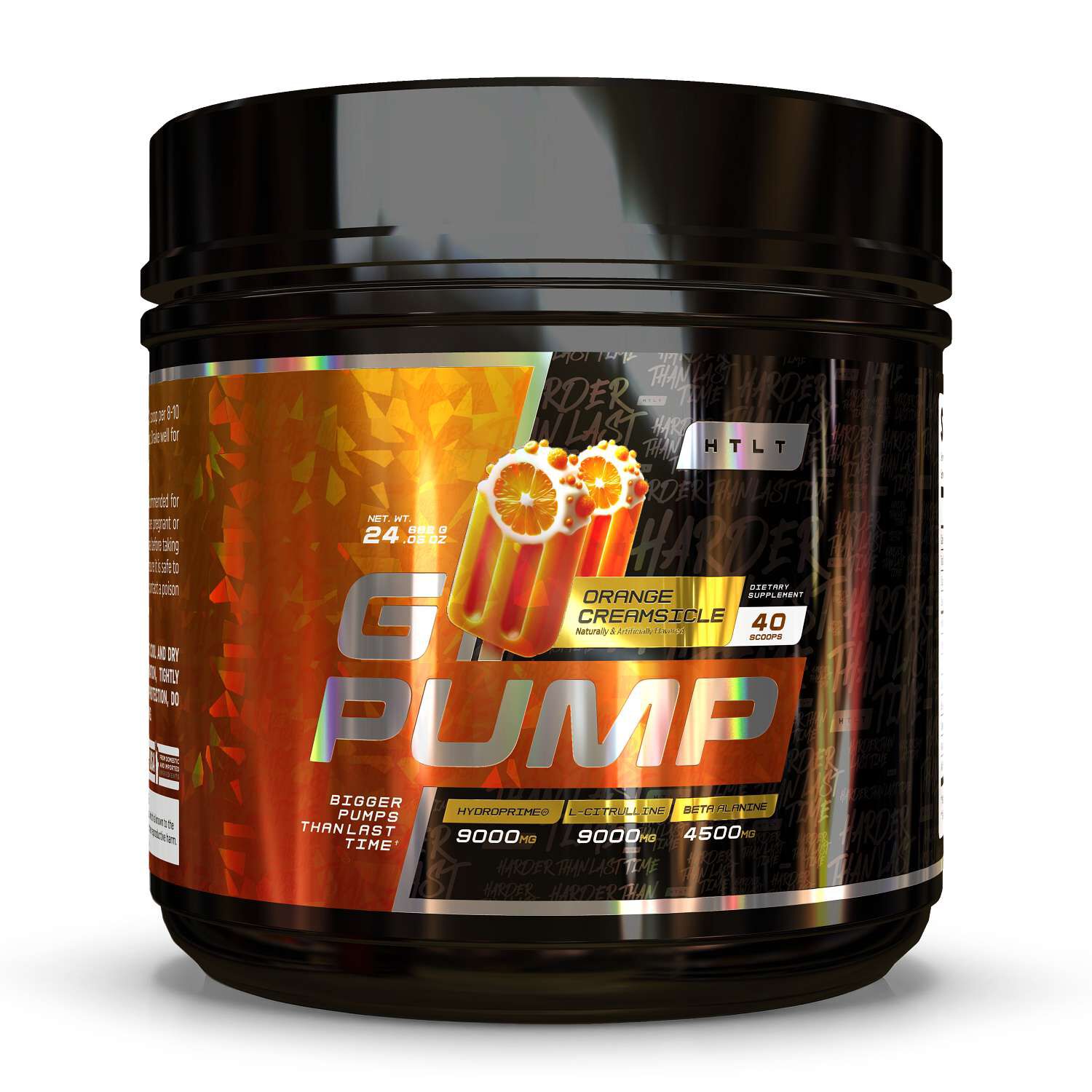
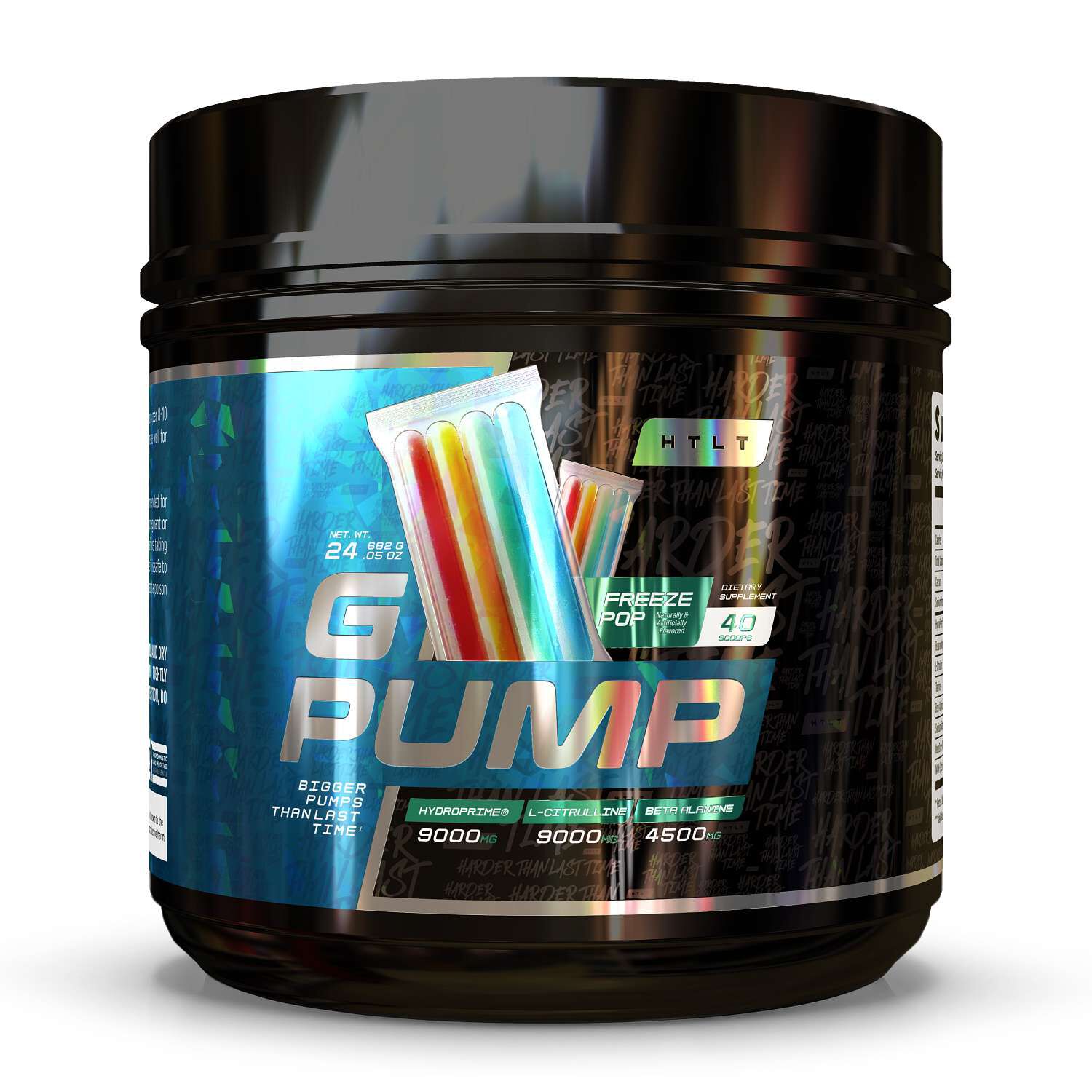
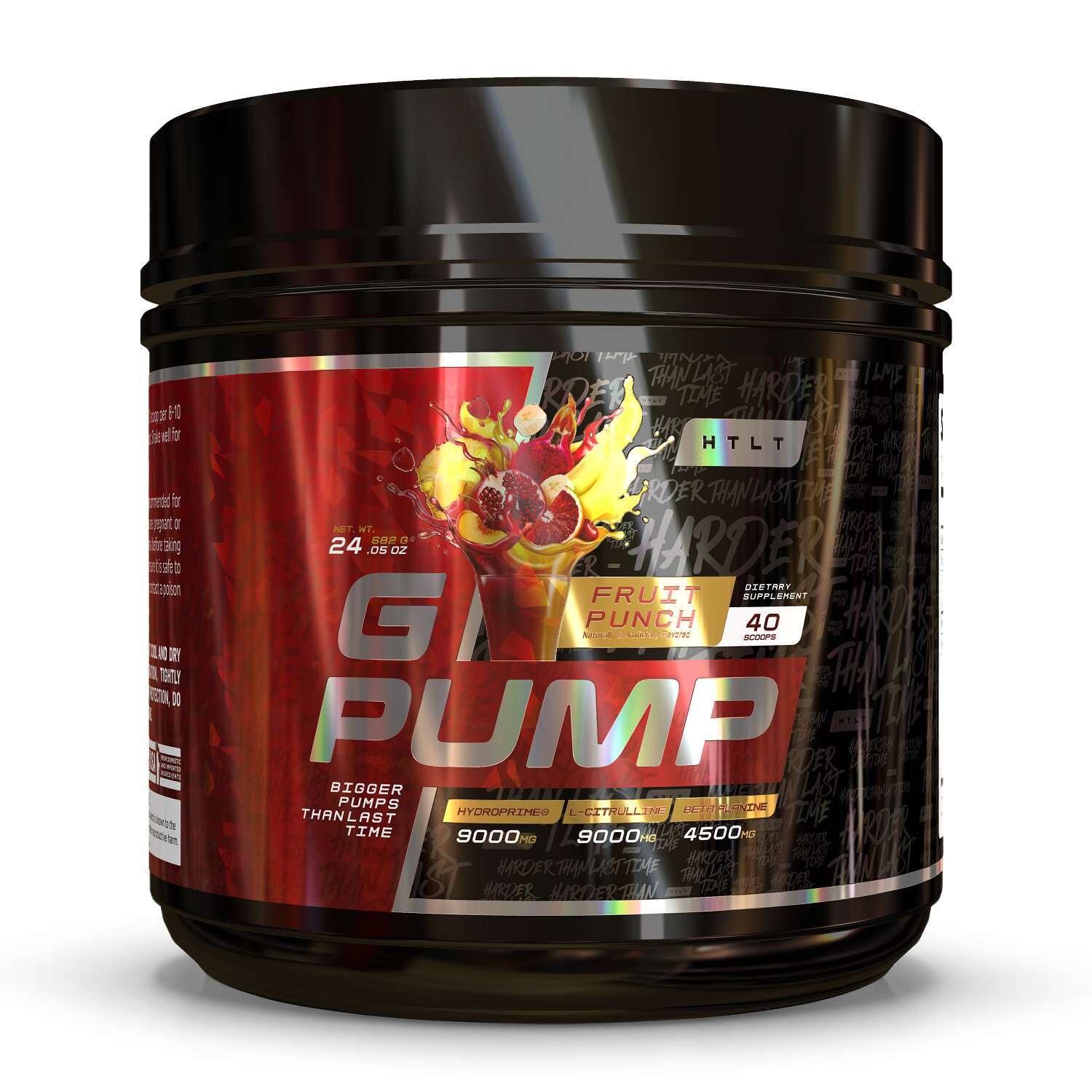
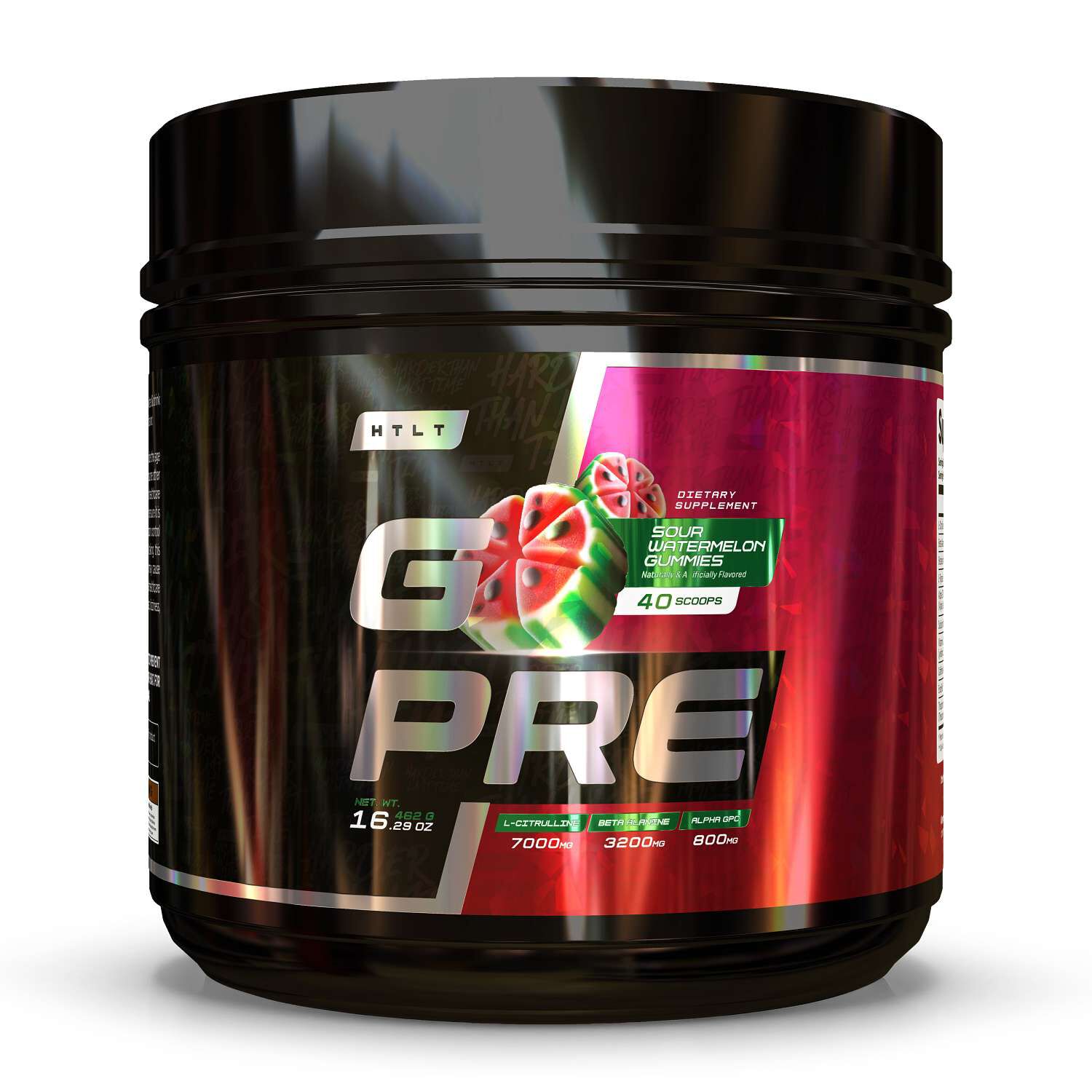
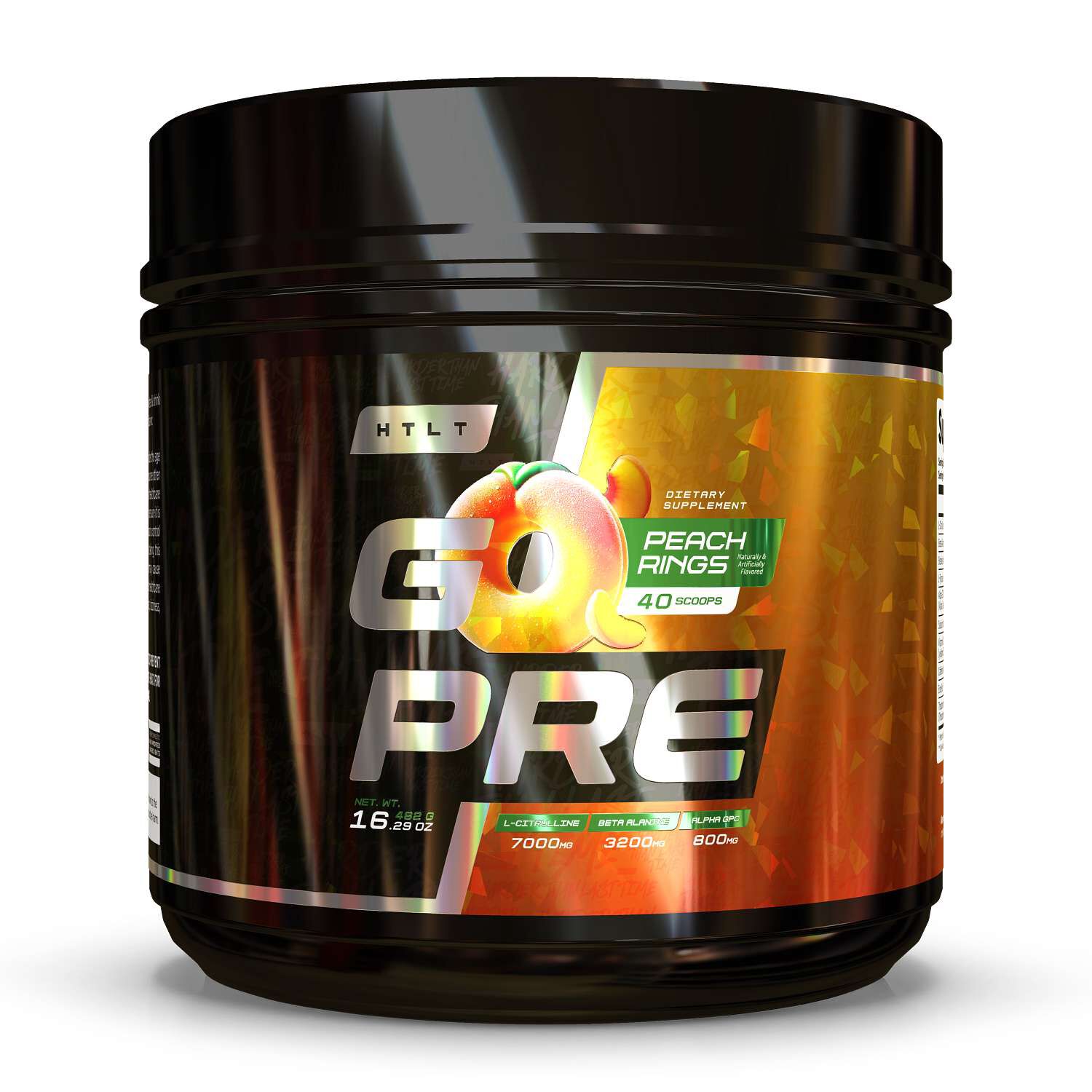
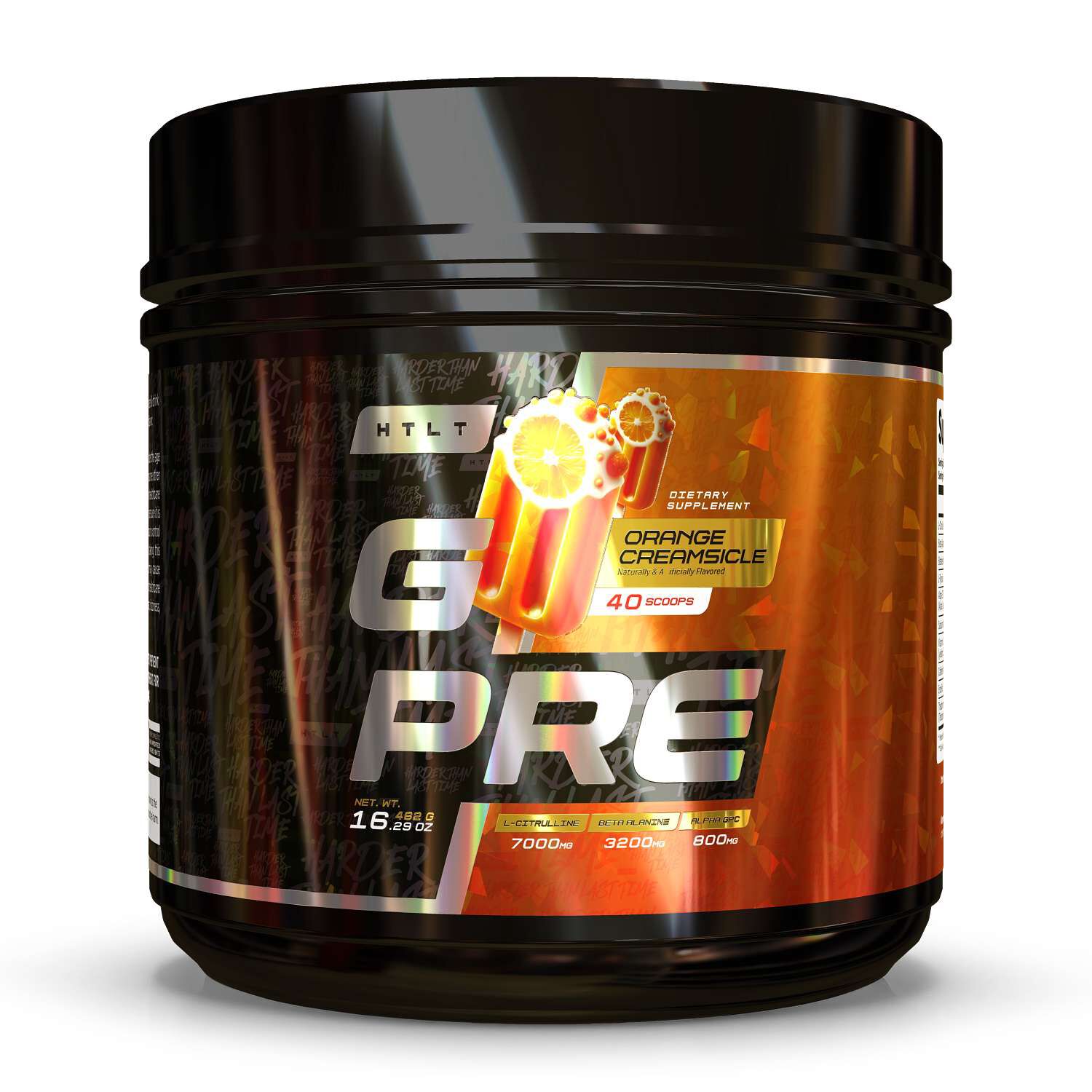
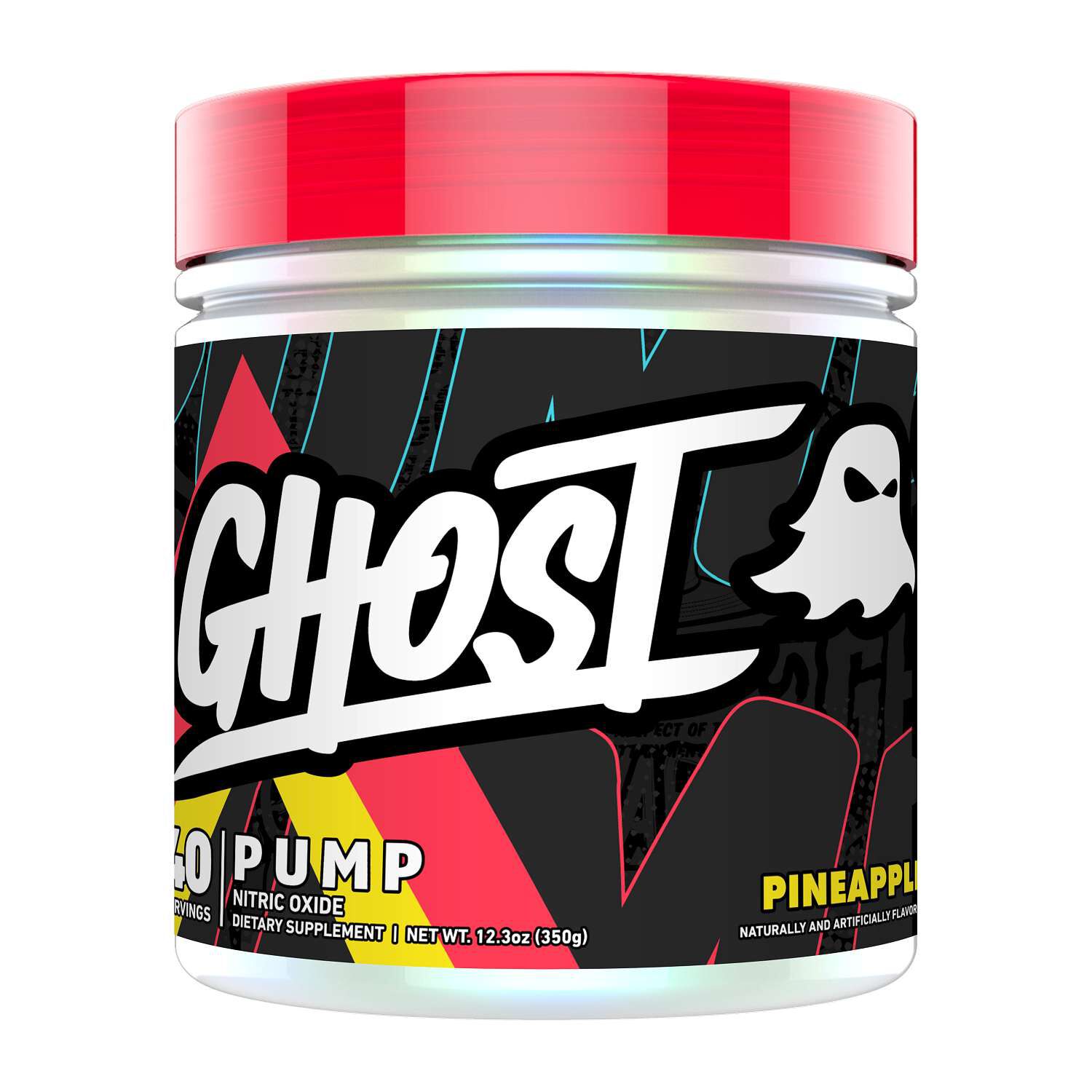

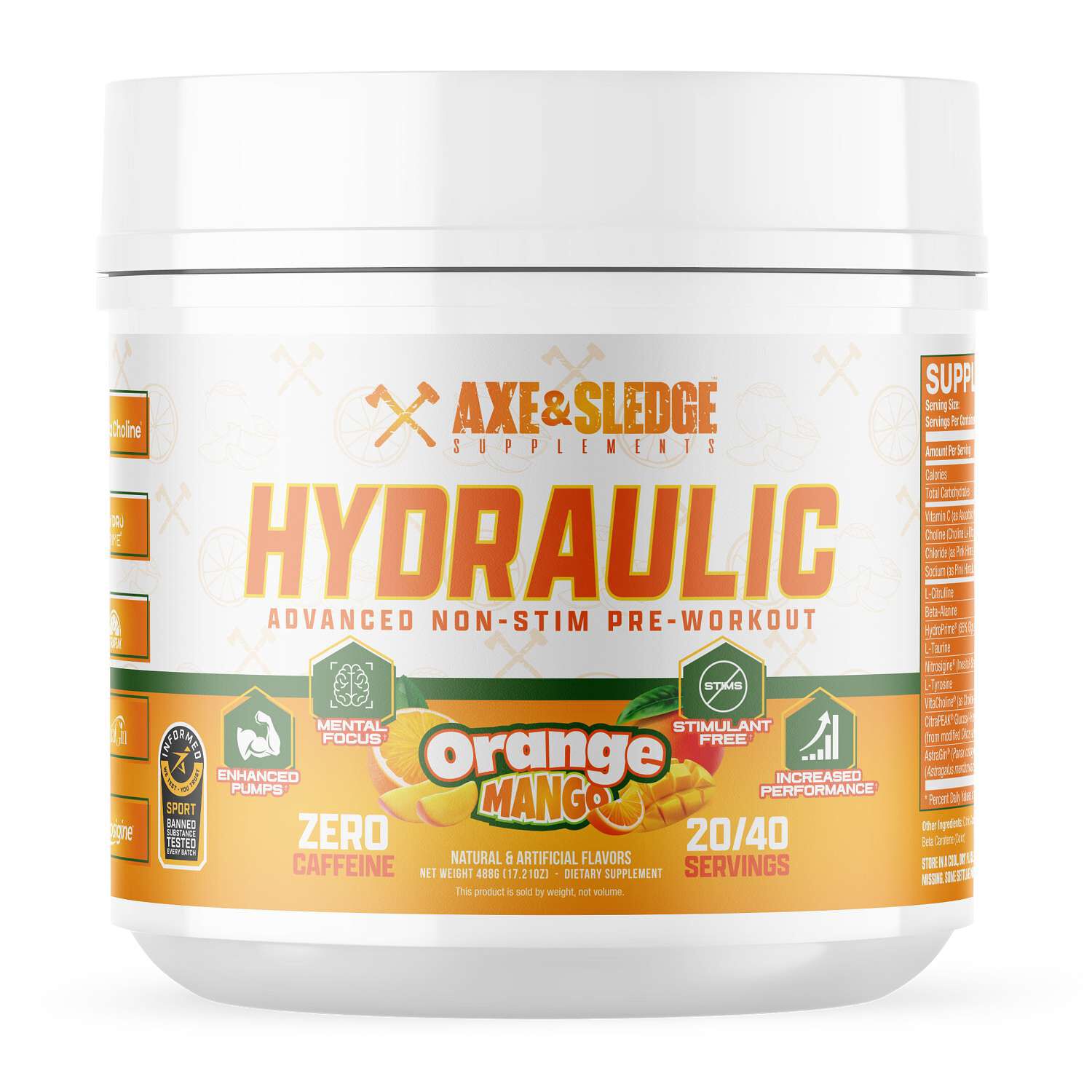

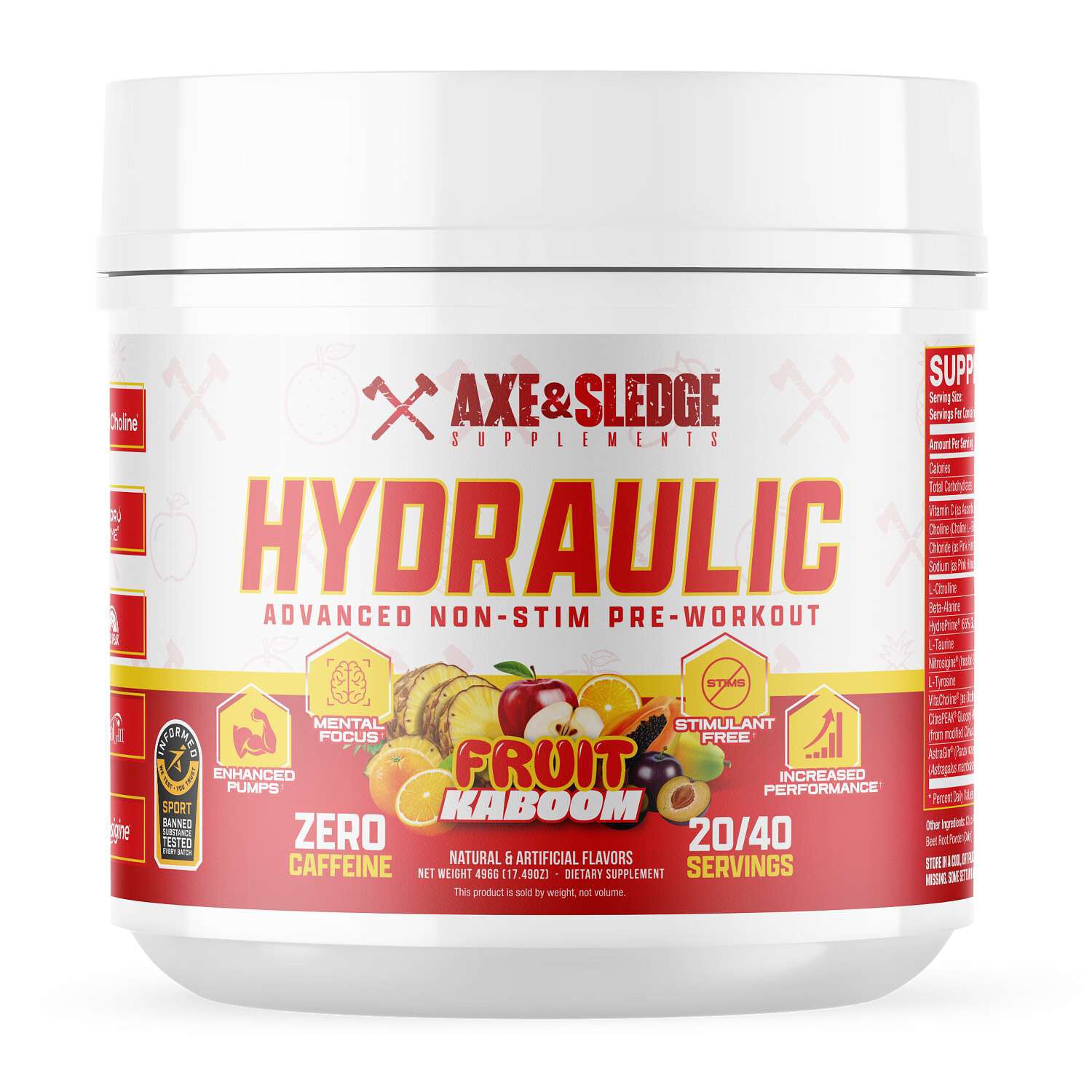
40-serving pre-workout powders are powdered supplements packaged around a labeled serving count, giving shoppers a useful way to compare container sizes alongside ingredients, flavor, and preparation directions. Depending on the formula, a pre-workout powder may support energy, focus, or exercise performance as part of a training routine. The number 40 describes portions at the stated serving size; it does not mean every container has the same weight, ingredient amounts, or scoop size. One formula might use a smaller portion, while another includes more powder per serving. Directions may also distinguish between a partial serving and a full serving, making the serving information more meaningful than the size of the tub alone. For adults who prefer mixing a drink before lifting, cycling, interval sessions, or recreational sports, this format offers a familiar addition to workout preparation. Formulas vary considerably: some contain caffeine, while others are made without caffeine, and ingredient lists may include amino acids, creatine, electrolytes, or other components associated with sports nutrition. Caffeine-containing formulas may support alertness, but a higher caffeine amount is not automatically a better match for every person or training schedule. Ingredient preferences, other caffeinated beverages in the daily routine, and the time of a planned workout are relevant considerations. Comparing the amount of each listed ingredient per serving also provides more context than comparing the front of two containers. Where a label uses a blend, the information shown may differ from a label that lists each ingredient amount separately. A 40-serving count is therefore best understood as one part of the product description, alongside the supplement facts, directions, and ingredient list. For someone with a consistent training routine, portion count can help with planning, while those who train less frequently may place more emphasis on storage needs and the labeled date. The category includes different approaches to workout preparation rather than one uniform formula, so the most relevant distinctions are often the ones that fit an existing routine.
Flavor and texture are everyday considerations with 40-serving preworkout powders, especially when the same container will be used across many training sessions. Fruit-inspired, citrus, berry, and candy-style flavor profiles can differ in sweetness, tartness, and intensity, even when their names sound similar. The ingredient list may identify sweeteners, colors, and flavoring components, while nutrition information provides context about sugar and other listed nutrients. A familiar flavor can make a practical choice for someone who prefers consistency, whereas a sharper citrus profile may appeal to someone who enjoys a tangier drink. Taste remains personal, and the labeled mixing directions provide the starting point for preparation. The recommended amount of water matters because a small shaker and a large bottle can produce very different drinking experiences from the same measured portion. Some powders dissolve more readily than others, and certain ingredients can leave a little sediment after mixing. Following the package directions for stirring or shaking helps keep preparation consistent without assuming every formula behaves the same way. When the label lists a serving weight in grams, that detail adds useful context to the scoop directions. Practical packaging details matter, too: a secure lid, readable directions, and enough room to reach the scoop can make a container easier to use on a busy morning. For storage, the package instructions should remain the reference. Keeping the lid securely closed and using dry utensils may help limit moisture exposure and preserve the powder’s intended texture. A container left open beside a damp shaker has a different storage environment from one kept closed in a dry cabinet. Taking only what is needed for a session, while retaining access to the original label, can also make preparation away from home more straightforward.
The intended setting helps distinguish which features deserve the most attention. Someone heading from an office to an evening strength session may prefer a formula made without caffeine, while an adult preparing for an earlier workout may compare caffeine amounts alongside other daily sources. A recreational lifter, a regular cycling-class participant, and an athlete attending organized practice can have different schedules and ingredient preferences without needing entirely different approaches to reading the package. Clear serving directions, suitable flavor choices, and a format that fits the routine are practical points of comparison across those settings. For sessions away from a usual gym, container dimensions and access to a clean bottle and drinking water become more relevant. An original, clearly labeled container keeps preparation information close at hand, and any sport or facility requirements remain separate considerations from flavor or serving count. Shoppers browsing for organized training settings can also explore Pre Workout Powders For Training Camps for a related category. A 40-serving container may suit someone who prefers repeating a familiar preparation process rather than opening an individually packaged portion before each workout. It can also be a thoughtful fitness-related gift when the recipient’s preferred ingredients, caffeine choice, and flavor are already known; those details are more useful than choosing solely by packaging or a familiar flavor name. For personal use, matching the container to actual habits matters more than assuming that a larger scoop or a longer ingredient list indicates a better fit. Some shoppers prioritize a concise formula, others want clearly listed ingredient amounts, and others begin with taste or preparation preferences. Serving count brings those comparisons into a shared frame, but it does not replace the details on the label. Taken together, portion size, ingredients, mixing directions, storage requirements, and intended use provide a grounded picture of what a 40-serving pre-workout powder could bring to an established training routine.