





Adult Memory Support Vitamins
(0 Results)
Discover a range of adult memory support vitamins designed to help maintain cognitive function and promote overall brain health. These supplements might offer a blend of nutrients that could assist in mental clarity and focus. Whether you're experiencing occasional forgetfulness or simply looking to support your mind as you age, adult memory support vitamins may provide the nutritional foundation you need. Explore various options that could complement your lifestyle and wellness goals.

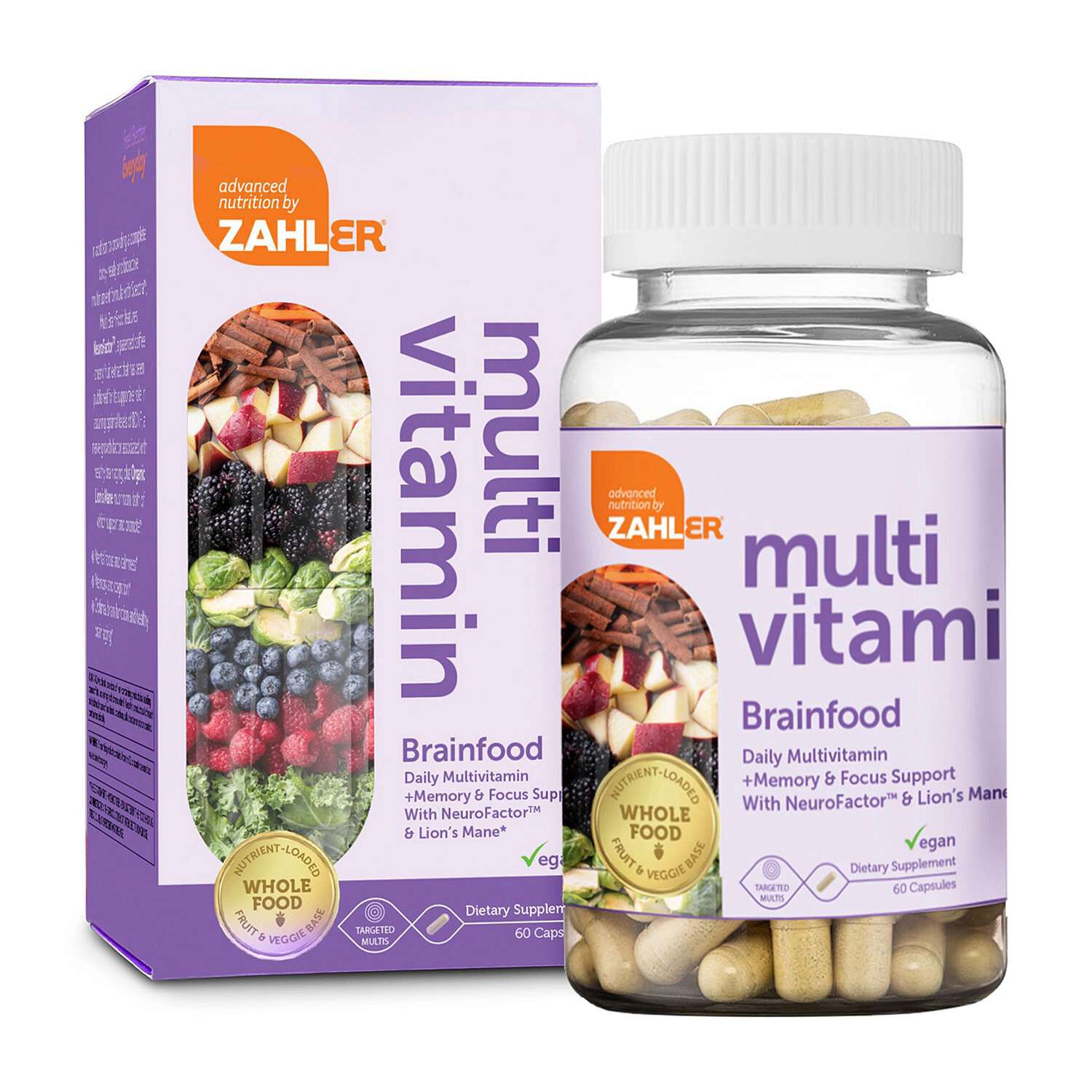
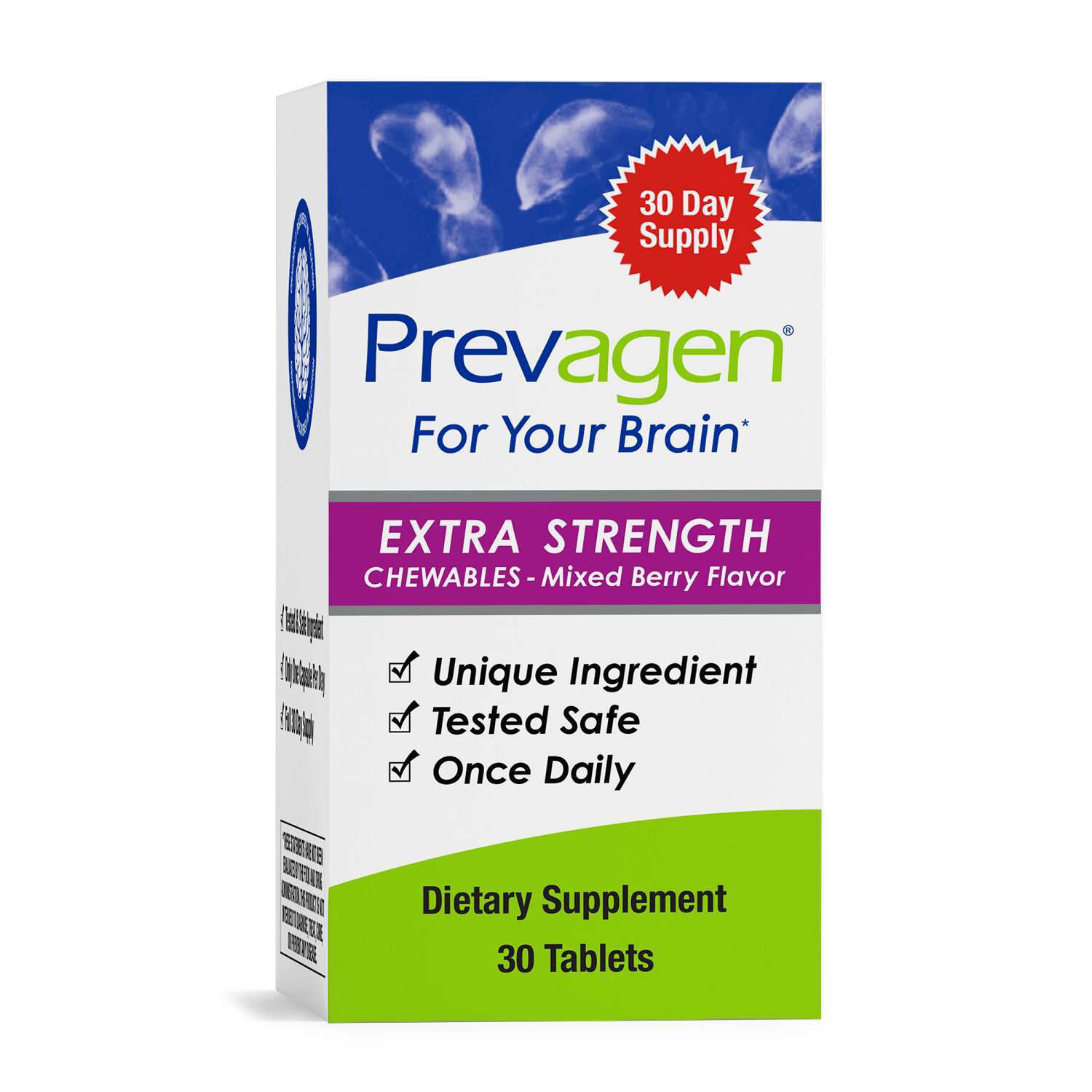
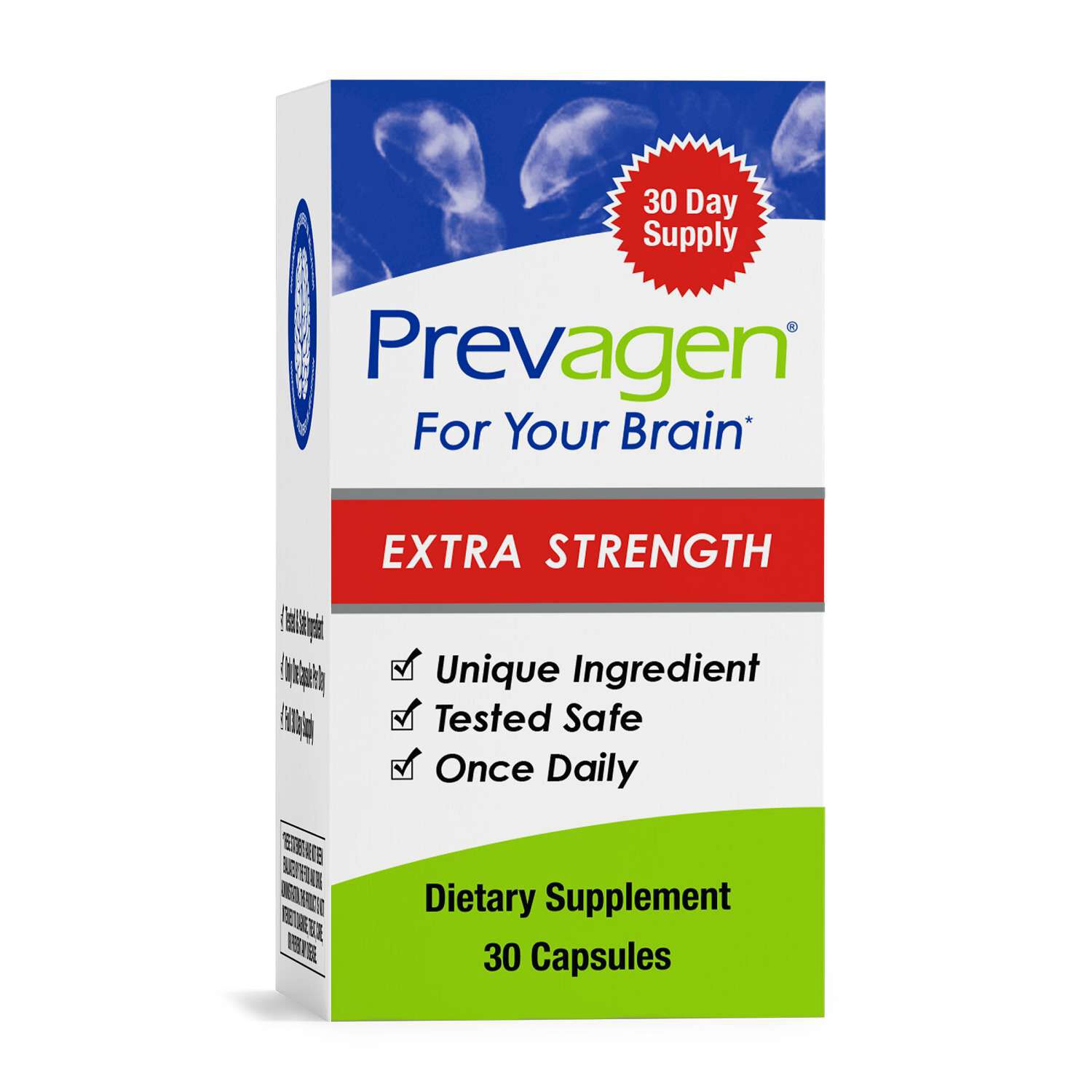

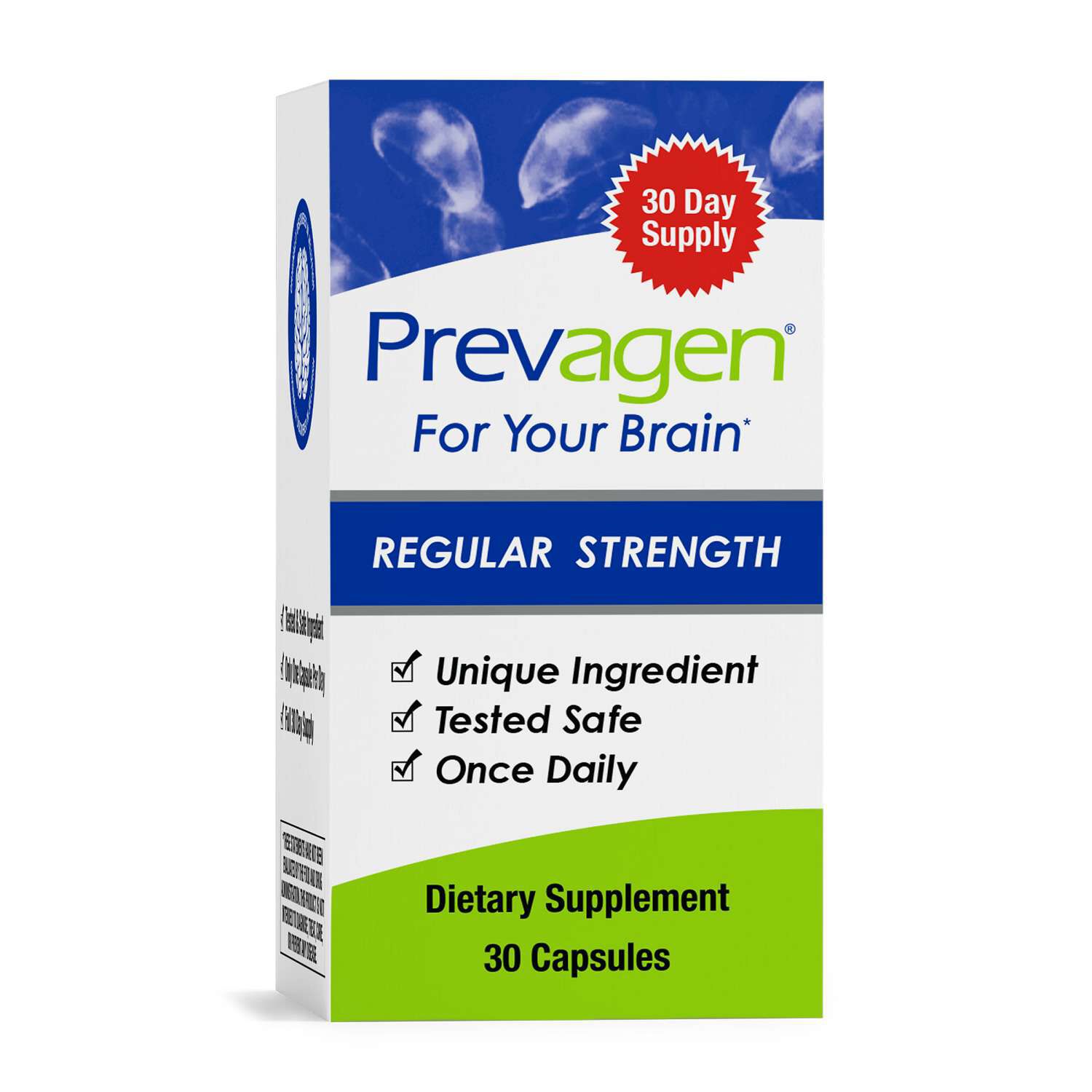
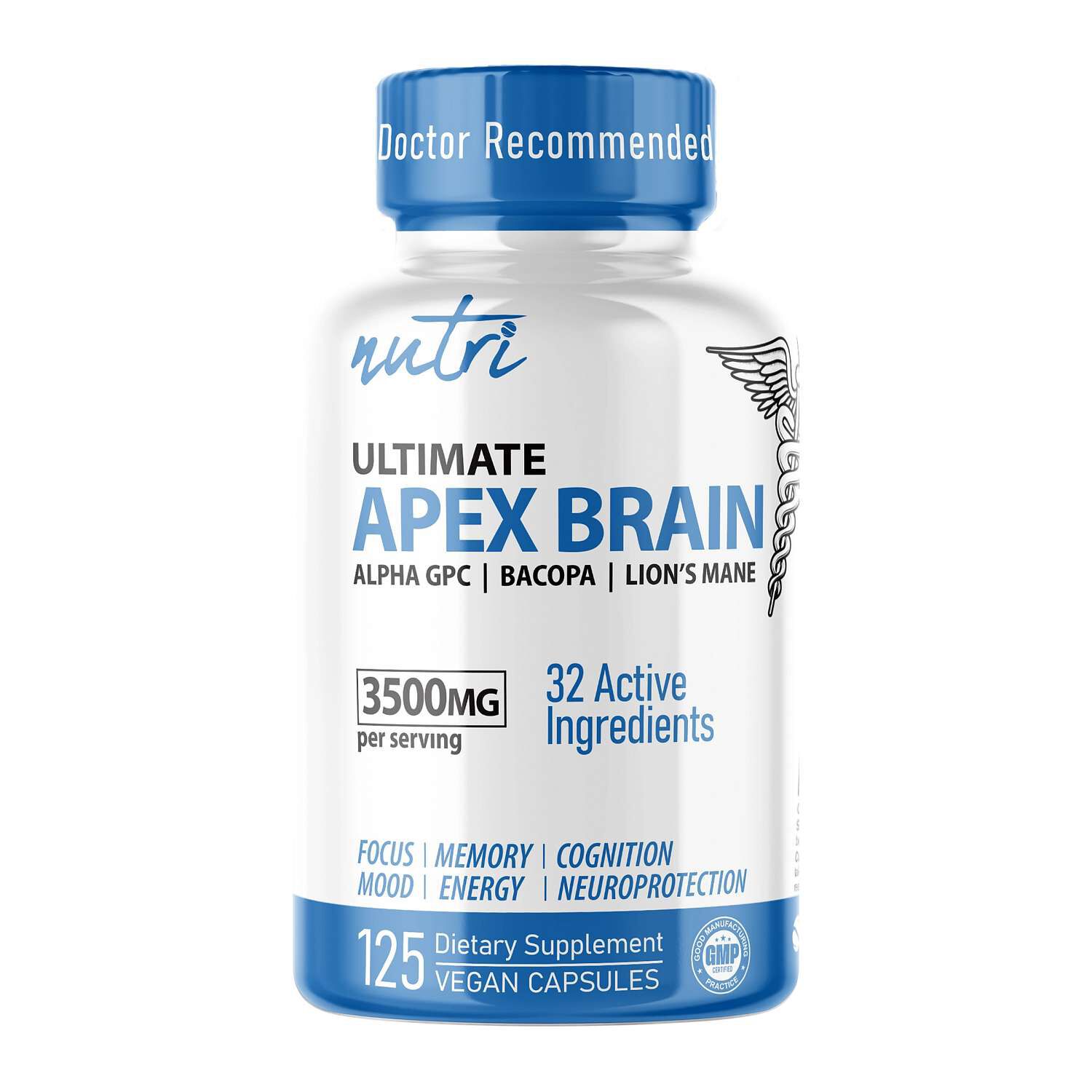
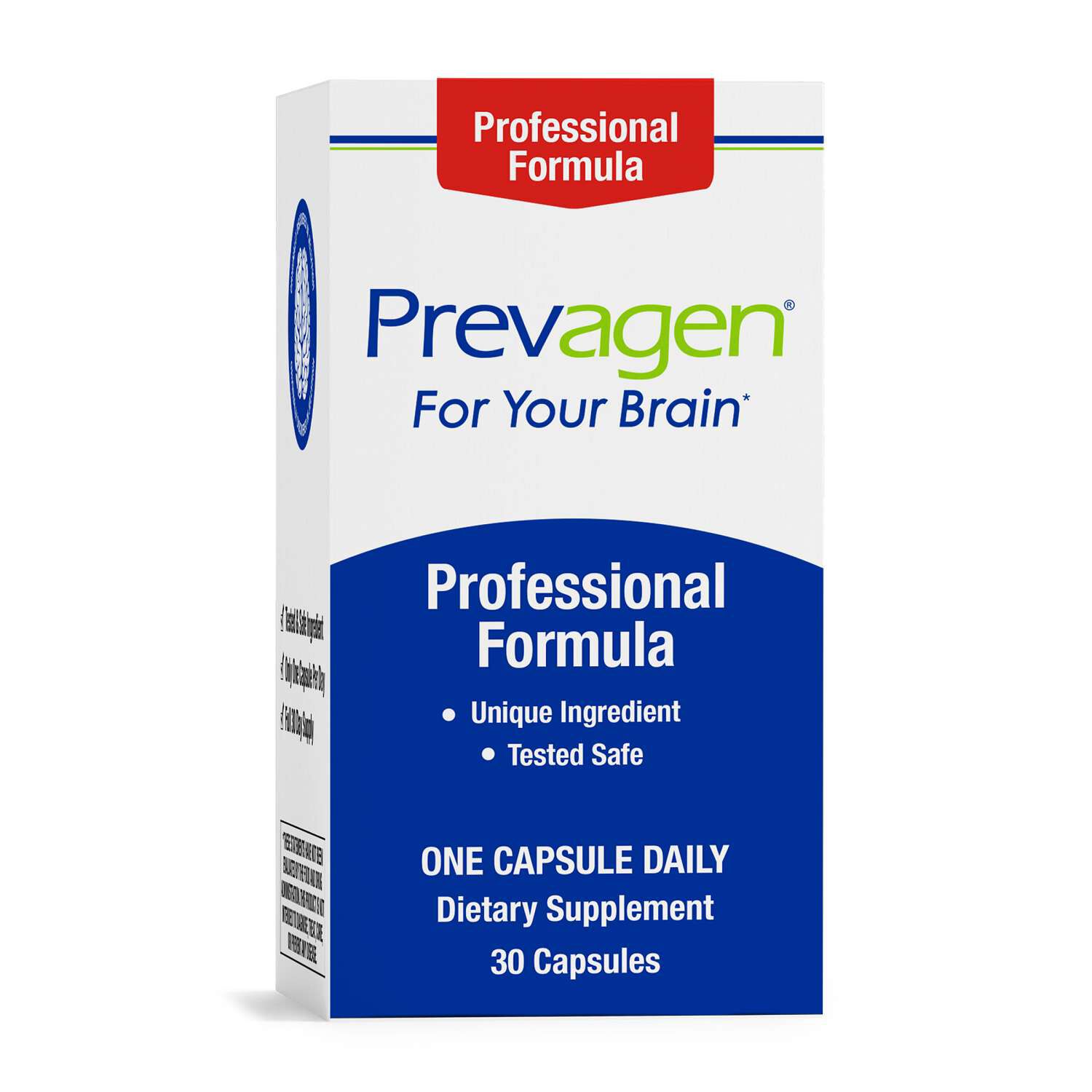
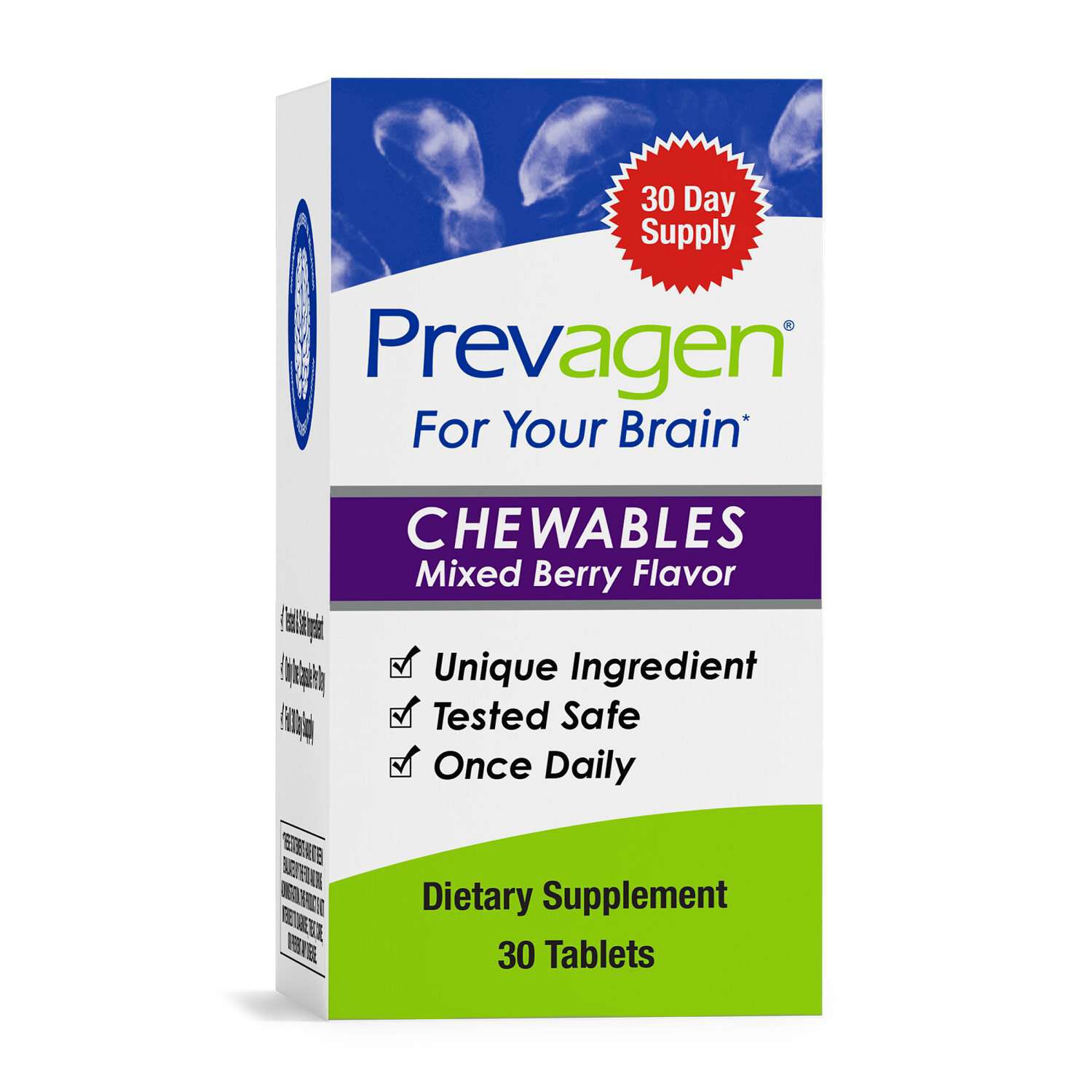
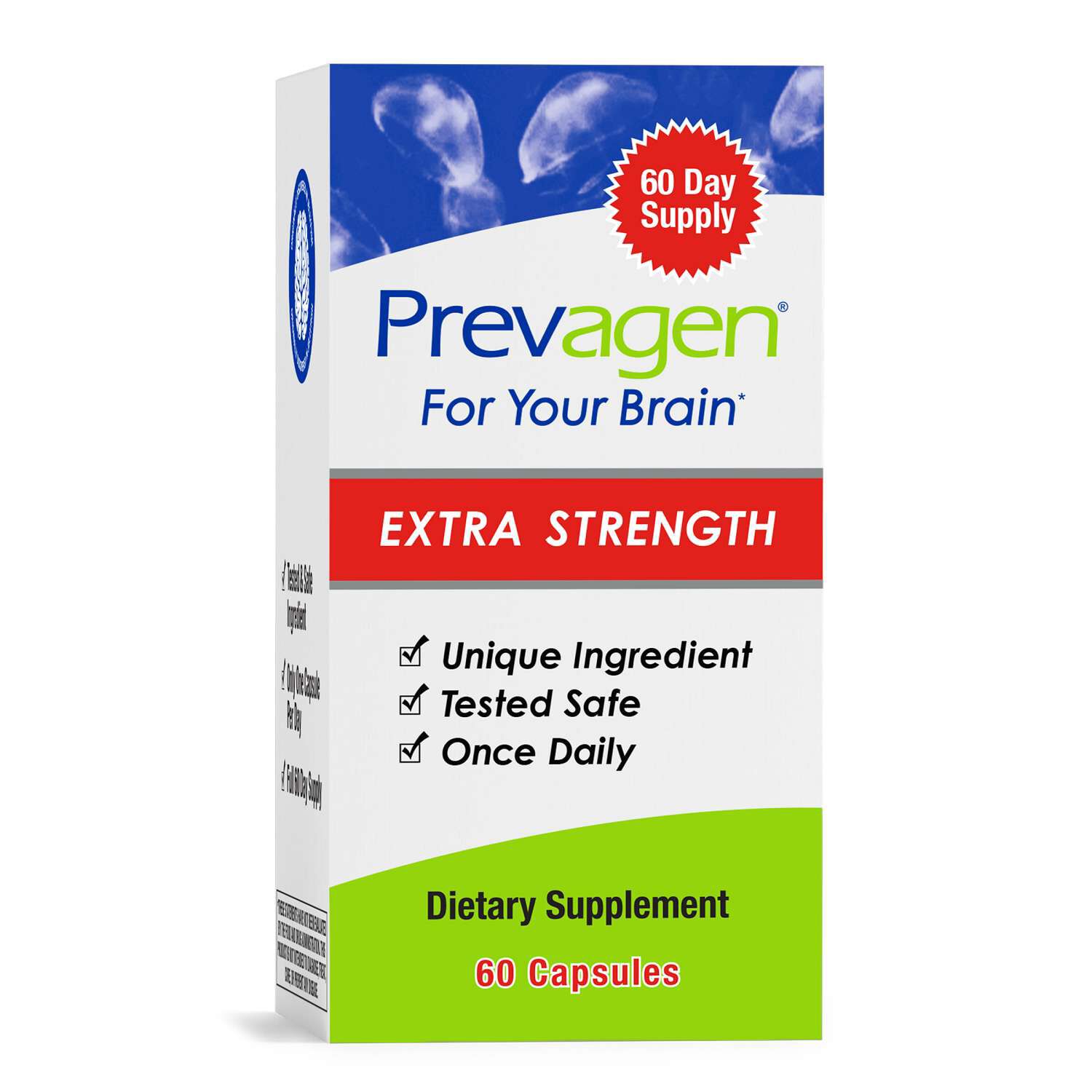
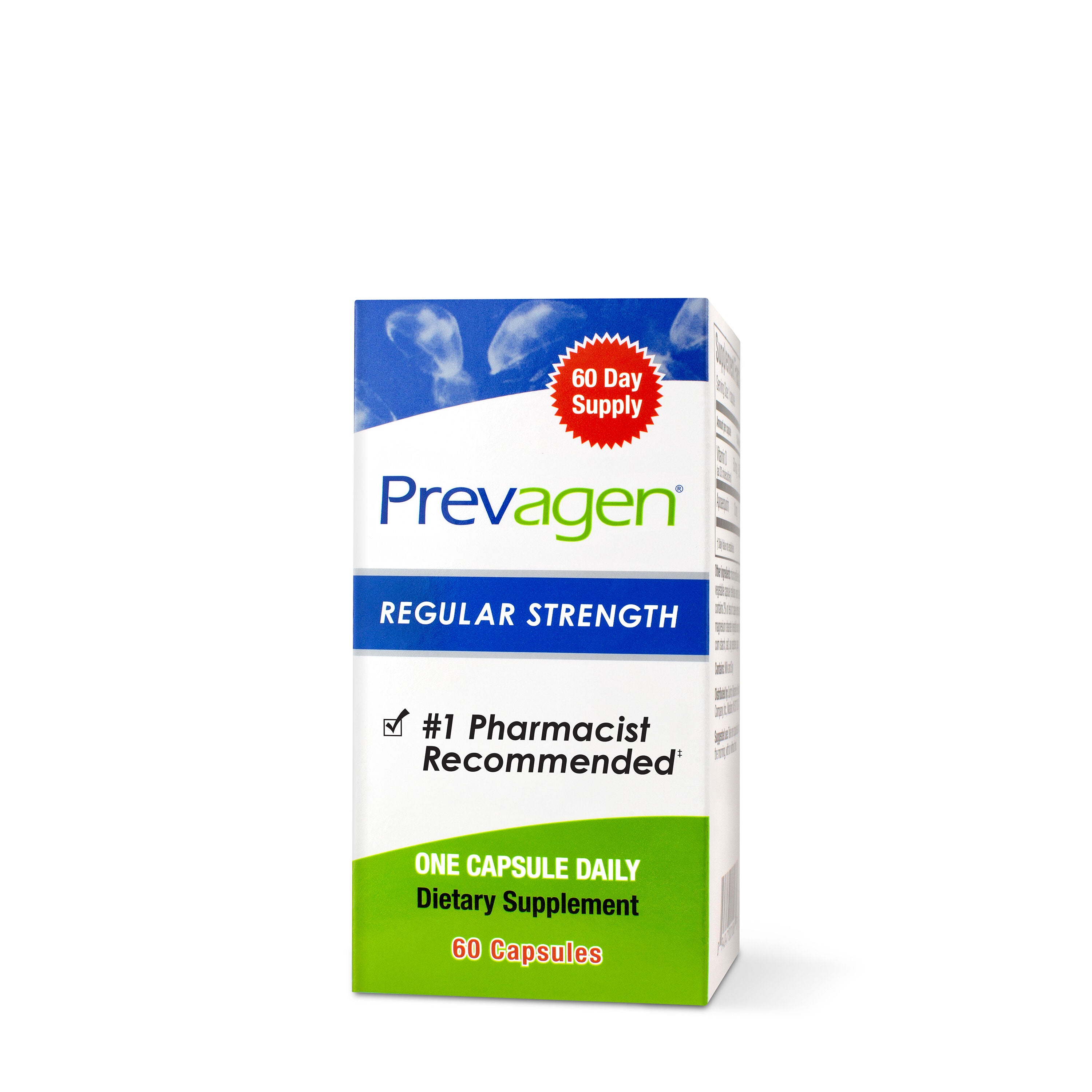
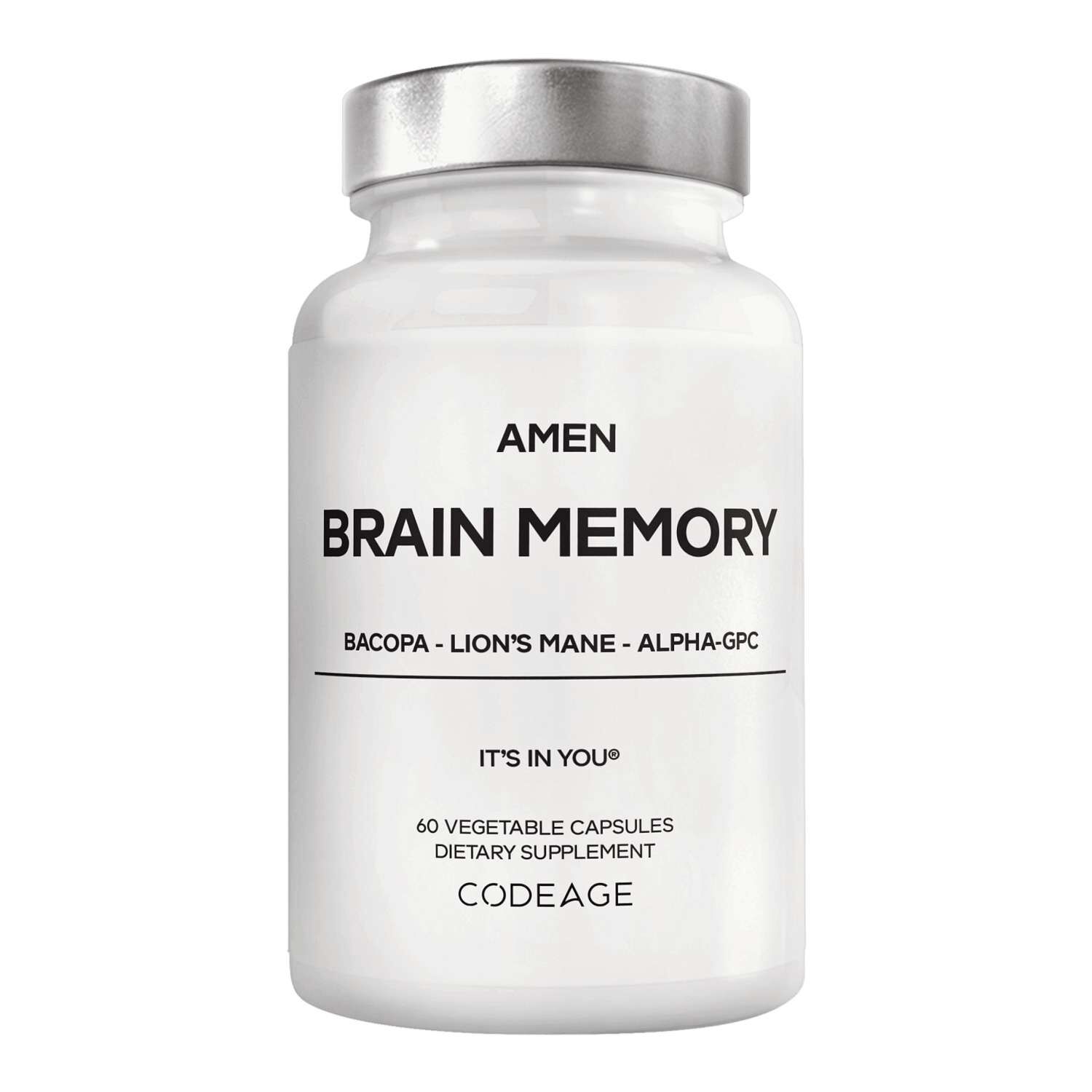
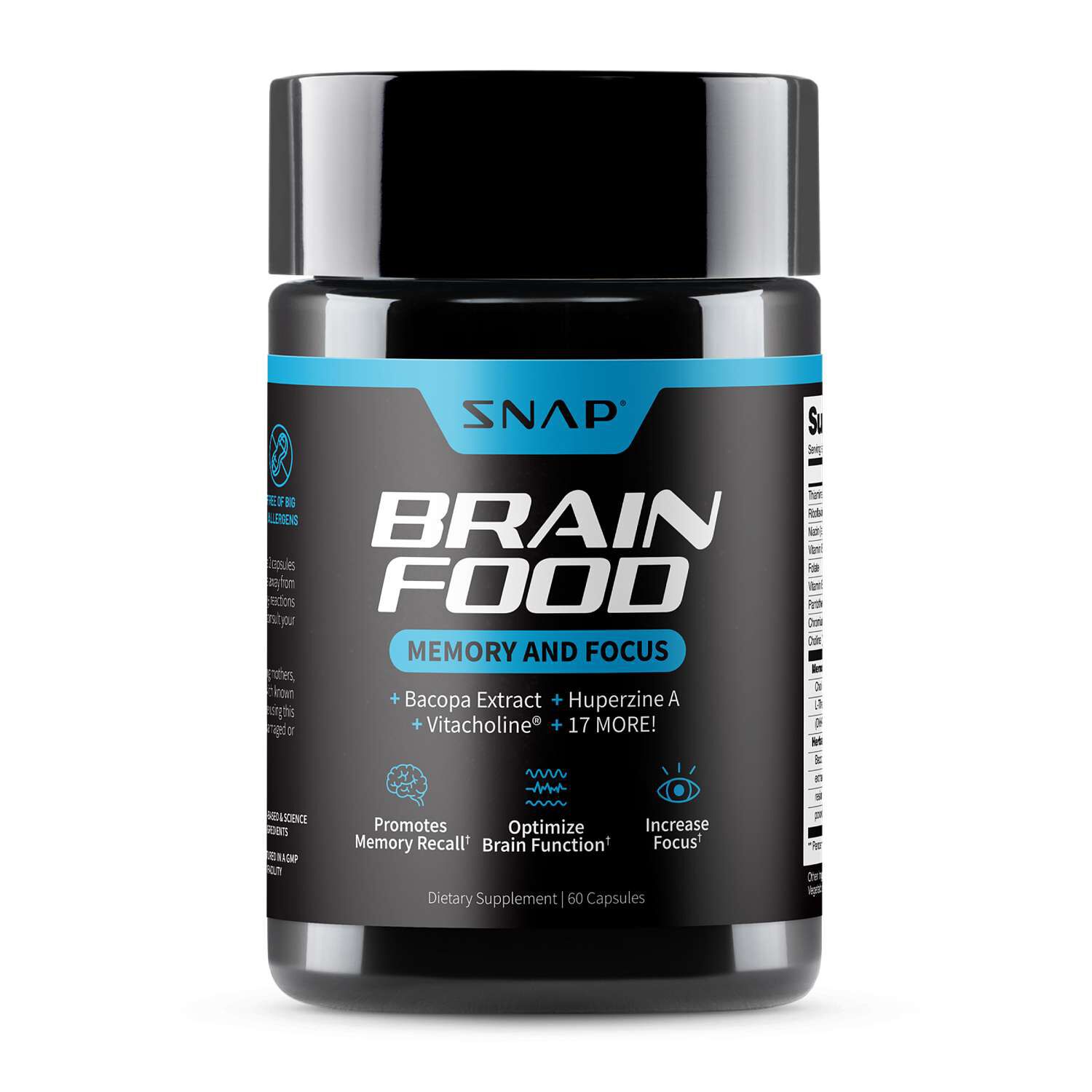


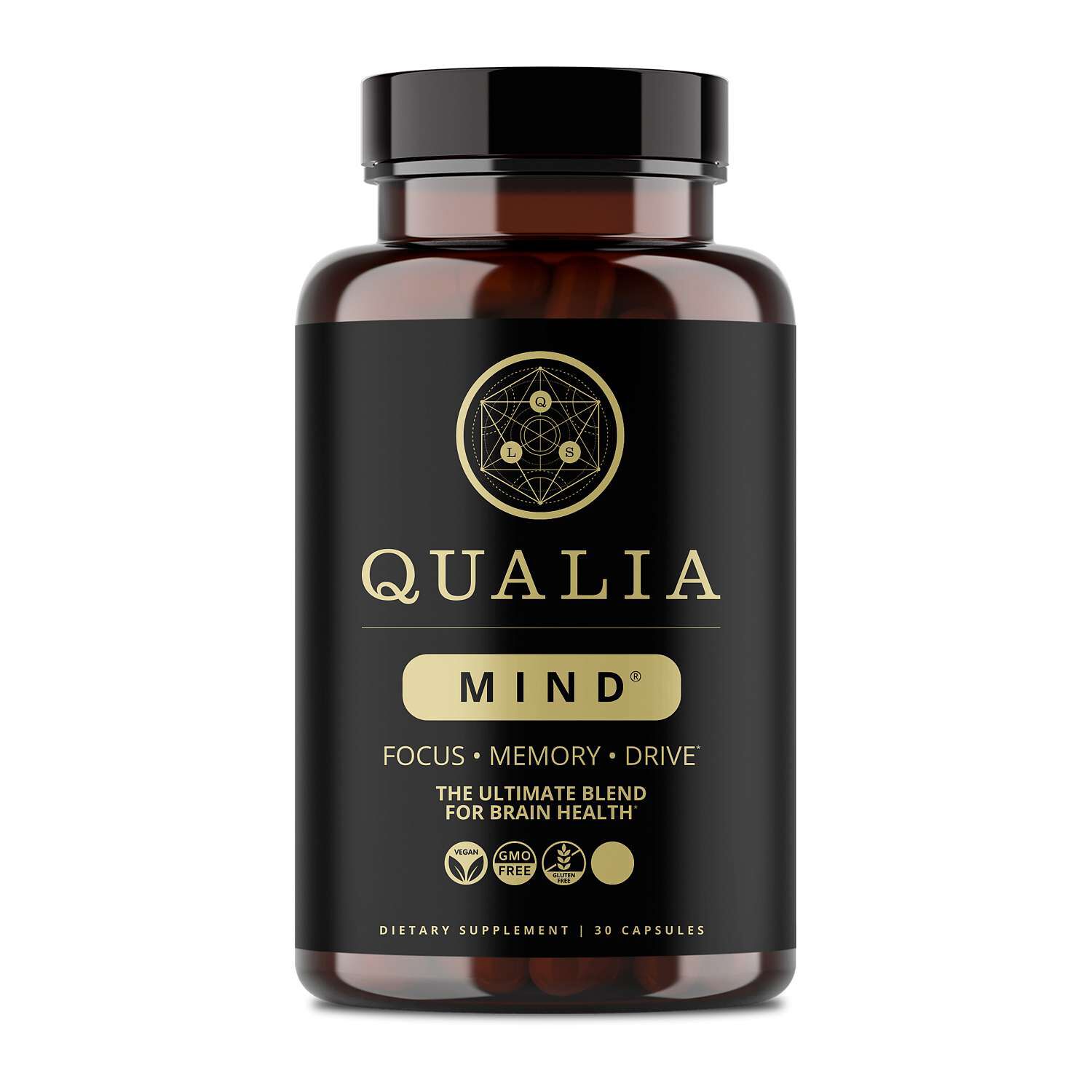


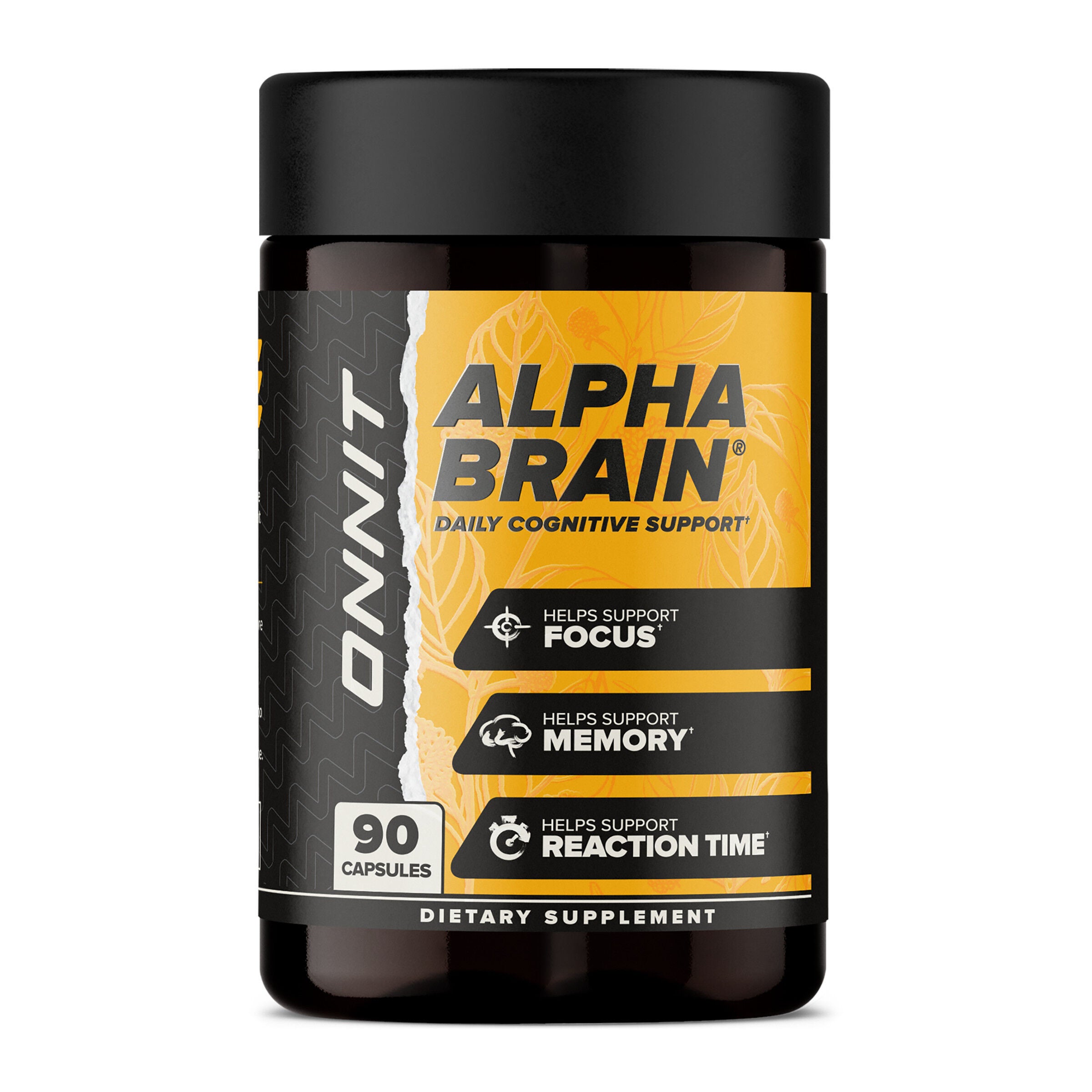

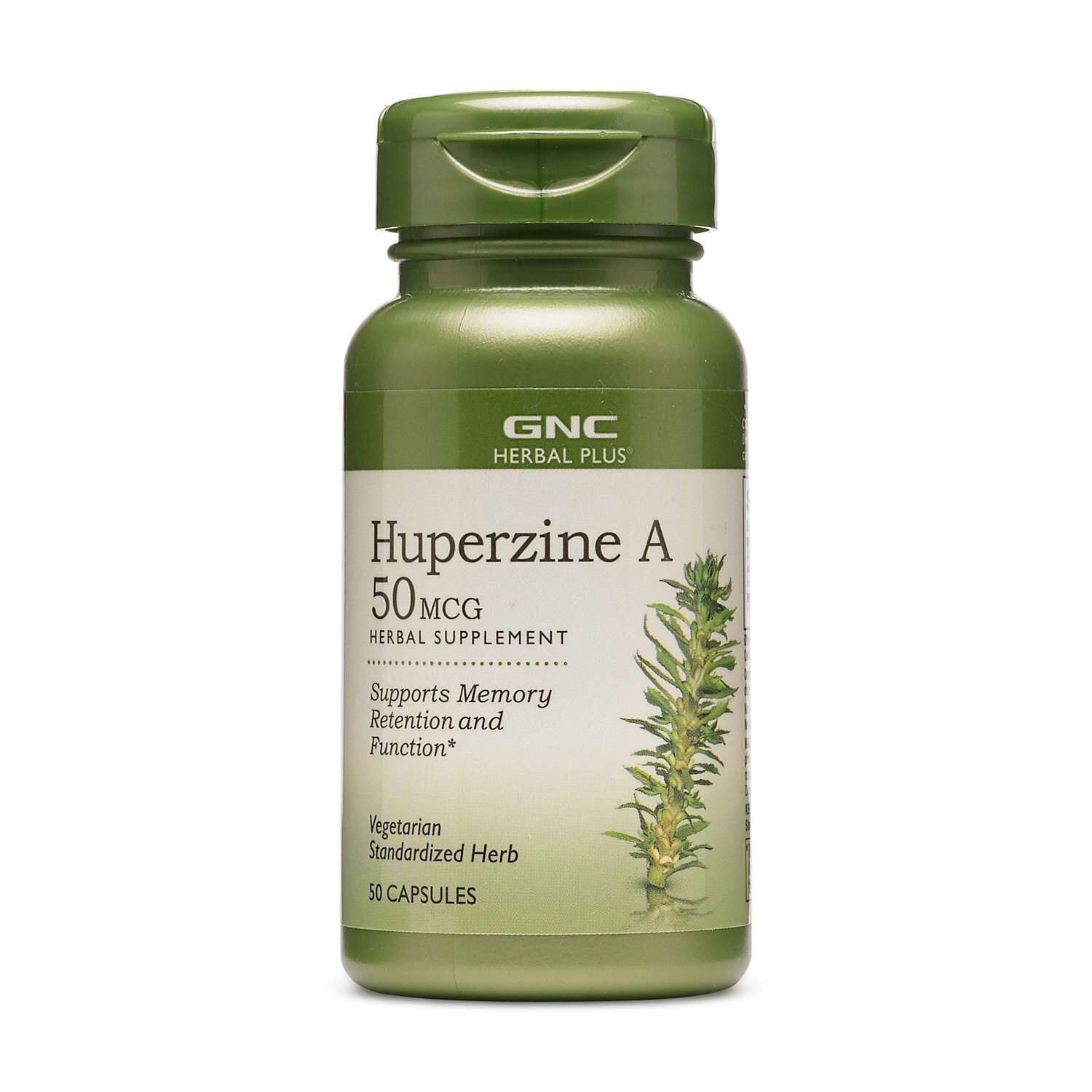


Adult memory support vitamins are dietary supplements intended for adults interested in memory-focused nutrition and everyday cognitive wellness. Depending on their ingredients, these supplements may support normal memory or complement a broader nutrition routine, but the category name does not describe one standard formula. Some formulations center on individual vitamins, while others combine vitamins, minerals, fatty acids, or botanical ingredients in the same serving. Vitamin B6, vitamin B12, and folate, also known as vitamin B9, are examples of B vitamins that can appear on these labels. Vitamins D and E are other nutrients associated with this category. Omega-3 fatty acids, including DHA and EPA, belong to a different nutrient group: they are fats, not vitamins. These distinctions help explain why two memory-oriented formulas can have very different ingredient panels. A multivitamin generally contains a broader assortment of nutrients, whereas a targeted formula is organized around a narrower intended use. Neither description, by itself, establishes how a person will respond. Adults exploring this category might be balancing a busy workday, organizing household schedules, taking continuing-education courses, or looking for nutrition options that suit an established daily rhythm. A formula’s intended use is separate from expectations about remembering names, following a conversation, or keeping track of appointments. Those everyday experiences involve more than the contents of a supplement bottle. Varied meals, adequate rest, and familiar routines remain part of the larger context. Scientific interest in an ingredient also does not establish that every formula containing it has been studied for memory. The ingredient combination, amounts, and serving format are separate details worth understanding. For a related view of this category, Healthy Memory Support Vitamins offers another way to explore memory-focused nutrition. Across these collections, the full label provides more useful context than a short description on the front of a bottle, especially for adults whose routines already include other nutritional supplements.
Format is an important part of how adult memory support vitamins fit into daily life. Tablets, capsules, softgels, gummies, and powders have different physical characteristics, ingredient requirements, and storage considerations. A tablet has a compressed form, while a capsule holds its contents inside a shell. Softgels commonly contain oils or other liquid ingredients. Capsule shells and softgel materials can come from different sources, so appearance alone does not establish whether a format matches someone’s dietary preferences. Gummies can contain added sugars, sweeteners, colors, or flavoring ingredients, while powders have their own preparation instructions and serving measurements. A flavored format is also a matter of personal preference: a taste that seems appealing occasionally may feel different as part of a regular routine. For someone who eats breakfast at the same kitchen table each morning, packaging and serving instructions may be straightforward considerations. Someone who regularly packs a work bag may place more importance on a container that closes securely and keeps its label readable. Physical dimensions matter, too; photographs do not always communicate tablet length, capsule width, or the amount of powder in a serving. The serving size on the Supplement Facts panel clarifies whether the listed amounts correspond to one tablet, several capsules, or another measured portion. Package count and serving count are not necessarily the same. Storage details deserve similar attention because supplements are intended to remain in suitable condition through their labeled use period. Manufacturer instructions specify the appropriate storage conditions, and the expiration date provides a reference for the labeled shelf life. Moisture, an unsecured lid, or storage outside the stated conditions can affect a supplement’s physical condition. Original packaging also keeps ingredient details, directions, and identifying information together. These practical features do not establish a formula’s suitability, but they help distinguish formats that may otherwise look similar during browsing.
The Supplement Facts panel brings several useful comparisons into focus: which nutrients are present, how much is included per serving, and whether a listed Daily Value applies. Daily Value percentages are labeling references, not predictions of a memory benefit. A larger amount beside a vitamin name does not, on its own, establish that the formula is a better match for an individual. Likewise, a longer ingredient list does not demonstrate that a blend has been studied as a finished formulation. Some labels state an amount for each component, while others list a combined amount for a blend; those presentations provide different degrees of detail. Ingredient sources can matter to dietary preferences as well. Fish-derived oils, gelatin, plant-derived capsule materials, and flavoring ingredients are examples of details that may appear outside the main nutrient listing. The “other ingredients” section identifies components used for texture, consistency, flavor, or the physical form of the supplement. Allergen statements provide another distinct piece of label information. For adults who already use a multivitamin, comparing ingredient panels can reveal where the same nutrients appear in more than one formula, without assuming that every addition serves a different purpose. Intended age group also matters: an adult formula is not interchangeable with a children’s formulation simply because both contain familiar vitamins. Personal dietary preferences, serving format, preparation requirements, and the clarity of the label all contribute to a meaningful comparison. A memory-support label describes a supplement’s intended use; it is not a personalized assessment of nutritional needs or an explanation for changes in memory. There is no single ingredient list that defines every adult memory support vitamin, and no package description can predict an individual experience. Viewed in that context, the category is best understood through its actual contents and practical characteristics: the nutrients included, the amounts stated, the form provided, and the directions attached to that formulation.
Best Sellers
Related Pages

Top Collections
- Zinc Supplements | Top Brands at Great Prices | GNC
- Joint Mobility Supplement Packs
- Daily Collagen Supplements | Top Brands & Deals | GNC
- Cortisol Supplements
- Supplements For Yoga Joint Flexibility
- NAD+ Supplement Tablets
- Iron Supplements
- Best Brand of Magnesium Glycinate
- Chronic Fatigue Supplements
- Peptide Supplements