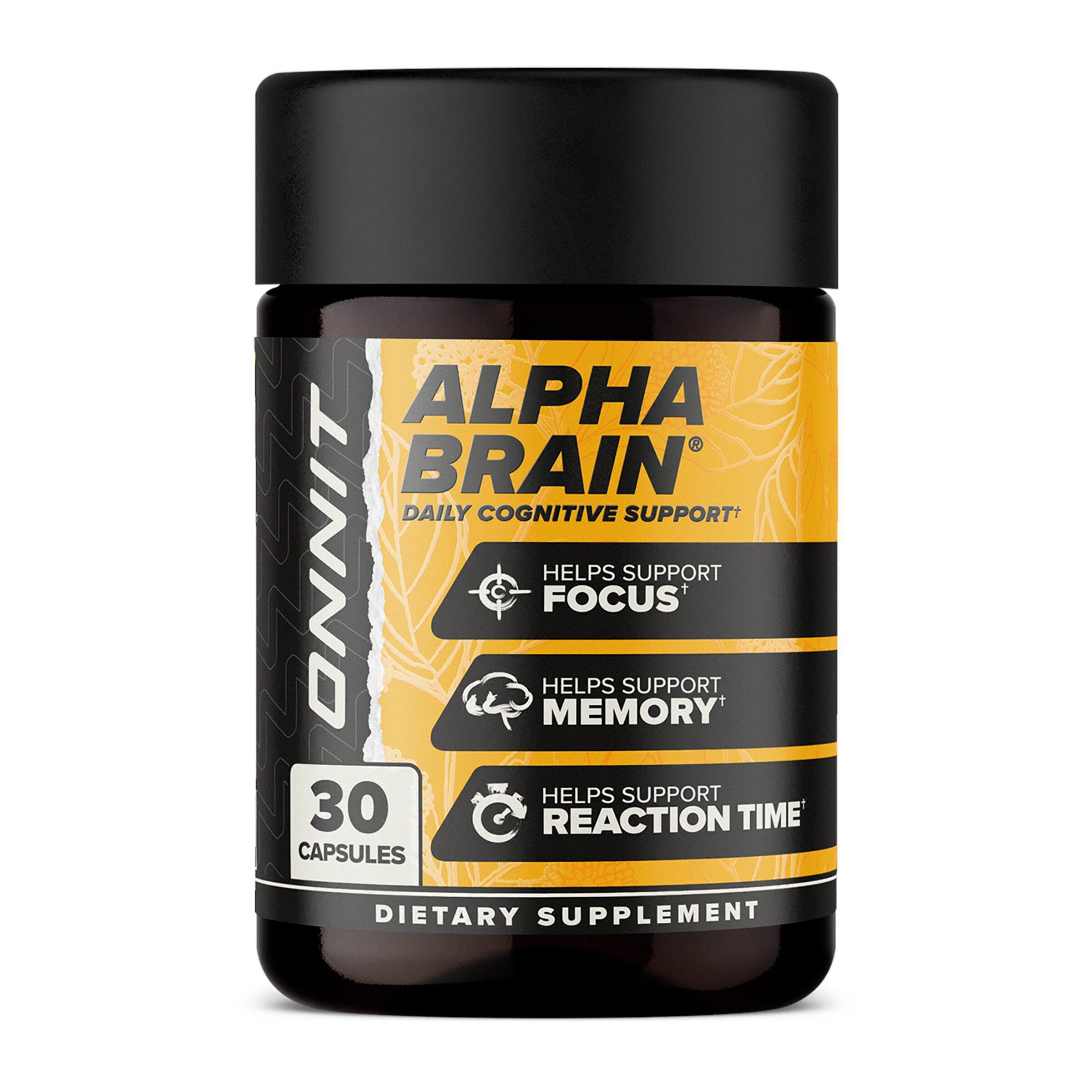
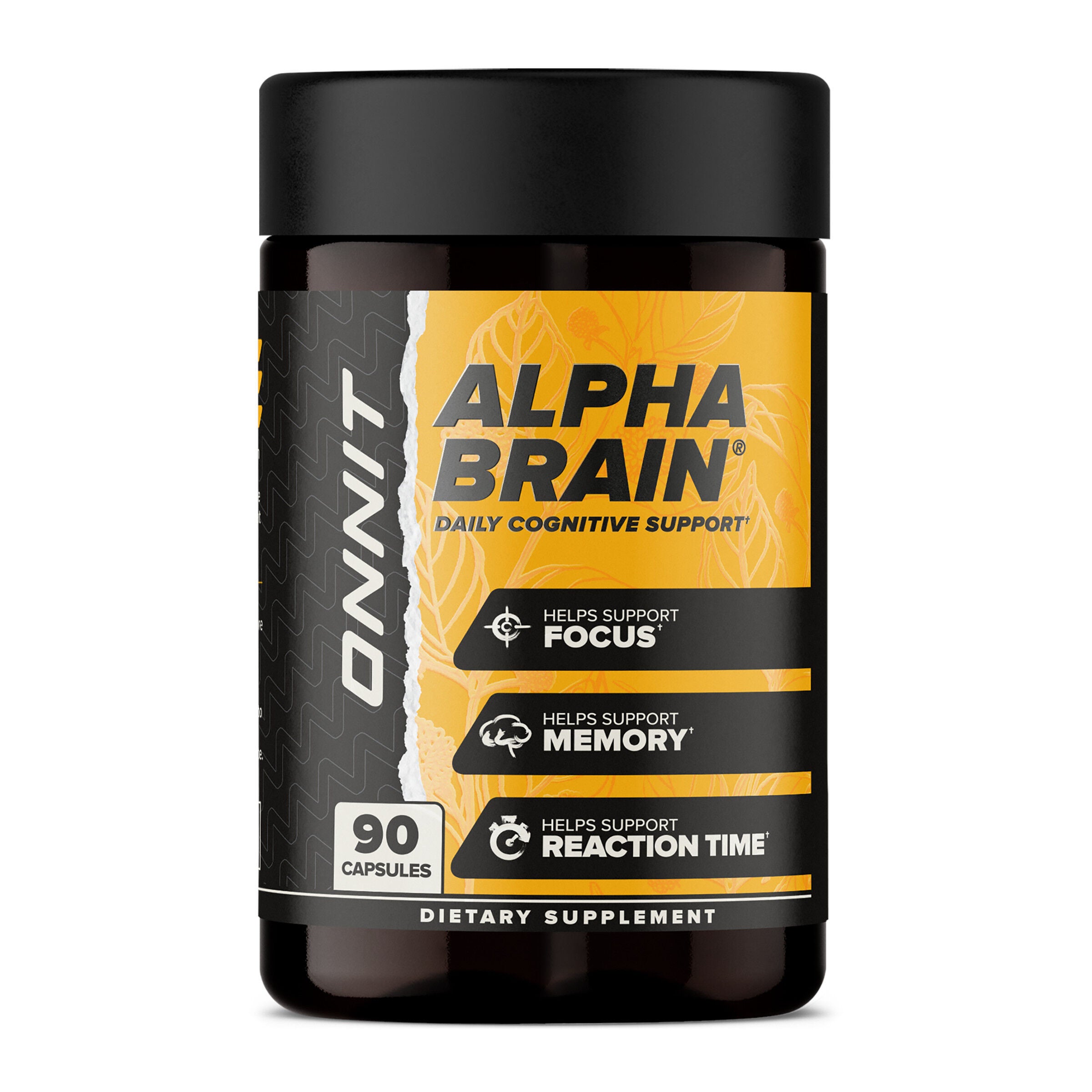
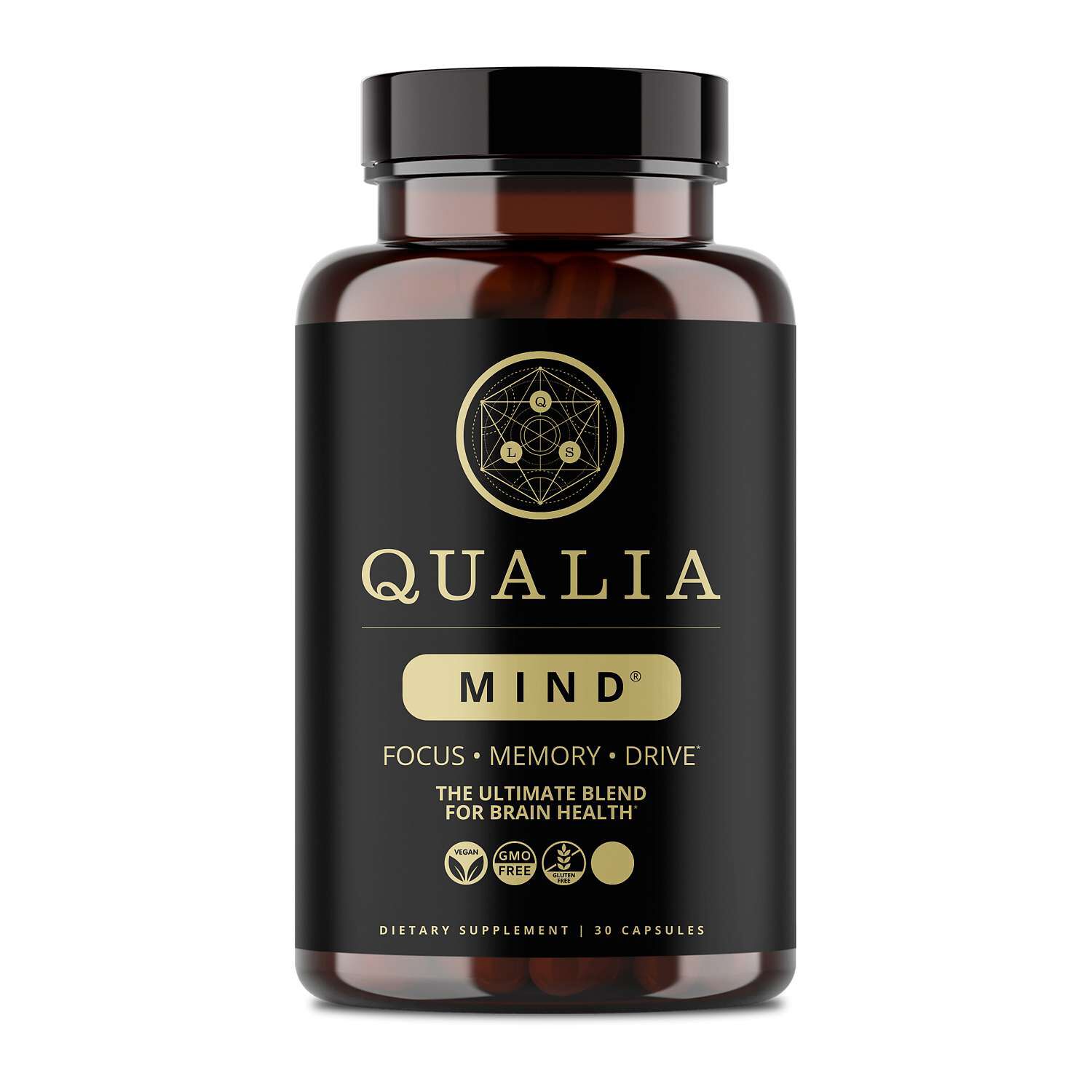
Adult Cognitive Support Tablets
(0 Results)
Adult cognitive support tablets are designed for those looking to support their mental performance and focus as part of a healthy lifestyle. With a variety of formulas that may include ingredients like vitamins, minerals, and herbal extracts, these supplements are crafted for adults seeking to maintain their cognitive wellness. Explore options that could fit your daily routine and help you stay sharp throughout your day.
-

-

-

-

-

-
-

-

-
 Purity Products$24.99
-
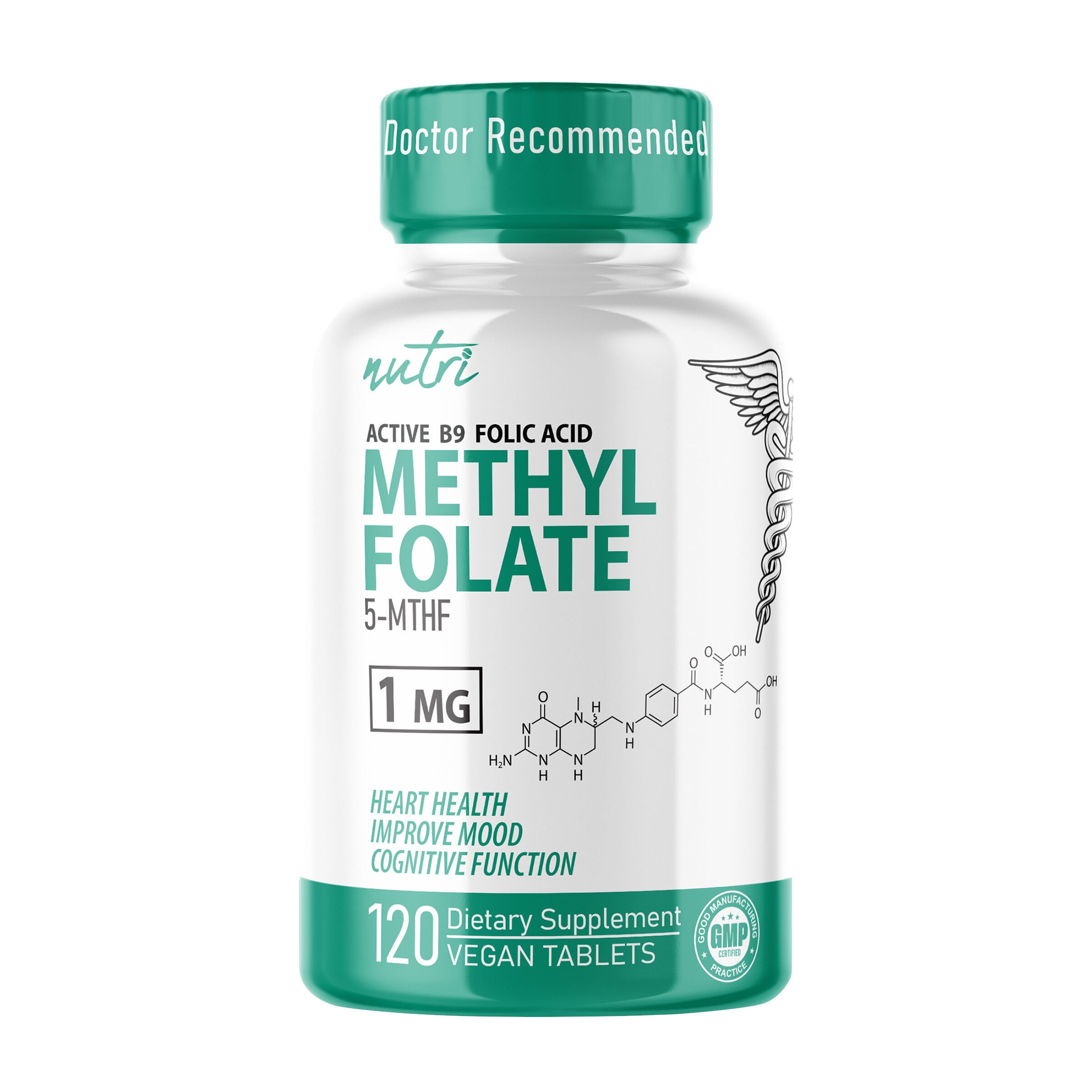 Nature's Fusions$14.99
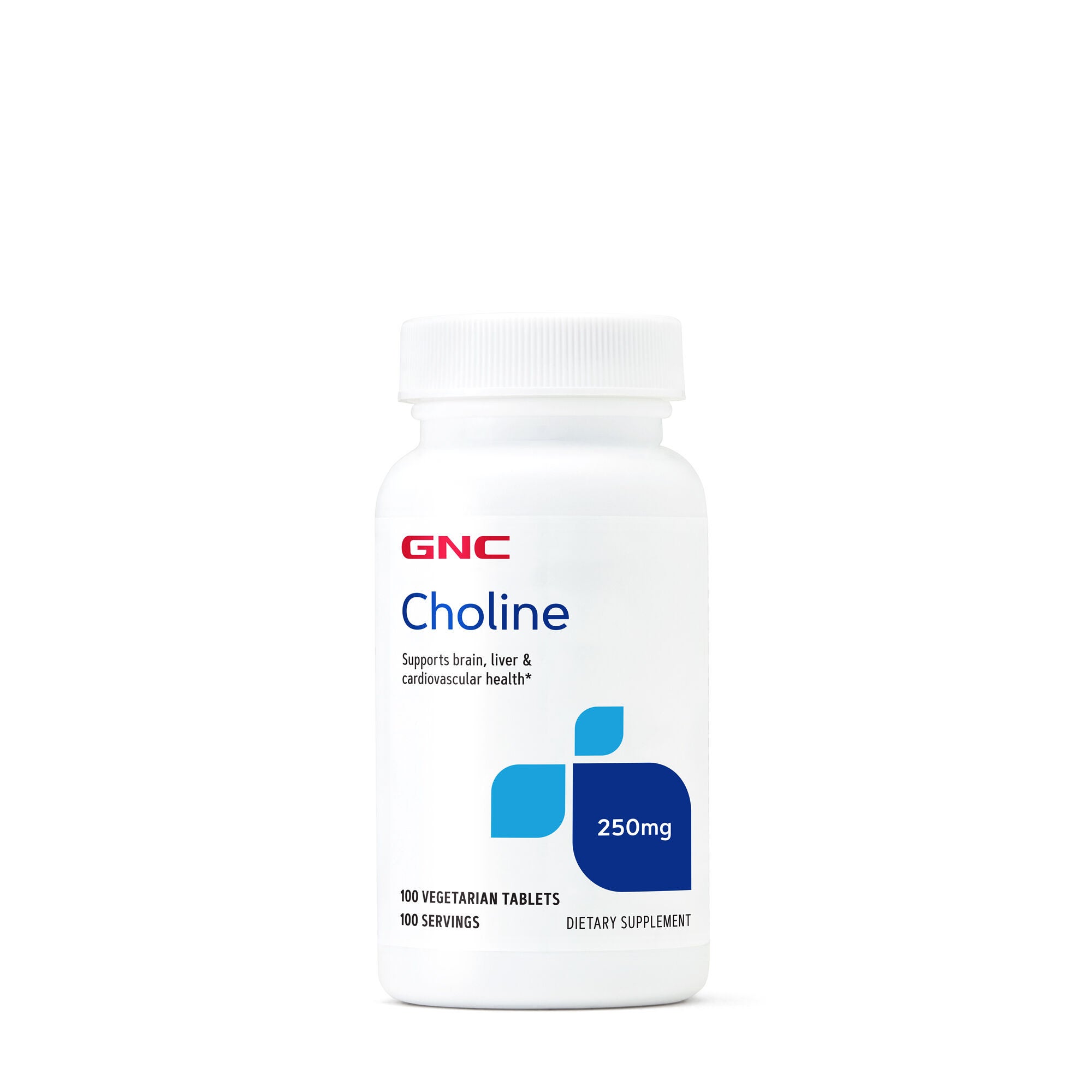
Adult cognitive support tablets are dietary supplements intended for adults interested in nutrition-oriented options for everyday cognitive wellness. Their formulas may include B vitamins, minerals, botanical ingredients, or compounds such as choline and citicoline. The category describes an intended use rather than an outcome that every adult can expect. Evidence for noticeable improvements in cognition among healthy adults is limited and varies by ingredient and formula; a cognitive support label does not establish that a tablet will change memory, concentration, or performance. That distinction makes the actual composition more informative than a broad statement on the front of a bottle. Some formulas emphasize a short ingredient list, while others combine several nutritional compounds in one serving. B vitamins may appear under names such as vitamin B6, vitamin B12, and folate, and their listed forms and amounts can differ. Citicoline is a choline-containing compound, while botanical extracts are ingredients derived from plants. Omega-3 fatty acids also appear in discussions of cognitive nutrition, although oil-based supplements are commonly packaged as softgels rather than pressed tablets. Not every ingredient associated with this topic belongs in every tablet formula, and the format matters when comparing similar-looking bottles. The Supplement Facts panel identifies serving size and the amounts declared for listed dietary ingredients. Some blends list a combined quantity rather than a separate amount for each component, which makes direct comparisons less straightforward. A serving may consist of one tablet or more than one, so the tablet count on the bottle and the number of labeled servings are different details. Amounts per serving are also distinct from the weight or physical size of an individual tablet. For someone comparing a compact, single-ingredient option with a larger multi-ingredient formula, those distinctions provide a clearer picture of what each labeled serving contains. A lengthy ingredient list, a larger tablet, or a higher amount of a particular nutrient does not, on its own, demonstrate a more suitable choice.
Beyond the dietary ingredients, the construction of an adult cognitive support tablet shapes its physical characteristics. Tablets vary in width, thickness, shape, and surface texture, with round and elongated formats presenting different handling experiences. Some are intended to be swallowed, while others are specifically labeled as chewable; those formats are not interchangeable simply because both are called tablets. Cellulose-based binders and other processing ingredients may help hold a pressed tablet together, and coatings may create a smoother surface or separate the contents from direct contact with the bottle. These materials typically appear in the other ingredients section rather than as the featured components of the formula. That section is relevant to shoppers with preferences concerning animal-derived ingredients, colors, sweeteners, or particular food sources. A plant-derived coating does not establish that every component in the formula is plant-derived, just as a short list of dietary ingredients does not mean the tablet contains no additional materials. Explicit label statements provide more useful detail than assumptions based on appearance. Packaging matters as well: a bottle with a secure closure has different handling considerations from individually sealed portions, and either format comes with its own storage directions. A bathroom cabinet beside a frequently used shower or a kitchen shelf directly above a cooking area presents different conditions from a dry cabinet away from moisture and direct sunlight. Original packaging keeps the ingredient list, serving directions, lot information, and date markings together. A small organizer may be convenient for a commute, but it does not carry all the information printed on the original container. Tablet condition is another practical detail, including whether pieces remain intact rather than showing unusual crumbling or discoloration. Quality information, when provided, may describe manufacturing practices or independent testing, but such statements are separate from evidence about cognitive outcomes. The physical consistency of a tablet and the suitability of its nutritional formula are different considerations, both relevant to a closer comparison.
Interest in adult cognitive support tablets can come from many ordinary routines: an adult returning to a classroom, a reader spending evenings with a challenging book, or someone moving between meetings, spreadsheets, and family responsibilities. These situations explain interest in the category without establishing that supplementation will make the work easier. A notebook open beside a laptop, a carefully arranged calendar, and a quiet place to read are familiar parts of an organized day; a tablet is a separate nutritional choice, not a substitute for those habits. Adults who prefer tablets over powders or liquids may appreciate the defined serving format, while others may give greater attention to ingredient amounts, tablet dimensions, or dietary preferences. Someone already using a multivitamin may notice overlapping nutrients in a cognitive support formula, making the labels relevant beyond the category name alone. An adult designation also does not mean that every formula is suitable for every person or circumstance. Age information, serving directions, and any cautions remain part of the product’s intended use. A demanding workday or an approaching exam does not change what the label specifies, and a formula intended for routine use is different from one positioned around a particular occasion. For a broader view of nutrition-oriented tablet categories, Adult Health Tablets provides a related collection centered on adult wellness. Within cognitive support, meaningful differences come down to the formula, the declared amounts, the tablet format, and the details supplied on the packaging—not simply similar wording across bottle labels. Food, sleep, regular movement, and time away from demanding tasks remain separate parts of everyday life. With realistic expectations, adult cognitive support tablets may fit a personal nutrition routine, while the label provides the clearest description of what the formula contains and how it is intended to be used.