Chewable Memory Vitamins For Adults
(0 Results)
Chewing your way to daily wellness could be a convenient and enjoyable option with chewable memory vitamins for adults. These easy-to-take supplements are designed for those who prefer a tasty alternative to traditional pills or capsules. With a variety of flavors and formulations available, chewable memory vitamins for adults may fit seamlessly into your routine, offering support for your overall wellness goals. Explore options that could help you stay on track with your supplement regimen while enjoying a flavorful experience.
-
-
 Universal Nutrition237$36.99
-
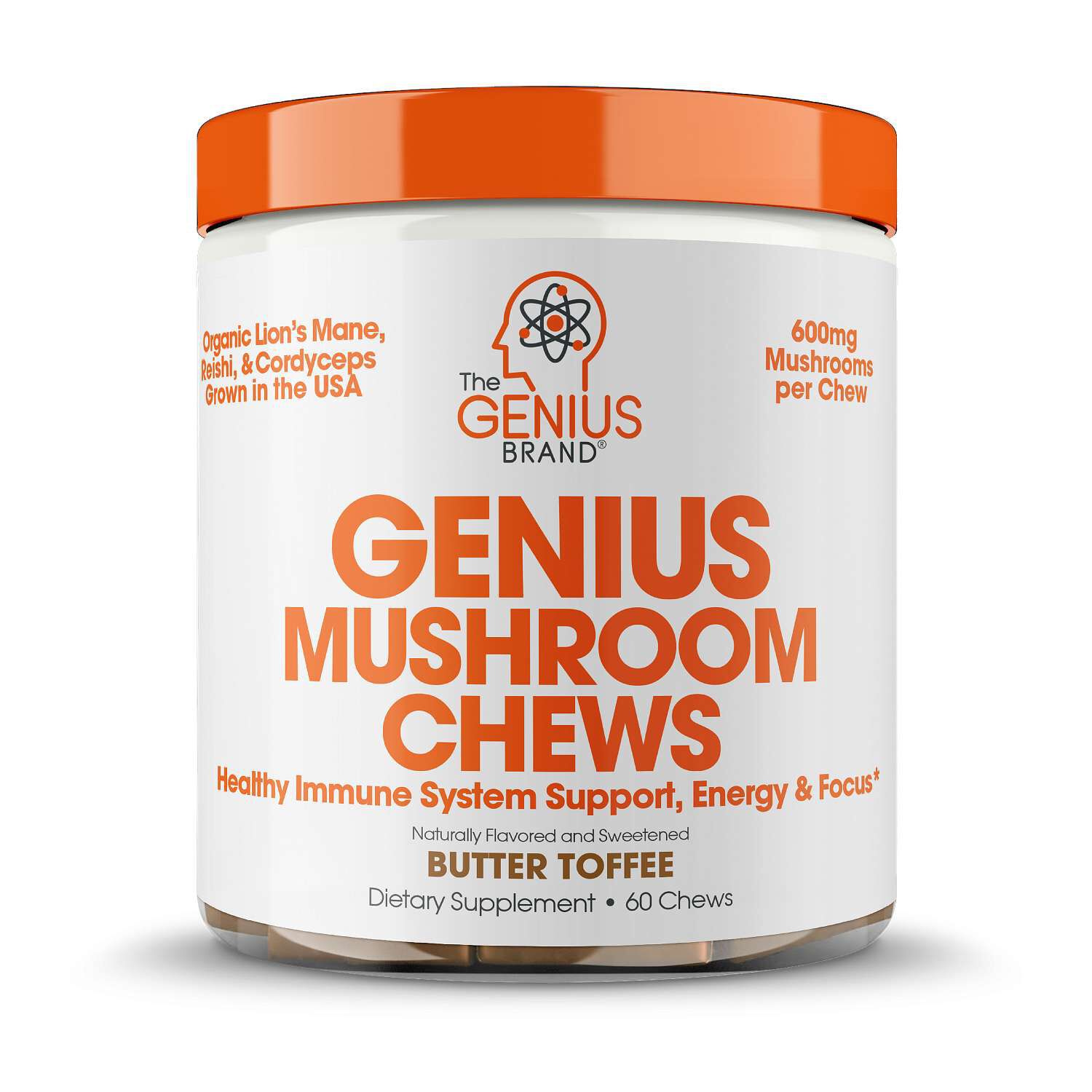 The Genius Brand$29.99
Chewable memory vitamins for adults are dietary supplements marketed around memory and related interests, offered in formats such as chewable tablets, gummies, and soft chews. The category name describes their intended use, not a demonstrated result. Strong evidence that these supplements meaningfully improve memory in healthy adults is limited, and a chewable format does not establish greater effectiveness than a capsule or tablet swallowed whole. For many shoppers, the distinction is practical: a chewable offers a different texture and way of taking a supplement. Someone who dislikes large capsules might prefer a small, firm tablet with a berry flavor, while another person may favor a softer gummy. Neither preference says anything about the merits of the formula inside. Despite the familiar phrase “memory vitamins,” products in this category are not necessarily made only with vitamins. Labels may list individual vitamins, minerals, plant extracts, or other dietary ingredients, sometimes combined in a single formula. That makes the Supplement Facts panel more informative than a short description on the front of the package. Ingredient names, amounts per serving, serving size, and the intended adult audience all help distinguish one formulation from another. The FDA does not approve dietary supplements for safety and effectiveness before they are sold, so marketing language should not be mistaken for an approval or an assessment of results. Statements about manufacturing practices or independent testing also have a narrower meaning than proof of memory benefits. They may address specific aspects of ingredient identity or manufacturing quality, depending on the testing described. A thoughtful comparison keeps these details separate: what the supplement contains, how it is made, how it is taken, and what evidence exists for its advertised purpose. For an adult considering a chewable as part of an established supplement routine, those distinctions offer a more grounded starting point than an appealing flavor name or an ambitious description.
The physical differences among adult chewable supplements deserve attention because taste, texture, and serving size shape the everyday experience. A compressed chewable tablet generally has a firmer bite and may become powdery as it is chewed; gummies have a springier texture, while soft chews can be denser and more substantial. The actual feel varies with the formulation, so the format name is only a starting point. Fruit flavors, tart notes, sweetness, and any lingering aftertaste are also personal preferences rather than measures of quality. An adult who enjoys a lightly tart berry flavor may have different preferences from someone who wants a milder citrus taste. Texture ingredients can include pectin or gelatin in gummies, along with starches or other ingredients used to give a tablet or chew its structure. Vegetarian eating preferences, ingredient sensitivities, and religious dietary practices make those details relevant beyond taste alone. The Other Ingredients list and any stated dietary certifications provide context that the Supplement Facts panel may not cover. Sugar content, added sugars, sweeteners, colors, and flavoring ingredients are further points of comparison. A fruit illustration on a package describes neither the full ingredient list nor the amount of fruit-derived material in a serving. Serving size also warrants a close look: one serving may consist of more than one chewable, and the amounts on the Supplement Facts panel generally refer to that serving rather than to each piece. The number of pieces in a container therefore does not necessarily equal the number of servings. For shoppers exploring formats beyond this specific category, Chewable Vitamins offers a related way to browse supplements with a similar method of use. Across these formats, the most useful comparisons stay specific to the label rather than assuming that all gummies, tablets, or chews share the same ingredients, nutritional profile, or serving instructions.
Intended use and packaging matter just as much as flavor when considering how a chewable supplement fits into adult life. These products are intended for use according to their labels, not as candy or as an extra serving whenever a sweet flavor sounds appealing. Adult labeling is important, even when the shape or fruit flavor resembles products marketed to children. Someone who already uses a multivitamin may notice that a memory-oriented formula includes some of the same nutrients; reading both ingredient panels makes that overlap visible without assuming that a longer ingredient list is preferable. Clear directions, readable print, and a package that closes securely can be especially useful for a supplement kept alongside other personal-care items. Storage instructions deserve the same attention as serving instructions. Original packaging preserves access to the ingredient list, directions, lot information, and date markings, while a securely closed lid helps protect the contents as directed on the label. Gummies and soft chews can stick together or change texture under unsuitable storage conditions, and firm tablets can be affected by moisture. A bottle left open beside a steamy bathroom sink is a different storage situation from a properly closed container in a suitable cabinet. The label’s storage guidance, rather than the appearance of an individual piece, is the appropriate reference for care. For adults who travel or divide time between locations, packaging size and closure design are useful practical details, but transferring loose pieces into an unmarked container separates them from important information. Supplements are also a personal purchase, so giving them as a gift is most considerate when the recipient has specifically expressed an interest in that format and formula. A stated preference for chewables is more relevant than an assumption based on someone’s age or a busy schedule. Ultimately, this category brings together products with a shared intended purpose but potentially different ingredients, textures, and directions. A label-centered comparison keeps the focus on those real differences while maintaining realistic expectations about what a memory-oriented supplement may offer.
Best Sellers
-
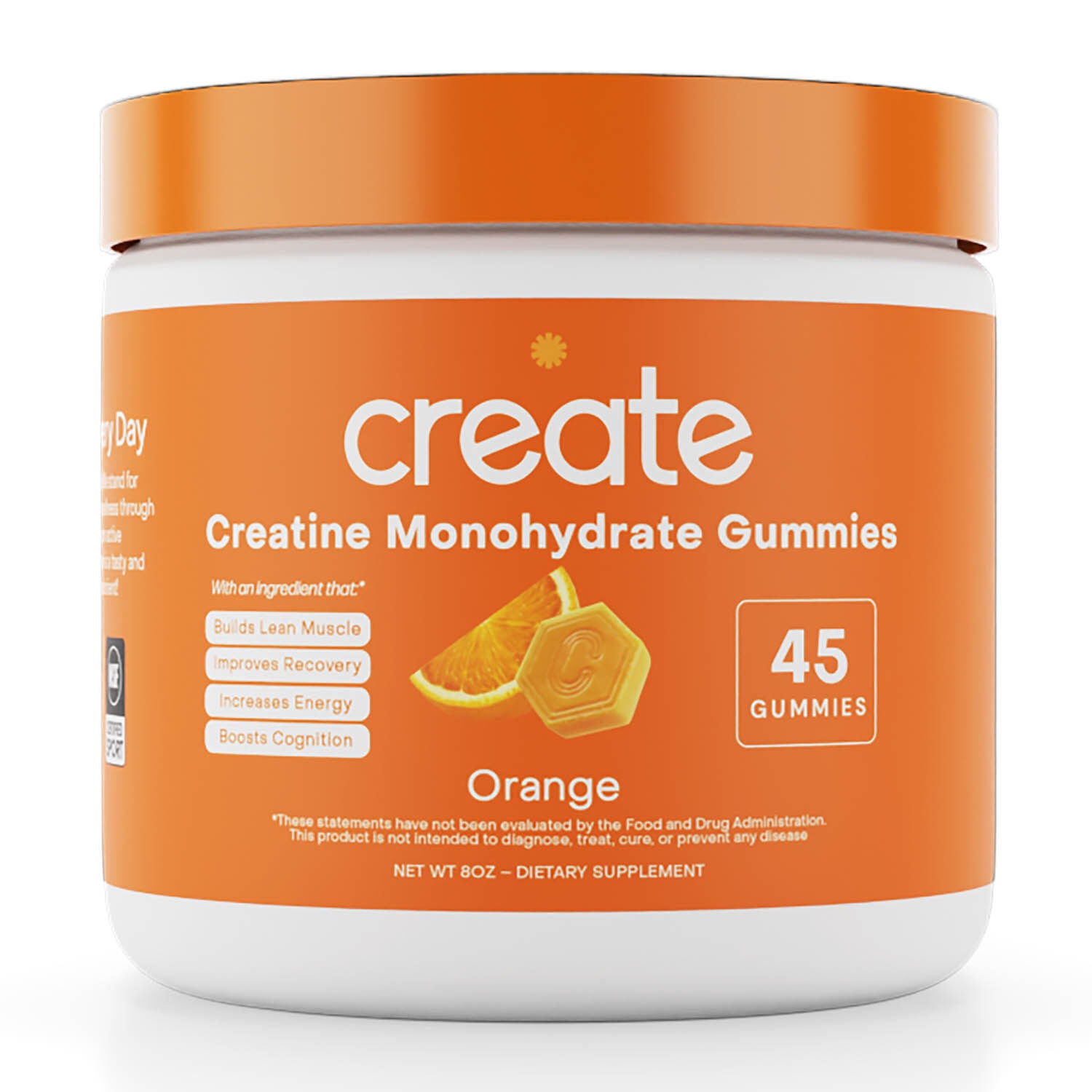 Create Wellness