





Adult Mineral Supplements
(0 Results)
Discover a range of adult mineral supplements designed to support overall health and wellness. These supplements may provide an array of benefits, helping to maintain various bodily functions and promote well-being. Whether looking to support bone health, muscle function, or general vitality, adult mineral supplements could be an excellent addition to a daily regimen. Explore the options available and find the perfect supplement to complement a balanced diet and healthy lifestyle.
-

-
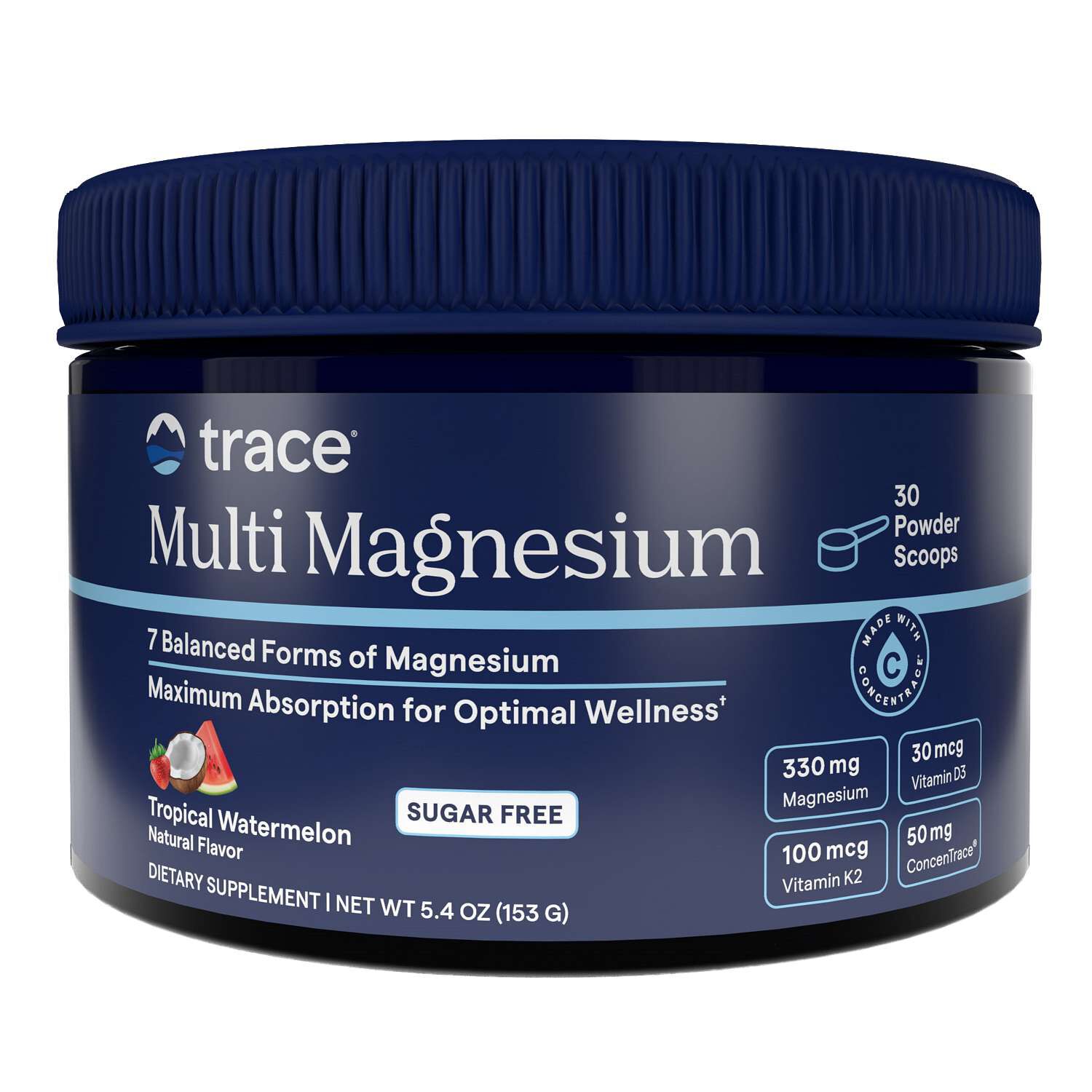 Trace Minerals$29.99
-
-

-

-

-
-

-
-
 _Front.jpg?sw=305&sh=305&sm=fit "Magnesium: Bioactive Magensium Citrate - 120 Capsules (120 Servings) | GNC")
-
 Portions Master$29.99
-

-

-
 _Front.jpg?sw=305&sh=305&sm=fit "Magnesium: Bioactive Magensium Citrate - 60 Capsules (60 Servings) | GNC")
-

-
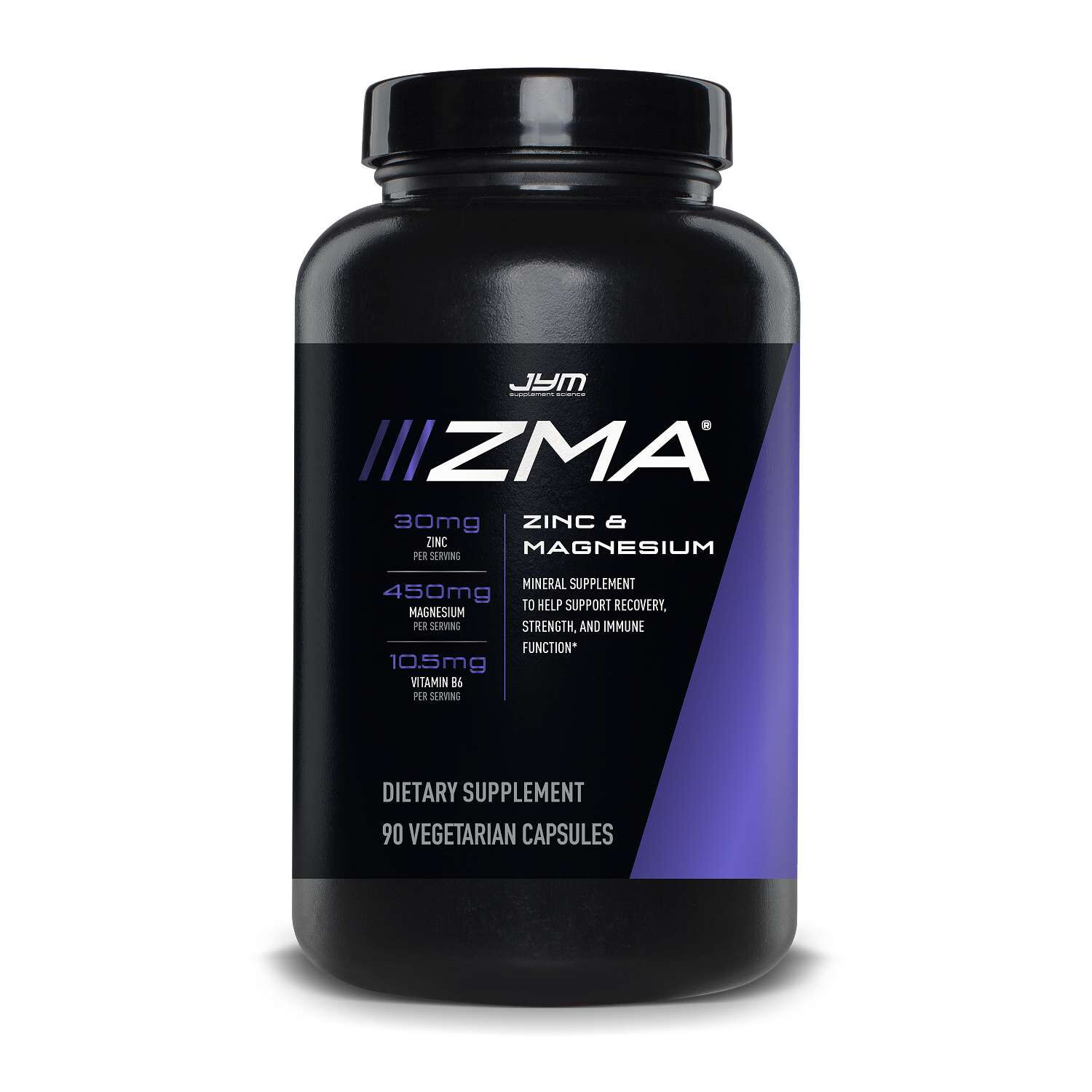
-

-
 $27.99
-
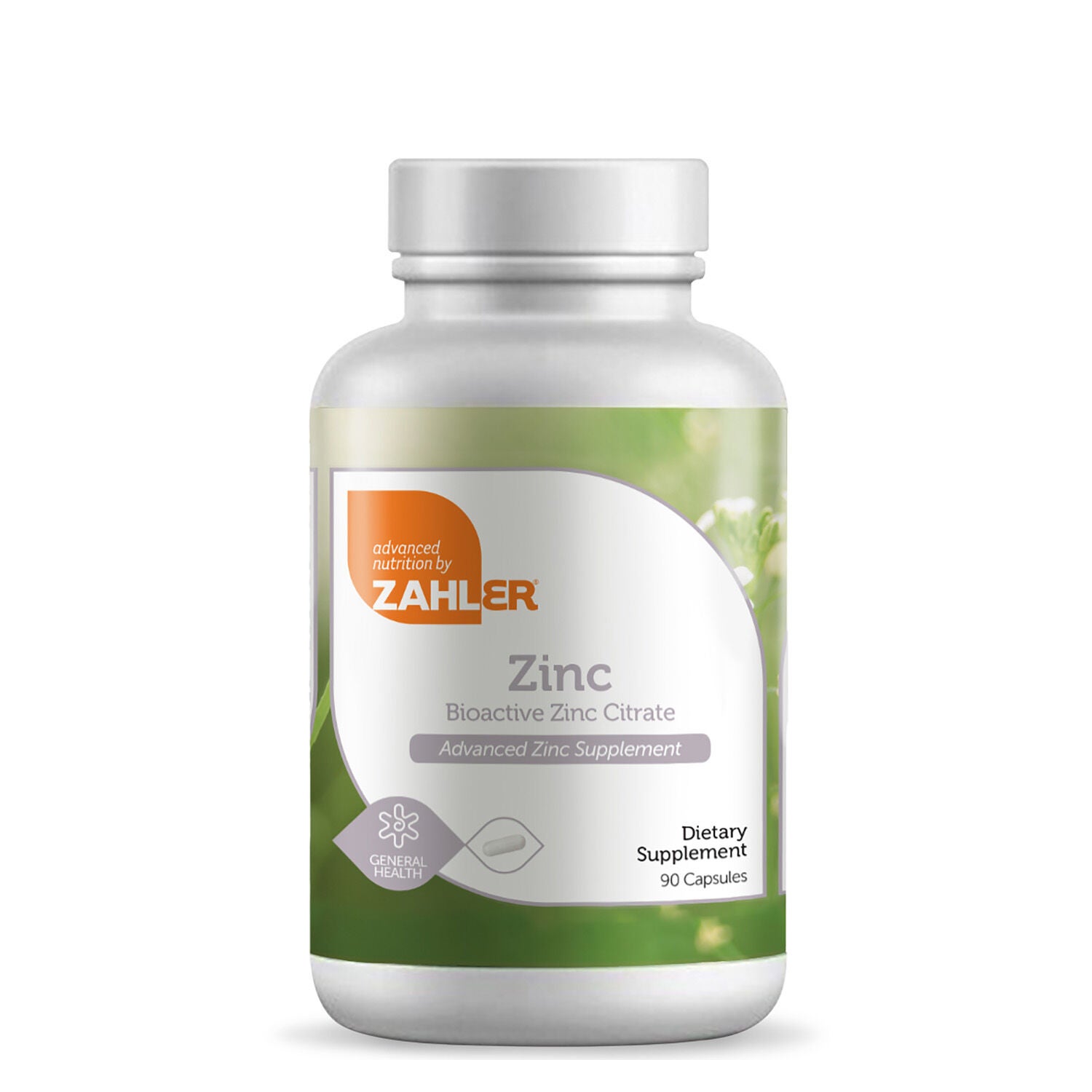
-
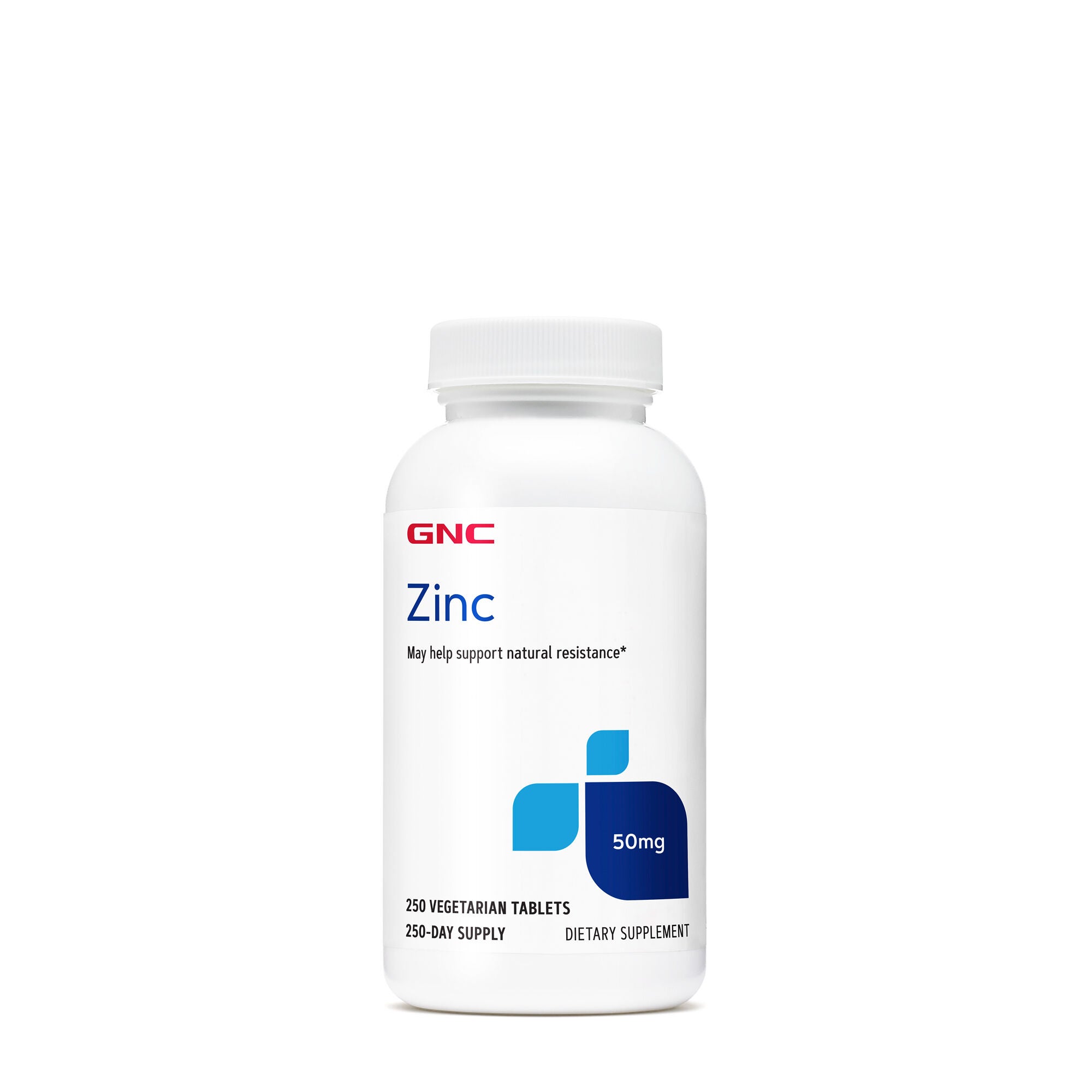
-
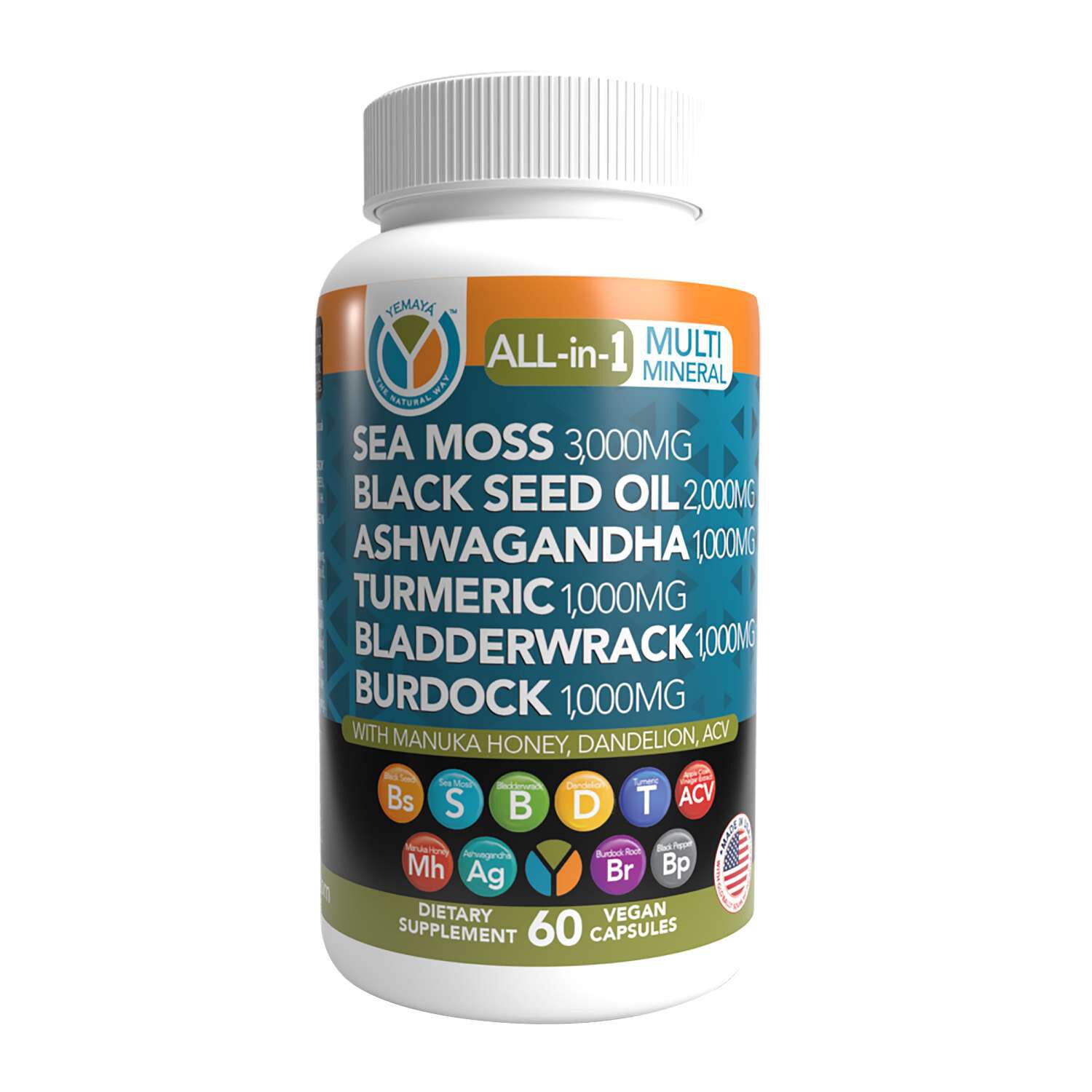 Yemaya Organics$28.99

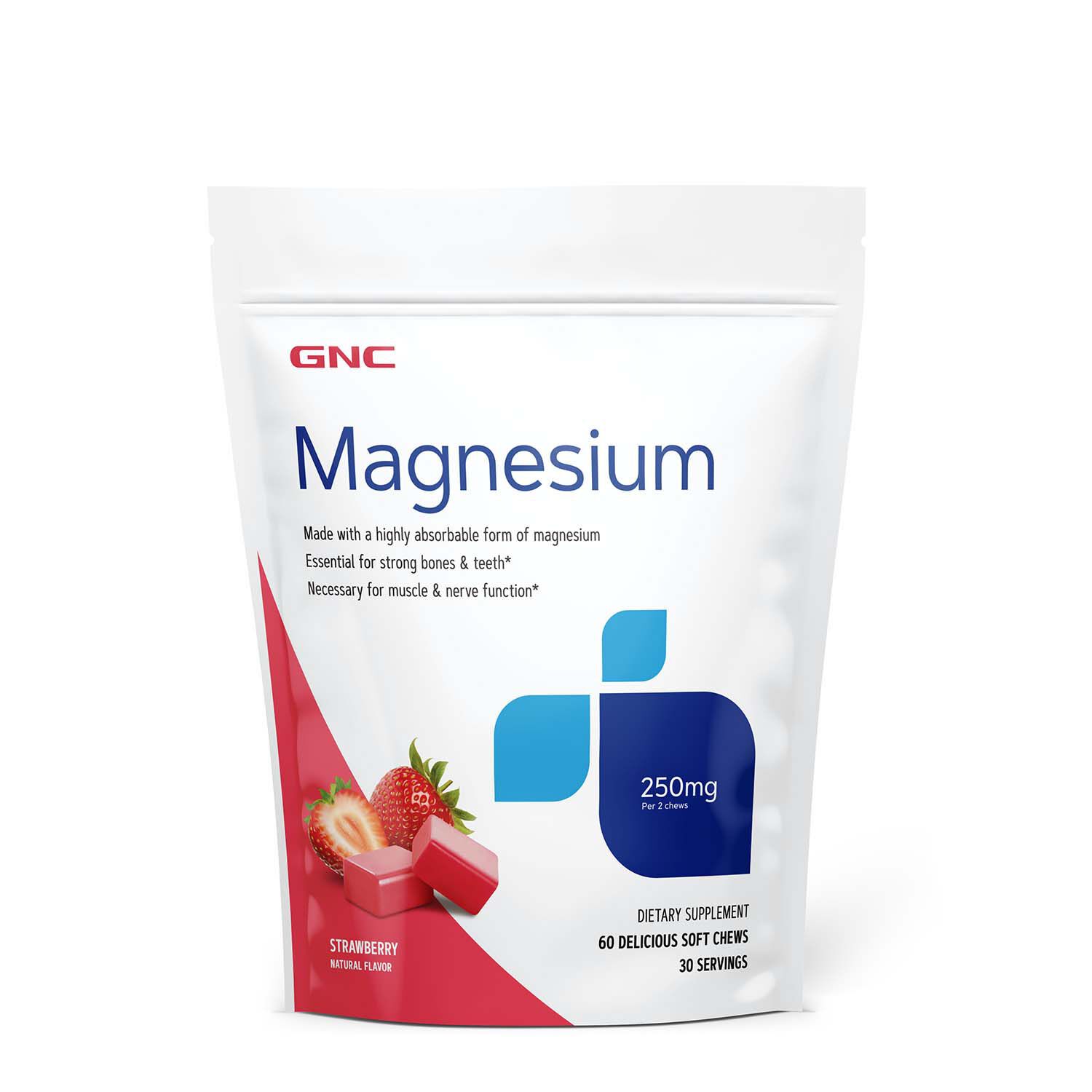

Adult mineral supplements are dietary supplements that contain individual minerals or combinations of minerals in formats intended for adults. They are designed to complement dietary intake rather than replace balanced meals or the variety of nutrients found in food. Calcium, magnesium, zinc, iron, potassium, iodine, selenium, and copper are among the minerals that appear in this category, although the ingredients and amounts vary considerably from one formula to another. Single-mineral options focus on one nutrient, while multi-mineral formulas bring several together in the same serving. Some formulas also include vitamins, making the Supplement Facts panel especially useful for understanding what each serving contains. Minerals are naturally present in many everyday foods: dairy foods contain calcium, beans and leafy vegetables contain magnesium, and meat, seafood, and legumes contain iron or zinc in varying amounts. Supplements offer another source of these nutrients, but a label alone cannot establish whether someone has a dietary shortfall. Adult mineral supplements may complement an eating pattern with a particular nutrient gap; they are not a replacement for the foods that contribute fiber, protein, and other dietary components. Within the broader category of Mineral Supplements, adult-focused formulas differ in their mineral combinations, serving sizes, ingredient sources, and presentation. Those differences matter more than a familiar mineral name printed prominently on the front of a bottle. A calcium formula and a multi-mineral blend, for example, serve different shopping purposes even when both contain calcium. One centers on a single nutrient, while the other includes several nutrients that need to be considered together. For adults browsing this category, the most useful background is straightforward: the mineral name identifies the nutrient, the Supplement Facts panel identifies the amount per serving, and the ingredient list supplies additional details about the formula. Together, those details create a clearer picture than broad packaging language alone.
The physical format is another meaningful distinction among adult mineral supplements. Tablets, capsules, gummies, chewables, powders, and liquids each bring a different texture and a different way of measuring a serving. A capsule has a shell that may be made from gelatin or plant-derived materials, while a tablet contains compressed ingredients and may have a coating. Gummies and chewables often include flavorings, sweeteners, colors, or ingredients that create their texture. Powders and liquids have their own preparation details, such as a specified scoop, measured volume, or mixing directions. These are practical differences rather than evidence that one format is universally preferable. For someone who dislikes a chalky texture, a coated tablet or capsule may be more appealing; someone who already prepares a drink as part of a routine might prefer a powder. Flavor also deserves attention when a supplement is chewed or mixed, particularly when the same flavor becomes part of a repeated routine. Beyond format, mineral names can appear alongside terms such as citrate, carbonate, glycinate, or oxide. These terms identify the ingredient form, not merely a flavor or finish, and two formulas containing the same mineral can list different forms. On U.S. Supplement Facts panels, the listed mineral amount generally refers to the mineral itself rather than the weight of the entire compound that supplies it. Serving size provides another important point of comparison: the amount shown may correspond to one capsule, several tablets, or a measured portion of liquid or powder. Container count and serving count therefore describe different things. The percent Daily Value offers a standardized labeling reference, not a personalized intake target. Ingredient lists also show components beyond the named minerals, including capsule materials, binders, flavorings, and sweeteners. Dietary preference statements and allergen information add context for adults comparing formulas with particular ingredient requirements. A short ingredient list and a longer one can reflect different formats or formulation choices; length alone does not explain how well a product fits an individual’s preferences.
Everyday practicality extends beyond the formula to the container, measuring accessories, and storage directions. A bottle that stays on a kitchen shelf has different handling demands from one that travels in a work bag, and a powder tub requires a different setup from a small capsule bottle. Package dimensions, closure style, label readability, and the presence of a scoop or measuring device all shape the experience of keeping a supplement in a regular routine. For liquids, the distinction between a dropper marking and a serving measurement deserves close attention because the package directions define how the serving is measured. For powders, the scoop size and mixing instructions describe preparation more accurately than the appearance of a spoonful. Storage requirements also vary by format and formula. Package instructions specify the appropriate conditions, while the original container keeps the ingredient information, lot details, and expiration date together. Exposure to moisture can affect the texture of tablets, capsules, gummies, or powders, so a steamy bathroom and a dry cupboard present different storage environments. A tightly closed container and a clean, dry measuring utensil are practical care considerations where consistent with the label. Packaging seals and closures also deserve attention during ordinary handling, especially when a container is opened and closed frequently. Travel introduces another consideration: the original labeled package preserves information that can be lost when loose servings are moved into an unmarked container. Adults comparing more than one supplement can also encounter the same mineral in several places, including a multivitamin and a separate mineral formula. Reading each panel side by side makes that overlap visible without assuming that the products have identical purposes or serving sizes. The strongest comparison is therefore a detailed one, grounded in mineral identity, amount per serving, ingredient form, dietary preferences, and practical handling. Adult mineral supplements encompass many combinations of those features, giving shoppers several distinct ways to match a format and formulation to their established nutrition routines.
Best Sellers
-
 Rho Nutrition
-
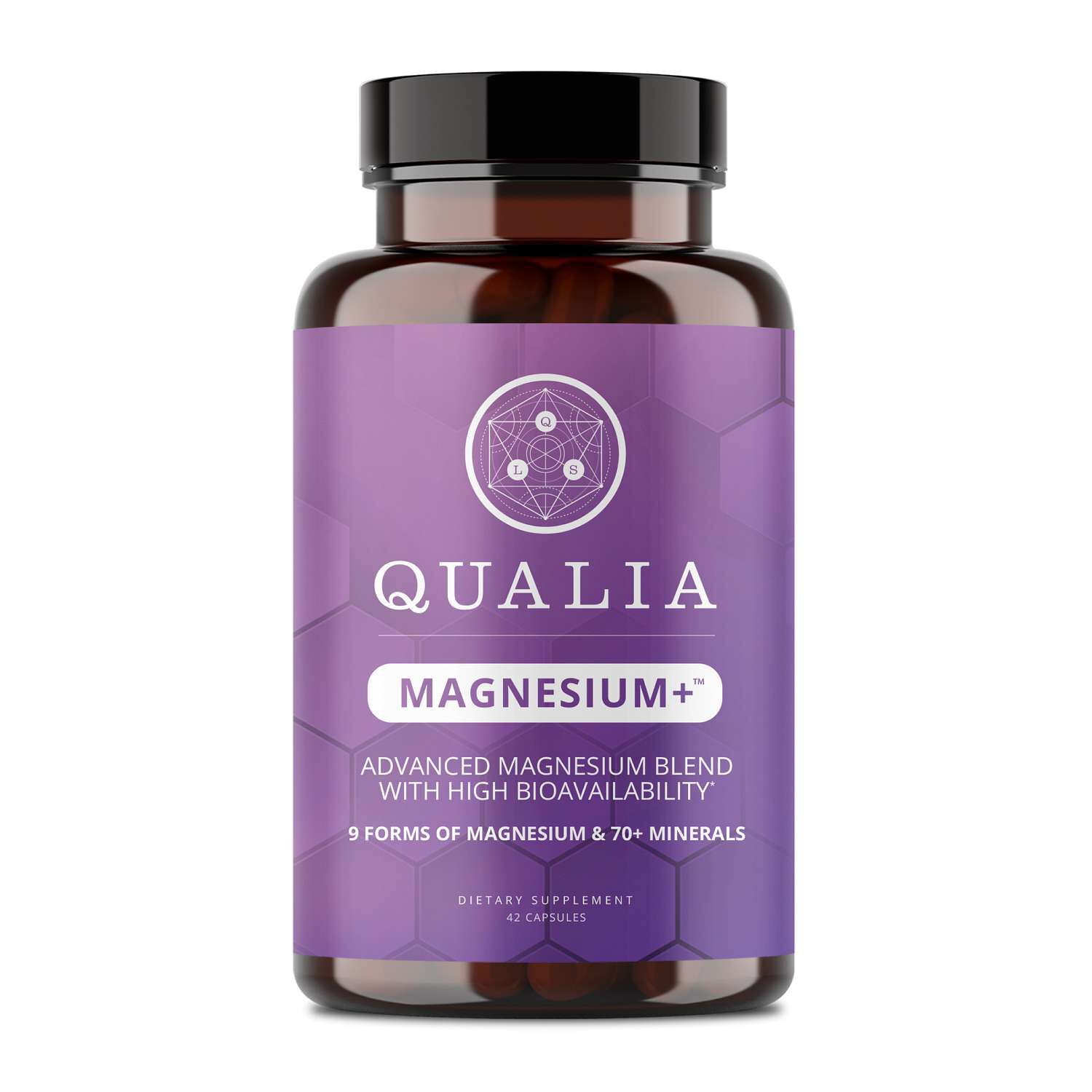 Qualia Life Sciences
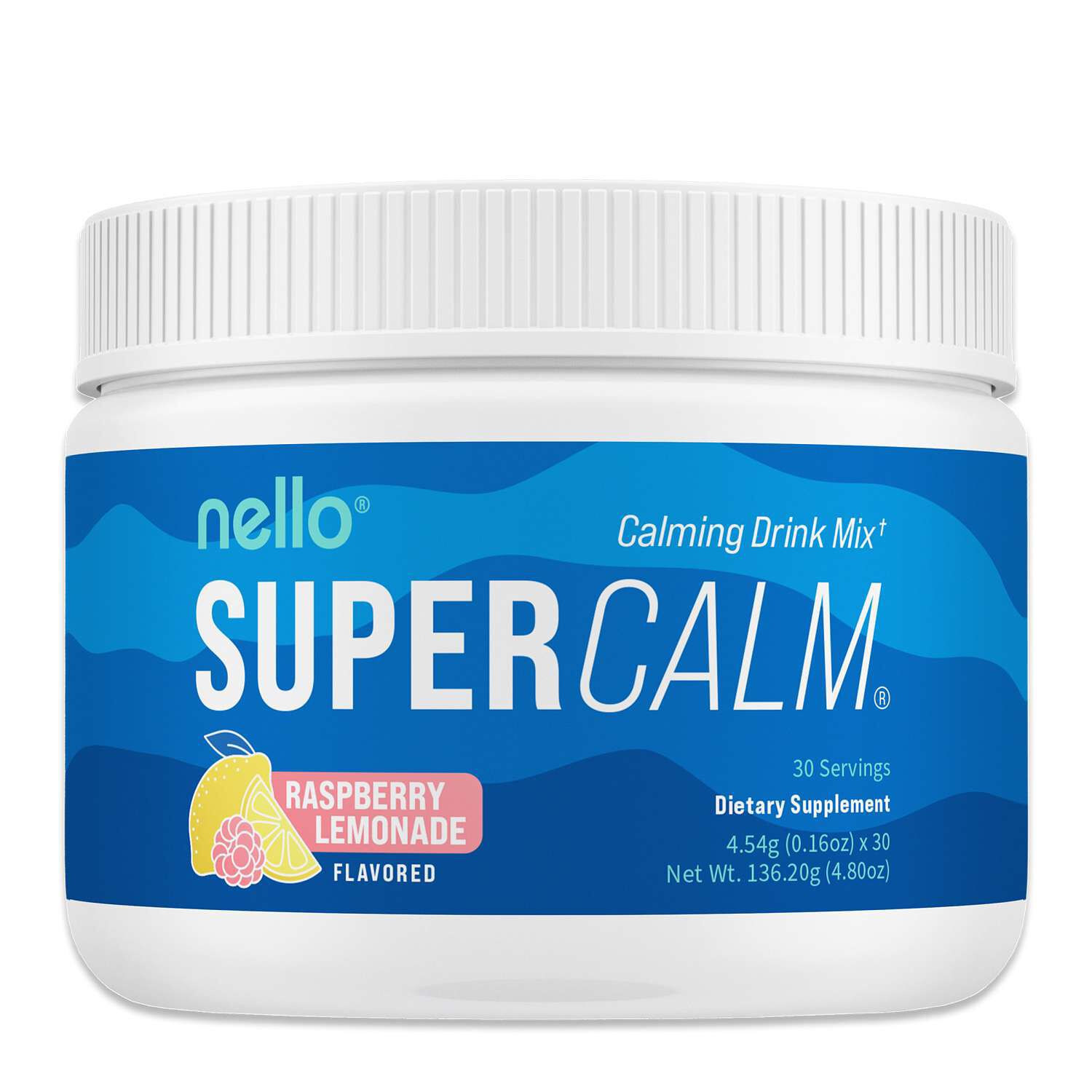
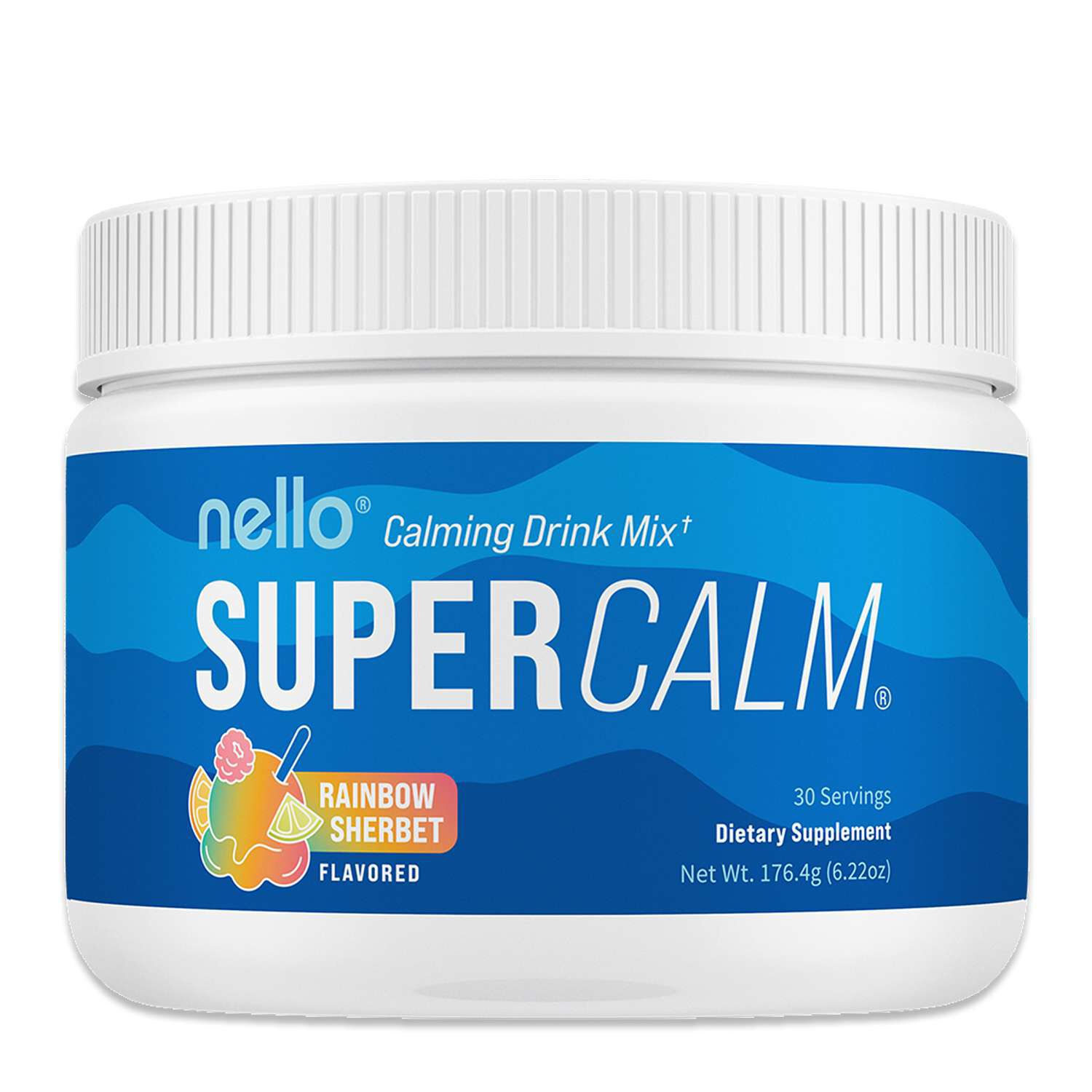

Top Collections
- Joint Mobility Supplement Packs
- Daily Collagen Supplements | Top Brands & Deals | GNC
- GLP 1 Support For Adults
- Zinc Supplements | Top Brands at Great Prices | GNC
- Supplements For Yoga Joint Flexibility
- Supplements For Balance
- Capsule Supplements For Energy And Stamina
- Adult Mobility Supplements
- Chronic Fatigue Supplements
- Vitamins For Hair Loss